


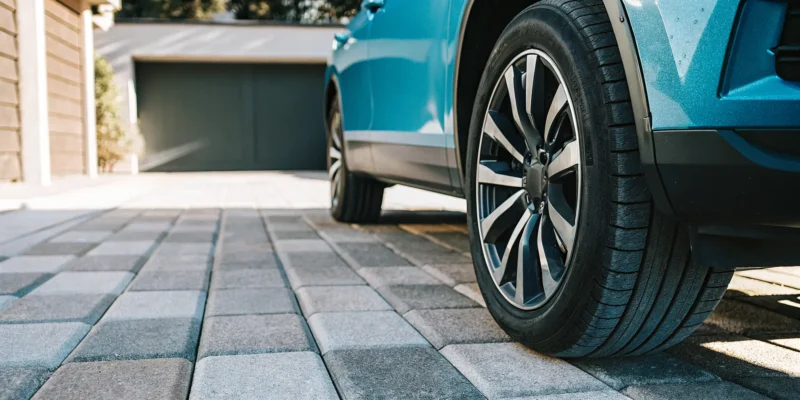
If you’re a homeowner on Long Island, you know that a heavy rainstorm can turn your driveway or patio into a shallow pond. All that water has to go somewhere, and with traditional surfaces, it runs off into the street, carrying pollutants with it. This is where permeable pavers offer a smarter, more elegant solution. Instead of creating a solid barrier, these innovative systems are designed to let rainwater soak directly into the ground beneath them. This simple change mimics nature’s own drainage process, helping to prevent puddles, reduce runoff, and protect our local waterways. It’s a beautiful and practical upgrade for any home.
Key Takeaways
- Manage rainwater the smart way: Permeable pavers work by allowing water to drain through the surface into a specialized base, which helps prevent runoff, reduces puddling, and naturally filters water back into the ground.
- Get style and long-term value: Choosing a permeable system doesn’t limit your design choices; options range from classic concrete to natural stone. This is a wise investment that can save you money on separate drainage systems and add lasting value to your home.
- Keep maintenance simple and straightforward: Caring for permeable pavers is easier than you think. The main task is to regularly sweep the surface clear of leaves and debris to keep the joints open, ensuring the system continues to drain water effectively.
How Do Permeable Pavers Work?
If you’ve ever seen water pool on a driveway or patio after a Long Island rainstorm, you’ve witnessed the problem with traditional hardscaping. Permeable pavers offer a smart solution by working with nature, not against it. Instead of creating a solid, non-porous surface that forces water to run off into storm drains, permeable systems allow rain and snowmelt to soak directly into the ground below. This simple yet brilliant design mimics the way natural soil absorbs water, helping to reduce runoff, prevent erosion, and replenish local groundwater sources. It’s an elegant approach that combines beautiful design with practical, eco-friendly function for your home.
The Secret to Smart Water Drainage
The magic of permeable pavers lies in their design and installation. Unlike standard concrete or asphalt, these pavers are created with small gaps between them. When it rains, water flows through these joints instead of pooling on the surface. Think of it as a built-in drainage system for your patio or driveway. This design effectively manages stormwater right where it falls, preventing excess water from overwhelming your yard or the local sewer system. By allowing water to soak into the ground, you’re not just keeping your surfaces dry; you’re also helping to filter out pollutants and recharge the natural aquifer beneath your property.
The Layers of a Permeable System
A permeable paver system is much more than what you see on the surface. The real work happens in the carefully constructed base underneath. Below the pavers, our expert masonry teams install several layers of different-sized crushed stone and aggregate. This multi-layered foundation acts like a natural filter. As water drains through the paver joints, it passes through these stone layers, which clean it of debris and impurities. The open spaces within the aggregate base also create a reservoir, temporarily holding the water before it slowly and safely percolates back into the soil. This thoughtful engineering is key to the system’s long-term success and durability.
Best Uses: Driveways, Patios, and Pool Decks
Permeable pavers are incredibly versatile and are an excellent choice for almost any outdoor surface. They are particularly effective for driveways, walkways, and patios, where managing runoff from a large, flat area is crucial. Around swimming pools, they are a fantastic safety feature, as their drainage capabilities prevent slippery puddles from forming on the deck. As homeowners become more conscious of stormwater management, permeable pavers have become a popular and responsible choice. They offer a durable, beautiful, and environmentally friendly alternative for any hardscape project, adding both function and style to your outdoor living space.
Why Choose Permeable Pavers Over Traditional Ones?
When planning a new driveway, patio, or walkway, traditional pavers might seem like the default choice. However, permeable pavers offer a smarter, more sustainable alternative with a surprising number of benefits. They do more than just look good; they actively manage rainwater, can save you money down the road, and are built to withstand the test of time. Choosing a permeable system is an investment in your property’s beauty, functionality, and environmental health.
Eco-Friendly Stormwater Management
The standout feature of permeable pavers is how they handle rain. Instead of letting water pool on the surface or run off into storm drains, they allow it to soak through the joints and into the ground below. This process mimics natural soil, reducing runoff that can cause flooding and carry pollutants into Long Island’s waterways. By filtering rainwater naturally, a permeable paver system helps replenish local groundwater. Proper masonry installation is key to ensuring this system functions perfectly for years to come.
Long-Term Value and Cost Savings
While the initial cost of permeable pavers can be higher than traditional options, they often prove more economical over time. Because they manage stormwater on-site, you may be able to avoid installing expensive and complex drainage systems, such as catch basins or French drains. This can lead to significant savings on your overall project cost. For Long Island homeowners, this is a practical benefit that adds lasting value to your property by creating a more resilient and cost-effective landscape.
Beautiful and Flexible Design Options
Choosing an eco-friendly option doesn’t mean you have to compromise on style. Permeable pavers are available in a vast array of shapes, colors, and textures that are just as beautiful as their non-permeable counterparts. You can find everything from classic cobblestone looks to sleek, modern slabs to complement your home’s architecture. Whether you’re designing an elegant patio or a charming garden path, there are plenty of porcelain and natural stone pavers that offer both permeability and stunning visual appeal. You get all the environmental benefits without sacrificing your design vision.
Built to Last: Durability and Strength
Permeable pavers are engineered to be incredibly strong and durable. They are designed to handle heavy foot traffic on patios and the weight of vehicles on driveways without a problem. The interlocking system creates a stable, robust surface that resists shifting and cracking over time, even with Long Island’s freeze-thaw cycles. These systems are built for longevity and can last for decades with minimal upkeep. With professional restoration and sealing services available for long-term care, you can trust that your investment is not only green but also incredibly resilient.
What Are Your Permeable Paver Options?
When you hear “permeable pavers,” you might picture just one specific type of stone. The reality is much more exciting. You have a variety of materials to choose from, each offering a unique aesthetic and set of benefits for your Long Island home. Whether you prefer the classic look of interlocking pavers, the seamless finish of modern concrete, or the green appeal of a grass-filled grid, there’s a permeable solution that fits your style. Let’s explore the most popular options so you can find the perfect match for your project.
Interlocking Concrete Pavers (PICPs)
Permeable Interlocking Concrete Pavers, or PICPs, are a top choice for durability and design flexibility. Unlike standard pavers that fit tightly together, these are engineered with wider joints. These spaces are filled with tiny, clean stones that allow rainwater to filter through them and into a prepared stone base below. This design effectively prevents runoff while providing a strong, stable surface for driveways, walkways, and patios. With a huge range of colors, shapes, and textures available, you can achieve a custom look that complements your home’s architecture. Our masonry experts can help you design a pattern that is both beautiful and functional.
Porous Asphalt and Pervious Concrete
If you prefer a smooth, uniform surface, porous asphalt and pervious concrete are excellent alternatives. These materials look very similar to their traditional counterparts but are mixed with minimal fine particles, creating a web of interconnected voids. This structure allows water to flow directly through the pavement itself, not just around it. This makes them a great option for modern driveways or large patio areas where you want a seamless finish. An expertly installed system includes an underlying layer of loosely packed aggregates that holds the water before it soaks into the ground, making it a powerful tool for managing stormwater on your property.
Grid Systems with Grass or Gravel
For a solution that blends beautifully with your landscape, consider a permeable grid system. These are typically made of durable, recycled plastic or concrete and form a honeycomb-like structure. You can fill the open cells with either gravel for a crisp, modern path or topsoil and grass seed for a lush, green surface that you can drive on. These systems provide the structural support needed for driveways and parking areas while maximizing green space. They are fantastic for managing rainwater, preventing soil erosion, and helping to replenish local groundwater. This approach perfectly merges hardscaping with thoughtful landscape design.
Natural and Eco-Friendly Stone
You don’t have to give up the timeless beauty of natural stone to get the benefits of a permeable surface. You can use materials like granite, bluestone, or fieldstone and simply have them installed with permeable techniques. The key is setting the stones with wider, open joints filled with a clear crushed stone aggregate. This method allows water to drain between the stones into the prepared base below. This gives you the high-end, elegant look of a classic stone patio or walkway while still being environmentally responsible. You can explore a wide variety of porcelain and natural stone pavers to find the perfect material for your home.
How Much Will Permeable Pavers Cost?
Let’s talk numbers. When planning any home improvement project, the budget is always a top consideration. Permeable pavers often have a higher initial cost than traditional materials like asphalt or standard concrete pavers, but it’s important to understand what you’re paying for. The price reflects a more complex system that manages water, protects your property, and adds long-term value.
Instead of just a simple surface, you’re investing in an engineered solution that includes a specialized base, high-quality pavers, and expert installation. This system is designed to last for decades while actively preventing common issues like puddling, ice buildup, and runoff. We’ll break down the costs so you can see exactly where your money goes and why it’s a smart investment for your Long Island home.
Breaking Down Material and Installation Costs
The total cost of your project can be split into two main categories: the materials themselves and the complete installation. For high-quality permeable pavers, you can generally expect the materials to cost between $5 and $10 per square foot. This price varies based on the style, color, and type of natural stone or porcelain you choose.
When you factor in the specialized multi-layered sub-base, all materials, and professional labor, the total project cost typically ranges from $10 to $18 or more per square foot. This comprehensive price covers the excavation, the installation of the drainage layers, and the precise placement of the pavers, ensuring the system functions perfectly from day one.
What Factors Influence the Final Price?
Unlike a standard patio, a permeable paver system has several components that contribute to the final cost. The price isn’t just about the pavers on top; it’s about the entire system underneath. Key factors that can influence your project’s price include the size and complexity of the area, how easy it is for our crew to access the site, and whether we need to remove an old driveway or patio first.
Your property’s soil type can also play a role, as it may require adjustments to the sub-base design. The expert masonry and installation techniques required for these systems are crucial for their performance and longevity, making professional installation a critical part of the investment.
Is the Initial Investment Worth It?
While permeable pavers may cost more upfront, they can save you significant money over time. By managing stormwater on-site, they often reduce or completely eliminate the need for expensive, separate drainage systems like French drains or dry wells. This is a huge benefit, especially on properties with drainage challenges.
Furthermore, these systems can increase your property’s value and may even lead to faster project approvals from local municipalities. Think of it as a long-term investment in your home’s durability and functionality. You get a beautiful, high-performance surface that prevents water damage, reduces maintenance headaches, and contributes to a healthier local environment.
What Maintenance Do Permeable Pavers Really Need?
When you hear about a specialized system like permeable pavers, it’s natural to wonder if they come with a complicated maintenance routine. The good news is, they don’t. Keeping your permeable pavers in top shape is surprisingly straightforward and not that different from caring for traditional surfaces. Most of your maintenance tasks, like cleaning, clearing away leaves, and pulling the occasional weed, are things you’d be doing anyway with a standard concrete or asphalt driveway. The main goal is simply to keep the joints between the pavers clear so water can drain through as intended.
The key is consistency. A little bit of regular upkeep prevents debris from building up and clogging the system. By staying on top of a few simple tasks, you ensure your pavers function beautifully and effectively for years. And if you ever feel like your pavers need a deeper clean or a refresh, Gappsi’s professional restoration and sealing services are always available to bring them back to pristine condition. This simple care routine protects your investment and keeps your outdoor space looking its best.
Your Simple Routine Cleaning Checklist
Keeping your permeable pavers working correctly really comes down to one thing: making sure water can still flow through the gaps. When leaves, dirt, and other debris build up, they can clog these essential drainage channels. A simple cleaning routine is all you need to prevent this.
Just add these quick tasks to your regular outdoor cleanup:
- Sweep the surface: Regularly sweep away leaves, twigs, and dirt with a stiff-bristled broom.
- Use a leaf blower: For a faster cleanup, a leaf blower is great for clearing loose debris from the surface.
- Rinse occasionally: A gentle rinse with a garden hose can wash away fine dust and sediment. Avoid using a high-pressure washer, as it can dislodge the aggregate in the joints.
Seasonal Upkeep for Lasting Results
A little seasonal attention goes a long way in preserving the function and beauty of your permeable pavers. In the fall, be diligent about clearing fallen leaves to prevent them from decomposing and clogging the joints. Come winter, you’ll notice a major benefit: because permeable surfaces prevent water from pooling, there’s less ice buildup, making your walkways and driveway safer. If you need to de-ice, use salt sparingly and avoid sand, which can clog the system. In the spring, it’s a great time to give your pavers a thorough cleaning to wash away winter grime and check that the joints are still filled properly. This simple seasonal care ensures lasting performance year after year.
Common Maintenance Myths, Busted
Let’s clear up a few common misconceptions about permeable paver maintenance. The biggest myth is that they are difficult to care for. As we’ve covered, the routine is simple and very similar to that of any other paver surface. Another myth is that permeable pavers aren’t as strong as traditional options. In reality, permeable pavements are designed to be just as durable. When installed correctly by experts, they can easily handle the weight of vehicles on a driveway and heavy foot traffic on a patio. With basic, consistent care, your permeable pavers will prove to be a strong, reliable, and beautiful choice for your home.
Related Articles
- How to Find Permeable Paver Driveway Installers
- The Ultimate Guide to Permeable Pavers for Driveways
- Driveways Archives – Gappsi Group
Frequently Asked Questions
Are permeable pavers really strong enough for a driveway? Absolutely. Don’t let the gaps between the stones fool you; these systems are engineered for serious strength. The interlocking pavers combined with the deep, layered stone base create an incredibly stable surface that distributes the weight of vehicles effectively. They are designed to handle daily traffic and withstand Long Island’s freeze-thaw cycles without shifting or cracking.
How do permeable pavers handle snow and ice during the winter? They perform exceptionally well in winter, which is a major advantage for homeowners here. Because water drains through the surface instead of pooling on top, there is much less opportunity for dangerous ice sheets to form. Snow also tends to melt and drain away more quickly. This natural drainage makes your driveway and walkways significantly safer during icy weather.
Do I have to sacrifice style if I choose a permeable option? Not at all. You have just as many beautiful design choices with permeable pavers as you do with traditional ones. They are available in a huge variety of colors, textures, and styles, from classic cobblestone to sleek, modern slabs. The functional part of the system is in the joints and the base underneath, so the surface you see and enjoy is just as stylish as any conventional patio or driveway.
Can I install permeable pavers myself to save money? While it might seem like a way to cut costs, installing a permeable paver system is a complex job that really requires professional expertise. The system’s success depends entirely on the correct excavation and installation of the multi-layered base. This is more of an engineering project than a simple paver-laying job. An incorrect installation can lead to failure, so investing in expert masonry ensures your system works perfectly for decades.
How long does a permeable paver system last compared to a traditional one? With professional installation and simple, regular maintenance, a permeable paver system is built to last for 20 to 30 years, or even longer. Their lifespan is very comparable to that of high-quality traditional pavers. In fact, because the system prevents water from sitting on the surface and eroding the base, it can reduce wear from weathering, helping it maintain its strength and beauty over time.