


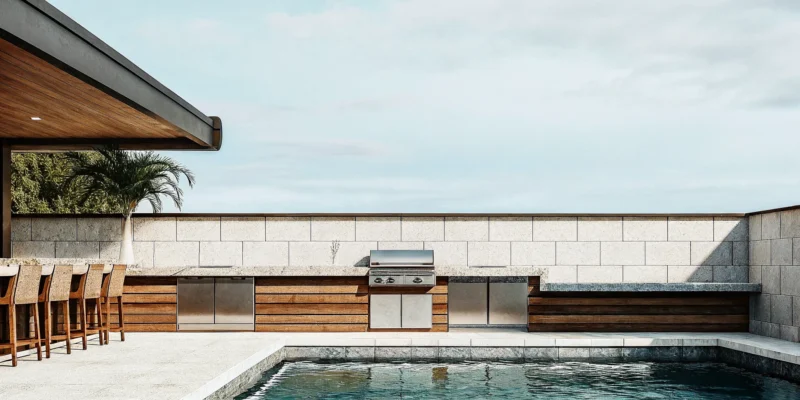
Your backyard should be a reflection of your personal style, and an outdoor kitchen is the perfect place to make a statement. Stone is an incredibly versatile material that can bring any vision to life, whether you dream of a sleek, modern entertainment space or a cozy, rustic cooking nook. The type of stone, its cut, and how you pair it with other elements will define the entire atmosphere. We’ve gathered our favorite outdoor kitchen design ideas with stone to inspire your project. From the classic elegance of granite to the charming texture of stone veneer, we’ll show you how to create a space that is uniquely yours.
Key Takeaways
- Match the stone to its purpose: For a kitchen that lasts, select materials based on their function. Use durable, dense stones like granite for hardworking countertops and choose strong pavers to build a stable, attractive foundation.
- Plan your layout for real life: A beautiful kitchen is only great if it’s easy to use. Think through your workflow, making sure you have plenty of counter space, smart storage, and good lighting to create a space that’s as practical as it is pretty.
- Use stone to create your ideal vibe: Stone is a design powerhouse that can bring any style to life. Whether you want a cozy rustic retreat with stacked stone or a sleek modern space with polished granite, the right material choice is key to achieving your desired aesthetic.
Why Choose Stone for Your Outdoor Kitchen?
When you imagine your perfect backyard, an outdoor kitchen is often the star of the show. It’s where you’ll grill on a summer evening, host family gatherings, and make memories that last. To build a space that stands up to both the weather and the test of time, your choice of materials is crucial. While there are many options out there, stone consistently comes out on top. It’s a fantastic choice because it delivers on three key fronts: incredible durability, timeless beauty, and simple maintenance.
An outdoor kitchen is a significant investment in your home and your lifestyle, so you want materials that you can count on for years to come. Unlike wood that can rot and require constant staining, or certain metals that might rust in our coastal air, stone is built to last. It provides a sturdy, reliable foundation for your entire outdoor cooking area, from the countertops where you prep food to the flooring underfoot. The natural elegance of stone also creates an inviting atmosphere that makes your backyard feel like a true retreat. Let’s look at why stone is such a popular and practical choice for outdoor kitchens on Long Island.
It Lasts Through Every Season
Here on Long Island, we get to experience all four seasons, from sunny summer days to snowy winter nights. Your outdoor kitchen needs to withstand it all. Stone is naturally resilient and can handle drastic temperature changes without warping, cracking, or fading. Using high-quality, long-lasting materials like granite and other porcelain and natural stones ensures your outdoor kitchen remains beautiful and functional year-round. You won’t have to worry about covering it constantly or performing extensive repairs after a tough winter. It’s a durable choice that gives you peace of mind and more time to simply enjoy your space.
It Brings Natural Beauty to Your Space
Stone has a way of making any structure feel grounded and connected to its surroundings. It brings an organic, sophisticated texture to your backyard that other materials just can’t replicate. Whether you prefer the sleek, polished look of granite or the rustic charm of stacked stone veneer, there’s a style for every taste. This natural beauty enhances the overall aesthetic of your outdoor living area, creating a seamless flow from your home to your garden. Our expert masonry services can help you design a kitchen that feels like a natural extension of your landscape.
It’s Easy to Maintain
The last thing you want to do after hosting a barbecue is spend hours scrubbing your outdoor kitchen. With stone, cleanup is refreshingly simple. Most stone surfaces, especially when properly sealed, are resistant to stains, moisture, and bacteria. A quick wipe-down with soap and water is usually all it takes to clean up spills and splatters. This low-maintenance quality means you can spend less time on upkeep and more time cooking and relaxing with friends and family. To keep your stone looking its best for years, consider professional restoration and sealing services to protect it from the elements.
What Are the Best Types of Stone for an Outdoor Kitchen?
Choosing the right stone for your outdoor kitchen is a big decision, but it’s also one of the most exciting parts of the design process. The material you select sets the tone for the entire space, influencing everything from the overall aesthetic to daily maintenance. Your final choice will depend on your personal style, your budget, and how you plan to use the kitchen. Some stones are perfect for high-traffic countertops, while others add incredible texture to backsplashes or flooring. Think about the kind of gatherings you want to host. Are you planning big family cookouts or more intimate dinners? The answer can help guide you toward a stone that fits your lifestyle.
The key is to find a balance between beauty and function. You want a material that can handle Long Island’s changing seasons, from sunny summer barbecues to chilly autumn evenings. A well-chosen stone will not only look incredible but will also stand up to the elements, resist stains, and require minimal upkeep. This means less time scrubbing and more time enjoying your new space with friends and family. With so many beautiful and durable options available, you can create a kitchen that is both a functional workspace and a stunning centerpiece for your backyard. Let’s explore some of the best options to help you find the perfect fit for your backyard oasis.
Granite: The Classic Choice for Countertops
Granite is a top contender for outdoor kitchen countertops for good reason. It’s incredibly durable, heat-resistant, and can withstand whatever the weather throws at it. You can place a hot pan directly on the surface without worrying about damage, which is a huge plus when you’re grilling. A well-designed outdoor kitchen built with granite can significantly increase your home’s value. Plus, it comes in a wide range of colors and patterns, from deep, dramatic blacks to light, speckled whites, so you can easily find a slab that complements your home’s exterior and your personal style.
Slate: For Textured Floors and Backsplashes
If you want to add rich texture and a touch of rustic elegance, consider slate. Its naturally layered surface brings a unique visual interest that smoother stones can’t replicate. Stone patio kitchens often feature slate on floors and backsplashes to create a more dynamic look. As a flooring material, its slightly uneven texture provides excellent slip resistance, which is a great safety feature around a pool or after a rainstorm. The deep, earthy tones of slate, like charcoal, green, and gray, can ground your design and create a warm, inviting atmosphere for your outdoor gatherings.
Stone Veneer: Get the Look for Less Weight
Love the look of a massive stone island but concerned about the weight and cost? Stone veneer is the perfect solution. It’s a thin layer of real or manufactured stone applied to a structural base, giving you the authentic appearance of solid stone without the heavy lifting. Using stone veneer helps create a natural, rustic look for your kitchen’s base, walls, or columns. It makes your space feel more custom and offers all the practical benefits of cooking outside and hosting parties, often at a more accessible price point.
Natural Stone Pavers: For a Foundation That Lasts
The foundation of your outdoor kitchen is just as important as the appliances and countertops. Your kitchen needs a solid, level surface to rest on, and natural stone pavers provide a durable and attractive foundation that’s built to last. Pavers are designed to withstand heavy foot traffic, shifting weather conditions, and the weight of your grill and cabinets without cracking or fading. They also allow for proper drainage, which is essential for any outdoor project. With a variety of stones, colors, and patterns available, you can design a patio floor that perfectly anchors your entire outdoor living space.
Travertine and Bluestone: Two Versatile Alternatives
Beyond the classics, materials like travertine and bluestone are fantastic options that offer versatility in design. Travertine, with its soft, earthy tones, brings a touch of Mediterranean warmth to a space. It stays cool to the touch, making it a great choice for pool surrounds and patios in sunny spots. Bluestone offers a more traditional, Northeastern feel with its signature blue-gray hues that develop a beautiful patina over time. Both materials are commonly used for patios and other kitchen elements, allowing you to create a cohesive and stylish outdoor environment that feels both timeless and personal.
How to Use Stone in Your Outdoor Kitchen Design
Stone is incredibly versatile, and there are so many ways to incorporate it into your outdoor kitchen. From the ground up, stone can define the look and feel of your space, turning a simple patio into a gourmet cooking and entertainment hub. Let’s explore some of the most popular and practical ways to use stone in your design.
Countertops: Create a Durable Prep Surface
Your countertops are the workhorse of your outdoor kitchen. They need to handle everything from food prep and spills to the hot Long Island sun and chilly winters. This is where choosing a durable material like granite or quartzite really pays off. These natural stones are tough, resistant to heat and scratches, and relatively easy to clean. A beautiful slab of stone not only provides a reliable surface for cooking and serving but also acts as a stunning visual anchor for your entire kitchen design. Using high-quality, long-lasting porcelain and natural stone ensures your countertops will look great and function perfectly for years of backyard gatherings.
Backsplashes: Add Visual Interest and Protection
A backsplash does more than just look pretty. It protects the wall behind your grill and prep areas from grease, smoke, and food splatters, making cleanup much easier. Using stone for your backsplash adds texture and a natural, rustic feel to the space. Stone veneer is an excellent choice here. It gives you the authentic look of solid stone without the heavy weight and complex installation. A stone backsplash can tie your countertops and cabinetry together, creating a cohesive and polished design that feels both functional and high-end. It’s a simple addition that makes a big impact on the overall aesthetic.
Islands: Build a Functional Centerpiece
The kitchen island is often the social hub of an outdoor kitchen, a place where guests gather while you cook. Cladding your island in stone transforms it from a simple utility space into a striking centerpiece. A stone island can house your grill, a sink, or even a beverage cooler, all while providing valuable counter space and seating. This is a fantastic opportunity to showcase beautiful masonry work, whether you prefer the rugged look of stacked stone or the sleek finish of polished granite. It grounds the space and creates a durable, impressive focal point for your outdoor entertaining area.
Flooring: Establish a Solid Foundation
The right flooring is the foundation of a great outdoor kitchen. You need a surface that is durable, slip-resistant, and easy to clean. Natural stone pavers, like travertine or bluestone, are an ideal choice. They provide a stable and attractive base that can withstand heavy foot traffic, dropped utensils, and the occasional spill. Stone flooring also helps to define the kitchen area, separating it from the rest of your yard or patio. A well-laid stone floor not only looks beautiful but also provides a safe and practical surface for cooking and entertaining, ensuring your outdoor kitchen is built to last from the ground up.
Fire Features: Think Pizza Ovens and Fireplaces
Take your outdoor cooking to the next level by adding a stone fire feature. A built-in, stone-clad pizza oven or a cozy outdoor fireplace can become the heart of your entertainment space. Stone is a natural choice for these elements because it’s non-combustible and excellent at retaining and radiating heat. Imagine pulling a perfectly cooked pizza from your own wood-fired oven or gathering with friends around a crackling fire on a cool evening. These features add incredible ambiance and functionality, extending the usability of your outdoor kitchen well beyond the summer months and creating unforgettable experiences.
Mixed Materials: Combine Stone with Wood and Metal
While stone is a fantastic standalone material, it pairs beautifully with other textures. Combining stone with elements like wood and metal can create a rich, layered design with plenty of visual interest. For example, you could pair rustic stone walls with sleek stainless steel appliances for a modern-meets-natural look. Or, you could top your stone island with a warm wood countertop for a more traditional feel. Adding a wooden pavilion or pergola over your kitchen can also soften the look and provide welcome shade. Mixing materials allows you to personalize your space and create a truly unique outdoor kitchen that reflects your style.
What Styles Can You Create with a Stone Outdoor Kitchen?
One of the best things about using stone is its incredible versatility. It’s a design chameleon that can anchor any aesthetic you’re dreaming of for your backyard. Whether you want a space that feels like a cozy mountain retreat or a sleek, modern extension of your home, the right stone can make it happen. The key is in the type of stone you choose, its cut and finish, and how you pair it with other materials like wood, metal, and even tile.
From the rugged texture of stacked fieldstone to the smooth, clean lines of polished granite, your material choices will define the entire mood of your outdoor kitchen. Think about the overall vibe you want to create. Are you hosting casual family barbecues or sophisticated evening get-togethers? Answering that question will help you narrow down the options and create a space that truly feels like you. Let’s walk through five popular styles you can achieve with a beautiful stone foundation.
Rustic: For a Warm and Inviting Atmosphere
A rustic outdoor kitchen feels like a natural extension of the landscape. It’s all about creating a warm, cozy, and inviting atmosphere that encourages everyone to gather around. This style leans heavily on natural materials and textures. Using a stone veneer with varied shapes and earthy tones helps create that authentic, rugged look. Think of materials like fieldstone or stacked slate for your island base and backsplash.
To complete the design, pair the stone with other organic elements. A heavy timber pergola, reclaimed wood shelving, or a butcher block prep area can add warmth and character. For hardware and fixtures, consider oil-rubbed bronze or wrought iron. A built-in, stone-clad pizza oven is the perfect functional centerpiece for this charming, back-to-nature style.
Modern: For a Sleek, Contemporary Look
If your taste leans more toward clean lines and minimalism, a modern stone kitchen is a perfect fit. This style is defined by its simplicity, geometric shapes, and a sophisticated, uncluttered feel. The focus here is on smooth surfaces and a neutral color palette. Stones like polished Cambrian Black granite or a uniform gray slate can create a sleek, contemporary look that feels both luxurious and understated.
Pair these stones with high-end stainless steel appliances, flat-panel cabinetry, and simple, handle-free hardware. For countertops, a waterfall edge where the stone continues down the side of the island makes a dramatic statement. Keep accessories to a minimum and focus on high-impact design elements to maintain that clean, polished aesthetic.
Mediterranean: For Earthy Textures and Colors
Inspired by the sun-drenched coasts of Italy and Greece, a Mediterranean outdoor kitchen is warm, vibrant, and full of life. This style embraces earthy textures and colors to create a relaxed, old-world feel. Consider using natural stone pavers like travertine or limestone for the flooring, as their warm tones and gentle textures are characteristic of Mediterranean design.
For the kitchen structure, combine textured stone with smooth stucco walls in shades of white, cream, or terracotta. A colorful mosaic tile backsplash can add a beautiful pop of color and personality. Complete the look with wrought-iron details, potted herbs, and a wooden pergola draped with climbing vines to provide shade and create a truly enchanting atmosphere for dining al fresco.
Traditional: For Timeless Elegance
A traditional outdoor kitchen offers a classic, timeless elegance that complements many home styles, from colonial to cape cod. This design approach focuses on symmetry, rich details, and high-quality materials that feel both stately and welcoming. Traditional outdoor kitchens often feature classic materials like brick and stone, which provide a sense of permanence and grace.
Consider using bluestone for the patio flooring and a classic cut granite for the countertops with a detailed ogee or bullnose edge. The layout is often symmetrical, creating a balanced and orderly space. Incorporating architectural details that match your home, like columns or moldings, can create a seamless transition from indoors to out. Classic lantern-style lighting and sophisticated masonry work will complete this enduring look.
Farmhouse: Combine Charm with Function
The modern farmhouse style perfectly blends rustic charm with clean, practical function. It’s all about creating a space that feels comfortable, welcoming, and ready for a crowd. Farmhouse-style outdoor kitchens often combine rustic stone elements with functional features like large countertops and open, airy layouts. A stacked stone or fieldstone base for the island provides a beautiful, textured foundation.
Pair the stone with practical surfaces like soapstone or even concrete countertops. An apron-front sink is a signature element of this style, as is open shelving for easy access to plates and glasses. You can soften the look by incorporating painted wood elements and comfortable seating. The goal is to create a hardworking kitchen that feels like the heart of your backyard, perfect for everything from canning summer vegetables to hosting a family reunion.
Common Mistakes to Avoid with Your Stone Outdoor Kitchen
Building a stone outdoor kitchen is an exciting project, but a few common missteps can turn your dream space into a source of frustration. Thinking through the details from the start helps you create a kitchen that’s not only beautiful but also functional for years of cookouts and family gatherings. A well-designed outdoor kitchen is a true extension of your home, adding significant value and countless opportunities for enjoyment. It becomes the heart of your backyard, a place where memories are made over sizzling grills and shared meals under the stars on a warm Long Island evening.
Avoiding these pitfalls isn’t about being perfect; it’s about being prepared. From planning the flow of your space to selecting materials that can handle our coastal weather, every decision matters. A little foresight can prevent major headaches down the road, like realizing you don’t have enough counter space mid-party or discovering that your beautiful stone has cracked after one harsh winter. Let’s walk through some of the most frequent mistakes homeowners make. By understanding them now, you can approach your project with confidence and ensure the final result is exactly the functional, stunning outdoor oasis you envisioned for your home.
Mistake #1: Poorly Planning Your Layout
It’s easy to get caught up in choosing appliances and finishes, but the layout is the foundation of a great outdoor kitchen. Before you build, think about how you’ll actually use the space. Are you planning intimate family dinners or large neighborhood parties? Your answer will determine the scale and features you need. Consider the classic work triangle: your grill (cook station), sink (clean station), and prep counter should be arranged for an easy, natural workflow. A thoughtful masonry design also accounts for traffic patterns, ensuring guests can move around without getting in the cook’s way.
Mistake #2: Choosing the Wrong Stone for Your Climate
Long Island’s weather can be tough on outdoor materials, with its freeze-thaw cycles and humid summers. Not all stone is created equal. Some porous stones can absorb moisture, leading to cracks or staining over time. It’s essential to select a durable, low-porosity material that can withstand the elements year after year. High-quality porcelain and natural stone options like granite are excellent choices for countertops and structures because they are dense and resistant to weathering. Investing in the right materials from the start saves you from costly repairs and ensures your kitchen remains beautiful through every season.
Mistake #3: Forgetting About Drainage
Water is one of the biggest enemies of an outdoor structure. Without proper drainage, rainwater and snowmelt can pool on your countertops and patio, leading to stains, mildew, and potential damage to your appliances and cabinetry. A professional design always incorporates subtle slopes in countertops and flooring to direct water away from key areas. Proper landscape construction ensures the foundation of your kitchen is graded correctly, preventing water from collecting around the base. This small detail makes a huge difference in the longevity and safety of your outdoor kitchen.
Mistake #4: Not Enough Counter or Storage Space
Think about how much counter space you use in your indoor kitchen for chopping vegetables, seasoning meat, and plating finished dishes. You’ll need just as much, if not more, outside. It’s a common regret to underestimate the need for clear surfaces for food prep and serving. The same goes for storage. Having dedicated cabinets for grilling tools, cleaning supplies, and serving platters keeps your outdoor kitchen organized and ready for action. A custom design can integrate smart storage solutions that keep everything you need within arm’s reach.
Mistake #5: Overlooking Lighting and Electrical Needs
Most outdoor entertaining happens in the evening, so good lighting is non-negotiable. You’ll want a mix of task lighting directly over the grill and prep areas so you can see what you’re doing, plus ambient lighting to create a warm, inviting atmosphere for your guests. It’s also important to plan for electrical outlets. Whether you need to power a blender for frozen drinks, a speaker for music, or a mini-fridge, having accessible outlets is a must. Integrating these elements into structures like pavilions and pergolas during the initial design phase is far easier and more affordable than adding them later.
Mistake #6: Skipping a Professional Installation
While a DIY project can be tempting, an outdoor kitchen involves much more than just stacking stones. A professional installation ensures that heavy materials are handled safely, gas and electrical lines are installed to code, and everything is perfectly level and secure. Experts understand the specific requirements for building durable outdoor structures that can withstand the local climate. Trying to manage it yourself can lead to costly mistakes and a finished product that doesn’t last. Working with an experienced team like Gappsi protects your investment and guarantees a safe, beautiful, and functional kitchen you’ll enjoy for years to come.
Related Articles
- A Guide to Stone Veneered Outdoor Kitchens
- Backyard Kitchen & Patio Design Ideas for NY Homes | Gappsi Inc
Frequently Asked Questions
How much maintenance does a stone outdoor kitchen really need? Stone is surprisingly low maintenance, which is a huge plus. For most spills on countertops like granite, a simple wipe-down with mild soap and water is all you need. The most important step for long-term care is sealing. We recommend having your stone professionally sealed to protect it from stains and moisture. Depending on the type of stone and its exposure to the elements, you might need to re-seal it every few years, but this simple step keeps it looking fantastic for a very long time.
Will dark-colored stone get too hot for countertops in the summer? This is a great question, and something to consider for any sunny Long Island backyard. Darker stones, like black granite, will absorb more heat from the sun than lighter-colored stones like travertine or light gray pavers. While they can get warm to the touch on a very hot day, they are incredibly durable and won’t be damaged by the heat. If your kitchen is in direct, all-day sun, you might prefer a lighter shade for your main prep surfaces or consider adding a pergola for shade.
What’s the most budget-friendly way to get the stone look? If you love the substantial, rustic look of a solid stone kitchen but are working with a specific budget, stone veneer is an excellent option. Veneer is a thin layer of real or manufactured stone that gets applied over a structural base. It gives you the exact same authentic appearance and texture for features like your kitchen island base or backsplash, but it typically involves lower material and labor costs compared to building with solid stone blocks.
Can I combine different types of stone in one kitchen? Absolutely. Mixing different stones is a fantastic way to create a custom look with a lot of depth and character. For example, you could use a durable, polished granite for your countertops and pair it with a more textured, rustic stacked stone for the island base. You could also choose a smooth bluestone for the patio flooring to complement the other textures. The key is to select stones that share a complementary color palette to ensure the final design feels cohesive and intentional.
How long does it take to build a stone outdoor kitchen? The timeline for any project depends on its size and complexity. A straightforward kitchen island with a grill might take a couple of weeks, while a more elaborate setup with a pizza oven, extensive countertops, and a full patio foundation will naturally take longer. Factors like material availability and weather can also play a role. The best first step is a design consultation, where we can map out your vision and give you a realistic timeline from start to finish.