


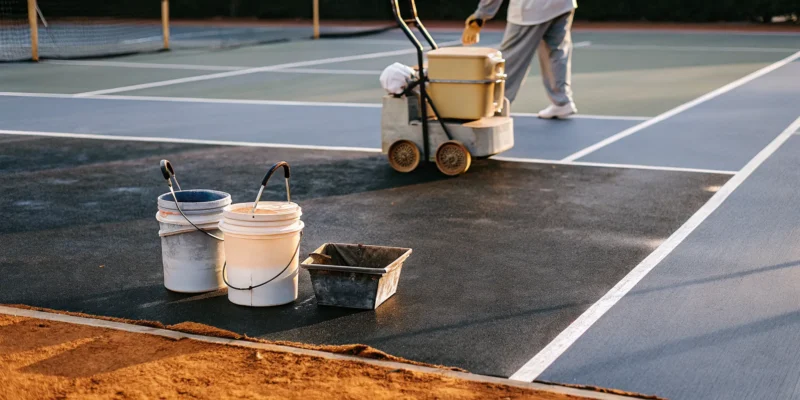
A backyard pickleball court is more than just a place to play a game; it’s an investment in your home and lifestyle. It can become the centerpiece of your outdoor entertainment space, a place where family and friends gather for fun and connection. To achieve this, you need a builder who sees the bigger picture. You need a team that understands how to integrate a court seamlessly with your landscape, patio, and other outdoor features. This is why it’s so important to know which contractor installs pickleball courts in Nassau County with a comprehensive, design-focused approach. This article is your guide to finding a partner who can create not just a playing surface, but a complete outdoor destination built for years of enjoyment.
Key Takeaways
- Prioritize a Full-Service Partner: The right contractor simplifies the process by managing every step, including custom design, permits, site preparation, and adding amenities like fencing and lighting.
- Understand the Total Investment: Expect to secure a permit for your court in Nassau County, with project costs typically starting around $45,000, depending on your chosen surface, site work, and custom features.
- Focus on the Foundation and Finishes: A durable, enjoyable court depends on proper site preparation and drainage, while key additions like lighting, fencing, and seating transform it into a complete entertainment area.
Your Guide to Pickleball Court Installers in Nassau County
Finding the right contractor is the most important step in bringing your dream pickleball court to life. You need a team with proven experience, a deep understanding of materials, and a commitment to quality construction. To help you get started, here are a few of the top-rated pickleball court installers serving homeowners in Nassau County.
Gappsi
Gappsi has been designing and building exceptional outdoor living spaces across Long Island for decades. They specialize in creating custom pickleball courts that are built to last, using a variety of high-quality surfaces to match a home’s aesthetic and the owner’s playing style. Whether you want to build from scratch or convert an old tennis court, their team handles every detail, from site preparation and drainage to fencing and lighting. Gappsi manages the entire project, ensuring a seamless process and a beautiful result. You can see examples of their synthetic turf and sports games courts to get ideas for your own backyard.
Designscapes of Long Island
Designscapes of Long Island is a full-service landscape design company with extensive experience in building courts for various sports, including pickleball. They are known for their ability to integrate sports games courts into a cohesive landscape design, ensuring the new addition complements your existing outdoor space. They offer services for new court construction and can also handle conversions, turning an underused tennis court into multiple pickleball courts. Their team works with homeowners to create a custom plan that fits their specific property and budget.
Keystone Sports Construction
Keystone Sports Construction focuses exclusively on building and installing athletic surfaces. They offer pickleball court construction for residential backyards, communities, and indoor facilities throughout New York. Their services cover everything from the initial design and groundwork to the final surfacing and line painting. Keystone provides several different surface options, allowing you to choose the material that best suits your performance needs and maintenance preferences. They are a dedicated option if your project is solely focused on creating a high-performance playing surface.
What Services Should Your Contractor Offer?
Building a pickleball court is more than just laying down a slab of concrete and painting some lines. The right contractor will act as your partner, guiding you through every step to create a space that’s not only perfect for playing but also a beautiful addition to your home. A truly professional installer offers a complete package, handling everything from the initial brainstorming session to the final touches that make your court unique. They should provide comprehensive services that cover design, site preparation, surface installation, and all the amenities that complete the experience.
When you’re vetting potential installers, look for a company that can manage the entire project. This approach saves you the headache of coordinating with multiple vendors for things like excavation, electrical work, and landscaping. A full-service contractor ensures all the pieces fit together seamlessly, resulting in a high-quality court built to last. They should be able to discuss everything from the technical aspects of drainage to the aesthetic choices for fencing and landscaping. This holistic approach is the difference between a basic court and a premier outdoor living feature.
Custom Court Design and Planning
Your pickleball court should feel like a natural extension of your home, not an afterthought. A great contractor starts with a custom design and planning phase, where they work with you to map out every detail. This includes determining the best location and orientation on your property to minimize sun glare during play. They’ll help you visualize the final product, ensuring it complements your existing landscape and architecture.
This is also the stage where you can personalize your court. Your contractor should present you with options for color schemes, custom logos, and line configurations. At Gappsi, we manage the entire project from the initial design concept to the final installation, ensuring a seamless and stress-free process for you. A thorough plan ensures there are no surprises and that the final result perfectly matches your vision.
Choosing Your Court Surface
The surface you play on is one of the most critical decisions you’ll make. It directly impacts ball bounce, player comfort, and the overall safety of your court. A knowledgeable contractor will walk you through the different surface options, explaining the pros and cons of each. Whether it’s a traditional acrylic hard court or a cushioned surface that’s easier on the joints, they should help you find the right fit for your family’s playing style and budget.
The surface you play on makes all the difference in performance, safety, and longevity. At Gappsi, we are committed to using only the most technologically advanced products available for our sports games courts. Your contractor should provide high-quality materials that can withstand Long Island’s weather, ensuring your investment lasts for years of fun.
Site Prep and Drainage Solutions
What lies beneath your court is just as important as the surface itself. Proper site preparation is the foundation for a durable, long-lasting pickleball court. This process involves excavating the area, grading the land, and installing a stable base of materials like crushed stone. A contractor who cuts corners here can leave you with a court that cracks or shifts over time.
Effective drainage is also non-negotiable. A common mistake is building a perfectly flat court, which allows water to pool and cause damage. Instead, the court should be constructed with a very slight slope, typically around one degree, to guide rainwater off the surface and into a designated drainage area. An experienced contractor will have a clear plan for managing water runoff, protecting your court from puddles and premature wear.
Fencing, Lighting, and Other Add-Ons
To make your court truly functional, you’ll need a few key additions. Fencing is essential for keeping the ball in play and ensuring safety, especially if you have kids or pets. Your contractor should offer a variety of fencing and netting options that are both durable and aesthetically pleasing. They can help you choose a style and height that contains stray shots without obstructing your view.
Lighting is another important consideration if you want to enjoy games after the sun goes down. An installer should be able to handle the electrical work for installing court lighting that provides even, glare-free illumination. They can also help you incorporate other features like rebounders for practice, built-in ball holders, and professional-grade net systems to complete your setup.
Player Comfort: Seating and Shade
A great pickleball court is also a great social space. Think about where friends and family will sit to watch the game or rest between matches. A full-service contractor can help you integrate comfortable seating areas, from simple benches to more elaborate spectator zones. They can also design and build beautiful shade structures to offer relief from the sun.
You can also get creative with sound-dampening solutions, like installing attractive fencing or planting a buffer of lush landscaping. Adding pavilions and pergolas not only provides shade but also creates a designated spot for socializing. By thinking about player comfort, your contractor can help you transform your court into a complete outdoor entertainment destination for everyone to enjoy.
How Much Does It Cost to Install a Pickleball Court in Nassau County?
Figuring out the budget for your dream pickleball court involves more than just the court itself. The total investment depends on the size, materials, site conditions, and any extra features you want to include. Let’s break down the main costs you can expect when building a pickleball court in your Nassau County backyard.
Court Size and Surface
Building a pickleball court typically costs between $15 and $40 per square foot. For a standard 30-by-60-foot court, this puts the average starting price around $45,000. The biggest factor influencing this number is the surface you choose. While a classic acrylic hard court is a popular option, you might also consider other materials. For example, some homeowners prefer the lower-impact feel of certain synthetic turf and sports games courts. Each surface has a different price point, installation process, and maintenance routine, so it’s important to discuss which option best fits your playing style and budget with your contractor.
Site and Foundation Work
The success of your court truly starts from the ground up. This is one area where cutting corners can lead to expensive problems down the road. A solid foundation is non-negotiable. This involves proper site excavation, grading for drainage, installing a vapor barrier, and pouring a concrete base that cures for the full 28 days. Skipping these steps can cause cracking, uneven surfaces, and moisture damage that are difficult and costly to fix. Think of this stage as the most important investment in your court’s longevity. Our expert masonry team ensures your court’s foundation is built to last, giving you a perfect playing surface for years.
Lighting, Fencing, and Amenities
Once the court is built, it’s the finishing touches that make it your own. If you want to play after sunset, installing proper lighting is essential for safety and visibility. Fencing is another key component, keeping the ball in play and defining the space. We offer a variety of fencing and netting options to match your home’s aesthetic. You can also add amenities to create a complete entertainment zone. Consider adding benches for players, a shaded seating area for spectators, or even one of our custom pavilions and pergolas nearby. These additions transform your court into a true backyard destination.
Do You Need a Permit for a Pickleball Court in Nassau County?
Adding a pickleball court to your backyard is an exciting project, but it’s one that comes with a bit of homework. The short answer is yes, you will almost certainly need a permit to build a pickleball court in Nassau County. Because a court is a permanent structure that requires significant construction, your local town or village will want to review the plans before any work begins.
The permitting process ensures your project is safe and compliant with local regulations. These rules are in place to manage everything from property line setbacks to environmental impact. Working with a contractor who understands the local landscape is key to a smooth process. They can help you prepare the necessary documents and ensure your court design meets all requirements from the start, saving you time and potential headaches.
Understanding Local Zoning and Noise Rules
When you apply for a permit, officials will look at local zoning laws. These rules can differ quite a bit from one town to the next, so what works in one part of Nassau County might not in another. They’ll consider the size of your property, where the court will be placed, and how close it is to your neighbors. A big factor with pickleball is noise. The distinct pop of the ball is something zoning boards are very aware of, so your plans may need to include sound-reducing fences or landscaping. An experienced team can help you design sports games courts that are fun for you and respectful of your neighborhood.
How to Get Your Permit
The most important rule is to get your permit in hand before you break ground. Starting construction without one can lead to stop-work orders and fines. The best first step is to talk with a local expert. An experienced builder who has worked in your specific town will know exactly what the code officers are looking for. They can guide you through the application and help you gather the required site plans and construction details. Doing this research upfront ensures your project moves forward without any surprises. This way, you can focus on the fun part: looking forward to your first game.
How to Choose the Right Nassau County Pickleball Contractor
Finding the right contractor is the most important step in bringing your pickleball court to life. The right partner ensures your court is not only beautiful and functional but also built to last, protecting your investment for years of fun. A great contractor handles everything from initial design to the final touches, making the process smooth and stress-free. They will help you understand local regulations and build a court that perfectly fits your space and playing style.
Review Their Experience and Portfolio
When you’re vetting contractors, start with their experience. You want a company with a proven track record of building high-quality sports games courts. Ask to see a portfolio of their completed projects. Look for crisp lines, smooth surfaces, and professional finishing on things like nets and fencing. A robust portfolio, like the project galleries you can find on our Gappsi YouTube channel, demonstrates a contractor’s versatility and commitment to craftsmanship. It’s visual proof that they can deliver on their promises and have successfully managed similar projects in the past.
Check for Licenses, Insurance, and Warranties
Never hire a contractor without verifying their credentials. A professional installer in Nassau County must have the proper licenses to perform the work legally. They should also carry comprehensive liability insurance and worker’s compensation to protect you from any accidents that might happen on your property during construction. A reputable builder will be upfront with this information. Also, be sure to ask about warranties. A strong warranty on materials and labor shows that the contractor stands behind their work and is confident in the durability of your new court.
Read Customer Reviews and Testimonials
Customer feedback provides invaluable insight into what it’s really like to work with a contractor. Look for reviews from other Long Island homeowners who have hired the company for outdoor projects. Go beyond the star ratings and read detailed testimonials that discuss the contractor’s communication, professionalism, and ability to stick to the timeline and budget. Positive reviews highlighting a team’s dedication to quality and customer satisfaction are a great sign you’ve found a reliable partner for your pickleball court installation.
Key Questions to Ask Before You Hire
Before you sign a contract, make sure you have clear answers to a few final questions. Ask for a detailed project timeline but be wary of anyone who promises an unrealistically fast completion date, as quality work takes time. It’s also important to understand their process for handling change orders if you decide to alter plans mid-project. Confirm who your main point of contact will be and ask them to explain the specific materials they plan to use. Getting these details ironed out ensures a transparent and collaborative construction process.
Related Articles
- Pickleball Court Construction in Nassau & Suffolk County
- pickleball court construction in Nassau & Suffolk Counties Archives – Gappsi Group
- pickleball courts in Nassau & Suffolk Counties Archives – Gappsi Group
- pickleball Archives – Gappsi GroupCopy linkFind any service
Frequently Asked Questions
How long does it actually take to build a pickleball court? Building a quality pickleball court is a multi-step process that takes more time than most people expect. After the initial site preparation, the concrete base needs to be poured, and this is where patience is key. The concrete must cure for about 28 days before any surface coatings can be applied. Rushing this step can lead to major problems later. From start to finish, including excavation, curing, surfacing, and installing amenities, you should plan for the project to take several weeks to a couple of months, depending on weather and complexity.
Can I save money by converting my old tennis court instead of building a new one? Yes, converting an existing tennis court is often a more budget-friendly option. Since you already have a solid base, you can avoid the significant cost of excavation and pouring new concrete. The process typically involves repairing any cracks or damage on the existing surface, applying new acrylic layers, and then painting the lines for pickleball. A standard tennis court is large enough to be converted into two or even four pickleball courts, making it a great way to maximize your playing space.
What’s the biggest mistake homeowners make when building a court? The most common and costly mistake is underestimating the importance of the foundation. It’s easy to get excited about surface colors and net systems, but the work done underground is what ensures your court will last. Skimping on proper site excavation, drainage solutions, or the concrete base will almost certainly lead to cracks, pooling water, and an uneven playing surface. Investing in a solid foundation from the start protects your entire investment for years to come.
What kind of upkeep does a pickleball court require? Maintaining your court is fairly straightforward. You’ll want to regularly use a leaf blower to keep the surface clear of debris, as leaves and dirt can become abrasive and hold moisture. A gentle rinse with a hose can also help keep it clean. It’s also a good idea to check the net for proper tension and inspect the surface for any small cracks that might need to be sealed. Depending on use and sun exposure, your court will likely need to be professionally resurfaced every five to eight years to refresh the color and texture.
Why is a full-service contractor recommended over hiring separate specialists? A pickleball court project involves more than just a playing surface; it includes excavation, masonry, fencing, and sometimes electrical and landscaping work. Trying to manage multiple independent specialists can be overwhelming and often leads to communication gaps and delays. A full-service contractor acts as your single point of contact, managing the entire project from design to completion. This ensures every element is built to the same high standard and that the final result is a cohesive, beautifully integrated part of your property.