


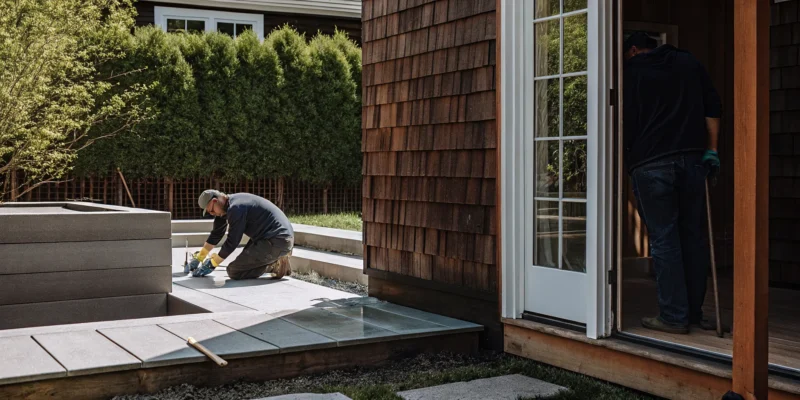
A truly luxurious spa doesn’t just sit on a patio; it becomes part of the landscape. The most stunning designs are the ones that feel completely integrated with their surroundings, blending seamlessly with stonework, decking, and gardens. This is where thoughtful design makes all the difference. By considering materials, placement, and custom features like spillover waterfalls, you can transform a standard hot tub into a high-end architectural feature. A successful home spa installation Long Island is about creating a cohesive and beautiful outdoor living environment, turning your backyard into a private resort that reflects your personal style and enhances your home’s overall appeal.
Key Takeaways
- Plan Your Placement and Prep Work First: Before choosing a spa, decide on the perfect location by considering privacy, convenience, and drainage. A successful installation depends on a solid, level foundation and professional electrical work, which are non-negotiable for safety and longevity.
- Budget for More Than Just the Tub: Your total cost includes the spa unit plus site preparation, installation, electrical work, and permits. Don’t forget to also account for long-term expenses like monthly water care supplies and energy consumption to ensure there are no surprises.
- Choose a Reputable Local Installer: The right partner is essential for a smooth project. Select an installer with deep Long Island experience who can handle local permits, build a proper foundation, and offer design expertise to integrate your spa beautifully with your landscape.
What’s Involved in a Home Spa Installation?
Adding a spa to your home is an exciting project, but it involves more than just picking a model from a showroom. A successful installation depends on thoughtful planning around where your spa will live, how it will look, and what it takes to get it running. From creating a private outdoor oasis to integrating a spa with your existing pool, each choice shapes your final experience. Understanding the key steps helps ensure your new spa becomes a seamless and frequently used part of your home.
Indoor vs. Outdoor: Where to Put Your Spa
The first major decision is choosing between an indoor or outdoor location. An outdoor spa connects you with your backyard, turning a deck or patio into a year-round retreat. However, placement is critical. Think about how you’ll use it in the winter on Long Island. A spa that’s too far from the house will see less use when it’s cold. You’ll also want to consider privacy from neighbors and position it away from trees that drop leaves and debris. Proper drainage is also essential to prevent water from pooling around the base.
An indoor spa offers the ultimate in privacy and all-weather convenience. Imagine stepping into your personal wellness room without ever going outside. This option requires careful planning within your home remodeling project. You’ll need adequate ventilation to handle moisture, flooring that can withstand water, and a structurally sound foundation to support the spa’s weight.
Standalone vs. Pool-Integrated: Which Design is for You?
Once you decide on a location, you can think about the design. A standalone spa is a classic choice that acts as a self-contained sanctuary. You can tuck it into a quiet corner of your garden, surround it with beautiful landscaping, or make it the centerpiece of a new patio. This approach offers flexibility in placement and can create a distinct zone for relaxation away from the main buzz of the backyard.
Alternatively, integrating a spa with your swimming pool creates a stunning, resort-style feature. A popular option on Long Island is the spillover spa, where water cascades from the hot tub into the pool. This design adds the soothing sound of moving water and creates a cohesive, luxurious look. It’s a fantastic way to make your pool area feel more dynamic and custom, blending the benefits of both a pool and a spa into one elegant feature.
The Installation Process From Start to Finish
Professional installation is key to making sure your spa operates safely and efficiently for years to come. The process begins with preparing the site. Your spa needs a perfectly level, solid foundation, which is typically a reinforced concrete pad. Next comes the electrical work. Most hot tubs require a dedicated 240V circuit, which must be installed by a licensed electrician to ensure it meets all safety codes.
Finally, the spa is placed, connected, and filled. For an inground design, this process is more involved and includes excavation, plumbing, and custom masonry to build the spa shell. Whether your spa is indoors or out, trusting an expert team protects your investment by preventing common issues like leaks or electrical faults, so all you have to do is relax and enjoy it.
How Much Does a Home Spa Cost on Long Island?
Understanding the cost of a home spa is about more than the price of the tub itself. Your total investment includes the spa unit, site preparation, professional installation, and the features you choose to create your perfect retreat. The final cost can vary widely based on the materials, complexity, and customization involved. Thinking through these key areas will help you create a realistic budget for a project that adds lasting value and enjoyment to your home.
Key Factors That Drive the Price
The type of spa you choose is the biggest factor in your initial cost. Custom gunite (concrete) spas generally have a higher price point but offer unmatched design freedom and durability. They can be built in any shape or size to perfectly fit your landscape. Prefabricated fiberglass or vinyl-liner spas are more budget-friendly alternatives. The location also plays a role. Placing a spa too far from the house can make it less appealing in colder months, while a spot without enough privacy might feel uncomfortable. We always consider factors like drainage, sun exposure, and proximity to trees to ensure your spa is a joy to use year-round.
Breaking Down Site Prep and Labor Costs
A proper spa installation is a significant construction project, especially for in-ground models. The process involves excavation, installing a stable foundation, and running plumbing and electrical lines. It also requires securing the right permits for your town in Nassau or Suffolk County. This work is why choosing an installer with deep local knowledge is so important. An experienced team understands Long Island’s unique soil, freeze-thaw cycles, and local building codes, which helps prevent expensive surprises and delays. A full installation, from breaking ground to filling the tub, can take several weeks, so it’s best to factor that timeline into your plans.
Planning for Energy Use and Long-Term Costs
Your spa’s expenses don’t stop after installation. To plan for the future, you need to account for energy use and maintenance. Most modern saunas and hot tubs require a dedicated 240V electrical circuit, which a licensed electrician will need to install. This can cost between $500 and $1,500, depending on how far the spa is from your home’s electrical panel. You should also budget for monthly upkeep. Plan on spending about $50 to $70 per month for chemicals and testing supplies to keep the water clean and balanced. Regular care ensures your spa remains a safe and inviting escape for years to come.
What Are the Best Features for Your Home Spa?
Once you have the basics figured out, it’s time for the fun part: choosing the features that will make your spa a true backyard retreat. This is where you can personalize your experience, turning a standard hot tub into a custom-designed sanctuary for relaxation and wellness. From therapeutic jets to ambient lighting and seamless integration with your landscape, the right features transform your spa from a simple addition into the centerpiece of your outdoor living space.
Think about what you want most from your spa. Is it a place for quiet hydrotherapy after a long day, or a social hub for entertaining friends and family? Your answer will guide your choices. Modern saunas and spas offer an incredible range of options, allowing you to create an environment that perfectly suits your lifestyle. We can help you sort through the possibilities to design a spa that feels like it was made just for you, blending luxury, comfort, and technology into one beautiful package.
Designing for Comfort: Jets and Seating
The heart of any great spa experience is the combination of powerful jets and comfortable seating. This isn’t just about bubbles; it’s about targeted hydrotherapy. Look for spas with adjustable jets that you can customize to your liking. A variety of jet types, like rotating, pulsating, and directional, allows you to create a personalized massage. Strategic placement is also key, with jets aimed at common tension areas like the neck, shoulders, and lower back. Ergonomic seating ensures you can relax comfortably for long periods, letting the warm water and jets work their magic without you needing to constantly readjust.
Upgrading Your Experience: Lighting, Audio, and Tech
Set the perfect mood with modern lighting and audio features. Energy-efficient LED lighting can change colors, allowing you to create a calming blue glow or a vibrant, festive atmosphere. For Long Island evenings, good lighting is also a practical safety feature. You can also add a built-in audio system with Bluetooth connectivity and waterproof speakers to play your favorite relaxing playlist or podcast. These tech upgrades are simple to use and can completely change your spa sessions, making them more immersive and enjoyable. It’s all about creating a multi-sensory experience right in your backyard.
Blending Your Spa with Stonework and Landscaping
To make your spa feel like a natural part of your property, consider how it integrates with your overall landscape design. An inground gunite spa offers total design freedom, allowing it to be perfectly blended with your patio or pool deck. You can surround it with beautiful porcelain and natural stone that complements your home’s exterior. Features like custom stonework, gentle waterfalls, and built-in seating can create a stunning, cohesive look. This approach adds significant long-term value and turns your spa into a high-end architectural feature, not just an add-on.
Keeping it Clean: Water Filtration and Maintenance
A great spa is a clean spa, and modern filtration systems make maintenance easier than ever. While the system itself does a lot of the heavy lifting, you’ll still need to manage the water chemistry. Overlooking this can lead to skin irritation or even damage the spa’s equipment. Plan on regular water testing and a monthly budget for chemicals to keep everything balanced and sanitary. Investing in a quality spa cover will also help keep debris out and reduce your maintenance tasks, ensuring your water is always clear, safe, and ready for you to enjoy.
How to Plan for Your Spa Installation
A successful spa installation is all about smart planning. Before the first shovel hits the ground, taking the time to think through the details will ensure your new spa is a source of relaxation, not stress. This process helps you create a seamless connection between your home, your landscape, and your new backyard retreat, making sure every aspect of the project is handled correctly from the start.
Picking the Perfect Spot for Your Spa
Where you place your spa will have a big impact on how often you use it. Think about your daily routine. A spot that’s too far from the house can feel like a trek in colder weather, while a location without enough privacy might make you feel too exposed to relax. It’s also wise to avoid placing it directly under trees, which can drop a constant stream of leaves and debris into the water. Finally, consider the surrounding grade. Proper drainage is essential to prevent water from pooling around the spa’s foundation and causing damage over time.
Covering the Basics: Foundation, Drainage, and Electrical
Your spa needs a solid, level surface to sit on, like a concrete pad or a reinforced deck. This foundation is critical for safety and longevity, especially with Long Island’s unique soil conditions and freeze-thaw cycles. A professional installer will ensure the site is properly prepared. You will also need a licensed electrician to run a dedicated circuit from your home’s electrical panel to the spa. This is not a DIY job. The wiring must be done to code to handle the spa’s power needs safely and efficiently. Gappsi’s masonry experts can design and build the perfect foundation to support your spa.
Handling Permits, Codes, and Long Island Weather
Every town in Nassau and Suffolk County has its own rules and building codes for spa installations, and permits are always required. Working with an experienced installer like Gappsi means you don’t have to sort through the paperwork yourself. We handle the entire permitting process to ensure your project is fully compliant with local regulations, including specific rules for fencing and electrical work. This approach guarantees your spa is installed safely and correctly, giving you peace of mind and protecting your home’s value. A professional build also accounts for Long Island’s weather, ensuring your investment is built to last.
Budgeting for Future Maintenance
Your spa will need a little regular care to keep the water clean, safe, and inviting. It’s a good idea to plan for these recurring costs. You can expect to budget around $50 to $70 per month for water care products like sanitizers and balancers. Testing the water weekly is a simple habit that prevents common issues like skin irritation or equipment damage. This small amount of upkeep protects your investment and ensures your spa is always ready for you to enjoy. Proper care also extends the life of the surrounding patio, and our restoration services can help keep it looking new for years.
How to Choose the Right Spa Installer on Long Island
Finding the right installer is just as important as picking the perfect spa. A great installation partner will not only set up your spa correctly but will also help you integrate it beautifully into your backyard. They’ll handle the technical details, from the foundation to the electrical work, ensuring your new oasis is safe, efficient, and ready for years of enjoyment. A poor installation, on the other hand, can lead to headaches like leaks, operational issues, and costly repairs. Taking the time to vet your options will give you peace of mind and protect your investment.
What to Look for in a Long Island Installer
When you’re looking for a spa installer, local knowledge is key. A team that understands Long Island’s specific challenges, like our freeze-thaw cycles and unique soil conditions, can prevent expensive surprises down the road. They’ll know the local permitting requirements and how to design a foundation that lasts. Professional installation ensures your spa operates efficiently from day one. An experienced installer will also have a deep understanding of how to integrate your spa with other backyard features, like masonry patios and landscaping, to create a cohesive and stunning outdoor space. Look for a company with a proven track record right here on Long Island.
Questions to Ask Any Potential Installer
Before you commit, it’s smart to have a list of questions ready. A professional site consultation is a great first step, allowing an expert to see your space and discuss your vision. Ask for a portfolio of their previous work, especially projects similar to what you have in mind. It’s also crucial to ask about the full scope of the project. Inquire about electrical quotes upfront so you can factor them into your total budget. You should also ask if they are licensed and insured in Suffolk or Nassau County. Finally, get a clear timeline for the installation process so you know what to expect.
The Importance of Warranty and Support
Your relationship with your installer shouldn’t end once the spa is filled with water. Look for a company that offers strong warranties and reliable local support. Buying a spa from a dealer without a local service team can leave you stranded if you need help. A reputable installer will stand by their work and follow strict safety protocols and manufacturer guidelines during the installation. This commitment to quality ensures your spa is handled correctly from delivery to the first time you turn on the jets. This level of support is a hallmark of an established home improvement company that plans to be here for its customers for the long haul.
Why Gappsi’s Experience and Design Expertise Matter
At Gappsi, we combine decades of local experience with a passion for creative design. Our expertise in installing in-ground spas and hot tubs across Long Island is second to none. We specialize in creating designs that give you the beautiful, integrated look of a custom spa with all the therapeutic features and efficiency of a modern, freestanding model. Because we manage every aspect of outdoor living, from stonework to landscaping, we can design a spa that feels like a natural extension of your home. We’ll help you select the perfect porcelain or natural stone to surround your spa, creating a complete and luxurious retreat in your own backyard.
Related Articles
- Looking For Hot Tubs And Spas On Long Island?
- Pool Equipment Installation Long Island: A Step-by-Step Guide
- Long Island Sauna Installation: A Complete Guide
- Swim Spas Saunas Nassau & Suffolk County Long Island
- Hot Tubs in Long Island
Frequently Asked Questions
Besides the spa unit, what are the biggest costs I should plan for? Your total investment will include a few key items beyond the spa itself. The most significant are site preparation and electrical work. Your spa needs a perfectly level, solid foundation, which is often a reinforced concrete pad. You will also need a licensed electrician to install a dedicated 240V circuit, and the cost for this depends on the distance from your home’s main panel. Finally, consider any custom features like surrounding stonework, landscaping, or decking that will complete your vision.
How long does a typical spa installation take from start to finish? The timeline really depends on the type of spa and the complexity of the project. Placing a standalone spa on an existing, prepared patio can be done relatively quickly. However, an in-ground gunite spa is a much more involved construction project that includes excavation, plumbing, masonry, and finishing work, which can take several weeks. We can give you a precise timeline after a site consultation once we understand your specific goals.
Is a home spa difficult to take care of? Modern spas are designed to be quite low maintenance, but they do require some regular attention to keep the water clean and safe. You should plan on spending a few minutes each week testing the water and adding chemicals to keep it balanced. A quality spa cover is also essential, as it keeps debris out and helps maintain the water temperature. This small, consistent routine is all it takes to ensure your spa is always ready for you to enjoy.
I can’t decide between an indoor or outdoor spa. What are the main things to consider? The choice comes down to convenience versus atmosphere. An outdoor spa connects you with your backyard and offers a resort-like feel, but you need to plan for privacy, access from the house in cold weather, and drainage. An indoor spa offers the ultimate privacy and all-weather use, but it requires significant planning within a home remodel. You must account for proper ventilation to manage humidity, waterproof flooring, and a foundation that can support the spa’s immense weight when filled.
How can I make a new spa look like it was always part of my backyard? The key to a seamless look is thoughtful design and material selection. Instead of just placing a spa on a slab, we can integrate it into your patio with custom stonework that matches your home or existing hardscaping. Surrounding the spa with beautiful landscaping, built-in benches, or even a cascading waterfall feature can transform it into a stunning focal point. An in-ground spa offers the most design freedom, allowing us to create a truly custom and cohesive look.