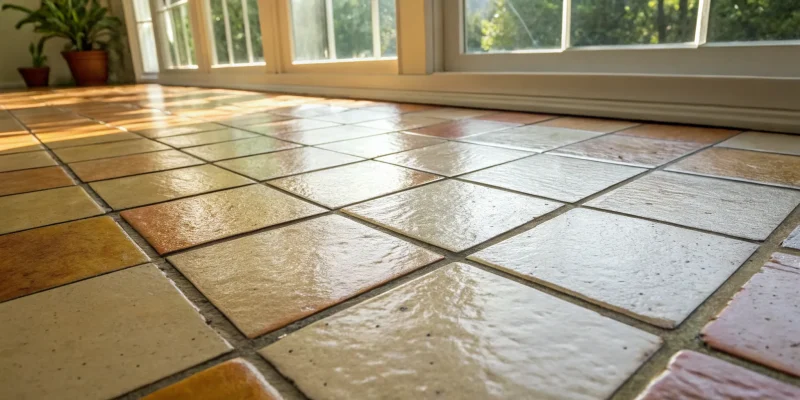
A clean tile floor with perfectly restored grout lines after cleaning and coloring.

How to Master Tile Grout Cleaning and Coloring

Are you craving a kitchen or bathroom refresh but not ready for the cost and chaos of a full renovation? You might be surprised by the impact of focusing on one small detail: the grout. A thorough cleaning can instantly brighten a room, while changing the grout’s color can completely transform the aesthetic of your space. This guide explores the powerful and budget-friendly project of tile grout cleaning and coloring. We’ll show you how to tackle stubborn stains, choose the perfect new color, and apply it for a flawless, professional-looking finish that makes your old tile look brand new again.

Key Takeaways

  • Match your method to the mess: While a homemade paste is great for routine cleaning, deep-set stains and large areas often require professional equipment to achieve a truly uniform and deep clean without hours of scrubbing.
  • Don’t skip the sealer: Cleaning is only half the battle. Applying a quality grout sealer is the most important step to protect your work, creating a barrier against future dirt and moisture that keeps grout looking fresh for years.
  • Recolor for a cost-effective update: If cleaning doesn’t restore your grout’s original look, a grout colorant is a game-changer. It covers stubborn stains and lets you change the color entirely, giving your tiled space a fresh look for a fraction of the cost of a remodel.

What is Grout Cleaning and Coloring?

Let’s talk about the unsung hero of your tiled surfaces: grout. It’s the material filling the gaps between your tiles, and when it’s clean, it makes your floors, backsplashes, and showers look sharp and fresh. But over time, that once-pristine grout can become a real eyesore. Grout cleaning is the process of removing all the built-up dirt, grime, and mildew that has settled into its porous surface. It’s more than just a surface wipe-down; it’s a deep clean that restores the original color and hygiene of your grout lines.

Grout coloring, on the other hand, is a fantastic way to give your space a complete facelift without a full renovation. Think of it as a makeover for your tile. You can change the color of your grout by staining it to match the original shade, or you can get creative and choose a completely new color to create a bold, fresh look. Whether you’re dealing with stubborn stains that won’t lift or you’re just ready for a change, grout coloring can make your tiled areas look brand new again. It’s a simple concept with a huge impact.

Why Does Grout Get So Grimy?

Ever wonder why grout seems to be a magnet for dirt? It’s because most grout is cement-based and naturally porous. Imagine a tiny sponge—it soaks up everything it comes into contact with. In the kitchen, it’s mopping up spills, grease, and food particles. In the bathroom, it’s absorbing soap scum, moisture, and mildew. Over time, this buildup leads to discoloration and stains. If you’ve noticed that your grout has stubborn stains, a funky smell, or visible mold, it’s a clear sign that it needs a deep cleaning to get back to its former glory.

Professional vs. DIY: Which is Right for You?

When your grout needs attention, you have two main paths: roll up your sleeves and do it yourself, or call in a professional. A DIY approach can be cost-effective if you have the time and patience. It usually involves a good cleaner, a stiff brush, and a lot of elbow grease. For the best results, you’ll want to apply the cleaner and then gently scrub the grout before rinsing it well. However, cleaning grout by hand is tough work and often can’t remove the deep-down dirt that’s trapped deep inside. Staining grout can also be tricky, and a less-than-perfect application can look messy. If you’re short on time or dealing with seriously stained grout, hiring a professional is often the best choice.

What’s the Cost of Professional Grout Cleaning?

If you’ve decided the DIY route isn’t for you, you’re probably wondering what to budget for a professional service. Hiring a pro is an investment in your home, saving you time and ensuring the job is done right with commercial-grade equipment and solutions. The final price tag can vary quite a bit depending on the size of your space and the condition of your grout, but let’s break down what you can generally expect. Understanding the costs helps you make an informed decision and appreciate the value that comes with a professional touch.

Breaking Down the Price

So, what kind of numbers are we talking about? For a comprehensive cleaning and sealing job in a smaller area—think two bathrooms and a kitchen backsplash—you can typically expect to pay between $200 and $600. If you’re tackling a larger floor space, the cost might range from $350 to over $900. Some companies price by the square foot, usually falling between $1.75 and $4.00. Others might charge an hourly rate of $30 to $60 per person. Since a standard job takes a few hours, it’s a manageable project. Remember, a professional seal lasts for years, making it a smart move for protecting your tile and a key part of any home restoration and sealing project.

What’s Included in a Pro Service

When you hire a professional, you’re paying for more than just a good scrub. The service typically includes a deep, thorough cleaning to lift away all the built-up grime, followed by the application of a high-quality grout sealer. This sealer is the real hero—it creates a protective barrier that helps prevent future stains, mold, and mildew from settling in. In the long run, this saves you from more frequent deep cleans. The final cost will depend on factors like the total square footage, the type of porcelain and natural stone you have, and even the size of the tiles, as smaller tiles mean more grout lines to treat.

Your DIY Grout Cleaning Toolkit

If you’ve decided to tackle grout cleaning yourself, having the right supplies makes all the difference. You don’t need a whole workshop of tools, but a few key items will separate a frustrating Saturday from a satisfying project. Before you head to the store or start mixing up concoctions, let’s walk through the best cleaners and tools for the job. Think of this as your essential shopping list for bringing your tile back to life.

Whether you’re dealing with dingy kitchen floors or stained shower walls, the right approach starts with the right products. From powerful store-bought formulas to simple homemade solutions, you have options. And if you’re looking for a total refresh, grout colorants can completely change the look of your space.

Homemade vs. Store-Bought Cleaners

When it comes to choosing a cleaner, you can go the DIY route or grab something off the shelf. A popular and effective homemade solution is a simple paste of baking soda and hydrogen peroxide with a drop of mild dish soap. This combination is great for lifting everyday grime and brightening grout lines without harsh chemicals. The downside? It requires a bit more patience and scrubbing to get the job done.

For more stubborn stains, a commercial product like Zep Grout Cleaner & Brightener can deliver impressive results with less effort. These formulas are designed to cut through tough buildup quickly. However, many are acidic, so you shouldn’t use them for routine cleaning. Their thin consistency can also make them tricky to apply on vertical surfaces like shower walls without dripping. The best approach is to find a grout cleaner that matches your tile type and the level of grime you’re facing.

Grout Colorants and Must-Have Tools

If cleaning alone doesn’t restore your grout’s original vibrancy, or if you’re simply ready for a new look, a grout colorant is your best friend. These products work like a stain, painting over the existing grout to give it a fresh, uniform color. Many formulas also double as a sealer, which protects your grout from future stains and saves you an extra step. A quality grout stain can keep your tile looking sharp for years.

To apply it correctly, you’ll need a few basic tools. Always start with chemical-resistant gloves and eye protection for safety. You can apply the colorant with a small, stiff-bristled paintbrush or a narrow toothbrush. Work in small, manageable sections, pressing firmly to ensure the colorant soaks in evenly. Keep a damp cloth handy to wipe any excess off the tile surface before it dries.

DIY vs. Hiring a Pro: Making the Call

Deciding whether to tackle grout cleaning yourself or to call in a professional really comes down to your specific situation. There’s no single right answer, but weighing the time, cost, and desired results will help you make a confident choice. A DIY approach can be incredibly satisfying and budget-friendly if you have the patience and the right tools for the job. On the other hand, hiring a professional service guarantees a deep, thorough clean with commercial-grade equipment, saving you a weekend of scrubbing on your hands and knees.

Think about the scale of your project and your comfort level. Cleaning the grout in a small powder room is one thing; restoring the tile floors throughout your entire home is another beast entirely. Let’s break down the key factors to consider so you can figure out the best path forward for your home.

Factoring in Time, Effort, and Skill

If you’re up for a hands-on project, cleaning your own grout can be a great weekend task. A simple and effective DIY cleaner can be made by mixing two parts baking soda with one part hydrogen peroxide and a little dish soap. After spreading it on the grout lines, you’ll need to put in some serious elbow grease with a scrub brush. It’s a straightforward process, but it requires time and physical effort. Remember to always put safety first—when working with any cleaning agents, it’s smart to wear chemical-resistant gloves and eye protection to keep yourself safe from splashes.

Comparing Results and Long-Term Value

A thorough DIY cleaning can make a huge difference, but professional equipment often achieves a deeper, more consistent result. The real game-changer for long-term value, whether you DIY or hire a pro, is sealing. Applying a quality grout sealer creates a protective barrier against dirt and moisture. This simple step can double the time between deep cleanings, extending the fresh look from one or two years to as many as four. If your grout is permanently stained, a grout colorant can make it look brand new again. For a finish that truly lasts, professional restoration and sealing services ensure the job is done right from the start.

When to Call in the Professionals

Sometimes, calling a professional is the smartest move. If your grout has deep-set, stubborn stains that won’t lift, or if you’re dealing with a very large tiled area, a pro team can save you a lot of time and frustration. Many experts recommend a professional deep cleaning about once a year just to maintain your tile and keep it in top condition. Tasks like coloring grout can also be tricky; achieving a uniform, flawless finish often requires a steady hand and experience. If you want guaranteed results without the hassle, bringing in a professional service is a reliable choice.

Your Step-by-Step Guide to DIY Grout Cleaning

Ready to tackle that grout yourself? It’s completely doable with the right approach. Think of it as a project you can complete in an afternoon that will make a huge difference in how your floors or shower look. We’ll walk through the process step-by-step, from getting your space ready to the final rinse. Following these steps will help you get a professional-looking clean without damaging your tile or grout. Let’s get started.

Prep Your Space and Suit Up

First things first: safety and prep. Before you even open a bottle of cleaner, protect yourself. Always wear chemical-resistant gloves and eye protection, because even homemade solutions can irritate your skin and eyes. Next, clear the area of any furniture, rugs, or decor. Give the floor a good sweep or vacuum to remove any loose dirt and dust. This ensures your cleaner can go to work directly on the grout stains without getting bogged down by surface-level grime. A clean slate is the best way to start.

How to Test and Apply Cleaners

Now that you’re prepped, it’s time to choose your cleaner. Whether you’ve mixed up a DIY paste or bought a commercial product, don’t go all-in just yet. Find a small, hidden spot—like behind a door or under an appliance—to test the cleaner. Apply a small amount and let it sit for the recommended time. This quick check ensures it won’t discolor or damage your grout or tile. Once you’ve confirmed it’s safe, apply the cleaner evenly along the grout lines. A small brush or a pump sprayer works great for getting consistent coverage.

Scrubbing and Steaming Techniques

This is where the magic happens. After letting the cleaner sit for a few minutes, it’s time to scrub. Use a stiff-bristled grout brush and work in small sections, scrubbing gently to lift the dirt. If you prefer a chemical-free method, a steam cleaner is an amazing tool. It uses hot, pressurized steam to sanitize and blast away grime with very little effort on your part. For either method, once you’ve scrubbed a section, rinse it thoroughly with clean water and a cloth to remove all the loosened dirt and cleaning solution.

Let it Dry: The Importance of Ventilation

Patience is key for this final step. Your grout needs to be completely dry before you walk on it or apply a sealer. Trapping moisture under a sealer can lead to mold and mildew. Open up windows and doors or use a fan to create good airflow and speed up the drying process. Depending on the humidity, this could take several hours or even a full day. Once it’s bone-dry, you can admire your work. If the job feels bigger than you thought, professional restoration and sealing services can ensure a perfect, long-lasting finish.

Ready for a New Look? How to Color Your Grout

If your tile is in great shape but the grout is looking tired, coloring it is a brilliant way to refresh your space without a major renovation. This project can make old tile look brand new and give your room a clean, updated feel. With a little patience, you can achieve a professional-looking finish that completely transforms your kitchen or bathroom.

Pick the Perfect Grout Colorant

Choosing your new grout color is the fun part. Grout colorants come in a huge variety of shades, from classic neutrals like white, gray, and beige to bold colors that make a statement. You can match your tile for a seamless look or choose a contrasting color to make the tile pattern pop. For a modern farmhouse vibe, try dark gray grout with white subway tile. Many colorants also double as a sealer, which is a great way to protect your grout from future stains and save yourself an extra step in the process.

The Application Process from Start to Finish

For the best results, start with exceptionally clean grout. Scrub away any dirt or old sealer and let it dry completely before you begin. To keep things neat, use painter’s tape to protect the edges of your tile, especially if you have porous natural stone. Always test the colorant in a small, hidden area first to make sure you love it. When you’re ready, apply the colorant carefully with a small brush, staying within the grout lines. Let it set according to the product directions, then wipe any excess off the tiles with a damp cloth.

Seal Your Work for Lasting Color

The final step is protecting your hard work. If your colorant didn’t include a sealer, you’ll need to apply one after the color has fully cured. A grout sealer creates an invisible shield that repels moisture, dirt, and spills, preventing them from soaking in and creating new stains. This crucial step keeps your new color looking vibrant for years and makes future cleaning much simpler. For a durable, long-lasting finish, you can also explore professional restoration and sealing services to ensure your grout is perfectly protected.

What to Expect from a Professional Grout Service

So, you’ve decided to hand the job over to the experts. Smart move. When you hire a professional service, you’re not just paying for someone to scrub your floors—you’re investing in their specialized equipment, high-grade products, and the experience to get the job done right without damaging your tile. They can tackle years of built-up grime in a fraction of the time it would take you, delivering a level of clean that’s tough to achieve on your own. Let’s walk through what you can expect when the pros show up at your door.

The Pro Equipment and Techniques

Forget a simple mop and bucket. Professionals come armed with some serious gear. Their process usually starts with an inspection to identify your tile type and choose the best cleaning method. Next, they’ll apply a powerful, pH-balanced cleaning solution to the grout lines, which works to break down all the dirt, grease, and bacteria hiding in the pores.

The real magic happens with their equipment. Most pros use a high-pressure hot water extraction system. This tool blasts hot water deep into the grout to dislodge stubborn grime while a powerful vacuum sucks up the dirty water immediately. This method is incredibly effective and ensures no messy residue is left behind, leaving you with sparkling clean tile and grout lines.

How Professionals Color and Seal Grout

If your grout is permanently stained or you’re just ready for a new look, a professional service can help with that, too. Beyond cleaning, they can apply a color sealant to your grout lines. This isn’t just a paint job; it’s a durable sealant that recolors your grout to a uniform shade. You can restore its original brightness or even change the color completely to better match your decor.

After cleaning or coloring, the final and most crucial step is applying a professional-grade grout sealer. This clear coat acts as a protective barrier, blocking out moisture, dirt, and spills. Sealing your grout makes it much easier to maintain and helps prevent future stains, keeping your floors looking fresh for years to come.

Explore Gappsi’s Restoration Services

For homeowners on Long Island, getting a professional clean is just one piece of the puzzle. At Gappsi, we see grout and tile care as part of a bigger picture: making your entire home a place you love. Our teams are experts in bringing surfaces back to life, whether it’s the tile in your kitchen or the natural stone on your patio.

We offer comprehensive restoration and sealing services that go beyond a surface-level clean. We handle everything from deep cleaning and color sealing to repairing cracked grout and replacing damaged tiles. It’s all part of our commitment to providing complete home and landscape solutions that protect your investment and keep your property looking its best.

How Often Should You Really Clean Your Grout?

Let’s be honest, cleaning grout probably isn’t at the top of your list of favorite weekend activities. But keeping it clean is one of the best ways to make your tile floors, backsplashes, and showers look fresh and well-maintained. The right cleaning schedule prevents stubborn stains and grime from building up, which saves you a lot of scrubbing in the long run.

How often you need to clean depends entirely on where the tile is. A high-traffic kitchen floor that sees daily spills will need more attention than the tile in a rarely used guest bathroom. The key is to find a rhythm that works for your home, combining regular light maintenance with occasional deep cleans. While weekly upkeep can be a simple DIY task, a yearly deep clean is often best left to professionals who have the right tools to restore your grout to its original glory. This combination of care ensures your beautiful tile work always looks its best.

A Simple Maintenance Schedule for Your Home

Consistency is your best friend when it comes to grout. Instead of waiting for grime to become a major project, you can follow a simple schedule to keep things manageable. For high-moisture areas like your shower, a quick weekly spray with a pH-neutral cleaner can prevent mildew from taking hold. For floors and backsplashes, a monthly scrub with a grout brush and a suitable cleaner should be enough to handle everyday dirt.

To truly keep your tile and grout in top condition, it’s a great idea to schedule a professional deep cleaning about once a year. Experts use specialized equipment to remove the deep-set dirt that DIY methods can’t reach. This annual service is the secret to maintaining that brand-new look and protecting the investment you’ve made in your home’s restoration and sealing.

Telltale Signs Your Grout Needs Help

Sometimes, your grout will send you clear signals that it needs more than just a quick wipe-down. If you notice any of these signs, it’s time to plan for a deep cleaning. The most obvious indicator is discoloration. If the grout in your high-traffic areas is noticeably darker than the grout along the walls, that’s a clear sign of built-up dirt and grime.

You should also look out for any spots of mold or mildew, which often appear as black, pink, or green specks in damp areas. Beyond being unsightly, this can be a health concern. Stubborn stains from things like coffee, wine, or rust that don’t lift with regular cleaning are another sign it’s time for a more powerful approach. Finally, if you notice a persistent musty odor, it could be coming from bacteria trapped in the porous grout lines.

Common Grout Cleaning Mistakes to Avoid

Getting your grout clean is satisfying, but it’s easy to make a few missteps that can cause more harm than good. The right technique and products make all the difference between sparkling grout lines and a damaged floor. Before you start scrubbing, let’s cover the common mistakes that can set you back, ensuring you get the best results without accidentally damaging your beautiful tile. Knowing what not to do is just as important as knowing what to do.

Harmful Products That Can Damage Your Tile

When faced with tough grout stains, it’s tempting to reach for the strongest cleaner you can find, like bleach or other harsh chemicals. Please don’t! These products can be too aggressive, breaking down the protective sealant on your grout and leaving it even more vulnerable to future stains and moisture. Acidic cleaners are another one to watch out for. While they might seem effective, they can slowly eat away at the grout itself and cause permanent damage to certain types of natural stone, like marble or travertine. Always opt for a pH-neutral cleaner or one specifically formulated for grout to be safe.

Application Mistakes That Won’t Get You Clean Results

Even with the right cleaner, your technique matters. One of the most common mistakes is skipping the prep work. Always sweep or vacuum the floor first to get rid of any loose dirt, dust, and hair. If you don’t, you’ll just be turning that debris into a muddy mess as you start cleaning. Another crucial step is to test your cleaner on a small, hidden spot first—like under an appliance or in a closet—to make sure it doesn’t discolor your grout or tile. When you’re ready to clean, apply the solution, scrub gently, and rinse thoroughly with clean water to remove all residue. If you find the stains are too set-in, it might be time to call for professional restoration and sealing services.

Keep Your Grout Looking Great: Long-Term Care Tips

Once you’ve put in the work to get your grout sparkling clean, the last thing you want is for it to get grimy again right away. The secret to maintaining that fresh, clean look isn’t about doing a deep clean every weekend. It’s about building a few simple habits into your routine and knowing when it’s time for a more significant touch-up like sealing or recoloring.

A little proactive care goes a long way in preventing stubborn stains and buildup, saving you time and effort down the road. Think of it as maintenance for one of your home’s key features. By staying on top of it, you can keep your tiled surfaces looking their best for years and protect the investment you’ve made in your home’s beauty.

Simple Daily and Weekly Habits

Keeping your grout clean starts with your regular cleaning routine. Before you even think about mopping, always sweep or vacuum the floor to get rid of loose dirt and debris. If you mop over grit, you’re essentially creating a muddy mixture that settles right into your grout lines. After you’ve mopped, do a final rinse with clean water to wash away any leftover cleaning solution residue. When you do a more targeted grout cleaning, apply your cleaner and use a small brush to gently scrub the lines. The key is to be thorough but not aggressive. Always finish with a good rinse to remove all the cleaner, and remember to wear chemical-resistant gloves and eye protection to stay safe.

When to Reseal and Recolor Your Grout

Sealing your grout is one of the best things you can do to protect it. A quality grout sealer creates a barrier that repels moisture, dirt, and stains, making your weekly cleaning much easier and more effective. As a general rule, you should plan to reseal grout in high-traffic areas like entryways and kitchens every six months. For lower-traffic spots, like a guest bathroom, resealing every one to two years is usually enough. If you’ve cleaned your grout and it still looks discolored, a grout colorant can work wonders. It’s like a fresh coat of paint that covers old stains and can give your tile a whole new look. A professional restoration and sealing can ensure the job is done right for a finish that lasts.

Related Articles

Frequently Asked Questions

Is grout sealing really that important after cleaning? Yes, absolutely. Think of it this way: cleaning gets rid of the existing mess, but sealing prevents future messes. Grout is naturally porous, like a sponge, so without a sealer, it will quickly absorb spills, dirt, and moisture all over again. Applying a quality sealer creates a protective barrier that keeps grime on the surface, making your regular cleaning much faster and more effective. It’s the single best step you can take to keep your grout looking fresh for years, not just weeks.

Can I just use bleach to get my white grout clean? I know it’s tempting to reach for bleach when you see tough stains, but it’s one of the worst things you can use on grout. While it might whiten the surface temporarily, it’s a harsh chemical that can break down the grout itself, making it brittle and even more porous. It can also damage the sealant and even discolor certain types of tile. It’s always better to use a pH-neutral cleaner or a product specifically designed for grout to get a deep clean without causing long-term damage.

My grout is clean, but it’s still stained. What are my options? This is a really common problem, especially with older grout. Sometimes, stains from things like rust or oil can set in permanently. When that happens, your best option is a grout colorant. A colorant is essentially a stain that you apply directly over your existing grout lines. It covers up the old, stubborn stains and gives you a fresh, uniform color. You can match the original shade or choose a completely new one to update the look of your entire room.

How long does a professional grout cleaning and sealing service usually take? The exact time depends on the size of the area, but it’s generally a pretty efficient process. For an average-sized space, like a kitchen and two bathrooms, a professional team can typically complete a deep cleaning and sealing job in just a few hours. They use powerful equipment that works much faster than scrubbing by hand. You’ll just need to factor in some drying time afterward before you can walk on the floors or use the shower.

How do I know which cleaner is safe for my specific type of tile? That’s a great question, because the wrong product can do some serious damage. The most important rule is to avoid acidic cleaners, like vinegar, on natural stone such as marble, travertine, or limestone. For most ceramic and porcelain tile, a pH-neutral or alkaline-based cleaner is a safe bet. No matter what, your best move is to always test any new cleaner on a small, hidden spot first to see how your tile and grout react before you commit to the entire area.

Share this page:

Cambridge Paver Color Transformation & Urethane Sealing | Gappsi Brightwaters NY

View Gappsi’s YouTube Channel to view Cambridge Paver Color Transformation & Urethane Sealing | Gappsi Brightwaters, NY

Paver Color Transformation for outdoor living spaces can be central to how homeowners enjoy their properties today.  This is especially true in places like Long Island, where patios and backyard areas are used for entertainment, relaxation, cooking, and gathering with family and friends. Over time, however, even the best hardscape materials begin to show signs of wear or no longer fit a homeowner’s preferred aesthetic. That’s where professional restoration, staining, and sealing services come in.

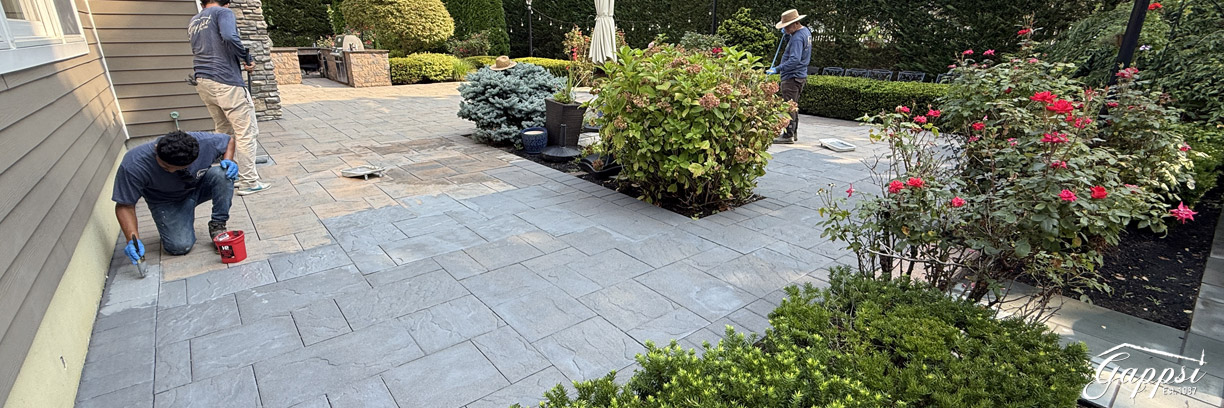
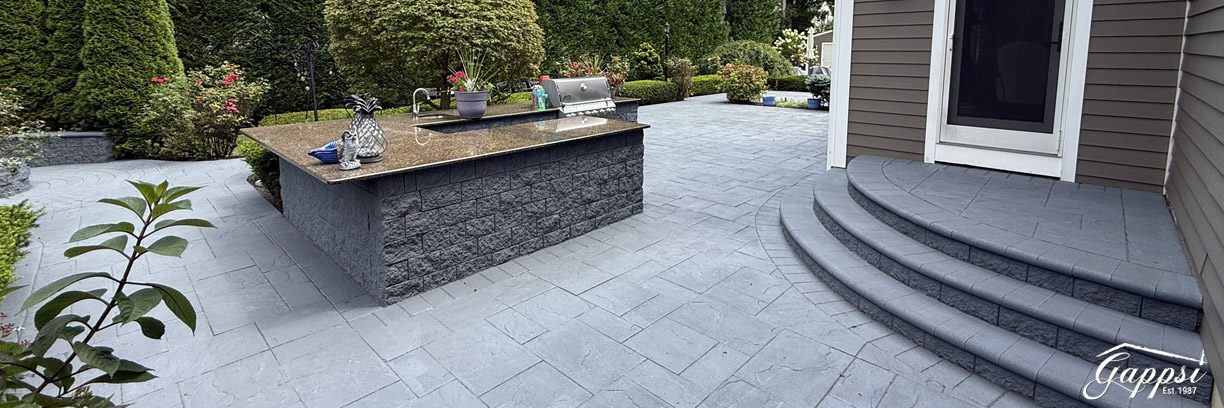
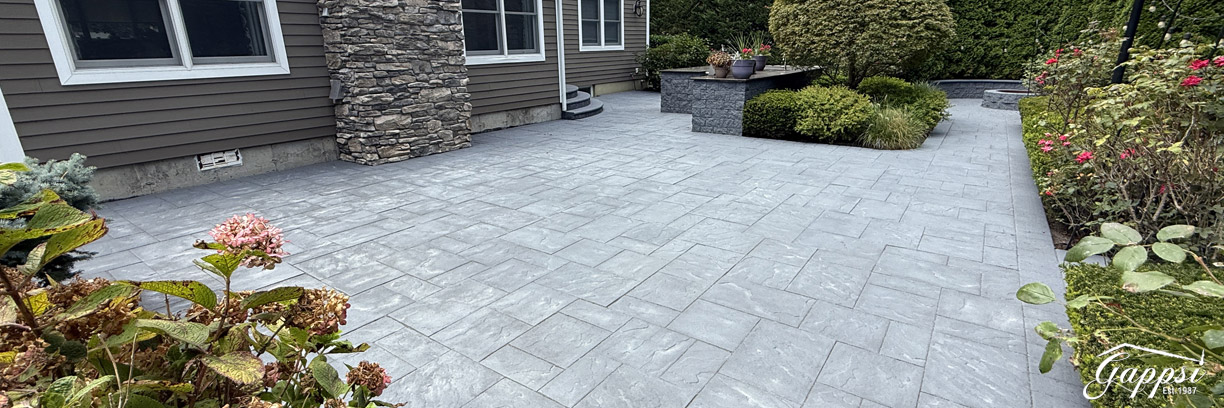
In this project, Gappsi completed a dramatic transformation of a Cambridge paving stone patio in Brightwaters, NY.  They turned an outdated color palette into a sleek, modern gray finish. What began as a typical Toffee Onyx surface featuring salmon-brown undertones blended with gray became a contemporary monochromatic look that completely refreshed the backyard.

This process not only updated the color but also protected the stones.  It added depth, enhanced durability, and unified the entire hardscape design. Here’s a detailed look at how the transformation was achieved.

cambridge-pavers-color-transformation--urethane-sealing-brightwaters-nyUnderstanding the Original Surface: Cambridge Toffee Onyx Pavers
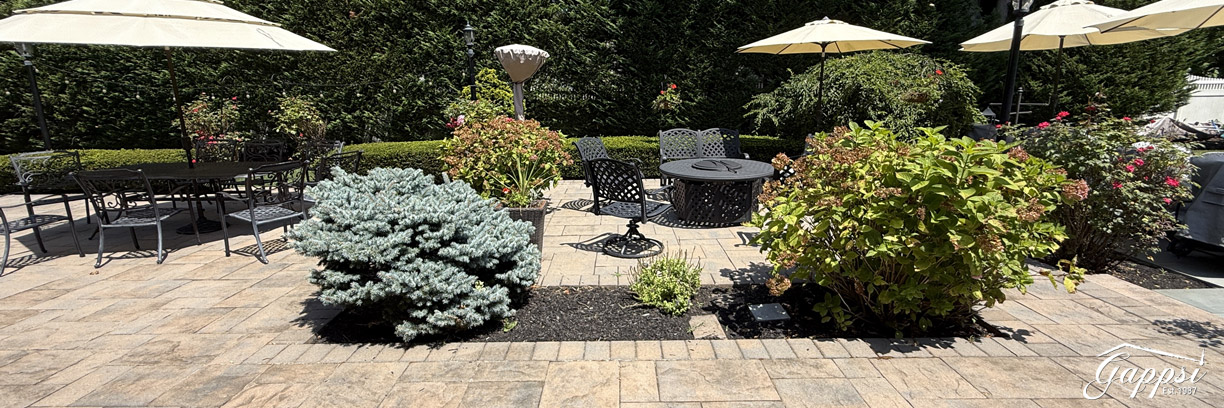
Cambridge Pavers in the Toffee Onyx color blend are known for their multi-toned appearance, combining shades of salmon, brown, and gray. While attractive to many homeowners, some eventually prefer a more modern or neutral appearance, especially as outdoor trends shift toward cooler, more uniform tones.

Over time, UV exposure, weather, and foot traffic can also dull the surface, making color restoration or enhancement necessary. In this case, the clients wanted to eliminate the warm salmon hues and transition to a solid gray finish.

Step 1: Professional Cleaning to Prepare the Surface

The first step was a thorough cleaning of the entire patio and surrounding hardscape. Proper cleaning is crucial because:

  • It removes dirt, algae, mold, and surface contaminants.
  • It lifts old residues, enabling fresh stain to penetrate properly.
  • It prepares the surface for even sealer absorption.

Gappsi uses commercial-grade equipment and environmentally safe cleaning solutions to ensure pavers are fully prepared without damaging the material before any paver color transformation.

Once the patio was thoroughly cleaned and dried, it became ready for the next phase: custom color transformation.

Cambridge Pavers in the Toffee Onyx color blend are known for their multi-tonedStep 2: Creating Color Samples for Client Approval
Because color staining is a permanent and noticeable change, Gappsi prepared several gray sample options to show the homeowner exactly how the finished product would look. This is a critical step in the process; it ensures:

  • The new color aligns with the homeowner’s vision
  • The client understands the depth, tone, and finish of the stain
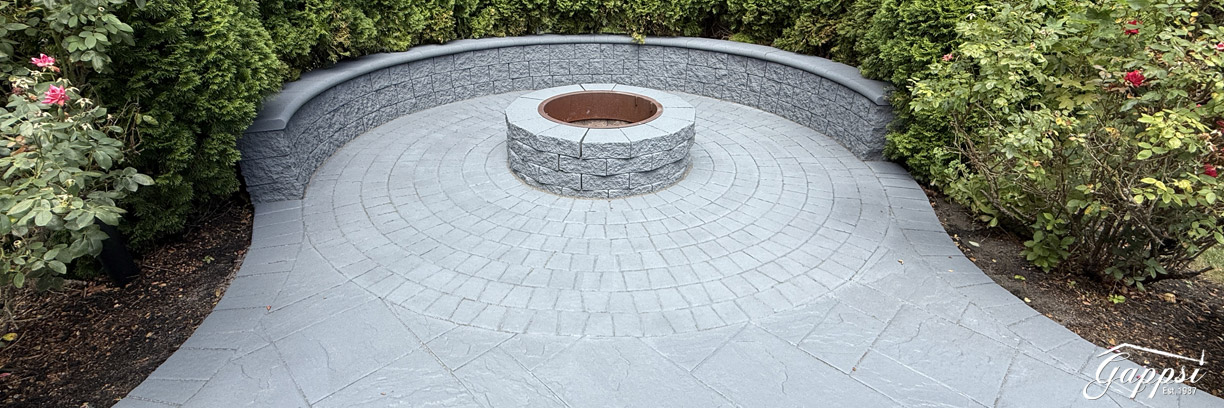
  • The selection blends well with existing structures like the firepit, stoop, and retaining walls

After reviewing samples, the client selected a custom combination of two gray tones: Slate Gray and Gray Washed.

Step 3: Custom Staining to Eliminate Salmon Tones

The transformation required full-surface staining to remove the warm undertones of the Toffee Onyx pavers completely. This technique allows homeowners to dramatically change the color of their pavers without removing or replacing them, a complete paver color transformation.

Using a specialized urethane-compatible stain, Gappsi evenly coated the patio, transitioning the stones from their original brown-salmon hues to the chosen shades of gray. This process effectively “reset” the color palette and created a cleaner, more contemporary appearance.

The staining work extended beyond the patio to ensure a cohesive look across the entire outdoor living area. This included:

  • The retaining wall of the island
  • The firepit area
  • The stoop and bullnose
  • The island walls and surrounding structures

Every surface was blended to match the new gray color scheme, creating a complete backyard makeover.

Custom Staining to Eliminate Salmon TonesStep 4: Sealing with Premium Urethane Sealer

After staining was complete, the next step was to seal the entire hardscape with a high-quality urethane sealer. Unlike basic acrylic sealers, urethane provides:

  • Superior durability
  • A long-lasting protective barrier
  • Enhanced color richness
  • Excellent resistance to UV, stains, and weathering
  • A more premium finish and depth

For this project, Gappsi applied three coats of urethane sealer to achieve maximum protection and the richest color results.

The sealer helps lock in the stain while providing enhanced protection from:

  • Oil and food spills
  • Sun fading
  • Water penetration
  • Wear from foot traffic
  • Seasonal freeze-thaw cycles

The final finish delivered both beauty and long-term durability.

The Final Result: A Complete Modern Look for Paver Color Transformation

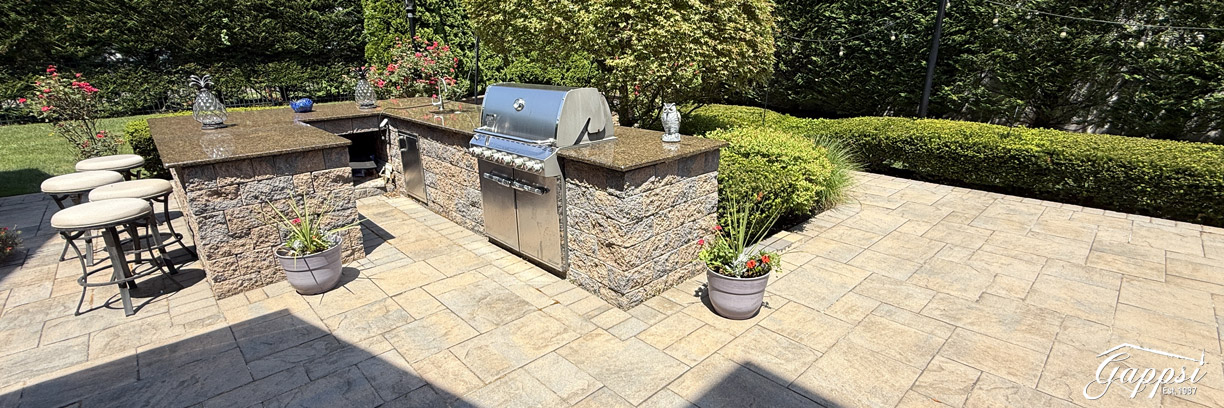
The completed project resulted in a striking transformation. What was once a warm-toned Cambridge Toffee Onyx patio now presents as a contemporary gray outdoor environment, clean, cohesive, and visually refreshed.

The uniform gray palette pairs perfectly with modern outdoor furniture, stainless-steel appliances, and today’s trending backyard design styles. The urethane sealer adds a subtle sheen that enhances the pavers’ texture and elevates the space’s overall aesthetic.

cambridge-pavers-color-transformation--urethane-sealing-brightwaters-ny-3This project showcases what’s possible when homeowners want to update their outdoor living area without tearing out and replacing existing pavers. Through expert staining and sealing, Gappsi delivered a like-new surface at a fraction of the cost of rebuilding.
Why Homeowners Choose Gappsi for Paver Sealing and Color Restoration

Gappsi is known throughout Nassau and Suffolk Counties for professional expertise in:

  • Paver cleaning
  • Paver staining and color restoration
  • Sealing with high-grade urethane sealers
  • Repairs and joint stabilization
  • Complete backyard design and masonry services

With decades of experience and a reputation for craftsmanship, Gappsi has become the go-to contractor for homeowners seeking long-lasting results and premium materials.

Paver Sealing and Color RestorationTransform Your Pavers Without Replacing Them
If your patio or walkway looks faded, outdated, or no longer fits your style, color changing and sealing may be the perfect solution. Whether you want a natural enhancement, a deeper tone, or a complete color overhaul, Gappsi can deliver stunning results customized to your vision.

This Brightwaters, NY project is just the latest example of how staining and sealing can completely transform a backyard.

Contact Gappsi Today

📍 Serving all of Long Island, NY — Nassau & Suffolk Counties
🌐 www.gappsi.com
📞 Call now for a free consultation and estimate!

SCHEDULE A MEETING TODAY WITH GAPPSI

Transform Your Pavers Without Replacing Them

Share this page:

Bluestone Coping Color Change and Sealing Natural Stone Patio: What You Need to Know

View Gappsi’s YouTube Channel for Videos of Bluestone Coping Color Change and Sealing Natural Stone Patio: What You Need to Know

Two of the most common topics homeowners ask about are Bluestone Coping Color Change and Sealing Natural Stone Patio. Understanding why these changes occur, what you can do about them, and how sealing plays a vital role in preserving the beauty of your stonework will save you money, time, and frustration in the long run.

Natural stone has long been a top choice for homeowners seeking elegance, durability, and timeless appeal in their outdoor spaces. From patios to pool decks, stone surfaces bring character and charm that concrete or manufactured products cannot match. However, as with any natural material, maintenance is essential to keep stone looking its best year after year.

Why Does Bluestone Coping Color Change?

If you’ve invested in bluestone for your pool coping or patio edges, you’ve probably noticed that the color can look different over time. Bluestone is known for its deep blue-gray tones, sometimes mixed with hints of rust, green, or even purple. While these variations are part of the natural beauty, they can sometimes shift in ways homeowners don’t expect.

bluestone-coping-color-change-and-sealing-the-natural-stone-patio3Factors Behind the Color Change:

  1. Moisture Retention
    Bluestone is porous, meaning it naturally absorbs water. Around a pool, constant splashing or standing water may cause dark spots to form. Over time, this moisture can alter the tone of the coping, making it appear darker or blotchy.
  2. Weather and Sun Exposure
    UV rays from the sun gradually fade or change the appearance of natural stone. Depending on the stone’s mineral makeup, bluestone may lighten in some areas while appearing more weathered in others.
  3. Efflorescence
    This is a common phenomenon in which minerals within the stone migrate to the surface as water evaporates. Efflorescence often leaves behind a whitish haze that can change the overall color tone.
  4. Chemical Exposure
    Around pools, coping often comes into contact with chlorine, salt, or cleaning chemicals. These substances may react with the minerals in the bluestone, contributing to unexpected color changes.

Is Bluestone Coping Color Change Permanent?

Not always. In many cases, the color change is superficial and can be corrected through cleaning and sealing. However, if the stone has absorbed minerals or been permanently altered by weathering, the change may become part of its natural patina.

The Importance of Sealing the Natural Stone Patio

While color changes in bluestone coping are a common concern, homeowners also need to pay attention to their patios. Sealing is one of the most critical steps in protecting and preserving any natural stone installation.

Sealing bluestone coping around poolsWhat Does Sealing Do?

Sealing creates a protective barrier on or within the stone that helps prevent water absorption, staining, and damage. Since natural stone is porous, sealing reduces the risk of discoloration, mold, algae growth, and chemical wear.

Benefits of Sealing the Natural Stone Patio:

  1. Prevents Staining
    From spilled drinks during a barbecue to fallen leaves that release tannins, patios are exposed to plenty of staining agents. A good sealer keeps these substances from penetrating the stone.
  2. Enhances Natural Colors
    Sealing often deepens and enriches the natural colors of the stone, giving patios and pool areas a “wet look” that highlights their beauty.
  3. Protects Against Weathering
    Rain, snow, and ice cycles can break down stone surfaces over time. Sealing minimizes water absorption, which reduces cracking and spalling.
  4. Easier Cleaning
    A sealed patio is far easier to maintain. Dirt, debris, and algae can be rinsed off with less effort since they don’t embed themselves deeply in the stone.
  5. Extends Longevity
    By reducing damage from UV rays, chemicals, and water, sealing extends the life of your patio investment by years.

Bluestone Sealers: Best Protection and MaintenanceBest Practices for Sealing the Natural Stone Patio

If you’ve noticed your bluestone coping changing color or your patio starting to look dull, sealing may be the solution. Here are a few best practices to follow:

  1. Start with a Professional Cleaning
    Before sealing, the stone must be cleaned thoroughly. Pressure washing, efflorescence removal, or special cleaners may be needed to restore the original appearance.
  2. Choose the Right Sealer
    There are two main types of sealers:
  • Penetrating Sealers: absorb into the stone to create an invisible barrier without altering its appearance.
  • Topical Sealers: Sit on top of the surface and often enhance color with a glossy or matte finish.

For bluestone coping and patios, penetrating sealers are often recommended for lasting protection.

  • Reapply as Needed
    Sealing is not a one-time job. Depending on usage, climate, and exposure, most natural stone patios need resealing every 2–4 years.
  • Test a Small Area First
    Since sealers can alter the look of stone, always test on a hidden section before applying it across the entire surface.

Combining Solutions: Coping Color Change and Patio Sealing

The issues of Bluestone Coping Color Change and Sealing the Natural Stone Patio are closely related. Both aim to preserve the stone’s natural beauty while preventing long-term damage.

  • If your coping has already changed color, a deep cleaning followed by sealing can often restore and protect it.
  • If your patio still looks excellent, sealing now will ensure it stays that way, preventing future discoloration and wear.
  • In both cases, routine maintenance—such as sweeping, rinsing, and checking for standing water—will help your investment last longer.

When to Call a Professional

While DIY sealing products are available, homeowners often find better results by hiring a professional stone restoration and sealing service. Experts know how to identify the exact causes of discoloration, use the correct cleaners, and apply the best sealer for your specific type of stone.

A professional can also assess whether your bluestone coping is experiencing natural patina development or a problem that needs correcting. In some cases, advanced treatments such as color enhancers or specialty sealers can bring out the stone’s best qualities while masking imperfections.

bluestone-coping-color-change-and-sealing-the-natural-stone-patioYour outdoor living space is an extension of your home, and the natural stone you’ve chosen deserves proper care. Bluestone Coping Color Change is a natural process, but with the proper cleaning and maintenance, it doesn’t have to diminish the beauty of your pool or patio. Meanwhile, Sealing the Natural Stone Patio is one of the best preventive measures you can take to protect your investment for years to come.

By understanding how these issues are connected and committing to regular maintenance, you can enjoy the elegance of natural stone with peace of mind—knowing it will continue to look stunning season after season.

SCHEDULE A MEETING TODAY WITH GAPPSI

Share this page:

A Timeless Nicolock Paver Driveway Sealed and Restored in Commack, NY

View Gappsi’s YouTube Channel for Videos of A Timeless Nicolock Paver Driveway Sealed and Restored in Commack, NY

Look at our latest project, a timeless Nicolock paver driveway sealed and restored in Commack, NY.  When people ask how long paver driveways last, most don’t expect to hear “over 30 years.” But that’s precisely what we’re here to show you today. In Commack, NY, a Nicolock paver driveway we originally installed 31 years ago just received a well-deserved restoration, and the results are truly stunning.

This project is close to our hearts. Not only does it represent our early work, but it also showcases the remarkable longevity of quality materials and expert craftsmanship. This particular driveway was one of the first Nicolock paver installations ever completed by us at Gappsiback when Nicolock began manufacturing pavers.

A Look Back: The Beginning of Nicolock Pavers

In the early 1990s, Nicolock was starting in the paver manufacturing business. Known today for their vibrant color blends and durable products, Nicolock was still proving itself as a new name in the hardscaping world. At Gappsi, we recognized the potential of Nicolock’s pavers right away. This driveway, installed over three decades ago, is a testament to our confidence in their product and our commitment to excellence.

1-nicolock-pavers-cleaned-and-sealed-in-commack-nyAt the time, installing pavers was still a relatively new concept for residential driveways in the area. Concrete and asphalt were the norm, but we believed in offering something better, something more beautiful, resilient, and long-lasting. This driveway was part of that early vision.

The Condition: 31 Years Later

Fast forward to the present, and we’re proud to say this Nicolock driveway in Commack is still in great shape. Sure, there was some light weathering on the surface of the stones, that’s to be expected after three decades of sun, rain, snow, and regular vehicle traffic—but structurally, the driveway held up incredibly well.

We performed minor repairs to address a few settlement areas and re-level any uneven stones. However, most of the surface remained intact, indicating that proper installation techniques and premium materials improve long-term performance.

Learn More About Our Driveway Sealed and Restored Process

Paver Driveway Cleaned and SealedCleaning and Prepping the Surface

Before resealing, we thoroughly cleaned the entire driveway surface. This included power washing the pavers to remove accumulated dirt, organic growth, and any residual materials left by the environment over the years. The cleaning process is critical, not just for aesthetics but also to ensure proper adhesion of the sealant later on.

Once cleaned, the Nicolock pavers’ natural beauty began to shine through. Despite their age, the colors were still vibrant, and the texture of the stones remained solid. Rather than diminishing the look, the weathering gave the surface a more natural stone-like patina, adding character and charm to the overall appearance.

Polymeric Sand Installation

After cleaning, we applied polymeric sand between the pavers’ joints. This advanced material offers superior stability compared to traditional sand. When installed correctly and allowed to cure, polymeric sand hardens to create a strong, cohesive bond that resists weed growth, insect infestation, and erosion from rain or washing.

The sand was carefully swept into the joints, misted with water, and allowed to set for a couple of days. This tightened the structure and enhanced its visual appeal, giving the joints a clean, defined look.

Paver Patios & Driveways Cleaning & SealingSealing: The Finishing Touch

The final step was the application of a premium color-enhancing sealer. What sets this sealer apart is its ability to boost the natural tones of the pavers without making them look overly shiny or artificial. The stones don’t look “sealed”—instead, their original color appears richer and more intense, while retaining that natural matte finish that homeowners love.

As professionals, we understand that not all sealers are created equal. We use only high-quality sealers that offer long-lasting protection against the elements, UV rays, stains, and fading, all while enhancing the pavers’ natural beauty.

The Result: Like New After Three Decades

The transformation is impressive. What was already a well-preserved driveway now looks like it was just installed. The resealed pavers display a renewed depth of color and vibrancy, with the natural weathering adding subtle variation and depth.

It’s not just about aesthetics, either. The paver driveway sealed and restored also provides a critical layer of protection that will help it last many more years. This 31-year-old driveway could easily reach 40 or even 50 years of service with proper maintenance, including periodic cleaning and resealing every few years.

A Testament to Craftsmanship and Quality

This driveway restoration in Commack is more than just a routine job—it’s a reminder of the lasting value of quality work. At Gappsi, we take great pride in our installations, and this project illustrates the power of doing things right the first time.

Paver Patios & Driveways Cleaning & SealingWe used proper base materials from the beginning, ensured correct compaction, and adhered to best practices during installation. We chose a paver product we believed in, and Nicolock has proven to be a trusted partner in delivering quality, American-made hardscaping materials.

Why Choose Gappsi for Your Paver Driveway Sealed and Restored?

At Gappsi, we don’t just install driveways—we build long-term investments in your home. Whether it’s a driveway, patio, pool deck, or complete backyard transformation, our team is dedicated to using the best materials and techniques available. Our decades of experience mean you can trust us to deliver a finished product that’s beautiful and built to last.

This Commack project is a living case study of our philosophy. More than thirty years after we laid the first stone, the driveway remains solid, attractive, and functional. With just a little maintenance, it continues to look fantastic.

Thinking About a Paver Driveway?

Think long-term if you’re considering a new paver driveway, patio, or outdoor living space. Choose a contractor with a proven track record, select durable materials, and commit to regular maintenance. You’ll be rewarded with an outdoor surface that performs beautifully year after year.

Do you have a paver surface that needs a refresh? We can help restore it with cleaning, re-sanding, and sealing services, like this Nicolock driveway.

Contact Gappsi today to learn more about our hardscaping services in Commack and Long Island. Whether you need a brand-new installation or a touch-up for a 30-year-old driveway, we’re here to help bring out the best in your outdoor spaces.

Paver Driveway Sealed and Restored

SCHEDULE A MEETING TODAY WITH GAPPSI

Share this page:

Reviving Your Outdoor Spaces: Expert Stone Patio, Driveway, and Floor Restoration and Sealing

View Gappsi’s YouTube Channel for Videos of Reviving Your Outdoor Spaces: Expert Stone Patio, Driveway, and Floor Restoration and Sealing

Thank you for taking the time to learn more about our comprehensive process for restoration and sealing stone patios, driveways, and indoor floors. At Gappsi, we believe that every stone surface deserves a personalized approach based on its material type, structural makeup, and your unique preferences. Whether you’re working with natural stone, such as marble or bluestone, or with concrete pavers, our techniques and materials are designed to ensure long-lasting beauty, durability, and protection.

Choosing the Right Sealer: It’s Never One-Size-Fits-All

One of the cornerstones of our restoration philosophy is using the right product for the right surface. We never apply a one-size-fits-all solution. Instead, we select from a range of specialized sealers tailored to each specific type of stone or concrete. The stone’s density, porosity, and structural integrity all play a role in our selection of products.

Concrete pavers and natural stones, such as marble or bluestone, require very different sealing methods. Concrete, being more porous and uniform, can be treated effectively with coating sealers. These sealers sit on the surface and create a protective layer, which is ideal for enhancing color and protecting the surface. On the other hand, natural stones are denser and require penetrating sealers, which soak into the stone’s pores and provide internal protection without altering the surface texture or sheen.

cleaning-and-sealing-concrete-pavers-process-before--afterBut we don’t stop there. Your vision for the final appearance matters just as much as the material itself. Some homeowners prefer a more natural, matte look, where the stone’s color remains unchanged but is still water- and stain-repellent. Others may want to enrich or enhance the stone’s natural tones, giving the surface a “wet look” or deeper hue. We tailor our sealing method accordingly, ensuring both aesthetic and functional goals are met.

Enhancing or Transforming Paver Color | Restoration and Sealing

A unique service we offer is our color enhancement process. This is ideal for older concrete pavers that have faded over time. We can breathe new life into them by adding a translucent color tint to the sealer. This approach restores their vibrancy while maintaining the natural color variation that gives them character.

Alternatively, for clients seeking a bolder transformation, we offer solid color treatments that entirely change the paver’s appearance. Again, the choice of coating or penetrating sealer depends on the paver’s composition and the desired effect. Older concrete pavers typically benefit from surface coating sealers, while new pavers and natural stones are better suited for penetrating sealers.

Contact Gappsi Today For An Estimate

Tile and Grout Restoration for Indoor Surfaces

Our services extend beyond outdoor spaces. We specialize in tile and grout restoration for interior floors, bathrooms, kitchens, and showers. Over time, grout can discolor and absorb moisture, resulting in deterioration and staining. We offer deep cleaning and sealing to protect and preserve your existing grout—or, if you’re ready for a new look, we can recolor your grout entirely.

Grout and Tile Cleaning in Your Home | Bathrooms, Kitchens, Walls and FloorsOnce sealed, your grout becomes water-resistant and far easier to clean, maintaining its appearance for years to come. This is an excellent solution for both new tile installations and older surfaces that need a refresh.

Premium Joint Sand for a Polished Finish

Before sealing pavers, it is essential to fill the joints with sand appropriately. We take pride in offering our proprietary line of premium sand, imported from Italy. Unlike many coated sands on the market, our sand is naturally colored and uncoated. This makes a big difference.  Coated sand does not absorb sealer properly and will not bond or harden correctly in the joints.

Available in five colors: white, gray, black, beige, and beige-gray mix. Our sand allows you to choose a look that complements your stones. The granules, sized from 0.4 to 0.8 mm, are precisely crushed and washed for optimal compaction and joint filling. When needed, we mix the sand with a resin powder. This combination, when exposed to a liquid sealer, hardens more effectively than traditional polymeric sand. In cases where resin isn’t required, our urethane sealer alone is strong enough to solidify the sand once applied.

step-4-cleaning-and-sealing-concrete-pavers-process

Professional Application from Start to Finish

Every project we undertake follows a meticulous step-by-step process. It begins with cleaning. Using hot water and specialized equipment, we thoroughly wash the paver surfaces, removing old polymeric sand, dirt, and debris. This is the best way to ensure the new sand and sealer will bond effectively.

Once the surface is clean and dry, we sweep the joint sand evenly across the area. A plate compactor with rubber rollers is used to vibrate the sand deep into the joints without scratching the stones. We repeat this process twice, applying and compacting more sand to ensure that all joints are fully and densely filled.

Cleaning and Sealing pavers on Long Island NYAfter brushing away any excess sand, we apply the sealer, carefully selected for the specific material and finish desired. This step not only seals and protects the stone but also locks the sand in place. Our team’s deep understanding of both surface materials and sealing products ensures a flawless application, resulting in a durable and attractive finish that lasts.

The Importance of Experience and Knowledge for Restoration and Sealing

Stone restoration and sealing isn’t just about using high-quality materials.  It’s about knowing how and when to use them. Our team has years of experience and technical expertise in reading stone surfaces and selecting the correct product for each unique situation. From choosing the right sand and sealer to understanding customer preferences and environmental conditions, every decision is made with long-term results in mind.

Your patios, driveways, and floors are significant investments, and maintaining them properly is essential to protecting their value and aesthetic appeal. Whether you’re looking to restore a weathered surface, enhance the color of your pavers, or preserve your kitchen tiles and grout from future wear, we have the tools, knowledge, and products to get the job done right.

Contact us today to schedule a consultation or request a quote. Let’s bring your stone surfaces back to life. Stronger, cleaner, and more beautiful than ever.

SCHEDULE A MEETING TODAY WITH GAPPSI

before and After cleaning coloring and sealing bathroom tiles 12

Share this page: