Living on Long Island means your driveway has to endure a lot, from humid summer heat to harsh winter freeze-thaw cycles. Selecting a material that can stand up to our specific climate is essential for a long-lasting investment. This is where the discussion of natural stone vs porcelain pavers for driveway projects becomes so critical. Both materials are known for their strength, but they handle the elements in different ways. Porcelain pavers are non-porous, making them exceptionally resistant to water absorption and cracking. Natural stone has been weathering storms for millennia and offers its own rugged durability. Let’s explore how each option performs under pressure, so you can choose a driveway that is both beautiful and built to last.
Key Takeaways
- Choose based on your home’s style: Natural stone provides an organic, one-of-a-kind character for a timeless look, while porcelain offers sleek consistency and the versatility to achieve any modern or classic aesthetic you want.
- Consider your long-term commitment: Porcelain is the low-maintenance champion, as its non-porous surface resists stains and fading without needing a sealant. Natural stone is just as durable but requires regular sealing to protect its beauty.
- Look beyond the material price: Your total project cost includes labor. Natural stone’s specialized installation takes more time and often costs more, while porcelain’s uniformity allows for a faster and more predictable process that can be more budget-friendly.
Natural Stone vs. Porcelain: What’s the Real Difference?
When you’re planning a new driveway, the material you choose sets the tone for your entire home’s exterior. Both natural stone and porcelain pavers are fantastic choices, but they have distinct personalities. Think of it like choosing between a one-of-a-kind piece of art and a high-performance, precision-engineered tool. One comes directly from the earth with unique character in every piece, while the other is manufactured for incredible strength and consistency. Understanding the core differences in how they’re made, what they look like, and how they perform is the first step in deciding which one is the perfect fit for your Long Island home. Let’s break down what makes each material special.
What Is Natural Stone?
Natural stone is exactly what it sounds like: stone that’s quarried directly from the earth. Materials like granite, limestone, and sandstone are cut into slabs and pavers, meaning no two pieces are ever identical. Each paver has its own unique veining, texture, and color variations, giving your driveway an organic, timeless beauty that can’t be replicated. This material is incredibly strong and has been weathering the elements for millions of years, so it’s built to last. Because it’s naturally dense, natural stone doesn’t absorb much water, which helps it stand up to Long Island’s freeze-thaw cycles without cracking. It’s a classic choice for a reason.
What Are Porcelain Pavers?
Don’t let the word “porcelain” fool you; these pavers are nothing like delicate teacups. Porcelain pavers are manufactured from a very dense clay that is fired at extremely high temperatures. This process creates a paver that is exceptionally tough, non-porous, and resistant to just about everything. They won’t soak up water, which means spills are easy to clean and they won’t stain. They are also highly resistant to fading from UV rays, moisture, and scratches. Because they are engineered, they offer incredible durability and can handle heavy vehicle traffic and harsh weather conditions with ease, making them a very practical and long-lasting option for driveways.
Comparing How They Look and Feel
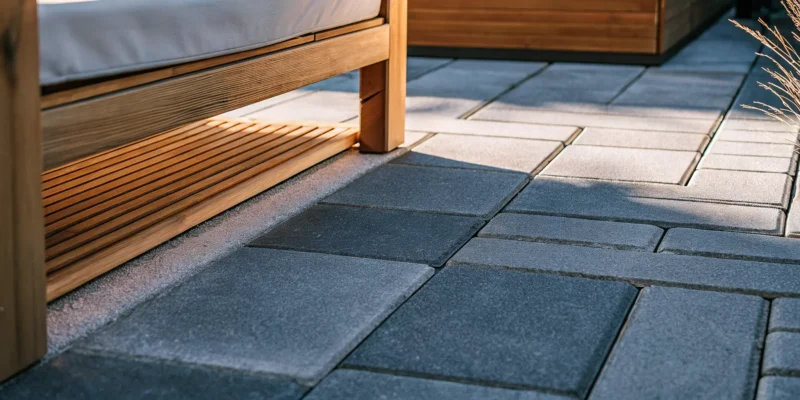
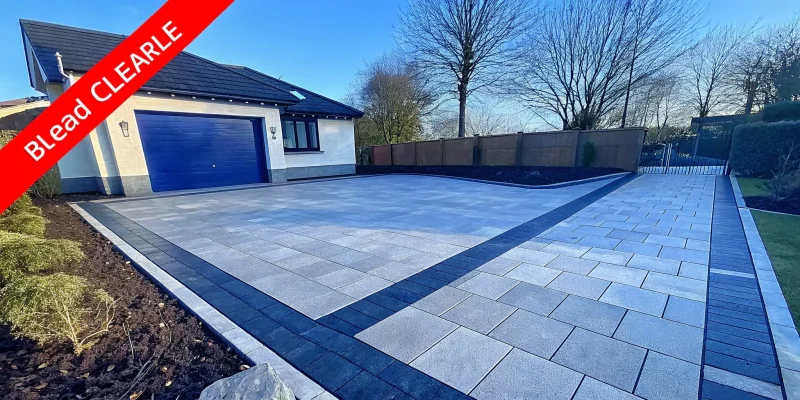
The biggest difference you’ll notice is in their appearance. Natural stone offers a subtle, elegant look that feels connected to the landscape. Its imperfections and variations are part of its charm, creating a rich, textured surface that feels authentic and high-end. Porcelain, on the other hand, offers incredible versatility. Modern manufacturing allows porcelain pavers to perfectly mimic the look of natural stone, wood, or even concrete. You can get the color, texture, and finish you want with more uniformity from piece to piece. This consistency can create a sleek, modern aesthetic, or it can provide the classic look of stone with added design and construction benefits.
The Pros and Cons of a Natural Stone Driveway
Choosing natural stone for your driveway is like bringing a piece of the earth right to your home. It has a timeless, classic appeal that’s hard to replicate. Because it’s quarried directly from the ground, every single piece has a unique character, with its own colors and textures. This means your driveway will be completely one-of-a-kind. But like any material, it has its strengths and weaknesses. Let’s look at what you can expect if you go with natural stone.
The Upside of Natural Stone
What’s not to love about the look of natural stone? It offers an organic, high-end beauty with rich, earthy tones that synthetic materials often try to imitate. Since it comes from nature, it blends beautifully with landscaping and other outdoor elements. Beyond its good looks, natural stone is incredibly strong and durable. Many types of stone handle Long Island’s freeze-thaw cycles well and are easy to clean with a simple sweep and rinse. Best of all, it ages gracefully. Instead of fading, many stones develop a beautiful patina over time, which only adds to their character and curb appeal.
Potential Downsides of Natural Stone
The biggest consideration for most homeowners is the cost. Because natural stone is a premium, quarried product, it typically comes with a higher price tag for both the materials and the installation. The installation process itself can be more time-consuming, which also adds to the overall expense. Additionally, some types of stone are more porous than others, meaning they can absorb liquids and become stained if not properly sealed. To keep it looking its best and protect it from oil spills or water damage, you’ll need to commit to a routine of cleaning and sealing. The durability can also vary depending on the specific stone you choose, so it’s important to pick the right one for a high-traffic area like a driveway.
The Pros and Cons of a Porcelain Paver Driveway
Porcelain pavers are an engineered product, created by firing a special blend of purified clays and minerals at extremely high temperatures. This intense process results in a material that is exceptionally dense, hard, and uniform. For homeowners looking for a modern and resilient driveway surface, porcelain offers a compelling alternative to natural stone. It brings a sleek, contemporary feel that can complement many architectural styles, from minimalist to traditional, giving your home’s entrance a clean and polished look.
Unlike natural stone, which is quarried directly from the earth, porcelain is manufactured with precision. This means you get consistency in color, texture, and size from one paver to the next, creating a very cohesive and intentional design. While it might not have the rustic, one-of-a-kind variations of stone, it offers a different kind of beauty: one of flawless uniformity and modern elegance. But like any material, it comes with its own set of advantages and considerations. Understanding both sides will help you decide if it’s the right fit for your Long Island home and lifestyle, ensuring your new driveway not only looks fantastic but also stands up to the demands of daily life.
The Upside of Porcelain Pavers
If you’re looking for a driveway that is tough and easy to care for, porcelain is hard to beat. Its biggest advantage is its incredible durability. Because it’s manufactured to be so dense, it’s exceptionally strong and resistant to scratches, scuffs, and chipping from daily traffic. Porcelain is also non-porous, meaning it doesn’t absorb water. This quality makes it highly resistant to stains from oil or other spills and prevents cracking during the winter freeze-thaw cycles. This all adds up to a beautiful, low-maintenance driveway that keeps its clean, polished look for years with minimal effort.
Potential Downsides of Porcelain Pavers
While porcelain has a lot going for it, there are a few things to keep in mind. The initial investment can be higher than some other materials, and the installation requires a skilled hand. Because porcelain pavers are so uniform and precisely cut, any errors in the base preparation or laying process are immediately noticeable. This isn’t a weekend DIY project; you’ll want to work with an experienced team to ensure a flawless finish. Additionally, while modern designs do a great job mimicking natural materials, some homeowners might miss the unique, one-of-a-kind variations you get with stone pulled directly from the earth.
Comparing Installation: Time, Effort, and Cost
When you’re planning a new driveway, it’s easy to focus on the final look. But it’s just as important to consider what it takes to get there. The installation process affects your project’s timeline, your budget, and the amount of disruption around your home. Let’s walk through how natural stone and porcelain pavers stack up when it comes to the time, effort, and overall cost involved in bringing your new driveway to life.
How to Install Natural Stone
Natural stone is beautiful because it’s pulled directly from the earth, but that also means each piece is unique. This organic variation requires a lot of skill and time during installation. Think of it as putting together a complex puzzle without a picture on the box. Installers must carefully select, shape, and fit each stone to create a seamless surface. This meticulous process is more labor-intensive and takes longer, but the result is a truly one-of-a-kind driveway. The expert masonry work involved is a true craft, ensuring every detail is perfect.
How to Install Porcelain Pavers
In contrast, porcelain pavers are manufactured with incredible precision. Every paver is consistent in size, shape, and thickness, which makes the installation process much quicker and more predictable. Because the pieces fit together so easily, your new driveway can often be completed with less disruption to your daily routine. For homeowners who want a beautiful, durable driveway without a lengthy construction project, the efficient installation of porcelain pavers is a huge advantage. It’s a streamlined process that delivers stunning results in less time.
Breaking Down the Costs
Now, let’s talk about the budget. The final price tag for your driveway isn’t just about the cost of the pavers; you also have to factor in the labor for installation. Natural stone typically costs more upfront because it’s a natural resource that needs to be quarried and transported. When you add the longer, more specialized installation process, the total project cost is generally higher. While porcelain is a premium material, the faster and more straightforward installation can often make the overall project more budget-friendly than natural stone. Understanding the full scope of project costs helps you make the best choice for your home.
How Do They Handle Long Island Weather?
A driveway in Long Island has to be tough. It faces everything from summer heatwaves to winter snow and ice. The constant cycle of freezing and thawing can be especially hard on outdoor surfaces, causing cracks and damage over time. When you’re choosing between natural stone and porcelain pavers, it’s essential to think about which material will hold up best against our local climate. You want a driveway that not only looks great on day one but continues to perform beautifully for years, without demanding constant repairs.
Both natural stone and porcelain have unique properties that affect how they respond to moisture, temperature swings, and daily use. Understanding these differences will help you select a material that fits your lifestyle and gives you peace of mind, no matter what the weather forecast says. A durable driveway is a smart investment in your home’s curb appeal and functionality, so let’s look at how each option stacks up.
Durability Against Rain, Snow, and Ice
Here on Long Island, we get our fair share of wet and icy weather. Your driveway material needs to handle moisture without becoming damaged. Porcelain pavers are a fantastic choice because they are nonporous, which means they don’t absorb water. This quality makes them highly resistant to the freeze-thaw cycles that can cause other materials to crack. Natural stone also performs well in this area, as it doesn’t absorb much water and can withstand freezing temperatures. When properly installed, both materials can create a durable surface for your driveway, patio, or pool deck.
Handling Everyday Driveway Traffic
Your driveway is more than just a decorative feature; it’s a functional surface that sees daily traffic. It needs to be strong enough to handle the weight of vehicles without cracking or chipping. Porcelain pavers are incredibly durable and resistant to scratches and stains, making them a practical, low-maintenance option for a busy driveway. They are engineered to be tough, offering a long-term solution that maintains its appearance over time. Natural stone is also known for its strength and has been used for roads and pathways for centuries. However, some types of stone can be more prone to staining from oil or other spills if not properly sealed.
Standing Up to Hot and Cold Temperatures
The temperature swings on Long Island, from hot summer days to frigid winter nights, demand a material that won’t break down under stress. Porcelain pavers are created through a process called vitrification, which involves heating them to extreme temperatures. This makes them very dense and resilient, so they can handle freezing conditions without wearing down. Natural stone is also a time-tested material that endures temperature changes well. While it’s a classic and durable choice, some homeowners find that certain types of natural stone require more maintenance, like regular sealing, to protect them from the elements. Keeping up with restoration and sealing services can ensure your stone driveway stays in top condition.
A Look at Long-Term Maintenance
Your driveway is a long-term investment, so thinking about upkeep from the start is a smart move. The material you choose will directly impact how much time and money you spend on maintenance down the road. Natural stone and porcelain have very different needs, and understanding them will help you pick the paver that best fits your lifestyle. Let’s break down what you can expect from each.
Caring for a Natural Stone Driveway
A natural stone driveway has a timeless beauty, but it asks for a bit of commitment to keep it looking its best. Because stone is porous, it needs regular sealing to protect it from stains, spills, and the effects of weather. Without a proper seal, things like oil drips or fallen leaves can leave lasting marks. You’ll also want to clean it frequently to prevent dirt buildup. Over time, direct sunlight can cause the stone’s color to fade, which is something to keep in mind. If you love the look of natural stone but worry about the work, professional cleaning and sealing services can handle the heavy lifting for you.
Caring for a Porcelain Driveway
If a low-maintenance lifestyle is your goal, porcelain pavers are a fantastic choice. They are built to withstand the elements with minimal fuss. Porcelain is non-porous, which means it naturally resists stains, mold, and mildew without needing a sealant. Spills from your car or a tipped drink can usually be wiped away easily. Plus, porcelain is fade-resistant, so its color will stay true even after years of Long Island sun. This durability makes it a practical option for busy families with kids and pets. A simple sweep and occasional wash with water is typically all you need to keep your porcelain driveway looking brand new.
Fact vs. Fiction: Long-Term Upkeep
When you compare the two side-by-side, it’s clear that porcelain pavers are the winner for easiest long-term upkeep. The idea that all pavers require constant, intensive care is a common myth. While that can be true for some materials, porcelain’s dense, non-porous structure makes it almost impenetrable to moisture. This quality is key to preventing the kind of deep-set grime and organic growth that can be a headache with other surfaces. Choosing porcelain means you get a driveway that not only looks great on day one but continues to perform beautifully for years with very little effort on your part, making it a truly practical and lasting solution.
Making Your Decision: Natural Stone or Porcelain?
Choosing between natural stone and porcelain pavers doesn’t have to be overwhelming. It really comes down to what you value most: the look you love, the maintenance you’re willing to do, and your long-term goals. Let’s break down these key areas to help you find the perfect fit for your driveway.
Matching Your Home’s Aesthetic
The first thing most people think about is style. Your driveway makes a big first impression. Natural stone offers a timeless, classic beauty with rich, earthy tones and patterns that are completely unique. Since no two stones are alike, you get an organic look full of character. On the other hand, porcelain pavers provide a sleek, modern finish. They are incredibly versatile and can be designed to look just like natural stone, wood, or concrete. This flexibility gives you more options to perfectly match your home’s style. You can explore a wide variety of porcelain and natural stone to see which one speaks to you.
Key Factors for Your Final Choice
Beyond looks, think about long-term care. Natural stone is beautiful, but it asks for more attention. It needs to be sealed regularly to protect it from stains, fading, and weathering. If you don’t mind some upkeep, this isn’t a dealbreaker. In contrast, porcelain pavers are low-maintenance superstars. They are incredibly durable, won’t fade in the sun, and don’t require sealing. A simple cleaning is all they need. This makes them a fantastic choice for busy families. If the idea of upkeep for natural stone seems daunting, remember that professional restoration and sealing services can handle the work for you.
Which Paver Is Right for You?
So, how do you choose? There’s no single right answer, only what’s right for you. If you’re dreaming of a rustic, one-of-a-kind driveway and are prepared for the maintenance, natural stone is an amazing choice that adds undeniable charm. But if your priorities are a clean, contemporary look with minimal upkeep, porcelain pavers are likely your best bet. They offer incredible durability and can be more cost-effective over their lifespan. The best way to decide is to see the materials for yourself. Visiting the Gappsi Store can help you compare the textures and colors in person and make a choice you’ll love for years to come.
Related Articles
- Porcelain Driveway & Walkway Pavers in Long Island | Gappsi Inc
- Driveway Paver Installation & Design Guide | Gappsi Inc
- porcelain pavers Archives – Gappsi Group
- Outdoor Living News: Pools, Fire Pits & Renovations | Gappsi Inc
Frequently Asked Questions
Which material is truly better for a high-traffic driveway? Both materials are incredibly strong, but they excel in different ways. Porcelain is engineered to be exceptionally dense and uniform, giving it superior resistance to scratches, stains, and chipping from daily vehicle use. Natural stone is also very durable, having withstood the elements for centuries, but its strength can vary depending on the specific type of stone you choose. For a driveway that requires minimal worry and maximum resilience, porcelain often has the edge.
I love the unique look of natural stone, but I’m worried about the maintenance. What are my options? This is a common concern, and you definitely have options. The key to protecting natural stone is proper sealing. A high-quality sealant creates a protective barrier that prevents oil, salt, and other liquids from soaking in and causing stains. Committing to a professional cleaning and sealing schedule every few years will preserve the stone’s beauty and integrity, giving you that one-of-a-kind look without the constant stress of upkeep.
Are porcelain pavers slippery when they get wet? That’s a great question, as safety is always a priority. Reputable porcelain pavers are manufactured with a textured, anti-slip surface specifically for outdoor use. This finish provides excellent traction even in rainy or icy conditions, making them a safe and practical choice for driveways, walkways, and pool surrounds. It’s important to choose pavers rated for outdoor applications to ensure you get that necessary grip.
Does the color of natural stone or porcelain fade over time from the sun? Porcelain is highly resistant to UV rays, so its color will remain vibrant and consistent for years without fading. Natural stone, being a product of the earth, can change over time. Some stones may lighten or develop a patina when exposed to direct sunlight for many years. Many people find this aging process beautiful as it adds to the stone’s character, but if you want your driveway’s color to stay exactly as it was on day one, porcelain is the more reliable choice.
Why is professional installation so important for both materials? A beautiful driveway is only as good as the foundation it’s built on. For natural stone, a skilled installer is needed to artfully fit the unique shapes and sizes of each paver, ensuring a level and stable surface. With porcelain, the pavers are so perfectly uniform that any mistake in the base preparation or layout becomes immediately obvious. Professional installation guarantees the groundwork is done correctly, which prevents shifting, cracking, and drainage issues down the road for either material.
 The turf features: