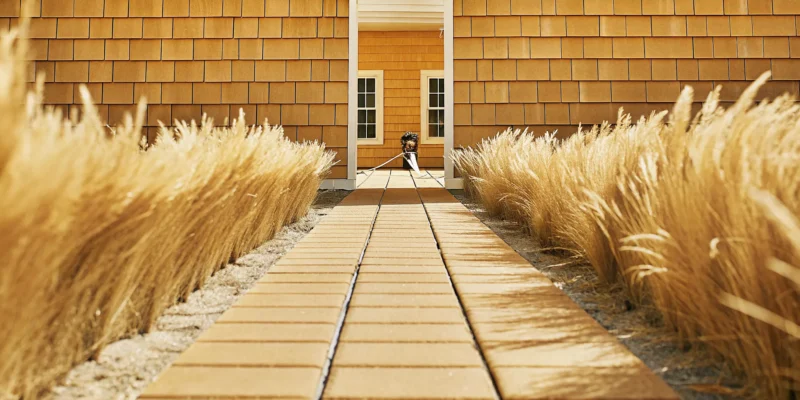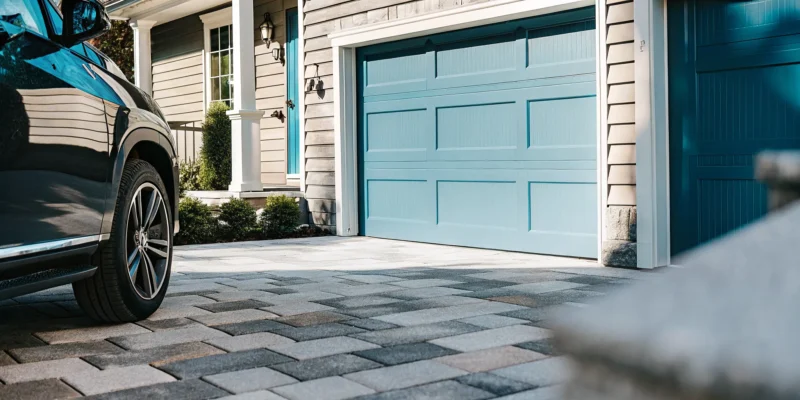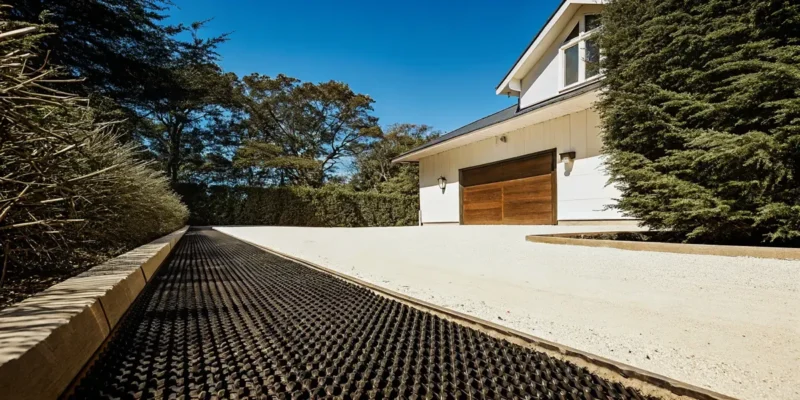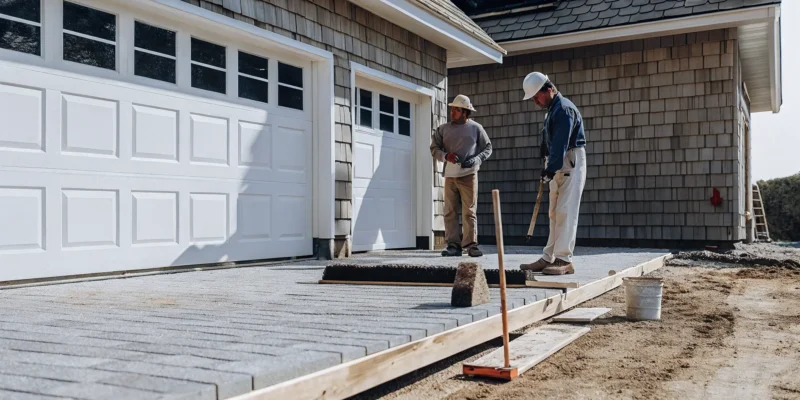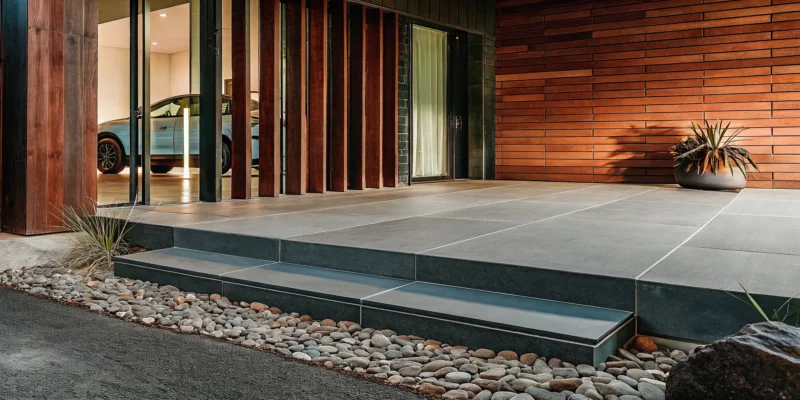
Driveway pavers installed by a professional contractor for a home in Nassau County.

Top 3 Driveway Paver Contractors in Nassau County

When you think about your home’s exterior, your driveway probably isn’t the first thing that comes to mind for a creative outlet. But it can be. Instead of a simple slab of gray concrete, your driveway can be a beautiful, patterned surface that complements your home’s architecture and landscaping. Pavers give you the freedom to design an entrance that is uniquely yours, using materials like classic brick, sleek porcelain, or elegant natural stone. Turning that creative idea into a finished project requires a partner with expertise. To get started, you need to know which contractor installs driveway pavers in Nassau County who can execute your design flawlessly.

Key Takeaways

  • View pavers as a long-term upgrade: A paver driveway is a smart investment that adds significant curb appeal and outlasts traditional surfaces, thanks to its superior strength and simple, localized repair process.
  • Match your material to your budget and vision: The final look and cost of your project are determined by your paver choice, so it is important to understand the unique benefits of concrete, brick, natural stone, and porcelain.
  • A great contractor is your most important asset: Protect your investment by carefully vetting any potential installer; verify their license and insurance, review past projects, and insist on a detailed contract that includes a warranty.

Why Choose Pavers for Your Driveway?

When you think about upgrading your driveway, you might picture simple asphalt or concrete. But what if your driveway could be a standout feature of your home? Choosing pavers is about more than just a surface to park on; it’s an investment in your home’s beauty, function, and long-term value. Unlike solid surfaces that can crack and stain over time, a paver driveway offers a unique combination of strength and style that is perfectly suited for Long Island’s climate. From classic brick to elegant natural stone, the options are nearly endless. Let’s look at a few key reasons why pavers are such a popular and smart choice for homeowners.

Enjoy Long-Lasting Durability

A professionally installed paver driveway doesn’t just look great, it also outperforms concrete and asphalt in strength and longevity. Pavers are incredibly resilient and can handle the weight of vehicles without cracking under pressure. Because they are individual units interlocked together, they can flex with the ground’s natural movement during freeze-thaw cycles. This prevents the large, unsightly cracks you often see in solid concrete slabs. The durability of high-quality porcelain and natural stone pavers provides exceptional long-term value, saving you money on future repairs and replacements.

Enhance Your Home’s Curb Appeal

Your driveway is one of the first things people see, and a well-planned paver project instantly improves the look of your property. Pavers give you the creative freedom to design a driveway that truly reflects your personal style and complements your home’s architecture. You can choose from a wide variety of materials, colors, and laying patterns to create a custom look. Whether you prefer the timeless appeal of brick or the sophisticated look of natural stone, a paver driveway adds a touch of elegance that significantly improves your home’s curb appeal. A beautiful entrance can even increase your property’s overall value, making it a wise and attractive investment.

Benefit from Better Drainage and Simpler Repairs

Water is one of the biggest culprits behind driveway problems, but pavers offer a smart solution. The small gaps between each paver allow rainwater to permeate the surface and drain into the ground below. This is a huge advantage over solid surfaces, where water pools and creates runoff. Proper drainage helps prevent slippery spots and dangerous ice patches from forming in the winter. Plus, if a paver ever becomes stained or damaged, the repair process is simple. Instead of a costly patch job, you can just lift and replace the individual paver, making long-term driveway maintenance much more manageable.

Nassau County’s Top Driveway Paver Contractors

Choosing the right contractor is the most important step in bringing your vision for a new driveway to life. A great contractor ensures the job is done right, using quality materials that will last for years. To help you start your search, we’ve highlighted three of the top driveway paver contractors known for their excellent work in Nassau County.

1. Gappsi

With a legacy stretching back to 1987, Gappsi brings decades of design and construction expertise to every project. We aren’t just paver installers; we are complete outdoor living specialists. This means we approach your driveway as an integral part of your home’s overall landscape and aesthetic. Our team handles everything from initial design to final installation, ensuring a seamless process. We specialize in a wide range of high-quality materials, including stunning porcelain and natural stone pavers that offer unmatched elegance and durability. Our extensive masonry services guarantee that your new driveway will be a beautiful, long-lasting investment.

2. Mighty Pavers

Mighty Pavers has built a strong reputation in Nassau County since 2001. They specialize in a variety of outdoor masonry projects, making them a solid choice for driveway installations. Their experience covers patios, walkways, and pool decks, showcasing their skill with paver materials. As a well-regarded patio contractor, they understand how to create functional and attractive outdoor surfaces that stand up to the elements. Mighty Pavers focuses on delivering durable construction and ensuring their clients are happy with the final result, making them a reliable option for your home improvement needs. You can learn more about their work at Mighty Pavers.

3. JT Masonry

JT Masonry is another excellent choice, with over 15 years of experience serving Nassau County homeowners. They offer a complete service for asphalt, concrete, and paver driveways, managing your project from the initial concept to the finished installation. What sets them apart is their detailed approach to planning. They conduct on-site visits to create a custom design and pay close attention to crucial elements like proper water drainage. As a licensed and insured contractor, JT Masonry provides homeowners with confidence and peace of mind. Learn more about their process at JT Masonry.

A Guide to Driveway Paver Materials

Choosing the right material for your driveway is one of the most important decisions you’ll make in your project. It sets the tone for your home’s entire exterior, impacting everything from curb appeal to long-term maintenance. The great thing about pavers is the sheer variety of options available. You can achieve a classic, traditional look or go for something sleek and modern. Your choice will depend on your personal style, your home’s architecture, and your budget.

Understanding the differences between materials like concrete, natural stone, porcelain, and brick will help you make a confident decision. Each one has its own unique set of benefits related to durability, appearance, and cost. Think of this as your personal guide to finding the perfect fit for your driveway. We’ll walk through the most popular choices so you can feel fully prepared when you discuss your vision with a masonry contractor. Let’s explore what makes each material special.

Concrete Pavers

Concrete pavers are a fantastic all-around choice, which is why they are so popular for driveways. They are engineered for strength and durability, so they can easily handle the weight of vehicles and the changing Long Island weather. One of the biggest advantages of concrete pavers is their versatility. They come in a huge range of shapes, sizes, and colors, allowing you to create custom patterns and designs that are difficult to achieve with other materials. If you want a specific look without the higher price tag of natural stone, concrete pavers are an excellent, cost-effective solution that doesn’t compromise on quality.

Natural Stone Pavers

If you’re looking for a driveway with undeniable elegance and a one-of-a-kind look, natural stone is the perfect choice. Materials like granite, travertine, and bluestone bring a unique beauty that simply can’t be replicated, since no two stones are exactly alike. Beyond their stunning appearance, natural stone pavers are incredibly dense and durable, making them a long-lasting investment for your home. While they are at a higher price point and may require sealing to maintain their color, the result is a luxurious and timeless driveway that significantly enhances your home’s curb appeal.

Porcelain Pavers

Porcelain pavers are a modern marvel in the world of outdoor surfaces. Because they are manufactured in a highly controlled process, they are extremely dense and non-porous. This means they are exceptionally resistant to stains, scratches, and fading from UV rays. For Long Island homeowners, their low water absorption rate is a huge plus, as it makes them resistant to frost and freeze-thaw cycles. Porcelain pavers are available in a wide array of styles that can convincingly mimic the look of natural stone or wood, giving you a high-end aesthetic with minimal maintenance.

Brick Pavers

There’s a reason brick pavers have been a favorite for centuries, they offer a classic, charming look that feels both warm and inviting. Their rich color and traditional feel complement many architectural styles, from colonial to Tudor. Brick is known for its durability and ability to hold its color for decades. A key benefit of a brick driveway is the ease of repair. If a single brick cracks or becomes stained, it can be individually replaced without having to redo the entire surface. This makes them a practical and beautiful choice for a long-term driveway solution.

What’s the Cost of Driveway Paver Installation in Nassau County?

Figuring out the budget for a new paver driveway is a top priority for most homeowners. While it’s a significant home improvement project, the final price tag can vary quite a bit. The total cost depends on a few key elements, including the materials you select, the complexity of the job, and the expertise of the installation team. Understanding these factors will help you set a realistic budget and know exactly what you’re paying for when you start gathering quotes from contractors.

How Material Choice Affects Cost

The type of paver you choose is one of the biggest drivers of your project’s cost. On average, you can expect to invest between $15 and $25 per square foot for a professionally installed paver driveway. For a standard two-car driveway of about 600 square feet, this puts the typical budget between $7,500 and $18,000. If you have your heart set on premium materials like historic cobblestone or elegant natural stone pavers, the cost can increase to $35 to $50 per square foot. While concrete pavers are a durable and budget-friendly option, the unique beauty of natural stone offers a level of sophistication that can completely transform your home’s entrance.

Other Factors That Influence Price

Beyond the pavers themselves, the quality of the installation plays a crucial role in the final cost and long-term performance of your driveway. Choosing the right contractor is a critical decision that affects the integrity and appearance of your property for years to come. An experienced masonry team knows how to properly prepare and compact the base, ensuring your driveway remains level and stable. A lower price can sometimes signal shortcuts in site preparation or material quality, leading to costly repairs down the road. Project size, site accessibility, and the complexity of your chosen paver pattern will also influence the final price.

How to Choose a Nassau County Paver Contractor

Selecting the right contractor is just as important as picking the perfect pavers for your driveway. This is a significant investment in your home, so you want a team that is skilled, reliable, and professional. Think of it as hiring a partner for your project. A great contractor will guide you through every step, from design and material selection to installation and aftercare. Taking the time to vet your options ensures your new driveway not only looks fantastic on day one but also stands strong for years to come. To make it easier, I’ve put together a simple checklist to help you find a qualified and trustworthy paver installer in Nassau County. Following these steps will give you the confidence that your project is in the right hands.

Verify Their Credentials: Licensing and Insurance

First things first, make sure any contractor you consider is properly licensed and insured. This is a non-negotiable step that protects you from liability and ensures a baseline of professionalism. A valid license from Nassau County proves the contractor has met local requirements and has the necessary knowledge for the job. Just as important is insurance. Ask for proof of both general liability insurance, which covers property damage, and worker’s compensation, which covers injuries on site. Without it, you could be held financially responsible for accidents. A reputable contractor will have no problem providing you with these documents.

Confirm Their Material Expertise

A top-tier contractor is more than just an installer; they are a material expert. They should be able to walk you through the differences between porcelain, natural stone, and concrete pavers, explaining the benefits and drawbacks of each for your specific needs and budget. Their knowledge should also cover the entire installation system. Ask them about their process for base preparation, the type of sand they use for bedding, and how they finish the joints. A contractor who can confidently explain these technical details is one who understands how to build a driveway that lasts.

Ask About Site Assessment and Drainage

What happens beneath the pavers is critical for a long-lasting driveway. Before any work begins, a professional contractor will conduct a thorough site assessment. This involves evaluating your property’s soil conditions, grading, and slope to create a solid plan. One of the most important parts of this plan is drainage. Proper water management is essential for preventing pavers from shifting, cracking, or developing icy patches in the winter. Ask potential contractors how they plan to handle water runoff. A well-thought-out drainage strategy shows that a contractor is focused on creating a durable, high-quality result.

Review Contracts, Warranties, and Support

Never start a project on a handshake alone. A professional contractor will provide a detailed written contract that outlines the entire scope of work. This document should include a project timeline, a breakdown of costs, the specific materials being used, and payment terms. It’s your roadmap for the project and protects both you and the contractor. You should also ask about warranties. A company that is confident in its work will offer a guarantee on both its craftsmanship and the materials used. This commitment shows they stand behind their projects and will be there to support you if any issues arise.

Check Reviews and Ask for References

Finally, do a little homework to see the contractor’s track record. Start by reading online reviews, but don’t stop there. Ask the contractor for a portfolio of their work, which you can often find on their website or social media channels. Gappsi, for example, has a YouTube channel showcasing completed projects. For even more insight, request a list of recent references. Speaking directly with a few past clients is one of the best ways to get an honest assessment of a contractor’s communication, professionalism, and the quality of their finished work. Hearing about their positive experience can give you the final piece of confidence you need.

Key Questions to Ask Your Paver Contractor

Choosing a contractor can feel like the biggest decision of your project. To make sure you find the right partner, it helps to have a list of questions ready. Think of it as a friendly interview where you get to learn about their process and they get to show off their expertise. A great contractor will welcome your questions and provide clear, confident answers. Getting these details sorted out upfront ensures everyone is on the same page and helps your project run smoothly from start to finish.

Their Experience and Portfolio

You wouldn’t hire someone for a job without looking at their resume, right? The same logic applies here. A contractor’s portfolio is their resume, showcasing their skills and style. Ask to see photos and videos of recent driveway projects they’ve completed. This gives you a real-world look at their craftsmanship. Don’t be shy about asking for references from homeowners they’ve worked with in the last year or two. Speaking to past clients is one of the best ways to gauge a contractor’s reliability, communication, and the quality of their finished work. You can often find examples of a company’s work on their YouTube channel.

The Project Plan: Materials, Drainage, and Timeline

Once you’ve seen their work, it’s time to talk specifics for your project. A detailed plan is a sign of a true professional. Ask about the installation process, especially how they handle grading for proper drainage. This is critical in Long Island, where poor drainage can lead to water pooling, shifting pavers, and ice patches in the winter. Inquire about the base material they use, as a solid foundation is key to a durable driveway. Finally, get a clear timeline for the project. Understanding the step-by-step plan will give you peace of mind and help you know what to expect while the masonry construction is underway.

Long-Term Care: Warranties and Maintenance

Your new driveway is a significant investment, so it’s smart to think about its long-term care from the very beginning. Ask potential contractors if they offer a written guarantee on both the materials and their workmanship. Be sure you understand exactly what the warranty covers and for how long. A contractor who stands behind their work with a solid warranty is showing confidence in their quality. You should also ask about recommended upkeep. Knowing how to properly care for your pavers will keep them looking beautiful for years, and it’s helpful to know if the company offers restoration and sealing services for future maintenance.

Related Articles

Frequently Asked Questions

How much longer will a paver driveway last than a traditional concrete one? A professionally installed paver driveway can easily last for 30 years or more, which is often double the lifespan of a typical concrete slab. The secret is in the interlocking system. Pavers can shift slightly with ground movement and temperature changes, which prevents the large, deep cracks that often ruin concrete driveways. While concrete might seem like a solid choice, it’s that very rigidity that becomes its weakness over time.

Are paver driveways difficult to take care of during Long Island winters? Not at all, in fact, they often perform better than solid surfaces. The joints between pavers help channel melting snow and ice away, reducing slippery spots. You can use a snowblower and plastic shovel just like you would on any other surface. When it comes to de-icing salts, high-quality pavers like porcelain and sealed natural stone are very resilient. Plus, if a paver ever gets damaged by a snowplow, you can simply replace that single stone instead of dealing with an ugly patch job.

I love the look of natural stone, but I’ve heard porcelain is a good option too. What’s the main difference? This is a great question because both are fantastic, high-end choices. Natural stone offers a unique, organic beauty since every single piece is different. It creates a truly one-of-a-kind, luxurious look. Porcelain, on the other hand, is a manufactured product engineered for performance. It’s incredibly dense, making it almost completely resistant to stains, scratches, and water absorption. You can get porcelain that beautifully mimics natural stone but with less required maintenance over its lifetime.

Why is the installation process so important? Can’t I just pick the prettiest pavers? While choosing a beautiful paver is the fun part, the work done underneath is what guarantees your driveway will last. A proper installation involves excavating the area and building a multi-layered base of compacted aggregate. This foundation is what prevents the pavers from sinking or shifting over time. A contractor who rushes this step might give you a lower price, but you will likely face expensive problems like an uneven, unstable driveway within a few years.

What does the typical installation process look like from start to finish? A professional project follows a clear path. It begins with a site assessment and design plan. Next, the team will excavate the old driveway and prepare the sub-base, ensuring it’s properly graded for drainage. They then lay and compact the aggregate base, add a sand setting bed, and carefully place the pavers in the chosen pattern. After cutting pavers to fit the edges, they install edge restraints, sweep sand into the joints to lock everything together, and perform a final compaction and cleanup.

Share this page:
Gravel driveway grid system being installed with decorative gravel on Long Island NY

Gravel Driveway Grid Systems: Long Island Installation Guide

Maintaining a flat gravel driveway on Long Island requires constant raking and stone refills. A gravel driveway grid locks stones into a frame to stop shifting. This choice offers a clean look that survives harsh coastal weather.

A gravel driveway grid is a tough paving system made of linked panels that hold loose stone in place. These honeycomb cells keep gravel from moving to prevent ruts and sinking even under heavy trucks. This system creates a porous surface that lets rain soak into the ground rather than running off into drains. According to the EPA, these systems help filter out waste before it reaches the water table. Homeowners choose this method because it offers the look of stone with the long life of a solid paved path. The grids work well with local freeze and thaw cycles and ensure a smooth surface for walking or driving all year.

If you want a drive that blends natural style with modern design, you should learn how this system works. Many Long Island homeowners are curious about the parts that make these paths so strong. We should look at What Is a Gravel Driveway Grid System? The path begins with.

What Is a Gravel Driveway Grid System?

A gravel driveway grid is a base made of tough plastic panels. These panels look like a honeycomb with many small cells. When you fill these cells with stone, they lock the gravel in place. This stops the stone from moving when cars drive over it. It creates a flat and hard surface that feels as firm as a paved road. Common loose gravel driveways often get ruts or messy spots over time. Using gravel driveway grid systems keeps your stones where they belong.

How the Honeycomb Design Works

The core of this system is the grid panel. Most of these grids use tough recycled plastic. These pre-made grids filled with sand or gravel create a stable surface for walking or driving. You can find more about how these flexible paving systems work through school research. The panels snap together to cover your entire driveway area. This creates one large mat that spreads the weight of heavy cars across the whole ground.

The walls of the honeycomb cells hold each small stone. This stops the stones from sliding sideways. Without a grid, loose gravel moves under the weight of tires. This is what causes deep tracks and low spots in a normal gravel path. The grid acts like a skeleton for your driveway. It gives the loose stones the structure they need to stay flat and even for many years.

Water Flow and Weight Limits

One major plus of a grid system is how it handles water. These panels are a key part of permeable pavement systems. Based on the EPA, these systems allow rain and snowmelt to soak into the ground. This helps stop water from pooling on your driveway. It also keeps runoff from flowing into the street or sewer. This natural drainage is good for the soil and helps prevent flooding in your yard.

These grids also make your driveway much stronger than a loose stone path. A thin layer of gravel in a grid can hold a lot of weight. In fact, a one-inch layer of gravel in a grid is as strong as three or four inches of loose gravel. This means you can use less stone to get a better result. You save money on stones while getting a surface that can handle heavy trucks and SUVs without sinking.

Gappsi Gravelfix Pro and Smart Systems

At Gappsi, we offer two main types of grid panels to fit your needs. Our Gravelfix Pro system is built for the toughest jobs. It has a high weight limit that makes it perfect for driveways and parking lots. This system also has a special fabric on the bottom. This fabric keeps weeds from growing through the stones. It also helps with drainage and keeps the panels from sinking into the dirt over time.

For paths and patios, we often use the Gravelfix Smart system. This panel is lighter and easier to cut into unique shapes. It works great for garden walks or areas where you only have foot traffic. Both systems help you build a beautiful and green driveway. They give you the look of a classic stone path with the strength of modern tools. Our team at Gappsi can help you pick the best grid for your Long Island home.

The Benefits of Honeycomb Gravel Stabilization on Long Island

Standard gravel driveways often struggle with mud and deep ruts. This is a common issue for Long Island house owners after a heavy rain or snow. Without a firm frame, stones shift when cars drive over them. This causes the path to look messy and uneven.

A permeable gravel grid technology system uses honeycomb cells to lock the stones in place. According to the EPA, these permeable pavement systems let rain soak into the ground. This grid stops the gravel from moving or sinking into the soil.

Solving Mud and Ruts

By using a gravel driveway grid, you create a firm surface that feels like a paved road. It can hold heavy cars and trucks without getting hurt. The grid keeps the stones level and spread out across the whole area. This means you do not have to rake the path or fill in low spots as often.

Using this system saves you time and money on upkeep. The grid also stops weeds from growing through the stones. This keeps your home looking clean and well-kept for many years to come. It is an easy way to turn a basic gravel path into a luxury feature.

The support panels are made of high-quality plastic that is very strong. These cells handle the weight of cars without bending or breaking. When the cells are filled with gravel, they form a solid mat. This mat spreads the weight of the car across a large space to stop tires from digging in.

Durable in Freeze-Thaw Cycles

Long Island weather can be hard on old-style driveways. The ground freezes and thaws many times each winter. This cycle often causes asphalt or concrete to crack and break. But grid systems are more flexible than solid slabs and last longer.

According to Oregon State University, these surfaces can last longer than solid pavement in cold spots. The pores in the system give water a place to expand when it turns to ice. This trait stops the surface from breaking up when the seasons change.

A gravel driveway grid does not trap water on top where it can freeze. Since the water flows through, it does not build up and push against the driveway from below. This makes the system a smart choice for the local weather in Nassau and Suffolk counties.

Managing Stormwater Runoff

Heavy rain on Long Island can lead to big puddles and flooding. Solid driveways push water into the street or toward your home. This can flood local sewer systems and cause damage. A grid system works in a new way by letting the water through.

It allows rain to soak back into the earth on its own. Research from the University of Vermont shows that these driveways help recharge groundwater. This helps prevent local floods and keeps water away from your house base.

By letting water pass through, the grid keeps the path dry and safe to walk on. It also helps filter out dirt and oil before they reach the water table. This makes your home more earth-friendly while solving a real drainage problem. Many towns now ask owners to use these items to protect the local area.

Comparing Gravel Grids with Traditional Driveway Materials

Choosing the right option for your driveway is a big task for any homeowner. You must weigh the cost, how it looks, and how long it will last. Most people on Long Island use asphalt or concrete because they are common. However, modern gravel driveway grid systems are a tough and green choice. These systems offer perks that old methods simply cannot match for local homes.

Water flow and nature

A major plus of a grid system is how it handles rain. Hard paths like asphalt do not let water pass through them. In a heavy storm, this leads to large puddles and runoff. This runoff can wash away your soil or flood your yard. A permeable gravel grid technology fixes this by letting rain soak right into the soil. It turns your driveway into a part of the natural water cycle.

This process helps the earth in a few ways. First, it keeps the local water table full by letting rain reach the ground. Second, the soil acts as a natural filter. These systems can filter out pollutants like oil and salt before they reach local ponds (EPA). This makes grids a top choice for protecting the local water supply on Long Island. It keeps the land healthy while giving you a firm place to park.

Strength and local weather

The weather on Long Island can be very hard on your paths. The ground freezes and thaws many times every year. This cycle causes concrete to crack and asphalt to break apart. A gravel grid is more flexible than those hard surfaces. The small cells can move slightly with the soil as it shifts. This stops the large cracks that ruin other types of driveways during a cold winter.

Grid systems also hold weight very well. Once you fill the cells with stone, they form a solid base for cars and large trucks. They do not get the deep ruts that you often see in loose gravel. You get the soft look of stone with the strength of a paved road. This keeps your home looking sharp for many years to come without the need for constant fixes. It is a stable surface that handles daily use with ease.

Upkeep and savings

Upkeep is another area where grids perform well. Concrete needs seals to stop stains from oil or dirt. Asphalt needs new black coats every few years to stay dark. Both are hard and costly to fix when they fail. A gravel grid needs very little work once it is in place. You might need to rake the stone once in a while, but that is all. It saves you both time and stress over the years.

These systems can also save you money over time. They reduce the need for road salt during the winter months (EPA). Since water drains away so fast, less ice forms on top of the stones. You also save on the cost of pipes and drains because the driveway handles the rain itself. This makes it a smart buy for the long run. It cuts down on the bills for yard work and repairs.

Feature Gravel Grids Concrete Asphalt
Lifespan. 25 to 30 years. 25 to 50 years. 15 to 20 years.
Water Flow. High. None. None.
Upkeep. Very Low. Medium. High.
Green Impact. Excellent. Poor. Poor.
Winter Safety. Good. Low. Medium.

Step-by-Step: How a Permeable Gravel Grid Is Installed

Installing a gravel driveway grid takes careful work and a clear plan. A strong base is the first step to a long life for your driveway. Our team starts by looking at the soil and the slope of the land. We want to make sure water moves away from your home. Gappsi uses a design-build style to get the best results for every home.

Setting the Base

The work begins by digging out the old surface. We must remove all dirt, grass, and soft mud to reach firm soil. The depth of the hole depends on how much weight the driveway will hold. A car needs a thinner base than a heavy truck. Once we reach the right depth, we level the spot and get ready for the stone layer.

A solid base is key for soil strength below the ground. These geogrids are often used in big building jobs to keep the ground from moving. We use a heavy shaking plate to pack down the base stone. This makes a hard surface that will not sink or rut over the years. This firm layer is the core of your new gravel driveway grid.

  1. Digging Out the Area. We dig the site to a depth of six to eight inches to clear away soft soil and old grass.
  2. Packing the Base. Our crew adds a layer of crushed stone and uses a machine to pack it down tight.
  3. Weed Cloth Barrier. We lay a thick fabric over the base to stop weeds and keep the soil away from the gravel.
  4. Locking the Grids. The plastic grid sheets snap into place to form one large, flat mat that will not move.
  5. Filling the Cells. We fill the grid with clean stone and level it off to the top of the cells.

Laying the Grid Panels

After the base is set, we lay down a weed cloth. This cloth lets water pass through but keeps roots from growing up. It also stops the clean gravel from mixing with the dirt below. This keeps your driveway looking neat for a long time. We make sure the cloth covers the whole spot with no gaps.

Next, we place the grid panels on top of the cloth. The permeable gravel grid technology allows each panel to lock to the next one. This makes a single mat that will not shift or slide. We trim the edges of the grid to fit the shape of your path or driveway. The panels are light but strong once they are full of stone.

Finishing the Surface

The last step is to fill the cells with stone. We use a clear type of stone for the best results. The grid base needs clean, crushed gravel that is about one-quarter to one and a half inches in size. This size allows the stones to lock together inside the cells. It also leaves enough space for water to drain into the ground below.

Finally, we spread the gravel and sweep it into all the holes. We leave a thin layer of stone on top of the grid so the plastic is not seen. This gives you a real stone look with the strength of a hard road. These gravel driveway grid systems need little care once they are in place. You get a fine driveway that stays flat and dry in any weather.

Key Limitations: When Are Gravel Grids Not Recommended?

While a gravel driveway grid is a good tool for many homes, it is not a fix for every site. These systems work by holding stones in place to stop them from moving under tires. This creates a firm path that allows water to pass through into the soil. But certain land features and vehicle types can make these grids fail over time.

Steep slopes and hills

One major limit for these systems is the steepness of the land. If your drive has a sharp slope, the grids may not stay in place as well as they do on flat ground. Most experts suggest that a gravel driveway grid is not the best choice for slopes that go over 25%. On such steep hills, the force of a car starting or stopping can put too much stress on the honeycomb cells.

For these steep areas, you might need to look at other ways to keep your drive safe and stable. Oregon State University notes that ready-made grids create stable surfaces, but they are best for level or low-slope lots. On a hill, the gravel inside the cells can slowly shift down during heavy rain or when tires spin.

Heavy machines with tracks

Another point to think about is the type of vehicles that will use the path. Standard cars, trucks, and SUVs work great on these grids. But heavy machines with tracks, such as large tractors, are a different story. These vehicles use a lot of torque. This is a twisting force that can rip the plastic cells apart. If you plan to move heavy, tracked gear over your drive often, a different surface might be better.

Soil and site needs

The success of the grid also depends on what is under it. Plastic grids reduce runoff by letting water soak into the ground, but they need a good base to work right. If the ground is very soft or muddy, the grids could sink or tilt. You must prepare the site well before you put the grids down. Without a solid layer of clean stone below, even the best grid will not last.

If you are not sure if your site is a good fit, you should talk to an expert. You can learn more about permeable gravel grid technology to see if it meets your needs. At Gappsi, we help you find the best way to build a drive that lasts for many years on Long Island.

Frequently Asked Questions

How do gravel grids stop gravel from moving?

Plastic grid systems use a honeycomb shape to lock stones in place. These cells keep the gravel from sliding when cars drive over the surface. This design stops deep ruts and thin spots from forming over time. According to WA Rock, a one-inch layer of gravel in a grid provides the same strength as four inches of loose stone.

What kind of stone should I use in a driveway grid?

Most grid systems work best with clean, crushed gravel. You should choose stones that range from one-quarter inch to one and a half inches in size. Avoid using rock with lots of fine dust, as it can block water flow. Using the right stone keeps the surface stable and lets rain soak through easily. Experts at WA Rock suggest clean rock for the best results.

How much weight can a gravel grid driveway hold?

High-quality plastic grids are very strong and can support heavy vehicles. When filled with gravel, these systems spread weight across a wide area to prevent sinking. This makes them safe for standard cars, SUVs, and delivery trucks. Research in the NCBI database shows that geogrid systems are routinely used for soil reinforcement in large building projects. They offer a stable base that resists shifting under pressure.

How long do gravel driveway grids last?

When you install and care for them the right way, porous grid systems can last for many decades. These surfaces often outlive old asphalt or concrete driveways. The flexible plastic cells allow water to expand when it freezes without cracking the material. According to Oregon State University, these systems are very tough in areas with frequent freeze-thaw cycles. They stay stable and work well through many years of heavy use.

Are gravel grids a good choice for Long Island weather?

Yes, gravel grids are a great choice for the local climate in Nassau and Suffolk Counties. The porous design allows heavy rain to drain fast into the sandy soil of Long Island. This prevents puddles and flooding during large storms. According to the EPA, these systems also filter out pollutants like oil before they reach the groundwater. They handle the cold winters well because the flexible cells do not break from frost.

Ready to upgrade your Long Island driveway with a gravel grid?

If you wait to fix your loose stone driveway, you will face messy ruts and high repair bills that grow after every heavy rain storm. Each time it pours, loose rocks wash away and turn your once clean path into a muddy mess that is very hard to walk on. You can stop this waste of your hard earned money today by choosing a stable grid system that keeps your yard looking great. This simple step protects your home and saves you from the stress of constant yard work that comes with loose gravel paths on Long Island.

Ready to get started? Call 631-543-1177 to visit our showroom in Smithtown, New York or schedule a consultation today to see our products.

Share this page:
Concrete contractors on Long Island, NY installing a new driveway.

How to Choose Concrete Contractors on Long Island, NY

Your vision for a new patio or driveway probably doesn’t exist in a vacuum. It’s likely one piece of a much larger dream for your outdoor living space. Perhaps that patio will eventually have a pergola, or the new walkway needs to connect perfectly with surrounding garden beds. This is where planning becomes essential. Instead of hiring separate specialists and hoping it all comes together, finding a team that sees the big picture is key. The most capable concrete contractors on Long Island, NY, are often part of a larger home improvement company, allowing them to seamlessly integrate your concrete work with landscaping, masonry, and other projects for a truly cohesive and stunning result.

Key Takeaways

  • Think Function and Form: A great concrete contractor does more than pour driveways; they are design partners who build foundational elements like patios, walkways, and structural supports that are both durable and stylish.
  • Do Your Homework Before Hiring: Protect your investment by choosing a contractor who is licensed, insured, and has a strong portfolio of local work. Always insist on a detailed written contract to ensure clear expectations on scope, materials, and cost.
  • Use the Off-Season to Your Advantage: Plan your concrete project during the winter to secure a spot with a top contractor for a spring or fall installation. This gives you plenty of time to finalize designs and ensure your new concrete fits perfectly with your overall home improvement goals.

What Does a Concrete Contractor Do?

When you think of a concrete contractor, you might just picture someone pouring a simple gray slab. But their work is so much more than that. A great concrete contractor is a skilled artisan who lays the groundwork for some of the most important parts of your home, from the driveway that welcomes you every day to the foundation that keeps your house standing strong. They blend technical skill with a keen eye for design, ensuring that every project is not only durable and functional but also beautiful. Their expertise covers a wide range of services that can completely transform your property’s curb appeal and usability.

A true professional understands that concrete is an incredibly versatile medium. They know how to prepare the site properly, build sturdy forms, and mix the concrete to the perfect specifications for the Long Island climate. This ensures the final product can withstand hot summers, freezing winters, and everything in between. Whether you’re dreaming of an expansive new patio for summer barbecues, need a solid and reliable foundation for a new home addition, or want to create a stunning decorative walkway, a concrete contractor is the expert you need to bring that vision to life. They are foundational to creating outdoor living spaces that are not just built, but beautifully crafted to last for decades.

Driveways and Walkways

A driveway is more than just a place to park your car; it’s the first impression your home makes. Concrete contractors specialize in creating driveways and walkways that are both durable and inviting. They handle everything from preparing the ground and building the proper framework to pouring and finishing the concrete for a smooth, long-lasting surface. A professionally installed concrete driveway resists cracking and weathering, standing up to Long Island’s changing seasons. Beyond simple function, their work can significantly improve your home’s curb appeal. Many contractors also have expertise in masonry, allowing them to integrate beautiful paver borders or create stunning patterns that make your entrance truly unique.

Patios and Outdoor Living Areas

A concrete contractor is your go-to expert for building the patio or outdoor living space you’ve always wanted. They create strong, level surfaces that serve as the perfect foundation for everything from a cozy seating area to a full outdoor kitchen. These professionals understand how to design a space that feels like a natural extension of your home, perfect for relaxing with family or entertaining guests. Their work isn’t limited to just patios, either. They can craft beautiful pool surrounds, garden paths, and bases for pergolas or fire pits. By using high-quality materials like porcelain and natural stone pavers, they can create a stylish and resilient outdoor oasis that you’ll enjoy for years to come.

Decorative and Stamped Concrete

If you think concrete is boring, think again. Modern concrete contractors can work wonders with decorative and stamped concrete, creating surfaces that mimic the look of expensive materials like slate, brick, or natural stone. This technique involves pressing molds into freshly poured concrete to create intricate patterns and textures. Color can also be added to achieve a rich, customized look that complements your home’s style. While this type of work requires a high level of skill and can be a bigger investment, the results are stunning. It’s a fantastic way to get a high-end, unique finish for your patio, walkway, or pool deck with all the durability and low maintenance of concrete.

Foundations and Structural Work

Beyond the decorative touches, concrete contractors handle the most critical structural elements of a home. They are responsible for pouring and repairing foundations, ensuring your home has a stable and secure base. This is incredibly precise work that requires a deep understanding of soil conditions, load-bearing capacities, and local building codes. Whether you’re building a new home, adding an extension, or need to address issues with an existing foundation, a qualified contractor is essential. Their expertise is especially important on properties with challenging landscapes, like sloped lots, where they can ensure everything is built safely and correctly as part of a larger home remodeling project.

Masonry and Stonework

Many of the best concrete contractors are also accomplished masons. Their skills often extend beyond concrete to include working with brick, block, and a variety of natural stones. This dual expertise allows them to offer a more complete and cohesive design for your property. For instance, they can build a concrete patio and then surround it with beautiful stone retaining walls or construct elegant brick pillars at the entrance of your driveway. A contractor with a background in masonry can help you select the perfect materials and textures to bring your vision to life, ensuring all the hardscape elements of your yard work together beautifully.

What to Look for in a Top Concrete Contractor

Choosing the right concrete contractor is about finding a true partner for your home improvement project. It’s not just about getting a good price; it’s about ensuring the final result is beautiful, durable, and exactly what you envisioned. When you start your search, focus on a few key qualities that separate the best from the rest: their range of services, local reputation, material quality, and dedication to design.

A Premier, All-in-One Provider (like Gappsi)

Your concrete project probably doesn’t exist in a vacuum. A new patio might need landscaping, a pool deck requires a pool, and a new driveway could be part of a larger front yard makeover. Hiring an all-in-one provider simplifies everything. Instead of juggling multiple contractors, you have one team and one point of contact, which ensures a cohesive vision and a smoother process from start to finish. Customer reviews often highlight how this integrated approach leads to greater satisfaction. A company that handles home remodeling and outdoor construction can see the big picture, making sure every element works together perfectly.

A Proven Track Record on Long Island

A contractor’s experience on Long Island matters. They should be deeply familiar with local soil conditions, weather patterns, and building codes in both Nassau and Suffolk counties. Look for a trusted, family-run business that is fully licensed and insured, as this protects you and guarantees a professional standard of work. A company with a long history in the community has built its reputation on skilled craftsmanship, reliable service, and attention to detail. They understand what it takes to create results that last in our specific environment. You can often see examples of their local work on their YouTube channel or in their project portfolio.

Expertise in High-Quality Materials

The longevity of your concrete driveway, patio, or walkway depends entirely on the quality of the materials used. While some contractors might offer a lower price by using cheaper mixes, a reputable professional will always prioritize high-quality materials to ensure durability. This is not the place to cut corners, as poor materials can lead to cracking, crumbling, and costly repairs down the road. A great contractor will be transparent about the products they use and explain why they’ve chosen them for your project. They should be able to source and work with a variety of excellent materials, including high-end porcelain and natural stone for a truly custom look.

A Commitment to Design and Craftsmanship

Great concrete work is both a science and an art. Your contractor should be more than just a laborer; they should be a design partner who is committed to bringing your vision to life. Look for a team known for being precise, honest, and hardworking. They should use proven methods to ensure their work is not only beautiful but also built to last. Whether you want a simple, modern patio or an intricate stamped concrete design, their commitment to craftsmanship will be evident in the final product. This dedication to design is what transforms a simple slab of concrete into a stunning feature of your home’s masonry and landscape.

Understanding Concrete Project Costs on Long Island

Budgeting for a new concrete project can feel like a guessing game, but it doesn’t have to be. While final costs depend on your specific vision, understanding the key variables will help you set a realistic budget and evaluate quotes with confidence. From a simple walkway to an elaborate stamped patio, knowing what goes into the price tag is the first step toward a successful project.

On Long Island, prices can vary, but a quality contractor will always be transparent about what you’re paying for. Let’s break down the costs so you can plan your investment wisely.

Price Ranges by Project Type

The cost of a concrete project on Long Island often depends on the complexity of the finish. A basic broom-finish patio might fall into a lower price range, while a project involving intricate stamping, custom colors, or detailed patterns will cost more per square foot. Think of it in tiers: a standard finish provides a clean, functional surface, while decorative options transform concrete into a true design element. High-end masonry work that integrates concrete with natural stone will also influence the final price.

Factors That Influence Cost

Several key factors determine the final price of a concrete job. The size of the project is the most obvious, as larger areas require more materials and labor. Beyond that, surface preparation is critical; your contractor may need to excavate, grade the land, or remove an old surface. The type of reinforcement used, like wire mesh or rebar, also affects the cost and longevity of the slab. Finally, the specific concrete mix and any decorative materials chosen will play a significant role in the overall budget.

Nassau vs. Suffolk County Pricing

It’s a well-known fact on Long Island: where you live can affect construction costs. Generally, projects in Nassau County tend to be more expensive than those in Suffolk County. This difference is often due to higher property values, stricter local building codes, and greater demand for skilled labor closer to New York City. While this isn’t a hard-and-fast rule for every project, it’s a good general guideline to keep in mind when you begin budgeting for your outdoor renovation. A reputable contractor will be familiar with the regulations in both counties.

How to Get an Accurate Estimate

A clear and detailed estimate is the foundation of a great project. To get an accurate one, provide your contractor with as much information as possible about your vision. When you receive a quote, don’t be afraid to ask questions. Inquire about the site preparation process, what type of concrete reinforcement is included, and how they plan to handle cleanup. A trustworthy contractor will happily walk you through their proposal, ensuring you understand every line item before committing to the work. This is a key part of any major home remodeling project.

What to Look for in a Quote

A quote is more than just a number; it’s a reflection of a contractor’s professionalism. Look for a detailed document that clearly outlines the full scope of work, from demolition and preparation to the final finish and sealing. It should specify the materials being used, provide a payment schedule, and give you a projected timeline for completion. Vague, one-line quotes are a red flag. A comprehensive proposal shows that the contractor has thoroughly assessed your project and is committed to transparency, which is a key trait of a quality concrete company.

How to Choose the Right Concrete Contractor

Choosing a concrete contractor for your Long Island home is a big decision. This isn’t just about pouring a slab of gray material; it’s about laying the foundation for your family’s outdoor memories, whether it’s a new patio for summer barbecues or a durable driveway that welcomes you home. The right contractor acts as a partner, guiding you through the process with expertise and care. A great one will not only deliver a beautiful final product but also make the entire experience smooth and stress-free.

Finding that perfect partner requires a bit of homework. You’ll want to look beyond the price tag and evaluate a contractor’s experience, reputation, and professionalism. Think of it as building a project team. You need someone who understands the unique conditions of Long Island, from soil composition to local building codes. This guide will walk you through the essential steps to vet and select a concrete contractor you can trust to bring your vision to life. By following these steps, you can feel confident that you’re making a sound investment in your home’s value and your family’s enjoyment for years to come.

Confirm They’re Licensed and Insured

This is the first and most important checkpoint. A professional contractor must be licensed to operate in Nassau or Suffolk County and carry both liability insurance and workers’ compensation. Licensing proves they meet local standards, while insurance protects you from financial risk if an accident happens on your property. If a contractor hesitates to provide proof of their license and insurance, consider it a major red flag and walk away. A reputable company will have this information ready and will be happy to share it. This simple step ensures you are protected and that you are working with a legitimate business that takes its responsibilities seriously.

Review Their Experience and Specialties

Not all concrete projects are created equal. A contractor who excels at pouring simple driveways may not have the skills for intricate decorative work or the structural knowledge needed for a pool foundation. Look for a contractor whose experience aligns with your project’s needs. Do they have specific expertise in working with the unique soil and drainage conditions on Long Island? A company with years of hands-on experience will anticipate potential issues before they become costly problems. At Gappsi, our extensive background in everything from masonry to complex landscape construction means we have the specialized knowledge for any project.

Look at Their Portfolio

A picture is worth a thousand words, and a portfolio is a contractor’s visual resume. Ask to see examples of their completed work, paying close attention to projects that are similar to yours. Look for clean lines, consistent finishes, and attention to detail. A strong portfolio should showcase a range of capabilities and a consistent level of quality. Don’t just glance at the photos; study them. Do the edges look crisp? Is the color uniform? You can often find project galleries on a contractor’s website or social media. For example, you can explore our work on YouTube to see the craftsmanship and design that goes into every Gappsi project.

Read Reviews and Ask for References

Reviews and references give you a glimpse into what it’s like to work with a contractor from the client’s perspective. Look for feedback on Google, Yelp, and other local directories. Pay attention to comments about communication, professionalism, and timeliness, as these are just as important as the quality of the final product. While a few negative reviews aren’t always a dealbreaker, look for patterns. A contractor who consistently meets deadlines and communicates clearly is likely a good choice. Don’t be shy about asking for references from recent clients with projects similar to yours. A confident contractor will gladly connect you with happy customers.

Discuss Materials and Timelines

A good contractor will be transparent about the materials they use and the project timeline. Ask what kind of concrete mix they recommend for your project and why. Discuss reinforcement options, such as rebar or wire mesh, which are crucial for the longevity of your concrete, especially with Long Island’s freeze-thaw cycles. It’s also the time to talk about decorative options, like the high-quality porcelain and natural stone we often integrate into our designs. Be sure to get a realistic project timeline, including start and end dates, and ask what factors, like weather, could potentially cause delays. This conversation sets clear expectations from the start.

Understand the Contract

Never start a project without a detailed, written contract. This document is your ultimate protection and should outline every aspect of the job. A thorough contract will include a complete scope of work, a list of materials to be used, a clear payment schedule, and the agreed-upon timeline. It should also specify who is responsible for obtaining permits and what the process is for handling any changes to the original plan. Read it carefully and ask questions about anything you don’t understand. A trustworthy contractor will take the time to walk you through the contract and ensure you are comfortable before you sign.

How to Decode Customer Reviews

When you’re vetting concrete contractors, online reviews can feel like a direct line to past clients. They offer a peek behind the curtain, showing you what it’s really like to work with a company. But not all reviews are created equal, and knowing how to read them is a skill. Learning to analyze feedback helps you separate the genuinely great contractors from the ones that just look good on paper. Think of it as your final step in due diligence before making a call. It’s about finding a partner who not only does great work but also provides a great experience from start to finish.

Signs of Quality Work

Look for reviews that go beyond a simple “great job.” The best testimonials get into the specifics. Did the crew show up on time every day? Was the project site kept clean and organized? Did the final result match the initial vision? Comments that highlight professionalism, timeliness, and a contractor’s commitment to high-quality masonry are strong indicators that you’re looking at a reliable team. When past clients take the time to praise the craftsmanship and the smooth process, it speaks volumes about the company’s standards and respect for its customers’ homes.

Spotting Good Communication

A project’s success often hinges on clear and consistent communication. As you read reviews, look for mentions of how the contractor managed the project. Did they keep the homeowner informed about progress and potential delays? Were they responsive to questions? Feedback that praises a contractor for being a good listener, providing clear explanations, and being easy to reach is a green flag. This is especially important for complex jobs like a swimming pool installation, where multiple stages and decisions are involved. A contractor who communicates well is a partner you can trust.

Red Flags to Watch For

Just as you look for positive signs, you need to keep an eye out for warnings. A major red flag is any contractor who pressures you for a large upfront payment or only provides a verbal estimate. Always insist on a detailed, written contract before any money changes hands. Be wary of quotes that seem too good to be true, as an unusually low price can signal subpar materials or hidden costs later on. A lack of an online presence or a portfolio you can review is another warning. A professional company will be proud to showcase their work and credentials.

How to Identify Fake Feedback

In a digital world, it’s wise to be a little skeptical of reviews that are short and overly generic, like “Best contractor ever!” Authentic feedback usually includes details about the project. A real client might mention the beautiful stamped concrete patio they had installed or how the team solved a tricky drainage issue near their new gravel driveway. Look for consistency across different review platforms. If a company has detailed, positive reviews on Google, its website, and other third-party sites, the feedback is more likely to be legitimate and trustworthy.

When Is the Best Time for Concrete Work on Long Island?

Timing is everything, especially when it comes to concrete work on Long Island. The success of your new patio, driveway, or pool deck depends heavily on when the work is done. Weather, contractor availability, and even pricing can shift dramatically from one season to the next. By understanding these factors, you can schedule your project for the best possible outcome, ensuring your investment is built to last and looks fantastic for years to come. Let’s break down the ideal timeline for your concrete project.

How Weather Affects Your Project

On Long Island, the weather is a major player in any construction schedule. Concrete needs specific conditions to cure properly, and our seasons present unique challenges. Winter’s freezing temperatures are a non-starter, as they can cause the water in the concrete mix to freeze and expand, ruining its structural integrity. Spring often brings unpredictable rain, which can saturate the ground and delay excavation or cause issues with the pour itself. For these reasons, the most reliable windows for concrete work are typically late spring through early fall, when the weather is warmer and more stable. This ensures your new masonry project has the best chance to set perfectly.

Peak Season vs. Off-Season Costs

Just like a beach vacation, construction has its peak season. For home improvement on Long Island, this typically runs from spring through early fall. During these months, demand for skilled contractors is at its highest. This can mean longer waiting lists and sometimes higher prices for projects like new patios or swimming pools. In contrast, the off-season (late fall and winter) can offer more flexibility. While the actual concrete work may not happen then, it’s the perfect time to engage a contractor for planning. You’ll likely get more of their attention and may find more competitive pricing for projects scheduled in advance.

Why You Should Plan Ahead

The smartest way to approach a concrete project is to plan during the off-season for a peak-season build. Use the quieter winter months to your advantage. This is the ideal time to finalize your designs, select materials, and handle any necessary permits without feeling rushed. When you start the conversation with a contractor in the winter, you can thoughtfully develop a plan for your entire outdoor space. This proactive approach allows you to book your spot on the construction schedule early, so when the good weather arrives, your project can begin without delay. A well-planned project is the foundation of a successful home remodeling experience.

Fitting Concrete into Your Home Improvement Plan

A concrete project rarely stands alone. It’s usually one piece of a larger puzzle to create your dream backyard or improve your home’s curb appeal. Thinking about how concrete fits with your other plans from the start ensures a cohesive and beautiful result. Whether you’re laying a foundation for a new patio or designing a winding garden path, a holistic approach will save you time, money, and headaches down the road. A great contractor will help you see the big picture, coordinating your concrete work with landscaping, masonry, and other features.

They can help you visualize how a new driveway flows into a walkway, which then leads to a stunning patio that serves as the heart of your outdoor living space. This kind of integrated planning is what separates a simple project from a truly transformative home improvement. By considering all the elements together, you create a space that is not only functional but also feels intentional and professionally designed. For example, the placement of a concrete patio might depend on the future location of a pavilion or pergola, or the style of your concrete might be chosen to complement the natural stone you plan to use elsewhere. An all-in-one company that handles multiple aspects of home improvement can be invaluable here, as they ensure every team is on the same page, creating a seamless workflow from design to completion.

Preparing Your Site for Long Island Soil

Proper site preparation is the most critical step for a lasting concrete installation, especially with Long Island’s unique soil conditions. A professional contractor will assess your property to ensure the ground is stable and properly graded to handle drainage and prevent future cracking or shifting. It’s also worth noting that construction costs and requirements can differ across the island. Projects in Nassau County may face stricter regulations than those in Suffolk County, which can influence site prep timelines and expenses. An experienced local contractor understands these nuances and prepares your site correctly from day one, creating a solid base for your investment.

Pairing Concrete with Masonry and Landscaping

Concrete is incredibly versatile, but its true potential shines when thoughtfully combined with other materials. Imagine a smooth concrete patio framed by rustic stone retaining walls or a simple concrete walkway softened by lush garden beds. An all-in-one provider like Gappsi can help you create a unified outdoor design by pairing concrete with complementary masonry and landscaping elements. They can guide you in selecting the right materials, textures, and colors to bring your vision to life. This integrated approach ensures every part of your project, from the patio to the plantings, works together to create a harmonious and functional outdoor space.

Integrating Concrete into Outdoor Living Spaces

Concrete is the unsung hero of many outdoor living areas. It provides a durable and functional base for everything from a simple patio for weekend barbecues to an elaborate outdoor kitchen or a stunning poolside deck. Concrete patios are a popular and cost-effective way to extend your home’s living space into the backyard. With the right design, you can create designated zones for dining, lounging, or gathering around a fire pit. When planning a larger project like a swimming pool or installing a pergola, integrating the concrete work from the beginning ensures a seamless and professional finish for your entire outdoor oasis.

Permits, Rules, and What to Know Before Building

Before any digging begins, it’s essential to understand the local building codes and permit requirements in your Long Island town. These regulations can vary significantly between Nassau and Suffolk counties and even from one village to the next. A reputable contractor will be well versed in these rules and will handle the entire permitting process for you. Planning your project during the off-season, like winter, gives you and your contractor ample time to sort out paperwork and make thoughtful design decisions without feeling rushed. This foresight prevents delays and ensures your project is fully compliant, giving you peace of mind.

Planning for Long-Term Durability

A beautiful concrete installation should last for decades, and that longevity starts with quality materials and expert craftsmanship. A top contractor will use proven methods to ensure your driveway, patio, or walkway can withstand Long Island’s freezing winters and hot summers without cracking or heaving. Beyond the initial build, planning for long-term care is also important. Ask your contractor about sealing options to protect the surface from stains, water damage, and wear. Services like Gappsi’s restoration and sealing can keep your concrete looking new for years, protecting your investment and maintaining your home’s value.

Related Articles

Frequently Asked Questions

Is stamped concrete really worth the extra cost? That’s a great question, and the answer really depends on your goals and budget. Think of it as an investment in your home’s style. While a standard broom-finish concrete is perfectly functional and durable, stamped concrete offers a high-end, custom look for a fraction of the cost of natural stone or pavers. If you want your patio or walkway to be a major design feature that truly enhances your home’s curb appeal, then the unique patterns and colors of stamped concrete are absolutely worth considering.

Why is it so important to hire a contractor with Long Island experience? Long Island has its own set of rules when it comes to construction. Our weather, with its freeze-thaw cycles, can be brutal on improperly installed concrete. Plus, the soil conditions can vary quite a bit from the North Shore to the South Shore. A contractor with deep local experience understands these challenges and knows how to build a foundation, driveway, or patio that will last. They are also familiar with the specific building codes and permit processes in towns across both Nassau and Suffolk counties, which saves you from potential headaches and delays.

When is the best time to start planning my concrete project? The best time to start planning is actually during the off-season, like in the winter. This might seem counterintuitive, but it gives you plenty of time to work with a contractor on your design, choose materials, and get all the necessary permits in order without feeling rushed. By planning ahead, you can book your spot on their schedule for the spring or summer. When the good weather hits, your project will be ready to go while everyone else is just starting to make calls.

My project is small, just a simple walkway. Is it better to hire a specialized concrete guy or an all-in-one company? Even for a small project, thinking about the big picture is smart. A simple walkway might seem straightforward, but how does it connect to your driveway or future patio? Does it interfere with drainage or future landscaping plans? An all-in-one company can help you see how that small project fits into the overall vision for your property. This ensures the work is done correctly and cohesively, preventing you from having to redo things later when you decide to tackle a bigger renovation.

What’s the biggest mistake homeowners make when hiring a concrete contractor? The most common mistake is choosing a contractor based only on the lowest price. A quote that seems too good to be true often means the contractor is cutting corners somewhere, whether it’s with cheaper materials, inadequate site preparation, or by not being properly insured. This can lead to a finished product that cracks or fails within a few years, costing you much more in the long run. It’s always better to invest in a reputable professional who provides a detailed contract and has a proven track record of quality work.

Share this page:
A modern paver driveway design with interlocking stones and a contrasting border.

15 Paver Driveway Design Ideas for Major Curb Appeal

When you think about home design, you probably focus on the kitchen, the living room, or the backyard patio. But the driveway often gets overlooked, treated as a purely practical necessity. It’s time to rethink that approach. Your driveway is a massive piece of your home’s visual real estate and a powerful design tool. It connects the street to your front door, setting the stage for your entire property. Instead of a boring slab, you can create a surface with texture, color, and pattern that complements your home’s architecture and landscaping. This guide is filled with paver driveway design ideas to help you see this space not as a utility, but as a canvas for creating a beautiful and cohesive first impression.

Key Takeaways

  • Select the Right Foundation with Material and Pattern: Your driveway’s longevity and style depend on the material and laying pattern you choose; consider durable options like porcelain or natural stone and structural patterns like herringbone for a lasting, beautiful result.
  • Define Your Style with Custom Details: Use color, texture, and borders to create a unique look. Select paver colors that complement your home’s exterior and add a contrasting border for a sharp, professionally designed appearance.
  • Protect Your Investment with Proper Prep and Care: A lasting driveway requires a solid, well-drained base from the start. Plan for long-term maintenance, like sealing your pavers every few years, to keep them looking new and prevent damage.

Is Your Driveway Living Up to Its Potential?

Your driveway is more than just a place to park your car; it’s the welcome mat to your home. It’s the first feature guests interact with and the last one they see when they leave. It sets the entire tone for your property. So, take a look outside. Is your cracked asphalt or plain concrete driveway making the best first impression? If it feels more like an afterthought than a feature, you’re missing a huge opportunity to enhance your home’s curb appeal. A paver driveway can completely transform your entrance, turning a purely functional space into a stunning design statement.

Imagine pulling up to a home with a clean, upscale entrance that feels intentional and polished. That’s the effect a modern paver driveway can have. The real magic, however, is in the endless customization. You’re no longer limited to a single slab of gray concrete. With a wide range of design choices, you can select from countless colors, textures, and patterns to create a look that is uniquely yours. You can use natural stone or porcelain pavers to achieve a highly customized artistic effect that complements your home’s architecture and landscape. Whether you prefer a classic herringbone pattern or a bold, geometric layout, the right design can make your driveway a true focal point. Plus, today’s paver options are not just beautiful; they are also durable and designed for easier maintenance, making them a smart and stylish investment for any Long Island home.

Choose the Right Paver for Your Driveway

Selecting the right material for your driveway is one of the most important decisions you’ll make. It’s about more than just looks; it’s about finding a material that can withstand daily traffic, resist Long Island’s weather, and complement your home’s architecture for years to come. The paver you choose sets the entire tone for your home’s entrance, acting as the foundation for your curb appeal. From the classic charm of brick to the modern sleekness of porcelain, each option offers a unique set of benefits.

Your choice will influence everything from the installation process to long-term maintenance. Some materials offer incredible design flexibility, while others are prized for their natural, timeless beauty. As you explore your options, think about your personal style, your budget, and how much upkeep you’re willing to perform. Our masonry experts can help you weigh the pros and cons of each material, ensuring your new driveway is both beautiful and built to last. Let’s look at four of the most popular paver choices for driveways.

Concrete Pavers

If you love having options, concrete pavers are a fantastic choice. They are engineered for strength and come in an almost endless variety of shapes, sizes, and colors. This versatility means you can achieve nearly any look you want, from a simple, uniform surface to a complex pattern that mimics natural stone or classic brick. Because they are manufactured, concrete pavers have consistent dimensions, which allows for a smooth, even installation. They are also incredibly durable and designed to handle the weight of vehicles without cracking, making them a practical and long-lasting solution for any driveway.

Brick Pavers

For a warm, traditional, and timeless look, nothing beats classic brick. Brick pavers bring a sense of history and character to a home’s exterior, instantly creating a welcoming and established feel. Unlike surface-dyed materials, the color in a brick paver runs all the way through, so any chips or scratches are far less noticeable. They are also exceptionally strong, often having a higher compressive strength than poured concrete. This durability ensures your driveway will maintain its rich color and classic charm for decades, making it a beautiful investment that truly enhances your home’s curb appeal.

Natural Stone Pavers

Natural stone offers an elegance and organic beauty that simply can’t be replicated. Each paver is completely unique, with its own distinct colors, textures, and variations that create a one-of-a-kind surface. Materials like granite, bluestone, and travertine provide a luxurious feel and are known for aging gracefully, developing a richer patina over time. While it’s a premium option, natural stone is also incredibly durable and requires very little maintenance. Choosing natural stone means you’re not just installing a driveway; you’re adding a timeless, high-end feature to your property.

Porcelain Pavers

For a clean, modern aesthetic combined with incredible performance, porcelain pavers are an excellent choice. These pavers are manufactured at high temperatures, resulting in a dense, non-porous material that is exceptionally resistant to stains, scratches, and fading. They won’t absorb water, so you don’t have to worry about frost damage or mold growth. Porcelain pavers can realistically mimic the look of natural stone, wood, or concrete, giving you a sophisticated appearance with minimal upkeep. They are perfect for homeowners who want a sleek, contemporary driveway that will look brand new for years.

Paver Driveway Ideas for Every Home

Your driveway is more than just a place to park your car; it’s the first impression your home makes. The right design can completely transform your home’s curb appeal, creating a welcoming and polished entrance. Whether your style is classic, modern, or something in between, there’s a paver design that will fit your vision and your budget. From simple, elegant layouts to grand, circular patterns, the possibilities are endless. Let’s explore some popular paver driveway ideas to get you inspired for your own home.

Simple Designs for Maximum Impact

You don’t need an overly complex design to make a statement. A modern paver driveway with clean lines and a simple pattern can give your entrance an incredibly upscale look. If you’re working with a specific budget, you can still achieve a high-end feel by installing pavers just at the driveway’s entrance, creating a stylish apron. This approach adds a touch of sophistication where it counts most. Using high-quality porcelain and natural stone pavers in a straightforward layout ensures durability and timeless appeal, proving that sometimes, less really is more.

Focus on the Entrance with a Paver Apron

A paver apron is a fantastic way to define your driveway’s entrance and add a decorative touch without committing to a full paver installation. This design feature involves paving the first several feet of the driveway where it meets the street. It creates a beautiful transition and can be customized with contrasting colors or patterns. For an even more cohesive look, you can extend a matching paver walkway from the driveway to your front door. This not only improves functionality but also ties your home’s landscape design together beautifully, creating a welcoming path for you and your guests.

Mix Permeable Pavers with Gravel

For a contemporary design that is both stylish and functional, consider blending permeable pavers with gravel. This combination creates a visually interesting texture while offering excellent drainage, which is a huge plus for Long Island properties. You can use pavers to create a solid track for your tires while filling the surrounding space with decorative gravel. This approach is durable, reliable, and adds a unique, modern touch to your home’s exterior. It’s a creative way to manage stormwater runoff while using Gappsi’s expertise in both paver and gravel driveway installations.

Go for a Modern, Elaborate Look

If you want your driveway to be a true work of art, an elaborate, modern design is the way to go. Interlocking pavers allow for incredible creativity, letting you combine multiple colors, shapes, and patterns for a completely custom effect. Think bold geometric layouts, intricate inlays, or a dynamic mix of paver sizes to create movement and visual interest. This is your chance to design a surface that is truly one of a kind. Our masonry design experts can help you craft a unique artistic statement that reflects your personal style and makes your driveway stand out.

Create a Grand Entrance with a Circular Design

A circular or semi-circular driveway creates an immediate sense of grandeur and elegance. This classic design not only provides a stunning focal point but also offers practical benefits, like easier entry and exit. You can enhance the look by using pavers of different colors, such as light and dark gray, to create a sophisticated pattern. Using larger format pavers can also contribute to a modern aesthetic and allow for a faster installation. Whether you envision a full circle or a graceful arc, this design choice is sure to make your home feel like a distinguished estate.

Combine Tones and Materials

One of the best things about driveway pavers is the ability to fully customize the design. Don’t be afraid to mix and match different colors, textures, and even materials to create a look that is uniquely yours. You could frame a textured paver field with a smooth, dark border or blend two or three complementary paver colors to create a custom palette. This approach allows you to perfectly match your driveway to your home’s exterior and landscaping. You can explore a wide range of options at the Gappsi Store to find the perfect combination for your project.

Create a Seamless Flow to Patios and Walkways

Your driveway shouldn’t feel like a separate entity from the rest of your property. To create a truly cohesive and professionally designed look, ensure your driveway flows seamlessly into your front walkway, patio, and other hardscaped areas. Using similar paver styles, colors, or patterns across these different spaces will make your entire front yard feel connected and thoughtfully planned. This unified approach enhances your home’s overall aesthetic and curb appeal. A well-executed masonry construction plan will ensure every element works together in harmony.

Find the Perfect Paver Pattern

Once you’ve selected your material, the next step is choosing a laying pattern. This is where you can really infuse your personality into the design. The pattern you choose does more than just create a pretty picture; it affects the structural strength of your driveway and the overall feeling of your home’s entrance. A simple pattern can feel clean and modern, while a more intricate one can lend a sense of classic elegance. The right pattern can even make a small driveway feel more expansive or a long one feel more welcoming.

Think of the pattern as the foundation of your driveway’s style. It’s a decision that works hand in hand with your choice of paver color and texture. At Gappsi, our masonry design experts can walk you through the options, showing you how different patterns will look with your home’s architecture and surrounding landscape. We’ll help you find the perfect layout that is not only beautiful but also built to handle daily traffic for years to come. From timeless classics to bold, modern statements, there’s a pattern for every style.

Herringbone

The herringbone pattern is a timeless choice for a reason. Pavers are laid in a V-shape, creating a distinctive zigzag that interlocks tightly. This interlocking feature is what makes it so popular for driveways, as it distributes weight evenly and prevents the pavers from shifting under the pressure of vehicles. It’s an incredibly durable and stable design that offers a sophisticated, classic look. Whether your home is a traditional colonial or a modern build, the herringbone pattern adds a touch of texture and movement that always feels upscale and intentional.

Basketweave

If you’re looking for a pattern with a bit of old-world charm, the basketweave is a fantastic option. This design arranges pavers in pairs, alternating them horizontally and vertically to create a square grid that looks like a woven basket. It’s a visually interesting pattern that breaks up the surface and can be customized by using two different paver colors to enhance the woven effect. The basketweave pattern works beautifully for driveways leading to cottage, farmhouse, or traditional-style homes, adding a layer of texture and quaint character to your entrance.

Running Bond

The running bond is perhaps the most straightforward and widely used paver pattern. It consists of pavers laid in simple, linear rows, with each row offset by half a paver from the one below it, similar to a classic brick wall. This clean, simple layout creates a sense of order and flow, making it incredibly versatile for any home style. Depending on the direction you lay the pavers, a running bond can make your driveway appear longer or wider. It’s a great choice if you want a subtle, uncluttered look that lets the paver material itself be the star.

Circular and Fan Patterns

For a driveway that makes a grand statement, consider a circular or fan pattern. These intricate designs create a powerful focal point and are perfect for defining a large entrance, a motor court, or the area directly in front of your garage. A circular pattern radiates from a central point, while a fan pattern creates elegant, sweeping arcs. Both add a sense of movement and luxury to your property. With a wide range of porcelain and natural stone pavers available, you can create a truly stunning and dynamic design that immediately captures attention.

Geometric and Bold Layouts

If your style leans more contemporary, a geometric or bold layout can turn your driveway into a piece of modern art. This approach often involves using large-format pavers, mixing different shapes, or creating blocks of contrasting colors to form a unique, eye-catching design. Think oversized squares, sleek planks, or abstract arrangements that play with lines and negative space. This is your chance to get creative and design a driveway that is anything but ordinary. A bold layout makes a strong statement and signals a modern aesthetic from the moment someone arrives at your home.

Mixed Patterns and Contrasting Borders

Why settle for one pattern when you can combine them? Using mixed patterns with contrasting borders is a professional design technique that adds a polished, custom finish to your driveway. A border acts like a picture frame, neatly containing the main pattern and giving it a crisp, defined edge. You can use a darker paver for the border, a different material, or even a simpler pattern like a running bond to frame a more intricate one like herringbone. This approach allows you to tie your driveway into your broader landscape design for a cohesive look.

Use Color and Texture to Define Your Style

Your driveway’s color and texture are more than just finishing touches; they are the key ingredients that define its personality. This is where you can move beyond a purely functional space and create something that truly reflects your home’s character. By thoughtfully selecting colors that either blend or contrast with your home and choosing textures that add depth and dimension, you can craft a driveway that feels intentional and custom-made. Let’s explore how to use these elements to create a stunning first impression.

Match Your Home’s Exterior

The most harmonious driveway designs feel like a natural extension of the house itself. Take a moment to look at your home’s exterior. What colors do you see in the siding, roof, trim, and front door? Are there existing brick or stone accents? Choosing a paver color that picks up on one of these elements creates a cohesive and polished look. For example, a warm gray paver can beautifully complement a home with cool blue siding and white trim. Our extensive selection of porcelain and natural stone pavers offers a wide palette, making it easy to find the perfect match for your Long Island home’s unique style.

Create Contrast for Visual Interest

While matching is a safe and classic approach, using contrast can create a dynamic and high-end look. A simple way to do this is with a decorative border. Framing your driveway with pavers in a darker, contrasting color adds definition and makes the entire design pop. You can also use contrasting colors to create intricate inlays or patterns that draw the eye toward your entrance. This technique turns your driveway from a simple path into a work of art. Our masonry design experts can help you visualize how different color combinations can add character and depth to your project.

Choose Your Texture: Smooth, Tumbled, or Brushed

The texture of your pavers plays a huge role in the overall feel of your driveway. Smooth pavers offer a clean, sleek look that’s perfect for modern and contemporary homes. Tumbled pavers, on the other hand, have a slightly weathered, rough-hewn appearance that lends itself to rustic, traditional, or old-world aesthetics. Beyond looks, texture also has a practical function. A more textured or brushed surface can provide better traction for both feet and tires, which is a great safety feature during wet or icy weather. Thinking about both the style and the function will help you select the perfect finish.

Mix Colors for a Custom Palette

Why settle for one color when you can have a custom blend? Mixing two or three complementary paver colors is a fantastic way to create a variegated, natural look that mimics the subtle color shifts found in natural stone. This approach adds incredible visual depth and has a practical benefit: the varied colors are excellent at camouflaging minor stains or dirt, keeping your driveway looking fresh. You can work with our team to select a pre-blended mix or create your own unique palette from the options available at the Gappsi Store. This is your opportunity to design a driveway that is truly one-of-a-kind.

Modern Features for Your Paver Driveway

A driveway is so much more than just a path to your garage. It’s the first impression your home makes, a key part of your daily routine, and a major player in your home’s overall curb appeal. While classic paver designs are timeless, modern advancements can make your driveway safer, more convenient, and even better for the environment. Thinking beyond the surface and incorporating smart features can completely change how you experience your home’s entrance.

Imagine pulling up to a beautifully lit driveway on a dark night, or never having to shovel snow again after a Long Island winter storm. These aren’t futuristic fantasies; they are practical upgrades that add real value and function. From integrated lighting that guides your way to heated systems that melt ice and eco-friendly pavers that manage rainwater, today’s driveways work harder for you. By exploring these modern options, you can create a driveway that is not only stunning but also perfectly suited to your lifestyle. Our expert masonry design team can help you integrate these features seamlessly into your project.

Add Integrated Lighting

Adding lighting directly into your driveway design is one of the most effective ways to blend beauty with practicality. Subtle lights installed along the edges or even within the pavers themselves create a warm, welcoming glow. This feature makes your home safer by illuminating the path for guests and family, reducing the risk of trips and falls after dark. It also adds a high-end, polished look to your property, highlighting your home’s architecture and landscaping. With a professional installation, the wiring is completely hidden, leaving you with a clean, sophisticated finish that enhances your home’s curb appeal around the clock.

Install a Heated System for Winter

For anyone who has spent a winter on Long Island, the idea of a snow-free driveway is a dream. A heated system installed beneath your pavers makes that dream a reality. These systems automatically melt snow and ice, saving you from hours of back-breaking shoveling and the need for corrosive de-icing salts that can damage your pavers and surrounding plants. A heated driveway also protects your investment from potential damage caused by snowplows. It’s a smart, long-term solution that adds incredible convenience and safety, ensuring you always have a clear and accessible entrance, no matter the weather.

Choose Eco-Friendly Materials

If you’re looking for a sustainable option, consider permeable pavers. These innovative pavers are designed with small gaps between them, which are filled with a fine gravel. This allows rainwater and snowmelt to drain directly through the surface and into the ground below. This natural filtration process helps reduce stormwater runoff, which can otherwise carry pollutants into local waterways. By preventing puddles and standing water, permeable pavers also create a safer, drier surface. Choosing these materials is a responsible way to manage water on your property while still achieving a beautiful, durable driveway.

Are Permeable Pavers Right for Long Island?

Yes, permeable pavers are an excellent choice for Long Island homeowners. Our area often deals with heavy rainfall and stormwater management challenges. Installing a permeable surface helps prevent flooding and soil erosion by allowing water to soak naturally into the ground, replenishing the local aquifer instead of overwhelming storm drains. This can be especially beneficial for properties near the coast. Beyond the environmental perks, a permeable system can reduce the formation of ice patches in the winter, making your driveway safer. It’s a forward-thinking solution that aligns perfectly with Long Island’s unique environmental needs.

Common Paver Driveway Mistakes to Avoid

A beautiful paver driveway is a significant investment in your home’s curb appeal, so you want to make sure it’s done right. While picking the perfect pattern and color is exciting, avoiding a few common installation pitfalls is just as important for a lasting, professional result. Getting these details right from the start ensures your driveway will look fantastic for years, not just for a season. From the ground up, every step matters. Here are the key mistakes to watch out for when planning your project.

Skipping Proper Ground Preparation

Think of the ground beneath your driveway as its foundation. If you skip the proper prep work, you’re setting yourself up for trouble like sinking pavers, an uneven surface, and drainage problems. A solid base is non-negotiable for a driveway that can handle vehicle weight and weather changes. It’s important to plan for the time and cost to prepare the ground correctly, which includes proper excavation and compaction. This foundational work is what gives your driveway its strength and longevity, so working with an expert in masonry construction is key.

Forgetting Edge Restraints and Drainage

Edge restraints are the unsung heroes of a paver driveway. These hidden borders are installed along the perimeter to lock the pavers in place and prevent them from shifting or separating over time. Without them, the edges of your driveway can begin to spread apart under the pressure of cars driving on them. Equally important is planning for drainage. Water needs a place to go, otherwise it can pool on the surface, seep into the joints, and cause damage, especially during freeze-thaw cycles in the winter. Proper grading and drainage solutions are essential for a stable, long-lasting installation.

Choosing the Wrong Paver for Your Home

With so many beautiful options available, it can be tempting to choose a paver based on a picture alone. However, the best choice is one that complements your home’s architectural style and color palette. Take a moment to consider your home’s existing materials, like its siding, roofing, and trim. You should choose pavers that go well with your home’s current look. Whether you prefer classic brick or modern porcelain pavers, selecting a material that creates a cohesive look will make your entire property feel more harmonious and thoughtfully designed.

Overlooking Long-Term Maintenance

Your paver driveway will need a little care to stay in top condition. Many homeowners forget that pavers are an investment that requires protection. One of the most effective ways to preserve your driveway is to have it sealed. Sealing your driveway every three to five years helps protect it from stains, weed growth, and salt damage, keeping it looking great for much longer. Gappsi offers professional driveway cleaning and sealing to protect your pavers and maintain their original beauty, ensuring your investment stands the test of time.

Keep Your Paver Driveway Looking Brand New

Your new paver driveway is a major investment in your home’s curb appeal, so you’ll want to keep it looking its best. A little routine maintenance goes a long way in preserving the color, stability, and overall beauty of your pavers for decades. By staying on top of cleaning, sealing, and minor repairs, you protect your driveway from the elements and daily wear and tear. Think of it as simple upkeep that ensures your home’s entrance always looks polished and welcoming. If you ever need a hand, professional restoration and sealing services can bring your pavers back to their original glory. Following a straightforward maintenance plan will keep your driveway in pristine condition and prevent small issues from turning into larger problems down the road.

Clean and Power Wash Regularly

Regular cleaning is the easiest way to maintain your paver driveway’s fresh appearance. Start by sweeping away leaves, dirt, and other debris with a stiff-bristled broom to prevent stains from setting in. For a deeper clean, a power washer on a low-pressure setting can effectively remove grime and mildew. Be careful to use a wide-angle nozzle and keep it moving to avoid dislodging the joint sand or etching the paver surface. Never use a wire brush, as it can scratch and damage the pavers. Consistent cleaning not only keeps your driveway looking great but also helps you spot any potential issues, like weeds or shifting pavers, before they get worse.

Seal Your Pavers Every 3 to 5 Years

Applying a quality sealant is one of the most important steps in protecting your paver driveway. Sealing creates a protective barrier that repels oil, dirt, and other substances that can cause stains. It also helps prevent color fading from UV exposure and inhibits the growth of moss and algae. We recommend you seal your pavers every three to five years, depending on the amount of traffic and sun exposure your driveway gets. A good sealant also helps lock the sand in the joints, which stabilizes the pavers and reduces weed growth, keeping your driveway strong and beautiful for longer.

Avoid Damaging De-Icing Salts

Winter on Long Island can be tough on driveways. While it’s tempting to reach for rock salt (sodium chloride) to melt ice, these products can be corrosive and cause long-term damage to your pavers. The salt can eat away at the surface, leading to spalling and discoloration over time. Instead, opt for safer de-icing alternatives like calcium magnesium acetate or simply use sand for added traction. Another great solution is a permeable paver system, which allows water to drain through the surface, naturally reducing ice formation. Choosing the right paver materials from the start can also make a difference in winter durability.

Repair Cracks and Shifts Immediately

One of the best things about a paver driveway is how simple it is to repair. Unlike a solid concrete slab that requires a complete overhaul for a single crack, you can replace individual pavers if they get damaged or stained. If you notice a paver starting to sink or shift, it’s best to address it right away to prevent the issue from affecting the surrounding area. Our masonry experts can easily lift the affected pavers, re-level the base material underneath, and set the pavers back in place. This quick fix ensures your driveway remains a smooth, stable, and attractive surface for years to come.

Ready to Transform Your Home’s Entrance?

A new paver driveway does more than just give you a place to park; it completely redefines your home’s first impression. Think of it as the red carpet to your front door. With so many design possibilities, you can create an entrance that truly reflects your personal style and improves your home’s curb appeal. Whether you prefer a clean, modern layout or an intricate pattern with multiple colors, the versatility of pavers allows you to craft a look that perfectly complements your home’s architecture.

One of the best things about working with pavers is the flexibility they offer. You can achieve a high-end look even on a budget by focusing on a stylish paver apron at the entrance while keeping the rest of the driveway simple. For a more cohesive feel, consider extending the design with a matching walkway that guides guests from their car to your front door, creating a seamless and welcoming path. These thoughtful driveway landscaping ideas connect your home to its surroundings.

Choosing the right materials is key to a successful project. With a huge selection of porcelain and natural stone pavers, you can select the exact color, texture, and size to bring your vision to life. This isn’t just about looks; it’s about investing in a durable, attractive surface that will stand the test of time. When you’re ready to move from ideas to action, our design experts at Gappsi can help you explore the options and create a stunning entrance for your Long Island home.

Related Articles

Frequently Asked Questions

How long will a paver driveway last compared to a traditional concrete one? A professionally installed paver driveway can easily outlast a poured concrete one. While concrete is prone to cracking over time, especially with Long Island’s freeze and thaw cycles, pavers are designed to be flexible. The joints between them allow for slight movement, which prevents cracking. If a single paver ever does get damaged, it can be replaced individually, a simple fix that is impossible with a large concrete slab. With proper installation and a little maintenance, your paver driveway can look great for decades.

Are paver driveways difficult to maintain, especially with weeds? They are surprisingly low maintenance. The key is in the installation and follow-up care. We use a special polymeric sand in the joints that hardens to lock the pavers together and resist weed growth. Regular sweeping and occasional rinsing will keep the surface clean. For long-term protection, we recommend sealing the driveway every few years. This protects against stains, enhances the color, and further prevents weeds, making upkeep much simpler than you might think.

I love the idea of a heated driveway system, but is it complicated and expensive to operate? A heated system is a fantastic feature that adds a lot of convenience, and it’s less complicated than it sounds. The system is installed beneath the pavers and can be automated with sensors that turn it on when temperature and moisture levels are right for snow or ice. While there is an initial investment and it does use electricity, the cost to run it is often less than paying for seasonal snow removal services. Plus, you save yourself from shoveling and avoid using harsh de-icing salts that can damage your pavers and landscape.

My driveway is on a slope. Are pavers still a good option? Absolutely, in fact, pavers can be an excellent solution for a sloped driveway when installed correctly. The key is expert ground preparation and choosing the right laying pattern. A pattern like herringbone provides a strong interlock that is very stable and resists the downward forces on a slope. Proper base compaction and secure edge restraints are also critical to prevent any shifting. A professional installation will ensure your sloped driveway is not only beautiful but also secure and durable.

Can I combine different paver types, like using porcelain for the main area and natural stone for a border? Yes, and this is a wonderful way to create a truly custom look. Mixing materials is a great design strategy to add visual interest and define different areas. For example, you could use sleek, large-format porcelain pavers for the main field of the driveway and frame it with a classic cobblestone or natural stone border. This contrast in texture and color creates a high-end, polished appearance. Our design team can help you choose combinations that work well together and complement your home’s style.

Share this page:
A modern resin bound surfacing driveway with a blue accent in Long Island, NY.

Your Guide to Resin Bound Surfacing in Long Island, NY

Upgrading your outdoor space should be an exciting creative process, not a choice between boring shades of gray and black. Your driveway, patio, and walkways are blank canvases waiting for a touch of personal style. While traditional materials offer limited options, resin bound surfacing opens up a world of design possibilities. You can choose from a wide spectrum of natural stone colors, from warm, earthy tones to cool, contemporary grays, allowing you to perfectly complement your home’s architecture and landscaping. You can even create custom borders and patterns. For a truly bespoke look that reflects your taste, resin bound surfacing Long Island ny provides the flexibility and beauty to create a cohesive and stunning outdoor design.

Key Takeaways

  • Solve drainage and maintenance issues: Resin bound surfaces are permeable, so water drains right through to prevent puddles and ice. The seamless finish also means no more pulling weeds or sweeping loose stones.
  • Design a surface that is uniquely yours: With a wide range of aggregate colors and textures, you can create a custom finish for your driveway or patio that perfectly matches your home’s style and complements existing masonry or landscaping.
  • Hire an expert for a lasting investment: The quality of your resin bound surface depends heavily on the installer’s skill. Choosing an experienced contractor ensures the job is done right, protecting your investment and guaranteeing a beautiful, durable result.

What Is Resin Bound Surfacing?

You may have seen those smooth, seamless driveways that look like a mosaic of tiny stones. That’s likely resin bound surfacing. Think of it as mixing small stones, or aggregate, with a special clear resin to create a durable, single layer. This mixture is then troweled onto a prepared base, forming a solid surface that’s both strong and beautiful. The real magic is that it’s permeable, which means water can drain right through it, preventing those annoying puddles after a rainstorm.

Resin Bound vs. Traditional Surfaces

When you think of driveways, concrete or asphalt probably come to mind first. While those are classic choices, resin bound offers some unique advantages. The biggest one is drainage. A resin bound surface is permeable, allowing rainwater to soak through into the ground below. This means no more puddles or icy patches forming on your driveway. Traditional surfaces like concrete are non-porous and require separate drainage solutions. Resin bound is also incredibly durable and flexible, making it resistant to cracks. While the initial cost of a resin bound driveway can be higher than concrete, its longevity and low maintenance often make it a great long-term investment for your home.

Resin Bound vs. Resin Bonded: What’s the Difference?

It’s easy to mix up “resin bound” and “resin bonded,” but they are very different. With a resin bound system, the aggregate and resin are thoroughly mixed together before being applied. This creates a smooth, permeable surface that water can pass through. In contrast, a resin bonded system involves applying a layer of resin to a surface and then scattering loose stones on top. This creates a rougher texture and, most importantly, a non-permeable surface that seals the base underneath. For driveways and patios where you want to avoid standing water, a resin bound application is the superior choice for proper drainage.

Understanding Aggregate Types and Finishes

One of the best parts about choosing a resin bound surface is the design freedom it offers. You can select from a huge variety of aggregates, which are the small stones used in the mix. These come in different sizes, shapes, and a wide spectrum of colors, from natural grays and golds to bolder shades. This allows you to create a truly custom look that complements your home’s exterior and landscaping. For lasting color, it’s important to use a UV-resistant resin, which prevents the surface from fading in the sun. By working with experts in porcelain and natural stone, you can choose the perfect aggregate to achieve the exact finish you envision for your property.

Why Choose Resin Bound for Your Long Island Home?

When you’re thinking about upgrading your driveway, patio, or walkways, you want a material that not only looks great but also holds up to our unique Long Island climate. Resin bound surfacing is a fantastic choice that combines a sleek, modern aesthetic with serious practical benefits. It’s created by mixing a durable resin with small, decorative stones, resulting in a smooth, seamless, and hard-wearing finish. This method provides a beautiful and functional surface that can transform the look and feel of your property.

More importantly, it solves common homeowner headaches like poor drainage and constant upkeep. Instead of dealing with cracks in your asphalt or weeds popping up between pavers, you get a uniform surface that’s built to last. It’s a smart investment that pays off in both curb appeal and peace of mind, giving you a beautiful foundation for your outdoor living space. Whether you’re envisioning a new patio for summer barbecues or a welcoming driveway that stands out, resin bound surfacing offers a versatile and reliable solution that complements any home style.

Durability Through Long Island’s Seasons

Long Island weather can be tough on outdoor surfaces. From hot, humid summers to freezing winters with snow and ice, materials need to be resilient. Resin bound surfacing is specifically engineered for this kind of challenge. The combination of flexible resin and strong aggregate creates a surface that can withstand temperature fluctuations without cracking. Unlike concrete or asphalt, which can become brittle and break apart over time, a resin bound system moves with the ground. This durability makes it an ideal material for high-traffic areas, ensuring your driveway or patio looks pristine for years. Our expertise in masonry gives us a deep understanding of what it takes to build lasting outdoor features.

Better Drainage for a Puddle-Free Yard

One of the biggest advantages of resin bound surfacing is its permeability. The surface is designed to let water pass directly through it and drain naturally into the ground below. For Long Island homeowners, this means no more puddles on your patio after a rainstorm or treacherous ice patches on your driveway in the winter. Proper drainage prevents water from pooling near your home’s foundation and reduces runoff into storm drains. This not only makes your property safer but also helps manage stormwater more responsibly. You can restore and seal other surfaces to protect them, but resin bound offers this protection as a built-in feature.

A Safer, Low-Maintenance Surface

If you’re tired of pulling weeds from between paving stones or sweeping loose gravel back into place, you’ll appreciate how easy resin bound surfaces are to maintain. The seamless finish leaves no room for weeds to grow and ensures no loose stones get scattered across your yard. This creates a smooth, even surface that’s perfect for walking, playing, and rolling strollers or wheelchairs. A simple sweep and an occasional power wash are all it takes to keep it looking new. It’s a similar low-maintenance appeal found in our synthetic turf and Sports Games Courts, giving you more time to simply enjoy your beautiful outdoor space.

Is Resin Bound Right for Your Property?

Deciding on the perfect surface for your driveway, patio, or walkway is a big step. You want something that looks great, holds up to Long Island weather, and fits your lifestyle. Resin bound surfacing is a fantastic and versatile option, but is it the right one for you? Let’s walk through where it works best, what you need to consider, and the unique benefits it offers to help you make a confident choice for your home.

Where to Use Resin Bound Surfaces

One of the best things about resin bound surfacing is its incredible versatility. Because it creates a smooth, durable, and seamless finish, you can use it almost anywhere you need a reliable surface. It’s a popular choice for driveways, creating a stunning first impression. You can also use it for garden paths, garage floors, and even basements.

Its non-slip properties make it an ideal surround for swimming pools, providing a safe and comfortable surface for bare feet. Imagine a sleek, uniform surface connecting your patio to your pool deck or a clean, modern walkway winding through your landscape. The possibilities are wide open, allowing you to create a cohesive and beautiful look across your entire property.

Checking Local Rules and Permits

Before you fall in love with a specific material for your driveway or patio, it’s important to think about local guidelines. Every town in Nassau and Suffolk County has its own set of rules and permit requirements for home improvement projects. The choice between different surfaces often depends on more than just your budget and personal taste; it involves meeting these local regulations.

This is where working with an experienced contractor becomes so valuable. A team that understands Long Island’s specific building codes can guide you through the process, ensuring your project is fully compliant. They can help you understand if your project requires a permit and manage the paperwork for you, making your home remodeling project smooth and stress-free from the start.

The Eco-Friendly Benefits

If you’re looking for a more environmentally conscious option, resin bound surfacing is an excellent choice. Its permeable nature is one of its biggest advantages. This means that rainwater doesn’t pool on the surface or create runoff. Instead, it drains right through the material and back into the ground below. This feature makes it compliant with Sustainable Urban Drainage Systems (SUDS), which are designed to manage water responsibly.

For you as a homeowner, this means fewer puddles on your driveway and less strain on local storm drains. By helping to replenish natural groundwater, you’re making a positive impact on the local environment. It’s a smart, sustainable choice that aligns modern living with ecological responsibility, similar to other permeable options like our specialized gravel driveways.

Designing Your Perfect Surface: Colors and Finishes

One of the best parts of choosing resin bound surfacing is the creative freedom it offers. This isn’t just a practical upgrade; it’s a design choice that can completely transform the look of your property. Forget the limited options of traditional materials like plain concrete or asphalt. With resin bound surfacing, you have a vast palette of colors and aggregate textures at your fingertips, allowing you to create a truly bespoke finish for your driveway, patio, or walkway. This is your chance to move beyond the standard and design something that reflects your unique taste.

Whether you want a surface that blends seamlessly with your home’s exterior or a contrasting color that makes a statement, the possibilities are extensive. You can mix different aggregates to achieve a unique speckled effect or choose a single, uniform color for a sleek, modern look. The aggregates themselves, which are small stones, come in various shapes and sizes, adding another layer of texture and visual interest. This level of customization ensures your new surface perfectly complements your home’s architecture and your personal style. By working with a designer, you can explore different porcelain and natural stone combinations to create a cohesive and beautiful outdoor space. The final result is a durable, functional surface that is also a key element of your home’s overall design, tying everything together beautifully.

Customizing Your Driveway and Patio

Your driveway and patio are blank canvases, and resin bound surfacing provides the perfect medium to bring your vision to life. You can choose from a wide spectrum of natural stone colors, from warm golds and reds to cool silvers and grays, to create a look you love. This allows you to perfectly match the surface to your home’s siding, trim, or surrounding landscape features. For an even more personalized touch, you can incorporate custom patterns, contrasting borders, or even house numbers directly into the surface. Our team at Gappsi can walk you through the options and show you examples of completed projects to help you find the perfect design for your home.

Increase Your Home’s Curb Appeal and Value

A new resin bound driveway or patio does more than just improve the look of your home; it’s a smart investment that adds tangible value. First impressions matter, and a smooth, vibrant, and crack-free surface creates immediate curb appeal. Unlike cracked concrete or faded asphalt, a resin bound surface looks polished and well-maintained, signaling quality to visitors and potential buyers. This aesthetic improvement is a good long-term investment that makes your property more attractive and can increase its overall market value. It’s a key part of a larger home remodeling strategy that pays off for years to come.

How Is Resin Bound Surfacing Installed?

Seeing a project come to life is one of the most exciting parts of any home improvement. While resin bound surfacing looks sleek and seamless, its installation is a multi-step process that requires precision and expertise. Understanding how it works can help you appreciate the craftsmanship that goes into creating a durable and beautiful surface for your driveway, patio, or walkway. The process ensures not just a great look but also a long-lasting result that can handle everything Long Island weather throws at it.

From the initial groundwork to the final finishing touches, every stage is critical. A professional installation is key to achieving the permeability and durability that make resin bound surfaces so popular. At Gappsi, our team has refined this process to guarantee a flawless finish every time. Let’s walk through the key steps involved in transforming your outdoor space with a new resin bound surface.

Step 1: Prepare the Base

A beautiful surface is only as good as the foundation it sits on. The first and most important step is preparing the base. For a resin bound installation to last, it needs a solid, stable sub-base. This often involves excavating the old surface and installing a new base of compacted stone or porous asphalt. Proper base preparation prevents future cracks or sinking and ensures water can drain away effectively. Our masonry experts handle this crucial groundwork to create the perfect foundation for your new surface.

Step 2: Mix the Resin and Aggregate

This is where the custom look of your surface comes together. We carefully mix a clear, UV-stable polyurethane resin with your chosen aggregate, which is a collection of small, decorative stones. The stones come in a wide range of colors, sizes, and textures, allowing you to create a truly unique finish. This mixture creates a strong, flexible material that is both durable and permeable. We source high-quality natural stone aggregates to ensure your surface is as beautiful as it is functional.

Step 3: Apply and Cure the Surface

Once the resin and aggregate are perfectly mixed, our skilled installers get to work. They pour the mixture onto the prepared base and carefully trowel it by hand to a smooth, consistent depth. This is a meticulous process that requires a keen eye and a steady hand to achieve a seamless finish without any trowel marks. After the surface is laid, it needs time to cure. This chemical process hardens the resin, bonding the aggregate together and to the base below, creating a tough and resilient final surface.

How Long Does Installation Take?

One of the great things about resin bound surfacing is its relatively quick installation time compared to other paving methods. While the exact timeline depends on the size of the project and the condition of the existing base, most residential driveways and patios can be installed in just a few days. The surface is typically ready for you to walk on in about 24 hours and ready for vehicle traffic after about 48 to 72 hours of curing. Our team at Gappsi works efficiently to minimize disruption and deliver your beautiful new surface as quickly as possible.

What Does Resin Bound Surfacing Cost in Long Island?

When you’re planning a project for your home, the budget is always a top concern. So, let’s talk numbers. For a resin bound surface in Long Island, you can generally expect the cost to fall between $10 and $30 per square foot. This range typically covers both the high-quality materials and the professional installation needed for a flawless finish. Think of it as a great starting point for your calculations.

Of course, this is an average. The final price tag can shift based on the specifics of your project. Is your existing driveway cracked and in need of repair before the new surface can be laid? Are you dreaming of an intricate, multi-color pattern for your patio? These details will influence the total investment. The best way to get a clear picture is to have a professional assess your space. At Gappsi, we provide detailed consultations to help you understand every aspect of your project, ensuring there are no surprises. We believe in transparency so you can make the best decision for your home and your budget.

What Influences the Final Price?

Several key factors come into play when determining the final cost of your resin bound surface. First is the size of the area; a larger driveway will naturally require more material and labor than a small garden path. The condition of the existing base is also crucial. If your current surface is uneven or damaged, it will need preparation work to create a stable foundation, which can add to the cost.

The materials you choose also matter. You can select from a wide variety of aggregates, including different types of porcelain and natural stone, each with its own price point and aesthetic. Finally, the complexity of your design plays a role. A simple, single-color surface will be more budget-friendly than a custom pattern with intricate borders, which requires more time and precision from the installation team.

Understanding the Long-Term Value

While the initial cost is important, it’s also wise to consider the long-term value. A resin bound surface is a smart investment in your property. Its durability is one of its biggest selling points. This surface is built to withstand Long Island’s varied weather, from hot summers to freezing winters, without cracking or fading. Because it’s permeable, rainwater drains right through it, preventing puddles, ice slicks, and damage from freeze-thaw cycles. This means fewer repairs down the line. A well-maintained surface can keep its beautiful appearance for years, adding lasting curb appeal and value to your home.

How to Maintain Your New Surface

One of the best things about a resin bound surface is how easy it is to care for. You can say goodbye to hours of tedious upkeep. For routine cleaning, a simple sweep with a stiff broom to remove leaves and debris is usually all it takes. For a deeper clean, you can use a pressure washer on a low setting. If you happen to get a stain, a bit of gentle detergent and water will typically lift it right out. The key is to avoid harsh chemicals or wire brushes that could damage the resin. With just a little bit of regular care, your driveway, patio, or walkway will continue to look fantastic for years to come.

How to Find the Right Contractor in Long Island

Choosing the right contractor is the most critical step in ensuring your new resin bound surface looks incredible and lasts for years. The final result depends just as much on the skill of the installer as it does on the quality of the materials. While it might feel tempting to go with the lowest bid, the expertise and reliability of your installation team will ultimately determine the success of your project. Finding a team you can trust will make the entire process smooth and enjoyable, giving you peace of mind that your investment is in good hands. A true professional partner will guide you through material selection, design choices, and the installation itself, ensuring the outcome perfectly matches your expectations. Here’s how to find the best professionals for your Long Island home.

What to Look For: Credentials, Portfolios, and Experience

When you start your search, focus on contractors with proven experience in resin bound applications. This isn’t a job for a general paver; it requires specific skills. A company with wide-ranging expertise across various outdoor projects often indicates a high level of craftsmanship and a deep understanding of how different elements work together. Always ask to see a portfolio of their completed resin bound projects. This visual proof is the best way to gauge the quality of their work. Also, pay attention to the materials they use. A reputable contractor will be transparent about sourcing high-quality materials to ensure your surface is durable and beautiful for years to come.

Key Questions to Ask Before You Hire

Once you have a shortlist, it’s time to ask some important questions. A professional contractor will welcome your curiosity. Start by asking about their specific experience with resin bound driveways and patios on Long Island and request references you can speak with. You should also ask about their installation process, the project timeline, and what kind of warranty they offer on their work. A great consultation is a two-way street; the right team will also ask you questions to fully understand your vision. This collaborative approach is a sure sign you’ve found a partner who is invested in your project’s success, not just another contractor.

Integrating Resin Bound with Your Outdoor Design

A new driveway or patio is more than just a functional surface; it’s a major part of your home’s overall design. Choosing the right material can tie your entire outdoor space together, creating a polished and intentional look. Resin bound surfacing is especially effective for this because of its incredible versatility. With a huge selection of colors and aggregates, it can be customized to fit any style, from classic to contemporary. It’s not just about pouring a new surface, it’s about thoughtfully blending it with your home’s existing character and features. This is where you can really get creative, pairing your new surface with beautiful stonework or lush garden beds to create a seamless transition from your home to your yard.

Pairing Your Surface with Masonry and Landscaping

One of the best features of resin bound surfacing is its ability to complement other materials. The wide range of available aggregates means you can select a color and texture that perfectly matches your home’s brick, stone, or siding. Imagine a warm, golden-hued driveway that picks up the tones in your masonry work, creating a unified and harmonious look. The smooth, clean finish of a resin bound surface also provides a beautiful contrast to the organic shapes and textures of your garden. It creates a crisp, defined edge for flower beds and lawns, making your landscape design appear even more vibrant and well-maintained. It gives you the aesthetic of fine gravel without the hassle of loose stones.

How Gappsi Brings Your Vision to Life

Bringing a cohesive design together requires more than just great materials; it requires a clear vision and expert execution. At Gappsi, we specialize in creating comprehensive outdoor living spaces where every element works in harmony. Our design process starts with understanding your style and how you want to use your space. We help you choose the perfect resin bound aggregate that not only suits your home’s architecture but also complements other features like your patio furniture or a new swimming pool deck. We see the bigger picture, integrating your new surface with lighting, walkways, and plantings to create a complete and inviting environment. Our goal is to transform your property into a beautiful, functional extension of your home.

Related Articles

Frequently Asked Questions

How long will a resin bound surface actually last? With a professional installation and proper care, you can expect your resin bound surface to look great for many years. Its longevity comes from the combination of a strong, stable base and the flexible, UV-resistant resin that binds the stones. This construction helps it resist cracks from temperature changes, which is a common issue with other surfaces here on Long Island.

Can you install resin bound surfacing directly over my old concrete or asphalt driveway? While it might seem like a good shortcut, installing a resin bound surface requires a solid and stable foundation to ensure it lasts. If your existing driveway is in excellent condition with no cracks or crumbling, it might be possible to use it as a base. However, in most cases, we recommend preparing a new, purpose-built sub-base to guarantee proper drainage and prevent any future issues from showing through.

Is a resin bound surface slippery, especially in the rain or during winter? Not at all, which is one of its best safety features. The texture of the small, aggregated stones provides a natural grip, making it a non-slip surface that’s great for walkways and pool surrounds. Because the surface is permeable, water drains right through instead of pooling on top, which significantly reduces the formation of ice patches during the winter.

What happens if the surface gets damaged? Can it be repaired? Accidents can happen, but one of the benefits of a resin bound surface is that it can be repaired. If a small area gets damaged, a skilled professional can cut out the affected section and re-lay a new mixture of resin and matching aggregate. While a patch may be slightly visible at first, it often weathers over time and blends in with the surrounding surface.

Will the color of the stones fade after a few years in the sun? You don’t have to worry about the color fading. We use a high-quality, UV-stable resin in our installations. This special type of resin acts like a powerful sunscreen for the aggregate, protecting the natural color of the stones from the sun’s ultraviolet rays and ensuring your driveway or patio remains vibrant for years.

Share this page: