


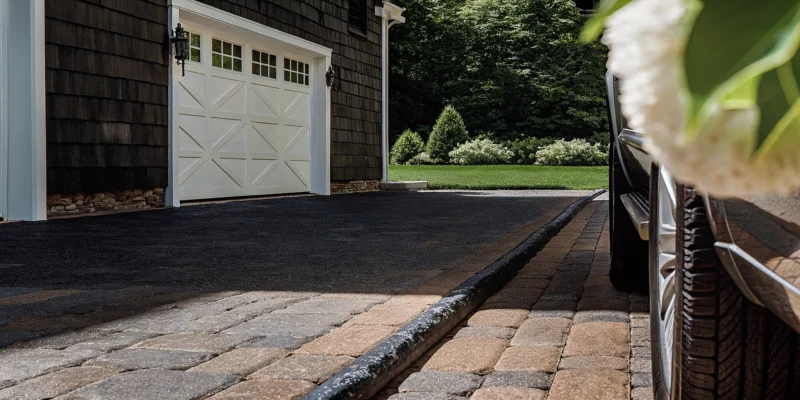
Your driveway is the first thing guests see; it’s the handshake of your home. A beautiful paver driveway dramatically enhances your home’s curb appeal, creating a welcoming entrance that reflects your style. While it’s easy to get caught up in choosing the perfect color and pattern, the practical question of cost is what turns that vision into a reality. The investment for a paver driveway on Long Island can vary, but understanding the key cost factors is the first step toward a successful project. This article will walk you through the pricing for different materials and designs, so you can build a realistic budget. It’s the essential homework to do before you ask, “where can I get a quote for driveway pavers in Long Island?”.
Key Takeaways
- Understand the Cost Factors: A paver driveway in Long Island typically costs between $20 and $55 per square foot, with the final price depending on your material choice, the project size, and the complexity of the design.
- Insist on a Detailed, In-Person Quote: The only way to get an accurate price is through an on-site consultation; your written estimate should clearly itemize all costs for materials, labor, and demolition to prevent surprise fees.
- Vet Your Contractor Thoroughly: Look beyond the lowest bid and choose a contractor who is licensed, insured, has a strong local portfolio, and provides a clear warranty in writing for both their workmanship and the materials.
How Much Does a Paver Driveway Cost in Long Island?
Figuring out the budget for a new paver driveway is one of the first, and most important, steps in the process. While every project is unique, understanding the typical costs in Long Island can give you a solid starting point for your planning. The total investment depends on a mix of factors, including the materials you choose, the size of your driveway, and the complexity of the design.
On Long Island, the price for a professionally installed paver driveway generally falls between $20 and $55 per square foot. This range accounts for everything from basic, straightforward installations to more intricate projects with premium materials. It’s a wide spectrum, but breaking down the numbers helps clarify where your project might land. We’ll explore the specific elements that influence this cost, so you can feel confident when you start gathering quotes and making decisions for your home. The right masonry work can completely transform your curb appeal, and it all starts with a clear budget.
The Average Cost Per Square Foot
When you start researching paver driveway costs, you’ll see prices listed per square foot. For Long Island, this typically ranges from $20 to $55. This price includes the pavers, base materials, labor, and equipment needed for the installation.
To put that into perspective, let’s consider a standard two-car driveway, which is about 650 square feet. Using the average cost range, you can expect your total investment to be somewhere between $13,000 and $35,000. This gives you a practical ballpark figure to begin with. The final price will narrow down once you select your specific materials, like beautiful porcelain or natural stone pavers, and finalize the design.
What Makes the Price Go Up or Down?
Several key factors will cause your final quote to shift. The size of your driveway is the most obvious one; however, larger projects sometimes have a slightly lower cost per square foot since fixed expenses are spread out.
The biggest variables often come from design choices and site conditions. Adding decorative borders, intricate patterns like herringbone, or custom inlays will increase labor and material costs. Another major factor is demolition. If you have an old concrete or asphalt driveway that needs to be removed and hauled away, this will add to the total. Removing an old driveway can cost anywhere from $1,500 to $5,000, depending on the material and size. Finally, local Long Island soil conditions and permit requirements can also influence the final price.
How Paver Materials Impact Your Driveway Cost
The material you choose for your driveway is one of the biggest factors that will shape your final quote. Think of it as the foundation of your project’s cost. Each material comes with its own price point, aesthetic, and long-term maintenance needs. From the classic look of brick to the modern appeal of porcelain, your selection sets the tone for your home’s curb appeal and your budget.
On Long Island, we see a wide range of weather, so picking a durable material that can handle our freeze-thaw cycles is just as important as finding a style you love. At Gappsi, we work with a full spectrum of high-quality materials, so you can find the perfect match for your home’s architecture and your family’s lifestyle. Understanding the differences between them will help you feel more confident when you review your project estimate. Let’s walk through the most popular options so you can get a clearer picture of what to expect.
Concrete Pavers
Concrete pavers are a go-to choice for many Long Island homeowners, and for good reason. They offer a fantastic balance of durability, style, and affordability, with installed costs typically ranging from $20 to $32 per square foot. Don’t mistake them for simple concrete slabs; these pavers are manufactured in a huge variety of colors, shapes, and textures. This versatility means you can achieve looks ranging from sleek and modern to rustic and textured. They are engineered to be strong and resilient, making them a practical and attractive option for any driveway.
Brick Pavers
If you’re aiming for a timeless, classic look, brick pavers are an excellent choice. They bring a certain warmth and traditional charm that complements many architectural styles, especially older homes. Brick is known for its incredible durability and color retention, so it won’t fade from sun exposure over the years. The installation cost for a brick paver driveway usually falls between $28 and $40 per square foot. It’s a solid investment in a look that never goes out of style, backed by the strength of expert masonry craftsmanship.
Natural Stone Pavers
For a truly one-of-a-kind, high-end driveway, nothing compares to natural stone. Materials like bluestone, granite, and travertine offer unique colors and textures that simply can’t be replicated by manufactured products. Because of their premium quality and unique beauty, they are at the higher end of the price spectrum, generally costing between $35 and $55 per square foot installed. Granite is an especially smart choice for our climate due to its exceptional durability and resistance to freezing temperatures. A natural stone driveway makes a stunning statement and adds significant value to your home.
Belgian Block
Belgian block, or cobblestone, delivers a classic, old-world elegance that feels both luxurious and incredibly durable. These granite blocks are a premium choice, creating a driveway with unmatched character and strength. Due to the meticulous installation process and the quality of the material, the cost can range from $30 to $70 per square foot. While it is one of the more expensive options, a Belgian block driveway is a long-term investment. Its timeless appeal and robust nature mean it will last for generations, often used as beautiful borders or aprons for other driveway materials.
Porcelain Pavers
Porcelain pavers are a fantastic option if you want a sleek, modern aesthetic combined with incredible performance. They are extremely dense and non-porous, which makes them highly resistant to stains, scratches, and moisture. This is a huge plus for driveways, as they won’t absorb oil spills and are very easy to clean. Their durability also means they stand up beautifully to Long Island’s weather without cracking or fading. While costs vary, they are a premium option that provides a sophisticated look. Gappsi offers a wide selection of porcelain pavers that can mimic natural stone or wood for a high-end, low-maintenance finish.
What Factors Influence Your Driveway Paver Quote?
When you start gathering quotes for a new paver driveway, you’ll quickly notice that the final price is more than just the cost of the pavers themselves. A professional quote is a detailed calculation that considers every aspect of the job, from the ground up. Understanding these variables not only helps you see where your money is going but also empowers you to compare different estimates with confidence. Think of it as a recipe, where each ingredient and step contributes to the final result.
The main factors that shape your quote include the driveway’s size, the condition of the existing site, the necessary foundation work, the intricacy of your chosen design, and even the time of year you schedule the project. Each element plays a crucial role in determining the materials, labor, and equipment needed to bring your vision to life. By breaking down these components, you can better plan your budget and ensure you’re investing in a beautiful, durable driveway that will stand the test of time.
Project Size and Scope
The most straightforward factor influencing your quote is the size of your driveway. The total square footage directly impacts the amount of materials needed, from the pavers on top to the gravel base underneath. While it seems simple, there’s a small but important detail to consider. Larger projects can sometimes have a lower cost per square foot. This is because fixed costs, like transporting equipment to your home and initial setup, are spread across a bigger area. So, while a 1,000-square-foot driveway will cost more overall than a 500-square-foot one, the price per foot might be slightly less. Accurately measuring your driveway is the best first step toward getting a realistic estimate.
Site Prep and Demolition
Before the new pavers can be laid, the site needs to be prepared. If you have an old asphalt or concrete driveway, it has to go. This demolition and removal process is a significant part of the job and will be listed as a separate line item on your quote. Removing an old surface requires heavy machinery, labor, and proper disposal, all of which contribute to the cost. A project on a clear, level patch of land will naturally cost less than one that involves breaking up and hauling away an existing structure. Clear communication about what your masonry contractor will be removing is key to avoiding surprise expenses.
Base Preparation and Drainage
The foundation, or base, is the unseen hero of a long-lasting paver driveway. A poorly prepared base is the number one cause of future problems like sinking, shifting, and weed growth. For a driveway that needs to support vehicles, the base must be much deeper and more robust than what’s required for a simple garden path. Typically, a driveway needs an 8 to 12-inch compacted base. This requires more aggregate material and more labor to excavate and compact properly. Your quote will reflect this critical step, as well as any necessary grading to ensure proper drainage away from your home’s foundation. A stable base like our GravelFix system is essential for durability.
Design Complexity and Custom Features
If you’re dreaming of more than a simple rectangular driveway, your design choices will influence the final price. Intricate patterns like herringbone or circular kits, along with decorative borders and inlays, require more time and skill to install. Each custom cut a mason makes adds to the labor cost. The same goes for adding special features like integrated lighting, heated driveway systems, or combining different types of porcelain and natural stone pavers to create a unique look. While these elements can transform your driveway into a stunning focal point, they also increase the complexity of the installation, which will be reflected in your quote.
The Time of Year
The construction industry has its seasons, and timing your project strategically can sometimes work in your favor. The peak season for outdoor projects in Long Island runs from late spring through summer, when contractors are in high demand. If you have a flexible timeline, scheduling your installation during the shoulder seasons, like early spring or late fall, might lead to some savings. With fewer projects on the books, some contractors may offer more competitive pricing to keep their crews busy. It’s not always a guarantee, but it’s worth asking if there’s any cost difference between booking for June versus November.
What Should a Professional Paver Quote Include?
When you receive a quote for your paver driveway, you should get more than just a final price. A professional estimate is a detailed document that acts as a roadmap for your entire project. It reflects the contractor’s thoroughness and transparency, giving you a clear understanding of where every dollar is going. Vague, one-page quotes with a single number are a major red flag. They often lead to surprise costs and misunderstandings down the line. A trustworthy contractor will provide a comprehensive breakdown that builds confidence and sets clear expectations from the start.
A detailed quote protects both you and the contractor. It ensures everyone is on the same page regarding the scope of work, materials, and timeline. Before you sign any agreement, make sure your estimate includes four key components: a complete list of materials, a clear breakdown of labor costs, a project timeline with key dates, and information on warranties. This level of detail is standard for experienced masonry professionals and is the first sign that you’re working with a reputable company. It turns a simple price into a solid project plan, allowing you to make an informed decision for your Long Island home.
A Full Materials List
Your quote should itemize every single material needed to complete your driveway. This goes far beyond just the pavers themselves. A truly comprehensive list will include the type and quantity of base aggregate, the sand for the joints, the specific edge restraints used to frame the driveway, and any sealants applied for protection. This detailed breakdown ensures there are no surprises or hidden fees later on. It also confirms that your contractor has thought through every step of the process and is using high-quality components for a lasting installation. When you can see all the porcelain and natural stone options and other materials listed, you can be confident in the final price.
Labor and Installation Costs
Labor is often the most significant portion of a paver driveway project, so it’s crucial that your quote explains these costs clearly. The estimate should specify what the labor charges cover, including demolition of an old driveway, excavation, site preparation, base compaction, paver installation, and final site cleanup. While installation costs on Long Island can vary widely depending on the project’s complexity, a professional quote will provide a specific figure for your job. This transparency helps you understand the value you are receiving for the skill and effort involved. When you partner with a contractor for an estimate, this breakdown is a sign of their commitment to clear communication.
Project Timeline and Key Dates
A professional paver quote should always include a projected timeline. This schedule gives you a clear idea of when the work will begin, what the key phases of the project are, and an estimated completion date. Knowing the timeline helps you plan your daily life around the construction and manage your expectations. Keep in mind that good contractors are often booked in advance, especially during peak seasons, so it’s wise to schedule your project at least four to six weeks ahead. Seeing a timeline in writing shows that the company is organized and respects your time. You can even watch project progressions to get a better sense of how a professional job unfolds from start to finish.
Warranty and Aftercare Information
A reputable contractor will always stand behind their work, and the quote should reflect this with clear warranty information. Look for details on what is covered, whether it’s the materials, the workmanship, or both, and for how long the warranty is valid. This provides peace of mind, knowing you are protected against potential defects or installation issues. The quote may also include information on recommended aftercare to keep your new driveway looking its best. Proper maintenance is key to longevity, so understanding the company’s restoration and sealing services from the beginning can help you protect your investment for years to come.
How to Prepare Before You Request a Quote
Doing a little homework before you start calling for quotes can make a world of difference. When you have a clear idea of what you want, it helps contractors give you a much more accurate estimate right from the start. This preparation saves you time, prevents miscommunication, and sets your project up for success. Think of it as creating a simple blueprint for your vision. It doesn’t have to be perfect, but having the basic details ironed out will make the entire process smoother for both you and the paving company you choose to work with. A few simple steps can help you feel more confident and in control as you begin your driveway transformation.
Measure Your Driveway Area
First things first, grab a tape measure and get a rough idea of your driveway’s size. You just need the length and width to calculate the total square footage. For reference, a typical two-car driveway on Long Island is around 650 square feet. Knowing your measurements is the single most important piece of information for getting a ballpark estimate. It also helps you compare quotes more effectively. Keep in mind that larger projects sometimes have a slightly lower cost per square foot because fixed costs, like getting equipment to your home, are spread out over a bigger area. An expert masonry team can confirm the exact measurements during an on-site visit, but having your own numbers is a great starting point.
Decide on Your Preferred Materials
Next, think about the look you want to achieve. The material you choose is the biggest factor in your driveway’s style and overall cost. Concrete pavers are a fantastic value, typically ranging from $20 to $32 per square foot installed. If you love a classic, traditional aesthetic, brick pavers are a beautiful choice, usually costing between $28 and $40 per square foot. For a truly premium look, natural stone pavers offer unmatched elegance, with costs from $35 to $55 per square foot. Gappsi also offers a wide selection of other high-quality materials, including durable porcelain pavers. Browsing photos and seeing samples can help you find the perfect match for your home’s exterior.
Set a Realistic Budget
With your measurements and material preferences in mind, you can establish a realistic budget. In general, you can expect a new paver driveway to cost between $20 and $55 per square foot, installed. While it’s a significant investment, a professionally installed paver driveway is incredibly durable and can last 25 to 50 years with proper maintenance. When you start requesting quotes, be sure to ask if the price includes demolition of your existing driveway and removal of all debris. Getting this clarified in writing is key to avoiding unexpected costs down the road. A clear budget helps you narrow down your options and makes conversations with contractors much more productive.
Getting an Accurate Paver Driveway Quote
While online calculators can give you a ballpark figure, they can’t see your property. An accurate quote for a paver driveway requires a professional eye to assess the unique conditions of your home. The only way to get a firm price is to have a contractor visit your property, measure the space, and understand the full scope of the work. This step ensures there are no surprises down the road.
A detailed, written estimate is a sign of a professional and trustworthy contractor. It protects you as a homeowner and clarifies every aspect of the project, from material costs to labor. This process helps you compare bids effectively and make a confident decision for your home improvement investment.
Why a Professional On-Site Consultation Is Key
The best way to get an exact price for your driveway is to schedule a free, on-site consultation. This visit allows a professional to inspect your current driveway, identify potential challenges like poor drainage or an unstable sub-base, and discuss your vision in detail. They can walk you through your options for porcelain and natural stone pavers and explain how different choices will affect the final cost.
During the consultation, a contractor will take precise measurements and evaluate the amount of site preparation needed. This personalized assessment is crucial for creating a quote that reflects the true cost of your specific project. Without it, any estimate is just a guess. A reputable company will always insist on seeing the site before providing a written price.
Partnering With Gappsi for a Clear Estimate
When you’re ready to get a quote, you want to partner with a contractor who values transparency and quality. At Gappsi, we believe in providing clear, comprehensive estimates that cover every detail of the project. We outline all material and labor costs, explain our process for quality base preparation, and stand behind our work with a solid warranty. This commitment ensures you know exactly what you’re paying for.
Our team of masonry design and construction experts takes the time to understand your goals and budget. We help you select the right materials and design to create a beautiful, long-lasting driveway that adds value to your Long Island home. Choosing Gappsi means you’re not just getting a quote; you’re starting a partnership built on trust and exceptional craftsmanship.
Common Mistakes to Avoid When Getting Quotes
Getting quotes for your new paver driveway is an exciting step, but it can also feel a little overwhelming. To make a confident choice, it helps to know what potential pitfalls to look out for. A lowball offer or a vague proposal can lead to surprise costs and headaches down the road. The goal isn’t just to find a contractor, it’s to find the right partner who will deliver a beautiful, long-lasting driveway without any drama.
Thinking about the process from the start helps you compare your options fairly. When you receive a quote, you should feel clear about every detail, from the materials used to the timeline for completion. A professional contractor will be happy to walk you through their estimate and answer all your questions. By avoiding a few common missteps, you can protect your investment and ensure your driveway project runs smoothly. We’ll cover the most frequent mistakes homeowners make, so you can approach your project with total clarity and peace of mind.
Skipping an In-Person Estimate
A quote given over the phone or through email is just a ballpark guess. The only way to get an accurate price for your driveway is with an on-site consultation. A true professional needs to see your property in person to assess critical factors like the current driveway’s condition, the slope of the land for proper drainage, and any potential access challenges for equipment. This visit allows a contractor to take precise measurements and discuss your vision and material options right there. It’s also your best opportunity to get a feel for the company you’re considering. An in-person estimate ensures the final quote is comprehensive and tailored specifically to your home, preventing unexpected charges later on.
Forgetting to Clarify Demolition Costs
If you have an old driveway that needs to be removed, this is a major part of the job that can significantly affect the total cost. Tearing out and hauling away old asphalt or concrete requires heavy machinery and labor, and it’s not always included in a basic quote. Make sure you ask every contractor whether demolition and debris removal are part of their estimate. A vague proposal might leave you with a surprise bill for this work. For total clarity, this service should be listed as a specific line item in your written agreement. This simple step ensures you are comparing quotes accurately and that your project budget stays on track from day one.
Accepting a Vague or Verbal Agreement
A handshake and a verbal promise might feel reassuring, but they won’t protect you if something goes wrong. Always insist on a detailed, written quote from any contractor you consider. This document is your roadmap for the project, and it should clearly outline everything: the exact materials being used, a breakdown of labor costs, the payment schedule, and a projected timeline. A vague agreement leaves too much room for interpretation, which can lead to disputes over quality or cost. Getting everything in writing ensures both you and your contractor are on the same page before any work begins, creating a foundation of trust and accountability for your masonry project.
Focusing Only on the Lowest Price
It’s tempting to jump on the lowest offer, but a cheap quote can be a red flag. An unusually low price may signal that a contractor is cutting corners, whether by using subpar materials, rushing the base preparation, or hiring an inexperienced crew. While high-quality porcelain and natural stone pavers might cost more upfront, their durability and low maintenance can save you a significant amount of money over the life of your driveway. Instead of focusing only on the price tag, look for the best value. A well-built driveway from a reputable contractor is an investment that adds beauty and function to your home for decades to come.
Key Questions to Ask Your Paving Contractor
Choosing the right contractor is the most important step in your driveway project. A detailed quote is a great start, but a conversation is even better. Asking a few specific questions can tell you a lot about a contractor’s professionalism, quality of work, and how they handle their business. This is your chance to vet them properly and make sure you’re partnering with a team that will deliver the results you expect. Think of it as an interview where you’re in the driver’s seat. A great contractor will welcome your questions and provide clear, confident answers.
Are you licensed and insured in New York?
This should be the very first question you ask. A reputable contractor must carry both general liability insurance and workers’ compensation. This protects you from any liability in case of an accident on your property. Licensing confirms that the contractor is registered to work in your area and meets local requirements. Don’t just take their word for it; ask to see the documents. A professional will have them ready and will not hesitate to show you. You can also verify a contractor’s license with the state to be extra sure. This simple step is your safety net and a clear indicator of a contractor’s legitimacy.
Can you explain your base preparation process?
The beauty of your paver driveway is what you see on top, but its strength and longevity come from what’s underneath. A solid base is non-negotiable. Ask the contractor to walk you through their process for excavation, the type and depth of the aggregate base they use, and how they compact it. A properly prepared base prevents pavers from sinking or shifting over time. The process for a driveway is more intensive than for a patio because it needs to support vehicle weight. Understanding their masonry construction standards will give you confidence in the structural integrity of their work.
Do you offer a warranty on your work and materials?
A warranty is a contractor’s promise to stand behind their work. You should look for a warranty that covers both the installation (workmanship) and the paver materials themselves. Ask for the specific terms and duration of the warranty and, most importantly, get it in writing. This document is your assurance that if any issues arise due to improper installation, the contractor will return to fix them. It shows that they are confident in their skills and committed to your long-term satisfaction. A strong warranty is a sign of a company that builds things to last and values its reputation.
What is the estimated timeline for my project?
Knowing the project timeline helps you manage your expectations and plan your daily life around the construction. Ask for an estimated start date and a projected completion date. A professional contractor should be able to give you a realistic schedule, while also explaining potential variables like weather delays. They should also outline the key phases of the project, from demolition to the final sealing. Clear communication about the timeline is a hallmark of good project management. You can even watch videos of past projects on platforms like YouTube to get a better sense of the installation process and what to expect.
What to Look for in a Long Island Paving Contractor
Choosing the right paving contractor is just as important as selecting the perfect pavers for your driveway. The right team will not only deliver a beautiful final product but also ensure it’s built to last through Long Island’s changing seasons. A great contractor acts as your partner, guiding you through the process with clear communication and expert craftsmanship. When you start vetting companies for your project, there are a few key qualities that separate the good from the great. Focusing on a contractor’s local track record, customer feedback, and professional practices will help you find a reliable expert you can trust with your home.
Local Experience and a Strong Portfolio
A contractor with deep roots in Long Island brings invaluable knowledge to your project. They understand the local soil conditions, weather patterns, and municipal codes that can affect your driveway’s longevity. A company familiar with both Suffolk and Nassau County will know how to properly prepare the base to prevent shifting and cracking. Ask to see a portfolio of their completed projects in the area. This is your chance to assess the quality of their masonry work and see if their style aligns with your vision. A strong portfolio is proof of their experience and a great indicator of the results you can expect for your own home.
Positive Customer Reviews
Customer reviews offer an unfiltered look into what it’s like to work with a contractor. While a company’s website will highlight its best work, testimonials on third-party sites give you a more complete picture of their professionalism, punctuality, and problem-solving skills. Look for patterns in the feedback. Do clients consistently praise their communication and attention to detail? A few negative reviews aren’t always a dealbreaker, but a history of happy customers is a strong signal of reliability. You can also check out a company’s social media, like the Gappsi YouTube channel, to see their projects and hear directly from past clients.
Transparent, Written Estimates
Never move forward with a contractor based on a verbal agreement or a price scribbled on a business card. A professional company will provide a detailed, written estimate after an on-site consultation. This document should clearly break down all the costs, including materials, labor, demolition, and site preparation. Transparency is a sign of a trustworthy contractor who is confident in their pricing and process. A thorough quote protects you from unexpected fees and ensures everyone is on the same page before the work begins. It shows that the contractor has carefully assessed your specific needs and is committed to a clear and honest partnership.
Plan for Paver Driveway Maintenance
Once your beautiful new paver driveway is installed, a little bit of planning will keep it looking its best for decades. Unlike other materials that require frequent, costly repairs, pavers are incredibly resilient. With a simple maintenance routine, you can protect your investment and ensure your home’s curb appeal stays high. Thinking about long-term care from the start is the key to getting the most value out of your new driveway. A well-maintained paver driveway not only looks fantastic but also contributes to your property’s overall value, making it a wise and lasting home improvement.
Sealing and Cleaning Your Pavers
Sealing your paver driveway is one of the best ways to protect it. While it’s an optional step, we highly recommend it. Sealing concrete pavers helps prevent stains and keeps their colors bright, and it also protects natural stone from water damage. Think of it as sunscreen for your driveway. To keep that protection strong, you’ll want to reapply a sealant every two to five years. Beyond sealing, regular cleaning involves simple sweeping to remove leaves and debris. For a deeper clean or to tackle tough stains, Gappsi offers professional restoration and sealing services to bring your pavers back to their original condition without you having to lift a finger.
How Proper Care Leads to Long-Term Savings
Choosing a paver driveway is a smart financial decision, especially when you consider its lifespan. A well-installed paver driveway can last 25 to 50 years with just basic care. Compare that to an asphalt driveway, which typically lasts 20 to 30 years and needs more intensive upkeep. This durability means you save money over the long run. Plus, repairs are simpler and more affordable. If one of your natural stone pavers cracks or gets stained, you can replace just that single stone instead of redoing the entire surface. This ease of maintenance not only saves you money but also keeps your driveway looking flawless for years to come.
Related Articles
- Driveway Paver Installation & Design Guide
- How Much to Install a Paver Driveway? A Guide
- How Much Does a Paver Driveway Cost in 2026?
- Driveways Archives – Gappsi Group
Frequently Asked Questions
Why is there such a big price range, from $20 to $55 per square foot, for a paver driveway? The wide price range reflects how custom a paver driveway project really is. A project at the lower end, around $20 per square foot, typically involves using affordable and durable concrete pavers on a straightforward, level site with minimal prep work. As you move up the scale, the price increases with the choice of premium materials like natural stone or Belgian block, which have a higher material cost. The price also rises with complex designs, such as herringbone patterns or custom borders, and the need for extensive site work like demolishing an old concrete driveway.
How long will the installation process take from start to finish? The timeline for a paver driveway installation can vary, but a standard project on a typical Long Island property usually takes about one to two weeks. This includes a few days for demolition and excavation, another few for preparing and compacting the base, and several more for carefully laying the pavers and finishing the joints. Factors like the project’s size, design complexity, and unpredictable weather can extend this schedule. A professional contractor will always provide you with a detailed timeline before the work begins so you know exactly what to expect.
Is a paver driveway really worth the higher initial cost compared to asphalt? While a paver driveway often has a higher upfront cost than asphalt, it’s a fantastic long-term investment for several reasons. Pavers are incredibly durable and, with proper care, can last for 50 years or more, which is double the lifespan of a typical asphalt driveway. The biggest financial advantage comes with repairs. If a paver gets stained or cracked, you can replace just that single stone. With asphalt, a small problem often requires a large, unsightly patch or complete resurfacing, which is much more expensive over time.
How soon after installation can I park on my new paver driveway? You can typically walk on your new paver driveway right away, but you should wait a little while before parking your cars on it. We generally recommend waiting at least 24 to 48 hours. This short period allows the jointing sand to fully settle and lock the pavers tightly into place, ensuring the surface is stable and ready to handle the weight of vehicles. Your contractor will give you specific instructions based on the materials used and the conditions of your project.
Do I need a permit to install a new paver driveway on Long Island? In many towns across Nassau and Suffolk County, you will need a permit to install a new driveway or significantly alter an existing one. Permit requirements vary by municipality and are in place to ensure the project meets local codes for things like drainage and property line setbacks. A reputable, local contractor will be very familiar with these regulations and will handle the entire permitting process for you as part of their service. This ensures your project is fully compliant and saves you from the headache of dealing with paperwork.