


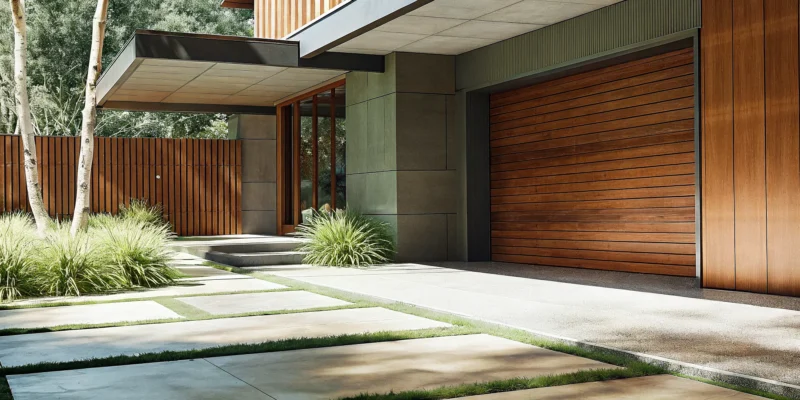
A retaining wall doesn’t have to be a boring, functional structure. Think of it as a canvas for creativity at the entrance of your home. That slope next to your driveway is an opportunity to build something truly special, like terraced garden beds overflowing with flowers, a curved wall with integrated lighting for nighttime drama, or even a structure with built-in seating. By combining function with thoughtful design, you can turn a simple necessity into a stunning focal point. We’ve gathered our favorite retaining wall ideas for driveway projects to show you how to add personality, style, and unique character to your landscape.
Key Takeaways
- It’s more than a pretty wall: A retaining wall is a structural workhorse, preventing soil erosion and managing water to protect your driveway’s foundation while also reclaiming sloped, unusable yard space.
- Match the wall to your home’s style: Your choice of material, from natural stone to modern concrete blocks, should complement your home’s architecture, and you can customize the look with features like built-in lighting, curves, or integrated planters.
- Build it right or not at all: A lasting retaining wall requires a solid, compacted foundation and a well-planned drainage system to prevent failure, so for any wall over a few feet high, hiring a professional is the best way to protect your investment.
Why Add a Retaining Wall to Your Driveway?
A retaining wall might seem like a purely functional feature, but it’s one of the most transformative additions you can make to your property. It’s a perfect example of how smart design can solve practical problems while creating a beautiful, polished look for your home’s entrance. Whether your driveway is on a steep hill or just has a gentle slope, a retaining wall offers structural, spatial, and aesthetic benefits that make a huge difference.
Prevent Erosion and Manage Water
If your property has any kind of slope, you’ve probably dealt with soil erosion. Heavy rain can wash away valuable topsoil, create ruts along your driveway, and expose plant roots. A professionally installed retaining wall acts as a powerful barrier, holding soil in place and protecting your landscape. This is especially important for protecting the foundation of your driveway itself. By controlling the landscape, you also manage water runoff, directing it away from areas where it could cause damage. This simple addition provides long term stability for your entire front yard.
Add Structural Support and Gain Usable Space
That tricky slope next to your driveway doesn’t have to be wasted space. A retaining wall can turn an unusable incline into a series of flat, functional tiers. This is your chance to get creative and reclaim parts of your yard you thought were lost. Imagine adding a terraced garden filled with flowers, a small, level patch of grass, or even a stone-lined landing for your recycling bins. By creating structure, you gain valuable real estate for landscape design and make your property feel more expansive and thoughtfully planned.
Enhance Curb Appeal and Property Value
A retaining wall is a major upgrade to your home’s curb appeal. It creates a clean, defined edge for your driveway, giving your entrance a grand and intentional feel. When built with high quality materials like natural stone or elegant concrete blocks, it becomes a stunning architectural feature that complements your home. This kind of permanent, beautiful improvement isn’t just for you to enjoy; it also adds real, measurable value to your property. A well-designed landscape with structural integrity is a huge selling point that makes your home stand out.
Choosing the Best Material for Your Retaining Wall
Selecting the right material for your retaining wall is a big decision. It affects not just the wall’s appearance but also its durability, maintenance needs, and overall cost. Your choice should complement your home’s architecture and the surrounding landscape while also meeting the structural demands of the project. From the timeless elegance of natural stone to the modern look of gabion walls, each material offers a unique set of benefits. Let’s walk through some of the most popular options to help you find the perfect fit for your Long Island home.
Natural Stone for Timeless Durability
If you’re looking for a retaining wall that is both beautiful and incredibly strong, natural stone is an unbeatable choice. Its classic appearance blends perfectly with any landscape, creating an organic and high-end feel that instantly improves curb appeal. Because each stone is unique, your wall will have a one-of-a-kind character. Gappsi offers a wide selection of natural stone that is built to last, easily withstanding harsh weather for decades. While it can be a bigger initial investment, the longevity and timeless beauty of a natural stone wall make it a valuable addition to any property.
Concrete Blocks for Versatility and Value
Concrete blocks are a go-to material for a reason. They offer incredible versatility and are a cost-effective solution for creating strong, reliable retaining walls. These blocks come in a huge variety of shapes, sizes, colors, and textures, allowing you to mimic the look of more expensive materials like stone or brick. This flexibility means you can easily design a wall that matches your home’s specific style. Concrete blocks are engineered for consistency and are relatively easy to install, which can help manage project timelines and budgets. Their durability ensures your wall will remain a functional and attractive feature for years to come.
Brick for Classic, Low-Maintenance Charm
For a traditional and elegant look, brick is a fantastic option. A brick retaining wall adds a sense of history and classic charm that complements many architectural styles, from colonial to contemporary. Bricks are known for their uniform shape and color, which creates a clean, polished finish. Beyond their good looks, bricks are also extremely durable and require very little maintenance over their long lifespan. Well-built brick masonry projects can stand for generations, making them a dependable and beautiful choice for defining your driveway and landscape.
Timber for a Natural Look on a Budget
Timber retaining walls are an excellent choice if you love a rustic, natural aesthetic and are working with a specific budget. Wood, such as railroad ties or treated lumber, can create a warm and inviting look that integrates beautifully with garden beds and wooded areas. It’s a particularly good fit for shorter, terraced walls along a sloped landscape. While timber is more affordable than stone or brick, it’s important to use properly treated wood to prevent rot and insect damage. With the right installation and materials, a timber wall can be a charming and cost-effective solution for your property.
Gabion Walls for Modern Style and Great Drainage
For a modern and unique look, consider a gabion wall. These are essentially wire cages or baskets filled with rocks, stones, or even recycled concrete. Gabion walls provide an industrial-chic aesthetic that makes a bold statement in any landscape. One of their biggest functional advantages is excellent drainage, as water can easily pass through the gaps between the stones, preventing hydrostatic pressure from building up. Gabion systems are also surprisingly affordable and can be a fun project if you’re inclined to DIY. They offer a creative way to add texture and structure to your outdoor space.
8 Retaining Wall Ideas for Your Driveway
Once you have a vision for your retaining wall, it’s time for the fun part: design. A retaining wall doesn’t have to be a simple, functional structure. It can be a beautiful focal point that defines your home’s entrance. These ideas can help you imagine what’s possible for your own driveway.
1. Create Tiers on a Sloped Driveway
If your driveway has a significant slope, a single tall wall can feel imposing. A better approach is to create a series of shorter, tiered walls. This design breaks up the slope into manageable levels, creating a beautiful terraced effect. Each tier provides a perfect pocket for planting flowers, shrubs, or groundcover, adding layers of color and texture to your front yard. This method is not only visually appealing but also excellent for soil retention and managing water runoff. It turns a challenging incline into a stunning landscape design feature that guides the eye upward toward your home.
2. Add Curves and Contours
Straight lines can feel rigid and formal. For a softer, more natural look, consider designing a retaining wall with gentle curves and contours. A curved wall can create a graceful, flowing line that complements the organic shapes in your garden and softens the hard edges of the driveway pavement. This approach makes the entrance to your home feel more welcoming and dynamic. Our expert masonry designers can help you plan a layout that flows beautifully with your property’s unique landscape, creating a custom look that feels both intentional and effortlessly elegant.
3. Integrate Lighting for Safety and Style
Don’t let your beautiful retaining wall disappear after sunset. Integrating low-voltage lighting is a brilliant way to add drama and style while also improving safety. Lights can be installed under the capstones to cast a warm, downward glow that highlights the wall’s texture. You can also place them strategically to illuminate steps or the edge of the driveway. This not only prevents trips and falls but also creates a sophisticated ambiance. Well-placed lighting transforms your driveway into a welcoming beacon at night, showing off your home’s best features and adding a layer of security.
4. Design a Living, Planted Wall
Turn your retaining wall into a vertical garden by designing it as a living wall. This involves creating pockets or crevices within the wall structure that can be filled with soil and plants. It’s a fantastic way to introduce more greenery, especially if you have limited garden space. Choose cascading plants that will spill over the edges, or use a mix of succulents and ornamental grasses for a modern, low-maintenance look. A living wall softens the structure’s appearance, helps it blend into the landscape, and creates a unique, eco-friendly statement right at your curb.
5. Use a Porcelain or Stone Face
For a look of timeless elegance and unmatched durability, nothing compares to a wall built from or faced with natural stone. Whether you prefer the rustic charm of fieldstone or the clean lines of cut limestone, a stone wall adds texture, character, and significant curb appeal. An equally stunning and modern alternative is using large-format porcelain veneers. These can mimic the look of natural stone, wood, or concrete but offer incredible resistance to stains and weather. Using high-quality porcelain and natural stone ensures your retaining wall is not just a functional element but a lasting piece of art.
6. Build in Steps and Seating
Make your retaining wall do double duty by incorporating functional elements like steps and seating. If your wall navigates a change in elevation between the driveway and your yard or walkway, building wide, inviting steps into the design is a natural fit. You can also extend the wall’s capstone to create a built-in bench, a perfect spot to rest or set down groceries. This clever design trick adds immense value and utility to your outdoor space without taking up extra room. It’s a smart way to merge hardscaping with everyday living, creating a more interactive and useful landscape.
7. Combine Gabion Wire with Natural Stone
For a modern and textural look, consider a gabion wall. These are wire cages filled with rocks, stones, or even recycled concrete. Gabion walls offer a unique industrial-chic aesthetic that pairs surprisingly well with both modern and rustic homes. They are also highly effective for drainage, as water can easily pass through the fill material. You can customize the look by choosing specific types and colors of stone for the filling. Gappsi offers Gabion systems that provide a durable and stylish solution, creating a retaining wall that is both an engineering feature and a sculptural statement.
8. Top Your Wall with a Fence
If you need extra privacy or safety along your driveway, adding a fence on top of your retaining wall is an excellent solution. This combination creates a clear and secure boundary for your property. The style of the fence can dramatically change the overall look. A classic white picket fence adds a touch of traditional charm, while a sleek aluminum or composite fence offers a more modern feel. This layered approach adds height and visual interest, and it’s a practical way to keep kids and pets safely in the yard. Gappsi provides a variety of fencing options that can be perfectly integrated with your retaining wall design.
How to Build a Retaining Wall Correctly
Building a retaining wall is a significant undertaking that requires precision and an understanding of physics. A properly constructed wall can last for decades, but one that’s built incorrectly can fail quickly, leading to costly repairs. Whether you’re planning a DIY project or want to understand what goes into a professional installation, following these steps is key to creating a structure that is both beautiful and secure. For a project of this scale, working with experienced masonry professionals ensures every detail is handled correctly from the ground up.
Step 1: Review Local Codes and Property Lines
Before you even think about digging, you need to do some homework. First, confirm your property lines to ensure your wall is built entirely on your land. Next, contact your local building department in Nassau or Suffolk County. They will provide crucial information on regulations for wall height, required setbacks from property lines, and necessary permits. Ignoring these rules can lead to fines or even an order to tear down your completed wall, so this step is non-negotiable. It’s all about starting your project on the right foot and avoiding headaches later.
Step 2: Prepare the Base
The strength and longevity of your retaining wall depend entirely on its foundation. Start by digging a trench for the base. A good rule of thumb is to bury at least 10% of the wall’s total height, which means the first course of blocks will be completely underground. After digging the trench, you’ll need to add and compact a base layer of crushed stone. Using a hand tamper isn’t enough for this job; you need a plate compactor to create a solid, level foundation that won’t shift over time. A weak base is the number one cause of a failing wall.
Step 3: Lay the First Course
With your base perfectly compacted and level, it’s time to lay the first layer, or course, of blocks. This is the most critical step in the entire building process. Take your time to ensure every block is perfectly level, both front-to-back and side-to-side. Use a rubber mallet to make small adjustments. If this first course isn’t solid and perfectly aligned, every subsequent layer will be off, compromising the structural integrity of the entire wall. A little extra patience here will pay off for years to come.
Step 4: Install Drainage and Backfill
Water is the biggest enemy of a retaining wall. Without proper drainage, hydrostatic pressure can build up behind the wall and cause it to bulge or collapse. To prevent this, place a perforated drain pipe behind the first course, making sure it has an outlet to drain water away. Then, backfill the space behind the wall with at least a foot of ¾-inch clean gravel. As you add more courses, continue backfilling with soil in 6 to 8-inch layers, compacting each layer as you go. You can see examples of this detailed work on our Gappsi YouTube channel.
Step 5: Add Finishing Touches
Once all your courses are stacked and the area is backfilled, you can add the finishing touches. The final step is typically to secure the top row of capstones with a strong construction adhesive. These caps give the wall a clean, finished look and help hold the underlying blocks together. If your wall has curves, you will need to carefully cut the capstones to fit the arc. This final detail is what separates a good wall from a great one, often using beautiful natural stone or porcelain to complement your home’s aesthetic.
Common Mistakes That Ruin Retaining Walls
A retaining wall is a serious structural project, and even small mistakes during construction can lead to big problems like bulging, cracking, or total failure. Building a wall that lasts means avoiding some common pitfalls that can compromise its strength and appearance. From managing water to using the right materials, getting the details right from the start is the key to a wall that stands strong for years. Here are the five most common mistakes we see and how to avoid them.
Poor Drainage
Water is the number one enemy of a retaining wall. When soil becomes saturated, it gets heavy and exerts immense hydrostatic pressure on the wall. Without a way for that water to escape, the pressure will eventually cause the wall to lean, bulge, or collapse. A professional installation always includes a drainage system. This involves placing a perforated drain pipe, often called a weeping tile, at the base of the wall and backfilling with clean, crushed gravel. This combination gives water an easy path to drain away, relieving the pressure and keeping your wall stable through every Long Island storm. Proper masonry techniques are essential for ensuring this system works correctly.
Using the Wrong Materials
Choosing the right materials is about more than just looks; it’s about structural integrity. A common error is using lightweight garden blocks for a driveway retaining wall. These blocks simply aren’t designed to handle the heavy surcharge pressure from vehicles. For a driveway, you need commercial-grade, heavy-duty blocks or a reinforced design that can withstand constant loads. Whether you’re using concrete, brick, or natural stone, the materials must be rated for retaining wall construction. Using the wrong blocks is a recipe for failure, so it’s important to select materials that are as strong as they are beautiful.
Ignoring Building Codes and Weight Limits
Many homeowners don’t realize that retaining walls, especially those over a certain height, are subject to local building codes and regulations. These rules exist for safety and ensure the wall is built to last. Before starting any project, it’s crucial to contact your town’s building department to learn about requirements for wall height, setbacks from property lines, drainage, and even appearance. A professional team will handle all the necessary permits and ensure your project complies with all local ordinances. This step protects your investment and prevents potential legal headaches or the need for a costly tear-down and rebuild.
A Weak Foundation
A retaining wall is only as strong as the ground it sits on. Building directly on topsoil is a critical mistake, as the loose dirt will shift and settle, causing the wall to become unstable. A proper foundation starts with excavating a trench that gets past the topsoil and down to solid, undisturbed subsoil. This trench is then filled with a layer of compacted crushed stone to create a solid, level base. The first course, or row, of blocks should be partially buried below grade to anchor the entire structure. This solid footing prevents shifting and ensures your wall has the support it needs to do its job.
Forgetting Reinforcement
For taller walls or those supporting the weight of a driveway, simple stacking isn’t enough. These walls require reinforcement to safely handle the immense pressure from the soil and any vehicles. This is typically done by installing layers of a synthetic material called geogrid. The geogrid mesh is laid between courses of blocks and extends back into the soil, effectively tying the wall to the earth behind it. This creates a stronger, more cohesive structure that can resist the forces pushing against it. Forgetting this step on a tall or load-bearing wall is a major safety risk and almost guarantees future failure.
How to Choose the Right Retaining Wall
Selecting the perfect retaining wall involves more than just picking out pretty stones. It’s about finding a solution that fits your property’s needs, your home’s aesthetic, and your budget. A well-chosen wall can solve practical problems like soil erosion while adding significant value and beauty to your home. Thinking through a few key factors before you start will help you make a choice you’ll be happy with for years to come. It’s a balance of function, style, and smart planning. By considering your landscape, the look you want to achieve, and when to ask for help, you can ensure your new retaining wall is a successful and lasting addition to your driveway and home.
Consider Your Property and Budget
Before you get lost in design ideas, take a practical look at your property and your budget. A driveway retaining wall is a fantastic investment that improves your home’s appearance and provides essential support, but costs can vary widely. The size of the wall, the materials you choose, and the complexity of the installation will all influence the final price. It’s also incredibly important to know exactly where your property lines are to avoid any issues with neighbors. A simple survey can save you from major headaches down the road. Thinking about these details first helps you set a realistic foundation for your project and ensures the landscape design process goes smoothly from the start.
Match the Wall to Your Home’s Style
Your retaining wall should feel like a natural part of your home, not a random addition. The right material can tie your entire landscape together with your home’s architecture. Think about the style you’re aiming for. Do you want a timeless, rustic look? Natural stone might be the perfect fit. For something more modern and versatile, concrete blocks offer a clean and consistent appearance. You can also use a wall as a beautiful backdrop for a garden, turning a functional structure into a stunning design feature. The goal is to select porcelain and natural stone pavers or other materials that complement your home’s existing character, creating a cohesive and polished look for your property.
Know When to Call a Professional
While some smaller, decorative walls can be a weekend DIY project, most retaining walls require professional expertise. If your wall needs to be over three feet high or will be holding back a significant amount of soil, it’s time to call in an expert. A professional will ensure the wall has a proper foundation, adequate drainage, and the right reinforcement to stand strong for decades. They also handle the complexities of local building codes and permits. Hiring a professional masonry construction company gives you peace of mind, knowing your investment is built safely and correctly, protecting your property and preventing costly failures in the future.
Related Articles
- Learn About Quality Retaining Walls for Your Long Island Backyard – Gappsi Group
- Three level retaining wall long island – Gappsi Group
- Top Concrete Block Retaining Wall Contractors Long Island
- Estimate for reinforced poured concrete footer for retaining walls long island – Gappsi Group
- Borders Design & Driveway Paving Services Long Island | Gappsi Inc
Frequently Asked Questions
Do I really need a permit to build a retaining wall? This is a great question, and the answer depends on your specific project and location. In many towns across Long Island, a permit is required for walls over a certain height, typically around three or four feet. Because your wall will support a driveway, it’s almost always best to check with your local building department. They can give you the exact rules for your area, which helps you avoid any fines or future problems.
What is the single biggest cause of retaining wall failure? The number one reason retaining walls fail is improper water drainage. When rain soaks the soil behind a wall, it creates immense pressure that can push the wall outward, causing it to bulge or even collapse. A professionally built wall always includes a drainage system, like a perforated pipe and a layer of gravel, to give that water a safe path to escape and relieve the pressure.
How do I know which material is right for my home’s style? Think of the retaining wall as an extension of your home’s architecture. If you have a classic or rustic home, the unique character of natural stone is a perfect match. For a more traditional or colonial style, the clean lines of brick create a timeless look. If you want maximum versatility to match a specific color or texture, concrete blocks offer endless options that can complement nearly any home design.
Can I build a retaining wall myself, or should I hire a professional? For a small, decorative garden wall that’s only a foot or two high, a DIY approach can be a fun weekend project. However, any wall that needs to hold back a significant slope or support the weight of a driveway should be handled by a professional. These projects require precise engineering, a proper foundation, and reinforcement to ensure they are safe and will last for decades.
How can I make my retaining wall more than just a plain wall? A retaining wall is a perfect opportunity to add both style and function. You can integrate low-voltage lighting under the capstones to create a beautiful glow and improve safety at night. If the wall connects different levels of your yard, building in wide, inviting steps is a great idea. You can even extend the top capstone to create a built-in bench for extra seating.