A home sauna is a significant upgrade, adding value to your property and your daily routine. To protect that investment, it’s essential that the installation is handled with professional care. A poorly installed sauna can lead to inefficient heating, moisture issues, or even serious safety hazards. Getting it right means paying close attention to the foundation, electrical requirements, and structural details like vapor barriers. This guide walks you through the critical aspects of a high-quality installation, helping you understand what to look for in a contractor and what to expect on installation day. Let’s explore the key steps to a flawless Long Island sauna installation.
Key Takeaways
- Define your ideal sauna experience: Start by choosing between the intense, steamy heat of a traditional Finnish sauna or the gentle, direct warmth of an infrared model. Your decision, along with whether you place it indoors or outdoors, will shape your entire project.
- Budget for the complete project, not just the unit: A realistic budget includes the cost of the sauna itself, professional installation fees, and the necessary electrical work. Understanding these three components upfront helps prevent unexpected costs down the road.
- Prioritize a professional and safe installation: The most critical step is hiring a licensed and insured installer who can handle proper ventilation and electrical requirements. This ensures your sauna is not only built to last but is also safe for your home and family.
Explore Your Sauna Options
Choosing a sauna for your home is an exciting step toward creating your personal wellness retreat. But with so many options available, it’s easy to feel overwhelmed. The right choice depends on your lifestyle, your space, and the kind of experience you’re looking for. Before you start picturing your first relaxing session, it’s helpful to understand the main categories of saunas available. The first major decision is the type of heat you prefer. Do you crave the intense, steamy heat of a classic Finnish sauna, or the gentle, deep warmth of an infrared model? Each offers different health benefits and a unique atmosphere.
Next, you’ll want to think about location. Are you picturing a cozy indoor escape in a spare room or basement, or a rustic outdoor cabin next to the pool? An indoor sauna offers year-round convenience, while an outdoor model can transform your backyard into a true destination. Finally, there’s the style. For outdoor saunas, popular designs like barrel and cabin saunas each have a distinct look and feel. Thinking through these key areas—heat, location, and style—will help you narrow down your options and find the perfect fit for your Long Island home. Let’s look at each of these choices more closely.
Traditional Finnish vs. Infrared Saunas
The biggest difference between sauna types comes down to how they generate heat. A traditional Finnish sauna uses an electric or wood-fired stove to heat rocks, which then radiate heat throughout the room. This creates high ambient temperatures and that classic “sauna” feeling, especially when you ladle water over the rocks for a burst of steam. On the other hand, an infrared sauna uses special lamps to emit infrared light, which warms your body directly instead of heating the air around you. The experience is less intense, with lower temperatures, but the heat penetrates more deeply. From an installation perspective, many infrared models are plug-and-play, running on a standard household outlet, while traditional saunas typically require a dedicated 220-240V circuit.
Indoor vs. Outdoor Models
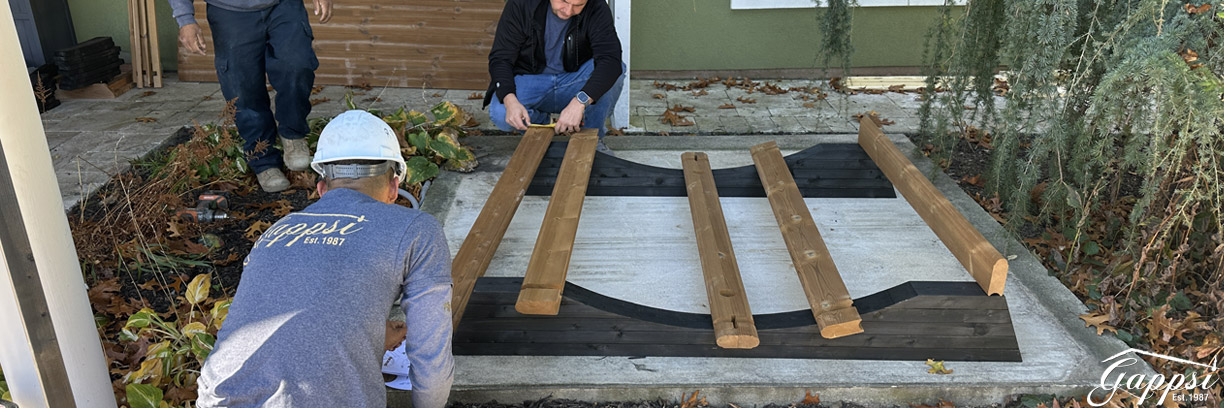
Deciding where to put your sauna is another key choice. Indoor saunas offer incredible convenience, turning a spare room, basement, or large bathroom into a year-round wellness space. They are protected from the elements and don’t require any special foundation work, making installation straightforward. An outdoor sauna, however, transforms your backyard into a true destination. Imagine stepping out of a beautiful cabin-style sauna and into your swimming pool on a cool evening. While they create a magical experience, outdoor models require a solid foundation, like a concrete pad or deck, to ensure they are stable and level, which adds to the site preparation.
Specialty Styles: Barrel and Cabin Saunas
If you’re leaning toward an outdoor sauna, you’ll find some beautiful and unique designs. Barrel saunas are a popular choice, known for their distinctive cylindrical shape that helps them heat up quickly and efficiently. They have a rustic, charming look that blends well with natural landscapes. Cabin-style saunas offer a more traditional feel, with four straight walls and a classic roof. They often provide more interior space for benches and changing areas, feeling more like a small, dedicated room. Both styles can be customized with different woods, windows, and porch options, allowing you to create a structure that perfectly complements your home and landscaping.
Breaking Down Sauna Installation Costs
Understanding the budget for your new home sauna is the first step toward making this relaxing retreat a reality. The total cost isn’t just the price of the unit itself; it includes the type of sauna you choose, professional labor, electrical work, and any extra features you want to add. Think of it as a complete project with a few key components. Knowing what to expect financially helps you plan effectively and ensures there are no surprises along the way. At Gappsi, we believe in transparency, so let’s walk through the typical expenses involved in a professional sauna installation on Long Island. This breakdown will give you a clear picture of the investment required to bring a personal wellness sanctuary into your home.
Sauna Prices by Type
The type of sauna you select is the biggest factor in your overall cost. Prices can vary quite a bit, with basic portable saunas starting around a few hundred dollars. For a permanent, high-quality installation, you’ll be looking at a wider range. A traditional Finnish or modern infrared sauna typically costs between $3,500 and $10,000 for the unit alone. For a popular 2-4 person model, you can expect the unit to be in the $4,000 to $9,000 range. Remember, this is just for the sauna itself. The final price will also include delivery and installation, which we’ll cover next.
Professional Installation and Labor
While a DIY approach might seem tempting, professional installation is the best way to ensure your sauna is set up safely and correctly. Labor costs for a standard installation can add $1,000 to $3,000 to your total. This fee covers the assembly of the unit, proper placement, and ensuring everything functions perfectly. Infrared saunas often have a simpler setup and can sometimes be installed in just a few hours, which may place them at the lower end of the labor cost spectrum. Our experienced home remodeling team handles every detail, so you can relax knowing your investment is in good hands.
Electrical Work and Permit Fees
Proper electrical work is non-negotiable for a safe sauna installation. Traditional saunas usually need a dedicated 220-240V circuit, similar to an oven or a clothes dryer. In contrast, many smaller infrared saunas can run on a standard 110-120V outlet. Hiring a licensed electrician to handle the wiring can cost anywhere from $300 to $1,500, depending on your home’s existing electrical setup. You may also need a permit from your local municipality, so it’s important to factor in those fees. We coordinate with trusted electricians to ensure all work is up to code and seamlessly integrated into your project.
Optional Features and Accessories
Once the basics are covered, you can think about the fun extras. Optional features and accessories are what make your sauna uniquely yours. This could include built-in Bluetooth speakers for music, chromotherapy (colored light therapy), or upgraded interior benches. Many people also add accessories like backrests, essential oil diffusers, and traditional wooden buckets and ladles. While these items will add to the final cost, they can significantly enhance your sauna experience. You can find a variety of high-quality accessories at the Gappsi Store to complete your personal wellness space.
How to Choose the Right Sauna for Your Home
Picking the perfect sauna is about more than just choosing a model. It’s about creating a personal wellness retreat that fits your lifestyle, home, and budget. With so many options available, from traditional Finnish saunas to modern infrared units, it helps to have a clear plan. Let’s walk through the key factors to consider so you can make a choice you’ll love for years to come. Thinking through these details now will ensure your new sauna becomes a seamless and cherished part of your daily routine.
Consider Your Space and Size Needs
First, think about how you plan to use your sauna. Will it be your private escape for one or two people, or do you envision hosting friends for a relaxing social hour? The number of users will determine the ideal size. Next, measure the space you have in mind. Whether it’s a dedicated spot in your backyard or a corner of your master bathroom, knowing your exact dimensions is crucial. A professional can perform a site assessment to confirm the best placement and ensure your chosen location can support the unit. This step is especially important for larger home remodeling projects where a sauna is just one piece of the puzzle.
Look for Quality Materials and Construction
A well-built sauna is an investment in both your home and your health, so craftsmanship matters. High-quality woods like cedar, hemlock, and spruce are popular for a reason; they withstand high temperatures and humidity while offering a beautiful, aromatic experience. Pay close attention to construction details, especially ventilation. Proper airflow is essential for safety and comfort, with fresh air ideally entering near the heater and exiting on an opposite wall. Whether you choose a pre-built kit or a custom design, durable materials and expert construction ensure your sauna will last for decades, providing a reliable and safe environment for relaxation.
Factor in Energy and Operating Costs
Your budget should account for more than just the initial purchase price. The total cost of a sauna includes the unit itself, professional installation, and any necessary electrical work. It’s also wise to consider long-term operating costs. Generally, infrared saunas are more energy-efficient and may have lower monthly electricity bills compared to traditional models that need more time to heat up. The quality of your sauna’s insulation and construction will also play a big role in its efficiency. Investing in a well-made unit from the start can save you money over time by retaining heat more effectively and reducing energy consumption with every session.
Compare the Health Benefits
Ultimately, the decision to add a sauna to your home is often rooted in its wellness benefits. Both traditional and infrared saunas are celebrated for their ability to promote relaxation, soothe sore muscles, and improve circulation. If your main goal is deep muscle recovery, the intense, penetrating heat of an infrared sauna might be the best fit. If you love the social and respiratory benefits of a classic steam experience, a traditional Finnish sauna is an excellent choice. Many owners find that having unlimited, immediate access to these health perks is a game-changer for their well-being. You can see how these spaces transform a home on the Gappsi YouTube channel.
What to Expect During Professional Installation
Once you’ve chosen your perfect sauna, the next step is bringing it to life in your home. Opting for professional installation takes all the guesswork and heavy lifting off your plate. A skilled team handles every detail, from preparing the site to ensuring every electrical connection is safe and up to code. This way, you can relax and look forward to your first session without worrying about the technical details. A professional installer not only ensures safety but also protects your investment by getting everything right the first time, from the foundation to the final trim. This expertise prevents common DIY mistakes that can lead to costly repairs or inefficient performance down the road.
At Gappsi, our process is designed to be seamless and stress-free. We manage the entire project, so you have a single point of contact from start to finish. Our experienced installers treat your home with care, work efficiently, and make sure you’re completely satisfied with the final result. We’ll walk you through how to operate your new sauna and answer any questions you have before we leave. It’s all about providing a smooth experience that ends with a beautiful, perfectly functioning home spa that you can enjoy for years to come.
Site Assessment and Preparation
The first step in any professional installation is a thorough site assessment. Our team will visit your home to evaluate your chosen location, whether it’s in a master bathroom, basement, or backyard. We’ll take precise measurements, check that the foundation or floor is level, and plan the best way to bring in the materials without disrupting your home. This initial visit ensures there are no surprises on installation day.
Many modern infrared saunas are incredibly versatile and can be installed indoors without needing special plumbing or chimneys. During the assessment, we’ll confirm the spot is ideal and prepare the area for our crew. This includes clearing the space and protecting surrounding surfaces so that when the installation is complete, the only thing we leave behind is your stunning new sauna.
Electrical and Ventilation Requirements
Proper electrical work is critical for your sauna’s safety and performance. The power needs can vary quite a bit; traditional Finnish saunas typically require a dedicated 220-240V circuit, similar to an electric range or dryer. In contrast, many infrared models are designed to work with a standard 110-120V household outlet. Our team will determine exactly what your sauna needs during the site assessment.
If your chosen model requires hardwiring, we coordinate with licensed electricians to install the correct circuit and connect the sauna safely. This is a key part of our comprehensive home remodeling expertise. We also address ventilation to ensure proper airflow, which helps the sauna operate efficiently and protects your home’s air quality. We handle all these technical details so you don’t have to.
The Installation Timeline and Testing
You might be surprised by how quickly your home spa comes together. Thanks to modern, pre-fabricated designs, most infrared saunas can be fully installed in just three to four hours. Custom-built or traditional models may take a bit longer, but our team always works efficiently to minimize disruption to your daily routine. We’ll give you a clear timeline upfront so you know exactly what to expect.
Once the sauna is assembled, the final and most important step is testing. We power everything on and conduct a complete systems check. This includes verifying that the heater reaches the correct temperature, the digital controls are responsive, and all lighting and sound systems are working perfectly. We won’t consider the job done until we’ve walked you through the controls and you feel confident using your new sauna.
Structural Needs and Vapor Barriers
When installing a sauna inside your home, protecting the surrounding structure from heat and moisture is a top priority. This is where a vapor barrier becomes essential. A vapor barrier is an impermeable membrane installed within the sauna walls that prevents moisture from seeping into your home’s framework. It’s a crucial component that stops issues like mold, mildew, and wood rot before they can start.
Our professional installers understand the building science behind a safe and durable sauna. We ensure a vapor barrier is properly installed in every traditional sauna we build, creating a tight seal that protects your investment and your home. This attention to detail is a core part of our masonry and construction philosophy, ensuring your wellness retreat is built to last for years to come.
Common Sauna Installation Mistakes to Avoid
Installing a sauna is an exciting project, but a few common missteps can turn your dream retreat into a source of frustration. Getting the details right from the start ensures your sauna is safe, efficient, and ready for years of enjoyment. By understanding the potential pitfalls, you can make sure your installation process is smooth and successful, whether you’re working with a professional or just want to be an informed homeowner.
Underestimating Ventilation
Proper ventilation is one of the most overlooked yet crucial aspects of a functional sauna. It’s not just about letting steam out; it’s about creating a continuous flow of fresh air for a comfortable and safe breathing environment. A well-designed sauna uses natural draught ventilation. This means cool, fresh air should enter through an intake vent low on the wall, ideally right below the heater. As the heater warms the air, it rises and circulates before exiting through an exhaust vent placed high on the opposite wall. This simple system keeps the air from feeling stuffy and helps distribute heat evenly for the perfect session.
Common DIY Pitfalls
While the idea of a DIY sauna project can be tempting, it’s easy to make critical errors without professional experience. Many people get excited and jump straight to building, completely skipping the essential planning and design stage. It’s also common to skim over the manufacturer’s installation instructions, which can lead to improper assembly and performance issues. One of the biggest DIY mistakes is failing to check your home’s electrical capacity. Traditional saunas often require a dedicated 220-240V circuit, while some infrared models can run on a standard outlet. A professional can assess your home’s setup as part of a larger home remodeling plan.
Electrical and HVAC Misconceptions
When it comes to your sauna, electrical work is not the place to cut corners. Unsafe wiring is a serious hazard that can lead to equipment failure or even fire. Most saunas, especially traditional models, need their own dedicated circuit installed by a licensed electrician to handle the power load safely. Another misconception is that a sauna can be vented directly into your home’s existing HVAC system. This is incorrect and can cause moisture and heat issues elsewhere in your house. The sauna’s ventilation system is self-contained and designed to vent back into the same room or directly outside, depending on the model and location. Following proper electrical safety guidelines is non-negotiable.
How to Maintain Your New Sauna
Your new sauna is a beautiful investment in your home and well-being, and a little care goes a long way in keeping it that way. Just like any other part of your home, your
Daily Cleaning and Care
The best way to keep your sauna fresh is to build a few simple habits into your routine. After each use, take a moment to wipe down the benches, backrests, and walls with a damp cloth to remove perspiration and oils. It’s also a great idea to sit or lie on a towel to minimize direct contact with the wood. This simple step prevents stains and keeps the wood looking its best. Propping the door open after you’re done allows the interior to air out and dry completely, which is key to preventing mildew. A quick sweep or vacuum of the floor will take care of any dust or debris, leaving it ready for your next session.
Preserving the Wood
The beautiful wood interior is the soul of your sauna, and proper care is essential to its longevity. All wooden surfaces in your sauna must be regularly cleaned and maintained to keep them looking fresh for many years. Because temperature fluctuations may cause cracking or warping, you’ll want to clean the wood every few months with a soft brush and a mild cleaning solution made for saunas. Avoid harsh chemicals, as they can damage the wood and release fumes when heated. If you notice any stains, you can gently sand them away with fine-grit sandpaper. For deeper protection, Gappsi’s expertise in restoration and sealing can provide guidance on the best products to preserve your sauna’s natural beauty.
Heater Maintenance and Seasonal Checks
Your heater is the heart of your sauna, so keeping it in top condition is a priority. Regular checkups help prevent small issues from becoming larger ones. Before each use, do a quick visual inspection to make sure nothing is obstructing the heater. For traditional saunas, periodically check the stones; they should be rinsed annually and replaced if they show signs of cracking or crumbling. For all heater types, wipe down the exterior to keep it free of dust. Once a year, it’s wise to perform a more thorough inspection of the wiring and heating elements or have a professional do it for you. This ensures your sauna operates safely and efficiently.
How to Find the Right Long Island Sauna Installer
Choosing the perfect sauna is exciting, but finding the right team to install it is just as important. The quality of the installation determines not only how your sauna looks and functions but also how safe it is for you and your family. A great installer brings expertise, precision, and a deep understanding of the structural and electrical requirements needed for a seamless project. They are your partner in bringing your vision to life, ensuring every detail is handled correctly from start to finish.
Think of your installer as the final piece of the puzzle. They ensure your investment is protected by following local building codes, handling complex electrical work, and guaranteeing the sauna operates efficiently for years to come. Taking the time to find a qualified, experienced professional in Long Island will give you peace of mind and a beautiful, functional wellness retreat right in your own home. At Gappsi, we manage the entire process with our in-house team of experts, from design to the final touches of your sauna installation.
Vet Your Contractor and Check Credentials
Before you sign any contracts, the first step is to confirm your potential installer is licensed and insured. This is non-negotiable. A licensed contractor has proven they meet state and local requirements, while insurance protects you from liability in case of accidents on your property. This simple check ensures your project will comply with Long Island’s building codes and safety standards. Working with an established company gives you confidence that you’re partnering with a team that has a long history of successful home remodeling projects and a reputation to uphold. A credible installer will gladly provide you with their credentials.
Ask These Key Questions
Treat the hiring process like an interview. You need to feel confident in the team you choose, so don’t be shy about asking direct questions. A professional installer will be prepared to answer them clearly and thoroughly.
Here are a few key questions to get you started:
- Can you provide a free, detailed estimate for the entire project?
- Do you have references from past clients in my area?
- Where can I see examples of your previous sauna installations?
- What kind of warranties do you offer on your workmanship and the products?
- What is your rating with the Better Business Bureau?
A reputable installer will have a portfolio ready to share. Many, like Gappsi, have a YouTube channel or online gallery showcasing their finished work.
Understand the Services and Warranties
Get a clear understanding of what the installation service includes. A comprehensive installation should cover everything from site preparation to assembly, electrical hookups, and final testing. One of the most critical parts is the electrical work. Your installer should always collaborate with a licensed electrician to ensure the sauna is connected safely and meets all code requirements.
Finally, ask about warranties. You should receive a manufacturer’s warranty on the sauna unit itself and a separate labor warranty from the installer covering their workmanship. Knowing you’re covered on both fronts provides long-term security and confidence in your investment. A clear warranty on both the sauna unit and the installation offers complete peace of mind.
Related Articles
Frequently Asked Questions
What’s the real difference between a traditional sauna and an infrared one? The main difference is how they create heat. A traditional sauna heats the air around you to a high temperature, creating that classic, steamy environment. An infrared sauna uses special lamps to warm your body directly with gentle, radiant heat. The experience is less intense, but the warmth penetrates more deeply, which many people find great for soothing sore muscles.
How much space do I actually need to install a sauna? You might need less space than you think. Saunas come in a wide range of sizes, from compact one-person models that can fit in a large bathroom or spare room corner to spacious outdoor cabins. The key is to have a level surface and proper clearance. A professional site assessment is the best way to confirm your chosen spot is suitable and to find a model that fits perfectly.
Besides the sauna itself, what other costs should I plan for? It’s smart to budget for a few key items beyond the price of the unit. The most significant additional cost is usually electrical work, as many saunas require a dedicated circuit installed by a licensed electrician. If you’re planning an outdoor sauna, you’ll also need to factor in the cost of preparing a solid, level foundation, like a concrete pad or a reinforced deck.
How long does a typical sauna installation take? The timeline really depends on the type of sauna you choose. Many modern, pre-fabricated infrared saunas can be assembled and ready to go in just a few hours. A more traditional or custom-built sauna will naturally take longer. We always provide a clear timeline before we begin so you know exactly what to expect and can plan accordingly.
Is it difficult to keep a sauna clean and well-maintained? Not at all. Good maintenance is mostly about forming a few simple habits. Using a towel to sit on and wiping down the benches with a damp cloth after each session will handle most of the daily care. Beyond that, a periodic deep clean of the wood and an annual check of the heater and its components will keep your sauna in beautiful condition for years.

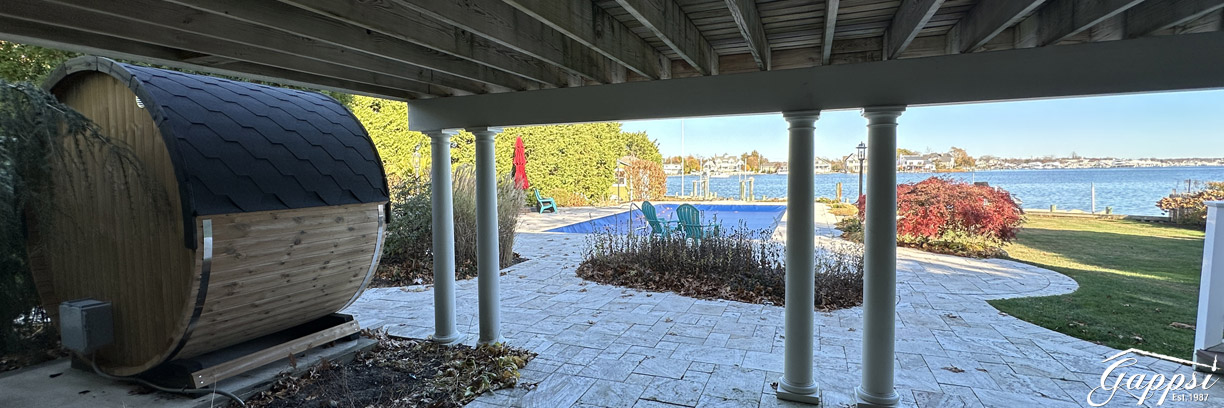
 The SaunaLife Barrel Sauna Model EE6G’s impressive 7’3″ interior diameter lets you stand comfortably without crouching. Its large diameter allows ergonomically contoured and formfitting seating. The arched backrest provides proper lumbar support and a natural seating position. Silky-smooth seating made from beautiful Thermo-Aspen. This knot-free wood is perfect for sauna seating and feels comfortable against your skin in high heat.
 Lighting Upgrade Packages
 Harvia Vega Heater
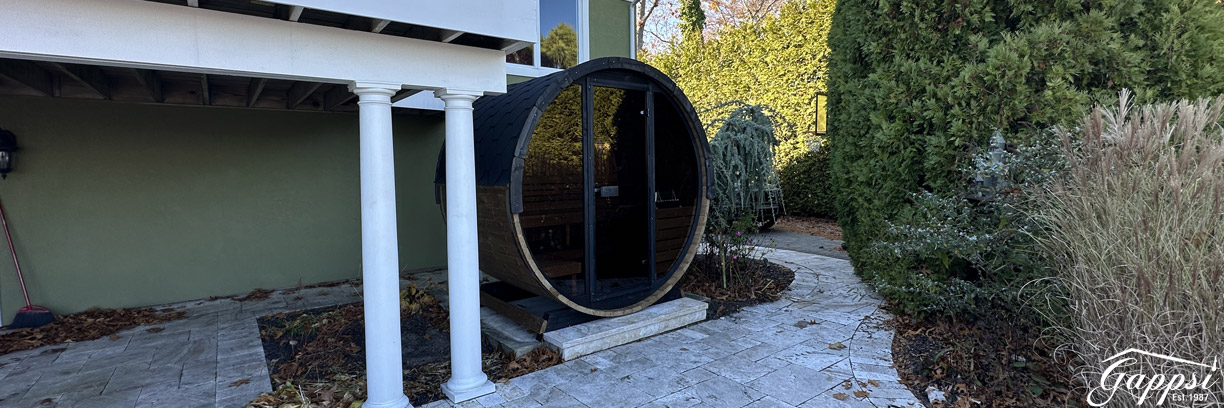
 Create a personal backyard sauna sanctuary with SaunaLife outdoor sauna barrels. These innovative spaces provide a relaxing experience steps away from your home.
 The recessed front terrace is a perfect place to relax and socialize. For those who choose a wood-fired stove, the porch may keep stacked firewood dry and out of the rain. A bronze-tinted 8mm tempered glass door provides a modern appearance and excellent natural light. It is also beautifully illuminated. The included lighting package elegantly illuminates the interior with indirect white lighting to warmly showcase the beauty of the wood. Lighting is dimmable and controlled by a single hand-held remote with a convenient wall mount.
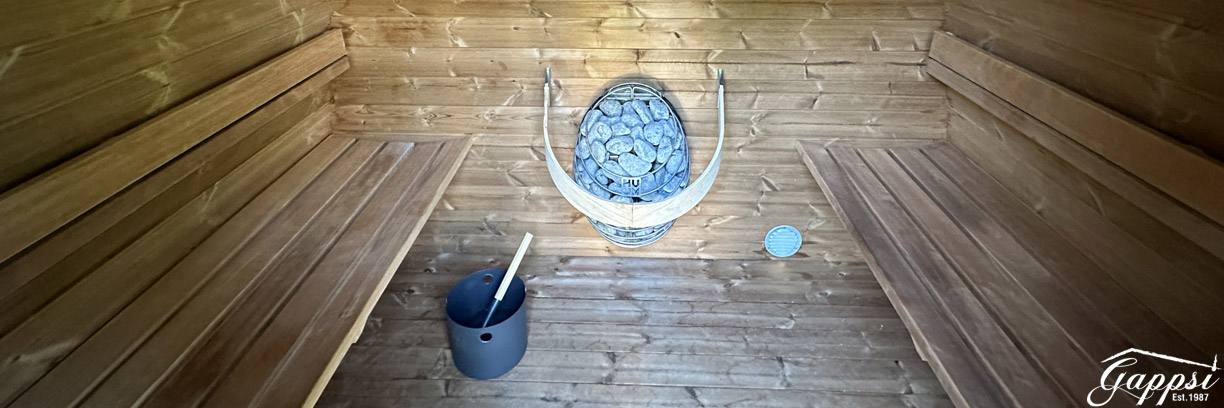 Our team installed a HUMM sauna heater. It is one of the best heaters on the market. HUUM electric sauna heaters stand out with their many sauna stones, ensuring gentle and long-lasting steam. The sauna heaters’ pure Nordic design unveils the natural beauty of sauna stones and has won several awards.