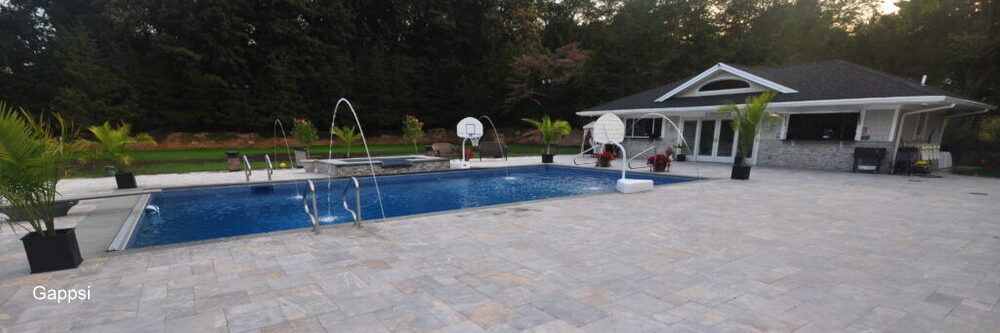
The Modern Guide to Concrete Tiles in The Hamptons, NY

Your home should be a reflection of your personal style, not a collection of generic finishes. If you’re looking for a material that allows for true creative freedom, modern concrete tiles are the answer. They offer a level of customization that few other materials can match, giving you the power to create a truly one-of-a-kind space. You can move beyond standard options and choose custom sizes, unique shapes, and the perfect color to complement your vision. For those seeking bespoke concrete tiles the hamptons ny, the design possibilities are nearly limitless, ensuring your home feels thoughtfully and uniquely designed.

## What Are Modern Concrete Tiles? When you hear “concrete,” you might picture a plain, industrial sidewalk. But modern concrete tiles are in a league of their own, offering a sophisticated and highly customizable option for your home. Unlike traditional materials, these tiles are often crafted from specialized formulas that make them not only beautiful but incredibly functional. They represent a fusion of raw, earthy texture with clean, contemporary lines, making them a favorite for designers looking to create a unique and durable space. Whether you’re aiming for a minimalist aesthetic or a warm, rustic feel, modern concrete tiles provide a versatile canvas for your design vision, both inside and out. ### The Strength of Glass Fiber Reinforced Concrete (GFRC) One of the biggest innovations in modern concrete is Glass Fiber Reinforced Concrete, or GFRC. This isn’t your average concrete mix. As experts at Concreteworks East explain, GFRC is a special blend that is significantly stronger, thinner, and lighter than traditional concrete. This unique composition allows for much greater design freedom. Instead of being limited to thick, heavy slabs, GFRC can be molded into more intricate shapes and larger, sleeker panels. This means you can achieve a high-end, custom look for your floors, walls, or even countertops without the immense weight and bulk, opening up a world of creative possibilities for your home renovation. ### Understanding the Makeup of Concrete Tiles Modern concrete tiles are custom-made products designed for longevity and style. They are engineered to be incredibly strong and resilient, capable of handling daily life in busy homes. A key feature is that they often come pre-sealed, which provides a protective layer right from the start. This seal helps guard against stains and moisture, making the tiles easier to care for over the long term. This built-in protection ensures that the beautiful finish you choose will last for years, maintaining its color and integrity even in high-traffic areas of your home. ## Key Benefits of Concrete Tiles for Your Home Choosing the right material for your floors or walls is a big decision, and concrete tiles offer a compelling list of advantages that make them a smart investment. They strike a perfect balance between aesthetic appeal and practical performance, which is why they’ve become so popular in modern home design. From their incredible durability to their surprising versatility, concrete tiles can solve a lot of common homeowner challenges. They provide a foundation that is not only stylish but also built to withstand the demands of everyday life, giving you peace of mind and a beautiful space to enjoy. ### Built to Last: Durability and Resistance One of the most significant benefits of concrete tiles is their exceptional durability. They are truly built to last and can handle a great deal of foot traffic without showing wear and tear, making them ideal for entryways, kitchens, and hallways. This resilience also extends to the outdoors. For Long Island homeowners, concrete tiles are a fantastic choice for patios and pool surrounds because they can withstand harsh weather conditions, from hot summers to freezing winters. This long-lasting nature means you won’t have to worry about replacing them anytime soon, making them a cost-effective and reliable choice for any masonry project. ### Versatile for Any Design Vision The design flexibility of concrete tiles is another major draw. Because they can be used almost anywhere, they are perfect for creating a cohesive look throughout your property. Imagine a seamless flow from your indoor living room to your outdoor patio—concrete tiles make that possible. This versatility allows you to maintain a consistent design language across different spaces, which is a hallmark of sophisticated home design. Whether you’re updating your interior floors or designing a complete landscape, concrete tiles can adapt to your vision and tie the entire project together beautifully. ### Perfect for High-Moisture Areas like Basements If you have areas in your home that are prone to dampness, like a basement or bathroom, concrete tiles are an excellent solution. As the specialists at Town & Country Ceramic Tile point out, these tiles are inherently waterproof and resistant to moisture. This quality helps protect against the dampness that can lead to mold and mildew, a common concern in below-grade spaces. By choosing concrete tiles for your basement floor or bathroom renovation, you’re installing a material that not only looks great but also contributes to a healthier, drier environment for your family. It’s a practical choice for any home remodeling project involving these tricky spaces. ### Effortless Upkeep and Maintenance Let’s be honest—no one wants to spend their weekends on intensive floor care. The good news is that concrete tiles are incredibly easy to maintain. Because they are typically sealed, they resist spills and stains, and cleaning is usually as simple as a quick sweep and a mop with a mild cleaner. You don’t need special chemicals or complicated routines to keep them looking their best. This low-maintenance quality frees up your time and ensures your home looks clean and polished with minimal effort, making it a perfect choice for a busy lifestyle. ## Designing with Concrete: Finishes and Customization The real fun begins when you start exploring the design possibilities of concrete tiles. This is where you can let your creativity shine and create a space that is truly one-of-a-kind. Concrete is not a one-size-fits-all material; it’s a blank slate that can be customized to match your personal style and the unique character of your home. From an endless array of colors to different textures and finishes, you have complete control over the final look. This level of personalization ensures that your floors, walls, or patios will be a unique reflection of your taste, not just another cookie-cutter design. ### Tailored to Your Style: Custom Sizes, Shapes, and Colors Unlike mass-produced tiles, modern concrete tiles can be tailored to your exact specifications. You can get them in virtually any size, shape, or finish you can imagine, which makes every installation unique. This means you can move beyond standard squares and explore large-format tiles for a minimalist look, or even custom geometric shapes for a bold statement floor. The color possibilities are also nearly limitless, allowing you to perfectly match your home’s existing color palette or introduce a new accent color. This customization is key to creating a high-end, bespoke feel in any room. ### Choosing the Right Finish The finish of your concrete tile plays a huge role in both its appearance and its function. The two most common options are polished and acid wash, and each offers a distinct look and feel. Your choice will depend on where you plan to install the tiles and the overall aesthetic you’re trying to achieve. A polished finish might be perfect for a sleek, modern kitchen, while an acid wash finish is better suited for an outdoor pool deck where slip resistance is a priority. Understanding the difference is key to making a choice you’ll be happy with for years to come. #### Acid Wash for a Textured, Non-Slip Surface For outdoor areas, safety is just as important as style. An “Acid Wash” finish is specifically designed for spaces like patios and pool surrounds. This finish creates a subtle texture on the tile’s surface, which provides excellent slip resistance, especially when it gets wet. It’s a practical choice that doesn’t sacrifice beauty, giving you peace of mind without compromising on design. This makes it an ideal surface for families who want to safely enjoy their swimming pool and outdoor entertainment areas. Plus, it’s still easy to clean, so you get the best of both worlds. #### Polished for a Smooth, Modern Look If you’re aiming for a clean, contemporary vibe inside your home, a polished finish is the way to go. This finish provides a smooth, sleek surface that reflects light beautifully, making spaces feel brighter and more open. It’s perfect for creating a sophisticated look in entryways, living rooms, or modern kitchens. The smooth surface is also incredibly easy to wipe clean, making it a practical option for busy indoor areas. A polished concrete floor can serve as a stunning, neutral foundation that allows your furniture and decor to take center stage. ## Where to Use Concrete Tiles One of the best things about modern concrete tiles is their incredible versatility. They are not limited to just one area of the home; in fact, they can be used in a wide range of applications, both indoors and out. This adaptability allows you to create a unified design theme that flows seamlessly from your interior living spaces to your exterior landscapes. Whether you’re planning a full backyard makeover or a simple bathroom update, concrete tiles offer a durable and stylish solution that can be adapted to fit almost any project you have in mind. ### Outdoor Applications: Patios, Pools, and More Concrete tiles truly shine in outdoor settings. They are tough enough to handle the elements and can be customized to match the color of your house or complement your overall landscape design. They are a perfect choice for creating stunning patios, durable walkways, and safe, non-slip pool decks. Imagine a beautiful, modern patio that serves as the foundation for your outdoor kitchen or a welcoming space under a new pavilion. Concrete tiles provide the perfect blend of functionality and high-end style for any outdoor living project. ### Indoor Applications: Bathrooms, Entryways, and Lobbies Inside the home, concrete tiles can make a powerful design statement. They are an excellent choice for high-traffic areas like entryways and mudrooms, but their sophisticated look also makes them suitable for more formal spaces like hotel lobbies or retail stores. In residential settings, they are fantastic for modern bathrooms, where their water resistance is a major plus, or as a durable and stylish flooring option for a finished basement. The clean lines and subtle texture of concrete can add a touch of industrial chic or minimalist elegance to any interior space. ### Beyond Flooring: Custom Concrete Features Think beyond the floor! The versatility of modern concrete, especially GFRC, means it can be used to create a wide variety of custom features throughout your home. Talented artisans can craft everything from sleek kitchen countertops and integrated sinks to dramatic fireplace surrounds and custom wall panels. You can even commission unique landscape pieces like benches or planters. Using concrete for these features allows you to carry a consistent material and design theme throughout your home, resulting in a cohesive and thoughtfully designed space that feels truly custom. ## Working with a Concrete Tile Professional While the idea of designing with custom concrete tiles is exciting, bringing that vision to life requires expertise. Working with a professional is crucial to ensure the project is done right, from the initial design concept to the final installation. A seasoned expert can guide you through the process, help you choose the right colors and finishes, and make sure the final product meets your expectations. This collaboration is key to a successful project and ensures that your investment results in a beautiful, long-lasting addition to your home. ### From Your Vision to a Quote The first step in any custom project is clearly communicating your vision. The best way to start is by providing your design professional with architectural drawings, sketches, or even inspiration photos you’ve collected. This information helps them understand exactly what you’re looking for and allows them to provide an accurate quote for the project. Don’t be afraid to share your ideas—a good designer will work with you to refine your concept and suggest possibilities you may not have considered, ensuring the final plan is both beautiful and practical. ### Ensuring a Flawless Installation The quality of the installation is just as important as the quality of the tiles themselves. Professional installation is essential for a flawless, durable finish. An experienced team, like the experts at Gappsi, understands the nuances of working with concrete and has the right tools and techniques to ensure every tile is laid perfectly. Proper installation prevents issues like cracking or uneven surfaces down the road and guarantees that your new floor or patio will look stunning for years to come. Entrusting the job to professionals ensures your vision is executed to the highest standard.

Swimming Pool Contractor Hampton’s NYPool Tile Installer Amagansett Hamptons Long island NY

Swimming pool tiles installation in Amagansett Long island NY by Gappsi Giuseppe Abbrancati in 1988. The tiles on the wall were 2”x2” combination of white and green squares, the coping was 24×24 white cement wet cast and on the swimming pool floor a tile mosaic of a mermaid was installed. The most amazing thing it’s how fast time passes that was 30 years ago I went from a rookie to an Old Timer!!!

To learn more about Gappsi products, please contact us at 631-543-1177 or visit our web site at www.gappsi.com

Frequently Asked Questions

Aren’t concrete tiles slippery, especially for a pool deck? That’s a great question and a common concern. While a highly polished concrete surface can be slick, you have other finish options specifically for wet areas. An acid wash finish gives the tile a subtle texture that provides excellent grip underfoot, making it a safe and popular choice for pool surrounds and patios. This way, you get that beautiful, modern look without worrying about slips and falls.

How do concrete tiles really hold up to Long Island’s weather? They are surprisingly tough and well-suited for our climate. Modern concrete tiles are engineered to be incredibly dense and resilient, which helps them resist the damage that can come from our freeze-thaw cycles. Unlike more porous materials that can absorb water and crack in the winter, high-quality concrete stands up beautifully to the elements, making it a durable, long-term investment for any outdoor space.

You mentioned custom colors. Can I match the tile to my home’s existing color scheme? Absolutely. This is one of the best parts about working with concrete. The color is integrated directly into the concrete mix, so the possibilities are vast. You can work with your designer to create a custom shade that complements your home’s siding, trim, or interior paint colors. This level of personalization ensures the final result feels cohesive and thoughtfully designed for your specific space.

Can I use radiant floor heating underneath concrete tiles? Yes, and it’s a fantastic combination. Concrete is an excellent conductor of heat, so it works very efficiently with radiant heating systems. It warms up evenly and retains heat well, creating a comfortable and consistent warmth throughout the room. It’s a great way to add a touch of luxury and comfort, especially in spaces like bathrooms or basements.

What makes concrete a better choice than natural stone or porcelain? While stone and porcelain are wonderful materials, concrete’s main advantage is its incredible design flexibility. You aren’t limited to standard sizes and shapes. If you want oversized panels for a minimalist patio or a unique geometric pattern for your entryway, concrete can be custom-made to fit your vision. This allows you to create a truly bespoke look that flows seamlessly from your indoor living areas to your outdoor spaces.

Key Takeaways

  • Go Beyond Standard Options: Modern concrete tiles are fully customizable. You can choose specific sizes, shapes, and colors to create a unique look that perfectly matches your home’s design vision.
  • Create a Seamless Flow: Thanks to their durability, concrete tiles work just as well on an outdoor patio as they do in a high-traffic entryway. Use them to build a cohesive aesthetic that connects your indoor and outdoor living spaces.
  • Match the Finish to the Function: The tile’s finish affects both safety and style. Opt for a textured acid wash for non-slip pool decks and a sleek polished finish for modern interiors, and always rely on a professional for a flawless installation.

Related Articles

Share this page:

Driveway | Contractor | Designer | Installer | company | Dix Hills | NY

Dix Hills Driveway Designer ContractorDriveway | Contractor | Designer | Installer | company | Dix Hills | NY

Nicolock paving stone driveway designed and installed by Gappsi in Dix Hills Suffolk county NY. This driveway was awarded first place in a national contest for Hardscape designs in North America. Combination of multi color blends of bayberry and Granite City outlined with pewter and charcoal borders and inlays. The landscape was kept simple, the driveway defined layout, design and colors it’s all is needed to brighten this front yard, driveway and entrance.

Share this page:

Granite | Pavers | Driveway | Supplier | Installer | Smithtown | NY | 11787

Granite Pavers Driveway Contractor Smithtown NY

Granite | Pavers | Driveway | Supplier | Installer | Smithtown | NY | 11787This driveway was constructed with a 10 inch RCA base and granite pavers were installed on one inch of fine sand. The paving stone sizes were 6”x 9”, with a flamed and tumbled texture finish. These granite pavers are 1-1/4” thick and can be used for pedestrian and vehicular trafficked areas. The joints in between the pavers were filled with polymeric sand, then compacted with a mechanical vibratory plate and sealed. To learn more about Gappsi products, please contact us at 631-543-1177 or visit our web site at www.gappsi.com

Share this page:

Your Complete Guide to Patio Pavers in Smithtown

Does your backyard feel more like an afterthought than a destination? For many homeowners, a sloped, grassy, or undefined yard is simply underused potential. A paver patio is the single best solution to transform that space, creating a functional and beautiful area for relaxing, dining, and entertaining. It provides the structure needed to turn your backyard into your family’s new favorite spot. This guide is your roadmap to making that happen. We’ll cover everything from planning and budgeting to choosing materials and a qualified contractor, showing you how patio pavers Smithtown homeowners can unlock the full potential of their outdoor living space.

Why a Paver Patio is a Great Investment for Your Home

A paver patio does more than just add a functional surface to your backyard; it transforms the entire feel of your property. It becomes the foundation for your outdoor life, a place for morning coffee, family barbecues, and quiet evenings under the stars. Think of it as adding a new room to your home, one without walls and with a ceiling of open sky. This investment pays off not only in daily enjoyment but also in the long-term value of your home. By creating a seamless transition between your indoor and outdoor areas, a well-designed patio makes your entire living space feel larger and more inviting. It’s a project that enhances your lifestyle now while adding significant appeal for the future.

Extend Your Outdoor Living Space

Imagine having a dedicated spot right outside your door where you can relax and unwind. A paver patio gives you exactly that, creating a beautiful and comfortable extension of your home. It’s the perfect stage for a cozy fire pit, an outdoor dining set, or a few comfortable lounge chairs. This isn’t just about adding square footage; it’s about creating a destination. Instead of a simple patch of grass, you get a defined area that invites you to step outside and enjoy the fresh air. Whether you’re hosting a summer party or just need a personal retreat, a patio provides the structure for countless memorable moments and turns an underused part of your yard into your new favorite spot.

Increase Your Home’s Value

A beautiful paver patio is one of the most effective ways to increase your home’s market value. Potential buyers see it as a major bonus, a ready-made space for entertainment and relaxation that they don’t have to build themselves. It helps your home stand out by connecting the indoor and outdoor living areas, which is a highly sought-after feature. A professionally installed patio suggests that a home has been well-cared for and thoughtfully updated. This addition is more than just an aesthetic improvement; it’s a tangible asset that can provide a significant return on your investment when it comes time to sell your home.

Breaking Down the Cost of a Paver Patio in Smithtown

Understanding the cost of a new paver patio is a key first step in your planning process. While it’s tempting to look for a single price tag, the final cost is influenced by a variety of factors unique to your project. In the Smithtown area, a professionally installed paver patio can have a wide price range, but a general estimate is often between $21 and $36 per square foot. This typically includes the materials, labor, and necessary site preparation. However, this is just a starting point. The specific materials you choose, the complexity of the design, and the current condition of your property will all play a role in determining the final quote. Getting a detailed estimate from a trusted professional is the best way to get an accurate picture of your total investment.

Average Cost Per Square Foot

When budgeting for your paver patio, using a cost-per-square-foot estimate can be a helpful tool. As mentioned, a common range for a full installation on Long Island is between $21 and $36 per square foot. So, for a simple 200-square-foot patio, you might expect a cost between $4,200 and $7,200. For a larger, more elaborate 500-square-foot space, the range could be $10,500 to $18,000. Remember that these figures are averages. A project using premium porcelain pavers and requiring extensive groundwork will be at the higher end of this scale, while a project with standard concrete pavers on a flat, accessible site will be more affordable.

Factors That Influence the Final Price

Several key elements contribute to the total cost of your paver patio. The size is the most obvious factor, but the complexity of the design, the type of paver you select, and the condition of the installation site are just as important. A curved patio with intricate patterns will require more cutting and labor than a simple square design. Similarly, a sloped yard that needs retaining walls or extensive grading will add to the overall expense. Understanding these variables will help you have a more informed conversation with your contractor and make decisions that align with your budget and vision for the space.

Site Access and Preparation

Before the first paver can be laid, your site needs to be properly prepared. The ease of access to your backyard directly impacts labor costs. If machinery can easily get to the site, the process is more efficient. However, if materials have to be moved by hand through tight spaces, it will take more time and increase the cost. Preparation also includes clearing the area. If there’s an old concrete slab, deck, or other surface that needs to be removed and hauled away, this will be an additional line item on your quote. A clear and level starting point is ideal for keeping preparation costs down.

Base and Drainage

The foundation beneath your pavers is the most critical component for a long-lasting patio. A proper base, typically made of compacted gravel and sand, prevents the pavers from shifting, sinking, or becoming uneven over time. The depth of this base is a major cost factor. A deeper, more robust base costs more but ensures durability. Equally important is drainage. Your contractor must ensure the patio has a slight slope, usually about 1-2%, directing water away from your home’s foundation. Proper drainage prevents water from pooling on the surface or causing issues underneath the pavers, protecting both your patio and your home from water damage.

Paver Material and Pattern

The pavers themselves are a significant part of the budget, and your choice will have a big impact on the final price. Concrete pavers are a popular and versatile option, with material costs generally ranging from $3 to $17 per square foot. For a more high-end, modern look, porcelain pavers are an excellent choice, though they come at a higher price point, typically $15 to $20 per square foot for the material alone. Natural stone offers a timeless, unique beauty but can vary widely in price. The pattern you choose also affects cost, as more complex designs like herringbone or circular kits require more intricate cuts and longer installation times.

Finding the Perfect Paver Material for Your Style

Choosing the right paver material is where your personal style really comes into play. This decision will define the look and feel of your entire outdoor space, so it’s worth taking the time to explore your options. Are you drawn to a sleek, modern aesthetic, or do you prefer a more rustic, natural look? Do you need a material that can stand up to heavy foot traffic and active kids, or is low maintenance your top priority? From the versatility of concrete to the elegance of porcelain and the timeless beauty of natural stone, there’s a paver material that’s perfect for your Smithtown home. Each type offers a unique combination of durability, style, and cost, allowing you to find the ideal match for your vision and budget.

Concrete Pavers

Concrete pavers are a fantastic choice for many homeowners because they offer a great balance of flexibility, durability, and affordability. They come in a huge variety of shapes, sizes, colors, and textures, making it easy to create a custom look that complements your home’s architecture. You can find pavers that mimic the appearance of natural stone or classic brick, giving you a high-end look for a more accessible price. Beyond their aesthetic versatility, concrete pavers are engineered to be incredibly strong and can withstand the freeze-thaw cycles of a Long Island winter without cracking, making them a practical and long-lasting option for any patio.

Porcelain Pavers

If you’re aiming for a sleek, contemporary, and high-end appearance, porcelain pavers are an exceptional choice. They are manufactured under extreme heat, which makes them incredibly dense and durable. This density means they are non-porous, so they won’t absorb water and are highly resistant to stains, mold, and mildew. This makes them exceptionally easy to clean and maintain. Porcelain pavers offer a clean, consistent look with precise edges, perfect for modern designs. While they are at the higher end of the price spectrum, their longevity and minimal upkeep make them a worthwhile investment for a sophisticated and worry-free outdoor floor.

Natural Stone Pavers

For a truly unique and timeless patio, nothing compares to the beauty of natural stone. Each stone has its own distinct color, texture, and pattern, meaning your patio will be one-of-a-kind. Options like travertine, bluestone, and granite bring an organic, luxurious feel to any outdoor space. Natural stone is incredibly durable and ages gracefully, developing a rich patina over time. While it can be a more significant investment, its classic appeal never goes out of style. At Gappsi, we specialize in sourcing and installing a wide variety of natural stone pavers, helping you select the perfect type to create a stunning and enduring patio.

Seeing Materials in Person

While looking at pictures online is a great start, there’s no substitute for seeing and touching paver materials in person. Photos can’t fully capture the subtle variations in color, the true texture, or the way a paver catches the light. Holding a paver in your hand helps you connect with the material and truly imagine how it will look and feel in your own backyard. It allows you to compare different options side-by-side and see how they coordinate with your other design elements. This hands-on experience is a crucial step in making a confident decision that you’ll be happy with for years to come.

Visiting a Showroom

The best way to experience your options is by visiting a showroom. At the Gappsi Store, you can explore a vast selection of concrete, porcelain, and natural stone pavers all in one place. You can see large sample panels that show how the pavers look once installed, giving you a much better sense of the final product. Talking with knowledgeable staff is also a huge benefit. They can answer your questions, explain the pros and cons of each material based on your specific needs, and offer expert guidance to help you choose the perfect pavers for your project and the Long Island climate.

The Paver Installation Process from Start to Finish

A beautiful, long-lasting paver patio is the result of a careful and methodical installation process. It’s a project that’s as much about science as it is about art. While the finished product is what you’ll see and enjoy, the work that happens beneath the surface is what guarantees its durability and longevity. From the initial excavation to the final grain of sand swept into the joints, every step is crucial. A professional contractor will follow a proven process to ensure your patio not only looks fantastic on day one but also withstands the tests of time and weather. Understanding this process can help you appreciate the craftsmanship involved and know what to expect during construction.

The Best Time of Year to Install Pavers

While a paver patio can be installed at almost any time of year, the ideal window in our Long Island climate is in the early spring or the fall. Early spring, just after the winter frost has fully melted and the ground has settled, provides stable conditions for excavation and base preparation. The moderate temperatures are also more comfortable for the installation crew. Similarly, the cool, dry weather of autumn is perfect for this type of work. While summer installations are common, they can be challenging due to heat and sudden thunderstorms. Winter is generally the least favorable time due to frozen ground and the potential for inclement weather.

A Step-by-Step Look at the Process

The installation of a paver patio follows a clear, step-by-step sequence. It begins with designing the layout and marking the perimeter. Next comes excavation, where soil is removed to the proper depth. Then, the crucial base layer of aggregate is installed and compacted to create a stable foundation. A layer of sand is spread and leveled, providing a bed for the pavers. The pavers are then laid in the desired pattern, with cuts made as needed. Edge restraints are installed to hold everything in place, and finally, joint sand is swept between the pavers and compacted to lock them together.

Proper Base Preparation is Key

You can’t overstate the importance of the base. This is the unseen hero of your paver patio. A common mistake in DIY or low-quality installations is creating a base that is too shallow or failing to compact it properly. This will inevitably lead to problems down the road, such as sinking, heaving, or uneven pavers. A professional masonry contractor will excavate to a sufficient depth and build up the base in layers, compacting each one to create a dense, stable foundation that can support the patio and withstand ground movement for decades.

Ensuring Correct Drainage

Water is the enemy of any paved surface if not managed correctly. A critical part of the installation process is ensuring the patio has a gentle, consistent slope. This slope, usually unnoticeable to the eye, is carefully calculated to direct rainwater away from your house and into a safe area of your yard. Having the patio slope towards your home is a major error that can lead to water seeping into your foundation or basement, causing serious and expensive damage. A skilled installer plans for drainage from the very beginning, grading the site to ensure water always flows where it’s supposed to.

Planning for Future Needs

A little forethought during the installation process can save you a lot of headaches later. If you think you might ever want to add outdoor lighting, a sound system, a gas line for a grill or fire pit, or even an irrigation system for nearby garden beds, the time to plan for it is before the pavers are laid. A smart contractor will suggest installing empty PVC conduits or sleeves under the patio during the base preparation stage. This makes it incredibly easy to run wires or pipes in the future without having to tear up your beautiful new patio.

Keeping Your Paver Patio Looking Great for Years

One of the best things about a paver patio is its durability and relatively low maintenance. Unlike a wood deck that needs regular staining or a concrete slab that can crack, a properly installed paver patio is built to last with minimal fuss. However, a little bit of care can go a long way in keeping your patio looking as beautiful as the day it was installed. Simple, periodic cleaning and addressing any minor issues promptly will protect your investment and ensure your outdoor space remains a source of pride and enjoyment for many years. With the right approach, your patio will continue to be the centerpiece of your backyard for decades.

How Long Do Paver Patios Last?

When a paver patio is installed correctly with a proper base, it can be an incredibly long-lasting feature of your home. While some sources suggest a lifespan of up to 50 years, the longevity truly depends on the quality of the installation and the materials used. The interlocking system of pavers allows for minor movements with the ground’s natural freeze-thaw cycles, which prevents the large-scale cracking that can plague solid concrete slabs. This flexibility is the key to their durability. With a solid foundation and high-quality pavers, you can expect your patio to serve your family for generations.

Paver Maintenance and Sealing

Maintaining your paver patio is straightforward. Regular sweeping will keep it free of leaves and debris. For dirt and grime, a simple wash with a hose and a stiff-bristle broom is often all that’s needed. For tougher stains, specialized paver cleaners are available. Sealing your pavers is an optional step, but one that offers several benefits. A good quality sealer can help protect concrete pavers from stains, prevent weeds from growing in the joints, and enhance their color. If you choose not to seal, or if your existing patio needs a refresh, Gappsi offers professional cleaning and sealing services to restore its original beauty.

How to Choose the Right Paver Contractor

Selecting the right contractor is the single most important decision you’ll make for your paver patio project. The most beautiful, expensive pavers will fail if they aren’t installed correctly. An experienced and reputable contractor brings not only technical skill but also design expertise, project management, and a commitment to customer satisfaction. They will be your partner throughout the process, from initial concept to final cleanup. Taking the time to research and vet potential contractors will ensure your project runs smoothly and results in a patio that you love and that lasts a lifetime. It’s the best way to protect your investment and guarantee peace of mind.

Qualities of an Experienced Company

When evaluating contractors, look for a company with a long history and a strong local reputation. A company like Gappsi, which has been serving Long Island homeowners since 1987, has a proven track record of quality and reliability. An experienced company will have a deep portfolio of completed projects you can review and will be happy to provide references from past clients. They should be fully licensed and insured, which protects you as the homeowner. Look for a team that focuses on creating beautiful designs and prioritizes customer happiness, not just getting the job done quickly.

What to Look for in a Project Quote

A detailed project quote is a sign of a professional and transparent contractor. Be wary of a simple, one-line price. A proper quote should break down the costs and clearly specify the scope of work. It should detail the size of the patio, the exact type of paver being used, and the design or pattern. Most importantly, it should describe the site preparation, including the depth of the excavated base and the materials used for it. It should also mention edge restraints, the type of joint sand, and the plan for cleanup. This level of detail ensures there are no misunderstandings and that you are comparing different contractors on an equal basis.

A Quick Guide to Patio Permits and Regulations

Before you get too far into the design process, it’s wise to understand the local rules and regulations that might apply to your project. While building a patio is generally a straightforward process, there can be municipal codes or neighborhood rules that you need to follow. Dealing with permits and approvals might seem like a hassle, but it’s a necessary step to ensure your project is done legally and safely. An experienced local contractor will be very familiar with these requirements and can often guide you through the process, making it much less intimidating. Taking care of this administrative step early on prevents potential fines or the need for costly changes down the road.

When is a Permit Required?

The good news is that for many simple, ground-level paver patios, a building permit is often not required by the town. These are typically considered landscaping features rather than structural additions. However, the rules can change if your project becomes more complex. For example, if the patio is raised, includes a roof structure like a pavilion or pergola, or is part of a larger project involving retaining walls over a certain height, a permit will likely be necessary. It’s always best to check with your local Smithtown building department or have your contractor do so to confirm the specific requirements for your project.

Homeowners Association (HOA) Approval

If you live in a community governed by a Homeowners Association, you will almost certainly need to get their approval before you begin construction. HOAs often have specific rules regarding the size, location, and even the materials and colors you can use for your patio. You will likely need to submit your plans, including a site map and material samples, to the HOA’s architectural review committee. Starting work without their written approval can lead to fines or even being forced to remove the patio. It’s a critical step that should be handled before you sign any contracts with your installer.

Backyard Designer Contractor Smithtown NY 11787Travertine Pavers | Pool | Coping | Smithtown Long Island, NY

Gappsi designed and installed this backyard from the initial design concept to the installation of the swimming pool, pool coping and travertine patio, retaining walls, steps, and sitting wall to the pool house/bar including landscaping. To learn more about Gappsi designs and installation services visit www.gappsi.com or call 631-543-1177

Frequently Asked Questions

How long does the actual installation of a paver patio take? The timeline really depends on the size and complexity of your project. For a straightforward, average-sized patio on a level site, the process from excavation to the final sweep of sand can often be completed in about a week. If your project is larger, involves intricate patterns, or requires significant site work like building retaining walls, it will naturally take longer. Weather can also play a role, but a professional crew will work as efficiently as possible to transform your space.

What is the most important thing to look for in a contractor’s quote? You want to see detail. A vague, one-line price is a red flag. A professional quote will break everything down so you know exactly what you’re paying for. It should specify the patio’s dimensions, the exact paver material chosen, and, most critically, the details of the base preparation. Look for specifics on how deep they will excavate and what materials they will use for the foundation, as this is the key to a patio that lasts.

My yard has a noticeable slope. Is a paver patio still an option for me? Absolutely. In fact, a sloped yard presents a fantastic opportunity for a more dynamic and interesting design. Instead of a simple, flat surface, a skilled contractor can build retaining walls to create beautiful terraced levels for your patio. This approach turns a potential challenge into a stunning feature, adding dimension and creating distinct functional areas within your outdoor space.

I’m worried about maintenance. Which paver material is the easiest to care for? If your top priority is minimal upkeep, porcelain pavers are an excellent choice. Because they are non-porous, they are incredibly resistant to stains, mold, and fading, and they clean up very easily. While all paver types are durable, porcelain offers that extra peace of mind for homeowners who want a beautiful patio without worrying about spills or extensive cleaning routines.

Can I save money by preparing the site myself before the contractors arrive? While it might seem like a good way to cut costs, site preparation is the most critical part of the entire installation. The foundation’s depth, compaction, and precise slope for drainage are what guarantee your patio won’t sink or shift over time. This step requires specialized equipment and expertise. It’s best to leave the entire process, from excavation to completion, to the professionals to ensure the longevity and structural integrity of your investment.

Key Takeaways

  • Look Beyond the Square-Foot Price: Your patio’s final cost is influenced by your material choices, site conditions, and design complexity. A professional quote will detail everything, including the crucial foundation work, so there are no surprises.
  • Match Materials to Your Lifestyle: Your choice between concrete, porcelain, or natural stone affects your patio’s look, feel, and upkeep. Visiting a showroom to see the materials in person is the best way to make a confident decision for your home.
  • A Quality Contractor is Key: The durability of your patio depends entirely on the installation quality. A properly built foundation and correct drainage are essential for preventing future problems, making your choice of an experienced contractor the most important part of the project.

Related Articles

Share this page: