Resin Bound Stone Displays at the Gappsi Showroom on Long Island, NY

View Gappsi’s YouTube Channel to view Resin Bound Stone Displays at the Gappsi Showroom on Long Island, NY

When choosing materials for a new driveway, walkway, patio, pool surround, or outdoor living area, seeing a material in person can make all the difference. At Gappsi, we understand that homeowners want to see, touch, and experience the materials before investing in their property. That is why we recently completed a new resin-bound stone display at the Gappsi showroom in Smithtown, Long Island, NY.

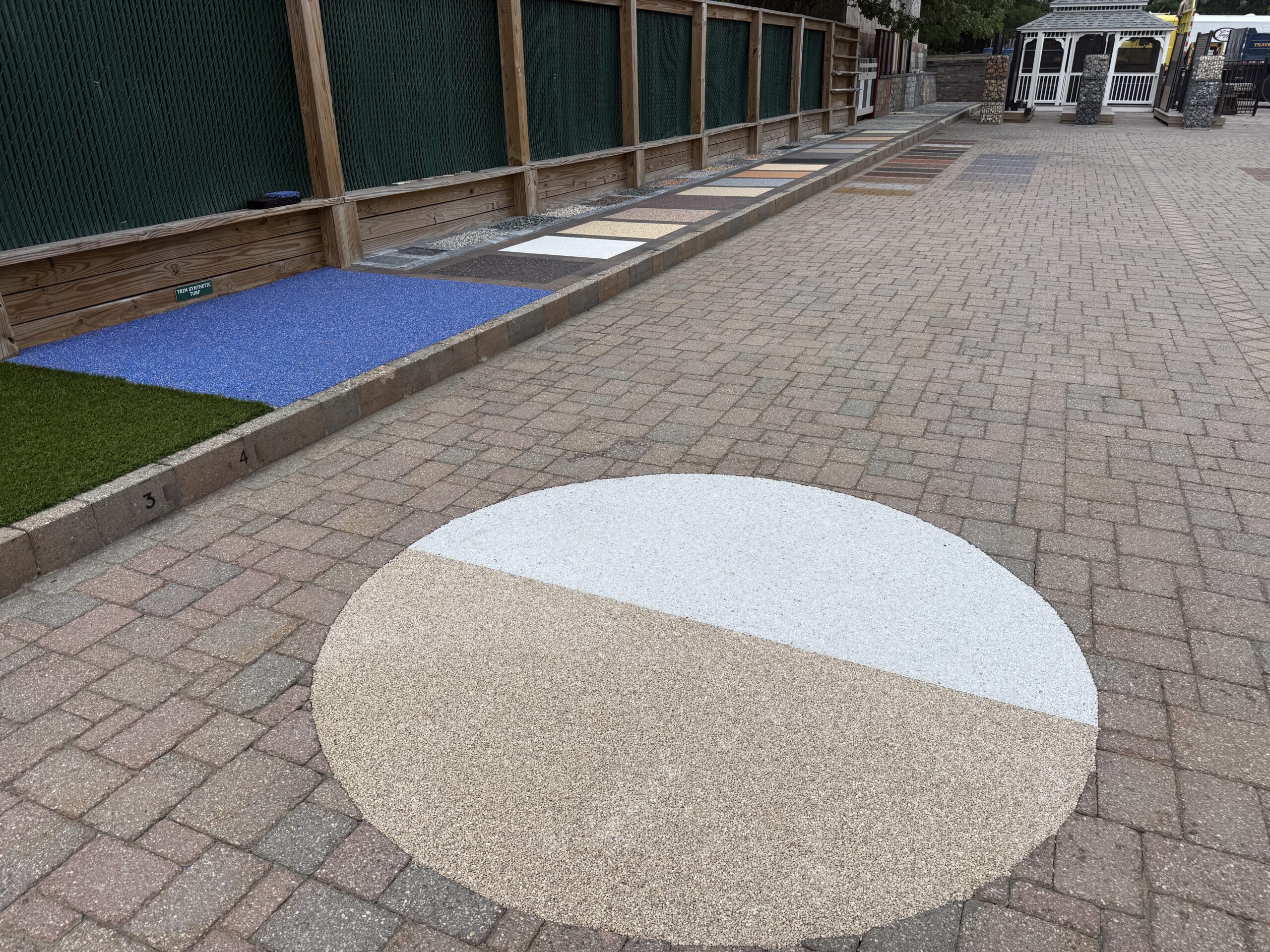
Our new showroom display gives customers the opportunity to see the many colors, stone sizes, textures, and applications available with resin-bound stone systems. With 21 different natural stone color options on display, homeowners can get a much better idea of how this unique surface can look when installed on their own property.

What Is Resin Bound Stone?

Resin-bound stone is a decorative surfacing system that combines natural aggregate stones with a specially formulated resin. The stone and resin are thoroughly mixed together before being installed, creating a durable, attractive, and relatively seamless surface.

Unlike loose stone surfaces, resin-bound aggregate is held together by the resin. This creates a stable walking and driving surface while still providing the natural appearance of stone.

At Gappsi, the resin used for our stone systems is manufactured in Italy, while we import the natural stones used for our projects. The combination allows us to offer homeowners a wide selection of colors and aggregate options for different applications.  The result is a surface that can be both functional and decorative.

Our New Resin Bound Stone Display in Smithtown

We recently completed two circular resin-bound stone displays in the parking lot at our Smithtown showroom. These displays serve an important purpose beyond simply showing customers what the material looks like.

We designed the circles so that cars and trucks can drive over them.

This gives us the opportunity to demonstrate and test the strength and durability of the resin-bound stone surface under real-world conditions. Customers visiting our showroom can see firsthand that this material is not simply a decorative surface intended for light foot traffic.

Depending on the system and application, resin bound stone can be used for a variety of residential and commercial projects.

Seeing the surface in an actual driving area allows homeowners to better understand how the material performs when subjected to everyday use.

21 Different Natural Stone Colors

One of the most exciting parts of our new showroom display is the collection of different stone colors.

We created individual square displays to showcase 21 different colors of natural aggregate that are available for projects. Each display allows customers to compare colors side by side rather than choosing a stone color from a small photograph or catalog.

Natural stone can have variations in color and appearance, and seeing the aggregate in person can make the selection process much easier.

Homeowners can compare lighter and darker tones, warmer and cooler colors, and different combinations of natural stone to find an appearance that complements their home and outdoor environment.

The stone can also be mixed in different combinations to create a custom appearance.
resin-bound-stones---display---showrooms---long-island---ny

Different Stone Sizes for Different Looks

Color isn’t the only choice when designing a resin-bound surface.

The natural aggregate is also available in different sizes, allowing homeowners to achieve different visual effects depending on the project.

Smaller aggregate can create a more refined appearance, while larger stone can provide a more pronounced natural-stone look. The appropriate size depends on the application, the desired appearance, and the overall design of the property.

At the Gappsi showroom, customers can see examples of the different aggregate options and discuss which type may be appropriate for their particular project.

This is especially helpful when coordinating a new surface with an existing patio, pool area, landscaping, driveway, or architectural features.

Resin Bound Stone for Driveways

One potential application for resin bound stone is a residential driveway.  A driveway needs to withstand considerably more abuse than a decorative walkway. Vehicles constantly travel over the surface, and the material needs to be installed properly for the intended use.  That is one of the reasons our showroom driving displays are so valuable.  Instead of simply looking at a sample board, customers can see resin bound stone installed as an actual surface and watch vehicles drive over it.

For homeowners considering alternatives to traditional concrete, asphalt, or other driveway materials, a resin bound system can provide a more decorative option while incorporating natural stone into the design.

Walkways, Patios and Pool Areas

Resin bound stone isn’t limited to driveways. The material can also be considered for walkways, patios, pool surrounds, entrances, courtyards, and other outdoor areas.

Because there are numerous color and aggregate combinations available, resin bound stone can be incorporated into a variety of landscape designs.

For example, a homeowner may choose a natural-looking aggregate that complements the stonework around a swimming pool. Another customer may prefer a contrasting color for a walkway that helps define the path through a landscaped yard.

The design possibilities make the material particularly interesting for homeowners who want something different from a standard concrete surface.

Resin Bound Stone for Play Areas

Another interesting application demonstrated at our showroom is the combination of resin bound stone with a rubber resin material to create a softer surface for playground areas.

This display provides customers with a cross-section showing how different materials can be used for different applications.

Playground surfaces have different requirements than driveways or patios. A softer rubberized surface can provide a more appropriate solution for areas where children are playing.

By displaying these materials at our showroom, we can show customers how the composition and installation approach can change depending on the intended use.

Why Visit the Gappsi Showroom?

Selecting outdoor materials from photographs can be difficult.  Colors can look different depending on lighting, photography, computer monitors, and surrounding materials. A color that appears perfect online may look completely different when placed next to your home’s siding, brick, pavers, landscaping, or other outdoor features.

That’s why we encourage homeowners to visit the Gappsi showroom in Smithtown, NY.  You can see our resin-bound stone options in person, compare the 21 available colors, look at different aggregate sizes, and see actual installed examples.

Our showroom helps you better understand the materials before deciding which direction you want to take with your project.

Natural Stone Imported for Gappsi Projects

The aggregate used in our resin-bound stone systems consists of natural stone, giving each surface its own character and appearance.

Gappsi imports these stones for use in our projects, providing customers with access to a broad selection of materials and colors.

The stones can be selected and combined according to the look the homeowner wants to achieve. Whether the goal is a subtle, natural appearance or a more distinctive decorative surface, there are multiple options to consider.

Our team can help you determine which stone, size, and color combination makes sense for your property and the intended application.

See Resin Bound Stone in Person on Long Island

Our new resin bound stone showroom display is designed to do more than showcase colors. It demonstrates the versatility of the material and gives homeowners a chance to see how resin bound stone can be used in real-world applications.

From driveways and walkways to patios, pool areas and specialty surfaces, resin-bound stone offers an opportunity to incorporate natural aggregate into an attractive outdoor design.

With 21 different colors, multiple aggregate sizes, and different application possibilities, homeowners have plenty of options to explore.

If you’re considering resin-bound stone for your Long Island property, visit the Gappsi showroom in Smithtown, NY to see the materials for yourself. Walk through the displays, compare the colors and stone sizes, and talk with our team about your project.

Seeing the material in person can make it much easier to envision what the finished surface could look like at your home.

Gappsi serves homeowners throughout Long Island and specializes in custom outdoor living, hardscaping, landscaping, sports courts, patios, pool areas, and specialty outdoor surfaces. Contact Gappsi to learn more about resin-bound stone and other options for transforming your outdoor space.

Contact Gappsi Today

📍 Serving all of Long Island, NY — Nassau & Suffolk Counties
🌐 https://www.gappsi.com/
📞 Call now for a free consultation and estimate

SCHEDULE A MEETING TODAY WITH GAPPSI

Share this page:

Your Guide to Marble Paver Installation Winter Garden

Creating a truly stunning outdoor oasis starts with a foundation of quality and elegance. If you’re looking for a material that feels both luxurious and personal, marble pavers are the answer. Unlike uniform manufactured stones, each piece of marble has its own distinct veining and character, guaranteeing your patio or walkway is completely one-of-a-kind. This natural beauty provides a sophisticated backdrop for everything from summer barbecues to quiet evenings outdoors. You can even extend that beauty year-round; a marble paver installation winter garden space looks just as breathtaking with a light dusting of snow as it does in the sun. Below, we’ll detail the process of bringing this vision to life, from site preparation to long-term care.

Marble Pavers and Coping Display Showroom Long island NYMarble pavers display just completed at the Gappsi showroom in Smithtown Suffolk County NY 11787. Our line of marble pavers ranges in colors of blue, multi colors of grays and beige browns. From Random sized patterns for pool patios, swimming pool copings and wall veneers Marble products are colorful, and durable. Gappsi provides installation of marble products for swimming pool areas, backyard patios, and many others outdoor applications. Gappsi also provides installation of marble tiles for indoor bathroom and kitchens walls and floors. We supply and services both Nassau and Suffolk County Long Island NY.for more information about marble pavers visit our Marble paver’s page https://gappsi.com/long-island-Marble-pavers-paving-stones-paver-stone.html

Marble Pavers, Pool Coping, Tiles and wall Veneers Long island NY

Properties and Benefits of Marble Pavers

Choosing the right material for your patio, walkway, or pool deck is a big decision. You want something that looks stunning and can stand the test of time. Marble pavers are a fantastic option because they offer a unique blend of classic elegance and impressive resilience. Unlike other materials that might fade or crack under pressure, marble brings a luxurious feel to your outdoor spaces while being incredibly practical. It’s a natural stone, meaning every piece has unique veining and character, so your project will be one-of-a-kind. From its ability to stay cool under the summer sun to its sheer strength, marble provides benefits that make it a worthwhile investment for any Long Island home looking for a touch of sophistication.

Durability and Lifespan

When you invest in your outdoor living space, you want it to last. Marble pavers are known for their exceptional strength and longevity. This natural stone is incredibly dense, allowing it to handle heavy foot traffic and the weight of patio furniture without showing signs of wear. It’s naturally resistant to chipping, cracking, and fading, which is crucial for enduring the changing seasons here on Long Island. With proper installation and care, a marble patio or walkway can last for decades, maintaining its beauty and structural integrity. This durability means you can spend more time enjoying your backyard and less time worrying about upkeep or replacements, making it a smart, long-term choice for your home.

Suitability for Pool Decks

If you have a swimming pool, you know the surrounding deck needs to be both safe and durable. Marble is an excellent material for pool decks for several key reasons. First, its naturally porous surface offers good slip resistance when wet, which is a critical safety feature for areas with lots of splashing. Second, marble is naturally resistant to saltwater and pool chemicals, preventing the corrosion and degradation that can affect other materials. Plus, lighter-colored marble pavers stay remarkably cool to the touch, even in direct sunlight, so you and your family can walk around barefoot comfortably. This combination of safety, resilience, and comfort makes marble a premier choice for creating a beautiful and functional poolside oasis.

Increased Home Value

Investing in high-quality materials for your home is one of the surest ways to increase its value, and marble pavers are no exception. The timeless, luxurious appearance of marble significantly enhances your home’s curb appeal, creating a powerful first impression. Potential buyers recognize marble as a premium feature, associating it with quality and sophistication. A beautifully designed marble patio or entryway can make your property stand out in the competitive Long Island real estate market. It’s not just an expense; it’s an investment that adds tangible value and appeal, providing a strong return should you ever decide to sell your home.

Weather Resistance

Long Island weather can be unpredictable, with hot, humid summers and cold, icy winters. You need an outdoor material that can handle it all. When properly installed and sealed, marble pavers demonstrate remarkable weather resistance. They can withstand freeze-thaw cycles without cracking, a common problem with less durable materials. Their density also helps them resist moisture absorption, which prevents damage from mold, mildew, and frost. This resilience ensures that your investment remains beautiful and intact through scorching heat, heavy rain, and snow. At Gappsi, we specialize in selecting and installing porcelain and natural stone that is perfectly suited for our local climate.

The Marble Paver Installation Process

A flawless marble paver installation is a blend of art and science. It requires careful planning, precise execution, and a deep understanding of how the materials will behave. The process begins long before the first stone is laid, with thorough site evaluation and preparation to ensure a stable and long-lasting foundation. Each step, from excavating the area to laying the final paver, is critical for achieving a beautiful and durable result. A professional installation ensures proper drainage, a level surface, and tight joints, all of which contribute to the longevity of your patio or walkway. Rushing or cutting corners can lead to shifting pavers, water damage, and other issues down the road, which is why trusting an expert team is so important.

Homeowner Preparation

Before the installation team arrives, there are a few simple things you can do to help the process go smoothly. First, clear the designated area of any personal items, such as patio furniture, grills, planters, and toys. This gives the crew a clean slate to work with and protects your belongings. It’s also a good idea to walk the area and note any potential concerns, like sprinkler heads or low-voltage lighting wires, and discuss them with your project manager. Having a clear vision of your desired design and communicating it effectively ensures everyone is on the same page, leading to a final result that perfectly matches your expectations.

Site Preparation

Proper site preparation is the foundation of a successful paver project. The first step is excavation, where the existing soil and grass are removed to the necessary depth. Next, the area is graded to create a slight slope—typically about a quarter-inch per foot—that directs water away from your home’s foundation, preventing potential water damage. This is one of the most crucial steps for ensuring the longevity of your patio. After grading, the soil is compacted to create a solid, stable base. This meticulous preparation prevents the pavers from sinking or shifting over time, ensuring your beautiful new surface remains level and secure for years to come.

Base Layers

Once the site is excavated and graded, the next step is to build the base layers that will support the marble pavers. A geotextile fabric may be laid down first to separate the soil from the gravel base, preventing mixing and adding stability. Then, a layer of crushed gravel, usually four to six inches deep, is spread evenly and compacted thoroughly with a plate compactor. On top of this solid base, a one-inch layer of sand is added and screeded to create a perfectly level setting bed. These layers work together to provide drainage and create a firm, stable foundation that can support the pavers and withstand environmental changes without shifting.

Laying the Pavers

This is where your vision truly starts to come to life. The marble pavers are carefully placed one by one onto the sand bed according to the predetermined pattern. Installers work meticulously to maintain small, even gaps of about an eighth of an inch between each stone. As each paver is set, it’s gently tapped with a rubber mallet to settle it firmly into the sand and ensure it’s perfectly level with the surrounding pavers. This step requires a keen eye for detail and precision to create a smooth, uniform surface. After all the pavers are in place, edge restraints are installed around the perimeter to lock everything in and prevent any lateral movement.

Finishing Touches

With the pavers laid and the edging secured, the final step is to fill the joints. Polymeric sand is carefully swept across the surface, filling all the small gaps between the pavers. This special type of sand contains a polymer that, when activated with water, hardens to lock the pavers together tightly. This not only prevents weeds and insects from making a home in the joints but also adds to the overall structural integrity of the surface. Once the sand is set, the entire area is cleaned off. The final touch is applying a high-quality sealer, but only after the pavers are completely dry, to protect the marble from stains and enhance its natural color.

Long-Term Maintenance and Care

Your new marble paver patio is a stunning addition to your home, and with a little routine care, you can keep it looking that way for years. The great thing about marble is that it doesn’t require a ton of demanding upkeep. Most of the work involves simple, preventative measures to protect the stone and address minor issues before they become bigger problems. Regular cleaning, periodic sealing, and prompt attention to any spills or stains will preserve the natural beauty and integrity of your investment. By establishing a simple maintenance routine, you ensure your outdoor space remains a beautiful and inviting retreat for your family and guests.

Sealing Your Pavers

Think of sealant as a protective shield for your marble pavers. Applying a quality sealer is one of the most important things you can do to preserve their appearance and durability. A good sealer will penetrate the pores of the stone, helping to prevent stains from spills like oil, wine, or rust. It also enhances the marble’s natural colors and can provide UV protection to reduce fading over time. We recommend having your pavers professionally cleaned and resealed every three to five years. This schedule helps maintain their resistance to moisture and stains, making routine cleaning much easier and extending the life of your beautiful outdoor surface. Gappsi offers professional restoration and sealing services to keep your pavers in top condition.

Cleaning Best Practices

Regular cleaning is key to keeping your marble pavers looking fresh. The easiest thing you can do is to periodically sweep the surface with a broom or use a leaf blower to remove loose debris like leaves, dirt, and grass clippings. This prevents organic matter from staining the stone as it decomposes. For a deeper clean, you can wash the pavers with a pH-neutral cleaner and water, gently scrubbing with a soft-bristled brush. Avoid using acidic or abrasive cleaners, as they can etch and damage the marble’s surface. Promptly cleaning up spills, especially from acidic substances like citrus or vinegar, will also help prevent permanent stains.

Handling Paver Repairs

Even with a perfect installation, life happens. Over time, you might notice a paver that has cracked, shifted, or become stained. The good news is that one of the biggest advantages of pavers over a solid concrete slab is the ease of repair. Instead of having to replace an entire surface, you can simply remove and replace the individual damaged stone. Addressing these small issues quickly is important for both safety and aesthetics. A sunken paver can become a trip hazard, and a cracked one can detract from the overall look of your patio. Prompt repairs keep your outdoor space safe and looking its best.

Common Problems and Causes

A few common issues can pop up with pavers over time. Sunken or uneven pavers are often caused by settling of the base material underneath, which can happen if the initial compaction wasn’t sufficient or if there’s an issue with water drainage. Weeds growing in the joints usually mean the polymeric sand has broken down and needs to be replaced. Stains can come from a variety of sources, from fallen leaves to spilled drinks. Understanding the root cause is the first step in applying the right fix and preventing the problem from happening again.

The Repair Process

The repair process is typically straightforward for a professional. To replace a damaged paver, the surrounding joint sand is carefully removed, and the affected stone is pried out. The sand base underneath is then leveled or adjusted as needed before a new paver is set in its place. For sunken areas, several pavers may be lifted, the base material refilled and re-compacted, and the pavers relaid. Once the repair is complete, new polymeric sand is swept into the joints to lock everything back together, making the repaired area blend in seamlessly with the rest of the surface.

Installing Pavers in Winter on Long Island

Many homeowners assume that outdoor construction projects have to stop completely once the cold weather hits. You might be surprised to learn that, in many cases, paver installation can continue during the winter months. While it presents some unique challenges, a professional team with experience in the Long Island climate knows how to work around them. The ability to install in the off-season can be a huge advantage, as you can have your project completed and ready to enjoy the moment the first warm spring day arrives. It often means more flexible scheduling and less disruption during the peak season when you want to be using your yard the most.

Is Winter Installation Possible?

Yes, you can absolutely install a paver patio in the winter. The success of a winter installation hinges on one key factor: the condition of the ground. As long as the ground isn’t frozen solid, the excavation and base preparation can proceed just as they would in warmer months. Experienced installers use specific techniques to ensure the base materials are properly compacted and stable, even in colder temperatures. The main limitation is that frozen ground is impossible to excavate and grade correctly, so the project timeline depends heavily on the weather cooperating. However, Long Island often has mild periods during the winter that provide perfect windows for installation.

Limitations and Advantages

The biggest limitation for winter paver installation is frozen ground. If the ground is frozen, it’s best to wait for a thaw to ensure the base can be properly prepared. Additionally, some materials, like polymeric sand and sealers, have temperature requirements for proper application and curing, so your installer will need to plan around the forecast. However, there are significant advantages. Scheduling a project in the winter often means quicker start times since it’s the off-season for many contractors. Your yard will also have the entire spring to recover from the construction, and your new patio will be ready for you to enjoy all summer long without any downtime.

Choosing a Reputable Paver Installer

The long-term success of your marble paver project depends just as much on the quality of the installation as it does on the quality of the materials. A beautiful stone can be undermined by a poor installation, leading to issues like shifting, poor drainage, and an uneven surface. That’s why selecting a reputable, experienced installer is the most critical decision you’ll make. You need a team that not only has the technical skills but also understands the specific challenges of our Long Island soil and climate. A great installer will guide you through the process, stand behind their work, and ensure your investment is built to last, providing you with a beautiful and functional outdoor space for decades.

Experience and Certifications

When vetting potential installers, look for a company with a long track record of successful projects in your area. A company like Gappsi, which has been serving Long Island since 1987, has invaluable experience with local conditions. Also, check for professional certifications. An ICPI (Interlocking Concrete Pavement Institute) Certified Installer, for example, has undergone specialized training and demonstrated a high level of expertise in industry best practices. This certification is a strong indicator that the company is committed to quality and professionalism. Don’t hesitate to ask for a portfolio of their past masonry work and speak to previous clients to get a real sense of their craftsmanship and customer service.

Understanding Installation Warranties

A reputable installer will always stand behind their work with a solid warranty. Be sure to ask for the details of the warranty in writing before signing a contract. A comprehensive warranty should cover the workmanship of the installation, protecting you against defects like sinking or shifting pavers caused by improper base preparation. Some companies may offer a warranty for as long as you own your home, which shows a high level of confidence in their installation methods. Understanding what is covered and for how long gives you peace of mind, knowing that your investment is protected and that the company is committed to your long-term satisfaction.

Frequently Asked Questions

Will my marble patio get too hot to walk on in the summer? This is a great question and a common concern for Long Island homeowners. Lighter-colored marble pavers are fantastic because they reflect sunlight and don’t absorb as much heat as darker materials or concrete. This means they stay comfortably cool underfoot, even on the sunniest days, making them a perfect choice for pool decks and patios where you’ll likely be walking barefoot.

How often do I really need to seal my marble pavers? Think of sealing as essential preventative care. To keep your marble protected from stains and the effects of weather, we recommend having it professionally cleaned and resealed every three to five years. This schedule is frequent enough to maintain a strong protective barrier, which makes routine cleanup much easier and preserves the stone’s natural color and integrity for years to come.

What happens if one of my pavers cracks or gets a bad stain? This is one of the biggest advantages of choosing pavers over a solid slab of concrete. If a single stone gets damaged, you don’t have to redo the entire surface. A professional can easily lift out the individual paver, correct the base material underneath if necessary, and set a new stone in its place. The repair is quick and blends in seamlessly.

Is marble slippery when it gets wet, especially around a pool? Safety around the pool is always a top priority. Marble has a naturally porous texture that provides good slip resistance, which is a major reason it’s such a popular choice for pool decks. While no surface is completely slip-proof, marble offers a reliable grip when wet, helping to create a safer poolside environment for your family and guests.

Can I really have pavers installed during the winter? Yes, you absolutely can, as long as the ground isn’t frozen solid. An experienced installation team can work during milder winter periods to excavate and prepare the base. The main advantage is that you can often get on the schedule faster during the off-season, and your new patio will be completely finished and ready to use the moment the warm weather arrives in spring.

Key Takeaways

  • Choose Marble for Beauty and Brawn: Marble pavers provide a unique, high-end look that also delivers practical benefits like natural durability, weather resistance, and a cooler surface, making it a smart investment for poolside patios and walkways.
  • Proper Installation is Non-Negotiable: The long-term stability of your patio relies entirely on the quality of the installation. A professional process that includes proper site grading and base compaction is essential to prevent future shifting, sinking, and drainage problems.
  • Simple Maintenance Preserves Your Investment: Keeping your marble pavers in pristine condition is straightforward. A simple routine of sweeping, cleaning spills promptly, and having the surface professionally sealed every 3-5 years will protect the stone and maintain its beauty for decades.

Related Articles

Share this page: