


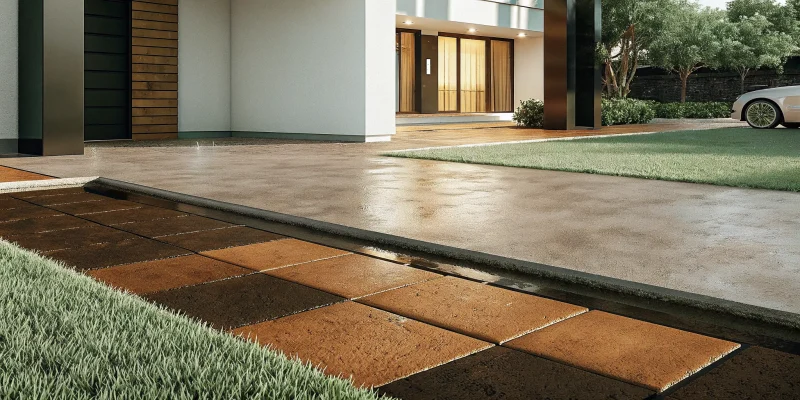
A driveway that allows rainwater to pass right through it might sound a bit like magic, but it’s actually the result of smart, intentional design. The secret isn’t that the pavers themselves are porous like a sponge. The real innovation lies in the system as a whole, from the small gaps between each stone to the carefully layered foundation of clean aggregate beneath. This structure is engineered to mimic the way the earth naturally absorbs water. When you install permeable pavers for driveways, you’re creating a surface that is both incredibly strong and environmentally functional. It’s a sophisticated system that provides a durable place to park your car while actively managing stormwater right on your property.
Key Takeaways
- It’s all about the base, not the paver: The real work of a permeable system happens below the surface. Water drains through the small gaps between pavers into a deep, layered stone foundation that filters it back into the soil.
- Protect your property and the environment: A permeable driveway prevents water from pooling on the surface or running into storm drains. This reduces soil erosion around your home and helps recharge local groundwater, making it a smart choice for your landscape.
- Expert installation is non-negotiable: The success of a permeable driveway depends entirely on its specialized foundation. Proper installation by a professional is essential to ensure it drains correctly and provides a durable, long-lasting surface for your vehicles.
How Do Permeable Pavers Actually Work?
Permeable pavers might seem like a bit of magic, but their function is based on a really smart, straightforward system. Unlike a traditional asphalt or concrete driveway that creates a solid, non-porous surface, a permeable system is designed to mimic the way natural ground absorbs rainwater. Instead of forcing water to run off into the street, where it can overwhelm storm drains and carry pollutants into local waterways, permeable pavers allow it to soak back into the earth right where it falls. This is a huge benefit for Long Island homeowners who want to protect our local environment.
This process not only helps reduce flooding and erosion on your property but also contributes to recharging our groundwater supply. The entire system, from the pavers on top to the layers of stone beneath, works together to manage stormwater effectively. It’s an elegant solution that combines beautiful design with practical, eco-friendly function. At Gappsi, we specialize in designing and installing these systems, ensuring they are both beautiful and built to last. The secret isn’t in the paver itself, but in the thoughtful engineering of the entire structure. It creates a durable, stable surface that can handle cars and foot traffic while working with nature, not against it. Let’s break down exactly how these components come together.
The Secret to Letting Rainwater Through
It’s a common misconception that the pavers themselves are porous like a sponge. The real genius is in the design of the system. Permeable pavers, which can be made from beautiful porcelain and natural stone, are installed with small, intentional gaps between each one. These gaps are then filled with a special, clean aggregate (tiny stones) that allows water to flow through freely. Instead of sheeting off the surface, rainwater drains directly through these joints and into the base below. This process helps water soak back into the soil, which is great for your surrounding landscape and reduces the strain on municipal drainage systems. It’s a simple yet highly effective way to manage runoff.
What’s Underneath: The Layers of a Permeable System
The pavers you see are just the top of a carefully constructed foundation. Below the surface, a permeable system consists of several layers of different-sized, open-graded stones. This multi-layered base acts as a natural filter and a temporary reservoir for rainwater. As water passes through the joints, these stone layers clean it of debris and hold it while it gradually soaks into the subsoil. A proper permeable installation requires a much deeper base than a traditional one, often needing at least 30% more gravel. This robust foundation is critical for both effective drainage and the long-term stability of your driveway, providing the strength needed to support vehicles. This is why professional masonry expertise is key.
Why Choose Permeable Pavers for Your Driveway?
When you think about upgrading your driveway, you’re probably focused on curb appeal and durability. But what if your driveway could also be an eco-friendly feature that protects your property? Permeable pavers offer a smart solution that looks great, lasts for years, and helps manage rainwater right where it falls. They combine function and style, giving you more than just a place to park your car. Let’s look at a few of the biggest reasons homeowners are making the switch.
Manage Stormwater and Protect Your Landscape
One of the standout benefits of a permeable paver driveway is its ability to handle stormwater effectively. Instead of rainwater pooling on the surface or running off into storm drains, it filters through the joints between the pavers and soaks into the ground below. This natural process helps prevent soil erosion around your property and reduces the amount of polluted runoff entering Long Island’s waterways. By replenishing the groundwater, a permeable system also nourishes your surrounding landscape and reduces the strain on municipal drainage systems, making it a responsible choice for the environment and your home.
Long-Term Value and Potential Savings
Investing in a permeable driveway is a smart move for your property’s future. Not only can a beautifully installed paver driveway increase your home’s value, but it can also lead to long-term savings. Many municipalities have regulations or offer incentives related to stormwater management. By installing a permeable system, you might find you’re compliant with local environmental rules and could even see a reduction in certain fees or property taxes. It’s an investment that pays off by adding significant curb appeal and value to your home while potentially lowering some ongoing costs, all while being kinder to the planet.
Get the Exact Look You Want
Choosing an eco-friendly option doesn’t mean you have to compromise on style. Permeable pavers come in a huge variety of shapes, sizes, colors, and textures, allowing you to achieve the exact aesthetic you envision for your home’s exterior. Whether you prefer the classic look of cobblestone, the clean lines of modern concrete, or the rich tones of natural stone, there’s a permeable option to match. You can create intricate patterns and designs that complement your home’s architecture, proving that sustainable choices can also be the most beautiful ones.
Are They as Durable as Traditional Pavers?
A common question is whether permeable pavers can stand up to the same wear and tear as traditional surfaces. The answer is a resounding yes. Despite their porous nature, permeable paver systems are engineered to be incredibly strong and durable. When installed correctly by a professional masonry team, they can easily handle the weight of heavy vehicles and daily traffic. These systems are designed for longevity, providing a stable and reliable surface that will last for decades. You get all the environmental benefits without sacrificing the strength and performance you expect from a high-quality driveway.
Exploring Your Permeable Paver Options
When you hear “permeable,” you might picture something purely functional, but the reality is so much more exciting. Choosing an eco-friendly driveway doesn’t mean you have to compromise on style. There’s a wide world of materials that can match your home’s aesthetic, from classic and elegant to modern and rustic. Let’s look at some of the most popular choices for Long Island homes.
Interlocking Concrete Pavers
These are one of the most versatile choices available. Permeable interlocking concrete pavers look just like traditional pavers, but the magic happens in the small gaps between them. These joints are filled with tiny stones that let rainwater flow through to a specially prepared base underneath, which filters the water. With a huge variety of shapes, colors, and textures, you can create a custom look that perfectly complements your home’s design. They provide the classic, structured appearance many homeowners love, whether you want a cobblestone feel or a sleek, modern surface.
Porous Asphalt and Concrete
If you prefer the uniform look of a traditional driveway, porous asphalt and concrete are great options. Unlike standard versions, these materials are mixed with a formula that creates tiny, interconnected pores throughout the surface. This allows water to drain directly through the pavement itself, rather than running off the sides. It’s a durable solution that provides a smooth, consistent finish while still offering all the environmental benefits of a permeable system. This makes it a solid choice for homeowners who want a clean, minimalist appearance for their driveway.
Natural Stone and Other Eco-Friendly Choices
For a truly high-end or naturalistic look, nothing beats real stone. You can create a permeable driveway using gorgeous natural stone pavers set with wider, gravel-filled joints that allow for drainage. Another popular eco-friendly option involves grid systems. These grids provide structural support and can be filled with either decorative gravel or even grass for a lush, green driveway. Systems like GravelFix are perfect for creating a stable and beautiful surface that blends seamlessly into your landscape, offering unique textures and a strong connection to the environment.
How to Pick the Best Material for Your Home
Choosing the right material comes down to balancing aesthetics, performance, and local rules. Start by considering your home’s architectural style. A rustic farmhouse might look stunning with a gravel grid system, while a contemporary home may be better suited to sleek pavers. It’s also wise to check with your local town here on Long Island, as many have specific regulations about non-porous surfaces. Adopting a permeable design might even come with incentives. Discussing your vision with a design and construction expert is the best way to weigh all the factors and select the perfect material for your home.
What’s the Investment for a Permeable Driveway?
Let’s talk about one of the most important factors in any home project: the budget. When you’re looking at a permeable paver driveway, it’s helpful to think of it as a long-term investment in your home’s functionality and curb appeal. While the initial price tag can be higher than for a traditional driveway, the final cost includes a sophisticated drainage system built right in. This upfront investment can prevent future headaches and expenses related to water management, making it a smart and sustainable choice for your property. To give you a clear picture, let’s break down what goes into the cost.
A Breakdown of Material and Installation Costs
When you start pricing out a permeable driveway, you’ll see a range of costs. The materials themselves, such as the pavers, can run from about $4 to $12 per square foot. However, the total project cost, which includes the specialized base layers, excavation, and professional labor, typically lands between $10 and $40 per square foot. The reason for this range is that you aren’t just paying for pavers; you’re investing in an entire engineered system. The layers of aggregate beneath the surface are just as important as the beautiful porcelain and natural stone pavers you see on top, as they are what allow water to filter through effectively.
Factors That Influence the Final Price
Several key factors will shape the final quote for your permeable driveway. The specific type of paver you choose is a major one, as costs vary between concrete, clay, and natural stone. The size and complexity of your driveway also play a big role. Beyond that, site preparation is crucial. If your property requires significant grading or excavation to create the right foundation, that will influence the cost. The installation itself requires a specific, non-compacted base, which is different from a traditional driveway. This requires expert masonry and construction knowledge to ensure the system functions correctly for years to come.
Permeable vs. Traditional: A Cost Comparison
It’s true that a permeable paver driveway often has a higher upfront cost than a standard asphalt or concrete surface. But it’s not quite an apples-to-apples comparison. A traditional driveway may require you to install a separate, costly drainage system to handle stormwater runoff. With a permeable system, that solution is built-in, potentially saving you money and hassle. Over time, the durability of high-quality pavers and the reduced risk of water damage can offer significant value. Plus, you’re getting an eco-friendly feature that enhances your landscape and adds a unique, high-end look to your home, similar to our custom Gravel-Fix driveways.
Installation and Care: What to Expect
A permeable paver driveway is a fantastic long-term investment for your home, but its success hinges on getting two things right: a professional installation and simple, consistent care. Unlike a traditional driveway, the real work happens in the layers beneath the surface. When installed correctly, your permeable driveway will manage stormwater and look beautiful for years with very little effort on your part. Let’s walk through what you can expect from the installation process and how to keep your new driveway in top shape.
Why a Professional Foundation is Key
The secret to a permeable driveway that lasts is the foundation. It’s not just about laying pavers; it’s about building a multi-layered system that allows water to filter through. This requires a specific, non-compacted base of open-graded stone that creates voids for water to collect and seep into the ground. This is very different from the compacted base used for traditional pavers. Getting this foundation right is a precise science, which is why professional masonry and construction is so important. An improperly installed base can lead to clogged joints, shifting pavers, and a system that fails to drain, completely defeating the purpose of your investment.
Ensuring Your Driveway Can Handle the Traffic
It’s a common question: can a driveway designed to let water through really be strong enough for cars? The answer is a definite yes. Permeable pavers are engineered to be incredibly strong and durable, easily handling the weight of daily vehicle traffic. The strength comes from two places: the high-quality pavers themselves and the interlocking system that distributes the load across a wide area. The open-graded gravel base also plays a role, providing a stable foundation that can support heavy loads without compacting. When you choose high-quality natural stone or pavers, you can be confident your driveway is built to perform for decades.
Simple Maintenance to Keep It Working Perfectly
One of the best parts of owning a permeable paver driveway is how little maintenance it needs. Your main job is to keep the joints between the pavers clear of debris so water can pass through. This usually just means an occasional sweep with a stiff broom or a rinse with a garden hose to remove leaves, dirt, and sediment. If you have grass pavers, you’ll also need to mow and water the grass as you would with your lawn. For deeper cleaning or to address any stubborn stains, Gappsi offers professional cleaning and sealing services to restore your driveway’s look and function.
Is a Permeable Driveway the Right Choice for You?
Deciding on the right driveway material involves more than just looks. It’s about finding a solution that fits your property, your lifestyle, and your local environment. If you’re weighing your options, here’s a breakdown of key factors to help you determine if a permeable driveway is the perfect fit for your Long Island home.
Considering Your Soil, Property, and Climate
Permeable pavers are designed to be an eco-friendly solution that works with nature, not against it. Instead of letting rainwater run off into storm drains, they allow it to soak through the surface and into the ground below. This process helps replenish local groundwater supplies and filters out pollutants from runoff, which protects our nearby waterways. For homeowners, this means no more puddles or pooling water on your driveway after a heavy rainstorm. This can also help prevent water from collecting near your home’s foundation, reducing the risk of flooding and water damage over time. It’s a smart way to manage the elements while maintaining a beautiful and functional driveway.
Checking Local Regulations and Permits
Before you start any major project, it’s always a good idea to understand local regulations. Many towns across Long Island are putting limits on how much non-porous or “hard” surface area a property can have. Some municipalities even have stormwater fees based on the amount of impervious surface on your lot. Choosing permeable pavers can help you comply with these local codes and could even save you money in the long run. We always recommend checking with your local town or village to learn about their specific rules for permeable surfaces. They can also tell you about any potential tax benefits or incentives available for installing an environmentally friendly driveway.
Making the Final Decision for Your Home
Ultimately, a permeable driveway is a smart, sustainable, and stylish choice for any home. They are just as strong and durable as traditional options, easily handling daily foot and vehicle traffic while adding significant curb appeal. When making your final decision, consider the unique benefits they offer: superior stormwater management, a reduced environmental footprint, and a modern aesthetic. By choosing the right materials, you can create a driveway that is not only beautiful but also a responsible investment in your property and community. If you’re still unsure, talking with a professional can help you weigh the pros and cons for your specific home.
Related Articles
Frequently Asked Questions
Do weeds grow in the gaps between the pavers? This is a common concern, but permeable systems are designed to minimize weed growth. The small, clean stones used to fill the joints don’t provide a great environment for weeds to take root, unlike the sand used in some traditional paver joints. While you might see a stray weed from time to time, regular sweeping is usually enough to keep the surface clear and prevent anything from establishing itself.
How do permeable pavers handle snow and ice in the winter? They actually perform quite well in winter conditions. Because water drains through the surface instead of pooling on top, there is less standing water to freeze when temperatures drop. This can lead to less ice buildup compared to a non-porous surface. You can plow a permeable driveway, but it’s best to use a plow with a protective edge to avoid catching the pavers. When it comes to de-icers, it’s wise to use them sparingly, as excessive salt can be harmful to the system and the local groundwater.
Are permeable driveways strong enough for an SUV or a delivery truck? Absolutely. The strength of a permeable driveway doesn’t come from the pavers alone; it comes from the entire engineered system beneath them. The deep, multi-layered stone base is designed to provide a stable foundation that distributes the weight of heavy vehicles across a wide area. When installed correctly by a professional team, your driveway can easily handle daily traffic from cars, SUVs, and the occasional delivery truck without any issues.
What happens if the joints get clogged with dirt over time? Clogging is rare, especially if you keep up with simple maintenance like sweeping away leaves and debris. The system is designed to handle a normal amount of sediment. If the joints do become significantly clogged after many years, they can be professionally cleaned. A specialized vacuum can be used to remove the old joint material, which is then replaced with fresh, clean aggregate to restore the driveway’s full permeability.
Can I just replace my old asphalt driveway with permeable pavers? Replacing a traditional driveway with a permeable system is a bit more involved than a simple surface swap. The process requires a full excavation of the old driveway and the soil below it. This is done to create the much deeper, specialized base of open-graded stone that is essential for proper water drainage. It’s a complete system build from the ground up, which is why professional design and installation are so important for long-term success.