


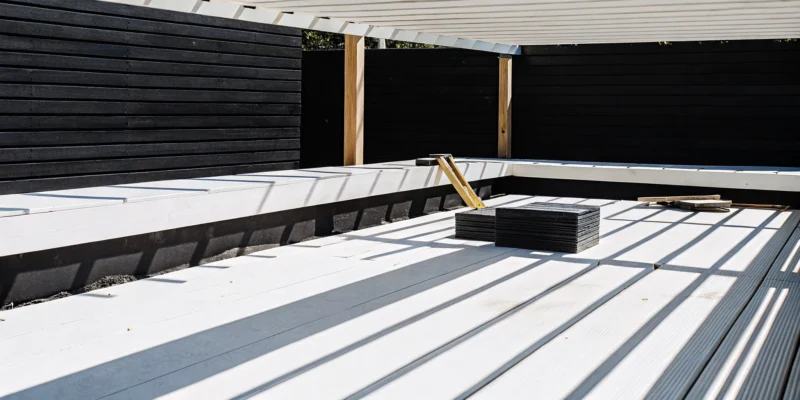
When you decide to add a pergola, you have two main paths: a one-size-fits-all kit or a completely custom design. While a kit might seem like an easy solution, it rarely fits your home’s unique style or your family’s specific needs. A custom-built pergola, however, is designed from the ground up to be a seamless extension of your property. This is the specialty of experienced custom pergola builders. They work with you to create a structure that perfectly matches your home’s architecture, fits your backyard’s layout, and provides the exact functionality you want, whether for shade, privacy, or architectural beauty. Let’s explore the benefits of a tailored approach.
Key Takeaways
- Think of a builder as your project partner: A professional custom builder does more than just construct; they guide you through the entire process, including design, material selection, permits, and installation.
- Your material choice impacts more than just looks: The material you select, whether it’s wood, composite, or metal, determines your pergola’s long-term durability and how much maintenance it will require.
- A little homework prevents major headaches: Always protect your investment by verifying a builder’s license and insurance, reviewing their portfolio, and getting a detailed, itemized quote to ensure there are no surprises.
What Do Custom Pergola Builders Provide?
When you decide to build a custom pergola, you’re not just hiring someone to put up a structure. You’re partnering with a team of experts who manage the entire project from a simple idea to a beautiful, functional outdoor space. A professional builder handles every detail, ensuring the final product is exactly what you envisioned, built to last, and perfectly suited to your home and lifestyle. They bring design expertise, material knowledge, and skilled craftsmanship to the table, turning a complex construction project into a smooth and rewarding experience.
This comprehensive approach is what sets a custom builder apart. They don’t just follow a pre-made plan; they create a plan with you. From securing the right permits to integrating lighting and other features, a dedicated builder provides end-to-end service. They are your single point of contact, responsible for coordinating all aspects of the job so you can relax and watch your dream backyard take shape. They also understand the specific building codes and environmental factors on Long Island, ensuring your project is not only beautiful but also compliant and built to withstand local weather conditions. This expertise saves you from potential headaches and ensures a seamless process from start to finish.
Custom Design and Planning
A custom pergola builder starts by listening. They work with you to understand your vision, how you plan to use the space, and the specific style of your home. This collaborative process ensures your new pergola isn’t just an add-on but a natural extension of your living area. They provide tailored design services that translate your ideas into a functional and beautiful plan. Whether you want a cozy nook for reading or a large, airy structure for entertaining, they will design a pergola that fits your property and your needs perfectly.
Material Selection and Sourcing
With so many materials available, choosing the right one can feel overwhelming. A professional builder guides you through the options, explaining the benefits of everything from classic wood to modern aluminum and durable composites. They have deep knowledge of which materials perform best in the Long Island climate and can source high-quality products that match your design goals and budget. They can also suggest unique combinations, like pairing wood beams with beautiful natural stone bases, to create a truly custom look that requires the right amount of maintenance for your lifestyle.
Expert Construction and Installation
This is where skill and experience truly matter. A professional builder ensures your pergola is constructed with precision and care. Their team handles everything from laying a solid foundation to making sure every joint is secure. Proper installation is critical for the safety, stability, and longevity of your pergola. With expert masonry and construction techniques, they build a structure that not only looks stunning but can also withstand the elements for years to come, giving you a lasting return on your investment.
Integrating Custom Features
A pergola is often the centerpiece of a larger outdoor living area. A great builder can seamlessly integrate other features to create a complete and cohesive space. This could include built-in lighting for evening ambiance, ceiling fans for a comfortable breeze, or even the framework for an outdoor kitchen. By planning for these elements from the start, they ensure all the necessary wiring and structural supports are in place. This thoughtful approach to home remodeling transforms a simple pergola into a fully equipped outdoor room for you and your family to enjoy.
What Are the Best Materials for a Custom Pergola?
Choosing the right material for your pergola is one of the most important decisions you’ll make. It influences the structure’s appearance, durability, and how much maintenance it will need down the road. Your choice depends on your personal style, your home’s architecture, and your budget. Whether you envision a classic wooden frame draped in vines or a sleek metal structure for a modern patio, there’s a perfect material to bring your vision to life. Let’s walk through the most popular options to help you find the best fit for your Long Island backyard.
Classic Wood: Cedar, Redwood, and Pine
There’s a reason wood is a timeless choice for outdoor structures. It offers a warm, natural beauty that blends seamlessly into any landscape design. Materials like cedar and redwood are especially popular because they contain natural oils that make them resistant to rot and insects, giving them a longer lifespan. Pine is a more budget-friendly option that can be pressure-treated to withstand the elements. A wooden pergola gives you the flexibility to stain it to match your deck or paint it a classic white. While wood requires some upkeep, like periodic sealing, its classic charm is hard to beat for creating a cozy and inviting outdoor retreat.
Low-Maintenance Vinyl and Composite
If you love the look of a classic pergola but want to spend more time relaxing under it and less time maintaining it, vinyl or composite materials are excellent alternatives. Vinyl is incredibly durable and easy to care for since it never needs painting or staining. It resists moisture and won’t rot, warp, or fade. Composite materials, which are a blend of wood fibers and recycled plastic, offer the look of real wood without the demanding upkeep. Both options are fantastic for busy homeowners who want a beautiful, long-lasting structure that can handle Long Island’s weather with minimal fuss.
Durable Aluminum and Steel
For a modern, minimalist aesthetic, metal is an outstanding choice. Aluminum pergolas are lightweight, rust-proof, and require very little maintenance, making them ideal for coastal areas. They can be finished in various colors to match your home’s exterior. If you need maximum strength and durability, steel is the top contender. A steel frame can support a larger structure and withstand high winds and heavy snow loads. While it’s a premium option that requires professional installation, a steel pergola offers unmatched longevity and a bold, contemporary look for your outdoor living space.
Stone and Masonry Accents
You don’t have to stick to just one material. Combining different elements can create a truly custom and luxurious look. Imagine a beautiful cedar pergola supported by stately masonry columns made of brick or stone. This approach adds architectural interest and a sense of permanence to your outdoor space. Integrating natural stone not only enhances the pergola’s stability but also allows you to tie it in with other hardscape features like a patio, retaining walls, or an outdoor kitchen. This blend of materials is perfect for creating a high-end, cohesive design that feels like a natural extension of your home.
How Much Does a Custom Pergola Cost?
Figuring out the budget for your dream pergola is one of the most important first steps. The final cost can vary quite a bit because a custom project is tailored specifically to your home, style, and needs. Unlike a one-size-fits-all kit from a big-box store, a custom build involves unique design choices, specific materials, and professional craftsmanship.
The price tag depends on several key elements, including the pergola’s size, the complexity of its design, the materials you choose, and any special features you want to add, like lighting or retractable canopies. While it’s helpful to look at average costs to get a general idea, the best way to understand your investment is to see how these different factors come together. Breaking down the costs will help you plan effectively and ensure your new outdoor structure is everything you hoped for.
Understanding Average Project Costs
To give you a starting point, a new pergola can range from around $2,000 for a simple kit you assemble yourself to over $15,000 for a large, high-end custom structure. Most homeowners find their projects land somewhere between $4,000 and $7,000. This range typically covers a professionally installed, quality pergola that fits well in a standard backyard. Think of this as a general ballpark figure. Your final cost will be unique to your project, reflecting the specific pavilions and pergolas you envision for your Long Island home.
What Affects the Final Price?
Three main things will influence your pergola’s final price: size, design, and materials. A larger pergola naturally requires more materials and labor, which increases the cost. Similarly, a simple square design will be more affordable than a complex, multi-level structure or one that attaches directly to your house. The biggest factor, however, is your choice of materials. Classic wood is often less expensive upfront but requires more maintenance. On the other hand, durable materials like vinyl, composite, or aluminum may cost more initially but can save you time and money on upkeep down the road. You can even incorporate beautiful stone and masonry accents for a truly custom look.
How to Get an Accurate Quote
The only way to know the true cost of your project is to get a detailed quote from a professional builder. Professional installation can add anywhere from $500 to $3,000 to the total, with most homeowners paying around $1,500 for labor. A trustworthy quote should be more than just a single number; it should provide a clear breakdown of expenses. Look for itemized costs covering materials, labor, permits, and any additional features you’ve requested. This transparency ensures there are no surprises. When you’re ready, a detailed consultation with an expert can give you a precise and reliable estimate for your specific vision.
How to Choose the Right Pergola Builder
Finding the right builder is just as important as picking the perfect design for your pergola. You need a partner who understands your vision, has the technical skill to execute it flawlessly, and communicates clearly every step of the way. A great builder ensures your new outdoor structure is not only beautiful but also safe and built to last. Taking the time to vet your options thoroughly will save you from potential headaches and guarantee you end up with a space you’ll love for years.
Check Their Credentials and Experience
Before you fall in love with a builder’s portfolio, do a quick background check. Your first step is to confirm they are a licensed and insured contractor in Long Island. This is non-negotiable. A proper license ensures your builder follows local codes and construction standards, which protects both your safety and your investment. Experience is just as critical. Look for a company with a long history of building pavilions and pergolas, as they will have the expertise to handle unique challenges and deliver a high-quality result. An established company has a reputation to uphold and a proven process for getting the job done right.
Review Their Portfolio and Client Testimonials
A picture is worth a thousand words, especially when it comes to construction. Spend time looking through a builder’s portfolio to see the quality and style of their previous projects. Do their designs resonate with your aesthetic? Look for high-resolution photos that show off fine details and craftsmanship. Beyond pictures, see what past clients have to say. Testimonials and online reviews can give you honest insight into the company’s professionalism, responsiveness, and overall customer experience. You can often find project videos on platforms like the Gappsi YouTube channel, which provide an even better sense of the finished product.
Key Questions to Ask Before Hiring
Once you’ve narrowed down your list, it’s time to start asking questions. Being prepared for your initial consultation helps you compare builders effectively. Start with the basics, like asking about their project timeline and communication process. Then, get into the specifics of your pergola. Ask, “What materials do you recommend for our climate, and what are the pros and cons of each?” and “How long can I expect the different material options to last?” A knowledgeable builder will be able to explain why they might suggest certain natural stones or composite materials over others, helping you make an informed decision that balances beauty with durability.
Understand Warranties and Aftercare
A beautiful new pergola is a significant addition to your home, so you want to make sure it’s protected. Always ask a potential builder what kind of warranties they offer. A reputable company will stand behind their work with a warranty that covers both the structure itself and the installation. This gives you peace of mind knowing that if any issues arise, the builder will be there to resolve them. It’s also a good idea to ask about aftercare. Some materials require more maintenance than others, and a good builder will be upfront about this. They may even offer restoration and sealing services to keep your pergola looking its best.
Common Hiring Mistakes to Avoid
Choosing the right builder is just as important as picking the perfect design for your pergola. The right partner will make the process smooth and enjoyable, while the wrong one can turn your dream project into a headache. To help you find a true professional, let’s walk through some common hiring mistakes and, more importantly, how you can steer clear of them. A little awareness upfront can save you a lot of time, money, and frustration later on.
Skipping the Vetting Process
It’s easy to get excited and rush into a project, but taking the time to properly vet your builder is a step you can’t afford to skip. A great pergola creates a comfortable and inviting outdoor living area, and that starts with a qualified professional. Don’t just take their word for it; do your homework. Check for proper licensing and insurance to protect yourself from liability. Ask for a list of recent references and actually call them. A reputable builder will be happy to share their credentials and connect you with satisfied clients. This due diligence ensures you’re hiring a team that values quality and has a proven track record of success.
Accepting a Vague Estimate
If a builder gives you a single, round number on a handshake, consider it a red flag. A vague estimate is often a sign of inexperience or a tactic to hide future costs. You should always ask for a detailed, itemized quote that breaks down every expense, including materials, labor, permits, and any other potential charges. This document should clearly outline the project scope, preventing misunderstandings down the road. A professional quote will account for crucial steps like proper site preparation and building a solid foundation, ensuring your pergola is built correctly from the start to avoid costly repairs later.
Mismatching Design Styles
Your new pergola should feel like a natural extension of your home, not an afterthought. A common mistake is hiring a builder who doesn’t consider your property’s existing architectural style. Whether your pergola is attached to the house or a standalone feature in the yard, its design should complement your home’s aesthetic. A skilled builder will work with you to tailor the size, shape, and materials to create a cohesive look. Before hiring, review a builder’s portfolio to see if they have experience with various styles. This will help you find a partner who can bring your specific vision for pavilions and pergolas to life.
Forgetting About Future Maintenance
When you’re focused on the excitement of building something new, it’s easy to overlook what it will take to maintain it. Some builders cut corners by using materials that aren’t suited for the Long Island climate, skipping protective sealants, or ignoring proper drainage. These shortcuts can lead to issues like rot, rust, and water damage over time. Be sure to discuss long-term care with your builder. Ask about the durability of the proposed materials and what kind of maintenance will be required. A quality builder uses superior construction techniques and can even offer restoration and sealing services to keep your investment looking beautiful for years to come.
What to Expect During the Construction Process
Once you’ve chosen your builder, you can get excited for the transformation to begin. Knowing what’s ahead can make the entire experience feel smoother and more enjoyable. A professional team will guide you through every step, but it’s always helpful to have a roadmap of the journey. From the first design conversation to the final walkthrough, each phase is designed to bring your vision to life with precision and care. This isn’t just about adding a structure to your yard; it’s about creating a new hub for family gatherings, quiet mornings, and everything in between.
The construction process is a partnership between you and your builder. Clear communication is key, so you should always feel comfortable asking questions and staying informed about your project’s progress. A great builder will be transparent about timelines, next steps, and any decisions needed from you along the way. Think of it less as a construction zone and more as a collaboration that results in a beautiful new outdoor space you’ll love for years. We’ll walk through the typical phases so you know exactly what to expect when building your custom pergola, from initial sketches to the final, beautiful result.
The Initial Consultation and Design Phase
This first meeting is all about your vision. It’s a collaborative session where you’ll discuss your ideas, goals, and the overall feel you want for your outdoor space. Your builder will listen to your needs, talk through different materials, and help refine your plans. This is your chance to share inspiration photos and ask every question you can think of. At Gappsi, we use this time to create a detailed plan for your custom pavilion or pergola, ensuring the final design perfectly matches your home’s style and your family’s lifestyle.
Site Prep and Securing Permits
Before any building begins, your team will prepare the construction site and handle all the necessary paperwork. This might involve clearing and leveling the area, marking utility lines, and securing permits from your local municipality. If your pergola is attached to your house, it will likely require specific permits and inspections to ensure it’s structurally sound and compliant with local codes. A professional builder manages this entire process for you, so you don’t have to worry about the logistics. This step ensures a safe and solid foundation for your new structure.
Your Project’s Construction Timeline
With the plans and permits in place, the physical construction can start. You might be surprised at how quickly your pergola takes shape. For most standard designs, the installation can be completed within one to two weeks. Of course, more complex projects or unpredictable weather can extend this timeline slightly. Your builder will provide a clear schedule and keep you updated on the progress. You can watch the transformation happen day by day as the posts, beams, and rafters go up, turning a patch of your yard into a stunning outdoor retreat.
Understanding Payment Schedules and Financing
A trustworthy builder will be completely transparent about the cost of your project and the payment schedule. Typically, you’ll see a payment plan outlined in your contract, which may include a deposit to start the work, followed by milestone payments as the project progresses. Be sure to read your contract carefully so you understand when payments are due. Some companies may also discuss financing options to help you manage the investment. The most important thing is to have a clear, written agreement that details all costs before any work begins, ensuring there are no surprises along the way.
Related Articles
- Gazebo | Pavilion | Pergola Archives – Gappsi Group
- What You Should Know About Pergolas on Long Island – Gappsi Group
Frequently Asked Questions
How long does the entire pergola project take from start to finish? The full timeline can vary, but a good estimate is anywhere from a few weeks to a couple of months. The initial design and material selection phase depends on how quickly you make decisions. After that, securing permits can take several weeks. Once everything is approved, the actual on-site construction is surprisingly fast, often taking just one to two weeks for a standard project.
Do I really need a permit to build a pergola on Long Island? In most cases, yes. Whether you need a permit often depends on the pergola’s size, height, and if it’s attached to your house. Local regulations in towns across Nassau and Suffolk County have specific requirements. A professional builder will know exactly what’s needed and will manage the entire permitting process for you, which saves you from the headache of dealing with paperwork and inspections.
Can a pergola be installed on my existing deck or stone patio? Absolutely, this is a very common request. A pergola can be a fantastic addition to an existing outdoor surface. The most important factor is ensuring your deck or patio foundation is strong enough to support the weight of the new structure. A professional builder will assess the site to confirm its stability before starting any work.
What kind of maintenance should I expect with a new pergola? The maintenance really depends on the material you choose. A classic wood pergola will need the most care, requiring a new coat of sealant or stain every couple of years to protect it from the weather. Low-maintenance options like vinyl or aluminum are much easier; they just need an occasional cleaning with soap and water to look their best.
How can I get more shade or rain protection from my pergola? You have several great options to make your pergola more functional in different weather. Retractable fabric canopies are a popular choice, allowing you to control the amount of sun or shade you get. For rain protection, you can add clear or tinted polycarbonate roof panels. For the ultimate control, you might consider an adjustable louvered roof that can open and close as needed.