


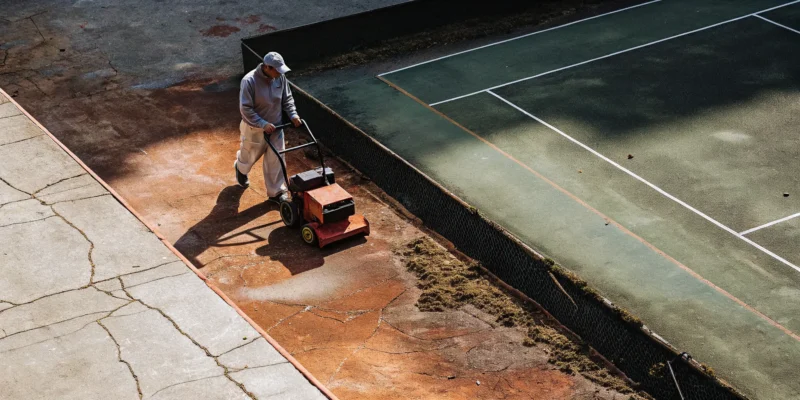
That old tennis court in your backyard holds a lot of potential, even if your family’s passion for tennis has waned. Before you think about a complete demolition, consider the possibilities. What if that cracked, faded surface could become a vibrant, multi-purpose hub for family activity? Restoration today means more than just a new coat of paint. You can convert the space into a modern court for pickleball, basketball, or even a custom putting green. An old tennis court restoration on Long Island ny is the perfect opportunity to transform an underused area into a versatile Sports Games Courts that brings everyone together for new kinds of fun, right in your own backyard.
Key Takeaways
- Inspect your court for key warning signs: Look for issues like cracks, faded lines, and standing water. Addressing these problems with a professional restoration is a smart investment that prevents more expensive structural damage later on.
- Explore your restoration options: A worn court is an opportunity for an upgrade. You can choose a simple resurfacing, install a modern cushioned material, or convert the space into a multi-purpose Sports Games Courts for activities like pickleball and basketball.
- Hire a specialist and maintain your investment: Choose a contractor with specific experience in Sports Games Courts who offers a strong warranty. Once the work is done, a simple routine of cleaning and minor repairs will keep your court playing perfectly for years.
Does Your Tennis Court Need Restoration?
A backyard tennis court is a fantastic feature for any Long Island home, offering a place for fun, fitness, and friendly competition. But like any outdoor structure, it faces the elements year-round. Over time, you might notice it’s not looking or playing its best. These changes are more than just cosmetic issues; they are signs that your court needs attention to ensure it remains safe, playable, and a valuable part of your property.
Recognizing the early signs of wear and tear can save you from more extensive and costly repairs down the line. From small cracks to persistent puddles, these symptoms indicate the court’s surface is breaking down. A professional restoration can address these problems, extending the life of your court and bringing back that fresh, professional feel. If you’re starting to see visible damage or a decline in playability, it’s likely time to consider your restoration options. Ignoring these issues can lead to bigger structural problems, turning a straightforward repair into a major project. Let’s look at the specific signs that tell you your tennis court is ready for a refresh.
Cracks and Uneven Surfaces
If you’re seeing cracks spiderwebbing across your court, you’re not alone. Cracking is one of the most common problems for tennis courts, especially with Long Island’s freeze-thaw cycles. While a few hairline cracks might not seem like a big deal, they are entry points for water. Once water gets beneath the surface, it can freeze and expand, making the cracks wider and causing the foundation to deteriorate. This creates an uneven playing surface and tripping hazards. You might also notice low spots, often called “birdbaths,” where water pools. These uneven areas affect ball bounce and can make the court unsafe. Promptly addressing these issues is key to a lasting restoration and seal.
Faded Lines and Peeling Paint
The vibrant colors and crisp white lines of a new tennis court don’t just look great; they are crucial for gameplay. When you notice the lines are faded and the paint is starting to peel or chip away, it’s a clear sign that the court’s protective acrylic coating is wearing thin. This coating acts as a shield for the asphalt or concrete base underneath. Once it’s compromised, the surface becomes more vulnerable to damage from UV rays and moisture. Peeling paint can also create a slick, uneven texture, affecting player footing and the ball’s grip on the court. Resurfacing not only restores the court’s appearance but also applies a fresh, durable layer of protection, making it safer and better to play on.
Poor Drainage and Puddles
Does your tennis court have puddles that stick around long after the rain has stopped? This is a major red flag. Standing water is a court’s worst enemy. Properly constructed courts are built with a slight, imperceptible slope to allow water to drain off efficiently. If water is pooling, it means you have low spots or the drainage system isn’t working correctly. This constant moisture accelerates the breakdown of the acrylic surface, encourages the growth of slippery mold and algae, and can seep into cracks, causing deeper structural damage. Addressing these drainage and masonry issues is fundamental to a successful restoration and the long-term health of your court.
What Are Your Tennis Court Restoration Options?
When your tennis court starts showing its age, you have several great options to bring it back to life. The right path depends on the court’s current condition, your budget, and how you want to use the space in the future. You might just need a simple refresh to make it look new again, or you could decide it’s time for a complete transformation. From repairing cracks and adding a new surface to converting the area into a modern multi-sport space, there’s a solution that fits your family’s needs. Let’s walk through the most common restoration approaches so you can find the perfect one for your home.
Resurface and Repair Cracks
If your court has a good foundation but is plagued by cracks and a worn-out surface, a full resurfacing is an excellent choice. This process involves professionally filling all the cracks and then applying a brand new acrylic surface layer. It’s a comprehensive fix that addresses both cosmetic and playability issues, making your court feel smooth and new again. For homeowners on Long Island, this type of restoration is a popular way to extend the life of their court without the cost of a complete rebuild. Gappsi’s restoration and sealing services can bring that fresh, professional look back to your court.
Power Wash, Paint, and Reline
Sometimes, a court is structurally sound but just looks tired and faded. In this case, a thorough cleaning and a fresh coat of paint can make a world of difference. The process starts with power washing to remove years of dirt, moss, and grime. Once the surface is clean and dry, we apply high-quality court paint in your chosen colors. The final step is to add crisp, accurate new lines for tennis, pickleball, or any other sport you have in mind. This option is a cost-effective way to dramatically improve your court’s appearance and create a vibrant, inviting playing environment.
Upgrade Your Surface Material
Restoration is also the perfect opportunity to upgrade your court’s material. While traditional acrylic hard courts are common, modern materials can offer a better playing experience. You could consider a cushioned surface for more comfortable play and reduced impact on your joints. Another popular choice is a high-quality synthetic turf, which provides a unique look and feel while requiring different maintenance. Upgrading the material can improve drainage, change the ball speed, and give your court a premium finish that stands out.
Convert to a Multi-Purpose Game Court
Has your family’s love for tennis faded? Your old court is a prime piece of real estate for a new activity. Converting it into a multi-purpose space is a fantastic way to get more use out of your backyard. We can transform the area into a court for basketball, pickleball, or volleyball. You could even install a putting green for the golf enthusiast in your family. Gappsi specializes in designing and building custom turf and sports games courts that can accommodate multiple activities, ensuring there’s always something fun to do right at home.
How Much Does Tennis Court Restoration Cost?
Understanding the cost of restoring your tennis court is the first step toward bringing it back to its former glory. While every project is unique, here’s a breakdown of what you can generally expect to invest in your Long Island court. The final price tag depends on the court’s condition and the specific services needed to make it playable and beautiful again.
Average Cost for a Full Restoration
If you’re budgeting for a complete overhaul, a full tennis court restoration on Long Island typically falls between $8,000 and $12,000. Think of this as a solid starting point. This price covers the essential steps to make your court look and play like new again. Of course, the final number depends on the specific repairs your court needs. A court with minor wear will cost less than one with significant surface damage. Getting a professional evaluation is the only way to know for sure, but this range gives you a realistic figure to begin your planning.
Factors That Influence the Price
Several key factors can shift the final cost of your project. The biggest variable is the current condition of your court’s surface. Are we talking about a few hairline cracks or major structural issues? The extent of peeling paint, mold growth, and any underlying drainage problems will also play a significant role. For example, fixing deep cracks or correcting a slope to prevent puddles requires more intensive labor and materials. Because of these variables, some extensive resurfacing projects can range from $12,000 to $20,000. The type of surface, whether it’s asphalt or concrete, also impacts the restoration method and cost.
How to Get an Accurate Quote
While online estimates are helpful for initial budgeting, a personalized quote is essential for an accurate price. A professional contractor will visit your property to perform a thorough assessment. They’ll inspect the surface for damage, check for low spots where water collects, and identify any other issues that need attention. This detailed evaluation allows them to create a precise plan and quote tailored to your court’s specific needs. At Gappsi, we provide comprehensive consultations for all our Sports Games Courts projects, ensuring you understand every aspect of the restoration and its cost before we begin.
Why Restore Instead of Rebuild?
When your tennis court starts showing its age, your first thought might be to tear it all out and start over. But in many cases, a full rebuild isn’t necessary and can be overkill. Restoration offers a smarter path forward, allowing you to bring your court back to life without the massive undertaking of a complete demolition. Choosing to restore is not just a repair; it’s a strategic decision that saves you time and money, benefits the environment, and protects the core structure of your court for years to come. By working with the existing foundation, you can achieve a like-new playing surface with far less disruption.
Save Time and Money
One of the most compelling reasons to restore your tennis court is the significant cost savings. A complete rebuild involves demolition, debris removal, and constructing a new base and surface, which can be a major investment. In contrast, restoring a court is much more budget-friendly. Resurfacing and repairing a tennis court in Long Island typically costs between $8,000 and $12,000, a fraction of what you would spend on a total replacement. This approach also saves a considerable amount of time. A restoration project can often be completed in days, not weeks, meaning less downtime and more time enjoying your newly refreshed court.
The Environmental Benefits
Opting for restoration is also a more sustainable choice. Demolishing an old court generates a large amount of waste that ends up in landfills. A rebuild also requires all new materials, from the aggregate base to the asphalt and acrylic surfacing, all of which have their own environmental footprint. By restoring your court, you are essentially recycling the existing structure. This process helps reduce construction waste and the demand for new raw materials. It’s a responsible way to upgrade your property while minimizing your impact on the environment.
Preserve Your Court’s Foundation
The foundation is the most critical and expensive part of your tennis court. As long as it’s structurally sound, it makes sense to protect it. Surface-level issues like cracks, peeling paint, and low spots are signs that your court needs attention, but they don’t always mean the base is failing. Regular maintenance and timely resurfacing can extend the life of your court’s foundation, preventing water from seeping in and causing more extensive damage. Our restoration and sealing services address these surface problems, protecting your investment and ensuring your court remains stable and playable for many more seasons.
How to Choose the Right Contractor
Finding the right partner for your restoration project is just as crucial as choosing the right surface material. The quality of the workmanship will determine how long your court lasts and how well it plays. To make sure you hire a team you can trust, focus on these key areas.
Look for Key Qualifications
Restoring a tennis court isn’t a job for a general paving company. Tennis courts require specific construction techniques to ensure proper slope for drainage, a perfectly even surface for playability, and durable materials that can withstand the game. You need a contractor who specializes in building and restoring sports games courts. These experts understand the precise requirements for everything from the sub-base to the final acrylic coating. They have the right equipment and knowledge to deliver a court that not only looks great but also performs to a high standard for years to come.
Prioritize Restoration Experience
When you’re vetting contractors, look for a team with a long history of successful projects right here on Long Island. An experienced company has seen it all, from major structural repairs to delicate surface refinishing. They understand how our local climate affects different materials and can recommend the best solutions for your specific court. Ask to see a portfolio of their completed work or even visit a past project. A contractor with a deep portfolio, like the projects you can see on our YouTube channel, demonstrates a consistent track record of quality and customer satisfaction. This experience is your best guarantee of a great result.
Understand Warranty Coverage
A reputable contractor will always stand behind their work with a solid warranty. This isn’t just a piece of paper; it’s a promise that protects your investment. A good warranty shows the company is confident in its materials and craftsmanship. Be sure to ask about the length of the warranty and exactly what it covers. While some offer a couple of years, a comprehensive warranty of three to five years provides even greater peace of mind. Before signing any contract, make sure you have the warranty details in writing. This ensures there are no surprises and that your beautifully restored court is protected.
What to Expect From the Restoration Process
Bringing an old tennis court back to life is a detailed process that goes far beyond a simple coat of paint. To get a durable, beautiful, and safe playing surface, a professional restoration follows a few key phases. It starts with a detailed evaluation of your court’s current condition, moves into meticulous surface preparation and repairs, and finishes with the application of a new surface and fresh lines. Understanding these steps will help you know what to expect when you partner with a contractor and ensure you get the results you’re looking for. Each stage is crucial for transforming your worn-out court into a pristine place to play.
Initial Assessment and Planning
The first step in any restoration project is a thorough assessment. A professional contractor will visit your property to inspect the court and understand the full scope of the work needed. During this evaluation, they’ll look at several key factors: the existing surface material (like asphalt or concrete), the condition of the old paint, and any underlying structural issues. They will identify problems such as cracks, low spots that cause puddles, drainage issues, or mold growth. This detailed inspection is essential for creating an effective restoration plan and providing you with an accurate quote for the project.
Surface Preparation and Repairs
Once a plan is in place, the physical work begins with surface preparation. This is arguably the most critical phase for ensuring the longevity of your restored court. The process typically starts with a high-powered pressure wash to remove dirt, debris, and any loose or peeling paint. After the court is clean, the focus shifts to repairs. Cracking is a very common issue, and experienced installers will use specialized techniques to fill and seal them properly. Any low spots or uneven areas are leveled out to ensure proper drainage and a smooth, safe playing surface. This careful prep work creates the perfect foundation for the new coating to adhere to.
New Surface and Line Application
With a clean and repaired base, it’s time for the transformation. A new acrylic coating is applied to the entire court. This specialized surface does more than just add color; it provides the texture needed for proper grip, protects the court from sun damage, and ensures consistent ball bounce. You can often choose from a variety of colors to customize the look. Once the new surface has cured, the final step is painting the lines. Precision is key here to ensure the court meets regulation standards. This is also the perfect time to add lines for other activities, like pickleball, creating a versatile multi-purpose Sports Games Courts for the whole family to enjoy.
How to Maintain Your Restored Court
After investing in restoring your tennis court, the last thing you want is to see it fall back into disrepair. Consistent maintenance is the key to protecting your beautiful new surface and ensuring it provides years of enjoyment. A little proactive care goes a long way in preventing costly future repairs and keeping your court in top playing condition. Think of it as a simple routine, just like maintaining your garden or pool. By staying on top of a few key tasks, you can preserve the integrity and appearance of your court, making sure it’s always ready for a match.
Regular Cleaning and Debris Removal
One of the easiest yet most effective ways to prolong the life of your court is through regular cleaning. Leaves, twigs, dirt, and other debris can hold moisture against the surface, which can lead to staining, mildew growth, and premature wear. I recommend using a leaf blower or a soft-bristled broom to sweep the court weekly. This simple step keeps the surface clean and safe for play. For a deeper clean, you can gently rinse the court with a hose. It’s also a good idea to consider seasonal care, like closing the court in the late fall to protect it from harsh winter weather.
Promptly Repair Cracks and Damage
Even with a newly restored surface, small cracks can sometimes appear due to ground movement or weather changes. It’s crucial to address these issues right away. A tiny crack might not seem like a big deal, but it’s an open invitation for water to seep underneath the surface. On Long Island, our freeze-thaw cycles can turn that water into a major problem, widening the crack and damaging the foundation. You can use a high-quality crack filler for minor repairs. By fixing small cracks early, you prevent them from becoming large, expensive problems that require professional intervention.
Schedule Professional Inspections
While your own maintenance efforts are vital, having a professional inspect your court every few years is a smart move. An expert can identify subtle issues you might miss, like early signs of surface wear or drainage problems. It’s important to work with a contractor who specializes in Sports Games Courts, not just a general paving company, as they have the specific knowledge for an athletic surface. A professional inspection provides peace of mind and can catch potential problems before they escalate, saving you time and money down the road. Think of it as a regular check-up for your court.
Related Articles
- Tennis Courts Designers in Nassau and Suffolk County, Long Island
- Pro Tennis Court Repair Long Island: Built to Last
- Custom Tennis Court Installers NY: Build Your Dream Court
- Custom Tennis Courts NY: Your Project Guide
- Laykold Tennis Court at Breeze Oceanfront Rental Living in Long Beach, NY – Gappsi Group
Frequently Asked Questions
How long does the tennis court restoration process usually take? The timeline for a restoration project is much shorter than a full rebuild. While the exact duration depends on the extent of repairs needed and, of course, the weather, most resurfacing projects can be completed within a week. This means you get back to playing on your beautiful, refreshed court with minimal downtime.
Can I just paint over the cracks on my court? While it might seem like a quick fix, simply painting over cracks doesn’t solve the underlying problem. Cracks are entry points for water, which can cause much bigger issues for your court’s foundation, especially with Long Island’s freeze-thaw cycles. A professional restoration involves properly cleaning, filling, and sealing these cracks to create a stable, uniform base before any new surface is applied.
Will restoration fix the puddles that form on my court after it rains? Absolutely. Addressing poor drainage is a fundamental part of a quality restoration. Those persistent puddles, or “birdbaths,” are caused by low spots in the court’s surface. During the preparation phase, a professional team will level these areas to restore the court’s original slope, ensuring water drains off efficiently and the surface remains safe and playable.
Can you add lines for other games, like pickleball, during the restoration? Yes, and it’s the perfect time to do it. Converting your court into a multi-use space is a popular and smart upgrade. Once the new surface is applied and cured, we can paint precise lines for pickleball, basketball, or any other activity you have in mind. This is a simple way to add a lot more fun and versatility to your backyard.
How long will a newly restored court surface last? A professionally restored acrylic surface should last for many years, typically between four to eight years. The lifespan depends on factors like how often the court is used, our local weather, and how well it’s maintained. Following a simple routine of regular cleaning and promptly addressing any minor issues will ensure you get the most out of your investment.