


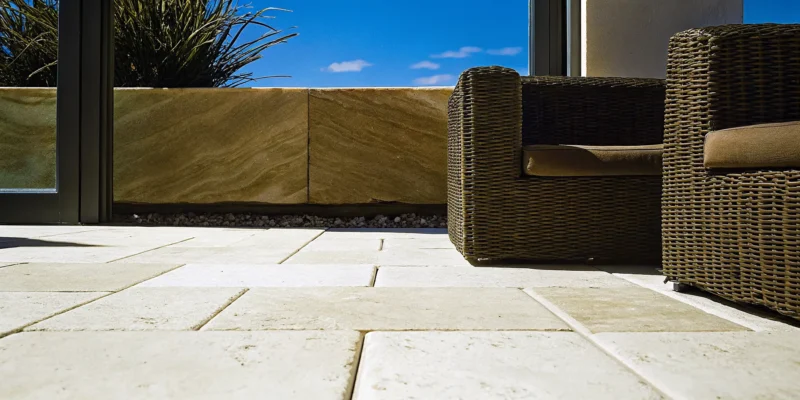
Creating the perfect outdoor oasis is all about choosing materials that are both beautiful and functional. When it comes to patios, walkways, and pool surrounds, the surface underfoot matters immensely. You want something that feels comfortable, looks stunning, and provides a safe, non-slip surface. This is where travertine truly shines. Its natural ability to stay cool under the hot summer sun makes it a top contender for any backyard project. In this article, we’ll explore why a travertine brick floor is such a popular choice for outdoor spaces and cover everything you need to know about its durability, care, and timeless appeal.
Key Takeaways
- Protect its natural beauty: Travertine is a porous stone, so sealing it upon installation and then every few years is essential. This simple step prevents stains and preserves its unique, earthy look for the long term.
- Match the finish to the function: The safety and durability of your floor depend on its finish. Choose a textured finish like tumbled or honed for better grip in outdoor or wet areas, and save polished finishes for low-traffic, dry indoor spaces.
- Adopt a simple care routine: Keep your travertine looking its best by cleaning with a pH-neutral stone cleaner and avoiding harsh, acidic products. Blot spills quickly and sweep regularly to prevent scratches and stains.
What Is Travertine Brick Flooring?
If you’re looking for flooring that feels both timeless and connected to nature, travertine brick might be exactly what you need. Travertine is a beautiful natural stone that brings a warm, classic look to any space, from rustic kitchens to elegant patios. It’s known for its unique, earthy appearance, with subtle variations in color and texture that make every installation one-of-a-kind. Unlike mass-produced tiles, each piece of travertine tells a story of its geological past.
This material is essentially a form of limestone deposited by mineral springs. Its signature characteristic is the collection of small pits and channels on its surface, which are created by the escape of water and gas during its formation. These features give travertine its distinct, organic texture. When you choose travertine, you’re not just picking a floor covering; you’re bringing a piece of natural history into your home. It’s a popular choice for homeowners who appreciate materials with character and a story to tell. Gappsi offers a wide selection of porcelain and natural stone pavers to help you find the perfect fit for your project.
How This Natural Stone Is Formed
Travertine’s journey begins in hot mineral springs. As water rich in calcium carbonate bubbles up from the ground, it deposits layers of calcite. Over thousands of years, this process builds up the stone we know as travertine. Think of it as an early stage of limestone. The stone often forms with tiny shells, minerals, and other bits of nature trapped inside, which contributes to its unique patterns and colors. The signature holes and troughs in the stone are created by carbon dioxide bubbles escaping as the stone forms. This natural process is what gives travertine its rustic charm and ensures no two tiles are ever exactly alike.
Travertine vs. Other Flooring Materials
When you’re weighing your flooring options, it’s helpful to know where travertine stands. It’s a very hard and durable stone that holds up well to daily foot traffic, making it a great choice for many areas of your home. While it’s not the absolute strongest stone in its category (granite, for example, is harder), it is more than tough enough for residential flooring. Compared to materials like marble, travertine has a more weathered, rustic feel. It’s softer underfoot than porcelain tile and offers a natural, non-uniform look that factory-made materials can’t replicate. Our masonry experts can walk you through how it compares to other stones for your specific project.
Clearing Up Common Travertine Myths
Let’s clear the air on a few things you might have heard about travertine. First, some people worry that the natural holes make the stone weak. This is simply not true. Travertine is quite tough, and those voids are a natural part of its character. Once the stone is properly filled and sealed, its structural integrity is not compromised at all. Another common mistake is treating travertine like it’s porcelain. Remember, travertine is a natural stone and needs to be cared for as such. Using the wrong cleaners can damage the surface. With the right care and professional sealing services, your travertine floors will stay beautiful for years.
What Are the Pros and Cons of Travertine Brick Floors?
Choosing the right flooring is a big decision, and travertine brick is a beautiful option with a lot to offer. Like any natural stone, it comes with its own set of advantages and considerations. Understanding these points will help you decide if its timeless charm is the perfect fit for your Long Island home. Let’s walk through the key pros and cons to give you a clear picture of what to expect.
Its Durability and Longevity
One of the biggest draws of travertine is its resilience. This is a tough, hard-wearing stone that stands up well to daily life, making it a great choice for high-traffic areas like hallways and kitchens. While it’s a very durable material, it’s important to know that it’s a form of limestone, so it is softer than stones like granite. However, for most residential uses, its strength is more than sufficient. With professional installation and the right care, a travertine brick floor can last for decades, adding lasting value and character to your home. Proper sealing and restoration are key to ensuring it looks great for years to come.
Its Natural Beauty and Aesthetic Appeal
Travertine has a classic, earthy beauty that is hard to replicate. Formed by mineral deposits from natural springs, each tile has unique patterns, colors, and textures. This means your floor will be a one-of-a-kind work of art. The warm, neutral tones range from creamy ivories and beiges to soft golds and browns, complementing almost any design style, from rustic to contemporary. If you love materials with character, travertine is an excellent choice. You can explore a wide variety of natural stone options to find the perfect shade and pattern that speaks to you and your home’s aesthetic.
Its Comfort and Thermal Properties
A unique benefit of travertine is its ability to stay naturally cool to the touch. During hot Long Island summers, a travertine patio or pool deck feels wonderfully comfortable under bare feet. This makes it an ideal material for creating inviting outdoor living spaces where you and your family can relax. Indoors, this same quality keeps rooms feeling fresh. In the winter, the stone can feel cool, but it pairs very well with radiant floor heating systems for year-round comfort. For rooms without heated floors, a few well-placed area rugs can easily add warmth and coziness to the space.
Addressing Slipperiness and Safety
Safety is always a top priority, and it’s a valid question when it comes to stone floors. The slipperiness of travertine depends entirely on its finish. A highly polished finish can become quite slick when wet, making it less suitable for bathrooms, kitchens, or outdoor areas. However, other finishes provide excellent traction. A tumbled or honed finish offers a more matte, textured surface that is much more slip-resistant. When selecting your travertine, it’s crucial to choose a finish appropriate for the space to ensure both beauty and safety for your family.
Understanding Maintenance Requirements
Travertine is a porous stone, which means it can absorb spills if not properly sealed. To keep it looking its best, your floor will need to be sealed upon installation and then periodically resealed every few years. This protective barrier prevents liquids from seeping in and causing stains. For daily care, simply sweep or vacuum up debris and clean with a pH-neutral stone cleaner. It’s best to wipe up acidic spills like wine or citrus juice quickly. With a simple and consistent maintenance routine, your travertine brick floors will remain a stunning feature in your home for a very long time.
Its Versatility for Indoor and Outdoor Spaces
Travertine is incredibly versatile, making it a favorite among designers and homeowners. It’s not just for floors; you can use it for walls, backsplashes, shower surrounds, and fireplace hearths. This adaptability allows you to create a cohesive look that flows seamlessly from your indoor living areas to your outdoor patios. Imagine a beautiful travertine floor that extends from your kitchen right out to your poolside lounge area. Because it’s available in various finishes, from rustic tumbled to smooth honed, it can be tailored to fit any project. This makes it a fantastic choice for any home remodeling project where you want to connect your spaces beautifully.
What to Consider Before Choosing Travertine Brick
Choosing a new floor is a big decision, and when you’re working with a natural stone like travertine, there are a few extra things to keep in mind. Unlike manufactured materials, every piece of travertine is unique, which is part of its charm. To make sure you love your new floors for years to come, it’s helpful to think through a few key factors before you start the installation process.
Taking the time to consider the quality, color, cost, and practical needs of travertine will help you feel confident in your choice. From the specific finish that fits your home’s style to the structural requirements of this beautiful, heavy stone, a little planning goes a long way. We’ll walk through the most important points to help you select the perfect travertine brick for your space.
Selecting the Right Quality and Finish
Because travertine is a natural stone and not a factory-made material, each piece is one-of-a-kind. This means it’s important to select high-quality stones that will stand the test of time. Higher-grade travertine has fewer pits and a more consistent density, making it more durable. You’ll also want to consider the finish. A tumbled finish offers a rustic, aged look with soft edges, while a honed finish is smooth and matte. Polished travertine is glossy and elegant, but it can be slippery when wet, so it’s often better for low-traffic, dry areas. A brushed finish provides a textured, antique feel. We always recommend seeing and touching samples in person at the Gappsi Store to find what you love.
Choosing Your Color and Pattern
Travertine comes in a beautiful range of earthy colors, from warm creams and golden browns to silvery greys. This variety allows you to choose a style that complements your existing decor and personal taste. You can select a single, consistent color for a uniform look or mix different shades for a more dynamic, mosaic-like effect. Beyond color, the installation pattern makes a huge impact. A classic running bond pattern is timeless, while a herringbone or basketweave design can add a touch of custom elegance. Our masonry design experts can help you visualize how different colors and patterns will look in your home.
Planning Your Budget and Costs
It’s important to plan your budget before falling in love with a specific type of travertine. Material prices can range from about $41 to $71 per square foot, but the total project cost includes more than just the stone itself. You’ll also need to account for professional installation, subfloor preparation, grout, and sealant. While the initial investment might be higher than for other flooring types, travertine’s incredible durability makes it a great long-term value. To get a clear picture of the overall cost, it’s best to get a detailed quote that covers every aspect of your home remodeling project.
Factoring in Your Climate
Here on Long Island, we know all about freeze-thaw cycles. If you’re planning to install travertine outdoors for a patio or walkway, climate is a critical factor. When water gets into the natural pores of the stone, freezes, and expands, it can cause cracks. That’s why proper sealing is absolutely essential. A high-quality sealer will prevent water from getting in and causing damage. Making sure your travertine is well-sealed is crucial for maintaining its integrity through our tough winters. Professional restoration and sealing services can ensure your stone is protected from the elements.
Understanding Weight and Structural Needs
Travertine is a heavy material, which is a testament to its durability. However, its weight means you need to ensure your home’s structure can support it. This is especially important for second-floor installations or in older homes. A professional installer will assess your subfloor to confirm it’s strong and level enough to handle the load. An unstable or uneven subfloor can lead to cracked tiles down the road, so this step is not one to skip. Our masonry construction team always prepares a solid foundation to ensure your travertine floor is built to last.
How to Install and Maintain Travertine Brick Floors
Once you’ve chosen your beautiful travertine brick, the next step is ensuring it’s installed correctly and cared for properly. Proper installation and a simple maintenance routine are the keys to keeping your floors looking incredible for decades. While travertine is a durable, long-lasting material, it does require specific handling to protect its natural beauty. The process starts with a solid foundation and expert installation, followed by a straightforward cleaning and sealing schedule.
Think of it like this: you’re investing in a timeless feature for your home, and a little bit of care goes a long way in protecting that investment. From preparing the ground correctly to knowing which cleaners to use, every step matters. Don’t worry, it’s not as complicated as it sounds. We’ll walk through the essential steps for installation and give you actionable tips for daily care, so you can feel confident about living with and loving your new travertine floors.
The Importance of Professional Installation
While the DIY spirit is admirable, travertine brick installation is a job best left to the professionals. This natural stone has unique characteristics, and its weight and composition require expert handling. A professional masonry team ensures the subfloor is perfectly level, the layout is aesthetically pleasing, and each brick is set correctly to prevent future issues like cracking or shifting. They understand how to work with the natural variations in the stone to create a seamless, beautiful finish. Proper installation is crucial for the floor’s durability and longevity, guaranteeing your investment looks stunning and performs well for years to come. It’s the foundational step that sets your project up for success.
Preparing a Stable Foundation
A beautiful travertine floor is only as good as the foundation it sits on. Before a single brick is laid, the subfloor must be perfectly prepared. This means it needs to be completely clean, dry, and level. Any remnants of old flooring, adhesives, dust, or debris must be thoroughly removed. An unstable or uneven foundation can cause the travertine to shift, crack, or become uneven over time, leading to costly repairs. This preparation phase is one of the most critical parts of the installation process. It ensures the mortar adheres correctly and provides a stable base that will support the heavy stone for its entire lifespan, giving you a flawless and durable surface.
Simple Daily Care and Cleaning
Keeping your travertine floors looking pristine is surprisingly simple. The key is consistency and using the right products. You should sweep or dust mop the floors regularly to remove dirt and grit that can cause microscopic scratches. For cleaning, avoid acidic or abrasive cleaners like vinegar, ammonia, or citrus-based soaps, as they can etch the stone’s surface. Instead, use a pH-neutral cleaner specifically designed for natural stone and a soft mop. This gentle approach will clean your floors effectively without damaging the material. For deeper cleaning or to address any stubborn spots, our restoration services can bring back that brand-new look.
Sealing and Protecting Your Travertine
Because travertine is a porous natural stone, sealing it is an essential step in its maintenance. A high-quality sealer acts as a protective barrier, preventing liquids from seeping into the stone and causing stains. This is especially important for outdoor installations, like patios or pool surrounds, where the stone is exposed to the elements. Sealing also makes daily cleaning easier and helps preserve the stone’s natural color and finish. We recommend resealing your travertine every one to two years, though high-traffic areas may need it more frequently. This simple protective measure is one of the best ways to ensure your travertine brick remains beautiful and resilient for a lifetime.
Preventing Spills and Stains
Accidents happen, but with travertine, a quick response can prevent a small spill from becoming a permanent stain. If you spill something, especially an acidic liquid like wine, coffee, or juice, blot it up immediately with a soft cloth. Do not wipe, as that can spread the spill. For extra protection in high-risk areas like kitchens or dining rooms, use coasters under drinks and place mats under dishes. Using area rugs or runners in high-traffic zones can also help protect the floor from dirt and wear. These small, preventative habits will go a long way in keeping your travertine looking flawless and free of unwanted marks.
Where to Find the Best Travertine Brick
Once you’ve decided that travertine brick is the right fit for your home, the next step is finding a quality product. Not all travertine is created equal, and the source you choose can make a huge difference in the final look and longevity of your project. Sourcing high-quality stone involves more than just picking a color; it’s about understanding the material, identifying reputable manufacturers, and knowing what to look for in a product line.
A trusted supplier will guide you through their selection, explaining the unique characteristics of each option. They should be able to tell you where the stone comes from and how it was processed. By focusing on premium selections from reliable brands, you can feel confident that your new floor or patio will not only look beautiful but will also stand the test of time. Let’s walk through how to find the best travertine for your home improvement project.
Explore Gappsi’s Premium Travertine Selection
When you’re looking for top-tier materials, it helps to start with a curated collection. At Gappsi, we source a variety of premium porcelain and natural stone pavers chosen for their beauty and durability. Our selection includes options like Pemberley Pavers, which are outdoor tiles made from gorgeous natural stone. These pavers have a classic, timeless look that actually improves with age, developing a rich patina over time. They are an excellent choice for homeowners who want to add a touch of old-world elegance to their patios, walkways, and pool surrounds. Visiting a showroom or viewing a portfolio gives you a real-world sense of how these materials can transform an outdoor space.
Identifying Quality Manufacturers
Travertine is a natural stone, a form of limestone that has been used in construction for centuries. Its presence in ancient structures speaks volumes about its durability. However, the quality of the final product depends heavily on the manufacturer. A quality manufacturer understands the stone’s unique properties and uses precise techniques to cut and finish it without compromising its integrity. They invest in technology that ensures consistency in thickness and size, which is crucial for a smooth installation. When you work with an experienced team, you gain access to materials from manufacturers who have a proven track record of excellence in their masonry work.
What to Look for in a Reputable Brand
A reputable brand is transparent about its products. Look for detailed descriptions that specify the type of travertine and the finish, such as “tumbled,” “honed,” or “polished.” For example, a product described as “Noce Travertine Baby Brick Tumbled Mosaic Tile” tells you it’s made from real travertine and has a textured, aged finish created by tumbling the stones. This level of detail shows a commitment to authentic materials and craftsmanship. Reputable suppliers like the Gappsi Store take the guesswork out of the equation by vetting their sources, ensuring every product they offer meets high standards for quality and aesthetic appeal.
Comparing Product Lines and Warranties
Travertine is a fantastic investment that can significantly increase your home’s value. As you compare different product lines, pay attention to the details. Note the variations in color, the consistency of the finish, and the available sizes. A strong product line will offer a range of options to suit different design needs. It’s also smart to ask about warranties. A manufacturer that stands behind its product with a solid warranty offers peace of mind. This shows they are confident in the stone’s durability and the quality of their finishing process, ensuring your beautiful new travertine surface is a lasting addition to your home.
Is Travertine Brick Flooring Right for You?
Deciding on the perfect flooring involves weighing aesthetics, function, and your lifestyle. Travertine is a fantastic option for many homes, but it’s helpful to know where it shines and what to consider before you commit. Let’s walk through the final steps to help you decide with total confidence.
The Best Rooms and Spaces for Travertine
Travertine is a type of limestone that has been used in construction for centuries, and for good reason. Its earthy tones and unique patterns bring a natural, classic feel to any space. This stone is incredibly versatile, working beautifully for floors, walls, backsplashes, and even fireplace hearths. Indoors, it adds a touch of warmth to entryways, kitchens, and bathrooms. Outdoors, it’s a popular choice for patios, walkways, and pool surrounds because it blends so well with natural landscapes. Gappsi offers a wide selection of porcelain and natural stone to fit any design you have in mind.
How Travertine Compares to Other Floors
When you put travertine up against other flooring materials, its unique qualities stand out. While it’s a very hard and durable stone that will easily handle daily foot traffic, it’s softer than materials like granite or quartzite. Where it truly excels is outdoors. Travertine is naturally porous, which gives it a non-slip texture that’s ideal for wet areas. It also has a remarkable ability to stay cool to the touch, even on the hottest summer days. This makes it a top-tier choice for the area around your swimming pool, creating a comfortable and safe surface for bare feet.
Making Your Final Decision with Confidence
Feeling confident in your choice comes down to understanding the details. Most issues homeowners run into with natural stone aren’t due to defects in the material itself, but rather from choosing the wrong finish or improper care. For example, a tumbled finish provides more texture and grip for outdoor spaces, while a honed finish offers a smooth, matte look for indoors. Making the right selection is key for safety, durability, and appearance. Working with experienced masonry professionals ensures your travertine is installed correctly from the start, so you can enjoy its beauty for years to come.
Related Articles
- Use of travertine is for indoor or outdoor? Long island – Gappsi Group
- Light Ivory Travertine Pavers: A Buyer’s Guide
Frequently Asked Questions
Is travertine a good choice for a Long Island patio, considering our winters? Yes, absolutely, as long as it’s installed and sealed correctly. The key is preventing water from seeping into the stone’s natural pores, freezing, and expanding, which can cause damage. A professional installation with a high-quality sealer creates a protective barrier against our freeze-thaw cycles. With proper care, your travertine patio will handle Long Island weather beautifully for years.
Will travertine floors be too cold in my house? Travertine does stay naturally cool, which feels amazing during our humid summers. In the winter, it can feel cool underfoot, but it’s nothing a cozy area rug can’t fix. A great benefit is that travertine pairs exceptionally well with radiant in-floor heating systems. If you’re planning a renovation, it’s a perfect opportunity to install a heated floor for ultimate year-round comfort.
Is travertine difficult to keep clean? Not at all. The routine is actually quite simple. Regular sweeping or dust mopping prevents grit from scratching the surface. For spills, just blot them up quickly. When it’s time to mop, use a gentle, pH-neutral cleaner made for natural stone instead of harsh chemicals. As long as your travertine is properly sealed, daily upkeep is very manageable.
What makes travertine a good option for a pool deck? Travertine is a fantastic choice for pool decks for two main reasons. First, it stays remarkably cool to the touch, even in direct summer sun, so you won’t have to worry about hot feet. Second, its naturally porous texture, especially with a tumbled finish, provides excellent slip resistance when it gets wet. It creates a safe, comfortable, and beautiful area for relaxing by the pool.
What’s the real difference between tumbled and honed travertine finishes? It really comes down to texture and style. A tumbled finish gives the stone a rustic, aged look with softened, rounded edges, which provides great traction and is perfect for outdoor spaces. A honed finish is smooth and flat with a matte, non-reflective surface. It offers a more refined and contemporary look that works beautifully for indoor floors in kitchens or entryways.