


Pickleball has taken over, and maybe your family has caught the bug. Or perhaps a classic basketball court is more your speed. Whatever game you love, bringing it home is more achievable than you might think. A well-built court provides a safe and convenient place for everyone to play. This article will serve as your complete guide, covering everything from the initial design ideas to long-term maintenance. We will cover the essential questions to ask and the key qualities to look for, helping you find the most reliable sports game courts contractors on Long Island, NY, who can build a space your family will cherish for years.
Key Takeaways
- Design for your family’s fun: Your first step is deciding what games you’ll play most, whether it’s basketball, pickleball, or a mix of everything on a multi-game court. This choice, along with selecting a joint-friendly surface like modular tile, directly shapes your family’s future fun and safety.
- Partner with a specialist, not a generalist: Building a sports games court correctly requires specific expertise. Select a contractor who specializes in these projects, can show you a portfolio of their work, and has a deep understanding of Long Island’s permit process and building conditions.
- Think beyond the initial price tag: A quality sports games court is a long-term investment. When budgeting, account for site preparation, the quality of the surface, and future maintenance like cleaning and resurfacing to ensure your court remains a safe and valuable home asset for years.
What Kind of Game Court Can You Build?
Deciding to add a sports games court to your backyard is the first step toward creating a hub of activity and fun for your family. The next step is choosing what kind of court best fits your space, budget, and lifestyle. From classic basketball hoops to versatile multi-sport surfaces, your options are wide open. A well-designed court not only provides endless entertainment but also adds significant value and appeal to your home. Let’s look at some of the most popular choices for Long Island homeowners.
Basketball
A backyard basketball court is a timeless classic. It’s a fantastic way to encourage active play and can be tailored to fit almost any space. Whether you have room for a full-court setup or a more compact half-court, the design can be customized to your exact needs. A professional contractor can help you design a court that complements your landscape, using high-quality materials for the base and surface. With the right planning, you can create a professional-feeling playing area for everything from serious practice to casual games of HORSE with the family.
Tennis
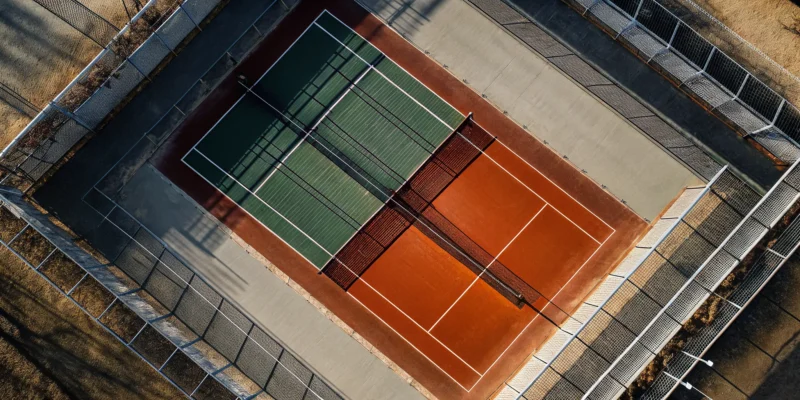
For the dedicated tennis player, nothing beats having a private court just steps from your door. Building a tennis court is a significant project, as a standard court requires a 60 by 120-foot area. However, the investment pays off in convenience and unlimited playing time. The quality of the surface is critical for proper ball bounce and player safety. Whether you are building a new court from the ground up or need to resurface an existing one, working with an experienced team ensures your court is built to last and performs beautifully for years to come.
Pickleball
Pickleball has quickly become one of the most popular sports in the country, and for good reason. It’s easy to learn, fun for all ages, and doesn’t require a lot of space. In fact, you can fit four standard pickleball courts in the same area as a single tennis court. This makes it an ideal choice for smaller backyards or for homeowners looking to convert an underused space. Adding a pickleball court is a great way to join this fast-growing community and bring a fun, social activity to your home.
Multi-Game Courts
Why choose just one sport when you can have them all? A multi-game court is the ultimate solution for active families with varied interests. These versatile sports games courts are designed with overlapping lines and adjustable equipment to accommodate basketball, volleyball, roller hockey, pickleball, and more. This option gives you the most flexibility and ensures there’s always a new game to play. By using a modular tile surface, you can create a durable, safe, and low-maintenance playing area that will be the centerpiece of your backyard for years.
Finding the Right Long Island Game Court Contractor
You’ve decided you want a game court, which is exciting! Now comes the practical part: finding the right team to build it. The contractor you choose will make all the difference in the final quality and longevity of your court. You need a partner who understands the specific demands of building in our Long Island climate, from the summer heat to the winter freeze. A great contractor not only delivers a beautiful court but also makes the entire process, from design to final installation, feel seamless and stress-free.
The Gappsi Advantage
When you start looking for a contractor, you’ll find that Gappsi is a top choice for custom sports games courts on Long Island. We specialize in tailoring designs to fit your space and style, ensuring your court is a perfect addition to your home. We often recommend Modular Interlocking Tiles for the surface because they are softer on your knees, stay cooler in the summer, and drain water quickly after a rainstorm. One of the biggest benefits of working with us is that we handle the entire permit process. We create the necessary drawings and work directly with local town offices, saving you a major headache. Typically, the whole installation takes about two to six weeks.
What to Look for in a Local Contractor
It’s crucial to choose a contractor who specializes in building sports games courts, not just a general concrete or asphalt company. These courts require specific construction methods to ensure they last for years. During an estimate, a qualified pro should carefully assess your property and discuss the best materials for the job. They will understand that the quality of materials, like asphalt, can vary and will know which repair systems and fillers work best for our local conditions. A true specialist will have deep knowledge of everything from the masonry base to the final surface coating, ensuring every layer is built to perform.
Choosing the Best Surface for Your Game Court
The surface you choose for your backyard court is one of the most important decisions you’ll make. It impacts everything from player safety and game performance to long-term maintenance and overall enjoyment. While traditional options like asphalt have been popular for years, modern materials offer significant advantages in comfort and durability. Understanding the differences will help you select a surface that fits your family’s needs and gives you a court you’ll love playing on for years to come. Let’s walk through the most common options so you can feel confident in your choice.
Modular Tiles
Modular interlocking tiles are our top recommendation for backyard sports games courts, and for good reason. These tiles create a suspended surface that offers built-in shock absorption, making it much gentler on your knees and joints during play. In the Long Island summer heat, they also stay up to 50% cooler than asphalt, which means more comfortable and safer playtime. Another huge plus is their excellent drainage. Water flows right through the tiles, so you won’t have to deal with puddles after a rainstorm. This means less downtime and more time for fun. Their versatility makes them perfect for everything from basketball to pickleball, providing a consistent and reliable playing surface.
Asphalt and Concrete
Asphalt and concrete are the traditional choices for sports games courts. A concrete base, often finished with an acrylic paint coating, provides a very hard, uniform surface with a fast ball bounce. While this durability is a plus, it comes with a downside: the unforgiving nature of the surface. The lack of cushioning can be tough on players’ bodies, especially during long or frequent games. These surfaces also retain heat, becoming very hot under the summer sun. Over time, they can be prone to cracking, which requires maintenance to fix. While they are a classic option, it’s important to weigh their rigidity against the comfort offered by newer materials.
Acrylic and Synthetic Surfaces
Acrylic and other synthetic surfaces are liquid coatings applied over a hard base like concrete or asphalt. You often see these on professional tennis courts, and they are known for providing excellent, consistent ball response and a clean, professional look. You can also get them in a wide variety of custom colors to match your home’s aesthetic. While these surfaces improve the playability of a standard concrete court, they don’t offer the same level of shock absorption or temperature control as modular tiles. They provide a great middle ground if you prioritize a pro-level ball bounce but still want something more specialized than simple painted concrete.
Essential Features: Drainage, Cushioning, and Temperature Control
When comparing surfaces, keep these three key features in mind: drainage, cushioning, and temperature. A surface with poor drainage will leave you waiting for puddles to dry after every rain shower. Proper cushioning is essential for reducing the risk of injury and minimizing stress on your joints, making play more enjoyable for everyone. Finally, consider how hot the surface will get. A court that stays cool to the touch is safer and more inviting during those hot Long Island summers. Gappsi’s recommended modular tile systems excel in all three areas, providing a safe, comfortable, and low-maintenance solution that lets you maximize your time on the court.
How Much Does a Game Court Cost on Long Island?
Figuring out the budget for your dream backyard court is a big step. The final cost can vary quite a bit, because every project is unique. Think of it less like buying a product off the shelf and more like a custom home addition. The price depends on the type of court you choose, the materials you select, and the specific requirements of your property. To give you a clear picture, let’s break down the main factors that will shape your project’s budget.
Installation Costs by Court Type
The type of court you envision is the biggest factor in determining the initial cost. For example, simply resurfacing an existing tennis court might range from $8,000 to $12,000, depending on its condition. However, building a brand new, multi-sport court from scratch involves excavation, base preparation, and surfacing, which is a more significant investment. A dedicated pickleball court will have a different price point than a full-size basketball court. At Gappsi, we design custom Sports Games Courts tailored to your space and the sports your family loves, providing a detailed quote based on your specific design.
Budgeting for Resurfacing and Maintenance
Your game court is an investment in your home and lifestyle, and planning for its future care is smart. Long Island’s weather, with its freezing winters and hot summers, can be tough on outdoor surfaces. Asphalt courts, for instance, may need a new top layer every five to eight years to keep them in prime playing condition. Factoring in periodic maintenance and potential restoration and sealing from the start helps you protect your investment. This ensures your court remains safe, playable, and beautiful for many years of enjoyment.
What Influences the Final Price?
Beyond the court itself, several other elements affect the total cost. Site preparation is key; if your yard has a significant slope, more grading and excavation will be needed. Another major factor is hiring a specialized contractor. A general paver might not understand the specific base construction and drainage needed for a high-performance court. A professional team also handles the entire permit process, creating the necessary drawings and working with your local town office. This expertise ensures your court is built correctly and saves you from major headaches down the road.
How to Select Your Game Court Contractor
Finding the right partner to build your dream game court is just as important as choosing the right surface. You’re not just hiring a crew; you’re entrusting someone with a significant investment in your home and family’s enjoyment. A great contractor brings your vision to life, handles the technical details, and delivers a high-quality court that lasts for years. So, how do you spot the right one? Focus on these four key areas to make a confident choice.
Specialized Experience and Permit Knowledge
This is not a job for a general contractor or a concrete crew. Building Sports Games Courts requires a specific skill set. The slope, base preparation, and surface application all follow precise methods to ensure proper drainage, player safety, and game-quality performance. A specialist understands these details inside and out. They will also be familiar with Long Island’s local zoning laws and permit requirements, which saves you from potential headaches and delays. A contractor with deep experience in synthetic turf and Sports Games Courts knows exactly what it takes to get the job done right the first time, from the ground up.
Licensing, Insurance, and Credentials
Before you sign any contracts, do a quick credentials check. Your contractor should be able to provide proof of being fully licensed and insured. This is a non-negotiable. General liability insurance protects your property in the unlikely event of damage, while workers’ compensation insurance covers the crew if someone gets injured on your property. Asking for these documents isn’t rude; it’s smart business and a sign of a responsible homeowner. A professional contractor will have this information ready and will be happy to share it. It’s a simple step that provides immense peace of mind and separates the true professionals from the rest.
Customization Options: Colors, Logos, and Lighting
This is where the fun begins. Your game court doesn’t have to be standard issue. A great contractor will work with you to make it uniquely yours. Want to add your favorite team’s logo, your kids’ school colors, or custom game lines for multiple sports? A design-focused builder can make it happen. Think about the entire environment, including lighting for evening games, seating areas, or even adjacent pavilions and pergolas for spectators. Discuss these possibilities during your consultation to see what creative solutions a contractor can offer to personalize your space and make it a true backyard destination.
Reviewing Portfolios, Testimonials, and Consultations
Seeing is believing. Before you commit, ask to see a portfolio of a contractor’s completed projects. Photos are good, but videos and even visiting a local installation can give you a much better sense of their work quality. Check for online reviews and ask for client testimonials. A reputable company will have a history of satisfied customers. Finally, treat the initial consultation as a two-way interview. Do they listen to your ideas? Do they offer helpful suggestions? The Gappsi YouTube channel is a great example of a portfolio you can review from home. This first meeting is your best chance to gauge their expertise and communication style.
How to Keep Your Game Court in Top Shape
A backyard game court is an investment in fun and family time, so you’ll want to keep it in prime condition for years of enjoyment. Proper maintenance ensures your court remains safe, playable, and looking its best. A little proactive care goes a long way in preventing bigger, more expensive problems down the road. From simple weekly cleanups to knowing when to call in the experts, maintaining your court is straightforward. Here’s how you can protect your investment and keep the games going strong season after season.
Simple Cleaning and Debris Removal
The easiest and most effective step in game court maintenance is regular cleaning. Think of it like sweeping your kitchen floor; it prevents small messes from becoming big ones. At least once a week, use a leaf blower or a garden hose to clear away leaves, twigs, dirt, and other debris. This simple task does more than just keep the court looking tidy. It prevents organic materials from staining the surface and stops abrasive debris from being ground into the tiles or acrylic, which can cause premature wear. A clean surface is a safe surface, reducing the risk of slips and falls during an intense game.
Inspecting for Cracks, Wear, and Drainage
Beyond weekly cleaning, get in the habit of giving your court a thorough inspection every month or so, especially after heavy rain or extreme weather. Walk the perimeter and the playing area, keeping an eye out for any potential issues. Look for small cracks, signs of wear on the painted lines, or areas where water tends to pool. Poor drainage can lead to surface damage, mold, or mildew growth over time. Catching these problems early is key. A small crack is much easier and cheaper to fix than a large one that has been allowed to expand. If you notice any concerns, our restoration and sealing services can help address them before they worsen.
When to Resurface vs. When to Call a Pro
Even with perfect maintenance, every game court surface has a lifespan. Over time, you might notice that the color is fading, the surface is becoming slippery, or multiple cracks are appearing. This is when you need to consider resurfacing. Resurfacing involves applying a new topcoat to restore the court’s color, texture, and playability. For homeowners on Long Island, this can be a significant project. If you see widespread cracking, extensive fading, or bubbling, it’s time to call a professional. A qualified contractor will evaluate the court’s foundation, material, and overall condition to recommend the best course of action, whether it’s a simple repair or a full resurface.
Red Flags to Avoid When Hiring a Contractor
When it’s time for repairs or resurfacing, choosing the right contractor is crucial. Be wary of anyone who gives you a quote without a thorough inspection or seems hesitant to discuss the materials they use. A major red flag is a contractor who pushes low-quality materials to offer a cheaper price. Modern asphalt, for example, can be less durable than older formulations, so your contractor must use high-quality acrylic resurfacing products to ensure longevity. Ask potential contractors about the brands they use and why. A reputable professional will be transparent and proud to use top-tier materials that provide a tournament-grade finish. Our expert team is always ready to discuss the best options for your Sports Games Courts.
Related Articles
- Long Island outdoor courts Archives – Gappsi Group
- Horseshoe Sports Game Courts Installation – Gappsi Group
- Volleyball Sport Game Courts – Gappsi Group
- Shuffleboard Sports Game Courts Long Island NY – Gappsi Group
Frequently Asked Questions
Do I really need a permit to build a game court in my backyard? Yes, most towns on Long Island require a permit for a project like a backyard game court. The process usually involves submitting detailed drawings and plans for approval. It can be a bit of a headache to handle on your own, which is why choosing a contractor who manages the entire permit process for you is a huge advantage. They will know exactly what your local town office requires and can ensure everything is submitted correctly, saving you time and stress.
My backyard isn’t perfectly flat or very big. Can I still get a game court? Absolutely. One of the best parts about custom Sports Games Courts is that they can be designed to fit your specific property. If your yard has a slope, the site will need to be professionally graded to create a level base, which is a standard part of the construction process. For smaller spaces, you can opt for a compact half-court for basketball or a dedicated pickleball court, which has a much smaller footprint than a tennis court. A good designer will work with you to maximize your available space.
How does a multi-game court work? Won’t all the different lines be confusing? That’s a great question. On a multi-game court, the lines for each sport are painted in different, distinct colors, making it easy to switch from one game to the next. For example, the basketball key might be white, while the pickleball lines are yellow. It’s a clear and simple system that keeps the playing surface from looking cluttered. The equipment, like nets, is often adjustable or removable, so you can quickly set up for volleyball or take the net down for a game of roller hockey.
You recommend modular tiles, but are they durable enough for Long Island weather? They definitely are. Modular tiles are engineered specifically to handle the demands of outdoor use and fluctuating temperatures. They are made from high-impact materials that can withstand our hot summers and freezing winters without cracking like asphalt can. The interlocking system allows the entire surface to expand and contract naturally with temperature changes. Plus, the color is part of the material itself, not just a coating, so it won’t chip or wear away, and it includes UV protection to resist fading.
How long does the whole process take, from design to playing our first game? Generally, you can expect the entire project to take about two to six weeks from start to finish. This timeline includes finalizing the design, securing the necessary permits from your town, preparing the site, and completing the full installation. The exact duration can depend on factors like the complexity of the site preparation and the permit approval timeline in your specific area, but a professional contractor will give you a clear and realistic schedule once your project is planned.