


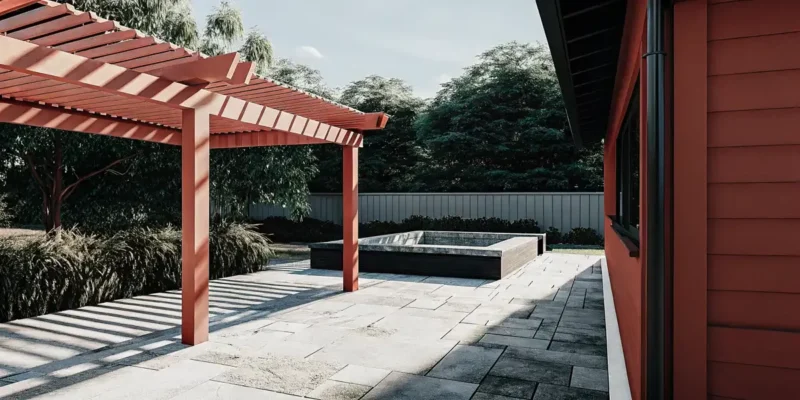
The wrong shade structure can leave a Long Island backyard underused for years. The right choice starts with how you plan to use the space.
Pergola installers near me should help Long Island homeowners compare function, weather coverage, and site conditions before recommending a structure. A pergola defines an outdoor living area with partial shade and an open feel, making it well suited to patios, dining areas, and poolside seating. A pavilion adds a solid roof for greater protection from sun and rain, while a gazebo creates a freestanding destination with a more enclosed feel. The best choice depends on the yard, planned use, desired shade, drainage, local permit needs, and connection to the home. Before hiring, ask each installer to explain materials, footings, placement, water management, upkeep, and project responsibilities in plain language. A careful site review and detailed proposal will help you compare designs, avoid surprises, and select a structure built for everyday use.
The real question is not which structure looks best in a photo, but which one fits your yard and routine. Next, Pergola installers near me: start with the right structure shows how to match the structure to your yard before comparing contractors with confidence. Here is how.
Pergola installers near me: start with the right structure
Before searching for a contractor, decide how you want the new outdoor area to work. A pergola, pavilion, and gazebo each shape the yard in a different way. Your choice affects shade, views, furniture placement, and how the space connects with your Long Island home.
Match the structure to daily use
Start with the moments you want to enjoy outside. A pergola suits an open lounge, dining area, or poolside retreat where filtered light adds to the setting. Its open sides keep conversations and sightlines connected to the rest of the yard.
A pavilion works well when full overhead cover is the main goal. It can shelter a dining table, outdoor kitchen, or gathering space while leaving the sides open. A gazebo creates a more defined destination, often with a traditional shape and a sheltered, enclosed feel.
Pergola, pavilion, or gazebo?
Use this comparison to narrow the options before meeting with pergola installers near me. Think about how much sun reaches the site during the hours when you plan to use it. Also note nearby doors, paths, pools, and mature plants.
| Feature | Pergola | Pavilion | Gazebo |
|---|---|---|---|
| Shade | Filtered and adjustable | Full overhead cover | Full overhead cover |
| Openness | Open above and around | Open sides, solid roof | More defined and enclosed |
| Common use | Lounge or dining area | Outdoor kitchen or gatherings | Quiet seating or garden retreat |
| Overall feel | Light and connected | Roomy and sheltered | Traditional and distinct |
Plan for the Long Island setting
The best option should fit both the house and the site. On a compact property, an open pergola can define a seating area without making the yard feel closed in. On a larger lot, a pavilion or gazebo may create a clear destination away from the home.
Bring contractors photos of the yard and a short list of must-haves. Ask how each structure would sit within the available space and relate to the home’s style. Discuss desired shade, planned furniture, lighting, and the path people will take from the house.
A clear direction also makes contractor quotes easier to compare. Each installer can price a similar scope instead of guessing what you want. That gives you a stronger basis for reviewing materials, layout ideas, and project details.
When is a pergola the best choice?
Partial shade with an open feel
A pergola is a strong choice when you want some shade without closing off the sky. Its open roof filters bright sun while keeping the space airy. This balance works well where a solid roof might feel heavy or block a valued view.
Shade levels depend on the roof design, slat spacing, and the sun’s path across the yard. Adjustable louvers offer more control, while fixed rafters create a steady pattern of light and shadow. The U.S. Department of Energy guidance on shade also shows why sun direction matters when planning outdoor comfort.
Clear definition for outdoor living areas
Pergolas give an open patio a clear purpose. Posts and overhead lines create a room-like shape without adding walls. This visual frame can define a dining area, lounge, poolside seating zone, or gathering place beside an outdoor kitchen.
The structure also helps connect separate features into one planned setting. A pergola near a pool can mark a quiet place away from active water. Over a patio, it can center furniture and help the paved area feel tied to the home.
Placement should support how people move, cook, sit, and gather. It should not crowd key paths or block access to grills and counters. A coordinated landscape design and construction plan can align the pergola with paving, masonry, lighting, planting, and nearby amenities.
Materials and details that fit the setting
The right material depends on the home’s style, upkeep goals, and exposure to weather. Wood brings warmth and can suit traditional settings, but it needs routine care. Aluminum offers crisp lines and lower upkeep, making it a practical fit for many modern yards.
- Roof style: Fixed rafters create patterned shade, while louvers can adjust light and cover.
- Post placement: Supports should frame the space without interrupting walkways, seating, or views.
- Finish and color: These details should relate to the home, patio surface, and outdoor kitchen materials.
- Built-in features: Lighting, fans, and screens work best when planned before construction starts.
When comparing pergola installers near me, look beyond the structure alone. Ask how the pergola will relate to drainage, utilities, footings, and existing hardscape. Design-build planning helps each part work together and reduces changes after construction begins.
Why choose a pavilion for a Long Island backyard?
A pavilion makes sense when the outdoor living area needs dependable overhead cover. Its solid roof blocks direct sun and helps keep light rain away from the space below. The result feels more like an outdoor room than an open garden feature.
This fuller cover can extend the time a family spends outside during changing Long Island weather. It also gives furniture, serving areas, and outdoor appliances more shelter. Homeowners comparing custom pavilions can plan the roof, posts, and finishes around the wider backyard design.
Pavilion or pergola?
A pergola has an open or slatted top, so it filters sunlight while keeping an airy feel. A pavilion uses a solid roof for more shade and better rain cover. That key difference often decides which structure fits the way a homeowner plans to use the yard.
Searching for pergola installers near me may be a useful starting point, but the first question should be about daily use. A pergola suits a patio where filtered light is welcome. A pavilion better supports meals, gatherings, and long periods outside when steady cover matters.
Space for cooking and seating
A pavilion can define zones without closing off the backyard. One side may hold an outdoor kitchen, while the center supports a dining table. Lounge seating can face the pool, garden, or another key view.
- Keep cooking heat and smoke away from the main seating area.
- Leave clear walking paths between counters, tables, and yard access points.
- Place posts where they will not block views from the house or patio.
- Plan lighting and power before the roof and finished surfaces are installed.
Good sightlines make the covered area feel connected to the rest of the property. They also help adults watch children near a pool or play area. The pavilion should frame the view instead of becoming a visual wall.
Roof drainage and site planning
A solid roof collects water, so drainage must be part of the first design conversation. Gutters, downspouts, and grading should move runoff away from posts, patios, and the house foundation. The EPA explains how green infrastructure can help capture and soak up stormwater near where it falls.
Long Island sites also differ in wind exposure, salt air, lot size, and nearby trees. These conditions affect roof shape, material choices, and pavilion placement. A careful plan balances overhead protection with open views, safe movement, and a natural link to the home.
Where does a gazebo work best?
A destination within the landscape
A gazebo works best where it can become a destination, not just a cover beside the house. Its freestanding form draws people across a yard and gives the landscape a clear point of focus. Place it where the approach feels inviting and the view rewards the walk.
A garden gazebo can sit at the end of a path, beside a pond, or within a broad planting bed. This setting lets the structure frame flowers, trees, and changing views through the seasons. Before choosing a low area, review the site’s drainage and check the FEMA flood maps for known flood risk.
A focal point beside the pool
Near a pool, a gazebo creates a separate place to rest, talk, or enjoy shade between swims. It should feel connected to the pool area without crowding the main path around the water. A clear view from the house can also help the whole yard feel planned.
Allow enough open space around the gazebo for easy movement, furniture, and routine care. The roofline should also suit the scale of the pool and nearby home. Gappsi’s custom gazebo designs show how shape, materials, and placement can make the structure a true backyard focal point.
Gazebo, pergola, or pavilion?
Each structure serves a different design goal. A gazebo is usually a distinct, freestanding destination with a defined roof and an enclosed visual shape. It fits spaces that need a classic garden feature or an intimate gathering point.
A pergola has a more open roof and often defines a patio, walkway, or seating zone. Its lighter frame can support vines while keeping a strong link to the space around it. A pavilion offers a broad solid roof, making it well suited to larger dining, cooking, or event areas.
- Choose a gazebo when the yard needs a classic focal point and a smaller retreat.
- Choose a pergola when filtered light and an open connection matter most.
- Choose a pavilion when a large covered space is the main goal.
Good placement starts with how people will use the yard each day. Consider views, walking paths, sun, drainage, and the size of nearby features. When comparing gazebo builders with pergola installers near me, ask how each plan supports the site’s purpose and overall layout.
How to evaluate pergola installers near you
Searching for pergola installers near me gives you a starting list, but the best choice depends on the fit for your property. Use the same questions with each installer. A clear process helps you compare design skill, site planning, materials, and project scope.
Start with your space and goals
First, decide how you plan to use the pergola. You may want shade over a dining area, shelter near a pool, or a defined outdoor room. Note your preferred size, style, shade level, and any features you may add later.
- Define the project. Share photos, rough measurements, and your main goals with each installer. Explain how people move through the area and when you expect to use it.
- Review relevant work. Ask for recent pergola projects with a similar size, material, and setting. Look closely at post placement, roof details, finishes, and how each structure meets the surrounding landscape.
- Discuss materials and site conditions. Ask why the installer recommends a material for your location. The discussion should also cover drainage, existing patios, utilities, access, soil, sun, wind, and nearby structures.
- Clarify responsibility. Confirm who handles design drawings, engineering needs, permits, site preparation, installation, cleanup, and final checks. Ask how the team manages the different rules used by towns across Nassau and Suffolk Counties.
- Compare complete proposals. Request a written scope that lists dimensions, materials, finishes, features, site work, schedule, warranties, and exclusions. Compare the full scope instead of choosing from one headline number.
Questions about design and local rules
A strong installer should explain how the proposed pergola fits your site, not just show a standard model. Ask how roof direction, post locations, drainage, and attachment points affect the final plan. If answers stay vague, request more detail before moving forward.
Permit and code needs can vary by project and local authority. Before work begins, check with your town and review New York State’s building standards and codes resources. The proposal should state who will prepare documents, submit applications, answer questions, and schedule required checks.
A fair proposal comparison
Place each written proposal beside the same project notes. Check whether every installer included the same structure size, materials, shade features, electrical planning, site work, and cleanup. A missing item can make two proposals look more alike than they are.
Also review communication before you sign. Note whether the installer asks useful questions, documents changes, and explains tradeoffs in plain language. These habits help you judge how the team may handle choices and site issues during installation.
What should a design-build process include?
A detailed site review
A consultation-led process starts with the site, not a catalog. The installer should review sun, shade, drainage, access, grade, and nearby structures. This visit also helps define how the pergola will support dining, cooking, relaxing, or poolside use.
The review should cover the home, patio, pool, outdoor kitchen, walkways, and planting beds as one connected setting. It should also flag setbacks, utility locations, permit needs, and local construction rules. FEMA’s building-code research explains how modern codes can reduce damage from natural hazards.
Clear design and material choices
Next, the homeowner and designer should select the structure type, size, roof style, posts, colors, and finish. These choices should fit the home’s scale and the way the yard is used. The plan may also address lighting, fans, privacy panels, power, and future additions.
Material samples make these choices easier to judge. A finish can look different outdoors than it does on a screen. Visiting the Gappsi Smithtown showroom lets homeowners compare materials, construction details, and built examples before approving a design.
- Confirm the pergola’s purpose, location, size, and preferred level of shade.
- Compare structural materials, colors, roof options, and care needs.
- Plan connections to patios, pools, kitchens, lighting, and landscape features.
- Review drawings, scope, costs, permit duties, and the expected schedule.
Planning through installation
After the design is set, the contractor should provide a written scope and clear plan. It should show what is included, who handles permits, and how crews will reach the work area. Homeowners should also know how existing paving, planting, and utilities will be protected.
Installation should follow the approved plan, with key details checked before final sign-off. Those details include post placement, alignment, drainage, finishes, lighting, and connections to nearby features. A final walk-through should explain care needs and address any remaining work.
When comparing pergola installers near me, ask to see related projects and discuss how the whole yard will work together. Gappsi’s experience since 1987 offers useful context for reviewing long-term design and construction choices. A complete process should leave no gap between the first site visit and the finished outdoor setting.
Frequently Asked Questions
Does a pergola require a permit on Long Island?
Permit requirements depend on the structure, its size, attachment method, and the local building department. Rules can differ among towns and villages in Nassau and Suffolk Counties. Ask the installer who will prepare drawings, submit applications, and schedule inspections. Homeowners can also review New York State building standards and codes resources before confirming the project scope.
How much does professional pergola installation cost?
Professional pergola installation costs vary based on dimensions, materials, roof design, footings, electrical work, site access, and existing hardscape. Custom features such as adjustable louvers, lighting, fans, or screens can also affect the total. Request itemized proposals from several installers using the same project details. Compare included site work, permit responsibilities, warranties, cleanup, and exclusions rather than relying on one headline price.
How long does it take to install a pergola?
The installation schedule depends on design complexity, material availability, permit review, site preparation, and weather. A straightforward pergola on a prepared site may require less field time than a custom structure with new footings and electrical features. Ask each installer for separate estimates covering design, approvals, material lead times, construction, and inspections. Confirm how delays and schedule changes will be communicated.
What maintenance does a pergola need after installation?
Maintenance depends mainly on the pergola material, finish, roof system, and exposure to weather. Wood typically needs periodic cleaning, inspection, and refinishing, while aluminum usually requires simpler washing and hardware checks. Adjustable louvers, lighting, fans, and drainage parts may need added service. Ask the installer for a written care schedule, approved cleaning products, warranty terms, and instructions for checking fasteners after severe weather.
Plan your Long Island outdoor structure with Gappsi
Start with your space and goals
A useful design consultation starts with how you want to use the space. Bring photos, rough measurements, and ideas for shade, seating, lighting, and finishes.
Your town may also have rules that shape the project. Review New York’s building standards and codes, then confirm permit needs with your local building department.
Meet the Gappsi design team
Searching for pergola installers near me can produce many names, but reviewing Long Island pergola, pavilion, and gazebo options before an in-person visit helps you compare practical choices. Visit Gappsi’s Smithtown showroom to see materials, construction details, colors, and outdoor structure styles before making key choices.
Bring your questions and project details, including the site location and preferred timeline. Schedule your design consultation to discuss a Long Island outdoor structure planned around your home and yard.