


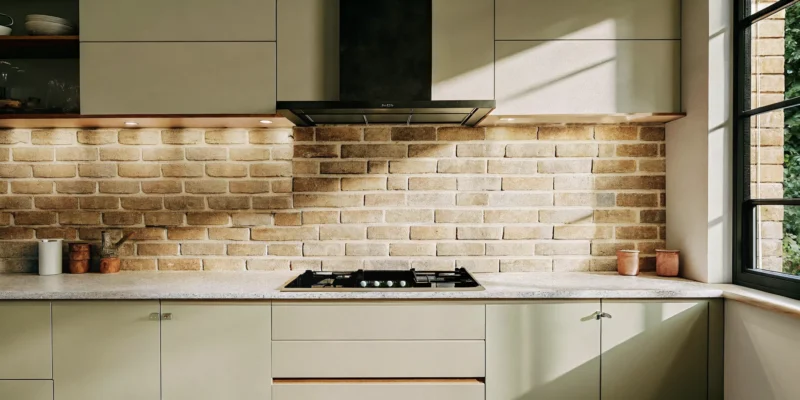
The idea of exposed brick in a kitchen often brings up a few key questions. Will it be hard to clean? Will it make the room feel dark? Is it only for rustic or industrial-style homes? The truth is, a modern brick veneer kitchen wall is surprisingly practical, low-maintenance, and incredibly versatile. Forget the old myths; today’s materials are designed for real life. When properly sealed, they resist stains and are simple to wipe down. From bright, whitewashed finishes to sleek, modern grays, brick veneer can complement any aesthetic. Let’s explore why this durable and stylish option might just be the perfect, unexpected choice for your kitchen.
Key Takeaways
- Achieve a High-End Look for Less: Brick veneer offers the authentic character of a real brick wall without the associated high costs or need for structural reinforcement. This makes it a smart and accessible way to add a beautiful, textured feature to your kitchen.
- Prioritize Professional Installation: The success of your brick veneer wall depends entirely on correct installation. Hiring an expert ensures the wall is properly sealed to prevent moisture damage, a crucial step in a kitchen, guaranteeing a beautiful and durable finish.
- Customize Your Style with Minimal Fuss: Brick veneer is incredibly versatile; it can be painted or left natural to fit any kitchen aesthetic from modern to rustic. Once sealed, it’s also very easy to maintain, typically only needing a simple wipe-down with soap and water.
Brick Veneer vs. Solid Brick: What’s the Difference?
When you picture a classic brick wall, you might not realize there are two very different ways to build one. On the surface, brick veneer and solid brick can look nearly identical, but how they are constructed and how they function are worlds apart. Understanding these differences is the first step in deciding which is right for your kitchen project. It’s all about what’s happening behind that beautiful brick face. Let’s look at the key distinctions between these two popular masonry methods.
Understanding the Key Distinctions
Think of brick veneer as a decorative finish. It’s a single layer of thin or full-sized brick applied to the exterior of a wall that is already supported by a wood or steel frame. The veneer itself doesn’t hold any structural weight; its job is to provide the timeless look and texture of brick. In contrast, a solid brick wall is the real deal. It’s constructed with at least two layers of brick bonded together, and this mass of brick is what actually supports the structure of the building. Our expert masonry services can help you determine the best approach for your home’s specific needs.
Key Advantages: Weight, Support, and Insulation
The differences in construction lead to some major practical advantages for each type. Because brick veneer is just one layer, it’s significantly lighter than solid brick. This puts far less strain on your home’s foundation, making it an ideal choice for interior projects like a kitchen accent wall where you don’t want to add a lot of structural weight. When it comes to insulation, brick veneer also has a clear edge. The air gap between the veneer and the interior wall frame creates a perfect cavity for adding modern insulation, which can help keep your home comfortable and your energy bills down. This is a huge benefit in any home remodeling project.
Why Choose Brick Veneer for Your Kitchen?
If you’re looking for a way to add character and warmth to your kitchen, brick veneer is an excellent choice. It offers the timeless appeal of exposed brick without the structural challenges or high costs of the real thing. Beyond its good looks, brick veneer brings a surprising amount of practicality to the table, making it a smart and stylish option for one of the busiest rooms in your home.
Choosing the right materials is a huge part of any successful home remodeling project, and brick veneer delivers on three key fronts: style, durability, and easy upkeep. It’s a design element that works hard and looks great doing it. Let’s get into why so many homeowners are falling in love with brick veneer for their kitchen walls.
Versatile Style for Any Aesthetic
One of the best things about brick veneer is its incredible versatility. It’s not just for rustic farmhouses or industrial lofts. You can find veneer in a wide range of colors and textures to match any design vision, from classic red brick to modern gray, clean white, or even a weathered, reclaimed look. A whitewashed brick backsplash can feel bright and coastal, while a dark, sleek brick wall can create a sophisticated, contemporary vibe.
This adaptability allows you to pair it beautifully with other materials. Imagine a warm brick accent wall next to smooth, cool porcelain and natural stone countertops or sleek, modern cabinetry. It adds a layer of texture and visual interest that makes your kitchen feel unique and thoughtfully designed.
A Durable, Long-Lasting Finish
Your kitchen is the heart of your home, and it sees a lot of action. Any material you bring into this space needs to be tough enough to handle daily life, from cooking splatters to heat from the stove. Brick veneer is more than up to the task. These thin, specially crafted tiles are designed to mimic the look of real brick while providing a resilient surface for your walls.
When installed and sealed correctly, a brick veneer wall is built to last for years. The sealant creates a protective barrier that makes the surface resistant to moisture, grease, and stains, which is essential for a backsplash or accent wall behind your cooking area. This durability makes it a practical, long-term investment that will keep your kitchen looking great without showing signs of wear and tear.
The Appeal of Easy Maintenance
The idea of cleaning brick might sound intimidating, but brick veneer is surprisingly low-maintenance. Once your wall is properly sealed, cleanup is often simpler than dealing with certain types of tile and grout. For everyday spills and splatters, a quick wipe-down with a damp cloth is usually all you need. For a deeper clean, you can use a simple mixture of mild soap and water with a soft brush.
You don’t need harsh chemicals to keep your brick looking its best. In fact, a gentle approach is better. This easy-care routine means you can enjoy the beautiful, textured look of brick without adding a complicated cleaning task to your to-do list. A professional masonry installation ensures the job is done right from the start, setting you up for years of effortless upkeep.
Brick Veneer in the Kitchen: The Pros and Cons
Deciding on a kitchen finish is a big deal, and brick veneer is a fantastic contender that brings so much character to a space. But before you commit, it’s smart to look at the full picture. Like any material, brick veneer has its own set of pros and cons. Weighing these will help you figure out if it’s the perfect fit for your home, your lifestyle, and your renovation goals. Let’s break down what you can expect when you choose this beautiful and timeless material for your kitchen.
The Upsides
The biggest draw is definitely the look. You get that warm, timeless aesthetic of real brick without the engineering headaches. Because brick veneer is a thin slice of brick, it’s much lighter than a solid brick wall. This means it doesn’t require extra structural support, making it a versatile choice for almost any kitchen. It’s also more budget-friendly than full brick masonry. When properly installed and sealed, it’s incredibly durable and can easily stand up to the heat and splatters of a busy kitchen. A professional masonry installation ensures you get a beautiful finish that lasts for years.
Potential Downsides
It’s also important to be aware of a few considerations. First, remember that brick veneer is a decorative finish, not a structural element. It provides the look of brick but doesn’t add structural strength to your walls. The main concern with veneer is the risk of moisture getting trapped behind the bricks, which can lead to damage over time. However, this is almost always a result of improper installation. When a professional team handles the job, they ensure the wall is properly prepared and sealed, which effectively prevents water issues. This is why expert sealing is a non-negotiable step in the process.
Design Inspiration for Your Brick Veneer Kitchen
A brick veneer wall can completely transform your kitchen, adding texture, character, and a timeless feel. The beauty of brick is its versatility. Whether you dream of a cozy, rustic farmhouse kitchen or a sleek, industrial space, there’s a brick veneer style that fits your vision. Let’s look at a few popular design approaches to get your ideas flowing.
Embrace Rustic and Industrial Charm
There’s something incredibly inviting about a kitchen with a rustic brick wall. It can make a brand new space feel like it has a long, rich history. Using brick veneer with a reclaimed look adds instant warmth and texture, creating a cozy atmosphere that’s perfect for gathering with family and friends. This style pairs beautifully with natural wood countertops, open shelving, and classic cabinetry. For an industrial loft vibe, combine the brick wall with stainless steel appliances, concrete elements, and modern light fixtures. Our expert masonry services can help you achieve that authentic, time-worn appearance that makes these styles so appealing.
Go Modern with Painted or Whitewashed Brick
If you love the texture of brick but worry a traditional red might feel too heavy for your space, consider a painted finish. A coat of white or light gray paint can brighten the room while preserving the brick’s unique pattern and dimension. Whitewashing is another fantastic option that offers a softer, more subtle effect, allowing some of the original brick color to peek through. Painted brick works well in many kitchen styles, from modern farmhouse to minimalist. This approach gives you the best of both worlds: the classic character of brick and a clean, contemporary look that fits perfectly into a larger home remodeling project.
Create a Focal Point with a Backsplash
You don’t need to cover an entire wall to make a big impact. A brick veneer backsplash is a brilliant way to introduce texture and create a stunning focal point behind your stove or sink. Because it’s a smaller area, it’s a lower-commitment way to try out the trend. Thin brick veneers are perfect for this application. They are lightweight and specifically designed to mimic the look of real brick without the structural requirements. It’s a practical and stylish choice that adds a custom touch to your kitchen design. You can find a variety of high-quality materials, including porcelain and natural stone, to complement your new brick backsplash.
Make a Statement with an Accent Wall
If you’re ready to go all-in, a full brick veneer accent wall makes a powerful statement. This approach works especially well in open-concept living spaces, where the kitchen wall can serve as a design element for the entire area. To get the most authentic look, have a skilled mason run the brick from corner to corner and from the countertop all the way to the ceiling. This creates a seamless, fully integrated feature that feels like it has always been part of the home. A full accent wall can anchor your kitchen’s design and provide a dramatic backdrop for your cabinets, island, and decor.
Budgeting for Your Brick Veneer Wall
Creating a budget is the first practical step toward bringing your vision to life. A brick veneer wall is a cost-effective project, but it’s important to understand all the potential costs involved so there are no surprises. Breaking down the expenses into materials, labor, and additional supplies will give you a clear financial picture. This approach helps you plan effectively and decide where you can save and where it’s worth investing in quality for your kitchen update.
Breaking Down Material Costs
Thin brick veneer is an affordable way to get the classic look of brick. The bricks themselves typically cost between $6 and $10 per square foot. To get a starting estimate, you just need to measure the height and width of the area you plan to cover. While the bricks are the main component, remember this price is just for the material. The total cost will depend on the specific brick style you choose and the size of your project, whether it’s a full accent wall or a simple backsplash. Exploring different masonry options can help you find the perfect style and texture that fits both your aesthetic and your budget.
Factoring in Professional Installation
One of the biggest decisions you’ll make is whether to install the brick veneer yourself or hire a professional. A DIY approach can certainly save you money on labor costs if you’re handy and enjoy a good project. However, achieving that flawless, authentic brick wall look requires skill and precision. Professional installation ensures the bricks are perfectly spaced, the mortar lines are clean, and the finished wall is durable. For a project that becomes a permanent part of your kitchen, investing in expert home remodeling services guarantees a polished result you’ll love for years, without the stress of tackling it yourself.
Planning for Additional Expenses
Beyond the bricks and installation, your budget should include a few other key items. You’ll need adhesive to attach the bricks to the wall and mortar for the gaps, but one of the most crucial supplies is a quality sealer. In a kitchen, your wall will be exposed to moisture, grease, and food splatters. Applying a sealer before installation is essential to prevent stains and make cleaning much easier. You can find sealants that maintain the brick’s natural, matte finish or ones that add a slight sheen for extra protection. These additional supplies are a small but vital part of the project, ensuring your new brick wall stays beautiful. You can often find the right products at a dedicated Gappsi store.
Your Pre-Installation Checklist
Getting ready for your new brick veneer wall is exciting, but a little prep work goes a long way in ensuring a beautiful and lasting result. While it’s a project some homeowners tackle themselves, understanding the steps involved can also help you know what to expect when working with professionals. Proper installation is key to avoiding issues down the road, especially when it comes to moisture. This checklist covers the essential stages, from preparing your walls to applying the final sealant, giving you a clear roadmap for your kitchen transformation. For projects like this, relying on expert masonry construction can provide peace of mind and a flawless finish.
Prep Your Walls and Gather Your Tools
Before a single brick goes up, your wall needs to be clean, dry, and structurally sound. Any bumps or imperfections should be smoothed out to create a flat surface for the veneer. If you plan to install it yourself, you’ll need to gather your tools ahead of time. A typical setup includes a trowel for applying mortar, a chalk line to keep your rows straight, and a grout bag for finishing the joints. Having everything organized before you begin makes the entire process feel much more manageable and helps you work efficiently once you start setting the bricks.
Apply Adhesive and Mortar Correctly
The most common way to install brick veneer is by applying it directly to the wall with a strong adhesive or mortar. You’ll spread a thin layer onto the wall or the back of each brick before pressing it firmly in place. It’s crucial to follow the manufacturer’s instructions for the specific product you’re using, as this will guarantee the strongest bond. Using spacers between the bricks will help you maintain consistent, even grout lines for a professional look. This attention to detail is a hallmark of quality home remodeling projects.
Add the Finishing Touches: Grout and Sealant
After the bricks have set, it’s time for grout. This step fills the gaps between the bricks, creating the classic look you’re going for. Once the grout has cured, the final step is sealing. While some brick veneers don’t require it, sealing is a great idea for a kitchen environment. A special silane-based breathable sealer will protect your wall from grease splatters and moisture without trapping vapor. This simple step makes cleaning much easier and preserves the beauty of your brick. It’s a similar process to what professionals use for restoration and sealing services.
Manage Moisture and Airflow
Properly managing moisture is the most critical part of a brick veneer installation. If not installed correctly, water or vapor can get trapped behind the bricks, potentially leading to mold, mildew, or damage to your wall. This is especially important in a kitchen, where steam and humidity are common. A correct installation includes ensuring the wall is properly prepared and that the right adhesive and sealant are used to create a protective barrier. This is where professional expertise truly shines, preventing long-term problems and ensuring your beautiful new wall stands the test of time.
How to Choose the Best Brick Veneer
Picking the right brick veneer is about finding the perfect balance between your kitchen’s style, your budget, and your long-term goals. With so many options, it helps to break the decision down into a few key steps. Thinking through these details beforehand ensures you’ll love your new brick wall for years to come. Let’s walk through what you need to consider to make a choice you’ll be happy with.
Match Your Style and Materials
First, think about the overall feel of your kitchen. Is it rustic, modern, or somewhere in between? The brick you choose should complement your existing decor, not compete with it. Look at the colors and textures of your cabinets, countertops, and even the amount of natural light the room gets. A lighter, smoother brick might suit a contemporary space, while a rough, weathered brick can add warmth to a farmhouse kitchen. If you’re worried about the brick feeling too heavy, you can even consider painting it to keep the texture while lightening the overall look. Our masonry design experts can help you find a veneer that ties everything together beautifully.
Consider Grout and Installation Details
Next, decide on the look you want between the bricks. You can go with a traditional grouted finish, where the space between each brick is filled, or a “dry-stacked” look for a more seamless, modern appearance. Each style creates a different visual effect, with grout adding contrast and a dry stack offering a more monolithic feel. It’s also a great idea to apply a sealer to the bricks before installation. This simple step helps prevent stains from setting in during the installation process and makes the bricks more durable over time. Proper home remodeling preparation is key to a flawless finish, especially in a busy area like the kitchen.
Plan for Maintenance and Budget
Finally, let’s talk practicality. To create a budget, you’ll first need to measure the wall to determine how much material you need. When it comes to upkeep, brick veneer is surprisingly low maintenance. Most messes can be cleaned with a simple mix of mild soap and water applied with a stiff brush. For added protection against grease and food splatters, you can apply a breathable sealer after installation. This is a crucial step for preserving the color and integrity of the brick. Our team can recommend the best restoration and sealing products and techniques to keep your brick looking fantastic without a lot of fuss.
Keeping Your Brick Wall Looking Its Best
One of the best things about a brick veneer wall is its durability, but a little upkeep will ensure it remains a stunning feature in your kitchen for years to come. Maintaining your brick wall is not complicated. It mostly involves gentle cleaning, knowing what to avoid, and keeping an eye out for any signs of trouble. Whether you are dealing with a simple cooking splatter or thinking about long-term protection, a consistent care routine is key. Taking these small steps will help preserve the character and charm of your brick veneer, making sure it continues to be a part of your home you love looking at every day.
If you ever encounter an issue that seems beyond a simple fix, like crumbling mortar or persistent moisture stains, it is always best to call in the experts. Professional masonry services can diagnose the problem correctly and perform repairs that protect the integrity and beauty of your wall. A professional touch ensures the longevity of your investment and keeps your kitchen looking its best.
Simple Cleaning Tips and Tricks
Keeping your kitchen’s brick veneer clean is surprisingly straightforward. For everyday dust and grime, a quick pass with a vacuum’s brush attachment often does the trick. When you are dealing with grease or food splatters, you will need a bit more power. A simple and effective solution is a mixture of granulated soap, like a gentle laundry detergent, and warm water. Just dip a stiff, non-metallic brush into the soapy water and scrub the affected area gently. Another great option is a homemade solution of one part white vinegar to five parts water. This works well to cut through grime without being too harsh on the brick surface. After scrubbing, simply wipe the area with a clean, damp cloth.
Common Cleaning Mistakes to Avoid
When cleaning your brick veneer, being gentle is the most important rule. It can be tempting to reach for heavy-duty cleaners or tools, but these can cause irreversible damage. You should never use harsh acid-based cleaners, as they can eat away at the brick and mortar. Similarly, avoid power washers, sandblasting, and wire brushes. While effective on some surfaces, these aggressive methods can strip the brick of its natural color and texture, leaving it looking worn and faded. If you have a stubborn stain that is not coming off with soap and water, it is better to consult a professional. Our restoration and sealing services can handle tough jobs without damaging your beautiful brickwork.
How to Spot Potential Issues
A quick visual inspection every few months can help you catch potential problems before they become serious. Look for any cracks in the mortar or bricks that seem loose to the touch. Another key thing to watch for is efflorescence, which is a white, powdery residue that can appear on the surface. This is often a sign that water is getting into or behind the brick and evaporating, leaving salt deposits behind. If the brick veneer was not installed correctly, moisture can penetrate and cause significant damage over time. If you notice any of these signs, it is important to address them quickly. A masonry expert can help identify the source of the moisture and make the necessary repairs.
Know When It’s Time to Reseal
To seal or not to seal, that is the question. Many brick veneers do not require sealing at all, but in a kitchen environment, a sealant can provide an extra layer of protection against stains from grease and food. If you decide to seal your wall, it is critical to use the right product. Look for a silane-based breathable sealer, which allows any moisture trapped within the brick to escape. Be aware that applying a sealant can slightly darken the color of your brick, so it is a good idea to test it on a small, inconspicuous area first. Improper sealing can trap moisture, so if you are unsure, it is wise to seek professional advice on the best approach for your specific wall.
Is a Brick Veneer Wall Right for Your Kitchen?
Deciding on a brick veneer wall for your kitchen really comes down to balancing style, budget, and practicality. If you love the timeless, textured look of brick but are concerned about the cost and structural changes of solid brick, veneer is an excellent alternative. It offers that classic charm and can be installed over existing walls, making it a versatile choice for a quick refresh or a full remodel. This flexibility allows you to achieve anything from a rustic farmhouse vibe to a sleek, industrial aesthetic, proving that brick works beautifully in the kitchen without a major structural overhaul.
The financial side is also compelling. Brick veneer is generally more budget-friendly than solid brick, letting you get a high-end look for less. Plus, the installation process is quicker, and there’s even an opportunity to add insulation between the veneer and the wall frame, which can help with your home’s energy efficiency. When it comes to upkeep, maintenance is straightforward. A simple cleaning with soap and water is usually all it takes to keep it looking great. For homeowners in Long Island looking to update their space, our home remodeling team can help you explore how brick veneer fits into your vision.
However, it’s important to be realistic about what brick veneer is. It’s a single-layer decorative finish, not a structural wall. This means it isn’t as strong as solid brick, and proper installation is absolutely critical. An expert masonry team will ensure it’s installed correctly to prevent any potential issues with moisture. Ultimately, if you want the aesthetic of brick with lower costs and easier installation, and you’re working with a trusted professional, a brick veneer wall could be the perfect feature to transform your kitchen.
Related Articles
- Wood Frame Wall with Brick Veneer: A Complete Guide
- Brick Refinishing: Step-by-Step Guide for Interior Walls
- Masonry Solutions & Inspiration for Homes in NY
Frequently Asked Questions
Is brick veneer durable enough for a high-traffic area like a kitchen? Absolutely. When installed and sealed correctly, brick veneer is a tough and resilient surface. It’s designed to handle the realities of a kitchen, including heat from a stove and occasional food splatters. The key is the sealant, which creates a protective barrier that resists moisture and stains. This makes it a practical finish that holds up beautifully to daily life.
Will a brick wall make my kitchen feel dark or dated? Not at all, it all depends on how you style it. While traditional red brick offers a warm, rustic feel, there are many ways to keep the look bright and modern. You can choose a lighter-colored veneer, like a soft gray or tan. Another popular option is to paint or whitewash the brick, which preserves the wonderful texture while creating a clean, airy look that fits perfectly in contemporary or coastal designs.
What’s the biggest difference between brick veneer and solid brick? The main difference is structural support. A solid brick wall is made of at least two layers of brick and actually holds up part of the building. Brick veneer, on the other hand, is a single, decorative layer of brick applied to an existing wall. It provides the look and feel of brick without carrying any structural weight, which makes it a much lighter and more versatile option for interior projects like a kitchen accent wall.
Can I install brick veneer myself to save money? While a DIY installation is possible if you have the right skills and tools, it can be a tricky project. The most critical part is ensuring the wall is properly prepared and sealed to prevent any moisture from getting trapped behind the bricks. A professional installation guarantees a polished look with clean grout lines and, more importantly, ensures the wall is protected from long-term moisture damage.
How do I clean a brick veneer wall without damaging it? Cleaning is surprisingly simple. For most spills and splatters, a soft brush with a simple mixture of mild soap and warm water will do the job. The most important thing to remember is to avoid harsh, acid-based chemicals and abrasive tools like wire brushes, as these can damage the brick’s surface and color. A gentle approach is always best.