


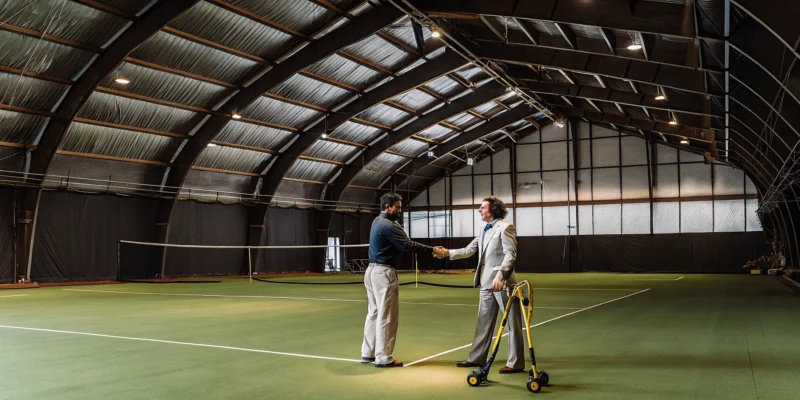
When you decide to build a sports games court, you’re planning for more than just a slab of concrete. You’re thinking about proper drainage to handle our coastal storms, a surface that can withstand freezing winters and hot summers, and a design that fits perfectly into your property. The success of this complex project hinges on finding a professional who understands these local challenges. A general paver might not have the specific skills needed. You need a specialist. This is why your search for the right sports game courts contractors on Long Island, NY, is so important. In this article, we’ll cover the key questions to ask and the common mistakes to avoid, helping you hire with confidence.
Key Takeaways
- Find the Right Long Island Pro: The contractor you hire makes all the difference. Look for a licensed and insured expert with a strong local portfolio, a clear understanding of town permits, and great client reviews to ensure a smooth project.
- Pick a Surface for Our Weather: Your court’s surface affects safety and longevity. Consider how modular tiles handle rain and heat versus how traditional asphalt performs, choosing the best fit for Long Island’s demanding climate.
- Get the Details Down on Paper: A successful project starts with a solid plan. Before work begins, finalize your budget, understand future maintenance needs, and make sure every detail, from materials to timelines, is in a written contract.
What Types of Sports Games Courts Can You Install?
Turning your backyard into a personal athletic oasis is an exciting project. The first step is deciding what kind of games you want to play. From a classic half-court for shooting hoops to a versatile surface for multiple sports, your options are wide open. A professional contractor can help you explore the possibilities and design a space that fits your family’s lifestyle and the unique layout of your Long Island property. Let’s look at some of the most popular types of sports games courts you can install right in your own backyard.
Basketball Courts
A home basketball court is a dream for many families, providing a perfect spot for after-school practice or a friendly weekend game. The beauty of a custom installation is that it doesn’t require a massive amount of space. A skilled contractor can design a court that fits your yard, whether you have room for a full-court setup or a compact half-court. Gappsi specializes in creating custom synthetic turf and sports games courts that are not only functional but also beautifully integrated into your landscape design. You can choose your own colors, add team logos, and ensure the final product is a perfect match for your home’s aesthetic.
Tennis Courts
For tennis lovers, having a private court is the ultimate luxury. It offers the freedom to play whenever you want without booking times or paying club fees. Proper installation is critical for a great tennis experience, as the surface quality directly impacts ball bounce and player safety. A professional can build a new court from the ground up, ensuring the base is stable and the surface is perfectly level. They can also help you choose the right materials for Long Island’s climate, guaranteeing your court remains in top condition for years. Quality masonry work is often the foundation of a long-lasting court, providing the stability needed for decades of play.
Multipurpose Game Courts
If your family enjoys a variety of sports, a multipurpose game court is an excellent and space-efficient solution. These versatile surfaces can be lined for several different games, including basketball, pickleball, volleyball, and badminton. It’s a fantastic way to keep everyone active and entertained without dedicating your entire yard to a single sport. A contractor can help you design a layout that accommodates all your favorite activities. By using different colored lines and adjustable equipment, you can easily switch from one game to another. These customizable courts are perfect for families who want to maximize their outdoor fun.
Roller Hockey Rinks
Bringing the fast-paced action of roller hockey to your backyard requires a specific type of surface. You need a smooth, durable material that can handle the constant motion of skates, sticks, and pucks. A professional installer will help you select the right surface, like specialized modular tiles, that provides the perfect combination of grip and glide for a safe and exciting game. They will also ensure the area is perfectly flat and enclosed with the proper containment boards and netting. Building a dedicated roller hockey rink is a great way to give your kids a safe place to practice and play with friends, right at home.
How to Choose the Right Sports Game Court Contractor
Choosing the right contractor is the most important decision you’ll make for your sports game court project. The right partner will turn your vision into reality, while the wrong one can lead to headaches and costly mistakes. A great contractor brings not just technical skill but also clear communication and a commitment to quality. To make sure you find a team you can trust, focus on a few key areas. By doing your homework, you can feel confident that your investment is in good hands and that your family will enjoy the court for years to come.
Look for Local Long Island Expertise
A contractor who understands Long Island is essential. They know the local soil conditions, weather patterns, and municipal regulations that can affect your project. A company with deep roots in Nassau and Suffolk counties will have a proven track record of building durable sports games courts that stand up to our specific climate, from hot summers to freezing winters. They also have established relationships with local suppliers and inspectors, which helps your project run smoothly. Ask potential contractors about their experience working specifically in your town to gauge their local knowledge.
Verify Licensing, Insurance, and Permits
This step is non-negotiable. Before you sign any contract, confirm that your contractor is fully licensed and insured for work in New York. This protects you from liability in case of accidents or property damage. Homeowners sometimes overlook this crucial step, but it’s a simple way to weed out unqualified candidates. Also, ask about building permits. Most Long Island towns require one for a sports game court. An experienced contractor like Gappsi will handle the entire permit application process for you, saving you from the complex paperwork and potential delays.
Review Their Portfolio and Past Projects
A picture is worth a thousand words, and a portfolio is a contractor’s visual resume. Spend time looking through their gallery of completed projects. Do their designs match the style you’re looking for? Does the quality of their work look impressive? A strong portfolio should showcase a variety of sports games courts, demonstrating their versatility and expertise. Don’t just look at photos; watch videos if they have them. Seeing a project from different angles on Gappsi’s YouTube channel can give you a much better sense of the finished product and the craftsmanship involved.
Read Customer Reviews and Ask for References
What are past clients saying? Customer reviews on Google, Yelp, and other platforms offer unfiltered insight into a contractor’s professionalism, communication, and reliability. While a perfect record is rare, look for a pattern of positive feedback. Go a step further and ask the contractor for a list of recent references. Speaking directly with a former client is the perfect time to size up the person who will be responsible for your project. Ask them about their experience, if the project stayed on budget, and if they would hire the contractor again.
Selecting the Best Surface for Long Island’s Climate
Choosing the right surface for your backyard sports games court is one of the most important decisions you’ll make. Here on Long Island, our weather puts any outdoor surface to the test with hot, humid summers, freezing winters, and plenty of rain throughout the year. The material you select will determine not only how your court plays but also how safe it is and how well it holds up over time. A surface that cracks under pressure from freeze-thaw cycles or becomes dangerously hot in the summer sun can ruin the fun and lead to costly repairs.
When you’re planning your project, you’ll mainly choose between two popular options: modular interlocking tiles and traditional asphalt with an acrylic coating. Each has its own set of benefits, and the best choice often comes down to your family’s priorities, your budget, and how you plan to use the space. We’ll walk through the key differences to help you find the perfect fit for your home, ensuring your new court is a source of enjoyment for many years. Gappsi offers a variety of high-quality turf and game courts designed to withstand our local climate.
Modular Interlocking Tiles
Modular interlocking tiles are a fantastic choice for backyard sports games courts on Long Island, and for good reason. These surfaces are engineered for safety and comfort. They are much softer on your knees and joints than traditional hard surfaces, which is a huge plus for players of all ages. During our hot summers, these tiles can stay up to 50% cooler than asphalt, making afternoon games much more comfortable. Plus, their design allows water to drain right through, so you won’t have to wait for puddles to dry after a rainstorm. This means more playing time and less maintenance for you.
Asphalt with Acrylic Coatings
Asphalt with an acrylic topcoat is the classic, traditional surface for many sports games courts. It provides a consistent, true ball bounce that many players prefer, especially for sports like basketball and tennis. While it’s a durable and widely used option, it does have some considerations for the Long Island climate. Asphalt absorbs and retains heat, making it very hot to the touch on sunny days. It can also be prone to cracking over time due to our freeze-thaw cycles, which may require future repairs. Proper masonry and base construction is critical to ensure its longevity and performance.
Key Features: Shock Absorption, Drainage, and Durability
Regardless of the material you choose, there are three key features to prioritize: shock absorption, drainage, and durability. A surface with built-in shock absorption helps reduce the impact on players’ bodies, minimizing the risk of injury during intense games. Excellent drainage is essential on Long Island to prevent standing water, which can damage the surface and limit playtime. Finally, you want a durable material that is tough, long-lasting, and won’t fade or peel after just a few seasons of use. Investing in quality materials from the start will save you from needing frequent restoration and sealing services down the road.
Personalize Your Court: Colors, Logos, and Lines
One of the most exciting parts of designing a new sports games court is making it your own. Modern surfaces offer a wide range of customization options that go far beyond a simple slab of gray concrete. You can choose from a vibrant palette of colors to match your home’s exterior, your favorite team’s colors, or simply a design you love. You can even add custom logos, family crests, or other graphics right onto the surface. With professionally painted lines, you can also design a multipurpose court for basketball, pickleball, and more, all in one space. Check out our project portfolio for inspiration on how to create a truly personalized court.
How Much Does a Sports Game Court Cost on Long Island?
Budgeting for a new sports games court is one of the most important steps in the planning process. While there isn’t a single price tag that fits every project, understanding the key cost components will help you create a realistic budget. Think of it as an investment in your property and your family’s lifestyle. The final cost is a combination of the initial installation, your chosen materials, the size and complexity of the design, and any long-term maintenance required.
Breaking down these expenses will give you a clear picture of what to expect. From preparing the ground to painting the final lines, each stage has an associated cost. A professional contractor will walk you through a detailed proposal, ensuring there are no surprises along the way. This transparency is key to a successful project that you and your family can enjoy for years to come.
Understanding Installation Costs
The initial installation is the most significant part of your investment. While a simple resurfacing project might cost between $8,000 and $12,000, building a brand new court from scratch involves more extensive work. The process includes site excavation, grading, base construction, and surface installation, all of which contribute to the total cost. The type of surface you choose, whether it’s asphalt or interlocking tiles, will also play a major role in the final price. To get an accurate estimate, you’ll need a professional to assess your property and create a custom quote based on your specific needs and landscape.
Planning for Maintenance and Resurfacing
A sports games court is not a set-it-and-forget-it feature. To keep it safe and playable, you’ll need to plan for routine maintenance. Long Island’s weather, with its freeze-thaw cycles, can be tough on outdoor surfaces. For example, some asphalt courts may need a new top layer every five to eight years to repair cracks and maintain a level playing field. Factoring these future resurfacing and repair costs into your long-term budget is a smart move. Choosing durable, high-quality materials from the start can help reduce the frequency and cost of these upkeep tasks down the road.
What Factors Influence the Final Price?
Several key factors will determine the final cost of your sports games court. First is the contractor you hire. It’s wise to work with a specialized sports games court builder rather than a general paver, as they have the specific expertise required. Second, customization options like court colors, custom logos, and game lines will affect the price. Finally, the court’s size is a major variable. A professional design ensures your court is large enough for enjoyable play without overwhelming your yard or your budget. Thinking through these details helps you avoid common building mistakes and ensures the final product is exactly what you envisioned.
Common Mistakes to Avoid When Hiring a Contractor
Building a sports games court is an exciting project, but choosing the right partner to bring your vision to life is crucial. It’s easy to get tripped up by a few common missteps during the hiring process. Knowing what to watch out for can save you from future headaches, unexpected costs, and disappointment. A little preparation goes a long way in ensuring your project is a slam dunk from start to finish. By avoiding these pitfalls, you can find a contractor who will build a high-quality, durable court that your family will enjoy for years.
Choosing a Contractor Based on Price Alone
It’s tempting to jump on the lowest bid, but when it comes to a long-term investment like a sports games court, price shouldn’t be the only factor. An unusually low price can be a red flag for subpar materials, inexperienced labor, or a lack of proper insurance. Some contractors cut corners to lower their initial quote, which can lead to costly repairs later. Instead of focusing solely on the bottom line, consider the overall value. A reputable contractor provides a fair price for quality craftsmanship, durable materials, and peace of mind. Think of it as investing in a premier sports games court that will stand the test of time, not just a temporary fix.
Skipping a Thorough Site Evaluation
Before any work begins, a potential contractor should conduct a detailed evaluation of your property. Simply measuring the space isn’t enough. A professional needs to assess the grading, soil stability, drainage, and accessibility of the site. Failing to do this can lead to major issues, like a court that floods after it rains or a surface that cracks due to an unstable foundation. A comprehensive landscape design and site plan is the foundation of a successful project. If a contractor is willing to give you a quote without ever visiting your home, it’s a sign they may not be as thorough as you need them to be.
Overlooking Warranty and Maintenance Details
Your sports games court will be exposed to Long Island’s changing seasons, so understanding how it’s protected is essential. Before signing a contract, ask detailed questions about the warranty. Does it cover both the materials and the labor? How long does the coverage last? A strong warranty shows that a contractor stands behind their work. Additionally, discuss the long-term maintenance plan. Proper care is key to preserving the surface quality and playability of your court. A great contractor will provide you with clear maintenance instructions or even offer restoration and sealing services to keep your court in top condition for years to come.
Failing to Get Everything in Writing
A verbal agreement or a simple handshake is not enough for a project of this scale. Your contract is the single most important document for your project, acting as a detailed roadmap that protects both you and the contractor. It should clearly outline the full scope of work, a list of materials, the payment schedule, and a projected timeline with start and finish dates. It should also specify how any changes or unexpected issues will be handled. A detailed contract ensures everyone is on the same page and minimizes the risk of misunderstandings. This level of detail is standard for any significant home improvement project, and your sports games court is no exception.
Your Installation Process: A Step-by-Step Guide
Bringing a sports games court to your backyard is an exciting project. While every property is different, a professional contractor will follow a clear, structured process to take your idea from a dream to a reality. Understanding these steps helps you know what to expect and ensures a smooth experience from start to finish. Here’s a look at the typical installation journey with an experienced Long Island contractor.
Step 1: Initial Consultation and Site Assessment
The process begins with a conversation. A project manager or designer will meet you at your home to discuss your vision. What games do you want to play? Who will be using the court? What’s your aesthetic? This is your chance to share all your ideas. They will then assess your property, taking measurements, evaluating the terrain, and identifying potential challenges like drainage or accessibility. This is also a great opportunity to see how their expertise in other areas, like landscaping or masonry, can create a cohesive outdoor living space.
Step 2: Custom Design and Permitting
After the initial meeting, the contractor will create a custom design plan. This includes the court’s dimensions, colors, and placement on your property. You’ll see a visual representation of how the finished project will look. Once you approve the design, the next crucial step is permitting. Most towns on Long Island require a building permit for a new sports games court. A reputable contractor will handle this entire process for you, from preparing the necessary drawings to submitting paperwork and communicating with local town offices, saving you a significant amount of time and stress.
Step 3: Site Preparation and Base Construction
This is where the physical work starts. The construction crew will begin by excavating the area for your new court. Proper site preparation is critical for the longevity and safety of your court. This involves grading the land to ensure proper drainage and then building a stable base. Depending on your project, this base might be made of concrete, asphalt, or compacted stone. This phase can take a few weeks, as the base needs time to cure and settle properly before the surface can be installed. A strong foundation is key to a durable sports games court.
Step 4: Surface Installation and Line Painting
Once the base is ready, it’s time for the most transformative step: installing the surface. Whether you’ve chosen modular tiles, synthetic turf, or a classic acrylic surface, the crew will carefully lay it down. This is when your court truly starts to take shape. After the surface is in place, the team will paint the lines for your chosen sports with precision. This is also when any custom logos or graphics are added. The quality of this work determines not only the look of the court but also its playability.
Step 5: Final Walkthrough and Project Handover
Before the project is officially complete, your contractor will do a final walkthrough with you. This is your opportunity to inspect every detail of your new sports games court and ensure it meets your expectations. You can ask any questions about care, maintenance, or how to get the most out of your new space. A professional team won’t consider the job finished until you are completely satisfied. Once you give your final approval, the court is officially yours to enjoy for years to come. This final step ensures your investment in your home is exactly what you envisioned.
Related Articles
- Volleyball Sport Game Courts
- A Stunning Backyard Multi-Sport Game Court in East Islip, NY
- Horseshoe Sports Game Courts Installation
- Shuffleboard Court Installation Long Island NY
- Long Island outdoor courts Archives
Frequently Asked Questions
How much space do I actually need for a sports games court? You might be surprised by how flexible court design can be. While a full-sized tennis court requires a significant amount of space, many other options do not. A compact half-court for basketball or a dedicated pickleball court can fit into more modest yards. The key is a smart design that works with your property’s layout. A professional site assessment is the best way to discover what’s possible for your specific space.
How long does the installation process typically take from start to finish? The timeline for building a sports games court can vary. The initial design and consultation phase is relatively quick. The longest variables are usually the town permitting process, which differs across Long Island, and the weather. Once construction begins, you can expect the process of excavation, base construction, and surface installation to take several weeks, as the base needs adequate time to cure properly before the final surface is installed.
Which court surface is better for kids and family play? For families, I often recommend looking at modular interlocking tiles. This type of surface has more give than traditional asphalt, which means it’s gentler on knees and joints during play. These tiles also tend to stay cooler in the summer sun and drain water very quickly after it rains, which means less downtime and more safe, comfortable playtime for everyone.
Can you build more than just the court? What about the surrounding area? Absolutely. A sports games court is often just one piece of a larger backyard vision. A great contractor can help you integrate the court seamlessly into a complete landscape design. This could include adding a stone patio for spectators, installing landscape lighting for evening games, building walkways, or even placing a pergola nearby for shade and relaxation. The goal is to create a cohesive and functional outdoor living space.
What kind of maintenance should I expect for my new court? The maintenance required depends largely on the surface you choose. Generally, it’s quite manageable. For most surfaces, the main task is simply keeping it clean of leaves and debris with a leaf blower. An asphalt court may eventually require crack repairs and resurfacing every several years due to our freeze-thaw cycles. A good contractor will provide you with clear, simple care instructions to protect your investment.