


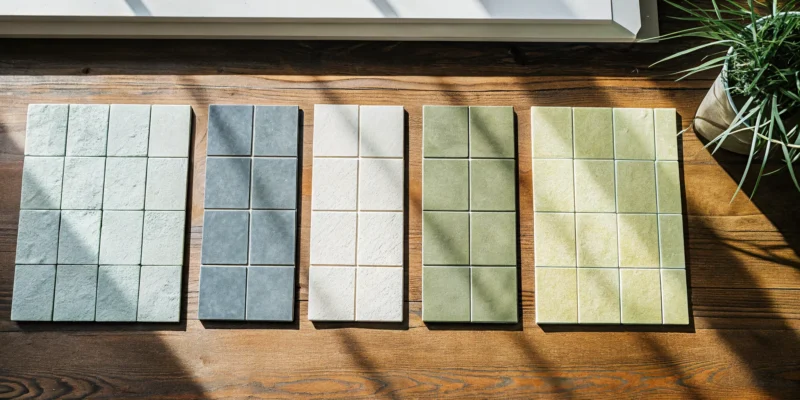
Many homeowners worry that a beautiful stone patio means endless upkeep, but that isn’t necessarily true. The secret to a low-maintenance, long-lasting patio lies in choosing the right material from the start and ensuring it’s installed correctly. A non-porous stone, for example, will naturally resist stains and weathering better than a more porous one. Understanding these differences is key to making a smart choice. We’ll explore the various stone patio materials Long Island residents can select, clarifying the real-world maintenance and durability of each. With the right information, you can build a gorgeous patio that gives you more time for relaxing and less time for worrying.
Key Takeaways
- Balance aesthetics with practicality: When choosing a stone, look beyond its appearance. Consider how materials like granite, slate, or porcelain will handle Long Island’s weather and fit your lifestyle, paying attention to durability, texture, and maintenance requirements.
- Prioritize a professional installation: The success of your patio depends on the unseen foundation. Proper site preparation, including a compacted base and correct drainage, is crucial to prevent shifting, cracking, and water damage for years to come.
- Understand the full investment: Your total cost includes the stone, site preparation, and expert labor. Viewing your patio as a long-term addition to your home helps justify the expense, as a well-built space adds significant property value and daily enjoyment.
What Are Your Stone Patio Material Options?
Choosing the right material for your patio is one of the most exciting parts of the design process. It sets the tone for your entire outdoor living space, influencing everything from the color palette to the overall vibe. Think of it as the foundation, both literally and stylistically, for all the barbecues, family gatherings, and quiet mornings with a cup of coffee that you’ll enjoy there. With so many beautiful and durable options available, you can find the perfect stone to match your home’s architecture and your personal style.
From the classic, uniform look of bluestone to the rustic charm of flagstone, each material has its own unique character. Some stones offer a sleek, modern feel, while others provide a more natural, organic look that blends seamlessly with your garden. We’ll walk through some of the most popular choices for Long Island homes, covering everything from aesthetics to durability. Exploring the different types of porcelain and natural stone is the first step toward creating a patio you’ll love for years to come. Let’s look at the top contenders for your backyard transformation.
Bluestone
Bluestone is a timeless favorite for patios, and for good reason. It has a classic, sophisticated look that works well with many Long Island home styles, from traditional to coastal. As its name suggests, it features beautiful blue-gray tones, but you can also find it with hints of green, brown, and lilac. This natural stone is incredibly dense and durable. As home experts point out, “Bluestone is a popular choice for patios due to its durability and aesthetic appeal. It is known for its rich color variations and can withstand harsh weather conditions, making it ideal for outdoor spaces.” This resilience makes it a smart investment for our region’s freeze-thaw cycles.
Travertine
If you love a warm, Mediterranean-inspired look, travertine might be the perfect fit for your patio. This stone comes in a range of earthy colors, from soft ivory and beige to golden brown and walnut. Its gently textured surface provides a touch of rustic elegance that feels both luxurious and inviting. One of its key features is its porosity. According to landscape professionals, “Travertine offers a unique, natural look that many homeowners find appealing. Its porous nature allows for good drainage, making it suitable for outdoor patios, especially in areas with heavy rainfall.” This quality helps it stay cooler underfoot than many other stones, a big plus during hot summer days.
Granite
When you need a patio material that is tough as nails, look no further than granite. It’s one of the hardest natural stones available, making it incredibly resistant to scratches, chips, and heavy foot traffic. This is the stone you choose when you want to build something that lasts a lifetime. Granite is available in a variety of colors and patterns, from consistent grays and blacks to more dramatic speckled and veined options. Stone specialists confirm that “Granite is renowned for its exceptional durability and resistance to harsh weather conditions. This makes it a great choice for outdoor patios, providing a long-lasting surface that can handle heavy foot traffic.”
Limestone
Limestone offers a soft, natural beauty that can create a very serene and elegant outdoor space. It typically comes in subtle shades of beige, gray, and tan, with fine-grained textures that feel smooth and refined. It’s a versatile choice that complements both traditional and contemporary designs. While it shares some visual similarities with travertine, limestone tends to have a more consistent color profile. It’s a durable option for patios, and as home design guides explain, “Limestone is a versatile stone that can be used for patios, offering a natural look and durability. It is available in various colors and textures, allowing homeowners to customize their outdoor spaces.”
Slate
Slate is known for its unique layered texture and rich, deep colors, which can range from dark gray and black to vibrant purples, greens, and reds. This stone can make a bold statement, creating a patio with a distinct and dramatic personality. Its naturally slip-resistant surface makes it a practical choice for outdoor areas, especially around pools. While it’s a very strong material, it’s worth noting what stone experts say: “Slate is a durable option that adds a unique aesthetic to your patio. However, it may require sealing to protect against stains, making maintenance an important consideration.” Proper installation and care will keep it looking beautiful.
Flagstone
For a charming, rustic patio with a free-flowing, organic feel, flagstone is an excellent choice. This term refers to flat slabs of stone cut into irregular shapes, creating a beautiful mosaic-like pattern when laid. The stones, often varieties of sandstone, bluestone, or slate, fit together like puzzle pieces for a truly custom look. Flagstone’s textured surface provides great traction, and its natural appearance helps it blend beautifully into a garden or landscape setting. As one patio guide explains, “Flagstone is favored for patios due to its natural beauty and ability to withstand the elements. It provides a rustic look and can be laid in various patterns for added visual interest.”
Porcelain Pavers
Porcelain pavers are a modern marvel in the world of patio materials, offering the best of both style and performance. They are engineered to be incredibly dense and non-porous, which makes them extremely durable and low maintenance. You get the stunning look of natural stone, wood, or even concrete without the associated upkeep. As landscaping experts note, “Porcelain pavers are gaining popularity for patios because of their low maintenance and high durability. They are resistant to fading and staining, making them an excellent choice for outdoor use.” This makes them a fantastic option for a busy Long Island family that wants a beautiful patio without the extra work.
What Are the Benefits of Each Stone?
Choosing the right stone for your patio is about more than just looks; it’s about finding a material that fits your lifestyle, budget, and the unique demands of our Long Island climate. Natural stone and porcelain pavers each offer distinct advantages, from their durability and maintenance needs to the specific aesthetic they bring to your backyard. Understanding these benefits will help you make a confident choice that you’ll love for years to come. A well-chosen stone patio not only creates a beautiful space for relaxation and entertainment but also adds significant, lasting value to your home.
How They Handle Long Island’s Climate
Choosing a material that can stand up to Long Island’s weather is non-negotiable. We get it all: hot, humid summers and freezing, snowy winters. Natural stone is a fantastic choice because it’s built to last through these exact conditions. Materials like granite and bluestone are incredibly dense and strong, so they resist cracking during freeze-thaw cycles. This inherent durability means your patio won’t just survive the seasons; it will look great year after year. Investing in a natural stone patio is a practical decision that adds lasting value and resilience to your outdoor living space, making it a smart choice for any Long Island home.
Finding Your Perfect Aesthetic
Beyond its strength, natural stone brings a unique character to your backyard that’s hard to replicate. Each stone has its own distinct colors, textures, and patterns, meaning your patio will be truly one-of-a-kind. This creates a sense of permanence and organic beauty that you just don’t get with manufactured materials. Whether you’re aiming for a rustic, earthy vibe with flagstone or a sleek, modern look with granite, there’s a stone to match your vision. Our masonry design experts can help you find the perfect material to create an outdoor space that feels like a natural extension of your home.
Natural Stone vs. Porcelain Pavers: Which Is for You?
When deciding on a material, you’ll likely compare natural stone and porcelain pavers. The main difference comes down to aesthetics. Natural stone offers that unique, straight-from-the-earth look with variations in every piece. Porcelain, on the other hand, provides a very consistent and uniform appearance, which is perfect for clean, contemporary designs. While some think natural stone is high-maintenance, it’s surprisingly durable with the right care. Your choice really depends on the style you love. Do you prefer the organic charm of natural stone or the sleek precision of porcelain pavers? There’s no wrong answer, just what’s right for you.
What to Expect for Maintenance
Let’s clear up a common myth: a stone patio doesn’t mean a lifetime of constant upkeep. While it’s true that most natural stone benefits from sealing to protect against stains and moisture, the process is straightforward. Some stones, like slate and bluestone, are less porous and naturally more resistant to staining. The key is proper installation and periodic care. An annual cleaning and resealing every few years is usually all it takes to keep your patio looking its best. With the right restoration and sealing services, you can ensure your investment remains beautiful and functional for decades with minimal effort on your part.
How Do Stone Patio Costs Compare?
Thinking about your budget is a practical and important part of any home project. The cost of a stone patio can vary quite a bit, but understanding the key components will help you plan effectively. It’s not just about picking a stone; it’s about creating a lasting addition to your home. Let’s break down what goes into the final price tag, from the materials themselves to the value your new patio adds to your property.
A Look at Costs by Material
Let’s talk numbers. For a typical 300-square-foot stone patio, most homeowners spend between $6,250 and $11,500. On a per-square-foot basis, you can expect stone pavers to cost anywhere from $5 to $35. Why such a wide range? The type of stone you choose is the biggest reason. Just like in a jewelry store, some stones are simply more rare or difficult to source than others. Gappsi offers a wide selection of beautiful porcelain and natural stone pavers to fit different budgets and styles, giving you plenty of options to find the perfect match for your home.
What Else Affects the Final Price?
Beyond the stone itself, a few other key elements influence the total cost. The size of your patio is an obvious one, but the condition of the site is just as important. Your yard might need to be leveled or graded before any stones can be laid, which is a crucial step for proper drainage and a long-lasting patio. This site preparation typically costs around $1 to $2 per square foot. The complexity of the design, like intricate patterns or curves, can also add to the labor costs. A professional masonry construction company can assess your property and give you a clear picture of the foundational work required.
Understanding Installation Costs in Long Island
Hiring a skilled team to install your patio is essential for getting a beautiful and durable result. In the Long Island area, labor costs for professional installers generally range from $50 to $100 per hour. While it might be tempting to cut costs here, proper installation is what separates a patio that lasts for decades from one that shifts and cracks after a few seasons. A well-built stone patio is an art form, requiring expertise in creating a stable base and setting each stone perfectly. This professional touch ensures your investment is secure and will perform better than basic poured concrete over the long run.
How to Balance Your Budget with Long-Term Value
A new stone patio is more than just an expense; it’s an investment in your home and your lifestyle. A quality patio can actually increase your home’s value by 8% to 12%. When you think about it that way, the initial cost feels much more manageable. Choosing a durable, high-quality material means you get to enjoy its beauty for years with minimal issues. Natural stone, for example, has a timeless appeal and can even be reused if you ever decide to change the layout. To protect this investment, consider professional cleaning and sealing services to keep your patio looking its best.
How to Choose the Right Stone for Your Home
Picking the perfect stone for your patio is a big decision. This material sets the tone for your entire outdoor space and becomes a permanent part of your home’s landscape. The key is to find a balance between your personal style, your family’s lifestyle, and the practical demands of our Long Island climate. When you think through each of these elements, you can confidently select a stone that you will love for years to come. Let’s walk through how to make the right choice for your home.
Match the Material to Your Style and Lifestyle
Your patio is an extension of your home, so the stone you choose should reflect your taste. Natural stone patios offer unmatched character and a sense of permanence that many homeowners find appealing. The unique colors and textures found in materials like travertine or bluestone can create a one-of-a-kind look that feels both elegant and grounded.
Beyond aesthetics, think about how you will actually use the space. Will you be hosting large dinner parties, or will it be a quiet spot for morning coffee? Smooth, uniform stones like certain porcelain pavers are great for dining areas where chairs need to slide easily. If you have kids who love to run around barefoot, a stone with a less abrasive texture might be best.
Will Your Stone Choice Survive a Long Island Winter?
Long Island weather is no joke, and your patio stone needs to be tough enough to handle it. The freeze-thaw cycles of our winters can wreak havoc on porous materials, causing them to crack and spall over time. This makes material selection incredibly important for durability.
Some types, like bluestone and slate, are more durable and less porous than others. The beauty of natural stone is unmatched, and like pavers, it is often easier to re-lay and re-use than concrete if a repair is ever needed. Most natural stone needs sealing to protect against stains and moisture, which is a crucial step in preserving its integrity. Proper sealing and maintenance is your best defense, creating a protective barrier that keeps your patio looking beautiful season after season.
How to Coordinate Your Patio with Your Home’s Exterior
A beautiful patio looks like it has always been part of the home. To achieve this cohesive look, consider your house’s existing features. Look at the color of your roof, the material of your siding, and the style of your window trim. Your stone choice should complement these elements, not compete with them.
The combinations are endless, although they should be well-planned and not haphazard. For example, a warm-toned travertine might pair beautifully with a brick facade, while a cool gray slate could be the perfect match for a modern home with dark siding. By thoughtfully integrating your patio with your home’s design, you create a seamless flow from your indoor living space to your outdoor oasis. Our masonry design experts can help you visualize the possibilities and select materials that tie everything together perfectly.
Common Stone Patio Mistakes to Avoid
A new stone patio is a significant investment in your home, so you want to get it right the first time. While picking the perfect stone is the fun part, a few common missteps can turn your dream patio into a source of frustration. Thinking through the entire process, from the ground up, helps ensure your outdoor space will be a beautiful and durable extension of your home for years to come. By avoiding these key mistakes, you can protect your investment and create a patio that you’ll love.
Skipping Proper Base and Drainage
The success of your patio lies in what you can’t see. A solid foundation is non-negotiable for a stone patio that lasts. Without a proper base, your beautiful stones can shift, sink, or crack over time due to Long Island’s freeze-thaw cycles and rainfall. Proper site preparation involves excavating the area, laying and compacting a gravel base, and ensuring there is a slight slope for water runoff. This prevents water from pooling on the surface or eroding the base. A professional masonry team understands that a well-built base is the key to a patio that remains stable and level for decades.
Forgetting to Seal and Maintain Your Patio
You wouldn’t buy a new car and never wash it, and the same principle applies to your stone patio. While natural stone is tough, it’s not invincible. Most stone is porous to some degree, making it susceptible to stains from things like spilled wine, greasy foods, or fallen leaves. Sealing your stone patio creates a protective barrier that repels moisture and prevents stains from setting in. It can also protect the stone from UV rays and keep its color vibrant. Gappsi offers professional restoration and sealing services to keep your patio looking brand new and simplify your regular maintenance routine.
Choosing a Stone Based Only on Looks
It’s easy to fall in love with a stone’s color or pattern, but looks aren’t everything. The best stone for your patio depends on your lifestyle and how you plan to use the space. For example, a highly polished stone might look stunning but can become slippery when wet, making it a poor choice for a pool surround. Some stones require more maintenance than others, which is an important consideration for a busy family. When you explore your porcelain and natural stone options, think about durability, slip resistance, and heat absorption in addition to aesthetics. This ensures you choose a material that is not only beautiful but also practical for your home.
Finding and Installing Your Stone Patio in Long Island
You’ve explored the materials and weighed the pros and cons. Now comes the exciting part: bringing your vision to life. Finding the right stone and the best team for the job are the final steps to creating a patio you’ll love for years. In Long Island, you have plenty of options, but it’s important to choose partners who value quality and craftsmanship as much as you do. From selecting the perfect slab at a local supplier to hiring an installer who understands our unique climate, every choice matters. Let’s walk through how to find the right experts to build your dream patio.
What to Look for in a Local Stone Supplier
When you start your search, look for a supplier who offers a wide variety of high-quality materials. You want to see options like travertine, limestone, granite, and bluestone all in one place. This variety ensures you can find the perfect stone to match your home’s aesthetic and your lifestyle’s demands. A great supplier does more than just sell stone; they should have knowledgeable staff who can explain the differences in durability and maintenance. We always recommend visiting a showroom to see and feel the materials for yourself. At the Gappsi Store, you can explore an extensive collection of natural stone and porcelain pavers to find the ideal foundation for your project.
How to Choose a Reputable Patio Installer
A beautiful stone patio starts with a skilled installer. When you’re vetting companies, remember what your neighbors value: good work, fair prices, and honest advice on design. Look for a contractor with a strong portfolio of local projects and positive customer reviews. Don’t be shy about asking for references. A reputable installer will be happy to provide them. They should also offer a clear, detailed contract that outlines the project scope, timeline, and costs. Think of your installer as a partner. The best ones are masonry experts who listen to your ideas and provide guidance to ensure the final result is both beautiful and built to last.
Gappsi: Your Long Island Stone Patio Experts
Finding a great supplier and a separate, trustworthy installer can be a challenge. Gappsi simplifies the process by being your all-in-one partner. As Long Island’s brick and stone specialists, we provide both the high-quality materials and the expert installation you need. Our team has been designing and building stunning outdoor spaces since 1987, so we know what it takes to get the job done right. We handle every detail, from helping you select the perfect stone to ensuring a flawless installation. You can see examples of our completed projects on our YouTube channel, which showcases the craftsmanship we bring to every home. With Gappsi, you get a seamless experience from a single, dedicated team.
Complete Your Outdoor Living Space
A natural stone patio is a fantastic starting point, but it can also be the centerpiece of a complete backyard transformation. Think of it as the foundation for your ideal outdoor living area. Once your patio is in place, you can add features that reflect your lifestyle. Imagine hosting family dinners under a beautiful pergola, cooling off in a custom swimming pool, or enjoying friendly competition on your own Sports Games Courts. A well-designed patio connects these different elements, creating a cohesive and functional space. By planning ahead, you can create an outdoor oasis that adds lasting beauty and value to your home for many years to come.
Related Articles
- Build a Stone Patio on Grass: A Step-by-Step Guide
- Polymeric Paver Sealing & Cleaning Services | Gappsi Inc
Frequently Asked Questions
Which stone is the easiest to take care of? If your top priority is minimal maintenance, porcelain pavers are a fantastic choice. They are engineered to be non-porous, so they resist stains, fading, and moisture without needing to be sealed. For natural stone, granite is a workhorse. It’s incredibly dense and durable, making it naturally resistant to scratches and stains. While most natural stone benefits from sealing, these two options are the most hands-off.
What’s the best stone to use around a swimming pool? When choosing a stone for a pool deck, safety and comfort are key. You want something that isn’t slippery when wet and doesn’t get scorching hot in the sun. Travertine is a popular choice for this reason; its porous nature helps it stay cooler underfoot than many other stones. Slate is another great option because its natural, layered texture provides excellent slip resistance.
Should I choose natural stone or porcelain pavers? This really comes down to the look you love. Natural stone offers a unique, one-of-a-kind beauty, with variations in color and pattern that make your patio truly your own. It has an organic, timeless feel. Porcelain pavers provide a very consistent, uniform look, which is perfect if you’re aiming for a sleek and modern design. Both are durable, so your decision is mostly about whether you prefer the unique character of natural stone or the clean precision of porcelain.
Is it a bad idea to choose a cheaper stone to save money? While it’s tempting to focus on the initial price tag, it’s important to think about long-term value. A less expensive, lower-quality material might save you money upfront, but it could cost you more later in repairs or replacement. A durable stone, installed correctly, is an investment that adds value to your home for decades. It’s often better to ensure you have a solid budget for a quality material and professional installation, which are the keys to a patio that lasts.
I’m interested in a new patio, but where do I even start? The best first step is to see the materials in person. Pictures online can be helpful, but they don’t capture the true color and texture of the stone. Visiting a showroom allows you to touch the different options and see how they look in various lighting. It’s also a great opportunity to talk with a design expert who can answer your specific questions and help you narrow down the choices based on your home’s style and your family’s needs.