


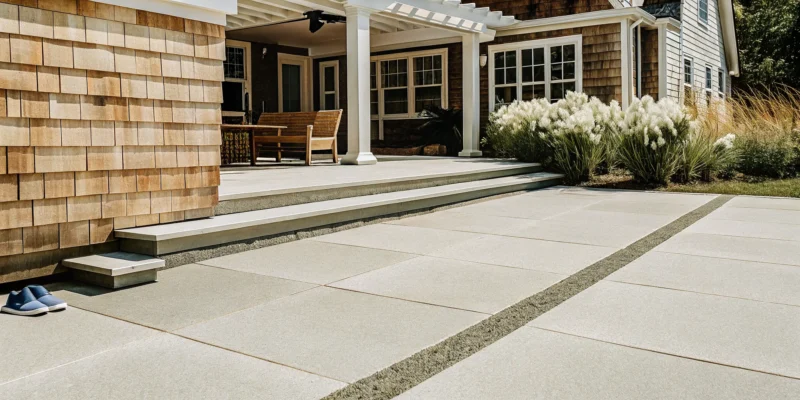
Does your current patio feel more like a liability than a luxury? Many Long Island homeowners struggle with outdoor surfaces that become slick with morning dew or after a brief summer storm. You might also be dealing with pavers that are cracked and uneven after just a few harsh winters. These problems aren’t just an eyesore; they’re safety risks. The good news is that these issues are not inevitable. They are often the result of choosing materials that simply aren’t suited for our specific climate. By upgrading to professionally installed slip resistant patio pavers Long Island families can rely on, you can eliminate these headaches for good. This guide will explain how the right materials and expert masonry installation create a durable, safe, and beautiful patio that lasts.
Key Takeaways
- Choose Materials for Safety and Durability: Select pavers like porcelain or natural stone because their built-in texture provides grip when wet, and their low water absorption prevents cracking during Long Island winters.
- Invest in Professional Installation: The stability of your patio depends on expert base preparation and proper drainage. A professional installer prevents sinking, shifting, and water pooling, ensuring your patio remains a safe, level surface for years.
- Perform Simple Maintenance for Lasting Results: Keep your pavers safe and looking great with easy, routine care. Regularly sweep the surface, check the joint sand each year, and consider resealing every few years to protect against stains and preserve the paver’s texture.
Why Your Long Island Patio Needs Slip-Resistant Pavers
Your patio is more than just an extension of your home; it’s where you host summer barbecues, watch your kids play, and unwind after a long week. But creating that perfect outdoor oasis on Long Island means planning for two major factors: our unpredictable weather and the safety of your loved ones. A slippery patio can quickly turn a fun gathering into a trip to the emergency room, especially after a summer rain shower or a splash from the pool. That’s why selecting the right pavers is one of the most critical decisions you’ll make.
Choosing slip-resistant pavers isn’t just a practical upgrade; it’s an investment in peace of mind. These materials are specifically designed to provide better traction, even when wet, reducing the risk of falls. Beyond safety, the right pavers also need to be tough enough to handle Long Island’s demanding climate, from humid summers to harsh, icy winters. The constant freezing and thawing can wreak havoc on lesser materials, leading to cracks and an uneven surface. By prioritizing slip resistance and durability from the start, you ensure your patio remains a beautiful, safe, and lasting centerpiece of your backyard for years to come. We can help you find the perfect porcelain and natural stone pavers that offer both safety and style.
How Long Island Weather Affects Your Patio
Living on Long Island means enjoying beautiful seasons, but our weather can be tough on outdoor surfaces. The biggest challenge is the freeze-thaw cycle. Throughout the winter, moisture seeps into porous pavers, freezes, expands, and then thaws. This repeated process creates internal pressure that can cause pavers to crack, chip, and shift over time. Add in the salty air from the coast, which can accelerate wear and tear, and you have a recipe for a deteriorating patio. Choosing materials with low water absorption, like porcelain, is key. Because they absorb very little water, there’s almost no moisture to freeze and cause damage, ensuring your patio withstands our harsh winters.
The Safety Risks of a Slippery Patio
A beautiful patio loses its charm the moment it becomes a safety hazard. Standard pavers can become incredibly slick when wet, creating a dangerous environment for anyone walking on them. This is especially true for areas around swimming pools, where splashing is inevitable, but it’s also a concern for any patio after a rainstorm. For families with young children who love to run and play, or for households with older adults who may be less steady on their feet, the risk of a slip-and-fall accident is a serious concern. Slip-resistant pavers are made with textured surfaces that provide essential grip, giving you the confidence that your outdoor space is safe for everyone to enjoy, no matter the weather.
What Are the Best Materials for Slip-Resistant Pavers?
Choosing the right material is the most important decision you’ll make for a slip-resistant patio. The texture, porosity, and durability of a paver all contribute to how safe it will be when wet. For Long Island homeowners, this is especially critical, as your patio will see everything from summer pool splashes to icy winter mornings. A slippery surface is more than just an inconvenience; it’s a safety hazard for kids running around, guests at a barbecue, or even just you carrying a tray of drinks. The goal is to create a space where you can relax without worrying.
The three most popular and effective materials for this are porcelain, natural stone, and concrete. Each has its own set of benefits and characteristics that make it suitable for different needs and aesthetic preferences. Understanding the differences between them will help you select the perfect foundation for your outdoor living space, ensuring it’s not only beautiful but also safe for your family and friends year-round. Let’s look at what makes each material a great candidate for your project.
Porcelain Pavers
Porcelain pavers are a fantastic choice for slip resistance, especially around pools and in uncovered areas. Made from super-heated clay, they are incredibly dense and hard. This process makes them almost waterproof, as they absorb less than 0.5% of water. On Long Island, this is a huge advantage. With so little water absorption, there’s almost no risk of the pavers cracking during a freeze. This low porosity also helps maintain grip. Outdoor-rated porcelain pavers are manufactured with a textured surface that provides excellent traction. Since they don’t hold water, the surface stays gritty and safe even after a rainstorm. Plus, they come in a huge variety of styles that can mimic natural stone or wood, giving you both top-tier safety and design flexibility.
Natural Stone: Bluestone and Granite
If you love a timeless, organic look, natural stone is an excellent option. Materials like bluestone and granite are not only beautiful but also naturally slip-resistant. Their inherent textures and slightly uneven surfaces provide great traction underfoot. These stones are formed by nature to be incredibly strong and durable, so they can easily handle Long Island’s weather cycles without fading or degrading. A patio built with high-quality natural stone masonry requires very little upkeep to maintain its appearance and safety. The natural grip is built right in, so you get a surface that is both elegant and practical for any outdoor setting, from a rustic garden path to a sophisticated poolside lounge.
Concrete Pavers
Concrete pavers are a durable and versatile option that can be a good fit for many outdoor projects. They are built to withstand heavy foot traffic and tough weather conditions. Many concrete pavers are manufactured with a textured finish specifically to enhance traction, making them a reliable choice for patios and walkways that get wet. However, it’s important to know that concrete is more porous than porcelain, absorbing about 5% to 8% of water. Over time, this can lead to wear, especially if the pavers aren’t sealed correctly. To keep them looking and performing their best, regular maintenance is key. Properly sealing your pavers will protect them from water damage and help preserve their slip-resistant qualities through the seasons.
What to Look for in a Slip-Resistant Paver
Once you have an idea of the material you want, it’s time to get into the details. Not all pavers are created equal, even within the same category. The specific features of a paver, from its surface texture to its water absorption rate, will determine how safe and durable it is. Paying attention to these factors ensures your new patio, walkway, or pool deck is built to last and keeps your family safe, no matter the weather.
Understanding Slip Resistance Ratings (COF)
When you’re shopping for pavers, you might hear the term “Coefficient of Friction,” or COF. This is simply a technical rating for how slip-resistant a surface is. A higher COF means better grip. You don’t need to become an expert on the numbers, but it’s good to know that this is something manufacturers test for. Outdoor porcelain and natural stone pavers, for example, are specifically designed with textured surfaces and are rated to be very slip-resistant, even when wet. When working with a contractor, just ask them about the slip resistance of the pavers you’re considering, especially for pool decks or other areas that will see a lot of water.
Choosing the Right Texture and Finish
The look of your paver is important, but the feel is what provides safety. A smooth, polished stone might look beautiful indoors, but it can become a hazard on an outdoor patio. For slip resistance, you should choose slabs with a rough or uneven surface. This texture creates more friction for your feet and helps provide stability, preventing slips when the surface is wet from rain or splashes from the pool. Many modern pavers offer finishes that are both stylish and textured, so you don’t have to sacrifice aesthetics for safety.
Evaluating Thickness and Durability
The thickness of a paver is a key indicator of its strength and where it can be used. Thicker pavers are necessary for surfaces that need to bear heavy loads, like driveways. For a patio or walkway, you may have more flexibility. Durability is also about how the material handles our Long Island climate. Porcelain is excellent in cold weather because it absorbs very little water. With almost no water to freeze and expand, the material is far less likely to crack, chip, or flake from frost damage during the winter months.
How Waterproofing Prevents Freeze-Thaw Damage
The freeze-thaw cycle is a patio’s worst enemy on Long Island. When water seeps into porous materials, it freezes, expands, and creates tiny cracks. Over time, this process breaks down the paver. This is why a paver’s water absorption rate is so important. Materials like porcelain pavers are a great solution because they don’t soak up water. This quality means you don’t have to worry about freeze damage. It also makes them resistant to salt damage and stains, keeping your patio looking great for years. Proper restoration and sealing can also protect more porous stones.
Porcelain vs. Natural Stone for Long Island Patios
Choosing the right material for your patio is a big decision. It sets the tone for your entire outdoor space and determines how much time you’ll spend enjoying it versus maintaining it. For Long Island homeowners, the choice often comes down to two premium options: porcelain pavers and natural stone. Both create beautiful, long-lasting patios, but they have key differences in durability, maintenance, and cost that are worth considering. Porcelain offers modern engineering and incredible resilience, while natural stone provides timeless, organic beauty that has been a staple in landscape design for centuries. Your decision will shape not just the look of your yard, but also how it functions through every season. Understanding these distinctions will help you select the perfect foundation for your backyard oasis. Gappsi offers a wide selection of high-quality porcelain and natural stone pavers, and our team has decades of experience guiding homeowners to the ideal match for their home and lifestyle. For a broader material review, see our patio material comparison. Let’s compare them side by side so you can make a confident choice for your outdoor living space.
Durability Through the Seasons
Here on Long Island, our patios face everything from summer sun to winter ice. Your pavers need to withstand these temperature swings without cracking or chipping. Porcelain is engineered for this challenge. Because it absorbs almost no water, there’s no risk of moisture freezing, expanding, and causing damage. This makes it exceptionally resistant to the freeze-thaw cycles that can wear down other materials.
Natural stone also has a long history of enduring harsh weather. Stones like bluestone and granite are incredibly dense and have proven their strength in our region for generations. While they are more porous than porcelain, their natural durability makes them a reliable choice for a patio that will last for decades.
Comparing Maintenance Needs
Your patio should be a place for relaxation, not constant work. When it comes to maintenance, porcelain pavers are hard to beat. Their non-porous surface resists stains from things like spilled wine, oil, or fallen leaves. Mold and mildew also have a tough time taking hold. A simple cleaning with water and mild soap is usually all that’s needed to keep them looking new.
Natural stone is also a very practical and low-maintenance option. It’s incredibly strong and doesn’t require much daily upkeep. However, because it is a natural material, it can be more susceptible to staining if spills aren’t cleaned up quickly. Periodic cleaning and sealing can help protect its surface and preserve its beauty, a service our restoration and sealing team can handle for you.
Upfront Cost vs. Long-Term Value
Budget is always a factor in a home improvement project. Generally, porcelain pavers come with a higher upfront cost for both the material and the specialized installation they require. This initial investment, however, pays off over time through its extreme durability and minimal maintenance needs, giving it excellent long-term value.
The cost of natural stone can vary widely depending on the type of stone you choose, its rarity, and where it’s sourced from. While some options can be quite expensive, its timeless appeal and proven longevity make it a worthwhile investment that adds significant value to your property. Our masonry design and construction experts can provide a detailed estimate based on the specific material and design you have in mind.
Where to Use Slip-Resistant Pavers
Choosing the right paver is about more than just looks; it’s about creating a safe and functional outdoor space. Slip-resistant pavers are a smart investment for almost any area of your property, but they are especially crucial in places prone to moisture or heavy foot traffic. By strategically placing these materials, you can significantly reduce the risk of slips and falls, ensuring your backyard is a safe haven for family and friends. Let’s look at the key areas where slip-resistant pavers make the biggest impact.
Pool Decks and Wet Areas
Safety around the pool is non-negotiable. Pool decks are constantly splashed with water, creating a slick surface that can be hazardous. This is where slip-resistant pavers are an absolute must. Materials like outdoor porcelain pavers are designed with textured surfaces that provide excellent grip, even when wet. Choosing a paver with a high slip-resistance rating for your pool deck and any surrounding wet areas, like outdoor showers or spa surrounds, gives you peace of mind. You can relax and enjoy your beautiful swimming pool without worrying about your kids or guests taking a tumble on a slippery surface. It’s the perfect blend of safety and style.
Patios and Outdoor Living Spaces
Your patio is the heart of your backyard, a place for everything from summer barbecues to quiet morning coffees. While it may not be as constantly wet as a pool deck, it’s still exposed to morning dew, unexpected rain showers, and the occasional spilled drink. A slip-resistant surface ensures your main entertaining area remains safe for everyone. Pavers with a subtle texture offer great traction without feeling rough underfoot. This allows you to create a beautiful and inviting outdoor living space where you and your guests can move around confidently. A well-designed masonry patio built with the right materials ensures your get-togethers are memorable for all the right reasons.
Walkways and Driveways
Walkways and driveways are the workhorses of your landscape. They guide you to your front door and welcome you home every day, through every season. On Long Island, that means they need to stand up to rain, snow, and ice. Choosing slip-resistant pavers for these high-traffic paths is essential for year-round safety. Concrete pavers, for example, are incredibly durable and often feature a textured surface that provides reliable traction in all weather conditions. A secure footing on your main pathways prevents slips when you’re carrying groceries or rushing out the door. Investing in a quality paver installation for these areas ensures your home is safe and accessible from the moment you step onto your property.
Does Professional Installation Really Make a Difference?
When you’ve invested in beautiful, high-quality pavers, it’s tempting to think about installing them yourself to save some money. But the truth is, the long-term success and safety of your patio have less to do with the pavers themselves and more to do with the expert preparation and installation underneath. Professional installation isn’t just a luxury; it’s the single most important factor in creating a patio that lasts for decades instead of just a few seasons. A properly installed patio will withstand Long Island’s weather, drain correctly, and provide a stable, even surface for you and your family to enjoy.
The difference between a DIY project and a professional one often lies in the technical details that are invisible in the finished product. An experienced masonry contractor understands the nuances of our local soil, the physics of water drainage, and the precise techniques required for a flawless finish. They have the commercial-grade equipment and deep knowledge to prevent the common pitfalls that can turn a dream patio into a recurring headache. Opting for professional installation is an investment in peace of mind, ensuring your outdoor space remains a beautiful and functional asset to your home for years to come.
Why Base Preparation Is Crucial for Long Island Soil
Think of your patio’s base as the foundation of a house. If it isn’t solid, everything built on top of it will eventually fail. This is especially true on Long Island, where soil conditions and freeze-thaw cycles can cause the ground to shift. A professional begins by excavating the area to the proper depth before laying and compacting a gravel base. This step is critical for creating a firm, stable layer that won’t sink or heave.
Next, a layer of bedding sand is carefully spread and leveled. A common DIY mistake is using too much sand or the wrong type, which can cause pavers to shift and become uneven over time. A professional knows the exact thickness required to cushion the porcelain or natural stone pavers and allow for proper settling, ensuring a perfectly flat and durable surface from day one.
The Importance of Proper Drainage and Slope
Water is the number one enemy of any paver patio. Without a plan for drainage, rainwater and snowmelt can pool on the surface, leading to slippery spots, staining, and even structural damage. Over time, standing water can seep into the joints and erode the base, causing pavers to sink and become unstable. In winter, this trapped moisture can freeze and expand, creating hazardous ice patches and potentially cracking your pavers.
A professional installer prevents these issues by building a subtle, precise slope into the patio. This gentle grade, usually unnoticeable to the eye, directs water away from your home’s foundation and into a designated drainage area. Calculating and executing this slope requires expertise. It ensures your patio dries quickly after a storm and helps you avoid the costly need for future restoration and sealing due to water damage.
Common DIY Installation Mistakes to Avoid
The difference between an amateur and a professional patio is often in the details. Even small mistakes during installation can compromise the entire project’s look and longevity. One of the most obvious signs of a DIY job is an improper pattern layout or poor alignment. This can result in uneven gaps and crooked lines that detract from the patio’s beauty. Another frequent error is leaving too much space between pavers, creating an unstable surface and an open invitation for weeds.
Other common mistakes include failing to properly compact the sand base or skimping on the filler sand used in the joints. Jointing sand is what locks the pavers together into a single, strong surface. Without it, pavers can easily shift or wobble underfoot. You can see examples of meticulous, professional work on the Gappsi YouTube channel, which highlights the precision that prevents these exact problems.
How to Maintain Your Slip-Resistant Pavers
You’ve invested in beautiful, safe pavers for your Long Island home, and keeping them in top condition is simpler than you might think. With a little routine care, you can protect their slip-resistant texture and ensure they look stunning for years. A well-maintained paver surface not only looks better but also performs better, especially in high-traffic areas or around the pool. Following a straightforward maintenance schedule will preserve the safety and beauty of your patio, walkway, or driveway. Here’s a guide to help you care for your investment through every season.
Seasonal Cleaning and Care
Regular, gentle cleaning is the easiest way to keep your pavers looking fresh. Start by sweeping away leaves, dirt, and other debris with a stiff-bristle broom. This simple step prevents organic materials from staining the surface. For a deeper clean, rinse the area with a garden hose. If you encounter stubborn spots, use a pH-neutral cleaner designed for pavers and a soft brush. It’s important to avoid harsh chemicals or acid-based cleaners, as they can etch the paver’s surface and damage the protective sealant. This gentle approach ensures the textured finish that provides grip remains intact and effective.
How to Inspect and Refill Joint Sand
The sand in the joints between your pavers is crucial for stability. It locks them in place and prevents them from shifting. Once a year, take a walk around your patio and inspect these joints. Look for areas where the sand is low or has washed away. You might also see weeds or moss starting to grow, which is a clear sign that it’s time for a touch-up. To fix this, simply sweep new polymeric sand into the gaps until they are full. This small task goes a long way in preventing wobbly pavers and maintaining a solid, uniform surface. For larger repairs, Gappsi offers expert masonry services to restore your patio’s integrity.
When and How to Reseal Your Pavers
Think of sealant as a protective shield for your pavers. It guards against stains, UV rays that can cause fading, and the damaging effects of Long Island’s freeze-thaw cycles. While not required every year, resealing your pavers every three to five years is a smart move. A fresh coat of sealant will renew the paver color and, most importantly, reinforce its water-repellent and slip-resistant qualities. Because the application process needs to be done correctly to avoid a slick or cloudy finish, we recommend professional restoration and sealing. Our team ensures the right type of sealant is used and applied perfectly for lasting protection.
How to Clean Pavers Without Harming Their Grip
While a pressure washer can be a powerful tool for cleaning, it must be used with caution. High pressure can easily damage the surface of your pavers, stripping away the textured finish and compromising its grip. If you choose to use a pressure washer, always start with the widest-angle tip and the lowest pressure setting. Keep the nozzle at least a foot away from the surface and move in a sweeping motion. Never aim the jet directly into the joints, as this will blast out the essential jointing sand. For most grime, a garden hose and a gentle cleaner are sufficient and much safer for preserving the integrity and slip resistance of your pavers.
How to Find the Right Paver Contractor on Long Island
What to Look for in a Paver Contractor
Choosing your pavers is only half the equation; finding the right contractor to install them is just as critical. A properly installed paver patio can last for decades, but a poor installation can lead to cracking, shifting, and expensive repairs down the road. The best contractors understand that their work is just as important as the materials you choose. They prevent common mistakes like improper alignment and poor base preparation, which can ruin the look and integrity of your patio. When you’re vetting contractors, ask to see a portfolio of their work, inquire about their experience with Long Island’s specific soil and weather conditions, and always verify that they are licensed and insured. A professional’s portfolio will showcase their masonry skills and attention to detail.
Why Choose Gappsi for Your Paver Installation
When you work with Gappsi, you’re partnering with a team that understands the unique demands of Long Island properties. We recommend and install products that are proven to perform well in our climate, like Nicolock pavers. Nicolock has been a trusted manufacturer in the Northeast since 1959 and, even better, their products are made right here in Lindenhurst, New York. Their pavers offer excellent slip resistance with a beautiful, smooth appearance, making them perfect for patios, pool decks, and walkways. Our installation expertise ensures that these high-quality porcelain and natural stone pavers are laid correctly for maximum durability and beauty, giving you a stunning outdoor space that’s built to last.
Related Articles
- Guide to Rooftop Porcelain Pavers in Long Island
- Patio paver Long Island – Gappsi Group
- Nicolock Pavers for Patios & Pools in Long Island | Gappsi Inc
- Polymeric Paver Sealing & Cleaning Services | Gappsi Inc
- Limestone pavers in Long Island Archives – Gappsi Group
Frequently Asked Questions
Which material is truly the best for a slip-resistant patio on Long Island? Both porcelain and natural stone are top-tier choices, so the “best” one really depends on your personal style and priorities. Porcelain is an engineered powerhouse, offering incredible durability and almost zero water absorption, which makes it a champion against our freeze-thaw cycles. Natural stone, like bluestone or granite, provides a timeless, organic beauty with a texture that is naturally slip-resistant. You can’t go wrong with either, so the decision often comes down to the specific look you want for your outdoor space.
Do I have to seal my new pavers? And if so, how often? Sealing is a great way to protect your investment, but whether it’s necessary depends on the material. For more porous pavers like concrete or certain natural stones, sealing every three to five years is a smart move. It acts as a protective barrier against stains, water damage, and fading. Porcelain, on the other hand, is so dense and non-porous that it doesn’t require sealing for protection. However, some people choose to seal it anyway to make cleaning even easier.
My kids are always running around the pool. Are slip-resistant pavers really that much safer? Yes, they make a significant difference. Standard pavers can become dangerously slick when wet, but pavers designed for pool decks have a specific textured surface that provides crucial grip for little feet. Materials like outdoor-rated porcelain are especially effective because they absorb very little water, meaning the surface itself dries faster and is less likely to develop slick spots. It’s a safety feature that brings a lot of peace of mind.
Can I save money by installing the pavers myself? While it might seem like a way to cut costs, installing a paver patio correctly is a highly technical job. The most critical part of a long-lasting patio is the foundation, which involves excavating and compacting a base to prevent sinking and shifting. Professionals also build in a precise, subtle slope to ensure proper drainage, which is essential for preventing water damage on Long Island. Investing in professional installation is the best way to guarantee your patio will look great and remain stable for decades.
Will a slip-resistant paver feel rough on bare feet or look less stylish? Not at all. This is a common concern, but modern pavers are designed to be both safe and beautiful. The term “slip-resistant” refers to a surface with a subtle texture, not a coarse, uncomfortable finish like sandpaper. You can find countless elegant options in both porcelain and natural stone that feel great underfoot while providing the traction you need. You definitely don’t have to choose between having a stylish patio and a safe one.