


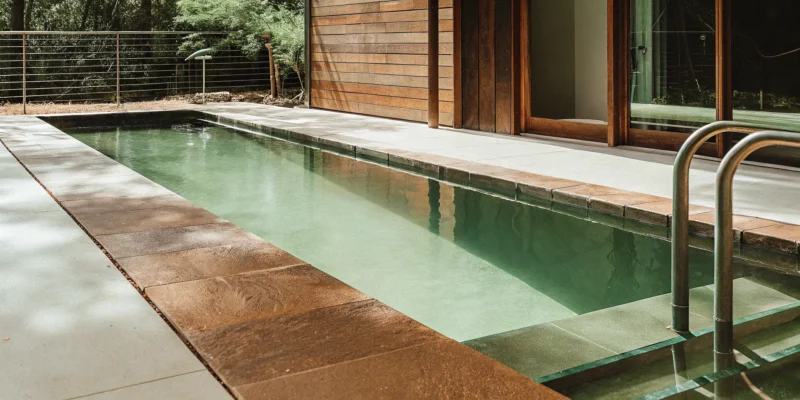
As a Long Island homeowner, you know any outdoor material has to be tough. It needs to handle hot summers, freezing winters, and everything in between. When it comes to your pool deck, you need something that is not only durable but also safe and beautiful. This is why so many people consider a travertine pool deck. This natural stone is incredibly resilient, capable of withstanding our freeze-thaw cycles without cracking or fading. Beyond its strength, it offers practical benefits that are perfect for poolside living: it stays cool to the touch and provides a naturally slip-resistant surface for your family’s safety. This guide breaks down the pros and cons, helping you understand if investing in a travertine pool deck is the right long-term decision for your home.
Key Takeaways
- Choose travertine for comfort and safety: This natural stone stays cool on bare feet even in direct sun and provides a naturally slip-resistant surface, making your pool area safer and more enjoyable for everyone.
- Commit to simple, long-term care: Travertine is durable, but it needs to be sealed every three to five years. This maintenance step is key to protecting the stone from stains and weathering, preserving its beauty for years to come.
- Invest in professional installation: The beauty and longevity of a travertine deck depend entirely on proper installation. Hiring an expert masonry team ensures a stable foundation is built, preventing future issues like shifting or cracking.
What is a Travertine Pool Deck?
If you’re dreaming of a pool deck that feels both luxurious and grounded in nature, travertine is a material you need to know. Simply put, travertine is a type of natural limestone that is cut into pavers or tiles for outdoor projects. It’s formed in mineral springs around the world, giving it a unique, slightly porous texture that has been prized for centuries. When used for a pool deck, it creates a surface that is elegant, durable, and full of character. It’s a fantastic choice for homeowners who want to build a truly timeless outdoor living space.
Where Does Travertine Come From?
Travertine has a rich history, famously used as a building material by the ancient Romans for everything from aqueducts to the Colosseum. Its story begins in nature, where it forms as a sedimentary rock around mineral spring deposits. This process creates the stone’s signature fibrous and concentric appearance. Because it’s a product of the earth, every single piece is unique. Gappsi sources high-quality natural stone to ensure your pool deck has a beautiful and authentic look that connects your backyard to the natural world. This ancient stone brings a sense of history and permanence to any design, making your outdoor space feel established and grand.
Popular Finishes for Pool Decks
One of the best parts of designing with travertine is choosing the finish and pattern that fits your style. A very popular option is the “French pattern,” which uses a mix of different-sized rectangular and square pavers to create an intricate, non-repeating design. This gives the surface a charming, rustic feel. For a more uniform look, you can have the pavers laid in a standard running bond, similar to classic brickwork. The stone itself can also be finished in different ways. A tumbled finish provides soft, rounded edges for a weathered, antique look, while a honed finish is smooth and matte. Our masonry experts can walk you through these options to find the perfect combination for your home.
Finding Your Perfect Color and Style
Travertine is known for its warm, earthy color palette that feels incredibly inviting. You’ll find it in beautiful shades of ivory, beige, gold, tan, and walnut. These neutral tones blend seamlessly with landscaping and create a sophisticated backdrop for your swimming pool. Because it’s a natural stone, there are subtle variations in color and pattern from one paver to the next, so your deck will have a one-of-a-kind look. This natural variation adds depth and visual interest, ensuring your pool area looks elegant and feels completely custom to your home. It’s a timeless choice that complements almost any architectural style, from Mediterranean to modern.
The Pros and Cons of a Travertine Pool Deck
Choosing the right material for your pool deck is a big decision. You want something that looks beautiful, feels great, and holds up for years to come. Travertine is a popular choice for good reason, but it’s smart to weigh its benefits against its drawbacks. Understanding both sides will help you decide if this classic stone is the perfect fit for your Long Island backyard oasis. Let’s walk through what you can expect from a travertine pool deck.
Benefit: It Stays Cool Underfoot
One of the best features of a travertine pool deck is how comfortable it is on bare feet, even on the hottest summer days. Unlike darker materials or concrete that can absorb the sun’s heat and become scorching, travertine naturally stays cooler. It reflects sunlight and draws coolness from the ground beneath it, so you and your family can walk around the pool without worrying about burning your feet. This simple comfort makes a huge difference in how much you’ll enjoy your outdoor space.
Benefit: It’s Naturally Slip-Resistant
Safety is always a top priority around a swimming pool, and travertine delivers. The stone is naturally porous, meaning it has tiny, microscopic holes across its surface. When the deck gets wet from splashes or rain, these pores absorb the water instead of letting it puddle on the surface. This creates a slip-resistant texture that provides better grip and helps prevent accidental falls. This feature makes travertine an excellent, family-friendly choice for any swimming pool area, giving you valuable peace of mind.
Benefit: It’s Built to Last
Travertine is an incredibly durable natural stone that has been used in construction for centuries. It’s strong enough to withstand the freeze-thaw cycles of a Long Island winter and the intense heat of summer without cracking or fading. This resilience means your investment will last for decades with proper care. When you choose a high-quality travertine, you’re getting a material that can handle heavy foot traffic, poolside furniture, and whatever else life throws at it, all while maintaining its structural integrity and beautiful appearance.
Benefit: It Offers Timeless Beauty
There’s an undeniable elegance to travertine that can transform any pool area into a luxurious retreat. Used since the days of ancient Rome, this stone offers a classic, sophisticated look that never goes out of style. Each paver has unique patterns, tones, and textures, so no two travertine decks are exactly alike. Whether you prefer the warm, earthy tones of a Mediterranean villa or the clean, bright look of a modern patio, you can find a style that fits your vision. Gappsi offers a wide selection of porcelain and natural stone to help you achieve that perfect, high-end finish.
Drawback: It Needs Regular Sealing
Because travertine is porous, it can absorb spills and trap dirt if it isn’t protected. To keep your deck looking its best and prevent stains from setting in, it needs to be sealed. A high-quality penetrating sealer will protect the stone without making it slippery. This isn’t a one-time task; you’ll need to plan on having it done every three to five years. While it is an extra maintenance step, Gappsi’s restoration and sealing services can handle the job for you, ensuring your deck stays protected and beautiful.
Drawback: It’s Sensitive to Acidic Spills
The calcium carbonate in travertine makes it sensitive to acids. Spills from things like citrus juice, soda, wine, or certain cleaning products can etch the surface if they aren’t wiped up quickly. An etch mark is not a stain but rather a dull spot where the acid has eaten away a tiny bit of the stone’s finish. While sealing provides a good first line of defense, it’s still important to clean up acidic spills as soon as you notice them. A little bit of caution during backyard barbecues goes a long way.
Drawback: Installation Can Be Complex
Proper installation is everything when it comes to a lasting travertine deck. If the base isn’t prepared correctly or the pavers aren’t set properly, you can end up with an uneven surface, shifting stones, or drainage problems down the line. This is not a simple DIY project. Hiring an experienced team is critical to ensure the ground is graded correctly and a solid foundation is laid. Professional masonry experts understand how to work with natural stone to create a stable, level, and beautiful deck that will stand the test of time.
Travertine vs. Other Pool Deck Materials
Choosing the right material for your pool deck is just as important as designing the pool itself. The surface you walk on sets the entire mood for your backyard oasis and impacts everything from safety to maintenance. While travertine is a fantastic option, it helps to see how it compares to other popular materials. Let’s look at how it stacks up against concrete, porcelain, and brick to help you find the perfect fit for your Long Island home. Each material has its own set of benefits, and the best choice depends on your budget, style preferences, and long-term goals for your outdoor space.
Travertine vs. Concrete
Concrete is often the default for pool decks because it’s budget-friendly. However, the trade-off is often in comfort and longevity. Travertine looks much more luxurious and, more importantly, stays cooler under your feet on hot summer days. Concrete, on the other hand, can get uncomfortably hot in direct sun. While concrete’s initial cost is lower, it’s also prone to cracking over time, especially with Long Island’s freezing and thawing cycles. A travertine deck, with proper installation from a masonry expert, offers a more durable and elegant solution that holds its value and enhances your home’s appeal for years to come.
Travertine vs. Porcelain Pavers
This is a common comparison, as both are premium materials. The choice often comes down to aesthetics. Travertine provides a warm, organic beauty with unique patterns that only natural stone can offer, creating a soft, earthy feel around your pool. In contrast, porcelain pavers deliver a sleek, uniform look perfect for modern designs. While porcelain is incredibly dense and easy to clean, it doesn’t have the same natural texture and can feel hotter underfoot. We work with a wide range of porcelain and natural stone, so we can walk you through samples of both to help you see and feel which one speaks to your personal style.
Travertine vs. Brick
Brick has a classic, traditional charm, but when it comes to a pool deck, durability is key. Travertine is a tough natural stone that stands up beautifully to hot weather, heavy rain, and even sleet; it’s simply built for the job. While brick is also a strong material, it can be more susceptible to wear and moisture absorption in a poolside environment, which can lead to issues over time. Aesthetically, travertine’s larger pavers create a more seamless and upscale look, making your pool area feel more spacious and resort-like. It’s a durable choice that complements the sophisticated design of a custom swimming pool.
What’s the Budget for a Travertine Pool Deck?
Planning your budget is one of the most important steps in any home improvement project, and a new pool deck is no exception. While travertine is a premium material, its price can vary quite a bit. The final cost of your project will depend on three main things: the stone you choose, the complexity of the installation, and the specific details of your design.
Think of it as an investment in your home’s value and your family’s enjoyment. To give you a clear picture of what to expect, let’s break down the costs. Understanding these components will help you create a realistic budget for the beautiful, long-lasting swimming pool area you’ve been dreaming of.
Breaking Down Material Costs
The first part of your budget is the stone itself. Travertine pavers typically cost between $3 to $8 per square foot, but this price reflects only the material. The final cost depends on the grade, color, and finish you select. Higher-grade travertine with fewer natural imperfections or a rarer color will be at the upper end of that range.
At Gappsi, we source a wide variety of porcelain and natural stone pavers, giving you plenty of options to match your budget and aesthetic goals. While the initial material cost is a key factor, remember that it’s just one piece of the overall project price.
Understanding Installation Costs
Travertine requires a skilled hand to install correctly, which is why labor is a significant part of the budget. Unlike a simple concrete slab, laying travertine pavers requires careful ground preparation, precise placement, and expertise to ensure proper drainage and a level surface that will last for decades. You’ll pay for both the stone and the skilled workers needed to install it correctly.
This is not a weekend DIY project. Investing in professional masonry services ensures your beautiful new deck won’t shift, crack, or settle over time. The peace of mind that comes with expert installation is well worth the upfront cost.
Factors That Influence the Final Price
Several other details can affect your final project cost. The quality and finish of the stone, the thickness and size of the tiles, and any special features like the coping (the stone edge around the pool) all play a role. Extensive site preparation, like removing an old deck or leveling a sloped yard, will also add to the total.
Finally, don’t forget about sealing. Sealing your new deck is a crucial step that protects the stone from stains and weathering. This service helps keep the stone looking clean by preventing dirt from getting trapped in its pores. Factoring in professional cleaning and sealing services from the start will help you protect your investment.
How to Choose the Best Travertine for Your Pool
Once you’ve decided on travertine, the next step is picking the right stone for your project. It might seem like all travertine is the same, but there are key differences that can impact the look, safety, and longevity of your pool deck. Thinking through a few important factors will help you select a material that not only looks beautiful but also performs perfectly for years to come. From the stone’s density to its finish, every detail matters. Let’s walk through what you need to look for to make a confident choice.
Check the Stone’s Grade and Density
When you’re looking at travertine, you’ll often hear about different “grades.” A higher grade of travertine typically has fewer natural holes and a more uniform color, which points to a denser, stronger stone. For a pool deck, you want to choose travertine pavers, which are specifically cut to be thick and durable. This ensures your deck can handle everything from patio furniture being moved around to constant foot traffic without chipping or cracking. A denser stone is also less porous, meaning it will be more resistant to stains and weathering over time. We can help you source high-quality natural stone pavers that have the right density and durability for a Long Island climate.
Prioritize Slip Resistance
Safety is always the top priority around a swimming pool, and the surface of your deck plays a huge role in preventing accidents. One of travertine’s best features is its natural slip resistance. The stone has tiny, inherent pores that help absorb water on the surface, providing better grip even when it’s wet. This is a major advantage over other materials that can become slick. To maximize safety, opt for a tumbled or brushed finish instead of a highly polished one. These textured finishes enhance the stone’s natural grip, giving you extra peace of mind while your family and friends enjoy the swimming pool.
Ensure Color and Finish Consistency
Travertine is loved for its warm, earthy tones like ivory, beige, and walnut, which create a timeless and elegant look. Because it’s a natural stone, no two pieces are exactly alike. This variation is part of its charm, but you still want a consistent overall look. We always recommend viewing samples in person, preferably in natural light, to see the true color. It’s even better if you can see a larger selection or a completed project to understand the range of tones. At the Gappsi Store, you can explore different options and we’ll ensure your order comes from a consistent batch for a beautifully cohesive result.
Why Professional Installation Matters
The most beautiful, high-grade travertine in the world will fail if it isn’t installed correctly. Proper installation is just as important as the material itself. We’ve all heard stories of decks that become uneven or sink over time due to a poor foundation. A professional installation ensures the ground is properly prepared, a stable base is laid, and each paver is set perfectly. This meticulous masonry work prevents shifting, cracking, and water issues down the road. Investing in an experienced team protects your investment and guarantees your stunning new pool deck will last for decades.
Maintaining Your Travertine Pool Deck
One of the best things about a travertine pool deck is its durability, but a little routine care will keep it looking pristine for years. Think of it less like a chore and more like protecting your beautiful investment. Keeping your travertine clean and sealed not only preserves its classic look but also ensures it remains a safe, inviting space for your family and friends. With a simple maintenance plan, you can easily manage spills, prevent stains, and keep your outdoor oasis in top condition through every season on Long Island.
Your Simple Cleaning Routine
Because travertine is a porous stone, it has natural little pockets where dirt and debris can settle. A simple cleaning routine is your best defense. Start by sweeping the deck regularly with a soft-bristle broom to clear away leaves, dirt, and anything else that gets tracked in. This simple step prevents grime from building up. For a deeper clean, you can rinse the area with a garden hose. If you notice tougher spots, a gentle wash with a pH-neutral cleaner and water will usually do the trick. While pressure washing is an option for a seasonal deep clean, always use a low-pressure setting to avoid damaging the stone’s surface.
How Often to Seal Your Travertine Deck
Sealing is the most important step in protecting your travertine from the elements. We recommend applying a high-quality, breathable penetrating sealer every three to five years. This type of sealer soaks into the stone, creating a protective barrier that helps prevent water, pool chemicals, and potential stains from getting trapped in its pores. Sealing not only keeps your deck looking clean and beautiful but also helps preserve its natural color and texture over time. If you’re unsure what your deck needs, our professional restoration and sealing services can help you protect your investment for the long haul.
Dealing with Stains, Chips, and Cracks
Accidents happen, but most are easy to fix if you act quickly. Acidic things like fallen leaves, bird droppings, or a spilled glass of lemonade can cause discoloration if left to sit. Try to clean up spills as soon as you see them. For stubborn organic stains, a poultice or a designated stone cleaner can often lift them out. While travertine is very strong, a heavy dropped object could cause a chip. Small imperfections can sometimes be repaired with color-matched epoxy. For larger cracks or widespread damage, it’s best to call in an expert to ensure a seamless repair that maintains the integrity of your beautiful masonry work.
Design Inspiration for Your Long Island Pool Deck
Once you’ve decided on travertine, the fun part begins: designing the look and feel of your backyard oasis. Travertine is incredibly versatile, so it works beautifully with a wide range of styles. Whether you’re dreaming of a rustic escape or a sleek, modern hangout, here are a few ideas to get your creativity flowing.
The Classic Mediterranean Oasis
To create a timeless, old-world feel, think warm and earthy. Choose travertine pavers in shades of gold, walnut, or cream and have them laid in a French pattern. This classic arrangement uses a mix of different-sized tiles to create a beautiful, interlocking design that feels both rustic and elegant. We can help you select the perfect combination of stones to achieve this look. Complement the warm stone with lush greenery, terracotta pots, and wrought-iron details for a space that feels like a permanent vacation to the Italian countryside.
The Modern Minimalist Retreat
If clean lines and a sophisticated vibe are more your style, travertine can deliver a stunning modern look. For a minimalist retreat, opt for large-format tiles in cooler tones like ivory, silver, or soft gray. Using large, uniform pavers creates a smooth, seamless surface that makes your pool area feel more spacious and open. Keep the landscaping simple with structured garden beds and ornamental grasses. This approach turns your swimming pool into the undisputed centerpiece of a chic, uncluttered backyard.
Pairing Travertine with Other Materials
Don’t be afraid to mix and match. Combining travertine with other materials adds visual interest and helps define different zones in your outdoor living space. You could create a border around your pool deck with darker stone pavers or use wood-look porcelain planks to transition from the pool area to a dining patio. Our landscape design team loves getting creative with textures and colors to build a truly custom look that reflects your personal style and the unique character of your home.
Adding Complementary Outdoor Features
A travertine pool deck is the perfect foundation for a complete outdoor living environment. Its natural beauty pairs wonderfully with other high-end features. Imagine stepping from your cool travertine deck into a shaded, custom-built pavilion or pergola for an afternoon break. You could also incorporate a cozy fire pit built with matching masonry for cool evenings, or even add a pathway leading to a private sauna. Integrating these elements creates a cohesive and functional backyard that you’ll enjoy for years to come.
So, Is a Travertine Pool Deck the Right Choice for You?
Deciding on the perfect material for your pool deck really comes down to weighing beauty, function, and maintenance. Travertine is a fantastic option if your vision for a backyard oasis includes timeless elegance and a touch of luxury. It delivers a beautiful, high-end look that can completely transform your pool area. If you prioritize a surface that feels comfortable and stays cool even on the hottest Long Island summer days, travertine is hard to beat. Its natural ability to stay cool underfoot means more comfortable poolside lounging for you and your family. Plus, its porous texture provides excellent slip resistance, which is a huge plus for safety around the water.
Of course, this premium experience comes with a few practical considerations. The upfront cost for travertine is higher than for materials like concrete pavers, as you are investing in both a high-quality natural stone and the skilled labor required for a flawless installation. It also requires a bit of upkeep. Because it’s a porous stone, you’ll need to commit to sealing it every couple of years to protect it from stains and water absorption. This regular restoration and sealing is key to preserving its beauty for decades to come.
Ultimately, the decision rests on your priorities and lifestyle. If you’re looking for a durable, stunning, and comfortable pool deck and are prepared for the investment and maintenance, travertine is an exceptional choice that adds significant value and enjoyment to your home. It’s a material that creates a truly special outdoor living space. When you’re ready to explore the different colors and finishes, looking at a gallery of porcelain and natural stone options can help you visualize the final result for your own backyard.
Related Articles
Frequently Asked Questions
How hot does a travertine deck get in the summer? This is one of travertine’s best features. It naturally stays much cooler to the touch than concrete or many other paver materials. Because it’s a lighter-colored stone, it reflects a lot of sunlight instead of absorbing it. You can comfortably walk on it with bare feet, even on a hot, sunny day, which makes a huge difference for enjoying your pool area.
Is travertine slippery when it gets wet? No, it’s actually known for being very slip-resistant. Travertine is a porous stone, which means it has tiny, microscopic holes that absorb water instead of letting it pool on the surface. This natural texture provides excellent grip for wet feet, making it a very safe and family-friendly choice for a swimming pool surround.
How much maintenance does a travertine deck actually need? The maintenance is quite manageable. The most important task is sealing the stone every three to five years to protect it from stains and weathering. For day-to-day care, a simple sweep to clear off leaves and dirt is usually enough. If you need to wash it, just use a pH-neutral stone cleaner and water. A little routine care goes a long way in keeping it beautiful.
What happens if I spill something like lemonade or wine on it? Because travertine is a calcium-based stone, it can be sensitive to acids. A spill like citrus juice or wine can cause an “etch,” which is a dull spot on the surface. The key is to wipe up these spills as soon as you notice them. A good sealer provides a strong layer of protection and gives you more time to clean up before any damage occurs.
Why is professional installation so important for travertine? Proper installation is critical for the longevity of your deck. Travertine pavers need a perfectly prepared and compacted base to prevent them from shifting, cracking, or becoming uneven over time. An expert mason understands how to grade the area for proper drainage and set each stone correctly. This is not a DIY-friendly project; professional work ensures your beautiful investment will last for decades.