


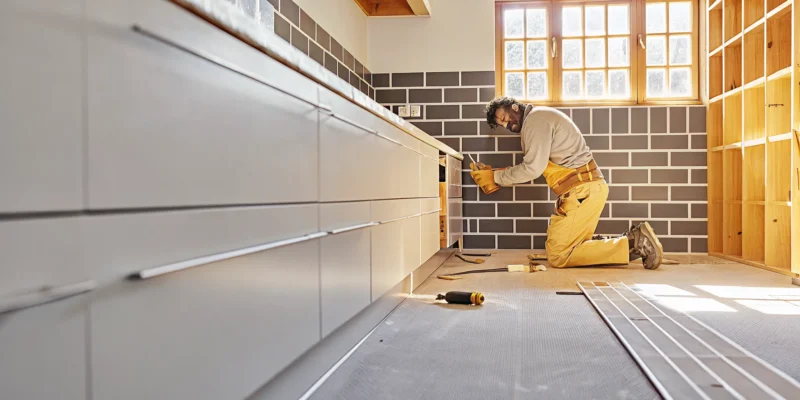
The difference between an average tile job and a truly exceptional one is always in the details. It’s the perfectly straight grout lines, the seamless cuts around outlets, and the flawlessly level surface that you can feel under your feet. These are the hallmarks of a true craftsperson. While a general handyman might get the tiles on the wall, a specialist brings a level of precision and artistry that makes all the difference. When you’re ready to update your space, you deserve a finish that looks polished and professional. This guide will help you find a skilled kitchen tile installer Long Island who focuses on those critical details, delivering a result that exceeds your expectations.
Key Takeaways
- Hire a Tile Specialist, Not a Generalist: Tile installation is a specific craft. A dedicated professional ensures correct surface preparation and expert handling of materials, which prevents costly mistakes like cracks or uneven tiles and guarantees a long-lasting, beautiful result.
- Do Your Homework on Materials and Installers: Your project’s success hinges on two things: the right tile and the right team. Choose a material that fits your kitchen’s style and maintenance needs, and always vet your installer by checking their license, insurance, portfolio, and references.
- Prioritize Clear Communication and Preparation: A smooth project starts before the work does. Prepare your kitchen by clearing the area, get detailed written quotes to understand all costs, and ask specific questions about the timeline and warranty to ensure you and your installer share the same vision.
What Does a Kitchen Tile Installer Do?
A kitchen tile installer does more than just lay tiles; they are skilled craftspeople who bring precision, artistry, and technical expertise to one of the most important rooms in your home. Their role is to transform your kitchen with surfaces that are not only beautiful but also durable and functional enough to handle daily life. A professional installer manages the entire process, from the critical first step of preparing the surface to the final touches of grouting and sealing. They ensure that floors are perfectly level, walls are protected, and every single tile is placed with care.
This job requires a deep understanding of different materials, adhesives, and techniques. Whether you’ve chosen classic ceramic, elegant marble, or modern glass tiles, an experienced installer knows how to handle each one correctly to prevent cracks, lippage, and future water damage. They use specialized tools for precise cutting, especially around tricky areas like outlets, corners, and appliances. Their work provides the foundation for your kitchen’s overall design, ensuring the final result is a seamless, professional finish that a DIY project often can’t match. Ultimately, a great tile installer combines the technical skill of a builder with the detailed eye of an artist.
Installing Floor Tile
Installing a new tile floor is a job that demands incredible precision from the very start. A professional installer begins by meticulously measuring your kitchen and preparing the subfloor, a critical step for a long-lasting and level result. They then expertly cut and lay each tile, ensuring perfect alignment and consistent spacing for a seamless pattern. Whether you choose durable porcelain or natural stone, a skilled installer has the right technique to handle the material properly. They finish the job by applying grout and sealant, creating a flawless, water-resistant surface that you’ll love walking on for years to come. This professional touch guarantees your floor can withstand foot traffic and spills with ease.
Creating a Backsplash
A kitchen backsplash is where function and style truly meet. It protects your walls from cooking splatters and spills while also serving as a major focal point for your kitchen’s design. A tile installer helps bring your vision for this space to life, creating anything from a clean, timeless subway tile pattern to an intricate mosaic that shows off your personality. The installer ensures the backsplash is not only visually stunning but also perfectly sealed and easy to clean. It’s a detail that makes a huge impact, tying together your countertops and cabinets as part of a cohesive home remodeling project and adding significant value to your space.
Tiling a Countertop
While granite and quartz are popular choices, tiled countertops offer a unique and customizable alternative that can add distinct character to your kitchen. An installer can work with various materials, including ceramic, porcelain, or stone tiles, to create a durable and stylish surface for food prep and dining. This process requires special attention to detail, from ensuring the underlying surface is completely level to using high-strength grouts that can withstand daily use. A professionally tiled countertop is not only a practical workspace but also a testament to detailed masonry craftsmanship, offering a look that is completely and beautifully your own.
Your Go-To Kitchen Tile Installer on Long Island
When you’re ready to bring your kitchen vision to life, finding the right installer is everything. You need a team that not only understands the technical side of laying tile but also gets your aesthetic and respects your home, timeline, and budget. On Long Island, the options can feel endless, making it tough to know who to trust with such an important project. You’re not just looking for someone to place tiles; you’re looking for a partner who will help you create a space you’ll love for years to come. This is a key part of your home remodeling journey, and the installer you choose can make all the difference between a stressful experience and a seamless one.
That’s why it’s so important to choose a company with a proven track record, a wide range of expertise, and a genuine commitment to making their clients happy. Think of it as building a relationship. You want clear communication, transparent pricing, and the confidence that comes from working with true professionals. When you find that perfect match, the entire process becomes smoother and more enjoyable. The final result isn’t just a tiled surface; it’s a beautifully crafted kitchen that reflects your style and enhances your daily life.
Why Gappsi is the Premier Choice
Gappsi stands out because we combine expert craftsmanship with a deep commitment to our clients. Our team specializes in installing a wide variety of materials, from classic ceramic to elegant porcelain and natural stone, using the latest techniques to ensure a flawless finish. We are fully licensed and insured, giving you complete peace of mind. More than that, we offer comprehensive services, so whether you need a new backsplash, floor, or a complete kitchen overhaul, we can create a cohesive and stunning design. Our reputation is built on completing projects on time, on budget, and always to the highest standards, ensuring your new kitchen is something you’ll be proud of for years.
How to Choose the Right Tiles for Your Kitchen
Picking the right tiles for your kitchen can feel like a huge decision, and it is. Your choice impacts not just the look of your space but also its daily function and long-term value. The perfect tile is a blend of personal style, practicality, and durability that fits your family’s lifestyle. Think about it: your kitchen floor handles spills, foot traffic, and dropped utensils, while your backsplash faces splatters and heat. You need something that can stand up to the challenge while looking great. It’s one of the most visible design elements, setting the tone for the entire room. Whether you’re aiming for a bright and airy feel, a warm and rustic vibe, or a sleek, modern look, the tile you select will play a starring role.
To make the right choice, you’ll want to focus on three key areas: the material, the overall aesthetic, and the required upkeep. Breaking it down this way makes the selection process much more manageable and ensures you’ll love your kitchen for years to come. Considering these factors will help you find a tile that not only looks beautiful on day one but also holds up to the demands of your household, maintaining its charm and function through countless meals and memories.
Ceramic vs. Porcelain vs. Natural Stone
The first step is understanding your material options. Ceramic and porcelain tiles are popular choices for good reason. They are known for their durability and water resistance, making them a great fit for busy kitchens. Porcelain is a bit of a superstar in this category; it’s denser and less porous than standard ceramic, giving it extra protection against moisture and stains. This makes it an excellent option for flooring. On the other hand, you have the timeless beauty of natural stone. Materials like marble, granite, and slate bring a unique, luxurious feel to a kitchen. While they are very durable, they do require more maintenance, like regular sealing, to keep them looking their best.
Match Your Style and Aesthetic
Once you have a material in mind, it’s time for the fun part: style. Your tile choice is a major design element that pulls the whole room together. Do you prefer a classic, modern, or rustic look? For a timeless and clean feel, you can’t go wrong with subway tiles. If you want to add more personality, consider square tiles or intricate mosaic patterns for your backsplash. Using larger format tiles or slabs is a great strategy for a more modern, seamless appearance because it reduces the number of grout lines. While materials like marble can be a bigger investment, their versatility for floors, countertops, and backsplashes allows you to create a truly cohesive and high-end design as part of your home remodeling project.
Consider Durability and Maintenance
Your kitchen is the heart of your home, which means it sees a lot of action. The tiles you choose need to be tough enough to handle daily life. As we covered, porcelain is a workhorse, offering top-tier durability with minimal upkeep. Natural stone is also very durable, but you have to commit to a little more maintenance to protect your investment. For example, stone is porous and needs to be sealed to prevent it from absorbing spills and staining. No matter which material you choose, the quality of the installation is what ensures its longevity. A professionally installed tile floor or backsplash will not only look better but will also be more durable, preventing issues like cracks and water damage down the road. Proper restoration and sealing are key to keeping them pristine.
Professional Installation vs. DIY: Which Is Right for You?
Let’s be honest, we’ve all watched a home renovation show and thought, “I could probably do that.” The idea of tackling a DIY project can be exciting, especially when you’re thinking about saving some money. But when it comes to kitchen tiling, a project that demands precision and skill, the line between a satisfying weekend project and a costly mistake can be very thin. Your kitchen is the heart of your home, and the tile work is a major feature. Before you grab the grout and trowel, it’s important to weigh the pros and cons of DIY versus hiring a professional to make sure you get the beautiful, durable result you’re dreaming of.
Why You Should Hire a Professional
Hiring a professional tile installer is an investment in peace of mind and quality. Tile can completely transform your kitchen, adding style and value, but only when it’s installed correctly. A professional brings years of experience and expert craftsmanship to the job, ensuring every tile is perfectly placed, level, and sealed. They understand how to properly prepare the surface, create a flawless layout, and handle any unexpected issues that might pop up. While a general handyman might offer to do the job, a specialist who focuses on tile installation will deliver a higher standard of work, preventing subtle but costly mistakes that can lead to cracked tiles or water damage down the road.
The Pitfalls of DIY Tile Installation
The biggest risk with a DIY tile job is that small errors can have a big impact. One of the most common issues is a crooked layout or inconsistent spacing between tiles. Once you notice a misaligned grout line, it’s impossible to unsee it. What starts as a cost-saving effort can quickly become more expensive if you have to tear out your work and start over, or worse, call a professional to fix it. Different materials also present unique challenges. Handling delicate porcelain and natural stone requires a level of skill and knowledge that most DIYers simply don’t have, and a mistake could mean wasting expensive materials.
Professional Tools and Techniques
A perfect finish comes from using the right tools and techniques. Professionals don’t just start laying tiles; they plan meticulously. They use tools like laser levels, tile spacers, and chalk lines to create a dry-fit layout before a single tile is set with mortar. This preparation is how they achieve those perfectly straight lines and uniform patterns you see in magazines. Furthermore, a true professional company provides more than just skilled labor. They offer a complete home remodeling experience, backed by proper licensing and insurance, which protects you as a homeowner. They have the expertise to guarantee their work, ensuring your new kitchen tile looks amazing for years to come.
What to Look For in a Kitchen Tile Installer
Finding the right person for your kitchen tile project can feel like a big task, but knowing what to look for makes all the difference. You’re making a significant investment in your home, and you deserve a professional who will execute your vision with skill and precision. A great installer doesn’t just lay tile; they contribute to the overall quality and beauty of your kitchen for years to come. To make sure you hire a top-notch professional, focus on these key areas during your search.
Proven Experience and Specialization
When it comes to tile, you want a specialist, not a general handyman. While a general contractor might be great for other projects, tile installation is a craft that requires specific skills and knowledge. A dedicated tile installer has the expertise to handle complex jobs, like creating intricate mosaic backsplashes or working with large-format porcelain and natural stone. They understand the nuances of different materials, the right adhesives to use, and how to properly prepare surfaces to prevent future issues like cracking. An experienced specialist ensures your tile work is not only beautiful but also durable enough to last.
Proper Licensing and Insurance
This is a non-negotiable. Before you hire anyone, always verify that they are properly licensed and carry current insurance, including liability and worker’s compensation. This is your protection against any accidents or property damage that might happen during the project. A professional installer will have no problem providing you with this documentation. You can also look for certifications or memberships in organizations like the National Tile Contractors Association (NTCA). This shows a commitment to upholding industry standards and continuing education, which is a great sign that you’re working with a true professional who takes their craft seriously.
A Strong Portfolio of Past Work
A picture is worth a thousand words, especially when it comes to tile work. Ask any potential installer to see a portfolio of their completed projects. Pay close attention to the details: are the grout lines clean and consistent? Are the cuts around outlets and corners precise? Does the overall layout look balanced and professional? Many installers also showcase their work on social media or have video galleries. Checking out an installer’s past projects gives you a clear idea of their skill level and style. The difference between an average job and an exceptional one is often in these small details.
Positive Customer Reviews
What past clients have to say is one of the best indicators of what your experience will be like. Ask for a list of references and take the time to call them. Inquire about the quality of the work, whether the project was finished on time and on budget, and how the installer was to work with. Were they communicative and respectful of the client’s home? In addition to references, read online reviews to look for patterns. A few glowing reviews are great, but consistent praise across multiple platforms is even better. Likewise, multiple mentions of sloppy work or poor communication are clear red flags.
Essential Questions to Ask Your Tile Installer
Once you have a shortlist of potential installers, it’s time to start the interview process. Asking the right questions upfront helps you find a true professional and ensures your project goes smoothly from start to finish. Think of this as a friendly conversation to make sure you and your installer are on the same page. A great contractor will welcome your questions and provide clear, confident answers.
Are You Licensed and Insured?
This should always be your first question. A professional tile installer must have the proper licensing for your area and carry current insurance, including liability and worker’s compensation. This protects you from any financial responsibility in case of accidents or property damage during the project. Don’t just take their word for it; ask to see the documents. Membership in a professional organization like the National Tile Contractors Association (NTCA) is another excellent sign that you’re dealing with a dedicated expert who values their craft and stays current with industry standards. Gappsi’s long history of professional masonry services is built on this foundation of trust and accountability.
What Does Your Quote Include?
To avoid confusion and surprise costs, you need a detailed, itemized quote. A common mistake is assuming the initial price covers everything. Ask your installer to break down the costs for materials, labor, demolition of old tile, subfloor preparation, and cleanup. Does the quote include hauling away debris? Will they move your appliances? Getting everything in writing ensures both you and the contractor have the same expectations before any work begins. This simple step prevents misunderstandings down the road and helps you accurately compare bids from different installers. A comprehensive quote is a hallmark of a thorough home remodeling professional.
What is the Project Timeline?
Your kitchen is the heart of your home, so you’ll want to know how long it will be out of commission. Ask for a clear project timeline, including a start date, the estimated number of days the installation will take, and a completion date. It’s also wise to ask about their policy for handling potential delays. A seasoned installer can give you a realistic schedule and will communicate proactively if unforeseen issues, like subfloor problems, arise. Understanding the timeline helps you manage your household and your expectations, leading to a much less stressful renovation experience.
Do You Offer a Warranty?
A contractor who stands behind their work will offer a warranty. Ask what the warranty covers and for how long. Does it apply to the installation and labor, the materials, or both? A quality tile job should last for decades, and a warranty provides peace of mind that the installer is confident in their skills and the materials they use. This guarantee shows a commitment to quality and customer satisfaction. When a company provides high-quality materials from their own Gappsi Store, they are more likely to stand behind the finished product, ensuring your investment is protected for years to come.
How Much Does Kitchen Tile Installation Cost in Long Island?
Let’s talk about one of the biggest questions on every homeowner’s mind: the budget. The cost of a professional kitchen tile installation on Long Island can range quite a bit, so it helps to have a clear picture from the start. Generally, you can expect to invest anywhere from $1,200 to $6,500 for a project. Of course, this is just a ballpark figure. A smaller, more straightforward job like a simple backsplash might be on the lower end, while a complete kitchen floor overhaul with premium materials could easily exceed that.
So, what makes the price swing so much? It comes down to a few key things: the type of tile you fall in love with, how complex your design is, and the specific crew you hire for the job. For example, a simple grid pattern with ceramic tile will cost less than a herringbone layout using natural stone. The condition of your existing floor or walls also plays a part, as any necessary repairs will add to the total. Understanding these elements is the first step to creating a realistic budget and making sure there are no surprises. We’ll break down exactly what goes into the final price tag, so you can plan your kitchen transformation with confidence.
What Affects the Final Cost?
Several key factors will shape the final quote for your kitchen tile installation. First is the tile itself. Durable and popular options like ceramic and porcelain are generally more budget-friendly, while materials like marble or slate can increase the cost significantly. The complexity of the installation also matters. A simple, straight-lay pattern is less labor-intensive than an intricate design like a mosaic or herringbone. Finally, don’t forget about labor costs, which can vary based on the installer’s experience. Any prep work, like leveling an uneven subfloor or removing old tile, will also be factored into the final price.
Typical Costs by Tile Type
To give you a better idea of what to expect, here’s a general breakdown of costs by material. Keep in mind these are estimates, and prices can vary. Ceramic tile is often the most affordable, with installed costs typically between $7 and $15 per square foot. Porcelain and natural stone offer incredible durability and a high-end look, with installed costs for porcelain ranging from $10 to $25 per square foot. Natural stone has the widest price range, from $15 to $35 or more per square foot installed, depending on how rare and unique the material is.
How to Get a Fair and Accurate Quote
To feel confident in your investment, it’s important to get a clear and comprehensive quote. Start by getting estimates from a few different qualified installers. When you discuss your project, be as specific as possible. Talk about the exact tile you want, the pattern you envision, and the current state of the area. A great contractor will ask questions and might even inspect the site before providing a number. Make sure the final quote is itemized, detailing the costs for materials, labor, and any necessary prep work. This transparency is key to a successful home remodeling project.
How to Prepare Your Kitchen for Tile Installation
Once you’ve chosen your tiles and hired a professional installer, a little preparation on your end can make a world of difference. Taking a few simple steps to get your kitchen ready ensures the installation process goes smoothly, stays on schedule, and results in the beautiful finish you’ve envisioned. A prepared space allows your installation team to work efficiently and safely, minimizing disruptions to your home and preventing unexpected delays or costs. Think of it as setting the stage for a successful renovation.
Clear and Clean the Area
Before your installation team arrives, your first job is to completely clear out the kitchen. This means removing everything from the room, including tables, chairs, small appliances, and any decorative items on the walls or counters. It’s also a good idea to empty your cabinets and pantry. Creating a completely empty workspace prevents your belongings from getting damaged or covered in dust. A clear area also helps avoid confusion and allows the installers to focus entirely on their work. Once the room is empty, give the floors and surfaces a thorough cleaning to remove any dust or debris that could interfere with the installation. This simple step is a crucial part of any home remodeling project.
Address Any Subfloor Issues
The success of your new tile floor depends heavily on the condition of the surface beneath it: the subfloor. Tile requires a solid, level, and clean foundation to prevent future problems like cracking or shifting. Any existing issues, such as water damage, uneven spots, or instability, must be fixed before a single tile is laid. A professional installer will always inspect the subfloor as a first step, but it’s good for you to be aware of its importance. Tile installation is a specialized trade, and creating a proper foundation is just as critical as cutting the tiles cleanly. Addressing these foundational issues is key to ensuring your beautiful new porcelain or natural stone floor lasts for decades.
Communicate Your Vision Clearly
Clear communication with your installer is the best way to ensure the final result matches your vision. Before work begins, have a detailed conversation about your expectations. Don’t be shy about confirming the tile layout, the pattern you’ve chosen, and the grout color. A good contractor will listen closely and ask plenty of questions to make sure they understand your goals. If you have inspiration photos or sketches, share them. Visuals are a great tool for getting on the same page and avoiding misunderstandings. This dialogue helps build a strong working relationship and gives you confidence that your project is in the right hands. Asking the right questions helps you and your installer plan for a perfect outcome.
Avoid These Common Hiring Mistakes
Choosing the right person for your kitchen tile installation is just as important as picking the perfect tile. A beautiful design can be completely undermined by a poor installation, leading to costly repairs and a lot of frustration. While it might seem like a straightforward job, there are several common missteps homeowners make during the hiring process. It’s easy to get swept up in the excitement of a new kitchen, but rushing the hiring decision can have long-term consequences. From hiring someone without the right expertise to overlooking critical credentials, these mistakes can turn your dream project into a stressful ordeal. By being aware of these potential pitfalls, you can approach the hiring process with confidence. Taking a little extra time to properly vet your installer will pay off in the long run, giving you peace of mind and a flawless, lasting result that you can enjoy for years to come.
Hiring a Generalist for a Specialist’s Job
One of the most frequent mistakes is hiring a general handyman who claims they can “do it all.” While they may be great for odd jobs around the house, tile installation is a highly specialized trade. It requires specific tools, techniques, and an understanding of how different materials behave. This is especially true when working with premium materials like porcelain and natural stone, where improper installation can lead to cracks, uneven surfaces, and wasted money. Think of it this way: you wouldn’t ask your family doctor to perform heart surgery. For a professional, durable finish that protects your investment, always choose an installer who specializes in tile.
Skipping the Credentials Check
It’s easy to get excited about starting your project, but don’t let that rush you past the crucial step of checking credentials. A legitimate contractor will be licensed to work in your area and carry both liability insurance and worker’s compensation. This isn’t just red tape; it protects you. If an uninsured worker gets injured on your property, you could be held financially responsible. A professional installer will have no problem providing you with their license number and proof of insurance. For an extra layer of confidence, you can also see if they are members of a professional organization like the National Tile Contractors Association.
Failing to Get Multiple Quotes
Even if you have a great first impression, it’s wise to get at least two or three detailed quotes for your project. This isn’t just about finding the lowest price. Comparing quotes helps you understand the full scope of the work and what a fair market rate is on Long Island. A suspiciously low bid could be a red flag that the contractor is cutting corners, using subpar materials, or doesn’t fully understand the job. A detailed, written quote that breaks down the costs for labor, materials, and other expenses shows that the contractor is thorough and transparent. This process is also an excellent opportunity to interview potential installers and find someone you trust.
Ignoring Communication Red Flags
Pay close attention to how a potential installer communicates with you from the very first interaction. A great contractor will listen carefully to your ideas, ask clarifying questions, and offer thoughtful suggestions. If you encounter someone who seems dismissive of your vision, gives vague answers, or is difficult to get in touch with, consider it a major red flag. Clear and consistent communication is the bedrock of any successful home remodeling project. You need to feel confident that your installer understands your goals and will keep you informed throughout the process, preventing misunderstandings and unexpected costs later on.
Related Articles
- KITCHEN TILES SHOWROOMS LONG ISLAND – Gappsi Group
- Glass tiles and travertine veneer for kitchen backsplash long island – Gappsi Group
- kitchen cabinets installers long island – Gappsi Group
- Restaurant kitchen Tile installation in Montauk NY by Gappsi. – Gappsi Group
- Outdoor Kitchen Long Island: Design, Materials, Cost Guide
Frequently Asked Questions
How long will my kitchen be unusable during the installation? This is a huge and very practical question. The exact timeline depends on the scope of your project. A simple backsplash might only take a day or two, while a full floor replacement will naturally take longer. Factors like the amount of prep work needed (like leveling a subfloor) and the drying time for mortar and grout also play a role. A professional installer will give you a clear, day-by-day schedule before they begin so you can plan accordingly.
Can you install new tile directly over my old floor or backsplash? While this can seem like a tempting shortcut, it’s rarely the best approach. For your new tile to look great and last for decades, it needs a perfectly flat, stable, and clean foundation. Installing tile over an existing surface can lead to future problems like cracks, lippage (uneven tiles), and a poor bond. A true professional will almost always recommend removing the old material to properly prepare the surface and ensure a flawless, long-lasting result.
My budget is tight. Is it better to save money on the tile or the installation? If you have to make a choice, I always recommend investing in a quality installation. The installer’s skill is what protects your entire investment. A poor installation can ruin even the most beautiful, expensive tile, leading to costly repairs down the road. You can find gorgeous and durable tiles, like ceramic or porcelain, at very reasonable price points. It is much wiser to pair an affordable tile with an expert installation than to do the opposite.
What’s more important for kitchen floors: durability or style? The great news is that you don’t have to choose one over the other. Materials like porcelain offer incredible durability that stands up to spills, foot traffic, and dropped pans, all while coming in countless styles to match your aesthetic. Natural stone offers a unique, high-end look with fantastic durability, though it requires a bit more maintenance. The key is to find the material that best fits your family’s lifestyle and your personal taste, and a professional can help you find that perfect balance.
Besides the tile and labor, what other costs should I expect? This is a smart question to ask when budgeting. A comprehensive quote from a professional installer should be itemized, but you can generally expect costs to include materials beyond the tile itself, such as mortar, grout, and sealant. The price will also factor in any necessary prep work, like removing old tile or repairing the subfloor, as well as the final cleanup and debris disposal. Getting a detailed quote upfront is the best way to avoid any surprises.