


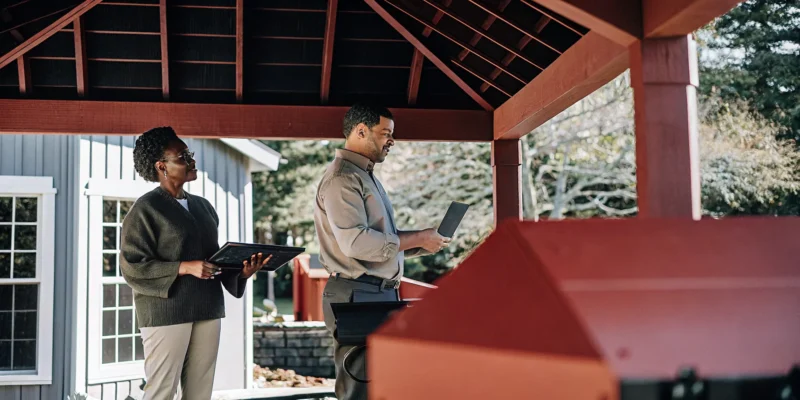
A pavilion shouldn’t look like it was just dropped into your yard; it should feel like it was always meant to be there. The key to achieving this seamless look is customization. By carefully selecting materials that complement your home’s exterior, choosing a roofline that matches its architecture, and integrating details that reflect your personal style, you create a structure that feels like a natural extension of your living space. This level of personalization is what separates a standard kit from a truly bespoke outdoor room. Achieving this requires a partner with both design expertise and construction skill. A talented Smithtown pavilion builder will work with you to ensure every detail, from the stone columns to the ceiling finish, is perfect.
Key Takeaways
- Plan Your Pavilion as an Outdoor Room: A pavilion is more than just a cover; it’s a functional extension of your home. Thinking of it this way helps you focus on creating a space for dining and relaxing, which directly adds to your property’s usability and value.
- Match Your Pavilion to Your Home’s Style: Create a seamless look by choosing materials, colors, and a roofline that complement your house. Integrating the structure with your existing patio and landscaping will make the pavilion feel like it was always meant to be there.
- Thoroughly Vet Your Pavilion Builder: The success of your project depends on your contractor. Always verify their local experience, confirm they are licensed and insured, and ask detailed questions during the consultation to ensure they are the right partner for your vision.
Why Invest in a Custom Pavilion for Your Smithtown Home?
A custom pavilion can completely transform your backyard from a simple patch of grass into a true extension of your home. It’s more than just a structure; it’s a destination for family dinners, a shady retreat by the pool, and a cozy spot to enjoy a cool evening. If you’re looking to get more use out of your outdoor space in Smithtown, a pavilion offers a perfect blend of style, function, and lasting value. It creates a defined outdoor room that protects you from the elements, allowing you to enjoy your yard in comfort, rain or shine.
Pavilion vs. Pergola vs. Gazebo: What’s the Difference?
When planning an outdoor structure, it’s easy to get the terms mixed up. A pavilion is typically a rectangular structure with a solid, continuous roof and open sides. Think of it as an outdoor room that offers complete protection from direct sun and rain. A pergola, on the other hand, has a slatted roof that provides partial shade but won’t keep you dry in a downpour. Gazebos are often octagonal or round, with a full roof and partially enclosed sides, serving as a charming focal point in a garden. For creating a functional living or dining space, a custom pavilion is usually the most practical and versatile choice.
How a Pavilion Increases Your Home’s Value
A beautifully designed pavilion does more than just improve your backyard’s aesthetic; it adds real value to your property. By creating a functional and protected outdoor living area, you’re effectively extending your home’s usable square footage, a feature that is highly attractive to potential buyers. It’s a permanent improvement that signals quality and thoughtful investment. A pavilion near a pool provides a dry, private space for guests, while one connected to your patio can house an outdoor kitchen or dining set. Using high-quality materials and expert masonry techniques ensures your pavilion will not only look stunning but will also stand the test of time, making it a wise addition to your Smithtown home.
How to Choose the Right Pavilion Builder in Smithtown
Selecting the right builder for your Smithtown pavilion is just as important as choosing the design itself. The right partner will bring your vision to life, manage the project smoothly, and create a structure that you and your family will enjoy for years. Finding that perfect fit requires a little homework, but it’s worth the effort. A great pavilion can become the heart of your backyard, a place for quiet mornings and lively gatherings. But a poorly managed project can lead to stress and disappointment. That’s why taking the time to find a qualified, trustworthy builder is the most critical first step. This guide will walk you through how to evaluate potential builders, from checking their local experience to knowing which questions to ask, so you can move forward with confidence and excitement for your new outdoor space.
Verify Their Local Experience and Design Expertise
A builder with deep roots in the Smithtown area offers a distinct advantage. They understand local building codes, weather patterns, and the specific architectural styles that define our Long Island communities. When you speak with a potential builder, ask about their previous projects in the area. A company with a strong local portfolio demonstrates a commitment to the community and an understanding of its unique character. Beyond location, their design and construction expertise is key. They should act as a creative partner, listening to your ideas and offering suggestions to make your pavilion both beautiful and functional.
Confirm Licensing, Insurance, and Craftsmanship
Before you sign any contracts, it’s essential to confirm that your builder is fully licensed and insured. This is a non-negotiable step that protects you from liability and ensures the company operates professionally. A reputable builder will readily provide this documentation. This level of professionalism often goes hand in hand with superior craftsmanship and reliable project management. A company that handles all the details, from permits to final cleanup, shows they are a serious and trustworthy home improvement company dedicated to a seamless experience for their clients.
Key Questions to Ask During Your Consultation
Your initial consultation is the perfect opportunity to gauge a builder’s expertise and see if they’re a good fit for your project. Don’t be shy about asking detailed questions. A great builder will welcome your curiosity and provide clear, confident answers.
Here are a few key questions to get you started:
- Can you show me a portfolio of your recent pavilion projects?
- Who will be my main point of contact, and who will be on the construction team?
- What is your typical timeline for a project of this scope?
- How do you handle unexpected issues or changes during construction?
Watching videos of a company’s past projects on their YouTube channel can also give you a feel for their work and process before you even meet.
How to Spot Common Red Flags
Just as you look for positive signs, it’s important to recognize potential red flags. Be cautious of any builder who pressures you to make a quick decision or asks for a large cash payment upfront. An unusually low bid can also be a warning sign, as it may indicate subpar materials or inexperienced labor. Vague contracts, poor communication, and a reluctance to provide references are other indicators that you should probably look elsewhere. Always check online reviews and testimonials to get a broader sense of a builder’s reputation and the quality of their masonry and stonework, which often accompanies pavilion projects.
Wood vs. Vinyl: Which Pavilion Material Is Best for You?
Choosing the right material for your pavilion is one of the most important decisions you’ll make. This choice affects not just the look of your backyard structure, but also its cost, durability, and the amount of maintenance it will require over the years. The two most popular options, wood and vinyl, each offer a distinct set of benefits. Wood provides a timeless, natural warmth, while vinyl delivers a clean, modern look with minimal upkeep.
There is no single “best” material, only the best material for your specific home, lifestyle, and budget. Do you love the classic charm of a rustic cedar structure, or do you prefer a crisp white pavilion that always looks freshly painted? Are you someone who enjoys weekend home projects, or would you rather spend your free time relaxing instead of performing upkeep? Gappsi designs and builds a wide variety of custom pavilions and pergolas, and we can help you weigh the pros and cons to find the perfect fit for your Smithtown home. Let’s break down what each material has to offer.
The Pros and Cons of Wood Pavilions
Wood is the traditional choice for pavilions, and for good reason. It offers a natural, rich beauty that blends seamlessly into any landscape. Woods like cedar are particularly popular because they are strong, durable, and naturally resistant to decay and insects, ensuring your structure stands strong for years. A wood pavilion can be stained or painted in any color, giving you endless customization options to match your home’s aesthetic. The main consideration with wood is maintenance. To keep it looking its best and protect it from the elements, a wood pavilion will need to be periodically sealed or stained.
The Pros and Cons of Vinyl Pavilions
If your top priority is low maintenance, a vinyl pavilion is an excellent choice. Vinyl structures are incredibly durable and stand up to harsh weather without rotting, cracking, or fading. You’ll never have to worry about insects, and cleaning is as simple as a quick rinse with a hose. This means you can spend more time enjoying your outdoor oasis and less time working on it. Vinyl offers a clean, sleek appearance that complements modern home styles perfectly. While vinyl can sometimes have a slightly higher upfront cost than wood, you’ll save money and time on maintenance in the long run.
Choose Your Material Based on Lifestyle and Budget
Ultimately, your decision comes down to personal preference and priorities. If you envision a rustic retreat and don’t mind the occasional upkeep, the classic beauty of a wood pavilion is hard to beat. If you lead a busy life and want a worry-free structure that always looks pristine, vinyl is your answer. Consider how the material will complement your other outdoor features. A wood pavilion might pair beautifully with a lush garden, while a vinyl structure could create a striking contrast with a dark natural stone patio. We can walk you through the specific costs and benefits of each to find a solution that fits your vision and your budget.
Popular Pavilion Design Options and Features
A custom pavilion is so much more than a simple backyard structure; it’s an opportunity to create a true outdoor room tailored to your lifestyle. The beauty of a custom build is that you get to decide on every detail, from the roof that shelters you to the features that make the space feel like home. With the right design choices, your pavilion can become the centerpiece of your backyard, perfect for everything from quiet morning coffees to lively evening parties. At Gappsi, we specialize in creating these unique outdoor living spaces. Let’s explore some of the most popular features you can include to make your pavilion uniquely yours.
Select Your Roof Style
The roof is one of the most defining features of your pavilion, setting the tone for its entire look. While traditional styles like gabled or hip roofs are timeless choices that pair beautifully with wood and vinyl, many homeowners are opting for a more modern aesthetic. For a sleek, contemporary feel, you can choose a metal roof or even an automated louvered roof. An automated aluminum roof gives you incredible flexibility, allowing you to adjust the louvers to let in the sun or close them for complete shade and rain protection. The style you select will not only influence the design but also the functionality of your custom pavilion.
Add Built-In Lighting, Heating, and Seating
To make your pavilion a comfortable retreat day or night, consider integrating custom features that add comfort and ambiance. Built-in lighting, such as recessed LEDs, a statement chandelier, or delicate string lights, can transform the space after sunset. To extend your outdoor season into the cooler months, you can add discreet overhead heaters or even a full-fledged outdoor fireplace. Finally, incorporating built-in seating, like benches or designated nooks for lounge furniture, ensures your pavilion is always ready for relaxation or entertaining guests. These thoughtful additions turn a simple structure into a functional, year-round living area.
Integrate an Outdoor Kitchen or Entertainment Space
Why limit your hosting to the indoors? A pavilion provides the perfect framework for a complete outdoor kitchen and entertainment hub. Imagine grilling for guests without being exposed to the elements, thanks to a custom-built station with a grill, countertops, a sink, and even an outdoor refrigerator. You can also use your pavilion to create a dedicated entertainment zone by mounting a television for watching the game or installing a sound system for background music. By working with a masonry designer, you can incorporate beautiful and durable stonework for your kitchen and bar areas.
Connect Your Pavilion to Your Pool and Patio
A well-designed pavilion should feel like a natural and intentional part of your backyard landscape. Positioning it near your pool creates a convenient, shaded spot for guests to dry off, relax, and escape the sun. You can create a seamless flow between your home, patio, and pavilion by designing elegant pathways. Using materials that complement your existing hardscaping, like porcelain and natural stone pavers, helps unify the different zones of your yard. This thoughtful integration makes your entire outdoor space feel more cohesive, inviting, and professionally designed.
How Much Does a Custom Pavilion Cost in Smithtown?
Let’s talk about the numbers. Budgeting for a custom pavilion is one of the most important steps in the planning process. While there isn’t a single price tag, understanding the factors that shape the final cost will help you plan effectively and ensure there are no surprises along the way. The total investment depends on your vision, from a simple, shaded retreat to a fully-equipped outdoor living room. At Gappsi, we believe in transparency, helping you see exactly how your choices in design, materials, and features contribute to the overall cost of your Smithtown project.
What Factors Influence the Final Price?
The final price of your custom pavilion is shaped by several key factors. Think of it like building a custom home, where every choice influences the outcome. The most significant driver is size; a larger pavilion requires more materials and labor. Design complexity also plays a big role. A simple rectangular structure will cost less than one with intricate details, custom post work, or a unique roofline. Finally, any additional features you want to include, like built-in lighting, ceiling fans, heating elements, or integrated outdoor kitchens, will add to the total investment. We can walk you through all the options for pavilions and pergolas to find a balance that fits your budget.
Average Costs by Size and Material
Material choice is another major factor in your pavilion’s cost. Wood pavilions offer a classic, natural aesthetic and are often the more budget-friendly option upfront. They can be stained or painted to match your home perfectly. On the other hand, vinyl pavilions typically cost about 20% more than their wood counterparts. The trade-off is that vinyl is incredibly low-maintenance, resisting weather and wear without needing to be sealed or painted. The size of the structure will also cause the price to vary significantly. For example, a small 8×10 foot pavilion can be a starting point, while a large 24×48 foot structure designed for entertaining big groups will represent a much larger investment.
Budgeting for Foundation and Permit Requirements
When planning your budget, it’s important to account for more than just the pavilion structure itself. A solid foundation is essential for stability and longevity. Depending on your property and the pavilion’s size, this often involves installing concrete piers, which can be a separate line item in your budget. Additionally, the Town of Smithtown has specific building codes and permit requirements for outdoor structures. These permits come with their own fees and require a clear plan for approval. Working with an experienced builder like Gappsi means we handle the entire permitting process and all the necessary masonry work, ensuring your project is built correctly from the ground up.
Explore Your Financing Options
A custom pavilion is a valuable addition to your home, but it’s also a significant investment. Don’t let the initial cost keep you from creating the backyard of your dreams. Many homeowners find that financing is a great way to make the project more manageable, allowing them to get the design and features they truly want without compromise. At Gappsi, we can help you explore financing options for your home improvement project, often with quick approval times. When we discuss your project, feel free to ask about how financing can fit into your budget. We are committed to helping you find a path forward to build the perfect outdoor space for your family.
How to Customize a Pavilion to Match Your Home
A custom pavilion should feel like a natural extension of your home, not a separate, disconnected structure. The key to achieving a cohesive look is thoughtful customization. By carefully selecting materials, tailoring the design, and integrating the structure with your landscape, you can create a pavilion that looks like it was always meant to be there. This process transforms your backyard into a unified and inviting outdoor living area.
Match Materials and Finishes to Your Home’s Exterior
To create a seamless transition from your house to your pavilion, start by looking at your home’s existing materials. The goal is to choose finishes that complement your home’s architectural style, color palette, and textures. For example, you can match the pavilion’s roofing to your home’s shingles or select a trim color that mirrors your window frames. Gappsi builds custom pavilion and pergola structures using a variety of materials like wood, low-maintenance vinyl, aluminum, and even masonry columns. This flexibility allows you to echo the materials of your home’s facade, whether it’s brick, stone, or siding, ensuring your new pavilion fits right in.
Choose Custom Sizing, Rooflines, and Details
A one-size-fits-all pavilion rarely works because every backyard is unique. Customization allows you to design a structure that is perfectly proportioned to your home and outdoor space. Consider the roofline, for instance. A gabled or hipped roof can be designed to match the pitch and style of your home’s roof, creating a strong visual connection. Beyond the overall size and shape, small details make a huge difference. You can select column styles, decorative brackets, and ceiling finishes that reflect your personal taste and your home’s character. This level of detail helps you seamlessly extend your living space outdoors, creating a truly bespoke retreat.
Weave in Natural Stone, Pavers, and Landscaping
Grounding your pavilion in its surroundings is the final step to creating a harmonious design. The flooring you choose is a great place to start. By using the same materials as your existing patio or walkways, you create a continuous flow throughout your yard. You can build a stunning foundation with beautiful porcelain or natural stone that ties into other hardscaping elements. Don’t forget the power of landscaping. Planting shrubs, perennial gardens, or even climbing vines around the base of the pavilion can soften its edges and help it blend beautifully into the natural environment. This thoughtful integration makes the structure feel like a permanent and organic part of your landscape.
The Pavilion Building Process From Start to Finish
Seeing your dream pavilion come to life is an exciting process. While every project is unique, understanding the key stages can help you know what to expect from start to finish. A professional builder will guide you through each step, turning your initial ideas into a beautiful, functional outdoor living space. Here’s a look at how we bring a custom pavilion from a concept to completion.
Step 1: Design and Planning
This is where your vision starts taking shape. The design and planning phase is all about collaboration. We’ll sit down with you to discuss exactly what you’re looking for, from the overall style and size to the specific materials and features. Gappsi specializes in custom-designed pavilions and pergolas tailored to your specifications, so this is the time to share all your ideas. We’ll help you choose the right roof style, column design, and any built-in elements like lighting or seating. Our team creates detailed plans and renderings, allowing you to see a realistic preview of your pavilion and make any adjustments before we break ground.
Step 2: Site Prep and Permitting
Once the design is finalized, we move on to preparing the site and handling the necessary paperwork. During your consultation, don’t be shy about asking questions about the project timeline and who will be on-site. Proper site preparation is essential for a stable and long-lasting structure. This involves clearing and leveling the area and installing a solid foundation, which could be concrete footers or a full masonry patio base. We also manage the entire permitting process with the Town of Smithtown, ensuring your project complies with all local building codes. This step takes the stress off your shoulders and keeps the project moving forward smoothly.
Step 3: Construction and Installation
With the foundation set and permits in hand, the construction begins. This is when you’ll see your pavilion physically come together. Our skilled craftsmen use only high-quality materials and proven construction techniques to build pavilions that stand the test of time. We assemble the main frame, install the roofing, and then add all the finishing touches and custom details from your design plan. We work efficiently and maintain a clean, organized job site to minimize disruption to your daily life. You can see examples of our team’s craftsmanship and attention to detail on the Gappsi YouTube channel.
Caring for Your New Pavilion
After the final walkthrough, your beautiful new pavilion is ready for you to enjoy. To keep it looking its best for years to come, a little routine care is all you need. The maintenance depends on the material you choose. Wood pavilions, for example, offer a classic appearance while ensuring strength and durability, but they may require periodic cleaning and sealing. Vinyl pavilions are incredibly low-maintenance and usually just need a simple wash with soap and water. We also offer professional cleaning and sealing services to help you protect your investment and keep your entire outdoor space in pristine condition.
Ready to Build Your Dream Pavilion? Let’s Talk
You’ve explored the options, from materials to design features, and now you have a clearer picture of the perfect pavilion for your Smithtown home. Imagining that beautiful, functional outdoor space is exciting, and turning that vision into a reality is the next step. A custom pavilion does more than just provide shade; it creates a dedicated spot for relaxation, family gatherings, and quiet moments, truly extending the comfort of your home into your backyard. It’s the centerpiece of your outdoor living area, a place where memories will be made for years to come.
At Gappsi, we specialize in bringing those dreams to life. Our team has been designing and building custom pavilions and pergolas across Long Island since 1987. We believe your outdoor structure should be a perfect reflection of your home’s style and your personal taste. That’s why we work with a wide range of materials, including classic wood, low-maintenance vinyl, modern aluminum, and stately masonry. We will guide you through every choice to create a structure that is uniquely yours, tailored to your exact specifications and built with expert craftsmanship.
We know that starting a big project comes with a lot of questions. Our design consultation is a conversation, not a sales pitch. It’s your opportunity to share your ideas, ask about our process, and see how we can work together. We invite you to browse our work on YouTube for inspiration and see the quality we deliver. When you’re ready to discuss your project, our team is here to listen and help you plan the pavilion you’ve always wanted. Let’s start the conversation and build something amazing together.
Related Articles
- Custom Pavilions, Pergolas & Gazebos in Long Island, NY
- Gazebo | Pavilion | Pergola Archives – Gappsi Group
- Long Island outdoor design Archives – Gappsi Group
- pavilion backyard design Archives – Gappsi Group
- Pavilion Installation East Hills: A Gappsi Guide
Frequently Asked Questions
How long does it typically take to build a custom pavilion? The timeline for a custom pavilion project varies depending on its complexity, size, and the permitting process. Generally, you can think of it in three main phases: design, permitting, and construction. The design phase can take a few weeks as we work together to perfect the details. Permitting with the Town of Smithtown can also take several weeks. Once we have the permits, the actual on-site construction is often the quickest part. We provide a clear and detailed project timeline during our initial consultation so you know exactly what to expect.
Do I really need a permit to build a pavilion in my backyard? Yes, in almost all cases, a building permit is required for a permanent structure like a pavilion in Smithtown. This process ensures that the structure is built safely and meets all local zoning and building codes. While it might seem like a hassle, it’s a crucial step that protects your investment and your property. As your builder, we handle the entire permitting process for you, from submitting the architectural plans to scheduling the final inspections.
Can a pavilion be installed on my existing concrete or paver patio? This is a great question, and the answer is maybe. It all depends on the condition and construction of your current patio. A pavilion is a heavy structure that requires a solid foundation to support its weight and withstand the elements. During our site evaluation, we will inspect your existing patio to see if it has the proper footings and structural integrity. If it doesn’t, we can design a solution, which might involve adding new concrete footers or creating a new, reinforced base for the pavilion.
What are the best options for making a pavilion comfortable in the spring and fall? To get the most use out of your pavilion beyond the summer months, integrating a heat source is a fantastic idea. Built-in outdoor fireplaces made from natural stone create a stunning focal point and provide wonderful radiant heat. For a more modern and discreet option, we can install electric infrared heaters in the ceiling. These are very effective and heat people and objects directly, not just the air. Combining these with lighting and comfortable furniture turns your pavilion into a cozy three-season retreat.
My backyard needs more than just a pavilion. Can you help with a larger project? Absolutely. We specialize in creating complete, cohesive outdoor living environments. A pavilion is often just one piece of a larger puzzle. We can design and build everything around it, including a new natural stone patio, an outdoor kitchen, a swimming pool, connecting walkways, and all the surrounding landscape design. Our goal is to be your single point of contact for transforming your entire backyard into a beautiful and functional extension of your home.