


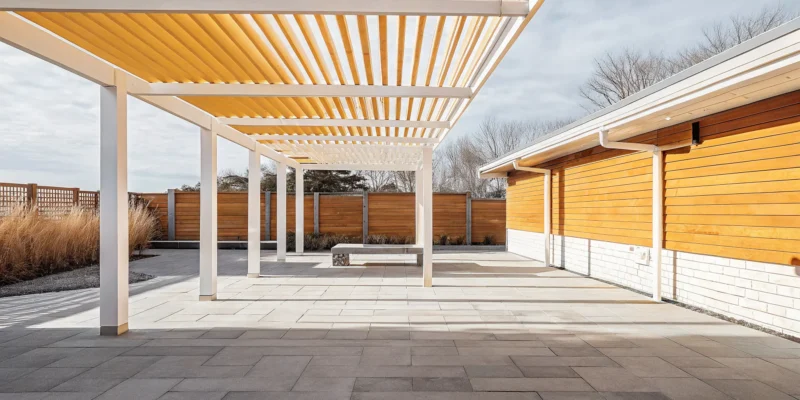
Many of us wish we had more room to spread out, but a full home addition isn’t always practical. A covered patio offers a brilliant solution, creating a new living area without the cost or disruption of major construction. It seamlessly connects your indoor and outdoor spaces, making your backyard feel like a true extension of your home. This creates a comfortable, sheltered “room” with fresh air and great views, perfect for everything from daily meals to special occasions. By selecting the right covered patio structure Long Island homeowners can effectively expand their living space and change the way they experience their property.
Key Takeaways
- Define Your Patio’s Purpose First: Decide how you want to use your space to choose the right structure. A pergola creates an open, defined area with partial shade, perfect for framing a view, while a pavilion provides a fully-roofed outdoor room for complete weather protection.
- Weigh Material Benefits and Maintenance: The material you choose determines your patio’s long-term look and upkeep. Wood offers timeless charm but requires annual care, whereas aluminum and vinyl provide a durable, low-maintenance solution for a more modern style.
- Plan for a Cohesive Final Look: A successful project considers more than just the structure. Assess your yard’s sun exposure, match the design to your home’s architecture, and partner with a professional to ensure everything is built correctly and to code.
What Are Your Covered Patio Options?
Choosing the right cover for your patio is about more than just shade. It’s about defining how you want to live in your outdoor space. Do you envision a cozy reading nook, a grand dining area for family gatherings, or a simple, protected spot to enjoy your morning coffee? Each type of structure offers a different blend of style, function, and protection. Understanding the key differences will help you find the perfect match for your Long Island home and lifestyle. Let’s walk through the most popular options to see which one fits your vision.
Pergolas: Defining Your Space
Think of a pergola as an architectural outline for your outdoor room. These structures use posts and crossbeams to create a distinct area, adding a sense of purpose and style to a patio or garden path. While a traditional pergola has an open-lattice roof that provides partial shade, you can customize the design for more coverage. They are perfect for supporting climbing plants like wisteria or ivy, which can create a beautiful, natural canopy. A well-placed pergola can frame a beautiful view and make your outdoor living area feel more finished and inviting without completely blocking the sun.
Pavilions: Complete Outdoor Coverage
If you want a true outdoor room with total protection from the elements, a pavilion is your answer. Unlike a pergola, a pavilion has a solid, continuous roof, offering complete shelter from both the hot summer sun and unexpected rain showers. This makes them the ideal choice for housing an outdoor kitchen, a full dining set, or a comfortable living area with plush furniture. With open sides, you still get to enjoy the breeze and surrounding landscape. A pavilion essentially gives you a durable, roofed structure that extends your home’s usable living space into the backyard.
Patio Covers & Awnings: Simple Shade Solutions
A patio cover is a straightforward and effective way to add shade and protection directly adjacent to your home. These structures are attached to the house on one side and supported by posts on the other, creating a seamless transition from indoors to out. It’s like extending your roofline over your deck or patio. Awnings offer a similar benefit but with more flexibility, as many are retractable. This allows you to enjoy the sun when you want it and get instant shade when you need it, making them a practical part of any home remodeling project.
Gazebos: A Classic Backyard Centerpiece
Gazebos are timeless, freestanding structures that act as a destination in your landscape. Often designed in an octagonal or round shape with a solid roof and partial walls or railings, a gazebo creates a charming focal point in a garden or by a pool. It’s the perfect spot for quiet relaxation, intimate conversations, or simply enjoying a different perspective of your yard. A gazebo feels like a small retreat, inviting you to step away from the main house and enjoy a peaceful moment outdoors. Its classic design adds a touch of elegance to any backyard.
Why Add a Covered Patio to Your Home?
A covered patio is so much more than just a roof over your deck. It’s an extension of your home, a dedicated space for making memories, and a smart investment that pays off in both lifestyle and property value. By adding a permanent structure, you’re not just getting shade; you’re creating a true outdoor room that you can enjoy for years. Whether you envision a cozy spot for morning coffee or a grand space for entertaining, a covered patio provides the foundation for your ideal backyard retreat.
Create More Usable Outdoor Space
Let’s be honest, a bare patio is only useful on perfect-weather days. Adding a cover transforms that space into a reliable outdoor living area. Think of it as adding a new room to your house, one with fresh air and great views. A well-designed pavilion or pergola defines the space, turning an open yard into a designated spot for dining, lounging, or hosting guests. It creates a comfortable hub that connects your indoor living area with other backyard features like a swimming pool or outdoor kitchen. This simple addition can completely change how you use your backyard, giving you a go-to spot for relaxation and fun.
Get Year-Round Weather Protection
Long Island weather can be unpredictable, with scorching sun one day and surprise showers the next. A covered patio gives you control over the elements. A solid roof structure offers complete protection from rain and harsh UV rays, meaning your barbecue does not have to be canceled because of a little drizzle. This protection extends the life of your outdoor furniture, too. Structures with louvered or retractable roofs offer the best of both worlds, letting you choose between sun and shade with the push of a button. This means you can comfortably use your patio from early spring through late fall, not just during the peak summer months. It ensures your beautiful masonry patio remains a functional space all season long.
Increase Your Home’s Value
A beautiful and functional outdoor living area is a major selling point for any home, and a covered patio is a fantastic investment. It’s a feature that buyers in Long Island actively look for. A professionally built structure not only adds significant curb appeal but also tangible value to your property. A well-designed patio cover can increase your home’s value, making it a smart financial move. This kind of addition is seen as a premium upgrade that enhances the entire property. As part of a larger home improvement strategy, a covered patio can provide a strong return when it comes time to sell.
Choosing Materials and Custom Features
Once you’ve settled on a structure, it’s time for the fun part: choosing the materials and features that will bring your vision to life. The materials you select will define your patio’s style, durability, and how much maintenance it will need down the road. From classic wood to modern aluminum, each option has its own benefits. Then, you can layer in custom features like lighting, fans, and stonework to create a truly personalized outdoor living space.
Wood: Timeless Charm, Higher Upkeep
There’s no denying the classic beauty of a wooden patio structure. It offers a warm, natural, and timeless look that blends seamlessly with any backyard landscape. However, that beauty comes with a bit of homework. Wooden structures require regular maintenance to keep them looking their best and protect them from Long Island’s weather. You’ll need to plan for annual sealing or staining to prevent rot, warping, and insect damage. While it requires more effort, many homeowners find the rich aesthetic of real wood is well worth the upkeep. For those who love the look, a well-maintained wooden pavilion or pergola can be a stunning backyard centerpiece for years.
Aluminum: Modern and Low-Maintenance
If you’re looking for a set-it-and-forget-it option, aluminum is an excellent choice. It’s incredibly durable, lightweight, and resistant to rust and corrosion, making it a practical material that stands up to sun, rain, and wind with very little effort. Aluminum offers a sleek, modern look and can be finished in various colors to match your home’s exterior. Because it’s so low-maintenance, you won’t have to worry about the annual sealing or painting that wood requires. This makes aluminum a popular and cost-effective choice for homeowners who want to spend more time enjoying their patio and less time working on it.
Vinyl: Durable and Versatile
Vinyl offers a great middle ground, combining durability with minimal maintenance requirements. Modern vinyl composites are strong, long-lasting, and won’t rot, fade, or peel, giving you a clean look that lasts for years. It’s a versatile material that comes in a variety of colors and styles, including finishes that mimic the appearance of real wood without the demanding upkeep. When choosing vinyl, it’s important to select a high-quality grade to ensure it holds up over time. A well-built vinyl structure from a trusted installer like Gappsi provides a reliable and attractive shade solution that lets you enjoy your outdoor space without the extra work.
Customizing Your Roof and Coverage
The roof of your covered patio does more than just provide shade; it defines the space’s character and function. You can choose a solid roof for complete protection from rain and sun, making it a true outdoor room. Or, you might prefer a slatted or lattice roof, like those on many pergolas, which offers partial shade while still letting in a pleasant amount of light. For even more flexibility, consider adding retractable canopies or screens. These features allow you to control the amount of sun or privacy you get at any given moment, adapting the space to your needs throughout the day.
Finishing Touches: Lighting, Fans, and Stone Accents
The right finishing touches can transform a simple patio cover into a luxurious outdoor retreat. Integrated lighting, such as recessed LEDs or elegant string lights, extends the usability of your space into the evening. Ceiling fans are a must for humid Long Island summers, creating a comfortable breeze that keeps you cool. You can also incorporate stunning masonry by adding stone or porcelain paver bases to the support columns. These details not only add functional comfort but also create a high-end, custom look that ties your new patio structure into your home’s overall design.
How to Choose the Right Patio Structure
Picking the perfect covered patio structure feels like a big decision, but it doesn’t have to be overwhelming. When you break it down, it’s all about matching your vision to your home and lifestyle. Think of this as a checklist to guide you toward a choice you’ll be happy with for years to come. The goal is to create an outdoor space that feels like a natural extension of your home, whether you’re dreaming of a cozy pergola for quiet mornings or a grand pavilion for entertaining.
A well-chosen structure should do more than just provide shade; it should complement your home’s architecture, fit your budget, and stand up to Long Island’s weather. By thinking through a few key factors, you can confidently select a design that works for your family. We’ll walk through everything from assessing your yard to understanding local codes, so you can move forward with your project. Gappsi offers a wide selection of pavilions and pergolas to suit any style, and our team is here to help you find the ideal fit.
Consider Long Island’s Climate
Here on Long Island, we get to experience all four seasons, from sunny summer days to chilly winter evenings. Your patio structure needs to be ready for anything. A durable design built with high-quality materials will provide cool shade in July, shelter from April showers, and stand strong under the weight of a winter snowfall. Think about how you want to use the space year-round. A louvered roof, for example, can be adjusted to let the sun in or keep the rain out, giving you total control. Choosing a structure built for our specific climate ensures you get a lasting investment, not a seasonal accessory.
Assess Your Yard’s Size and Layout
Before you fall in love with a specific design, take some time to get to know your yard’s unique personality. A common mistake is only looking at the space in the morning. Watch how the sun moves across your property throughout the day to find the best spot for consistent shade and comfort. This will help you decide on the ideal placement and orientation for your structure. You’ll also want to ensure the structure’s size is proportional to your yard and patio. It should feel like a destination, not an obstruction that makes the space feel cramped.
Match Your Home’s Architecture
Your new patio structure should feel like it was always part of your home’s original design. The best way to achieve this is by choosing a style that complements your home’s architecture. A rustic wood pergola might be perfect for a traditional colonial, while a sleek aluminum pavilion could be the ideal match for a modern home. You can create a cohesive look by coordinating colors and materials. For example, incorporating natural stone pillars that match your home’s foundation can tie the whole space together beautifully.
Plan Your Budget
When planning your budget, it’s helpful to think about the total cost of ownership, not just the initial price tag. Some materials, like wood, may have a lower upfront cost but require annual sealing and maintenance to keep them looking their best. Other options, such as aluminum or vinyl, might cost more initially but are virtually maintenance-free, saving you time and money down the road. Our team can walk you through the pros and cons of each material, helping you make a smart, long-term investment that aligns with your budget and lifestyle.
Check Local Building Codes
Dealing with local building codes can seem complicated, but it’s a crucial step in any home improvement project. Different towns across Nassau and Suffolk County have their own zoning laws and regulations that may affect your structure’s height, size, or distance from your property line. The good news is you don’t have to figure this out on your own. A professional team will handle the permits and ensure your new patio structure is fully compliant with all local requirements, giving you complete peace of mind.
Professional Installation vs. DIY
While a DIY project can be tempting, installing a large outdoor structure is a job best left to the professionals. A proper installation starts with a solid foundation, something that requires expertise to get right. Small mistakes during a DIY installation can lead to big problems, like poor water drainage or even structural instability. By working with an experienced team, you can be sure your covered patio is built safely and correctly, ensuring it will be a secure and beautiful addition to your home for many years.
Bring Your Covered Patio Vision to Life with Gappsi
Choosing the right structure and materials can feel like a big decision, but you don’t have to make it alone. At Gappsi, we specialize in turning your ideas for the perfect outdoor space into a beautiful, functional part of your home. We’ve been helping homeowners across Long Island design and build their dream backyards for decades, and we bring that experience to every project. Whether you’re envisioning a grand pavilion for entertaining or a simple, elegant pergola for quiet afternoons, our team is here to guide you through the process from start to finish.
We believe a great covered patio starts with a solid plan and the right materials. That’s why we offer a wide selection of high-quality options, from classic wood to modern, low-maintenance composites. Our expertise in masonry design allows us to create stunning stone pillars and flooring that perfectly complement your new structure. We’ll help you select materials that not only match your home’s style but also stand up to Long Island’s weather, so you can spend more time enjoying your patio and less time on upkeep.
A covered patio is more than just a roof; it’s an extension of your living space. We can help you customize your structure with all the finishing touches that make it uniquely yours. Think about adding integrated lighting for evening gatherings, ceiling fans for warm summer days, or even connecting your new patio to a beautiful swimming pool area. Our goal is to create a seamless flow between your indoor and outdoor living areas, giving you a versatile space for relaxation and entertainment. Let’s work together to build the covered patio you’ve always wanted.
Related Articles
- Gazebo | Pavilion | Pergola Archives – Gappsi Group
- pergola Archives – Gappsi Group
- Latest News – Gappsi Group
Frequently Asked Questions
What’s the real difference between a pergola and a pavilion? The simplest way to think about it is the roof. A pergola has a slatted or lattice-style roof that provides partial shade, defining an outdoor space without completely blocking the sun. A pavilion, on the other hand, has a solid, continuous roof that offers full protection from rain and sun, creating a true outdoor room. If you want a structure to support climbing plants and create an airy feel, a pergola is perfect. If you need a reliable shelter for an outdoor kitchen or living room set, a pavilion is the better choice.
Which material is the most practical for Long Island weather? While wood has a classic, natural beauty, it does require annual sealing to protect it from our humid summers and wet winters. For a more hands-off approach, aluminum and high-quality vinyl are fantastic options. They are extremely durable and won’t rust, rot, or require repainting, so they stand up to the coastal air and changing seasons with almost no upkeep. They offer a clean, modern look and let you spend your time enjoying your patio instead of maintaining it.
Can I add a covered structure to the patio I already have? Yes, absolutely. Adding a pergola or pavilion to an existing patio is a very common project. A professional team can assess your current patio’s condition to ensure it provides a solid foundation for the new structure. The key is to design a cover that integrates seamlessly with your existing layout and home architecture, making it feel like it was part of the original plan all along.
Do I really need a permit to build a covered patio? In most cases, yes. Towns across Nassau and Suffolk County typically have regulations regarding the size, height, and placement of permanent backyard structures like pavilions and large pergolas. These rules are in place for safety and zoning purposes. While it might sound like a hassle, working with an experienced company like Gappsi means we handle the entire permitting process for you, ensuring your project is fully compliant from the start.
How can I make sure my new structure doesn’t look like an afterthought? This is a great question, and the answer lies in cohesive design. The goal is to make the new structure look like a natural extension of your home. We achieve this by carefully selecting materials and colors that complement your house’s exterior. For example, we can incorporate stone bases for the support columns using masonry that matches your home’s foundation or choose a roof style that echoes your home’s architecture. These thoughtful details are what create a polished, fully integrated look.