


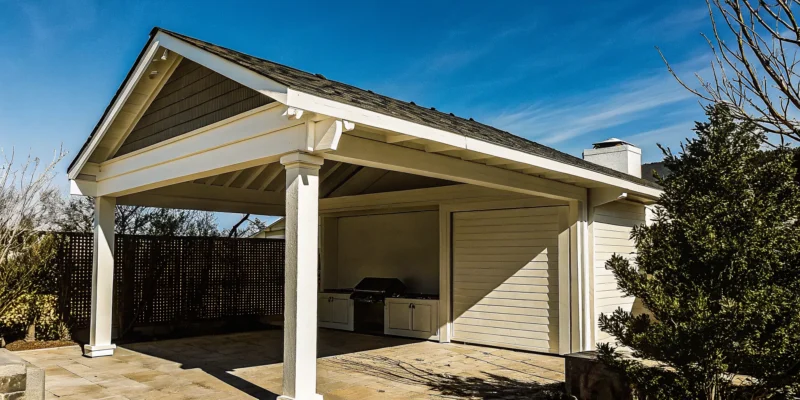
A great backyard is more than just a patio and some chairs; it’s a true extension of your home. A pavilion creates that essential “outdoor room” feeling, providing a beautiful architectural anchor for your entire space. It offers a comfortable, shaded retreat for dining, entertaining, or simply relaxing. While traditional wood has its charm, it also comes with a demanding upkeep schedule. By choosing a vinyl structure, you get a clean, elegant look that stands up to the elements without the need for yearly work. This guide will walk you through everything you need to know about selecting the perfect low maintenance vinyl pavilion Long Island properties deserve, turning your backyard into a stylish and functional oasis for years to come.
Key Takeaways
- Choose vinyl for a low-maintenance lifestyle: Vinyl pavilions are built to handle Long Island weather, resisting rot, pests, and fading without the constant upkeep of wood. This means you spend more time enjoying your backyard and less time on maintenance projects.
- Design a pavilion that is uniquely yours: Think beyond a standard model and personalize your pavilion to fit your home and lifestyle. You can choose the size, roof style, and color, plus add functional upgrades like built-in lighting, seating, or privacy screens to create a true outdoor room.
- Vet your installer carefully for a successful project: The right installer is crucial for a safe and long-lasting pavilion. Prioritize local professionals who are fully licensed and insured, have a strong portfolio of past work, and understand Long Island’s specific building codes.
Why Choose a Vinyl Pavilion?
When you picture your ideal backyard, you probably imagine a beautiful, comfortable space where you can relax and entertain without a lot of extra work. That’s exactly what a vinyl pavilion offers. These structures provide a perfect blend of elegance and practicality, giving you a defined outdoor room that stands the test of time. Unlike other materials that demand constant upkeep, vinyl is designed for easy living, making it a fantastic choice for busy Long Island homeowners who would rather enjoy their weekends than spend them on maintenance projects.
A pavilion creates a stunning focal point in your landscape, offering cool shade by the swimming pool or a covered spot for al fresco dining on the patio. With a vinyl pavilion, you get all the architectural beauty without the maintenance headaches. They are crafted to withstand the elements, resist common outdoor issues like pests and rot, and maintain their fresh, clean look for years. Choosing one of Gappsi’s pavilions or pergolas means you’re investing in a durable, stylish, and stress-free addition to your home. It’s a simple way to add significant value and enjoyment to your property, creating a space for memories season after season.
Stands Up to Long Island Weather
Here on Long Island, our weather can be tough on outdoor structures. From humid, sunny summers to icy winters, materials need to be resilient. Vinyl pavilions are specifically built with high-quality materials designed for this kind of durability. They won’t peel, fade, or corrode, even with exposure to salty air. Best of all, they are virtually maintenance-free. While wood structures often require regular restoration and sealing to stay protected, a vinyl pavilion can be easily cleaned with just mild soap and water. This means you spend less time on upkeep and more time enjoying your backyard oasis.
Resists Rot, Pests, and Fading
One of the biggest advantages of vinyl is its incredible resistance to common outdoor problems. Wood pavilions can be vulnerable to termites and other pests, and they are susceptible to rot and decay over time. With a vinyl structure, those worries are completely off the table. Termites and rot are no danger to vinyl, ensuring your pavilion remains strong and secure for years to come. Modern vinyl is also treated for UV protection, so it won’t warp, crack, or fade under the summer sun. This long-lasting quality makes it a reliable partner to other durable materials in your yard, like beautiful porcelain and natural stone patios.
An Eco-Friendly Option
Choosing vinyl for your pavilion can also be a responsible choice for the environment. Many modern vinyl pavilions are made from recycled materials, which helps reduce waste. Because the material is so durable and long-lasting, you won’t need to replace it for a very long time, which is another win for sustainability. It won’t warp, crack, or split, so you can feel good knowing you’ve selected a material that is built to last. This focus on quality and longevity is a core part of any smart home remodeling project, whether it’s indoors or out.
Vinyl vs. Wood: Which Pavilion is Right for You?
Choosing between a vinyl and a wood pavilion comes down to your personal style, budget, and how much time you want to spend on maintenance. Both materials create beautiful, functional outdoor spaces, but they offer very different experiences. Wood provides a classic, rustic charm that many homeowners love, while vinyl offers a clean, modern look with minimal upkeep. To make the right choice for your Long Island home, it helps to compare them side by side on the factors that matter most. We’ll look at durability against our coastal weather, the reality of weekend maintenance, and the true long-term cost of each option. Thinking through these points will help you decide which material is the perfect fit for your backyard and your lifestyle.
Lifespan and Durability
A pavilion is a long-term addition to your home, so you want one that lasts. Vinyl pavilions are engineered for exceptional durability. They are built with high-quality materials that will not rot, warp, or attract pests like termites, which is a huge plus for any outdoor structure. This resilience means a vinyl pavilion can handle Long Island’s humid summers and cold winters without breaking down. Wood pavilions, especially those made from quality cedar, are also strong and can last for decades. However, their lifespan is directly tied to how well they are maintained. Exposure to moisture and sun will take its toll over time if the wood is not properly protected.
Maintenance Needs
Your tolerance for weekend chores will play a big role in this decision. Vinyl is the clear winner for low maintenance living. These pavilions and pergolas are incredibly easy to care for, usually requiring just a simple cleaning with soap and water to look brand new. You will not have to worry about sanding, staining, or painting every few years. A wood pavilion, on the other hand, requires a bit more love. To preserve its natural beauty and protect it from the elements, you will need to commit to a regular maintenance schedule of sealing or staining. For some, this is a worthwhile ritual, but for others, it is a task they would rather avoid.
Long-Term Cost
When you think about cost, it is important to look beyond the initial price tag. Wood pavilions often have a lower upfront cost, which can be appealing. However, you need to factor in the ongoing expenses of maintenance. The cost of stains, sealants, and applicators, or hiring someone to do the work, adds up over the years. Vinyl pavilions typically have a higher initial purchase price, but their long-term cost is often lower. Since they do not require regular treatments, you save money and time year after year. This makes vinyl a smart investment in your property, contributing to your home’s value without adding to your to-do list.
How to Customize Your Vinyl Pavilion
One of the best parts of choosing a vinyl pavilion is that you can design it to be a true reflection of your style and needs. Think of it as a blank canvas for your dream outdoor room. This isn’t about picking a pre-made kit from a big box store; it’s about creating a functional and beautiful extension of your home that feels completely personal. From the overall footprint to the smallest decorative details, you have the power to shape every element. This process ensures your new pavilion not only complements your home’s architecture but also supports the way you want to live outdoors, whether that’s hosting family dinners, finding a quiet place to read, or lounging by the pool.
Size and Layout
First, let’s talk about space. The right size and layout are crucial for making your pavilion feel like a natural part of your backyard. Consider how you plan to use the space. Are you dreaming of an intimate seating area for two, or a grand space to host large gatherings? Measure your desired area and think about furniture placement. You’ll want enough room to walk around comfortably without feeling cramped. You can even design the layout to include specific zones, like a dining area and a separate lounging spot. A well-planned layout is the foundation for a functional and inviting outdoor living space, and our team can help you visualize the possibilities with 3D design renderings for your custom pavilion.
Roof Styles and Designs
The roof does more than just provide shade; it defines your pavilion’s character. You can choose a style that perfectly matches your home’s architectural details, creating a cohesive look across your entire property. Popular options include traditional gabled roofs, which have a classic triangular shape, or elegant hipped roofs with slopes on all four sides. The design can be simple and modern or more ornate with decorative posts and trim. By selecting a roof style that complements your home, your new pavilion will look like it was always meant to be there, seamlessly integrating with your existing masonry and hardscapes.
Colors and Finishes
While classic white is a timeless choice for vinyl pavilions, you have more color options than you might think. Many homeowners opt for neutral tones like tan, cream, or gray that blend beautifully with their home’s exterior and natural surroundings. Unlike wood, which requires regular painting or staining, a vinyl pavilion’s color is integrated into the material itself. This means it won’t chip, peel, or fade over time, even in the strong Long Island sun. You can coordinate the color with your patio pavers or your home’s trim for a polished, professionally designed look. We can help you select the perfect shade to pair with our high-quality porcelain and natural stone.
Seating and Accessories
This is where you can truly personalize your pavilion and turn it into a multi-purpose outdoor destination. Go beyond simple patio furniture by incorporating built-in features like benches, bars, or counters for serving food and drinks. Imagine having an outdoor kitchen complete with a grill and refrigerator right under your pavilion, perfect for summer cookouts. You can also add accessories like ceiling fans to keep the space cool and comfortable on warm days or include mounts for an outdoor TV. These additions transform your pavilion from a simple shelter into a complete outdoor room, extending your home’s living space for entertainment and relaxation. It’s a key part of any outdoor living project.
Lighting and Privacy Options
To make your pavilion enjoyable at any hour, thoughtful lighting is a must. Integrated LED lighting can be built directly into the posts or ceiling for a clean, modern look that provides ample illumination for evening gatherings. For a softer ambiance, you might consider hanging string lights or an elegant outdoor chandelier. Privacy is another important consideration. You can add retractable curtains or screens for a sense of enclosure and intimacy when you want it. Another beautiful and effective option is to use strategic landscape design, surrounding your pavilion with lush plantings, climbing vines, or decorative hedges to create a private backyard retreat.
How Much Does a Vinyl Pavilion Cost in Long Island?
Figuring out the cost of a new vinyl pavilion is a lot like planning any other home improvement project. There isn’t a single price tag, but rather a range that depends on what you envision for your backyard. Think of it as building your perfect outdoor retreat from the ground up. The final cost will be a reflection of your pavilion’s size, design complexity, and all the personal touches you decide to add. On average, you can expect a standard residential pavilion to fall somewhere between $4,000 and $20,000, but this can vary significantly.
The key is to remember that you are investing in a permanent structure that will become a central part of your home and lifestyle. Factors like the materials used, the intricacy of the design, and any special features will all play a part in the total price. At Gappsi, we specialize in creating custom pavilions and pergolas that are tailored to your specific needs and budget. We can walk you through all the options, from simple and elegant structures to grand, fully-equipped outdoor living rooms, helping you understand where your money is going every step of the way.
What Affects the Price?
The biggest factor influencing your pavilion’s cost is its size. A larger pavilion requires more materials and more labor to construct, which naturally increases the price. Beyond just the footprint, the complexity of the design also plays a significant role. A straightforward rectangular pavilion will be more budget-friendly than one with a unique shape, intricate post details, or a multi-level roof. The goal is to find the right balance between the space you need and a design that complements your home’s architecture. A well-designed structure, regardless of its size, can completely transform your outdoor space.
Customization Costs
This is where you get to make the pavilion truly your own. Custom features are what turn a simple structure into a functional and inviting oasis. Do you dream of hosting evening dinners under the stars? Adding electrical for string lights, ceiling fans, or even outdoor heaters is a popular choice. For extra privacy and comfort, you might consider retractable curtains or screens. Many homeowners also choose to include built-in seating or pair their pavilion with an outdoor kitchen. These additions will increase the overall cost, but they also dramatically increase the usability and enjoyment you’ll get from your new home remodeling project.
Installation and Permit Fees
When you receive a quote for a pavilion, it typically includes professional installation, which can cost between $35 and $60 per square foot. While it might be tempting to look for ways to cut this expense, proper installation is critical for the safety, stability, and longevity of your structure. You also need to account for local building permits. Most towns in Long Island require a permit for a permanent structure like a pavilion, and this comes with its own set of fees. Working with an experienced installer like Gappsi means we can handle the permit process for you, ensuring everything is done correctly and to code.
Long-Term Cost: Vinyl vs. Wood
While a vinyl pavilion might have a slightly higher upfront cost compared to a traditional wood one, it often saves you money over time. Wood pavilions require consistent upkeep to look their best and withstand the elements. This means regular sanding, staining, or painting every few years. Without it, wood is vulnerable to rot, insects, and warping. Vinyl, on the other hand, is incredibly low maintenance. It resists pests and rot and never needs to be painted. An occasional cleaning is all it takes to keep it looking new, saving you from the recurring costs and labor associated with wood restoration and sealing services.
How to Compare Vinyl Pavilion Brands
Once you’ve decided a vinyl pavilion is right for your backyard, the next step is choosing a brand. With so many options available, it can feel a little overwhelming. The key is to look beyond the price tag and evaluate what you’re truly getting for your investment. A great pavilion is more than just a structure; it’s a long-term addition to your home. By focusing on material quality, customization, warranty, and installation, you can confidently select a brand that will deliver a beautiful and durable outdoor living space for years to come.
Material Quality and UV Protection
Not all vinyl is created equal, and the quality of the material is the most important factor in your pavilion’s longevity. Look for brands that use high-quality, virgin vinyl, which is designed to be virtually maintenance-free. This type of material resists fading from the sun’s UV rays and won’t rot, warp, or attract pests like termites. Top-tier vinyl pavilions should only require a simple cleaning with soap and water to look their best. Asking a potential provider about the grade of their vinyl and its protective coatings will tell you a lot about the durability you can expect.
Customization Options
Your pavilion should be a natural extension of your home and personal style. The best brands offer a wide range of customization options that allow you to create a truly unique space. Think about features that will make the pavilion your own, like built-in seating, electrical outlets for string lights or fans, or even retractable curtains for added privacy. The ability to choose from different colors, finishes, and roof styles ensures your new pavilion will reflect your home’s overall aesthetic. A company that provides plenty of choices is one that understands the importance of personalized design.
Warranty and Support
A strong warranty is a clear indicator of a brand’s confidence in its products. Before you commit, always ask about the warranty coverage for both the materials and the craftsmanship. A comprehensive warranty protects your investment and gives you peace of mind. Equally important is the level of customer support you receive. You want to work with a team that is responsive, knowledgeable, and ready to help you through the design and selection process. A company that stands behind its work will be transparent about its warranty and eager to answer all your questions.
Installation Services
A high-quality pavilion can be undermined by poor installation. Proper assembly is critical for the structure’s stability, safety, and lifespan. Many top brands offer professional installation services to ensure your pavilion is built correctly from the ground up. An expert installation team will have experience with local building codes and ground conditions, ensuring a secure and level foundation. While a DIY kit might seem tempting, investing in professional installation saves you time and guarantees your pavilion is assembled to the highest standard, protecting it from weather and wear.
Where to Find the Best Vinyl Pavilions in Long Island
Finding the right company to bring your vinyl pavilion vision to life is just as important as choosing the right design. You want a partner who understands the local landscape, offers high-quality materials, and can deliver a structure that fits your home perfectly. In Long Island, you have several options, but knowing what to look for will help you select a provider who will build a beautiful and lasting outdoor retreat for your family.
Why Gappsi is the Premier Choice
When it comes to vinyl pavilions on Long Island, Gappsi is a name you can trust. With decades of experience transforming backyards, we have a deep understanding of what works best for our local climate and architecture. We offer a beautiful selection of standard pavilions and pergolas at great prices, but our real passion is creating custom designs. We work with you to build a pavilion that feels like a natural extension of your home, perfectly tailored to your needs and style. From initial design to final installation, our team handles every detail, ensuring a seamless process and a stunning result you’ll enjoy for years to come.
What to Look for in a Pavilion Provider
As you compare your options, look for a provider who prioritizes quality materials. Durable, low-maintenance vinyl is a must for handling Long Island’s weather without the constant upkeep of wood. A great provider will also offer extensive customization, allowing you to personalize your pavilion with features like built-in seating, electrical outlets for string lights, or even integrated privacy screens. Ask to see a portfolio of their work to get a feel for their craftsmanship. A company with a strong background in comprehensive landscape design can also help you see how your new pavilion will fit into your overall outdoor living space, ensuring a cohesive and beautiful final look.
How to Choose the Perfect Vinyl Pavilion
Selecting the right vinyl pavilion is about balancing your vision with your space and existing home design. It’s an exciting process, and thinking through a few key details beforehand will ensure you create an outdoor structure you’ll love for years. A pavilion is more than just a roof, it’s the future setting for family dinners, quiet morning coffees, and lively gatherings with friends. This structure will become the heart of your backyard, so it’s important to choose one that not only looks beautiful but also functions perfectly for your lifestyle. By focusing on the right size, a style that complements your home, and how it will work with your other outdoor features, you can design a pavilion that feels like a natural and valuable extension of your property. Taking the time to plan these elements helps you move forward with confidence, knowing your investment will bring joy and utility for a long time. This thoughtful approach transforms the selection from a simple purchase into a creative project that enhances your entire home.
Measure Your Space
Before you start dreaming of specific designs, the first practical step is to measure your yard. Knowing exactly how much space you have to work with is crucial, as the size of the pavilion directly influences the cost. A basic residential pavilion can start around $4,000, while larger, more intricate structures can be $20,000 or more. Accurately measuring your available area helps you set a realistic budget and narrow down your options. Consider how you want to use the space. Will it be for a small dining set or a large seating area? Thinking about this will help you determine the ideal footprint for your new pavilion.
Match Your Home’s Style
Your new pavilion should feel like it has always been part of your home. To achieve this, take cues from your house’s existing architecture and style. Look at the roofline, window trim, and color palette. A vinyl pavilion can be customized with different finishes, post styles, and roof designs to complement everything from a classic colonial to a modern ranch. Choosing colors and materials that harmonize with your home’s exterior creates a cohesive and polished look. For example, you can match the pavilion’s flooring with the natural stone pavers on your existing patio to seamlessly connect the spaces.
Pair with Other Outdoor Features
A pavilion can be a stunning standalone feature, but its true potential shines when it’s integrated into a complete outdoor living environment. Think of it as the anchor for your backyard oasis. You can enhance its functionality by pairing it with other elements like a built-in outdoor kitchen, a cozy fire pit area, or comfortable lounge seating. Placing your pavilion next to a swimming pool creates a perfect shady retreat for hot summer days. A thoughtful landscape design can help you position your pavilion to maximize views and create a natural flow throughout your yard.
How to Choose a Pavilion Installer in Long Island
Once you’ve designed the perfect vinyl pavilion, the next step is finding the right team to build it. The installer you choose is just as important as the materials themselves. A great contractor ensures your project runs smoothly, adheres to safety standards, and results in a beautiful structure that lasts for decades. The right partner will handle the complexities of the build, from securing permits to the final cleanup, leaving you free to simply get excited about your new outdoor space.
Choosing an installer can feel like a big decision, but you can break it down by focusing on a few key qualifications. When you start interviewing potential companies, you’ll want to look for a team with deep local roots, the right credentials, and a portfolio of work that speaks for itself. A professional team will be happy to provide this information, giving you the confidence you need to move forward. Finding a company that specializes in creating complete outdoor living areas, from pavilions and pergolas to patios and pools, ensures they understand how all the pieces of your backyard puzzle fit together.
Local Experience and Expertise
When vetting installers, start by looking for deep experience right here in Long Island. A contractor who is familiar with our specific coastal climate understands the challenges of building outdoors. They know which materials and construction techniques stand up best to the salt air, humidity, and seasonal storms. This local knowledge is invaluable.
An installer with a long history in Suffolk and Nassau counties will also be an expert in local zoning laws and building codes. This expertise helps your project avoid delays and ensures everything is built to code from the start. A company with a broad range of construction expertise will have the skills to handle any unique challenges your property might present, ensuring a seamless installation.
Licensing and Insurance
This point is non-negotiable: your pavilion installer must be fully licensed and insured. Proper licensing is proof that the contractor meets state and local standards for professionalism and knowledge. It’s your assurance that they are a legitimate business that is accountable for their work.
Insurance is just as critical, as it protects you, the homeowner, from any liability in the event of an accident on your property during construction. A reputable company will readily provide you with copies of their licenses and certificates of insurance. Don’t be shy about asking for this documentation. Any hesitation from a contractor is a major red flag and a clear sign to look elsewhere for a team that values safety and professionalism.
Portfolio and Reviews
Before you commit, take a good look at the installer’s past work. A strong portfolio is more than just a collection of pretty pictures; it’s proof of their design capabilities and the quality of their craftsmanship. As you browse their projects, ask yourself if their style aligns with your vision. Can you see your own backyard transforming into a personal oasis like the ones they’ve created for other clients?
Customer reviews and testimonials offer another layer of insight. They tell the story of what it’s like to work with the company from the client’s perspective. You can see examples of finished projects and hear directly from homeowners on the Gappsi YouTube channel. Pay attention to comments about communication, timeliness, and how the team handled challenges.
Related Articles
- Modern Amish Backyard Pavilion – Vinyl Archives – Gappsi Group
- pavilions Archives – Gappsi Group
- Amish Pavilion Designs & Ideas for Backyards | Gappsi Inc
- Modern Amish Backyard Pavilion – Wooden Archives – Gappsi Group
- Modern Amish Backyard Pavilion & Porcelain Tile | Islip NY | Gappsi Inc
Frequently Asked Questions
How much maintenance does a vinyl pavilion actually need? This is the best part: almost none. Unlike wood structures that need regular sanding, staining, or sealing to protect them from the weather, vinyl is built for easy living. To keep your pavilion looking its best, you will only need to give it a simple cleaning with mild soap and water from time to in order to wash away any dirt or pollen. It’s a durable material that resists fading and won’t peel, so you can spend your weekends relaxing in your backyard instead of working on it.
Can a vinyl pavilion really look as good as a wood one? Absolutely. While wood has a traditional rustic charm, vinyl offers a clean, crisp, and polished look that complements many modern homes. You are not limited to a single style, either. With a wide range of colors, finishes, and architectural details like post styles and decorative trim, you can design a vinyl pavilion that perfectly matches your home’s aesthetic. It’s all about creating a high-end, cohesive look without the constant upkeep.
What’s the biggest factor that will affect the final cost of my pavilion? The single biggest factor influencing the price of your pavilion is its size. A larger structure requires more materials and labor, which increases the overall cost. After size, the level of customization is the next major consideration. Features like integrated electrical for lighting and fans, built-in seating, or unique roof designs will add to the final price, but they also significantly enhance the function and enjoyment you get from your new outdoor room.
How long does the process take, from design to installation? The timeline can vary, but we can give you a general idea. The initial design phase, where we work with you to create the perfect layout and select features, can take a week or two. After that, we handle the process of securing any necessary town permits, which can take several weeks depending on the municipality. Once the permits are approved and the materials arrive, the actual on-site installation is surprisingly fast, often taking just a few days to complete.
Do I need a permit for a vinyl pavilion in Long Island? Yes, in most cases you will need a building permit. Since a pavilion is a permanent structure, nearly all towns and villages in Nassau and Suffolk counties require a permit before construction can begin. This process ensures the structure is built safely and meets all local codes. It might sound like a hassle, but working with an experienced installer like Gappsi means we handle the entire permit application process for you, making it a smooth and worry-free experience.