


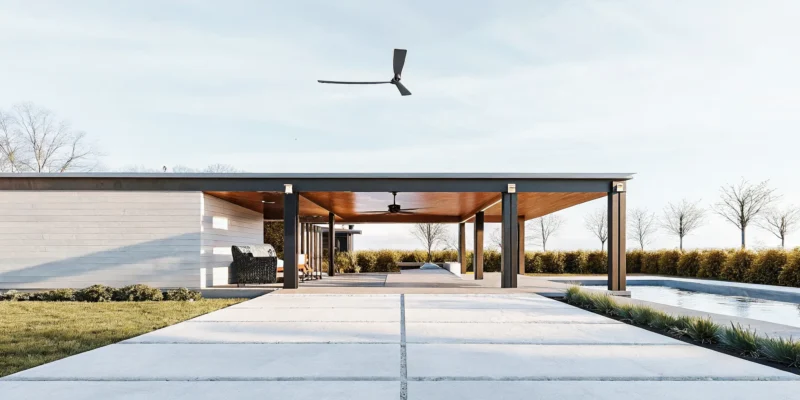
When considering a home improvement project, you want something that adds both daily enjoyment and long-term financial value. A pavilion is one of the smartest investments you can make. It effectively expands your home’s usable square footage, creating a functional and luxurious outdoor room without the cost of a traditional addition. For potential buyers, a beautifully crafted outdoor living space is a massive draw that makes a property stand out. A high-quality outdoor living pavilion in Nassau County signals that a home has been thoughtfully upgraded. Here, we’ll break down the benefits, customization options, and cost considerations to show you how this project enhances your lifestyle while adding tangible value to your home.
Key Takeaways
- A pavilion offers all-weather function: Unlike a pergola, a pavilion has a solid roof that provides complete shelter from sun and rain, effectively creating an outdoor room you can use for most of the year.
- Make it your own with custom details: A pavilion is a blank canvas; you can tailor everything from the materials and style to functional add-ons like an outdoor kitchen or fireplace to create a space that truly reflects your taste.
- It’s an investment in your home and lifestyle: A quality pavilion increases your property value by adding functional living space, and the final cost is flexible based on your choices for size, materials, and custom features.
What Is an Outdoor Living Pavilion?
Think of an outdoor living pavilion as a permanent, open-air room for your backyard. It’s a versatile structure designed to give you a beautiful and functional retreat that you can enjoy throughout the year. A pavilion has a solid roof supported by posts, creating a covered area that protects you from the hot summer sun and unexpected rain showers. This makes it the perfect spot for all kinds of activities, from hosting family barbecues and dinner parties to creating a quiet, shaded lounge for reading or a poolside cabana for relaxing.
Unlike a simple patio umbrella or a temporary canopy, a pavilion is a lasting architectural feature of your home. It extends your living space into the outdoors, allowing you to get more use out of your yard, no matter the weather. You can equip it with lighting, ceiling fans, an outdoor kitchen, or even a fireplace to create a comfortable and inviting atmosphere. Gappsi designs and builds custom pavilions and pergolas that seamlessly blend with your home’s style, turning your backyard into a true outdoor oasis. It’s about creating a dedicated space where you can make lasting memories, entertain guests, and simply enjoy the fresh air in comfort.
Pavilion vs. Pergola vs. Gazebo: What’s the Difference?
It’s easy to get these three popular outdoor structures mixed up, but they each serve a different purpose. The main difference comes down to the roof.
A pavilion is defined by its solid, continuous roof. This is its key feature, offering full protection from both sun and rain. Because it provides complete shelter, a pavilion is ideal for creating a true outdoor living room where you can place furniture, electronics, and even a kitchen without worrying about the elements. It’s the most functional choice for year-round entertaining and use.
A pergola, on the other hand, has an open-roof design with crossbeams or a lattice pattern. It provides partial shade rather than full coverage, creating a beautiful interplay of light and shadow. Pergolas are excellent for defining a space, like a walkway or patio dining area, and are often used to support climbing plants. They add architectural interest but don’t offer protection from rain.
A gazebo is typically a freestanding, octagonal, or hexagonal structure with a solid roof and railings. While it provides shelter, a gazebo is generally smaller and more of a decorative garden feature designed for relaxation. Think of it as a charming destination in your yard, whereas a pavilion is a larger, more integrated space for active living and entertaining.
Exploring Pavilion Styles for Your Nassau County Home
Choosing the right pavilion is all about matching the structure to your home’s personality and your family’s lifestyle. The materials you select and the overall design will define the look and feel of your new outdoor retreat. From the rustic charm of natural wood to the clean lines of modern metal, there’s a style that will fit perfectly into your Nassau County backyard. Let’s look at some of the most popular options to help you find the right fit.
Classic Wood Pavilions
There’s something undeniably timeless and inviting about a wooden pavilion. It offers a warm, natural aesthetic that blends beautifully with gardens and lush backyards. Wooden pavilions provide a beautiful centerpiece, with popular choices like pressure-treated pine or rich western red cedar. These structures can be stained to highlight the natural grain or painted to perfectly match your home’s exterior color scheme. While wood is often a cost-effective choice, it does require some maintenance to protect it from the elements. A classic wood design is a fantastic way to complement your property’s landscape design and create a cozy, rustic haven.
Modern Metal Pavilions
If your home has a more contemporary feel, a metal pavilion might be the perfect choice. Using materials like aluminum or powder-coated steel, these structures feature sleek lines, minimal framing, and a sophisticated profile. Metal allows for wide, open-span designs without the need for bulky support posts, creating an unobstructed view of your yard. This clean, minimalist look pairs exceptionally well with modern hardscaping, like a streamlined patio or pool deck. For a truly contemporary outdoor living space, you can choose neutral colors for the frame that complement your home and create a chic, understated backdrop for relaxing or entertaining.
Low-Maintenance Vinyl Pavilions
For homeowners who want beauty without the upkeep, a vinyl pavilion is an excellent solution. These structures are typically built with a solid wood core that is completely wrapped in high-quality vinyl. This clever design gives you the strength and stability of wood with the durability and ease of a vinyl exterior. Vinyl won’t rot, fade, or splinter, and it stands up beautifully to Long Island’s humid summers and cold winters with just a simple cleaning. Many Gappsi pavilions and pergolas come in crisp, classic colors like white or tan that provide a sharp, elegant look for years to come.
Open-Air or Enclosed: Which Is Right for You?
Beyond materials, consider how you want your pavilion to function. Do you envision a completely open-air structure that feels breezy and connected to your yard, or a more protected, room-like space? An open design is perfect for poolside lounging and sunny afternoon gatherings. A semi-enclosed pavilion, on the other hand, can offer more versatility. You can add features like retractable screens to keep bugs away, curtains for privacy and shade, or even low masonry walls to create a more defined outdoor room. This choice helps turn your pavilion into a true year-round retreat, giving you a comfortable space that offers protection from the elements when you need it.
Why Add a Pavilion to Your Outdoor Space?
A pavilion is more than just a beautiful structure; it’s a functional extension of your home that completely changes how you use your backyard. If you’re thinking about how to get more out of your property, a pavilion offers a unique combination of style, comfort, and practicality. It creates a focal point for your landscape and provides a dedicated space for making memories, all while adding tangible value to your home. Let’s look at some of the best reasons to add one of our pavilions or pergolas to your outdoor living area.
Enjoy Shade, Shelter, and Year-Round Use
One of the biggest advantages of a pavilion is its solid roof, which offers reliable protection from the elements. On hot Long Island summer days, it provides a cool, shady retreat from the sun. Unlike a pergola with its open rafters, a pavilion’s full coverage means an unexpected rain shower won’t send you and your guests running inside. This shelter makes your outdoor space usable for more of the year, turning your patio or deck into a true three-season room. You can enjoy your morning coffee, an afternoon read, or an evening glass of wine outside, no matter what the weather forecast says.
Create a Space for Entertaining and Relaxing
A pavilion defines a space in your yard, creating an inviting outdoor room for any activity. Think of it as a blank canvas for your dream backyard setup. You can design it as an elegant dining area for family meals, a cozy lounge with comfortable sofas, or the ultimate poolside cabana. It’s the perfect spot to host summer barbecues, birthday parties, or quiet evenings with friends. By adding features like an outdoor kitchen or a beautiful masonry floor, your pavilion becomes the true heart of your backyard, a central hub for both entertaining and everyday relaxation.
Increase Your Home’s Property Value
Adding a high-quality pavilion is a smart investment that pays off in both lifestyle and resale value. For potential buyers, a beautifully crafted outdoor living area is a huge draw. It effectively expands your home’s usable square footage without the cost and complexity of a traditional home addition. A well-built pavilion signals that a property has been cared for and thoughtfully improved. It’s a feature that adds a touch of luxury and functionality, making your home stand out in the market. This kind of home improvement not only enriches your daily life but also contributes to your property’s long-term financial worth.
How to Customize Your Dream Pavilion
One of the best parts of adding a pavilion to your yard is that it’s a complete blank canvas. You can design a structure that perfectly matches your home’s architecture, your family’s lifestyle, and your personal taste. This isn’t about picking a one-size-fits-all kit from a big box store; it’s about creating a true outdoor extension of your home. From the structural bones to the finishing touches, every detail can be tailored to your vision.
The goal is to build a space that feels intentional and integrated with the rest of your property. Whether you envision a rustic wooden retreat for quiet afternoons or a modern entertainment hub complete with a full kitchen and bar, the customization options are nearly endless. We can help you sort through the choices to design and build pavilions and pergolas that feel like they were always meant to be there. Let’s walk through some of the key ways you can personalize your dream pavilion.
Structural Choices: Posts, Roofs, and Rafters
The structure of your pavilion is its foundation, both literally and stylistically. Start by thinking about the posts. Do you prefer the warm, classic look of natural wood, or would you rather have the clean lines and low-maintenance appeal of vinyl-wrapped posts? The size and style you choose will set the tone for the entire space. Next, consider the roof. A gabled roof offers a traditional peak, while a hip roof has a more gentle, uniform slope on all four sides. You can top it with architectural shingles to match your house or opt for a durable metal roof for a more modern feel. Even the ceiling rafters can be customized to create the exact look you want.
Add Lighting and Ceiling Fans
To make your pavilion comfortable and inviting from day to night, think about adding lighting and ceiling fans. The right lighting does more than just illuminate the space; it creates ambiance. Recessed lighting can provide a clean, modern glow, while a statement chandelier or string lights can add a touch of personality and warmth. A ceiling fan is a must-have for enjoying your pavilion during Long Island’s humid summer days. It keeps the air circulating, provides a gentle breeze, and helps keep bugs away. These functional additions are key to transforming your pavilion into a true outdoor living room you can use anytime.
Incorporate an Outdoor Kitchen or Bar
If you love to entertain, integrating an outdoor kitchen or bar into your pavilion design is a game-changer. This feature turns your pavilion into the ultimate destination for gatherings with family and friends. You can go all out with a full kitchen setup, complete with a built-in grill, sink, refrigerator, and durable countertops. Or, you could opt for a simpler bar area with seating for serving drinks and appetizers. Gappsi’s masonry experts can build beautiful and functional kitchen structures using high-quality stone or brick that complements your pavilion and patio.
Stay Warm with Fire Pits and Heaters
Don’t let a little chill in the air send you back inside. Adding a heat source to your pavilion is the best way to extend its use into the cooler spring and fall months, and even on mild winter days. A built-in outdoor fireplace made of natural stone can create a stunning focal point and a cozy gathering spot. A nearby fire pit offers a more casual, campfire-like vibe. For a simpler solution, mounted electric or infrared heaters can be installed discreetly in the ceiling to provide warmth at the flip of a switch. These features make your pavilion a comfortable, year-round retreat.
Choose Your Colors and Finishes
The final step is choosing the colors and finishes that will tie your pavilion to your home and landscape. This is where you can really let your personal style shine. You can stain the wood to highlight its natural grain or paint it a custom color that matches your home’s trim. Vinyl pavilions offer a crisp, clean look and come in a variety of colors that won’t fade over time. You can even add a finished ceiling for a polished look. At the Gappsi Store, you can explore a wide selection of materials and finishes to find the perfect combination for your outdoor space.
What Does a Pavilion Cost in Nassau County?
Figuring out the cost of a new pavilion is often the first step for homeowners, and it’s a great question to ask. While there isn’t a single price tag, understanding the key factors that contribute to the final cost can help you set a realistic budget. Think of it less as a simple purchase and more as a long-term investment in your home’s value and your family’s lifestyle. A well-built pavilion creates an elegant and functional outdoor room you can enjoy for years.
The total price of your project will depend on three main things: the materials you choose, the cost of professional installation, and any custom features you add. Breaking it down this way makes the process much clearer. Whether you envision a cozy spot for morning coffee or a grand space for entertaining, Gappsi offers a range of pavilions and pergolas to match your vision and budget. We can walk you through the options to find the perfect fit for your Nassau County backyard.
Understanding Material Costs
The materials you select are one of the biggest factors in your pavilion’s cost. Each option offers a different look, level of maintenance, and price point. Classic wood pavilions have a timeless, natural beauty but may require periodic sealing or staining to protect them from the elements. Low-maintenance vinyl is a popular choice because it resists weathering and comes in various colors, while metal, like aluminum, provides a sleek, modern aesthetic.
Your choice of materials extends beyond the structure itself. The flooring underneath, for example, also plays a role. Many homeowners opt for beautiful and durable porcelain and natural stone pavers to create a polished, high-end look that complements the pavilion and the rest of their landscape.
Factoring in Labor and Installation
Unless you’re an experienced builder, a pavilion isn’t a weekend DIY project. Professional installation is essential for ensuring your structure is safe, level, and built to last. Labor costs cover everything from preparing the site and pouring a proper foundation to the skilled assembly of the pavilion itself. This is especially true for custom designs or pavilions installed on uneven ground.
Hiring an experienced team like Gappsi for your landscape design and construction ensures every detail is handled correctly. Our expert installers manage the entire process, so you can relax knowing your new outdoor living space is built to the highest standards and will stand strong for years to come.
What Influences the Final Price?
Beyond materials and labor, several other elements will shape your final budget. The size of the pavilion is a major one; a larger footprint naturally requires more materials and more time to build. Customizations also play a big part. Features like built-in lighting, ceiling fans, integrated outdoor kitchens, or a cozy fireplace will add to the cost but also dramatically increase the usability and enjoyment of your space.
Finally, don’t forget about site preparation and permits. Your property may need grading to create a level base, and most towns in Nassau County require building permits for structures of this size. These factors are all part of creating a lasting home remodeling project that adds significant value and appeal to your property.
Custom vs. Pre-Built: Which Pavilion Is for You?
Once you’ve decided a pavilion is the right addition for your yard, the next big question is whether to go custom or choose a pre-built design. There’s no single right answer, as the best choice depends entirely on your vision, budget, and timeline. A custom build offers limitless possibilities for a truly one-of-a-kind structure, while a pre-built model provides a more streamlined and often faster path to enjoying your new outdoor space. Let’s look at the benefits of each approach to help you decide which is right for your Nassau County home.
The Case for a Custom-Built Pavilion
A custom-built pavilion is all about bringing your specific vision to life. This route gives you complete creative control, allowing you to design a structure that perfectly fits your property’s layout and your home’s architectural style. You can select every detail, from the type of wood or metal to the roof pitch and post design. This flexibility also means you can seamlessly integrate features like a full outdoor kitchen, a stone fireplace, or specific lighting schemes. A custom project allows you to create a truly unique outdoor room that is a natural extension of your home. With expert masonry, your pavilion can become the undeniable centerpiece of your backyard.
When a Pre-Built Pavilion Makes Sense
If you’re looking for a more straightforward project with a quicker timeline, a pre-built pavilion might be the perfect fit. These models, often available in kits, can significantly shorten the installation process, letting you enjoy your new space sooner. While they don’t offer the same level of personalization as a custom build, high-quality pre-built options still come in a wide variety of attractive styles, materials, and sizes. This can simplify the decision-making process if you find a design that already meets your needs. Even with a pre-built kit, professional installation is key to ensuring your pavilion is safe, level, and built to last. A skilled team can help you select and properly install quality pavilions and pergolas that will stand up to Long Island weather for years to come.
Planning Your Pavilion: What to Know Before You Build
A little planning goes a long way in making sure your pavilion project is a success from start to finish. Before the first post is set, taking time to think through the details ensures your new outdoor structure is beautiful, functional, and built to last. From navigating local rules to choosing the perfect materials, these steps will help you get everything in order. A well-planned pavilion not only looks great but also avoids any surprises down the road, letting you focus on the fun part: enjoying your new backyard retreat.
Understanding Local Permits and Zoning
Before you get too far into the design process, it’s a smart first step to understand the local zoning laws and permit requirements in Nassau County. Every town has its own set of rules regarding the size, placement, and type of structures you can build on your property. Checking these regulations early ensures your project complies with all local codes, which helps you avoid potential fines or the need for costly changes later. Working with an experienced contractor can make this process much easier, as they are familiar with the requirements and can handle the paperwork for you.
Select Materials Built for Long Island Weather
Choosing the right materials is key for durability, especially with Long Island’s unique weather. Your pavilion will face everything from hot, humid summers to cold, snowy winters and salty sea air. Opting for materials that can withstand these elements will keep your pavilion looking beautiful for years. For example, pressure-treated wood, cedar, and vinyl are popular choices for their resilience. For flooring, materials like porcelain and natural stone pavers offer a sturdy and elegant foundation that holds up well against the seasons. The right materials ensure your pavilion remains a low-maintenance, high-value addition to your home.
Find the Perfect Size for Your Yard
One of the most important decisions you’ll make is choosing the right size for your pavilion. It’s a balancing act. You want a structure that’s large enough to accommodate your needs, whether that’s a dining table, an outdoor kitchen, or a cozy seating area, but not so large that it overwhelms your yard. Take a moment to assess your yard’s dimensions and think about how the pavilion will fit into your overall landscape design. Consider foot traffic, sun exposure, and the views from your home to find the perfect spot that feels both intentional and spacious.
Match Your Pavilion to Your Home’s Style
A pavilion is more than just a structure; it’s a year-round retreat that should feel like a natural extension of your home. To create a cohesive look, consider design elements that harmonize with your home’s existing architectural style. A classic wood pavilion with detailed posts might perfectly complement a traditional colonial home, while a sleek metal or vinyl design could be the ideal match for a more modern house. By aligning the style of your pavilion or pergola with your home’s aesthetic, you create a seamless transition between your indoor and outdoor living spaces.
Common Pavilion Myths, Debunked
Pavilions are a fantastic addition to any backyard, but a few common myths might make you hesitate. Let’s clear the air on some of these misconceptions so you can feel confident about your decision to create a beautiful outdoor retreat.
Myth: “Pavilions Are Only for Summer”
It’s easy to picture a pavilion as a shady escape on a hot summer day, but their usefulness extends far beyond one season. Think of a pavilion as a true year-round extension of your home. Its solid roof provides shelter from spring showers and a cozy spot to watch autumn leaves fall. By adding features like an outdoor fireplace, built-in heaters, or even enclosed walls, you can create a warm and inviting space to enjoy crisp evenings. With the right design, your pavilion becomes a four-season destination for relaxing and entertaining right in your own backyard.
Myth: “They’re Too Expensive”
While a pavilion is a significant project, it’s more helpful to think of it as a long-term investment rather than just an expense. A well-built pavilion adds functional square footage to your property and can significantly increase your property value. The cost can vary widely based on size, materials, and custom features, giving you control over the final price. Instead of seeing it as a cost, consider the value it adds through years of enjoyment, expanded entertaining options, and a more beautiful and functional outdoor living space. It’s an investment in your home and your lifestyle.
Myth: “Pavilions Need Constant Upkeep”
Many homeowners worry about adding another item to their maintenance checklist, but pavilions are surprisingly low-maintenance. Unlike a pergola with an open-rafter roof, a pavilion’s solid roof protects the structure and everything underneath it from harsh weather, which reduces wear and tear. Choosing modern, durable materials like vinyl or powder-coated aluminum can minimize upkeep even further. While all outdoor structures benefit from occasional cleaning, a pavilion won’t demand constant attention, leaving you with more time to simply enjoy it.
Myth: “My Yard Is Too Small”
You don’t need a massive estate to build a beautiful pavilion. One of the biggest advantages of a custom-built structure is that it can be designed to fit your specific space perfectly. With thoughtful landscape design, a pavilion can be integrated seamlessly into a smaller yard, defining a specific zone for dining or lounging without overwhelming the area. A professional designer can help you select the right scale and placement to make your yard feel more organized and intentional, proving that even compact spaces can accommodate a stunning and functional pavilion.
How to Find the Right Pavilion Installer in Nassau County
Choosing the right installer for your pavilion is just as important as picking the perfect style and materials. Think of your contractor as your partner in this project. The right team will not only build a beautiful structure but also make the entire process feel seamless and exciting. You want a local expert who understands Nassau County’s specific building codes, weather patterns, and architectural styles. A contractor with deep roots in Long Island will know how to create a pavilion that stands up to coastal storms and complements your home’s aesthetic. This local knowledge is invaluable, as it prevents delays with permits and ensures your investment is built to last.
Look for a company that offers a complete solution, from initial design to final installation. A full-service approach means you won’t have to juggle different vendors for site preparation, construction, and finishing touches. A team that can handle everything ensures a cohesive design and a smoother project timeline. For example, if your pavilion needs a new patio base, a company with masonry expertise can build it as part of the overall plan. Reviewing a contractor’s portfolio and reading client testimonials will give you a clear picture of their craftsmanship and reliability. Don’t hesitate to ask for references you can speak with directly, as hearing from past clients can provide honest insight into their experience.
What to Look for in a Local Contractor
When you’re ready to hire a professional, focus on a few key qualities. First, look for proven experience. Ask to see a portfolio of their completed pavilions and pergolas, especially projects in your area. This confirms they have a history of successful installations. Second, prioritize a contractor who can integrate the new structure with your existing yard. Great installers offer thoughtful landscape design to make your pavilion feel like a natural extension of your home. Finally, confirm they use high-quality materials and provide clear, consistent communication. A trustworthy partner will listen to your ideas and keep you updated every step of the way.
Related Articles
- Gazebo | Pavilion | Pergola Archives – Gappsi Group
- pavilion Archives – Gappsi Group
- pavilion backyard design Archives – Gappsi Group
- backyard pavilion Archives – Gappsi Group
Frequently Asked Questions
How long does it typically take to build a pavilion? The timeline for building a pavilion can vary quite a bit. A pre-built kit on a prepared site might only take a few weeks from start to finish. A fully custom pavilion with integrated features like a kitchen or fireplace will take longer, usually a couple of months, because it involves more detailed design work, potential permits, and construction. The key is working with a team that can give you a clear and realistic schedule from the beginning.
Do I really need a permit for a pavilion on Long Island? Yes, in most cases you will need a permit. Towns in both Nassau and Suffolk County have specific regulations for accessory structures like pavilions. While it might seem like an extra step, the permitting process is there to ensure your new structure is safe, up to code, and properly placed on your property. A professional installer will be familiar with local requirements and can handle the entire permitting process for you, making it a smooth and worry-free part of the project.
Can a pavilion be installed on my existing patio or deck? It’s definitely possible, and it’s a common request. The most important factor is the condition of your existing surface. A professional will need to inspect your patio or deck to make sure its foundation is strong enough to support the weight of a permanent pavilion structure. If the foundation is solid, we can often build directly on top of it, which helps integrate the new pavilion beautifully with your current outdoor space.
What’s the most durable pavilion material for Long Island’s weather? For homeowners who want the most durability with the least amount of work, I almost always recommend a high-quality vinyl pavilion. Vinyl is fantastic because it won’t rot, fade, or splinter, and it stands up incredibly well to our humid summers and icy winters. Powder-coated aluminum is another excellent choice for a more modern look, as it’s also very resistant to rust and weathering. Both options let you spend more time enjoying your pavilion and less time maintaining it.
How do I even begin to choose a design for my pavilion? Starting with a blank slate can feel overwhelming, so I suggest you begin by thinking about function. Ask yourself how you want to use the space. Will it be for dining, lounging, or poolside relaxing? Once you know its purpose, look to your home’s architectural style for visual cues. A great pavilion should feel like it belongs with your house. The best step is to gather some inspiration photos and then chat with a designer who can help you connect your ideas to a practical, beautiful design that fits your yard and lifestyle.