


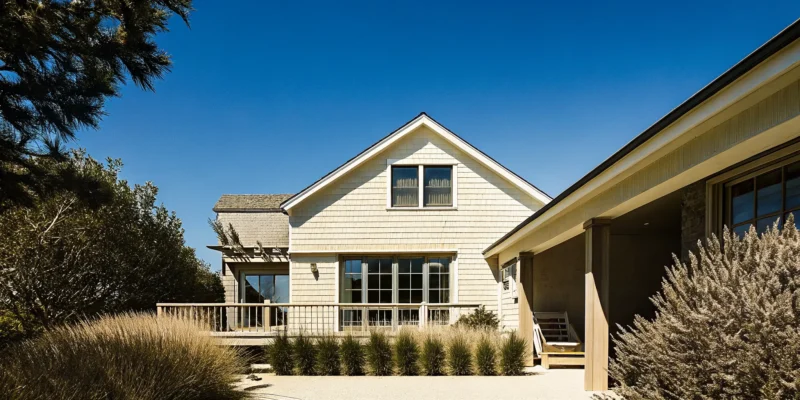
You have a clear vision for your home. You can see the open-concept kitchen, the spa-like primary bathroom, and the perfect outdoor patio for summer evenings. The problem isn’t the dream; it’s the overwhelming reality of making it happen. Where do you even begin? A full home renovation Long Island project involves countless decisions, from budgeting and permits to choosing materials and hiring the right professionals. It’s easy to feel stuck before you even start. This guide is designed to be your practical roadmap. We’ll walk you through each step, helping you set clear goals, avoid common challenges, and build a team you can trust to bring your vision to life, smoothly and successfully.
Key Takeaways
- Plan for Success Before You Start: A smooth renovation depends on clear upfront planning. Define your goals, establish a realistic budget that includes a 20% contingency fund for surprises, and account for Long Island’s permit process to prevent delays.
- Extend Your Living Space Outdoors: A full renovation is an opportunity to connect your indoor and outdoor areas. Integrating features like patios, landscaping, or a swimming pool into your plan creates a seamless flow and turns your entire property into a cohesive retreat.
- Hire a Partner, Not Just a Contractor: Your choice of professional is critical. Partnering with a full-service design-build company simplifies the process, providing one team to manage everything from design to construction and ensuring a less stressful experience.
What Does a Full Home Renovation Include?
A full home renovation is much more than a simple kitchen update or a fresh coat of paint. It’s a comprehensive project that reimagines your entire home, creating a cohesive design and improved functionality from the inside out. Think of it as hitting the reset button on your property. The goal is to transform your house into a space that truly reflects your lifestyle and meets your family’s needs, both now and for years to come. This process involves making significant changes to multiple rooms and almost always includes the exterior of your home as well.
It’s about creating a seamless flow, where your kitchen complements your living area and your indoor spaces connect beautifully with your outdoor ones. A full renovation is an opportunity to fix what isn’t working, enhance what you love, and build the home you’ve always envisioned. Whether you’re looking to modernize an older Long Island home or customize a newer build, this type of project addresses everything from the structural bones to the final decorative touches. It’s a chance to create a home that feels completely new, without having to move.
Inside Your Home: Interior Renovations
The interior part of a full renovation touches nearly every corner of your house. This often starts with high-impact areas like kitchens and bathrooms, but it extends much further. We’re talking about replacing flooring, updating trim, and painting throughout to create a unified aesthetic. Beyond the surface, a complete home remodeling project addresses the core systems of your house. This can include upgrading electrical wiring, modernizing plumbing, and installing more efficient heating and cooling systems. It’s also the perfect time to rethink your floor plan, perhaps by removing walls to create an open-concept living space or reconfiguring rooms for better flow and function.
Outside Your Home: Exterior and Outdoor Living
A true full home renovation doesn’t stop at your front door. It extends to your home’s exterior and your entire property, turning your yard into a functional and beautiful living space. This can involve practical updates like new siding, but the real magic happens when you create dedicated areas for relaxation and entertainment. Imagine a stunning patio for summer dinners or a cozy fire pit area for cool evenings. Using durable and elegant materials is key to achieving a high-end look that lasts. High-quality porcelain and natural stone pavers can transform a simple backyard into a sophisticated outdoor oasis, seamlessly connecting your indoor and outdoor living experiences.
What to Consider Before Starting Your Renovation
A full home renovation is an exciting prospect, but jumping in without a solid plan can lead to stress and costly mistakes. Before you even think about picking out paint colors or tile, it’s essential to lay the groundwork for a smooth project. Taking the time to think through your goals, timeline, and local requirements will make the entire process more manageable and help you achieve the results you’re dreaming of.
Thinking about these key areas first will set you up for success. You’ll want to define your core reasons for renovating, map out a realistic schedule, get familiar with Long Island’s specific building codes, and prepare for the unique character of older homes in the area. A clear vision and practical preparation are your best tools for turning your current house into your forever home.
Define Your “Why”: Setting Renovation Goals
Before any walls come down, get clear on what you want to achieve. Are you renovating to create a more open, functional layout for your growing family? Do you want to update a dated kitchen to make it the heart of your home? Or are you hoping to build an outdoor retreat for entertaining? Your “why” will be the guiding star for every decision you make.
Create a detailed plan that outlines what’s included and what’s not. Make two lists: one for your must-haves and another for your nice-to-haves. This simple exercise helps you prioritize and communicate your vision clearly to your contractor. A well-defined scope is the foundation of a successful home remodeling project and keeps everyone on the same page from start to finish.
Create a Realistic Timeline
It’s easy to underestimate how long a renovation can take. A realistic timeline goes far beyond the construction phase. It needs to account for the design process, material selection and ordering, and securing permits, all of which happen before any physical work begins. On Long Island, factors like local permit backlogs and the specific challenges of your property can also affect the schedule.
An experienced local contractor can help you build a practical timeline that reflects these realities. For example, custom cabinetry or specialty porcelain and natural stone can have long lead times that need to be factored in. Planning for these steps from the beginning helps prevent frustrating delays and keeps your project moving forward as smoothly as possible.
Understand Long Island Building Permits and Codes
In Nassau and Suffolk counties, you can’t just start a major renovation. You must get a building permit for almost any project involving construction, demolition, or significant electrical and plumbing work. Each town and village has its own set of rules and processes, which can be complex to handle on your own. Trying to skip this step can result in hefty fines and orders to tear out completed work.
Working with a reputable, full-service company is a huge advantage here, as they will manage the entire permitting process for you. They know the local codes and have relationships with the building departments, ensuring everything is filed correctly. This is especially critical for complex projects like adding a swimming pool or a major home extension, letting you focus on the exciting parts of your renovation.
The Unique Challenges of Older Long Island Homes
Many homes on Long Island have a rich history and unique charm, but they can also hide expensive surprises. Renovating an older property often means preparing for the unexpected. Once you open up the walls, you might find outdated wiring, old plumbing, asbestos, or structural issues that need to be brought up to modern safety standards. These discoveries can impact both your budget and your timeline.
This isn’t a reason to avoid renovating an older home, but it is a reason to be prepared. A seasoned contractor with experience in the area will know what to look for during the initial assessment. They can help you anticipate potential issues and build a proper contingency fund into your budget. This proactive approach turns potential crises into manageable tasks, ensuring your home’s character is preserved while its safety and function are updated for modern life.
How Much Does a Full Home Renovation Cost in Long Island?
Talking about renovation costs can feel a bit like asking, “How much does a car cost?” The answer really depends on what you’re looking for. A full home renovation in Long Island can range anywhere from $50,000 to $250,000 and beyond. The final number on your invoice depends entirely on the scale of your project, the materials you choose, and the complexity of the work. To give you a clearer picture, let’s break down what goes into that final price tag. Understanding these numbers will help you create a realistic budget and turn your dream home into a reality without any major surprises.
A Cost Breakdown by Project
To get a better handle on your potential budget, think about which category your project falls into. A basic refresh, which might include new paint, flooring, and updated fixtures in the kitchen and bath, could land around the $100,000 mark. If you’re planning more significant functional updates, like a full kitchen remodel, removing walls for an open concept, or upgrading plumbing, you’re likely looking at a budget of $200,000 or more. For a complete transformation that involves taking rooms down to the studs, making structural changes, and using high-end finishes, the budget will be higher. Each level of home remodeling offers a different degree of change and impact.
Factors That Drive Up Costs on Long Island
Several key factors will influence the total cost of your renovation. The size of your home is a straightforward one; more square footage means more materials and labor. The age and condition of your house also play a big role. Older homes can sometimes hide outdated wiring or plumbing that needs to be brought up to code. Of course, the scope of your work is the biggest driver. Cosmetic updates are less expensive than major structural changes. Finally, your choice of materials and finishes can dramatically affect the price. Standard options are budget-friendly, while luxury materials like high-end porcelain and natural stone will increase the cost but also add significant value and beauty.
Watch Out for These Hidden Costs
Some parts of a renovation are just naturally more expensive, and it’s smart to know what they are ahead of time. Kitchens and bathrooms are typically the priciest rooms to remodel. This is because they involve a lot of moving parts: cabinets, countertops, appliances, intricate tile work, and specialized plumbing and electrical work. Any structural changes, like removing a wall or adding a support beam, will also add to your costs. These tasks require careful engineering, permits, and highly skilled masonry and construction professionals. Being aware of these potential high-cost areas from the start helps you allocate your budget more effectively and avoid sticker shock later on.
How to Build a Realistic Renovation Budget
Creating a budget is one of the most important first steps in any home renovation. Think of it less as a restriction and more as a roadmap that guides your decisions and keeps the project on track. A well-planned budget helps you and your contractor stay aligned on the scope of work, material choices, and overall vision. It’s the key to transforming your house into your dream home without unnecessary financial stress. A successful home remodeling project starts with a clear understanding of the costs involved and a solid plan for how to manage them.
Building a realistic budget involves more than just a single number. It requires you to set a baseline, plan for the unexpected, identify your top priorities, and consider breaking the project into manageable stages. By thinking through these elements, you can approach your renovation with confidence. This process ensures you can afford the changes you want to make and helps you communicate your financial boundaries clearly to your design-build team. With a thoughtful budget in hand, you’re prepared to make smart, informed choices every step of the way.
Set Your Baseline Budget
The first step is to determine a realistic starting point for your investment. On Long Island, a full home renovation can range anywhere from $50,000 to over $250,000. This wide spectrum exists because every project is unique, depending on the size of your home, the complexity of the work, and the materials you choose. To set your baseline, consider what you can comfortably afford by reviewing your savings and exploring financing options. This initial number provides a crucial foundation for discussing your goals and what is possible within your means when you begin planning your project. It allows your contractor to develop a proposal that respects your financial comfort zone from day one.
Why a Contingency Fund Is Non-Negotiable
No matter how carefully you plan, renovations can come with surprises, especially in older homes. That’s why a contingency fund is essential. Experts recommend you build an extra 20% into your budget to cover unforeseen costs. This fund acts as a safety net for issues like hidden water damage, outdated electrical systems, or structural problems that are only discovered after demolition begins. Having this buffer prevents unexpected expenses from derailing your project or forcing you to make compromises on your vision. It’s the best way to ensure peace of mind from start to finish, knowing you are prepared for whatever might be behind the walls.
Prioritize High-Impact Projects
When your wish list is longer than your budget, prioritization is key. Start by making two lists: one for your “must-haves” and another for your “nice-to-haves.” Focus your investment on the projects that will have the biggest impact on your daily life and your home’s value, like a modern kitchen or a primary bathroom retreat. Investing in high-quality materials and skilled craftsmanship may have a higher upfront cost, but it pays off in durability and long-term satisfaction. Using premium materials like beautiful porcelain and natural stone can completely transform a space and ensure it stands the test of time.
Phase Your Renovation Strategically
If your entire dream renovation isn’t feasible all at once, consider phasing the project. Breaking a large-scale renovation into smaller, sequential stages can make it much more manageable financially. For example, you could focus on the interior remodel this year and plan for the outdoor living space, including a new patio or swimming pool, for next year. This approach allows you to complete your full vision over time without the pressure of a single, massive investment. By clearly defining your priorities from the start, you can create a logical timeline that aligns with your budget and long-term goals.
Common Renovation Challenges and How to Avoid Them
Even the most exciting renovation can hit a few bumps. Knowing what to watch for is the best way to keep your project on track and your stress levels low. Most issues stem from incomplete planning or unrealistic expectations, not bad intentions. By anticipating common hurdles, you can work with your contractor to create a smoother process from start to finish. A successful renovation is all about smart preparation, and that’s something you have complete control over. Let’s walk through the most frequent challenges and, more importantly, how to sidestep them.
Budget Overruns
It’s the number one fear for any homeowner: the final bill being much higher than the initial quote. Renovations often cost more than expected, which is why it’s wise to build a contingency fund of 15% to 20% into your budget. This isn’t for adding extra features on a whim; it’s a safety net for the true unknowns, like discovering old plumbing that needs replacing. Another common culprit is underestimating costs from the start. Clearly defining your priorities during the planning phase with a professional home remodeling team helps keep the project aligned with your goals and prevents your budget from spiraling.
Timeline Delays
Nothing is more frustrating than a project that seems to drag on forever. Delays can happen for many reasons, but two big ones are permit issues and scope creep. Overlooking the time it takes to secure the proper building permits can delay your project before a single hammer is swung. An experienced contractor will factor this into the schedule. Scope creep is that tempting thought: “While the walls are open, should we update the wiring too?” While these small additions make sense individually, they can add up, significantly extending your timeline and increasing costs. A detailed plan from the outset is your best defense against these schedule-busting changes.
Unexpected Structural Issues
You never truly know what’s behind a wall until you open it up. This is especially true in older Long Island homes. Assuming a renovation is “simple” can lead to major surprises once the work begins. You might find anything from termite damage to outdated electrical systems or foundation problems that need immediate attention. While a contingency fund helps cover the cost, the best way to minimize these shocks is with a thorough upfront inspection. Working with a team that has experience in restoration and sealing means they know what to look for and how to handle whatever they might find.
Choosing the Wrong Contractor
Your choice of contractor can make or break your entire renovation experience. The wrong fit can lead to poor quality work, communication breakdowns, and constant stress. To avoid this, make sure you have a detailed written agreement that outlines every aspect of the project before work begins. Effective and regular communication is just as crucial. You want a partner who keeps you informed and listens to your concerns. A full-service design-build company can be a great option, as they manage every detail and provide a single point of contact, ensuring your project progresses smoothly and your vision is realized.
Who Should You Hire for a Full Home Renovation on Long Island?
Choosing the right team for your renovation is the single most important decision you will make. The right partner can turn your vision into a reality with skill and efficiency, while the wrong one can lead to stress and costly mistakes. Your choice will shape the entire experience, from the first design sketch to the final walkthrough. So, how do you find the perfect fit for your Long Island home? It starts with knowing what to look for and understanding the different types of professionals available.
What to Look For in a Renovation Contractor
When you start your search, focus on contractors with a solid reputation and proven experience with projects similar to yours. A team that has built beautiful swimming pools might not be the best fit for a complex kitchen remodel unless they have a portfolio to prove it. It’s essential that they have a clear understanding of Long Island’s local building codes and regulations to keep your project on track and compliant. Always insist on a detailed written agreement that outlines the scope of work, timeline, and costs. This contract is your protection and ensures everyone is on the same page before any work begins.
The Value of a Full-Service Design-Build Company
A design-build company offers a streamlined approach by managing both the design and construction phases of your project. Instead of you having to coordinate between a separate architect, designer, and builder, you have one cohesive team working together from start to finish. This integrated model reduces the risk of miscommunication and ensures your initial vision is carried through to the final product. For a homeowner, this means a simpler process, a single point of contact, and the peace of mind that comes from having a single team for your entire project. It’s an efficient way to bring your renovation to life without the stress of managing multiple moving parts.
Inspiring Design Trends for Your Long Island Home
A full home renovation is your chance to create a space that truly reflects your style and supports your lifestyle. While classic designs are always in fashion on Long Island, incorporating current trends can make your home feel fresh, functional, and uniquely yours. Thinking about what’s popular can help you discover new possibilities for your layout, materials, and finishes. From creating open, airy living areas to designing spa-like bathroom retreats, these trends focus on blending beauty with everyday practicality. Many homeowners find that looking at current styles helps them articulate what they want, even if they end up with a more traditional design.
As you plan your project, consider how these ideas can be adapted to your home. A successful renovation combines timeless appeal with modern comforts, resulting in a space you’ll love for years to come. It’s not about chasing fads, but about understanding what’s possible and making intentional choices. Whether you’re drawn to the clean lines of modern design or the warmth of natural materials, these trends offer a starting point for your own creative vision. Let’s look at some of the top design trends inspiring Long Island homeowners right now.
Open Floor Plans and Multifunctional Spaces
The desire for connected living isn’t going away. Open-concept floor plans remain a top request because they create a seamless flow between the kitchen, dining, and living areas. This layout is perfect for families who want to stay connected and for those who love to entertain. It makes your home feel larger, brighter, and more inviting. A well-executed home remodeling project can transform a series of small, closed-off rooms into one cohesive and multifunctional space. Imagine preparing dinner while still being part of the conversation in the living room, or hosting a party where guests can move around freely. This approach to design prioritizes connection and flexibility.
Gourmet Kitchens and Spa-Like Bathrooms
Many Long Island homeowners find their kitchens and bathrooms are the first rooms to feel outdated. Today’s trends transform these functional spaces into personal sanctuaries. A gourmet kitchen is about more than just looks; it’s about creating a practical, inspiring place to cook and gather. Think custom cabinetry, high-end appliances, and a large island that serves as both a workspace and a social hub. Similarly, bathrooms are becoming spa-like retreats. Features like walk-in showers with rainfall heads, freestanding tubs, and elegant vanities can turn your daily routine into a moment of luxury. These high-impact renovations add significant value and enjoyment to your home.
Luxurious Finishes: Porcelain and Natural Stone
The materials you choose have a huge impact on the overall feel of your home. Luxurious, durable finishes are a hallmark of modern design, with an emphasis on bringing natural textures indoors. High-quality porcelain and natural stone are incredibly versatile choices for flooring, countertops, backsplashes, and even accent walls. Natural stone like marble or quartzite offers one-of-a-kind beauty, while modern porcelain provides incredible durability and a vast range of styles, from realistic wood looks to sleek, minimalist designs. These materials not only add a touch of elegance but also stand up to the demands of a busy household, making them a smart and stylish investment.
Sustainable Materials and Smart Home Tech
Homeowners are increasingly looking for ways to create healthier and more efficient living environments. This has led to a greater interest in sustainable materials and smart home integration. Using eco-friendly options like reclaimed wood, bamboo flooring, and non-toxic paints can improve your home’s air quality and reduce its environmental footprint. At the same time, integrating smart home technology adds a layer of modern convenience. Imagine automated lighting that adjusts throughout the day, thermostats that learn your preferences, and security systems you can control from your phone. These thoughtful additions make your home more comfortable, secure, and economical to run.
Integrating Outdoor Living into Your Renovation
A full home renovation isn’t just about what happens inside your four walls. On Long Island, our yards are a huge part of our lifestyle. Thinking about your outdoor space as an extension of your home from the very beginning of your renovation planning is a game-changer. It creates a seamless flow from your living room to your patio and turns your entire property into a functional, beautiful retreat. Integrating these projects not only gives you more space to relax and entertain but also significantly increases your home’s value.
Swimming Pools, Pavilions, and Pergolas
Imagine your backyard as a private resort. A beautifully designed swimming pool can become the centerpiece for summer gatherings and quiet afternoon dips. But a pool is just the beginning. Adding a structural element like a pavilion or pergola creates a designated zone for lounging or dining. These structures provide welcome shade on hot days and can be outfitted with lighting and fans for evening enjoyment. Thoughtfully planned pavilions and pergolas define your outdoor rooms, making your backyard feel more intentional and luxurious.
Synthetic Turf, Game Courts, and Fencing
For a yard that’s all about fun and less about work, consider functional, low-maintenance features. Synthetic turf gives you a lush, green lawn year-round without the constant mowing, watering, and fertilizing. It’s a perfect solution for play areas. You can also dedicate a space for family fun by installing custom sports games courts for everything from basketball to pickleball. To complete your private oasis, the right fencing provides security and privacy while complementing your home’s overall design, ensuring your backyard is truly your own.
Masonry, Landscaping, and Driveways
The right hardscaping and plantings are what tie your entire outdoor vision together. Expert masonry work creates the foundation for your outdoor living spaces, from elegant patios to durable walkways and retaining walls. You can choose from a wide selection of materials, including beautiful and long-lasting porcelain and natural stone, to match your home’s style. Finally, professional landscape design softens the hardscapes with greenery, adds color and texture, and ensures your property looks cohesive and inviting from the curb to the back fence.
Is a Full Home Renovation on Long Island Worth It?
Deciding to undertake a full home renovation is a major decision, and it’s natural to wonder if the investment will pay off. For many Long Island homeowners, the answer is a resounding yes. If you love your neighborhood but your house no longer fits your lifestyle, a complete remodel allows you to create a space that is perfectly tailored to your needs without the hassle of moving. It’s an opportunity to transform your entire home, creating a connected, updated look and feel that improves both aesthetics and daily function.
A full renovation is more than just a financial calculation; it’s an investment in your quality of life. However, the financial benefits are significant, especially in the competitive Long Island real estate market. A well-executed home remodeling project can substantially increase your property’s value. While the cost can range from $50,000 to over $250,000 depending on the scope, it’s important to view this as a long-term gain. Opting for high-quality materials and expert craftsmanship might mean a higher initial cost, but it often translates to fewer repairs and greater durability, saving you money down the road. Ultimately, a renovation can turn the house you have into the home you’ve always wanted.
Related Articles
- Home Remodeling & Renovation Services in Lindenhurst | Gappsi Inc
- Home remodeling contractor Long island NY Archives – Gappsi Group
- Home Remodeling & Construction Services Long Island | Gappsi Inc
- Long Island bathroom remodel Archives – Gappsi Group
- free estimate for home remodeling long island – Gappsi Group
Frequently Asked Questions
Do I have to move out of my house during a full renovation? For a project of this scale, it is almost always best to plan on living elsewhere. A full home renovation is incredibly disruptive, involving significant dust, noise, and safety considerations as large areas of your home become construction zones. While you might be able to stay for a smaller, single-room remodel, a full renovation means your kitchen, bathrooms, and main living areas will be unusable for extended periods. Moving out not only protects your family’s well-being but also allows the construction team to work more efficiently, which can help keep the project on schedule.
What’s the real difference between hiring a design-build firm and just a general contractor? Think of it this way: a general contractor is hired to build from a set of plans you already have. You would need to hire an architect or designer separately to create those plans first, and then you would manage the communication between them. A full-service design-build company, on the other hand, handles the entire process under one roof. Their team includes designers, architects, and builders who all work together from the very beginning. This integrated approach streamlines communication, creates a more cohesive plan, and makes you, the homeowner, the client of a single, accountable team.
My budget is tight. Is it better to use less expensive materials or do the project in phases? This is a great question, and it’s a situation many homeowners face. While it can be tempting to choose less expensive materials to get everything done at once, I almost always recommend phasing the project instead. Opting for high-quality materials and craftsmanship in the most important areas, like your kitchen, ensures durability and a better long-term investment. You can complete your interior remodel now and then plan for the outdoor living space or a second-floor update next year. This strategic approach allows you to achieve your complete vision with the quality you want, without compromising on the final result.
How long does a typical full home renovation take on Long Island? The timeline depends heavily on the scope of your project, but it’s wise to plan for a significant amount of time. For a comprehensive, multi-room renovation, you should realistically expect the process to take anywhere from six months to over a year. This includes the initial design phase, securing permits from your local town or village, ordering materials which can have long lead times, and the construction itself. An experienced local team can give you a more precise estimate based on your specific project and help you plan for each stage.
What is the very first step I should take if I’m considering a renovation? Before you even start looking for a contractor, the most important first step is to sit down and define your goals. Ask yourself what isn’t working in your current home and what you hope to achieve with a renovation. Create a list of your “must-haves” versus your “nice-to-haves.” Having this clarity will make your initial conversations with design-build firms much more productive. It helps you communicate your vision effectively and allows professionals to give you more accurate advice and initial cost estimates.