


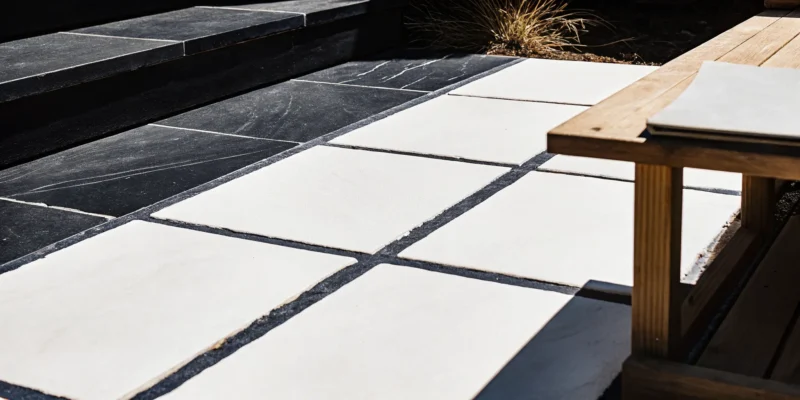
Long Island weather is unforgiving. The cycle of hot, humid summers and freezing winters puts any outdoor construction to the test. When it comes to tile, this freeze-thaw cycle is the ultimate enemy, capable of cracking poorly chosen materials or a badly prepared base. This is why you can’t trust your project to just anyone. You need an expert who understands our local climate and knows which materials and installation techniques will last. Finding a qualified outdoor tile contractor Long Island residents can rely on is the most critical step. This article explains what makes our environment unique and how to find a partner who can build a beautiful, durable space.
Key Takeaways
- Choose Tiles That Can Handle the Weather: Your material choice is crucial for a lasting outdoor space. Select durable options like non-porous porcelain pavers that resist water absorption or properly sealed natural stones that can withstand Long Island’s freeze-thaw cycles.
- Your Contractor’s Credentials Matter: A true professional does more than just lay tile. Before hiring, always verify their license and insurance, review a portfolio of their past work, and ask specific questions about their waterproofing methods to ensure a quality installation.
- Invest in Quality Over the Lowest Price: While budget is important, the cheapest bid can often lead to expensive repairs down the road. A smart investment includes a detailed contract, high-quality materials, and a clear understanding of the long-term value your project provides.
What Does an Outdoor Tile Contractor Do?
So, what exactly does an outdoor tile contractor do? Think of them as specialists who bring the beauty and durability of tile to the great outdoors. Their job goes far beyond simply laying down pavers. A true professional understands the unique challenges of Long Island’s climate, from humid summers to freezing winters, and knows how to build a space that will last. They combine technical skill with an artistic eye to create functional, stunning outdoor living areas that become the heart of your home during warmer months.
An expert contractor works with you to design a project that fits your vision and lifestyle. They help you choose the right materials, prepare the ground properly to prevent shifting and cracking, and ensure every detail is perfect. Their work is foundational to creating a backyard oasis, turning a simple patch of grass into a sophisticated patio or a durable driveway. A great contractor provides expert masonry design and construction, ensuring your project is not only beautiful but also structurally sound for years of enjoyment. They are problem solvers, anticipating potential issues with drainage or soil stability and addressing them before they become costly headaches down the road. Essentially, they are your partner in transforming your property.
Outdoor Spaces They Transform
An outdoor tile contractor can completely reshape the look and feel of your property. They specialize in turning functional areas into beautiful focal points. Imagine a welcoming walkway made of elegant natural stone or a spacious patio perfect for summer barbecues. These contractors are the experts behind those picture-perfect outdoor spaces. They work on everything from driveways and garden paths to expansive pool decks and outdoor kitchen floors. By choosing the right tile and design, they help make these areas a true extension of your home, creating seamless transitions between your indoor and outdoor living spaces.
Services Beyond Laying Tile
A top-tier outdoor tile contractor offers a full range of services that start long before the first tile is placed. Their expertise includes helping you with the initial design and selecting the best materials for your project, whether it’s durable porcelain or timeless natural stone. They handle crucial site preparation, like grading the land for proper drainage and installing a stable base. Many also provide essential waterproofing and can restore and seal existing surfaces to protect them from the elements. This comprehensive approach ensures your outdoor tile installation is built to last and looks incredible from day one.
What Outdoor Tiles Suit Long Island’s Climate?
Long Island weather is a mixed bag. We get beautiful, sunny summers perfect for patio lounging, but we also face harsh winters with freezing temperatures and snow. This cycle of hot and cold, wet and dry, is tough on outdoor materials. When choosing tiles for your patio, pool deck, or walkway, you need something that can stand up to these conditions without cracking, fading, or becoming a safety hazard. The right tile choice is about more than just looks; it’s a long-term investment in your home’s beauty and durability.
Your decision will likely come down to two excellent categories: porcelain pavers and natural stone. Each offers a distinct set of benefits suited for our local climate. Understanding how different materials react to moisture and temperature swings is the first step in creating an outdoor space you’ll love for years. A material that can handle the freeze-thaw cycle is essential for preventing damage and ensuring your patio remains a stunning feature, not a maintenance headache. Gappsi offers a wide selection of high-quality porcelain and natural stone pavers designed to endure everything Long Island weather throws at them.
Why Porcelain Pavers Are a Top Choice
Porcelain pavers have become a favorite for Long Island homeowners, and for good reason. They are incredibly strong and non-porous, which means they don’t absorb water. This is a huge advantage during our winters, as there’s no risk of water getting inside, freezing, and causing cracks. Porcelain is also highly resistant to stains, fading from the sun, and scratches, making it a virtually maintenance-free option for busy families. Because they are manufactured, they come in a vast array of styles, from realistic wood grains to sleek, modern concrete looks. This gives you complete creative control to match your home’s aesthetic while getting a material built to last.
Exploring Natural Stone: Granite, Slate, and More
If you love a timeless, one-of-a-kind look, natural stone is an amazing choice. Materials like granite, slate, and travertine bring an organic beauty to any outdoor space that simply can’t be replicated. Each stone has its own unique character, color variations, and texture. When selecting a natural stone, it’s important to consider its durability and how it will handle our weather. Dense stones like granite and slate are excellent at resisting moisture and temperature changes. Proper masonry installation and sealing are key to ensuring your natural stone patio or walkway withstands the elements and maintains its classic elegance for decades.
Tiles to Avoid for Freeze-Thaw Cycles
Choosing the wrong tile for an outdoor project can lead to disappointment and costly repairs. The biggest culprit for failure on Long Island is the freeze-thaw cycle. When a porous tile absorbs water and the temperature drops below freezing, that water expands and can crack the tile from the inside out. For this reason, you should never use indoor tiles, like standard ceramic, for an outdoor application. They simply aren’t built to withstand such extreme temperature shifts. Similarly, some highly porous natural stones may not be suitable unless properly treated. Making the right choice upfront saves you from future headaches and the need for premature restoration and sealing services.
Porcelain vs. Natural Stone: Which Is Right for You?
Choosing between porcelain and natural stone is one of the most exciting decisions you’ll make for your outdoor project. Both materials create beautiful, long-lasting surfaces, but they have distinct personalities. Think of it like choosing between a perfectly tailored suit and a beautifully worn-in leather jacket. One offers sleek precision, while the other provides unique, organic character. There’s no wrong answer, only the one that best fits your home’s style, your lifestyle, and your budget.
The right choice depends on what you value most. Are you looking for something that’s virtually maintenance-free, or do you love the one-of-a-kind patterns that only nature can create? Understanding the key differences in durability, aesthetics, and cost will help you confidently select the perfect material for your Long Island patio, walkway, or pool deck. Let’s walk through what makes each option special so you can find your perfect match.
Comparing Durability and Maintenance
When it comes to durability, both porcelain and natural stone are strong contenders, but they require different levels of care. Porcelain pavers are manufactured to be incredibly dense and non-porous. This means they are exceptionally resistant to stains, scratches, and water absorption, making them a fantastic, low-maintenance choice. They handle Long Island’s freeze-thaw cycles with ease and won’t require sealing to keep their good looks.
Natural stone is inherently durable, but since it’s a porous material, it generally needs a bit more attention. Stones like travertine or bluestone may need regular sealing to protect them from stains and moisture, especially around a pool or outdoor kitchen. However, with proper care and professional restoration and sealing services, natural stone will last a lifetime and develop a beautiful patina over the years.
Finding Your Perfect Aesthetic
Your choice of material plays a huge role in the overall feel of your outdoor space. Porcelain offers incredible design flexibility and a clean, consistent appearance. Because it’s a manufactured product, you can find it in a vast range of colors, patterns, and finishes, including convincing imitations of wood grain or high-end marble. If you’re aiming for a sleek, modern, or minimalist design, porcelain delivers a uniform look that’s hard to beat.
Natural stone, on the other hand, is all about unique character. No two pieces are exactly alike, giving your patio or walkway an authentic, timeless feel with rich textures and subtle color variations. Materials like granite, slate, and limestone bring an organic elegance that connects your home to the natural landscape. A skilled masonry designer can use these variations to create a truly one-of-a-kind masterpiece.
A Look at the Costs
Budget is always a key factor, and there’s a clear difference in cost between these two materials. Generally, porcelain tiles are the more budget-friendly option, with material costs often ranging from $3 to $10 per square foot. Since they are manufactured with precise dimensions, installation can also be more straightforward, potentially saving on labor.
Natural stone tends to be a bigger investment, with material costs typically falling between $5 and $20 per square foot, and sometimes more for rare or premium varieties. The cost of quarrying, cutting, and transporting heavy stone contributes to its higher price point. Installation can also be more complex due to the natural variations in stone thickness and shape. While the upfront cost is higher, many homeowners find the unique beauty and lasting value of natural stone to be a worthwhile investment.
How Much Does Outdoor Tile Installation Cost on Long Island?
Figuring out the budget for your outdoor tile project is a big step. The final cost depends on two main things: the materials you choose and the labor to get them installed perfectly. While every project is unique, we can break down the typical costs you can expect to see on Long Island. This will help you plan your budget and understand what goes into a contractor’s quote. Let’s look at the numbers so you can feel confident about your investment.
Breaking Down Labor Costs
When you hire a professional for your tile installation, you’re paying for their skill, time, and equipment. On Long Island, labor costs for outdoor tile work generally run from $5 to $15 per square foot. It’s also good to know that most installers have a minimum fee for any job, which is often between $300 and $500. This fee ensures that even for smaller projects, the contractor’s time and travel are covered. Think of it as a day rate that guarantees you have a dedicated professional on-site, ensuring your tile is laid correctly from the start.
Understanding Material Costs
The tile you fall in love with will be a major part of your budget. Luckily, there are beautiful options for every price point. Mid-range tiles usually cost between $2 and $10 per square foot. For a budget-friendly and versatile choice, ceramic tile is about $1 to $5 per square foot. A more durable and water-resistant option is porcelain tile, which typically costs $3 to $10 per square foot. If you’re dreaming of a luxurious look, you can explore Gappsi’s selection of porcelain and natural stone, like marble or travertine, which can range from $5 to $20 per square foot.
What Influences the Final Price?
Beyond the basic labor and material costs, several other factors can shape your final project price. The complexity of the design is a big one; an intricate herringbone pattern will require more time and cuts than a simple grid layout. The condition of the existing surface also matters. If your contractor needs to demolish an old patio or do extensive prep work to level the ground, that will add to the labor cost. The size of the area, the specific location (like a poolside versus a front walkway), and the need for specialized waterproofing will also influence the total investment in your project.
How to Choose the Right Outdoor Tile Contractor on Long Island
Finding the right contractor is just as important as selecting the perfect tile for your patio or pool deck. The right partner will not only bring your vision to life but also ensure the project is completed smoothly and built to last. A great outdoor living space starts with a great team. Taking the time to vet your options thoroughly will save you from headaches down the road and give you confidence in your investment. When you start your search, focus on a few key areas to find a professional you can trust with your home.
Verify Licensing and Insurance
Before you get into the exciting details of design, it’s essential to cover the basics. Always confirm that any contractor you consider is fully licensed and insured. This isn’t just a formality; it’s your protection. Proper licensing proves they meet state and local standards, while insurance safeguards you from liability in case of accidents on your property. Some homeowners make the mistake of skipping this step, but a reputable contractor will readily provide this information. It’s a simple check that ensures you’re working with a qualified and responsible professional from the very beginning.
Review Their Experience and Portfolio
You wouldn’t hire someone for a job without looking at their resume, and the same goes for a contractor. A portfolio is the best way to see the quality and style of their work. Look for a contractor with extensive experience, especially with projects similar to yours. If you want a sleek porcelain patio, check if they have examples of that in their gallery. A strong portfolio demonstrates their capabilities and gives you a clear idea of what they can achieve. Gappsi, for example, showcases a wide range of completed masonry projects that highlight their craftsmanship and attention to detail.
Ask About Local Knowledge and Materials
Long Island’s weather brings unique challenges, from humid summers to freezing winters. A contractor with local expertise will understand how these conditions affect different materials. They can guide you toward the best options that will stand the test of time, like durable porcelain pavers or natural stones that can handle our freeze-thaw cycles. Ask them why they recommend certain materials and how they will perform in your specific space. This conversation will reveal their depth of knowledge and help you make an informed choice for a beautiful and lasting outdoor area.
Read Customer Reviews and Testimonials
Reviews from past clients offer honest insight into what it’s like to work with a contractor. Look for feedback on their professionalism, timeliness, and the quality of the finished product. Comments like, “These guys are very fast and clean, easy to work with,” are a great sign. Check their website for testimonials, but also look at third-party sites for a more balanced view. Consistent positive feedback is a strong indicator that you’re choosing a reliable company that values customer satisfaction. It’s one of the best ways to gauge a contractor’s reputation in the community.
Assess Communication and Timelines
A successful project depends on clear and consistent communication. From the first conversation, pay attention to how a contractor interacts with you. Are they responsive, clear, and willing to answer all your questions? A good contractor will provide a detailed proposal with a clear timeline and keep you updated on progress. They should be upfront about potential delays and work with you to resolve any issues that arise. Establishing a good rapport and clear expectations from the start ensures a smoother, more collaborative process for everyone involved.
Common Mistakes When Hiring an Outdoor Tile Contractor
Hiring the right person for your outdoor tile project is just as important as picking the perfect porcelain or stone. A great contractor ensures your beautiful new patio or pool deck will last for years, while the wrong one can lead to costly repairs and a lot of frustration. To help you make the best choice, let’s walk through a few common missteps homeowners make and how you can easily avoid them.
Don’t Skip the Waterproofing Talk
When you’re dreaming of your new outdoor space, you’re probably focused on the beautiful tile, not what’s underneath it. But what’s underneath is critical. Proper waterproofing protects your investment from water damage, which is especially important with Long Island’s freeze-thaw cycles. A contractor who just relies on tile and grout is setting you up for failure. You should always ask about their waterproofing methods. A professional will be happy to explain the membrane systems and techniques they use to ensure your installation is durable and long-lasting. This conversation is a great way to gauge a contractor’s expertise and commitment to quality.
Forgetting Permits and Local Rules
It’s easy to get caught up in design details and forget about the less glamorous side of home improvement: paperwork. However, many outdoor construction projects require permits to comply with local town or village codes. A reputable contractor will know exactly what’s needed for your project in Nassau or Suffolk County and should handle the permit process for you. This is a crucial step that many homeowners overlook. Skipping permits can lead to fines and problems if you decide to sell your home later. A contractor who is knowledgeable about local regulations is a clear sign you’re working with a true home improvement professional.
Why You Shouldn’t Choose on Price Alone
While sticking to a budget is important, choosing a contractor based on the lowest bid can be a recipe for disaster. An unusually low price often means corners are being cut, whether it’s with subpar materials, rushed prep work, or inexperienced labor. A slightly higher upfront cost with a reputable, thorough installer can save you from paying for expensive repairs down the road. Instead of focusing only on the final number, consider the overall value. Look for a contractor who provides a detailed proposal, uses high-quality materials, and has a portfolio of beautifully finished projects that prove their expertise.
Finding the Best Outdoor Tile Contractors on Long Island
Choosing the right contractor is the most important decision you’ll make for your outdoor tile project. You need a team with proven experience, a deep understanding of Long Island’s climate, and a commitment to quality craftsmanship. A great contractor will not only install your tiles flawlessly but also guide you through material selection and design, ensuring the final result is beautiful and built to last. Finding this partner requires a bit of research, but it’s a crucial step in protecting your investment and bringing your vision to life.
Why Gappsi Is a Premier Partner
When you’re looking for a team that combines decades of experience with a true passion for outdoor design, Gappsi stands out. We have been transforming Long Island homes since 1987, building a reputation for exceptional quality and customer care. Our expertise isn’t limited to just one area; we manage entire backyard transformations, from masonry and landscaping to pools and pavilions. This comprehensive knowledge means we understand how your new tile patio or walkway fits into the bigger picture. We specialize in installing a wide range of porcelain and natural stone, helping you select the perfect material that is both stunning and durable enough for our local weather.
What to Look for in Any Contractor
Beyond a beautiful portfolio, a professional contractor must have the right credentials. The first step is to verify that they are fully licensed and insured to work in your area. This is non-negotiable, as it protects you and your property from liability during the project. Don’t just take their word for it; ask for copies of their documentation. It’s also wise to read recent customer reviews and ask for references you can speak with directly. The Federal Trade Commission offers excellent guidance on hiring a contractor, reminding homeowners to get everything in writing. A detailed contract that outlines the scope of work, materials, timeline, and total cost ensures everyone is on the same page from start to finish.
Inspiring Outdoor Tile Ideas for Your Long Island Home
Choosing the right tile is one of the most exciting parts of designing your outdoor space. The material you select sets the tone for the entire area, defining its style and functionality. Whether you envision a cozy patio for family dinners, a chic poolside lounge, or a fully equipped outdoor kitchen, the perfect tile provides the foundation. Here are a few ideas to help you imagine the possibilities for your own Long Island backyard.
Designing Patios for Entertaining
Your patio is the heart of your backyard, a place for grilling, dining, and relaxing with friends. For a space that gets this much use, you need a surface that is both beautiful and practical. Pavers are a fantastic choice for the Long Island climate because their interlocking design handles freeze-thaw cycles without cracking. This makes them a durable, low-maintenance option for any entertainer.
Consider using large-format porcelain tiles for a modern, seamless look, or choose natural stone pavers to create a more rustic, organic feel. By selecting the right material, you can design a patio that not only withstands the elements but also serves as a stunning backdrop for all your outdoor gatherings. Proper masonry work ensures your patio will last for years to come.
Creating a Stunning Pool Deck
A pool deck should feel like a private resort, combining safety, comfort, and style. The tile you choose needs to be slip-resistant, stay relatively cool under the sun, and withstand constant exposure to water and pool chemicals. This is where porcelain pavers truly shine. They are exceptionally strong, non-porous, and resistant to stains and fading, making them a virtually maintenance-free option.
With porcelain, you can achieve the look of natural wood, stone, or concrete without the demanding upkeep. Imagine a sleek, light-colored tile that makes the blue of your swimming pool pop, creating a bright and inviting atmosphere. This choice ensures your pool area remains a beautiful and safe oasis for your family all summer long.
Upgrading Walkways and Driveways
Your walkways and driveway are the first things guests see, so they play a huge role in your home’s curb appeal. Upgrading these areas with high-quality tile makes a powerful first impression. For high-traffic zones like these, durability is everything. You need a material that can handle foot traffic, vehicle weight, and Long Island’s variable weather.
Materials like granite, slate, and certain types of thick porcelain pavers are excellent choices. They offer incredible strength and a timeless look that complements any home style. When planning your project, think about how your walkways will connect different parts of your yard, from the front door to the backyard patio. Using beautiful and durable porcelain and natural stone creates a cohesive and welcoming journey through your property.
Building an Outdoor Kitchen and Living Area
An outdoor kitchen transforms your backyard into a true extension of your home. When you’re cooking and dining outside, you need a floor that can handle it all: spills, grease, foot traffic, and the heat from a grill. The right tile is crucial for both design and durability. It must be tough enough to endure everything from summer rainstorms to winter snow.
Porcelain is an ideal choice for outdoor kitchens because it’s non-porous and easy to clean, so you won’t have to worry about stains from spilled wine or dropped food. Pairing a durable floor with a custom-built structure, like one of Gappsi’s pavilions and pergolas, helps you create a comfortable and functional outdoor room for cooking, dining, and relaxing year-round.
Questions to Ask Your Contractor Before You Hire Them
Once you have a short list of potential contractors, it’s time to start the interview process. Being prepared with specific questions helps you compare your options fairly and find a true professional who understands your vision. Think of this as a partnership, and you want to make sure you find the right partner for the job. Before you sign any contracts, sit down with each candidate and get clear answers to these essential questions.
Here’s what you should ask to ensure you’re hiring the best team for your outdoor tile project:
-
Are you licensed and insured in Long Island? This is the first and most important question. A professional contractor will have no problem providing proof of their general liability insurance and local licenses. This protects you from any liability in case of accidents on your property.
-
Can I see a portfolio of your recent outdoor tile projects? Looking at photos is great, but ask if they have examples of projects similar to yours that are a few years old. This shows you how their masonry work holds up over time in our specific climate.
-
What types of outdoor tiles do you have the most experience with? Whether you’re leaning toward porcelain or natural stone, you want a contractor who is an expert with that material. Ask them why they recommend certain tiles for your project and what their process is for waterproofing and ensuring proper drainage.
-
How will we communicate during the project? A successful project depends on clear communication. Ask who your main point of contact will be, how often you can expect updates, and how they handle unexpected issues or changes.
-
Can you provide a detailed, itemized quote and a project timeline? A vague estimate isn’t enough. Request a written quote that breaks down the costs for labor, materials, permits, and any other expenses. A clear timeline will also help you manage expectations from start to finish.
How to Maintain Your Outdoor Tiles All Year
Once your beautiful new outdoor tiles are installed, a little upkeep will keep them looking fantastic for years to come. Maintaining your patio, walkway, or pool deck isn’t complicated, but it is essential for protecting your investment, especially with Long Island’s distinct seasons. The right care routine prevents stains, damage from weather, and everyday wear and tear. Think of it as the final step in bringing your outdoor vision to life.
A consistent maintenance plan ensures your space remains safe, clean, and ready for everything from quiet morning coffees to lively family gatherings. With the right approach, you can spend more time enjoying your outdoor oasis and less time worrying about its condition.
Seasonal Care for Long Island’s Weather
Long Island weather can be tough on outdoor surfaces, with its humid summers and icy winters. The constant freeze-thaw cycles can cause materials to expand and contract, leading to cracks and shifts. This is why choosing the right material from the start is so important. Porcelain pavers, for example, are a popular choice here because they are exceptionally strong and non-porous, which helps them resist water absorption and temperature changes.
To keep your tiles in top shape, a seasonal approach works best. In the fall, regularly sweep away leaves and debris to prevent staining. During winter, avoid using rock salt, which can corrode natural stone. Instead, opt for a calcium chloride-based de-icer and use a plastic shovel for snow removal. When spring arrives, it’s the perfect time for a deep clean to wash away winter’s grime and get your patio ready for warmer weather.
Simple Cleaning and Sealing Practices
Regular cleaning is your best defense against dirt buildup and stains. For most routine cleaning, all you need is a bucket of warm water and a few drops of pH-neutral soap, like a mild dish detergent. Start by sweeping the surface clear of any loose debris. Next, use a soft-bristle brush to gently scrub the tiles with the soapy water, then rinse everything thoroughly to prevent a film from forming. Avoid using acidic or harsh chemical cleaners, as they can damage the tile’s surface and sealant.
Sealing provides an extra layer of protection, especially for porous materials like natural stone. A quality sealant helps repel water, oil, and other liquids that can cause stains. While dense porcelain often doesn’t require sealing, it’s a crucial step for preserving the color and integrity of granite or slate. We recommend having this done professionally, as our restoration and sealing services use the correct products and application techniques to ensure long-lasting results.
Related Articles
- 5 Largest Porcelain Pavers Suppliers on Long Island NY
- Stones & Porcelain Archives – Gappsi Group
- Porcelain & Stone Patio Pavers on Long Island | Gappsi Inc
- Outdoor Living News: Pools, Fire Pits & Renovations | Gappsi Inc
Frequently Asked Questions
What’s the real difference between porcelain and natural stone for my patio? The biggest difference is between uniform consistency and unique character. Porcelain pavers are manufactured to be incredibly strong and non-porous, so they offer a consistent look and are virtually maintenance-free. Natural stone, like granite or slate, provides a one-of-a-kind, organic beauty since no two pieces are identical. It connects your space to the natural world, but because it’s porous, it typically requires sealing to protect it from stains and weather.
Can I just install outdoor tile over my old concrete patio? While it might seem like a simple shortcut, it’s often not the best idea. If your existing concrete slab is cracked, uneven, or has poor drainage, tiling directly over it will likely cause the new tiles to crack and fail. A professional contractor will first need to assess the condition of the concrete. A solid, stable base is the most important part of a lasting tile installation, so preparing the foundation correctly is a step you can’t afford to skip.
How long will my new tile patio last on Long Island? With the right materials and a professional installation, your outdoor tile patio can last for decades. The key to longevity in our climate is a proper base that can withstand the freeze-thaw cycles of winter. When a contractor builds a solid foundation and uses durable materials like porcelain or dense natural stone, you are making a long-term investment. The quality of the initial work is what makes the difference between a patio that looks good for a few years and one that you’ll enjoy for a lifetime.
Do I really need to seal my outdoor tiles? This depends entirely on the material you choose. If you select porcelain pavers, you can happily skip the sealing. They are manufactured to be non-porous, so they naturally resist water and stains. However, if you opt for the timeless look of natural stone, sealing is a crucial step. It acts as a protective shield, preventing moisture from getting into the stone and stopping stains before they set, which is essential for preserving its beauty.
Besides the tile itself, what other costs should I expect? Your final project cost will include more than just the tile and the labor to place it. You should also plan for site preparation, which could involve removing an old patio or grading the land to ensure proper drainage. Other costs can include waterproofing systems, which are vital for a long-lasting installation, the delivery of heavy materials, and any permits your town requires for the project. A trustworthy contractor will provide an itemized quote that clearly lists all these potential expenses.