


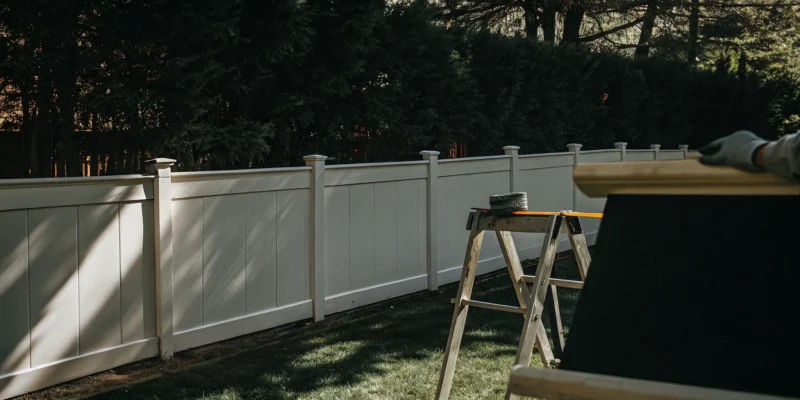
Figuring out the cost of a new vinyl fence for your Long Island home can feel like trying to solve a puzzle with missing pieces. You often hear contractors talk about pricing “per linear foot,” but that number is only a single part of the larger picture. The final cost of your project is shaped by many variables, including the fence style you choose, the height you need, the specific layout of your yard, and even the quality of the materials. This guide is designed to put all the pieces together for you. We will break down what influences the vinyl fence installation price per foot so you can understand a professional quote and create a realistic budget for a fence you’ll love for years.
Key Takeaways
- Budget for the Whole Project, Not Just the Fence: The price per linear foot is only part of the equation. Your final cost will also depend on fence style, height, material quality, site preparation, gates, and any necessary permits.
- Choose Your Installer as Carefully as Your Fence: The quality of the installation determines the fence’s longevity and appearance. Always get detailed quotes, check for proper licensing and insurance, and review a contractor’s portfolio of past work.
- Invest in Low Maintenance for Long-Term Savings: Although vinyl may have a higher initial cost than wood, it saves you significant time and money in the long run. You avoid the recurring costs and effort of painting, staining, and rot repair.
What’s the Price Per Foot for a Vinyl Fence?
Figuring out the cost of a new vinyl fence can feel a bit like a puzzle. You’ll often hear contractors and suppliers talk about price “per linear foot,” but what does that really mean for your total budget? Think of the per-foot price as a starting point. The final cost of your project will depend on several things, like the fence style you choose, the layout of your yard, and the specific materials used. Let’s break down the numbers so you can get a clearer picture of what to expect for your Long Island home.
Average Cost Range
As a general guideline, installing a standard 100-foot vinyl fence can range from about $3,000 to $7,800. That’s a pretty wide range, I know. This variation comes from the huge number of options available. A simple, shorter fence will be on the lower end, while a tall privacy fence with decorative posts and gates will be on the higher end. This estimate helps you set a basic budget, but the details are what will really shape the final price tag for your specific project.
Linear Foot vs. Total Project Cost
When you get a quote, it will likely be broken down by the linear foot. This cost typically falls between $15 and $78 per foot, a price that usually includes both the fencing materials and the professional installation. While this number is helpful for comparing different material qualities or styles, remember to focus on the total project cost. This final number gives you the complete picture, covering everything from the first post to the last gate latch. Gappsi offers a variety of fences and netting to suit your style and budget.
Why Smaller Jobs Can Cost More Per Foot
It might seem counterintuitive, but you could see a higher price per linear foot for a very short fence. Think of it this way: contractors have fixed costs for every job they take on. These include things like travel time, insurance, and ensuring their crew is paid for their time on-site. For a small project, these base costs are spread over fewer feet of fencing, which can bump up the per-foot rate. It’s a way for the installation company to make sure the project is worthwhile while still delivering high-quality work.
What Factors Influence Your Vinyl Fence Cost?
When you start getting quotes for a new vinyl fence, you’ll quickly see that the price per linear foot is just a starting point. The final cost of your project depends on several key variables that go beyond a simple length measurement. Think of it like a recipe: the final dish is a sum of all its ingredients and the effort it takes to prepare it. Understanding these factors will help you read a quote with confidence and see exactly where your money is going. From the height of the fence to the texture of the vinyl, every choice plays a part.
A professional quote from a company like Gappsi will break down these elements, giving you a clear picture of the total investment. The goal is to find a balance between your budget and your vision for the perfect backyard. Whether you’re looking for simple privacy or a decorative statement, knowing what drives the cost will empower you to make the best decisions for your home. Our team specializes in installing a variety of fences and netting to suit any property.
Fence Height and Style
One of the most direct factors affecting your fence’s cost is its size. A six-foot privacy fence will naturally cost more than a four-foot picket fence simply because it requires more material. But style plays an equally important role. A simple, solid panel is the most straightforward option. If you want to add more visual interest with features like a lattice top, decorative post caps, or a scalloped design, you can expect the price to increase. These stylistic touches require more intricate manufacturing and add a bit of extra time to the installation process, but they also give your fence a custom, polished look that can significantly enhance your home’s curb appeal.
Material Quality and Thickness
Not all vinyl is created equal. The quality and type of vinyl you choose will have a major impact on both the upfront cost and the long-term durability of your fence. Standard white vinyl is typically the most budget-friendly option. However, if you prefer a different look, you can explore colored vinyl or even textured styles that mimic the appearance of wood grain. These premium options cost more but can create a unique aesthetic. Beyond color and texture, the thickness of the vinyl matters. Higher-quality, thicker vinyl offers superior strength and better resistance to fading and weathering, making it a worthwhile investment for a fence that will look great for years to come.
Labor Costs on Long Island, NY
The cost of labor is a significant part of any professional fence installation, and it’s influenced by the complexity of the job. On Long Island, labor rates reflect the skill and experience required to build a fence that can withstand coastal weather and last for decades. A professional crew does more than just dig holes and place posts. They ensure every post is perfectly level, properly set in concrete, and aligned for a flawless finish. Hiring an experienced team like Gappsi means you’re paying for expertise, efficiency, and the peace of mind that comes with knowing your fence is installed correctly and securely. This level of craftsmanship is a core part of our home remodeling philosophy.
Your Yard’s Condition and Terrain
An ideal installation site is a flat, clear, and easily accessible stretch of land. However, most yards have their own unique challenges. The specific conditions of your property can influence labor costs. If your yard is on a slope, the installation team will need to use special techniques to ensure the fence follows the contour of the land gracefully. Rocky soil or large tree roots can make digging post holes much more difficult and time-consuming. Similarly, if the fence line is hard to access with equipment, it may require more manual labor. A thorough site assessment is key to getting an accurate quote that accounts for the unique terrain of your landscape.
Local Permits and Regulations
Before any work begins, it’s important to consider local building codes. Most towns and villages on Long Island have specific regulations regarding fence height, style, and placement, especially for properties on corner lots or near pools. Securing the right permits is a critical step, and the fees can vary from one municipality to another. This is a task you don’t have to handle on your own. A reputable contractor will be familiar with the local requirements in areas like Suffolk and Nassau County and will manage the entire permit application process for you. This service ensures your project is fully compliant and saves you from the hassle of dealing with paperwork.
How Do Vinyl Fence Styles Compare in Price?
The style you choose for your vinyl fence does more than just define its look; it’s one of the biggest factors determining your total project cost. Different styles use varying amounts of material and require different levels of labor to install, which is reflected in the price per linear foot. Think about what you want your fence to do. Are you creating a private backyard for quiet weekends and family gatherings? Or are you looking to add a touch of classic charm to your front yard that welcomes the neighborhood? The right fence becomes an extension of your home’s personality.
From the complete seclusion of a privacy fence to the open, rustic feel of a ranch rail fence, each option serves a unique purpose for your property. Understanding these differences is the first step in aligning your vision with your budget. At Gappsi, we offer a wide selection of fences and netting to match your home’s aesthetic and functional needs, ensuring you find the perfect fit for your Long Island home. Let’s break down the most popular styles so you can see how their costs compare and decide which one is right for you.
Privacy Fences
If creating a secluded backyard retreat is your top priority, a privacy fence is the way to go. These fences feature solid, interlocking panels that block sightlines and reduce noise, giving you maximum security and solitude. Because they use the most material, they are one of the more premium options. You can typically expect the cost for a standard 6-foot tall vinyl privacy fence to range from $30 to $60 per linear foot. For a 100-foot project, this translates to an installation cost between $3,000 and $6,000. While it’s a significant investment, a privacy fence transforms your yard into a truly personal oasis.
Semi-Privacy Fences
A semi-privacy fence offers a beautiful compromise between seclusion and openness. Styles like shadowbox or those with lattice tops provide a sense of enclosure while still allowing for airflow and light to pass through. This makes them a popular choice for homeowners who want to define their space without feeling completely boxed in. The cost for a semi-privacy fence generally falls between $25 and $50 per linear foot. They are a more affordable alternative to full privacy fences and work wonderfully for creating friendly boundaries with neighbors or enclosing a swimming pool area without obstructing the view.
Picket Fences
Nothing says classic American charm quite like a picket fence. This style is perfect for enhancing your home’s curb appeal and defining your front yard or garden without blocking the view. Because they use less material than other styles, picket fences are one of the most budget-friendly vinyl options available. A typical 4-foot tall picket fence costs between $15 and $30 per linear foot, which means a 100-foot installation could run from $1,500 to $3,000. It’s an excellent choice if your main goal is aesthetic appeal and clear property demarcation rather than total privacy.
Decorative and Ranch Rail Fences
For those looking to make a statement, decorative and ranch rail fences are designed to be architectural features. Ranch rail fences, with their long, open rails, are ideal for defining the borders of larger properties without interrupting the landscape. Decorative fences can include custom designs, colors, and post caps to create a truly unique look. These styles represent the higher end of the price spectrum, often ranging from $60 to $78 per linear foot. The cost reflects their custom nature and role as a key element in your home’s overall landscape design, making them a true investment in style.
A Look at Top Vinyl Fence Brands
When you start shopping for a vinyl fence, you’ll quickly see there are several brands to choose from. While having options is great, it can be tough to know which one offers the best quality and value for your home. A brand’s reputation is built over years, but the quality of the final product also depends on the specific product line and, most importantly, the skill of the installer. Let’s look at a couple of popular brands and discuss what really matters when making your final choice for your fences and netting project.
Bufftech
Bufftech has long been a recognized name in the vinyl fencing world, often associated with durable and quality products. They offer a wide range of styles, which gives homeowners plenty of design flexibility. However, it’s always smart to do your homework. While the brand has a strong historical reputation, some users have noted that product consistency can be a concern in recent years. This is why looking at recent reviews and talking to your installer about their direct experience with the material is so important. A trusted contractor will guide you toward the most reliable product lines based on their hands-on knowledge.
Illusions Vinyl Fence
For those who like to support local businesses, Illusions Vinyl Fence is a fantastic option. Their products are proudly manufactured in the USA by a company right here in Medford, New York. With almost five decades of experience, their parent company has built a solid reputation for quality and reliability in the fencing industry. Choosing a local manufacturer can sometimes mean better availability and a team that understands the specific needs of Long Island properties. Their commitment to quality control and extensive product range makes them a strong contender for any vinyl fence project in our area.
What to Look for Beyond the Brand
Ultimately, the brand name on the box is only one piece of the puzzle. A top-tier vinyl fence can perform poorly if it’s not installed correctly. That’s why it’s critical to look beyond just the brand name and focus on the reputation of your installation company. A contractor with a history of positive reviews and a portfolio of beautiful work shows a commitment to quality service. The installer is the one who ensures your fence posts are set correctly, the panels are level, and the gates function smoothly for years to come. The best brand means little without expert craftsmanship to bring it all together.
Are There Hidden Costs in a Vinyl Fence Installation?
When you get a quote for a new vinyl fence, it’s easy to focus on the price per linear foot. But that number is just one part of the story. A complete fence project involves more than just posts and panels, and several factors can influence your final invoice. Thinking about these potential costs ahead of time helps you create a realistic budget and prevents surprises down the road. From preparing your yard to adding the finishing touches, each step has a potential price tag. A transparent contractor will walk you through all of these, but it’s always smart to know what to ask about. Let’s break down the common costs that might not be included in an initial estimate.
Old Fence Removal
If you’re replacing an old fence, the first step is getting rid of it. This isn’t just a matter of pulling up a few posts. Removing an old fence involves dismantling the structure, hauling away the materials, and disposing of them properly. This process requires labor and time, which adds to the overall project cost. Some homeowners might consider tackling this as a DIY project to save money, but it can be more work than you expect, especially with stubborn posts set in concrete. When you get a quote, ask if old fence removal is included so you have a clear picture of the total investment from start to finish.
Site Prep and Grading
The condition of your yard plays a big role in the installation process and its cost. A perfectly flat, clear lawn is the ideal scenario, but most yards have their own unique challenges. If your property has steep slopes, rocky soil, or large tree roots, your installation team will need extra time and possibly specialized equipment to dig post holes and ensure the fence is level. This additional labor naturally affects the price. Proper site preparation is essential for a stable and long-lasting fence, so it’s a cost that directly invests in the quality of the final product. A thorough site assessment is key to getting an accurate quote.
Gates, Hardware, and Decorative Extras
Your fence’s main job might be to create privacy or define a boundary, but its style and features are what make it your own. The base price for a vinyl fence typically covers the standard panels and posts. However, features like gates, decorative post caps, lattice tops, and premium hardware are considered upgrades and will increase the total cost. A simple walk-through gate will cost less than a wider, double-door gate for a driveway, for example. While these extras add to the budget, they also add significant functional and aesthetic value to your property. Be sure to discuss all the custom touches you want with your contractor.
Contractor Fees and Permits
Working with a professional contractor ensures your fence is installed correctly and safely, but it’s important to understand what their fees cover. A reputable company’s quote should be comprehensive, but always clarify if it includes project management, labor, and cleanup. Another crucial cost is building permits. Many towns on Long Island require a permit for fence installation to ensure it meets local zoning laws and safety codes. The cost of a permit can vary, but it’s a necessary expense to keep your project compliant. Skipping this step can lead to fines and headaches, so it’s a cost you definitely don’t want to avoid.
Is Vinyl Fencing a Good Investment?
When you’re planning a new fence, it’s easy to focus on the initial price tag. But a truly smart home improvement decision considers the long-term value, not just the upfront cost. Vinyl fencing is a perfect example of this. It’s an investment in your property’s curb appeal, your security, and just as importantly, your free time. Looking at how vinyl stacks up against other materials and what it means for your maintenance checklist shows why it’s such a popular choice for Long Island homeowners.
Vinyl vs. Wood
Choosing between vinyl and wood often comes down to a simple question: do you want to pay more now or pay more later? Wood fencing typically has a lower initial cost, which can be tempting. However, that lower price comes with a lifetime of maintenance. Wood is susceptible to rot, warping, and insect damage, requiring regular staining, painting, and sealing to keep it looking good and standing strong.
Vinyl, on the other hand, is a long-term solution. While the upfront cost is higher, a quality vinyl fence can last for decades with very little upkeep. It’s a durable material that won’t rot or splinter. This means you can spend your weekends enjoying your backyard instead of working on it, saving you significant time and money on maintenance supplies over the life of your fence.
Vinyl vs. Aluminum
Aluminum is another popular fencing material, known for its strength. Yet, when it comes to appearance and everyday durability, vinyl often has the edge. Aluminum fences can be prone to denting from things like lawnmowers or stray baseballs, and over time, their finish can corrode or fade, especially in the salty air we get on Long Island.
High-quality vinyl fencing offers a clean, attractive appearance that holds up beautifully for years. It’s engineered to be resilient and flexible, resisting impacts that might dent a metal fence. Plus, the color is solid all the way through the material, so scratches are much less noticeable. When you want a fence that combines strength with lasting curb appeal, vinyl is an excellent choice.
The Value of Low Maintenance and Warranties
Perhaps the most compelling reason to choose vinyl is the minimal maintenance it requires. Unlike wood, you will never have to paint or stain a vinyl fence. It doesn’t absorb moisture, so you don’t have to worry about rot or decay. A simple cleaning with soap and water is usually all it takes to keep it looking fresh and new. This freedom from constant upkeep is a value you can’t put a price on.
Top manufacturers stand behind their products with impressive warranties, often for a lifetime. Many of these warranties are even transferable to the next homeowner, which can be a great selling point if you ever decide to move. This guarantee gives you peace of mind, knowing your fencing investment is protected for the long haul.
How to Budget for Your Vinyl Fence Project
Creating a budget for your new vinyl fence is one of the most important steps in the planning process. It’s about more than just finding the lowest price; it’s about understanding what you’re paying for and ensuring you make a smart investment that adds value to your home for years to come. A well-planned budget helps you avoid surprises and allows you to choose the right materials and features without compromising on quality. By thinking through the costs ahead of time, you can move forward with confidence, knowing your project will stay on track financially.
To get started, you’ll want to break the process down into a few manageable steps. First, get a clear picture of your project’s scope by measuring your property. Next, use that information to establish a realistic total budget based on typical costs. Finally, learn where you can make savvy choices to save money without sacrificing the durability or beauty of your fence. This approach will help you balance your vision with your finances, leading to a result you’ll love. At Gappsi, we believe an informed homeowner is a happy homeowner, and we’re here to provide the clarity you need for your Long Island fence installation.
Measure Your Property Accurately
Before you can get a reliable cost estimate, you need to know exactly how much fencing you need. Grab a tape measure and walk your property line to determine the total length in feet. This is the single most significant factor in your project’s cost. While you’re at it, think about your desired fence height. A six-foot privacy fence will require more material than a four-foot picket fence, which will be reflected in the price. Also, make a note of any slopes, tricky corners, or obstacles like trees and sheds. A clear and accurate measurement is the foundation of a solid budget and will help your contractor provide a precise quote right from the start.
Set a Realistic Total Budget
Once you have your measurements, you can start to form a realistic budget. As a general guideline, homeowners can expect the cost to install a vinyl fence to range from around $30 to $80 per linear foot. For a standard 100-foot project, this could place the total cost anywhere between $3,000 and $8,000. Remember, these are just averages. The final price depends on the fence style, material quality, and your property’s specific needs. Use these numbers as a starting point, but the best way to understand the true cost for your home is to get a detailed quote from a professional who can assess your Long Island property in person.
How to Save Money Without Sacrificing Quality
Everyone wants the best value, and there are ways to be cost-effective without cutting corners. While it’s smart to get a few different quotes, focus on the overall value, not just the lowest number. A contractor with a strong portfolio and great reviews, like the projects you can see on our YouTube channel, often indicates higher quality work that lasts longer. You can also manage costs by being mindful of add-ons. Gates, for example, can add several hundred to over a thousand dollars each, and decorative post caps or hardware will also increase the price. By choosing a standard style and minimizing extras, you can keep your budget in check while still getting a beautiful, high-quality vinyl fence.
What to Look for in a Vinyl Fence Contractor
Choosing the right contractor is just as important as picking the perfect fence style and material. The quality of the installation determines how your fence will look and perform for years to come. A great installer ensures every post is secure, every panel is level, and every gate functions smoothly. A subpar job, on the other hand, can lead to sagging sections, uneven lines, and problems down the road, even with the best materials. This is why your choice of installer is a critical part of your investment.
Finding a reliable partner for your project means looking for a team with proven expertise, transparent practices, and a solid reputation. You want a company that communicates clearly and stands behind its work. Think of it as hiring a long-term partner for your home’s security and curb appeal. Taking the time to vet your options thoroughly will give you peace of mind and a beautiful, durable fence that you can enjoy without worry. At Gappsi, we manage every aspect of your fence installation, from design to completion, ensuring a seamless process from start to finish.
Comparing Detailed Quotes
Your first step is to gather at least three detailed quotes from different companies. This isn’t about finding the absolute cheapest option; it’s about understanding what you get for your money. A trustworthy contractor will provide an itemized quote that breaks down all the costs, including materials, labor, permit fees, and old fence removal. Be wary of any quote that’s just a single number with no details.
When you have clear, itemized quotes, you can compare them accurately. Does one contractor use thicker, higher-quality vinyl? Is gate hardware included in the price? A detailed quote shows transparency and professionalism, giving you a clear picture of where your investment is going. It helps you avoid surprise charges and ensures you’re comparing equivalent services.
Questions to Ask Before You Hire
Before you sign a contract, it’s time to ask some direct questions. Start by asking for their license and insurance information, a non-negotiable for any work done on your property. Look for a contractor with a history of positive customer reviews and ask to see a portfolio of their recent vinyl fence projects. You can often see examples of a company’s work on their YouTube channel or website.
Don’t be shy about asking for references from past clients in your area. Also, inquire about their warranty. What does it cover and for how long? A reputable installer will offer a warranty on their workmanship in addition to the manufacturer’s warranty on the materials. Finally, ask about their timeline. A clear start and end date helps set expectations for everyone involved.
Red Flags to Watch For
Knowing what to avoid is just as important as knowing what to look for. A major red flag is a contractor who pressures you to make a quick decision or asks for a large cash deposit upfront. Professional companies have established payment schedules. Another warning sign is a lack of a professional presence, like a proper website, physical address, or branded vehicles.
Pay attention to communication. If a company is slow to return your calls or emails during the quoting process, imagine the service you’ll receive after they have your deposit. Vague answers about warranties, timelines, or materials are also cause for concern. A contractor who can’t provide clear, confident answers may not be the right fit for your home improvement project.
Your Long Island Vinyl Fence Installation with Gappsi
When you’re ready to move forward with a vinyl fence on Long Island, it helps to have a clear picture of the investment. The price for a professional vinyl fence installation can vary, but industry data provides a helpful baseline. Costs typically range from $15 to $78 per linear foot, depending on factors like fence height, style, and the specific quality of the vinyl you choose. For a standard 100-foot project, a recent cost installation guide shows that homeowners might see a total between $3,000 and $7,800.
While the upfront cost can be higher than for a wood fence, vinyl offers incredible long-term value. A well-installed vinyl fence can last 20 to 30 years with very little maintenance, saving you time and money on future repairs and upkeep. This durability is what makes it such a popular and cost-effective choice for so many homeowners over the long run. It stands up to Long Island weather without warping, rotting, or needing to be repainted.
At Gappsi, we specialize in providing high-quality fencing solutions that are built to last. We understand that a fence is more than just a boundary; it’s a key part of your home’s security, privacy, and overall aesthetic. Our team works with you to select the perfect style and ensures the installation is handled with expert care. Choosing Gappsi means you’re making a solid investment in your property, one that will enhance its beauty and function for decades. We are committed to using superior products and delivering exceptional service, giving you peace of mind and a result you’ll love.
Related Articles
- Aluminum Composite Vinyl and Wood Fencing on Long Island NY – Gappsi Group
- SLEEKFENCE™ Aluminum Fence vs Composite, Vinyl, Wood, Iron, and Chain Link Fences – Gappsi Group
- Aluminum Fence vs. Vinyl & Wood: A Comparison
- Fencing Archives – Gappsi Group
- Aluminum vs. Vinyl Fence Archives – Gappsi Group
Frequently Asked Questions
Why should I choose vinyl fencing when wood is cheaper upfront? That’s a great question that gets to the heart of long-term value. While a wood fence often has a lower initial price, it requires a lifetime of work, including regular staining, sealing, and repairs to prevent rot and warping. A vinyl fence is an investment in your time. It resists moisture and pests, so you will never have to paint or stain it. Over the years, the money and weekends you save on maintenance make vinyl a very smart financial choice.
How long can I expect a vinyl fence to last on Long Island? A professionally installed, high-quality vinyl fence is built to handle Long Island weather, from humid summers to coastal storms. You can realistically expect it to last for 20 to 30 years, or even longer. The key is using thick, durable vinyl that resists fading and impact, combined with expert installation that ensures posts are set securely to withstand strong winds. It’s a truly resilient material perfect for our local climate.
What’s more important: the fence brand or the installer? The installer, without a doubt. While a good brand provides quality materials, those materials are only as good as the hands that put them together. An expert contractor ensures your fence is perfectly straight, the posts are set deep in concrete, and the structure is secure. A poor installation can make even the most expensive fence fail, so investing in a reputable, experienced installation team is the most important decision you’ll make.
Are gates and decorative caps included in the per-foot price? Typically, the price per linear foot covers the standard fence panels and posts for a specific style. Gates, decorative post caps, premium hardware, and lattice tops are usually considered upgrades and are priced separately. This is because their costs can vary widely based on size and style. A good quote will break these items out for you, so you can see exactly what you are paying for and make choices that fit your budget.
My yard isn’t perfectly flat. How does that affect the installation and cost? Most yards have some slopes or uneven ground, and a professional installer knows exactly how to handle it. For sloped terrain, we use a technique called “racking” or “stepping” to ensure the fence follows the contour of your land beautifully. This requires more skill and time than installing on flat ground, so it can add to the labor cost. A site assessment is crucial for an accurate quote that accounts for your property’s unique landscape.