


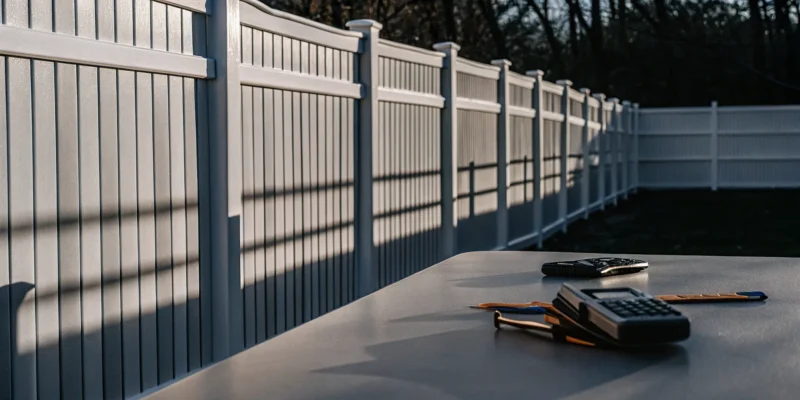
A new vinyl fence is more than just a property line; it’s an investment in your home’s curb appeal, privacy, and security. When homeowners start budgeting, one of the first questions they ask is, “how much does a 100 foot vinyl fence cost?” While the initial price is important, the true value lies in its long-term performance. Vinyl offers decades of durability with almost no maintenance, saving you time and money year after year. Before you look at the price tag, let’s explore why this choice is such a smart investment and what factors determine the final cost for a beautiful, lasting fence.
Key Takeaways
- Budget Beyond the Basics: Your final fence cost depends on more than just length; factors like style (privacy vs. picket), height, material quality, and necessary additions like gates or permit fees all play a significant role in the total price.
- Choose Vinyl for Lasting Value: While vinyl’s upfront cost can be higher than wood, it is a smart long-term investment because its durability and resistance to weather save you money and time on future repairs and maintenance.
- Prepare for an Accurate Quote: To get a reliable estimate from a contractor, first measure your property line, have a general fence style in mind, and understand your local town’s rules on permits and fence height.
What Does a 100-Foot Vinyl Fence Really Cost?
Figuring out the cost of a new fence can feel a bit like asking, “How much does a car cost?” The answer is always, “Well, it depends.” While that can be frustrating, the final price for a 100-foot vinyl fence truly hinges on the style, height, and features you choose. For a standard 100-foot project, you can generally expect the cost to fall somewhere between $3,000 and $7,000. This range covers everything from simple, classic designs to more elaborate, high-end options.
The biggest factors driving the price are the amount of material needed and the complexity of the design. A tall privacy fence, for example, uses more vinyl than a short picket fence, which is reflected in the cost. To give you a clearer picture of what to expect, let’s break down the typical costs for the three most popular styles. Remember, these are starting points, and a professional quote for fences and netting will give you the most accurate number for your specific property.
Basic Picket Fences
If you love that classic, welcoming look, a vinyl picket fence is a fantastic choice. Typically standing about four feet tall, this style is perfect for defining your property line and adding a touch of charm without completely blocking the view. For a 100-foot stretch, a basic vinyl picket fence usually costs between $1,500 and $3,000. This breaks down to about $15 to $30 per linear foot. It’s an affordable way to get that timeless aesthetic, keep small pets safely in the yard, and add to your home’s curb appeal.
Privacy Fences
For homeowners who want to create a secluded backyard retreat, a privacy fence is the way to go. These fences are usually six feet tall and feature solid panels that block sightlines, giving you a true sense of peace and quiet. The cost for a 100-foot vinyl privacy fence typically ranges from $3,000 to $6,000, or about $30 to $60 per linear foot. The higher price reflects the increased material needed for the taller, solid design. This style is ideal for enclosing a backyard with a swimming pool or creating a private space for family gatherings.
Premium Decorative Fences
When you want a fence that makes a real statement, a premium decorative style is your best bet. These fences can be six to eight feet tall and often include special features like textured finishes that mimic wood, custom colors, or lattice and spindle accents at the top. For a 100-foot installation, a premium fence generally costs between $6,000 and $7,800, which is about $60 to $78 per linear foot. This is the top-tier option for homeowners who see their fence as a key architectural element of their home’s exterior design.
What Determines Your Vinyl Fence’s Final Price?
When you get a quote for a new vinyl fence, the final number reflects more than just the cost of the panels. Several key factors come together to determine the total investment for your project. Understanding these elements helps you see exactly where your money is going and allows you to make informed decisions that align with your budget and vision for your property. From the height and design of the fence to the unique characteristics of your yard, each detail plays a role in the final price. A simple project on flat, clear land will naturally cost less than a complex installation on a sloped, rocky property with custom gates.
Thinking about these variables ahead of time prepares you for a more productive conversation with your contractor. It allows you to prioritize what matters most to you, whether that’s maximum privacy, a specific aesthetic, or long-term durability. We believe in transparency, so breaking down the costs helps you appreciate the value of professional craftsmanship and high-quality materials. Let’s walk through the main components that will shape the cost of your new vinyl fence.
Fence Height and Style
The physical dimensions and design of your fence are two of the biggest factors in its cost. A taller fence naturally requires more material, which increases the price. For example, a six-foot privacy fence will cost more than a four-foot picket fence. Beyond height, the style you choose makes a difference. Simple, solid panels are the most straightforward option, while decorative touches like lattice tops, custom post caps, or intricate patterns add to the overall cost. These details can create a beautiful, personalized look, so it’s a matter of balancing your aesthetic goals with your budget. Our team can show you various fencing options to find the perfect fit.
Material Quality
Not all vinyl is the same, and the quality of the material you select will impact both the upfront cost and the fence’s lifespan. Standard white vinyl is typically the most affordable choice. If you prefer a different color or a textured finish that mimics the look of wood, you can expect the price to be higher. Beyond aesthetics, the thickness and chemical makeup of the vinyl matter. Higher-quality vinyl often includes more UV inhibitors to prevent fading and is engineered to be stronger and more resistant to impact. Investing in a premium material can mean a longer-lasting, more durable fence that holds up beautifully to Long Island’s weather.
Labor and Installation
The cost of professional installation is a crucial part of your total investment, often accounting for a significant portion of the final price. This fee covers the expertise, time, and equipment needed to ensure your fence is installed correctly. A professional crew handles everything from precisely measuring your property lines to securely setting each post in concrete. While a DIY approach might seem cheaper, improper installation can lead to a sagging, unstable fence that needs costly repairs down the road. Hiring an experienced construction company guarantees your fence is level, secure, and built to last for years.
Your Property’s Terrain
The landscape of your yard plays a surprisingly large role in installation costs. A flat, clear, and level area is the ideal canvas for a fencing project, making the job quicker and more straightforward. However, many Long Island properties have unique challenges. If your yard is on a slope, has rocky soil, or is filled with large tree roots, the installation process becomes more complex. Our team may need specialized equipment or extra time to navigate these obstacles and ensure every post is perfectly set. A professional site assessment from a landscape designer can identify these issues early on, giving you a clear picture of the labor involved.
Gates and Hardware
Gates are an essential component of most fences, but they are priced separately from the linear footage of the fence panels. The cost of a gate depends on its size, style, and the hardware you choose. A simple walk-through gate will be less expensive than a wide double gate designed for a driveway. You’ll also want to consider the quality of the hinges, latches, and handles, as durable hardware is key to a gate that functions smoothly for years. If you’re interested in an automatic gate opener, this will be an additional investment. We can help you select the right gates and hardware to match your fence and meet your needs.
Local Permits and Regulations
Before any work begins, it’s important to consider local building codes. Many towns and villages across Suffolk and Nassau County have specific regulations regarding fence height, style, and placement relative to property lines. In most cases, you will need to obtain a permit before installation can start, and these permits come with a fee. The process can sometimes feel a bit complicated, but working with an experienced local contractor makes it much easier. We are familiar with the requirements in different Long Island communities and can help you manage the permitting process to ensure your project is fully compliant with all local rules.
Vinyl Fence Styles: Which One is Right for You?
Choosing a vinyl fence isn’t just about setting a boundary, it’s about defining your home’s personality and how you want to experience your outdoor space. The style you select plays a huge role in everything from your backyard’s privacy level to its overall curb appeal and, of course, the final cost. Whether you’re dreaming of a secluded sanctuary for your family or a charming frame for your garden, there’s a vinyl fence style that fits your vision and budget. Let’s walk through the most popular options to help you find the perfect match for your Long Island home.
Privacy Fences
If creating a personal retreat is your top priority, a privacy fence is the way to go. These fences feature solid panels that block sightlines, giving you a quiet, secluded space away from neighbors and street traffic. They are perfect for backyards with swimming pools or patios where you want to relax without an audience. Because they use more material to create that solid barrier, they are more expensive than open-style fences. A professionally installed 100-foot vinyl privacy fence typically costs between $2,500 and $6,000, but the peace and quiet it provides is often priceless.
Picket Fences
The picket fence is a timeless American classic for a reason. It offers a friendly, welcoming look while still clearly marking your property lines. This style is more open than a privacy fence, making it a great choice for front yards or for sectioning off a garden without blocking sunlight. Picket fences are also one of the more budget-friendly options. A standard 100-foot vinyl picket fence usually runs between $1,500 and $3,000. It’s an iconic style that adds charm and character, perfectly complementing a beautiful landscape design.
Ranch Rail Fences
Often seen on larger properties, ranch rail fences provide a rustic, open feel. With two to four horizontal rails, this style is excellent for defining boundaries without obstructing scenic views. It’s a practical and attractive choice for corner lots or homes with a more country-style aesthetic. While traditionally used for agricultural purposes, vinyl ranch rail fences have become a popular and stylish option for residential homes. They are generally less expensive than privacy fences, making them a cost-effective solution for fencing in large areas while maintaining an open and airy atmosphere.
Decorative and Ornamental Styles
For homeowners who want their fence to be a standout feature, decorative and ornamental styles are the ultimate choice. These fences often incorporate details like latticework, custom post caps, or mixed materials to create a truly unique look that enhances your home’s architecture. They are perfect for making a statement and can significantly improve your property’s curb appeal. This premium look comes at a higher price, with a 100-foot decorative fence costing between $6,000 and $7,800. These designs pair beautifully with high-end masonry and custom patio work.
Don’t Forget These Additional Fencing Costs
When you’re budgeting for a new vinyl fence, it’s easy to focus on the price per foot. But the final invoice often includes more than just the cost of the panels and posts. To get a true picture of your total investment, you need to account for a few extra services and potential variables that can pop up during the project. Thinking about these ahead of time helps you avoid any last-minute budget surprises and ensures a smooth process from start to finish.
From clearing the way for your new fence to navigating local paperwork, these additional costs are a normal part of a professional installation. Things like removing an old, weathered fence, securing the proper permits for your Long Island town, adding functional gates, and preparing uneven ground are all important steps. A comprehensive quote from a trusted contractor should outline these items clearly. At Gappsi, we believe in transparency, so we make sure you understand every aspect of the fencing project before we even break ground. This way, you can plan confidently and get excited for your beautiful new fence without any financial stress.
Old Fence Removal
If you have an old fence that needs to be replaced, you’ll need to factor in the cost of removal and disposal. Most professional installers offer this as part of their service, typically charging between $3 and $5 per linear foot. While it might be tempting to save money by doing it yourself, removing an old fence can be a tough job. It often involves digging out concrete footings and hauling away heavy, awkward materials. Letting your installation team handle it saves you a weekend of hard labor and ensures the site is properly cleared for a clean, sturdy installation of your new vinyl fence. Plus, they’ll take care of disposing of the old materials correctly.
Long Island Permit Fees
Depending on where you live in Nassau or Suffolk County, you may need a permit to install a new fence. This is especially true for fences over a certain height or those installed in specific areas, like a front yard. Permit fees on Long Island can range from $50 to $500, and the process involves submitting plans to your local town or village for approval. An experienced local contractor will be familiar with these regulations and can manage the entire permit process for you. This is a huge benefit, as it ensures your project complies with all local building codes and saves you the headache of navigating the paperwork yourself.
Gate and Hardware Upgrades
A fence is more than just a boundary; it needs entry and exit points. The cost of a gate isn’t usually included in the base price per foot, so you’ll want to budget for it separately. A standard vinyl swing gate can add $300 to $1,500 to your total, depending on its width, style, and the hardware you choose. Think about how many gates you’ll need for easy access to your yard, driveway, or pool. You can also select from various hardware options, like decorative hinges or self-latching locks for added security and convenience. These small details can make a big difference in how you use and enjoy your new fence every day.
Ground and Site Preparation
The condition of your property plays a big role in the installation cost. A flat, clear yard is the ideal canvas, but many Long Island properties have slopes, rocky soil, or mature tree roots to contend with. Preparing uneven or difficult terrain requires more labor and specialized techniques to ensure your fence is perfectly straight and secure. This might involve some minor grading or extra care when setting posts. A professional installer will assess your site during the quoting process and account for any necessary landscape preparation. This ensures there are no surprises and that your fence will stand strong and look great, no matter the terrain.
How Vinyl Fencing Compares to Other Materials
Choosing the right fencing material is a big decision, and it often comes down to balancing your budget, desired look, and how much maintenance you’re willing to do. Vinyl is a fantastic all-around option, but seeing how it stacks up against other popular materials like wood, aluminum, and chain-link can help you feel confident in your choice. Each material has its own set of benefits, so let’s break down the key differences to find the perfect fit for your Long Island home.
Vinyl vs. Wood
Many homeowners love the classic look of a wood fence, but it comes with a commitment to upkeep. Wood requires regular staining, sealing, or painting to protect it from rot and weather damage. Vinyl, on the other hand, offers a set-it-and-forget-it advantage. It’s built to withstand the elements without warping, cracking, or fading, and it only needs an occasional wash to look its best. While wood might have a lower initial price tag, a vinyl fence’s durability and minimal maintenance make it a more cost-effective investment over its 20 to 30-year lifespan. It’s a practical choice for anyone who wants lasting beauty without the weekend work.
Vinyl vs. Aluminum
Both vinyl and aluminum are excellent low-maintenance fencing options, but they serve different aesthetic and functional purposes. Aluminum fencing provides a sleek, modern look that’s perfect for securing a property line or pool area without obstructing the view. However, if privacy is your main goal, vinyl is the more affordable solution. An aluminum fence with added privacy panels can be significantly more expensive than a standard vinyl privacy fence. Gappsi offers a wide selection of both fences and netting, so you can compare styles and find the right material that fits your vision and budget.
Vinyl vs. Chain-Link
When budget is the primary concern, chain-link is usually the most affordable fencing material available. It’s a functional choice for defining boundaries and keeping pets contained. However, it offers very little in terms of privacy or curb appeal. For homeowners looking to create a secluded backyard retreat or enhance their property’s appearance, vinyl is a far better option. A beautiful vinyl fence can transform your outdoor space, providing a clean backdrop for your landscaping and adding significant value to your home. The initial investment in vinyl pays off with a more attractive and private yard.
A Quick Cost Comparison
To put it all into perspective, let’s look at some general cost estimates for a 100-foot fence. A wood fence might cost between $2,500 and $5,000, while a vinyl fence typically ranges from $3,000 to $7,800. Aluminum is often the priciest of the three, with costs falling between $7,500 and $13,000. These numbers can fluctuate based on style, height, and installation complexity. While wood seems like the cheapest option upfront, remember to factor in the long-term costs of maintenance and eventual replacement. Vinyl strikes a great balance between initial affordability and lasting value, making it a smart choice for many homeowners.
Why a Vinyl Fence is a Smart Long-Term Investment
When you’re looking at the initial price tag of a fence, it’s easy to focus on the immediate cost. But a fence is more than just a one-time purchase; it’s a long-term addition to your property. This is where vinyl fencing truly stands out as a savvy investment for your home. While the upfront cost might be higher than some other materials, the value it delivers over its lifespan in durability, low maintenance, and curb appeal is unmatched.
Choosing a vinyl fence means you’re investing in peace of mind for decades to come. You’re not just buying a boundary for your yard; you’re selecting a feature that will protect your property, look great with minimal effort, and hold its value through years of Long Island seasons. Think of it as a permanent upgrade that pays you back with time and money saved, all while making your home look its best. Gappsi offers a variety of fences and netting to suit any home, with vinyl being a top choice for homeowners looking for lasting quality.
Lasting Durability
One of the most compelling reasons to choose vinyl is its incredible lifespan. A professionally installed vinyl fence can easily last 20 to 30 years or even longer without losing its structural integrity. Unlike wood, vinyl is not susceptible to rot, termites, or other pests that can cause damage over time. It doesn’t warp or splinter from moisture exposure. What this means for you is a strong, reliable fence that you won’t have to worry about replacing in just a few years. It’s a one-and-done solution that provides security and privacy for your family for a generation.
Minimal Maintenance
If you’d rather spend your weekends enjoying your yard than working on it, a vinyl fence is your best friend. The maintenance required is next to nothing. Forget about the annual scraping, staining, or painting that wood fences demand. Vinyl keeps its clean, fresh look for years with very little help. Most of the time, a simple spray with a garden hose is enough to wash away dirt and grass clippings. For any tougher spots, a little soap and water will do the trick. This saves you countless hours and hundreds of dollars on supplies over the life of the fence, making it a truly low-effort, high-reward home improvement.
All-Weather Performance on Long Island
Long Island weather can be tough on outdoor structures. Between the humid, salty air in the summer and the freezing temperatures and snow in the winter, materials can take a beating. Vinyl is uniquely suited to handle these challenges. Since it’s a non-porous material, it doesn’t absorb moisture, which prevents the rotting, blistering, and peeling that can plague wood fences. It also stands up to the sun’s UV rays without fading or turning yellow, thanks to protective coatings added during manufacturing. This resilience makes it a practical and dependable choice for any Long Island home, ensuring your investment looks great no matter the season. Gappsi’s expertise in masonry construction gives us a deep understanding of how to build outdoor features that last.
Added Property Value and Curb Appeal
A beautiful fence does more than just mark your property line; it frames your home and significantly enhances its curb appeal. A crisp white picket fence or a stately privacy fence can completely transform the look of your property, giving it a polished and well-maintained appearance. This visual upgrade is something potential buyers notice, which can directly translate to a higher property value. By choosing a durable and attractive material like vinyl, you’re making an investment that not only improves your daily life but also provides a tangible return should you ever decide to sell. It’s a key part of a larger home remodeling strategy that adds lasting worth.
Your Pre-Installation Checklist for a Vinyl Fence
Getting a new fence is exciting, but a little planning beforehand makes the whole process smoother. Before the first post goes into the ground, running through this simple checklist will save you time, prevent headaches, and ensure your project goes off without a hitch. Think of it as your roadmap to a beautiful new vinyl fence that you’ll love for years to come. Taking these steps will help you feel confident and prepared as you move forward with your home improvement project.
Check Local Zoning Laws and HOA Rules
Before you fall in love with a specific fence style, it’s smart to handle the administrative details first. Your town in Suffolk or Nassau County will have specific zoning laws about fence height, placement, and even appearance. Many installations require a permit, so you’ll want to factor that into your timeline and budget. If you live in a community with a Homeowners Association (HOA), be sure to review their guidelines, as they can be even more specific than local laws. A professional team can help you manage the paperwork and ensure your new fence installation is fully compliant from day one.
Understand the Installation Process
Deciding between a DIY project and hiring a professional is a key step. While installing a fence yourself can seem like a good way to save money, it requires specialized tools, significant time, and a lot of precision. An improperly installed fence can sag or lean over time. Professional installation ensures the job is done correctly and efficiently. Our teams have the experience to handle any challenges your property might present, from uneven ground to complex layouts. This expertise in construction and masonry guarantees your fence posts are set perfectly for a stable, long-lasting result.
Know the Project Timeline
Having a clear idea of the project timeline helps you plan accordingly. The total time isn’t just the days of active installation. It also includes ordering and receiving materials, preparing the site, and accounting for potential weather delays, especially on Long Island. When you work with an experienced contractor, you’ll get a realistic schedule that outlines each phase of the project. We believe in clear communication, so you’ll always know what to expect and when. You can even watch our teams in action on past projects to get a better sense of the workflow and the quality of our craftsmanship from start to finish.
Review Your Warranty Coverage
A new vinyl fence is an investment in your home, and a good warranty protects that investment. Before signing off, make sure you understand what the warranty covers. Typically, a strong warranty from the manufacturer will cover issues like cracking, peeling, or abnormal discoloration. It’s a sign that the company stands behind the quality of its materials. At Gappsi, we only source high-quality products from the Gappsi Store and provide a workmanship guarantee, giving you complete peace of mind. This final check ensures your beautiful new fence is protected for the long haul.
Keep Your Vinyl Fence Looking New
One of the best things about choosing a vinyl fence is how little upkeep it needs. Unlike wood, you will not spend your weekends staining or repainting it. Still, a little attention goes a long way in keeping your fence looking pristine for years. These simple habits will protect your investment and maintain your home’s curb appeal.
Simple Cleaning Tips
Vinyl fences are famously low maintenance. For most of the year, a simple spray with a garden hose is enough to wash away dirt and grass clippings. If you notice tougher spots from pollen or grime, a soft cloth with a mild soap and water solution usually does the trick. While some suggest a pressure washer, it’s best to be cautious as high pressure can cause damage. For stubborn stains or widespread discoloration, our professional restoration and sealing team has the expertise to safely clean exterior surfaces without harming them.
Inspect for Damage After Storms
Long Island weather can be unpredictable, so it’s a good habit to walk the perimeter of your fence after a major storm. Check for any signs of stress, like loose posts, cracked panels, or a gate that no longer latches properly. Catching these small issues early prevents them from becoming larger, more costly problems down the road. A quick inspection ensures your fence remains secure and stable. If you do find damage, a professional can make sure the repair is done right, maintaining the fence’s structural integrity. Our team is experienced with all types of fences and netting.
Prevent Fading and Discoloration
The best way to prevent fading is to start with a high-quality product. Thicker, stronger vinyl is designed to resist sun damage and will hold its color much longer than thinner, less durable options. This is why we prioritize premium materials in our installations. You can also help by being mindful of your landscaping. Avoid spraying lawn fertilizers or chemicals directly on the fence, as they can cause stains. It’s also wise to trim back any branches or shrubs that might rub against the panels, which can cause scuffs and scratches over time.
How to Get an Accurate Vinyl Fence Quote
Getting a clear and accurate quote for your new vinyl fence is the best way to avoid unexpected costs and feel confident about your project. While it’s tempting to look for a simple online calculator, the final price depends on your specific property and choices. A little preparation on your end will help any contractor provide a number you can actually rely on. By gathering some basic information, you can ensure the quotes you receive are a true reflection of your project’s scope.
This process empowers you to compare offers effectively and choose a partner who understands your vision and budget. Let’s walk through the three key steps to getting a detailed and trustworthy vinyl fence quote for your Long Island home. Taking the time to do this now will save you headaches later and ensure your fencing project goes smoothly from start to finish.
Measure Your Property
Before you even pick up the phone, grab a measuring tape and walk your property line. The most critical piece of information for any quote is the total length of the fence you need, measured in linear feet. If you have a property survey, it can be a great resource for this step. While you’re measuring, also make a note of the terrain. Are there steep slopes, trees, or other obstacles along the fence line? This information will be helpful for your contractor. Finally, think about the purpose of your fence. Do you need a six-foot privacy fence for the backyard or a four-foot picket fence for the front? Having a basic idea of the length and height will give you a solid foundation for your conversation with a fencing professional.
Choose a Style That Fits Your Budget
Vinyl fencing comes in a wide range of styles, and your choice will significantly impact the cost. A standard six-foot privacy fence is a popular and often cost-effective option. However, if you’re interested in more decorative elements, the price will increase. Features like lattice tops, custom post caps, alternating panel colors, or a semi-privacy design add to the material and labor costs. For example, a professionally installed 100-foot privacy fence can range from $2,500 to $6,000, depending on the material quality and site conditions. Knowing your budget ahead of time helps you narrow down the different styles and find one that gives you the look you want without breaking the bank.
Work With a Professional Long Island Contractor
Once you have your measurements and a style in mind, it’s time to connect with a reputable contractor. It’s always a good idea to get at least two or three quotes to compare. When you receive a quote, make sure it’s itemized. A professional contractor should be able to provide a detailed breakdown of the costs for materials, labor, permits, and any other services like old fence removal. This transparency helps you understand exactly what you are paying for and allows you to compare different offers fairly. A professional Long Island contractor will also visit your property to confirm measurements and assess the terrain, ensuring their quote is as accurate as possible.
Related Articles
- Aluminum Composite Vinyl and Wood Fencing on Long Island NY – Gappsi Group
- SLEEKFENCE™ Aluminum Fence vs Composite, Vinyl, Wood, Iron, and Chain Link Fences – Gappsi Group
- Aluminum & Composite Fencing Solutions on Long Island | Gappsi Inc
- Fencing Archives – Gappsi Group
- Aluminum vs. Vinyl Fence Archives – Gappsi Group
Frequently Asked Questions
Why is there such a wide price range for a vinyl fence? The price for a vinyl fence can vary quite a bit because it’s a custom project tailored to your home. The final cost depends on several key factors, including the fence’s height, its style (like a simple picket versus a solid privacy fence), and the quality of the vinyl you choose. Things like adding decorative post caps, a lattice top, or gates will also affect the price. A professional quote will account for all these details to give you an accurate number.
Can I install a vinyl fence myself to save money? While a DIY installation might seem like a way to cut costs, it’s a job that requires a lot of precision. Setting posts perfectly level and in concrete to withstand Long Island’s weather is a real skill. An improperly installed fence can sag or lean, leading to more expensive repairs later. Hiring a professional ensures the job is done right the first time, giving you a secure, long-lasting fence and saving you a lot of time and physical labor.
How long does the entire fencing project usually take? The timeline for a new fence involves more than just the installation days. You should plan for a few weeks from start to finish. This includes the time it takes to get a quote, finalize your design, order and receive the materials, and secure any necessary permits from your town. The actual installation on your property might only take a few days, depending on the size and complexity of the job.
Will a vinyl fence really hold up to Long Island’s weather for decades? Yes, a high-quality vinyl fence is an excellent choice for our local climate. Unlike wood, vinyl doesn’t absorb moisture, so it won’t rot, warp, or splinter from the humid summers and wet winters. Premium vinyl also contains UV inhibitors that protect it from fading or becoming brittle in the sun. It’s designed to handle everything from salty air to snow, which is why it’s such a durable, long-term investment for homes here.
Do I really need to worry about getting a permit for my fence? Absolutely. Most towns and villages across Nassau and Suffolk County have specific rules about fence height, style, and how close they can be to your property line. Getting a permit ensures your project is legal and up to code, which protects you from potential fines or having to take the fence down. An experienced local contractor will be familiar with your town’s requirements and can manage the permit process for you, making it a stress-free part of the project.