


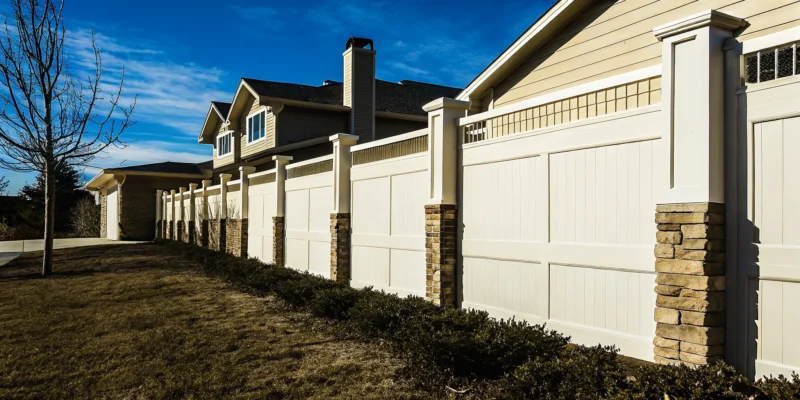
Figuring out the budget for a new fence can feel like putting together a puzzle with missing pieces. You know you want the privacy and curb appeal, but the path to a final price isn’t always clear. A vinyl fencing cost calculator can be a helpful first step, giving you a ballpark estimate for materials. However, to get a number you can truly rely on, you need to understand what goes into a professional quote. This article will guide you through the process, explaining how factors like fence height, property terrain, and gate selection influence the final cost. We’ll help you gather the right information so you’re prepared to get an accurate estimate from an experienced contractor.
Key Takeaways
- Budget for the Complete Project, Not Just Materials: A realistic budget for vinyl fencing includes more than the panels themselves; remember to account for professional installation, site preparation, permit fees, and features like gates to understand the true total cost.
- Consider Vinyl’s Long-Term Value: While vinyl can have a higher upfront price than wood, its value comes from its durability and low maintenance. You save money and time over the years by avoiding the recurring costs of painting, staining, and repairs.
- Provide Key Details for a Reliable Quote: To get an accurate estimate, give your contractor specific information. Measure the fence line, decide on a preferred style and height, and point out any site challenges like slopes or trees on your property.
What is a Vinyl Fencing Cost Calculator?
If you’re starting to plan a new vinyl fence for your Long Island home, you’ve probably wondered about the cost. A vinyl fencing cost calculator is a handy online tool designed to give you a preliminary estimate for your project. Think of it as a digital shopping list that helps you understand the potential material costs before you commit. While these calculators are great for initial budgeting, remember that a professional quote will always be more accurate, as it accounts for labor, site conditions, and other project-specific details.
How Does It Work?
Most online fence calculators are surprisingly user-friendly. Many allow you to sketch your fence layout directly onto a satellite map of your property or a simple grid. From there, you can select the specific style, height, and color of the vinyl fence you want. As you make your selections, the tool automatically calculates all the necessary components for your project, like the fence panels, posts, and caps. It then generates a list of these materials and provides an estimated cost. This gives you a clear, itemized breakdown of what you’ll need, making it much easier to visualize the material expenses for your new fence.
What Information Do You Need for an Accurate Estimate?
To get the most out of a cost calculator, it helps to do a little prep work first. Before you start clicking, grab a tape measure and walk your property line to determine the total length of your planned fence in feet. It’s also a great idea to sketch a simple diagram of the layout. On your drawing, be sure to mark the locations for gates and identify the different types of posts you’ll need: corner posts where the fence changes direction, end posts where a line of fencing stops, and gate posts on either side of a gate. Having these specific numbers ready will give you a much more precise material estimate from the calculator.
What’s Included in the Estimate (and What’s Not)
It’s important to understand what an online calculator’s estimate actually covers. These tools are designed to primarily calculate the cost of the materials themselves. The final price you see usually does not include several key factors. Things like professional installation labor, the removal and disposal of an old fence, local permit fees, and sales tax are typically excluded. The estimate also won’t account for site-specific challenges, such as working on sloped ground or clearing vegetation. For a complete and accurate project cost, you’ll need a comprehensive quote from an experienced contractor who can assess your property and provide expert fencing services.
What Factors Affect Vinyl Fencing Costs?
When you start budgeting for a new vinyl fence, it’s helpful to know that the final price tag is more than just the cost of the panels. Several key factors influence the total investment, from the style you choose to the unique layout of your property. Understanding these elements ahead of time helps you set a realistic budget and ensures there are no surprises along the way. Think of it less as a single price and more as a combination of choices that come together to create your perfect fence.
Each of these components plays a role in the material and labor costs. For example, a simple fence on a flat, clear lawn will have a different price point than an ornate fence on a sloped yard with trees. By breaking down what goes into the estimate, you can make informed decisions that align with both your vision and your wallet. Let’s walk through the main factors that will shape the cost of your vinyl fencing project.
Material Quality and Fence Style
Not all vinyl is created equal, and the quality of the material is a major factor in the overall cost. High-quality vinyl offers better durability, UV protection, and color retention, ensuring your fence looks great for years to come. Basic privacy panels are on the lower end of the price spectrum, while decorative styles with features like lattice tops or custom colors will be at the higher end. Your choice of fences and netting ultimately comes down to balancing your aesthetic goals with your budget. A premium fence might have a higher initial cost, but its longevity can make it a more valuable investment over time.
Fence Height and Length
This one is pretty straightforward: the more fence you need, the higher the cost. The total linear footage of your project is one of the biggest drivers of the final price because it determines the amount of material and labor required. Fence height also plays a significant role. A standard six-foot privacy fence uses more material than a four-foot decorative picket fence, which is reflected in the cost. When you request an estimate, providing accurate measurements of the perimeter you want to enclose will give you a much clearer picture of the potential expense.
Installation Site and Terrain
The condition of your property is another crucial element. A flat, open yard is the ideal canvas for a simple installation. However, many Long Island properties have unique features that require extra work. Slopes, rocky soil, tree roots, and existing structures can all add to the labor costs. An uneven terrain requires careful planning to ensure the posts are secure and the panels are perfectly aligned, preventing unsightly gaps. Our teams are experts in landscape design and construction, so we know how to prepare any site for a flawless and durable fence installation.
Local Permits and Regulations
Before any work begins, it’s important to consider local building codes and permit requirements. Many towns and villages in Nassau and Suffolk counties have specific rules about fence height, style, and placement relative to property lines. Applying for a permit usually involves a fee, which should be factored into your overall budget. Working with an experienced local contractor is a huge advantage here. We are familiar with the regulations across Long Island and can manage the permit process for you, ensuring your project is fully compliant and saving you from potential fines or delays.
What is the Real Cost of Vinyl Fencing?
When you start looking at vinyl fencing, it’s easy to focus on the price per panel. But the true cost of a new fence is a bigger picture. It includes the materials, the skilled labor to install it correctly, and any prep work your yard might need. Understanding these different pieces helps you create a realistic budget and see the full value of your investment. Think of it less as a simple purchase and more as a permanent upgrade to your home and property. Let’s break down what really goes into the final price.
Average Cost Per Foot
On average, you can expect the materials for vinyl fencing to cost between $15 and $40 per linear foot. The final number depends heavily on the style you choose. A simple, white privacy panel will naturally fall on the lower end of that range. If you’re looking for something more decorative, like a fence with lattice work, custom colors, or ornate post caps, the price will be closer to the higher end. This cost covers the panels and posts themselves, but it’s just the starting point for your total project budget.
Breaking Down Labor vs. Material Costs
The materials are only one part of the equation. Professional installation is a significant portion of the total cost, typically making up 40% to 60% of your final bill. This isn’t just about paying for someone’s time; it’s about paying for expertise. Proper installation includes preparing the site, digging precise post holes, setting the posts in concrete for stability, and ensuring every panel is perfectly level and secure. Investing in professional fencing installation means your fence will stand strong against Long Island weather for years to come, saving you from future headaches and repair costs.
Hidden Costs to Plan For
A few additional costs can pop up during a fencing project, but a good contractor will help you plan for them. For example, your town might require a permit for the installation, which comes with a fee. If your property is on a steep slope or has rocky soil, extra labor may be needed for site preparation. Do you have an old fence that needs to be torn down and hauled away? That’s another potential cost. Finally, remember that gates are more complex than standard panels and will add to the total. Discussing these items upfront ensures your final quote is comprehensive and accurate.
Is Vinyl Fencing a Good Investment?
Absolutely. While the initial price for vinyl can be higher than for a wood fence, it often proves to be the more economical choice over time. Wood fences require regular staining, sealing, and repairs to prevent rot and warping, and those maintenance costs add up. Vinyl, however, is incredibly low maintenance. It resists pests, won’t rot, and never needs painting. A simple cleaning with soap and water is usually all it takes to keep it looking new. This durability and ease of care make vinyl a smart, long-term investment that adds lasting value and curb appeal to your home.
Common Myths About Vinyl Fencing Costs
When you start researching fencing options, you’ll likely run into a lot of opinions about cost, especially when it comes to vinyl. It’s easy to get tangled in conflicting information, so let’s clear up a few common myths. Understanding the true value of vinyl fencing will help you make a confident decision for your Long Island home, ensuring you get a beautiful, durable fence that fits your budget in the long run.
Myth: “Vinyl is always more expensive than other materials.”
It’s true that the initial price tag for vinyl fencing can be higher than for some wood options. However, looking only at the upfront cost doesn’t tell the whole story. Think of it as a long-term investment. While a wood fence might seem cheaper at first, it requires regular maintenance like staining, painting, and sealing to prevent rot and weather damage. These costs add up over the years. Vinyl, on the other hand, demands very little upkeep. When you compare materials, you’ll find that vinyl’s durability and low maintenance often make it the more economical choice over its lifespan.
Myth: “The initial quote is the final price.”
An initial quote is a great starting point, but it’s best viewed as an estimate. The final cost of your fence installation can be influenced by several factors that aren’t always obvious from the start. Labor is a significant part of the budget, and the specific conditions of your property, like slopes or rocky soil, can require more work. Plus, any changes you decide to make during the project will also adjust the price. Working with an experienced team ensures your quote is as comprehensive as possible, minimizing surprises and helping you plan for the total cost of your project.
Myth: “Vinyl requires costly maintenance.”
This is one of the biggest misconceptions about vinyl fencing. In reality, its low maintenance is a key benefit. Unlike wood, vinyl doesn’t need to be painted or sealed to protect it from the elements. It won’t rot, warp, or attract pests. To keep your vinyl fence looking new, all you typically need is a simple wash with a garden hose and maybe some mild soap to remove any dirt. This saves you from the recurring costs and labor associated with the cleaning and sealing that other materials demand, giving you more time to simply enjoy your beautiful yard.
How to Get an Accurate Vinyl Fence Estimate in Long Island
Getting a clear and accurate estimate for your vinyl fence project is the first step toward a smooth installation. While it’s tempting to just ask for a price per foot, a reliable quote involves much more detail. A thorough estimate prevents surprise costs and ensures both you and your contractor are on the same page from day one. To get a quote you can trust, you need to do a little prep work and know what to ask. It’s about understanding the key factors that influence the final price, from material choices and fence height to the specifics of your property, like slopes or existing landscaping.
An accurate estimate is a sign of a professional contractor who values transparency. It shows they have taken the time to understand your project’s unique requirements instead of just giving a generic number. By providing your contractor with detailed information and asking the right questions about what’s included, you can feel confident that the number you receive truly reflects the scope of the work. This collaborative approach helps build a strong foundation for a successful project and a beautiful, long-lasting fence for your Long Island home. It turns a simple transaction into a partnership focused on bringing your vision to life.
Tips for a More Reliable Quote
To get the most accurate quote, start by gathering some key information. First, measure the total length of the area where you want the fence installed. This measurement, in linear feet, is the primary basis for material costs. Next, think about the style and height you prefer. A simple four-foot privacy fence will have a different price point than a six-foot decorative one with custom post caps. Knowing what you want helps the contractor provide a precise material estimate, which can range from $15 to over $40 per linear foot. Also, make a note of any gates you need, their width, and any specific site challenges like slopes, trees, or existing structures that need to be removed. A clear picture of your project helps create a quote that covers all the bases.
Why Working With an Experienced Local Contractor Matters
While the lowest bid might seem attractive, it rarely tells the whole story. An experienced local contractor provides value that goes far beyond the initial price. They understand Long Island’s specific building codes, soil conditions, and weather patterns, ensuring your fence is installed correctly and built to last. A seasoned professional can also guide you through common misconceptions about fencing projects, helping you make informed decisions. For example, while vinyl’s upfront cost can be higher than wood, its minimal maintenance often makes it a more economical choice over time. Choosing a reputable company like Gappsi for your fencing installation means you’re investing in quality craftsmanship and long-term satisfaction, not just a product.
Related Articles
- Aluminum Composite Vinyl and Wood Fencing on Long Island NY – Gappsi Group
- Aluminum Fence vs. Vinyl & Wood: A Comparison
- Fencing Archives – Gappsi Group
- Aluminum & Composite Fencing Solutions on Long Island | Gappsi Inc
- Modern Aluminum & Composite Fencing on Long Island | Gappsi Inc
Frequently Asked Questions
Why can’t I just use an online calculator for my final budget? An online calculator is a fantastic starting point for understanding material costs, but it can’t see the unique layout of your property. These tools provide a preliminary estimate for panels and posts, but they don’t account for essential factors like professional labor, permit fees, or the cost of removing an old fence. A professional quote is the only way to get a complete and accurate number that includes site-specific work, like managing a sloped yard or rocky soil.
Is professional installation really worth the cost? Yes, absolutely. The cost of professional installation covers expertise, not just labor. A skilled team ensures every post is set securely in concrete, every panel is perfectly level, and the entire structure is built to withstand Long Island’s weather for decades. This investment saves you from the future costs and frustrations of a poorly installed fence that might sag, lean, or fail prematurely.
Besides the fence itself, what’s the most common extra cost I should plan for? Site preparation is one of the most common additional costs. If your property is on a steep grade, has dense tree roots, or requires the removal of an old fence, this will add to the labor involved. Another factor to budget for is the permit fee required by your local town or village, which is a standard part of ensuring your new fence meets all local regulations.
How does vinyl fencing’s cost compare to wood over time? While a wood fence might have a lower upfront price, its lifetime cost is often much higher. Wood requires regular, costly maintenance like staining, sealing, and painting to prevent rot and weather damage. Vinyl, in contrast, is a one-time investment. Its durability and resistance to the elements mean you’ll only ever need to wash it with soap and water, making it the more economical and hassle-free choice in the long run.
What information should I have ready before I call for a professional estimate? To help us give you the most accurate quote possible, it’s great to have a few details prepared. First, try to measure the total length of the fence line in feet. Second, have an idea of the fence style and height you’re interested in. Finally, make a note of how many gates you’ll need and any specific challenges on your property, such as steep hills or large trees near the fence line.