


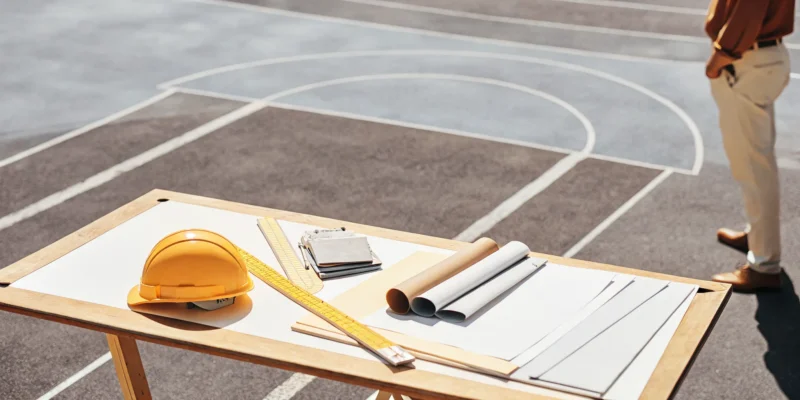
You can already picture it: weekend basketball games, pickleball tournaments with friends, or just a safe place for the kids to play outside. Turning that vision into a durable backyard court requires more than just a patch of grass. It requires expertise in site preparation, drainage, materials, and local building codes. This is the crucial role of a specialized game court contractor Long Island families rely on. They are the professionals who handle all the technical details, ensuring your dream court is built safely and correctly from the ground up. This article will explain what to expect and how to find the perfect builder for your project.
Call Gappsi at (631) 831-3177 to discuss your game court project.
Key Takeaways
- A full-service contractor simplifies the process: They handle everything from initial design and permits to final installation, acting as your single point of contact and ensuring a cohesive project from start to finish.
- Define your vision before breaking ground: Decide on the primary sports you’ll play, the best surface for your family (like hard court or synthetic turf). And essential features such as lighting or fencing to get an accurate plan and estimate.
- Protect your investment by choosing the right partner: Look beyond the lowest bid and select a contractor based on their credentials; verify their license and insurance. Review a portfolio of their work, and speak with past clients to ensure you’re hiring a qualified professional.
What Should a Game Court Contractor Long Island Homeowners Trust Handle?
When you decide to add a game court to your backyard, you’re not just hiring someone to pour some asphalt. A professional game court contractor is a specialized builder who manages the entire project from the first sketch to the final buzzer. Think of them as your project partner, guiding you through every decision to create a space that’s safe, durable, and perfectly suited to your family’s favorite activities. Their job covers three main areas: building brand new courts, fixing up old ones, and bringing your unique design ideas to life.
A great contractor handles all the technical details you might not think about, like proper ground preparation, drainage, and selecting the right surface materials for Long Island’s climate. They ensure the finished court meets regulation standards if needed, or they can create a completely custom layout for multi-sport fun. From initial design and securing permits to installation and adding the final touches like fencing and lighting. A full-service contractor ensures your project runs smoothly and results in a court you’ll enjoy for years.
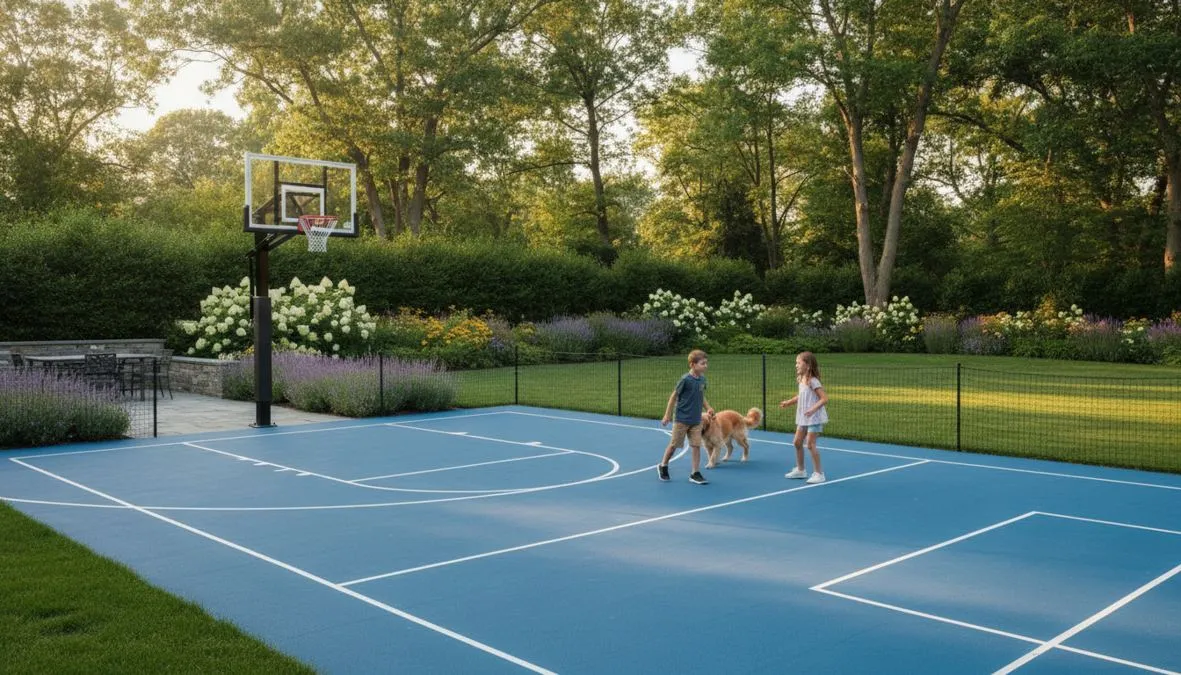
Installing Your New Court
The most visible part of a contractor’s job is the complete installation of your new court. This process starts long before the surface is laid down. A contractor first evaluates your property to plan the layout and prepares the ground, which is a critical step for ensuring a level and stable playing surface. They handle the excavation, grading, and construction of the base layer, which is often made of concrete or compacted stone. Gappsi specializes in designing and building custom Sports Games Courts, managing every detail to ensure your court is built to last. Once the foundation is set, they install your chosen playing surface, whether it’s acrylic, modular tiles, or synthetic turf.
Resurfacing and Repairing Existing Courts
Beyond new installations, game court contractors also give existing courts a new lease on life. Over time, surfaces can crack, fade, or become uneven, making them unsafe and less enjoyable to play on. A contractor can perform essential repairs, from filling cracks to leveling low spots. They also offer complete resurfacing services, which involves applying a new top layer to restore the court’s color, texture, and playability. This is a great way to update an older court without the cost of a full replacement. Proper restoration and sealing not only improves the look of your court but also extends its lifespan and protects your investment.
Customizing Your Court’s Design
One of the most exciting parts of the process is working with a contractor to customize your court’s design. This is where your vision truly comes together. A skilled contractor acts as a design consultant, helping you choose colors, add custom logos, and create line markings for multiple sports. They work with you to make sure the design fits your backyard’s aesthetic, your budget, and your family’s needs. Whether you want a classic single-activity court or a multi-use area for basketball, pickleball, and more, they can create a layout that maximizes your space. This collaborative design and construction expertise ensures your court is a beautiful and functional addition to your home.
What Kind of Game Court Should You Build?
The first, and most exciting, decision you’ll make is what kind of game you want to play. Your choice will shape the entire project, from the amount of space you need to the materials you’ll use. Think about your family’s favorite activities and how you envision spending time in your new outdoor space. Are you a family of basketball fanatics, or do you prefer a relaxed game of bocce with friends? Long Island homeowners have more options than ever for creating a personalized recreation area right in their backyard. Let’s explore some of the most popular choices to help you find the perfect fit.
Basketball Courts
A backyard basketball court is a classic for a reason. It’s a fantastic way to keep kids active and provides a great space for friends and family to gather for a friendly game. Depending on your yard’s size, you can opt for a compact half-court or a full-size court for more serious play. At Gappsi, we design and build custom backyard basketball courts that are tailored to your home. You can personalize everything from the court dimensions to the colors and logos. We can even install adjustable hoops that grow with your family. Choosing the right surface is also key, and we can help you select from durable acrylics or cushioned synthetic turf and game court surfaces that are easier on the joints.
Tennis Courts
For those with a bit more space, a private tennis court is the ultimate backyard specialized. Imagine being able to practice your serve whenever you want, without booking a time or paying club fees. Modern tennis court surfaces can provide a “tournament grade” playing experience right at home. While traditional clay and grass courts require significant upkeep, most homeowners on Long Island opt for acrylic hard courts. They offer excellent durability, consistent ball bounce, and require less maintenance, making them a practical choice for our climate. A well-built tennis court not only provides endless recreation but also adds significant value and appeal to your property.
Pickleball Courts
Pickleball has taken the world by storm, and it’s easy to see why. The court is smaller than a tennis court, the rules are simple to learn, and it’s a wonderfully social game for all ages and skill levels. Its smaller footprint makes it a perfect addition to yards where a full tennis court might not fit. Many homeowners are even converting their underused tennis courts into several pickleball courts to get more use out of the space. A dedicated pickleball court is a fantastic, space-efficient project that guarantees hours of fun. We can help you design a court that fits perfectly into your landscape design and becomes your family’s new favorite spot.
Multi-Use Game Courts
Can’t decide on just one sport? You don’t have to. A multi-use game court is a versatile solution that lets you play several games in one consolidated area. By incorporating adjustable nets and different line markings, you can create a space that easily transitions from basketball to volleyball to pickleball. This is an incredibly practical and cost-effective way to maximize your backyard’s potential, ensuring there’s always something for everyone to do. The key to a successful multi-use court is smart design. We specialize in creating custom layouts for synthetic turf and sports games courts that feel spacious and functional for every activity you want to include.
Bocce and Shuffleboard Courts
If you’re looking for a more relaxed and social form of recreation, consider adding a bocce or shuffleboard court. These games are perfect for entertaining guests during a barbecue or enjoying a quiet evening outdoors. They require less space than other types of games courts and can be beautifully integrated into your patio or garden design, adding a touch of classic charm. A bocce court with a traditional oyster shell surface or a sleek shuffleboard court can become a stunning focal point. Because they are low-impact, they are accessible and enjoyable for every generation, from grandchildren to grandparents. Our masonry experts can build a durable, elegant court that complements your home’s style.
Plan Your Perfect Court: Key Design Considerations
Before breaking ground, it’s important to think through the details of your new game court. A little planning goes a long way in creating a space that your family will love for years. From the size and surface to lighting and fencing, each choice plays a role in the final look, feel, and function of your court. Thinking about these elements now helps ensure the construction process is smooth and the result is exactly what you envisioned.
Court Size and Layout
The first step is deciding how much space you can dedicate to your court. While you might dream of a full-sized basketball court, most homeowners find a half-court is a perfect fit. Common residential sizes include 20′ x 24′, 30′ x 30′, or 30′ x 60′, but don’t feel locked into these dimensions. A good contractor can adjust the layout to fit your specific yard. We can help you map out the ideal size that maximizes your available space while leaving room for landscaping and other outdoor features. The goal is to create a court that feels spacious and playable without overwhelming your property.
Surface Materials and Base Quality
The foundation and surface are the most critical parts of your court. The base needs to be perfectly flat for consistent play, but the surrounding area must be graded to direct water away and prevent pooling. The right surface material improves performance, adds durability, and makes the game more enjoyable. Here on Long Island, materials must stand up to heat, UV exposure, and seasonal rain. We use porcelain and natural stone pavers and other durable materials selected for outdoor conditions.
Lighting for Nighttime Play
Why let the fun stop when the sun goes down? Adding lighting to your game court is one of the best ways to get more use out of your investment. It allows for evening games with family, late-night practice sessions, or simply creates a beautiful ambiance in your backyard after dark. Modern LED lighting is energy-efficient and can be strategically placed to illuminate the entire playing area without creating harsh glares. We can help you design a custom lighting plan that integrates seamlessly with your court’s design, extending your playtime well into the night.
Fencing and Netting Solutions
Fencing and netting are practical additions that offer both safety and convenience. A well-installed fence keeps stray balls contained, so you can spend more time playing and less time chasing them into your garden beds or the neighbor’s yard. It also adds a layer of security and clearly defines the playing area. Gappsi offers a variety of fencing and netting solutions that are both functional and stylish, from classic chain-link to more modern designs. We can help you choose an option that complements your home and landscape while keeping your games safely in bounds.
Designing for Multiple Sports
If your family has diverse athletic interests, a multi-use game court is a fantastic solution. You don’t have to choose between basketball and pickleball. We can design a versatile court with blended lines for several activities, including basketball, tennis, pickleball, volleyball, and even shuffleboard. This approach maximizes the fun and ensures there’s something for everyone to enjoy. By planning for multiple sports from the start, you create a flexible entertainment hub that can adapt as your family’s interests grow and change over time. Gappsi specializes in creating custom synthetic turf and sports games courts to fit any activity.
Synthetic Turf vs. Hard Court: Which Surface Is Right for You?
Choosing the surface for your backyard sports games court is one of the most exciting parts of the design process. It’s a decision that directly impacts how you play, how much maintenance is required, and the overall look of your outdoor space. The two main contenders are traditional hard courts and modern synthetic turf. There’s no single right answer, as the best choice really comes down to your family’s priorities. Are you looking for the classic, fast-paced bounce of a basketball or tennis court? Or do you prefer a softer, more forgiving surface that’s easier on the joints and versatile enough for multiple activities?
A hard court offers that iconic, responsive feel, while synthetic turf provides a cushioned, low-maintenance alternative. Both materials are engineered for incredible durability and can withstand Long Island’s changing seasons, from summer sun to winter frost. We’ll walk through the specifics of each option to help you decide which surface aligns best with your vision for the perfect home court. Thinking about how you’ll use the space, who will be playing. And what kind of upkeep you’re comfortable with will guide you to the perfect material for years of enjoyment.
Exploring Hard Court Surfaces: Acrylic, Asphalt, and Modular Tiles
When you picture a classic basketball or tennis court, you’re likely thinking of a hard court. These surfaces are popular for good reason. Materials like acrylic and asphalt are known for their durability and weather resistance, providing a consistent and reliable bounce for fast-paced play. They offer that professional feel and can be customized with vibrant, long-lasting colors and line markings for your favorite sports. The right surface improves not only performance but also the overall enjoyment of the game.
Another fantastic option in this category is modular court tiles. These interlocking tiles, made from durable copolymer materials, create an exceptionally stable and uniform playing surface. They also have the added benefit of better drainage and slight shock absorption compared to solid concrete or asphalt. Gappsi offers a complete range of synthetic turf and sports game courts to fit any backyard design.
The Benefits of Synthetic Turf
If you’re looking for a versatile and low-maintenance option, synthetic turf is an excellent choice. It provides a smooth, cushioned surface that is much gentler on the knees and ankles. Making it a great pick for families with young children or anyone who wants to reduce impact during play. This enhanced playability creates a comfortable experience whether you’re practicing drills or hosting a friendly neighborhood tournament. Plus, the durability of modern synthetic materials means you get long-lasting performance without the constant upkeep.
Synthetic turf is also incredibly versatile. It’s perfect for creating multi-use sports games courts where you can easily switch between soccer, bocce, or just having a safe place for kids to run around. You can see how these beautiful, functional spaces come to life by exploring the projects on the Gappsi YouTube channel. With turf, you can spend less time on maintenance and more time enjoying your beautiful backyard.
How Much Does a Game Court Cost on Long Island?
Understanding the cost of a backyard sports games court is one of the first steps in planning your project. The final price tag can vary depending on the size, materials, and features you choose. Think of it as a substantial home improvement investment that can support family recreation for years. Whether you are dreaming of a brand new multi-activity court or looking to give an old tennis court a facelift, the total cost will depend on the scope of the work.
A full-service design and construction company can help you get a clear picture of the investment required. At Gappsi, we handle everything from the initial design and site preparation to installing the final surface and accessories. This integrated approach helps streamline the process and manage costs effectively. We can help you explore all the options for your backyard sports games court to find a solution that fits your vision and budget. The best way to get an accurate number is to get a detailed quote based on your specific property and desired court type.
Average Costs by Court Type
The cost of your sports games court will depend on what you want to build. Resurfacing an existing court usually has a different scope from a new installation, which may involve excavation, a base, drainage, and a new surface. A smaller pickleball court may require less work than a full-sized tennis or basketball court. Custom features, multi-sport lines, lighting, fencing, and material choices also influence the final quote.
What Factors Influence the Final Price?
Several key factors determine the final cost of your sports games court project. The condition of the site is a major one. A sloped yard that needs extensive grading will cost more to prepare than a flat, clear area. For resurfacing projects, the court’s current state matters. Issues like large cracks, drainage problems, or peeling paint will require more prep work.
Other factors include:
- The base material, such as asphalt or concrete.
- The type of playing surface you select, from acrylic hard courts to synthetic turf.
- The size and layout of the court.
- Additional features like professional lighting for night games or custom fencing and netting.
Comparing Resurfacing and New Installation Costs
Deciding between resurfacing an old court and building a new one comes down to your existing court’s condition and your long-term goals. Resurfacing is a great, cost-effective option if the court’s base is still in solid shape. It’s a cosmetic update that can make an old court look and play like new again. However, if the foundation has major structural problems like severe cracks or heaving, a new installation might be the better long-term solution.
A new installation is a much larger undertaking. It involves creating a stable foundation with proper drainage, which is critical for the court’s longevity. While the playing surface itself should be perfectly flat, the surrounding base needs to be sloped correctly to direct water away and prevent future damage. This makes a new build a more significant investment upfront, but it also gives you a brand new court built to last for decades.
How Can You Choose a Game Court Contractor Long Island Homeowners Trust?
Building a game court is a major home improvement project, and choosing the right contractor is the most important decision you’ll make. This isn’t just about finding someone to pour concrete. It’s about finding a partner who understands your vision and has the expertise to build a court that your family will enjoy for years. A great contractor ensures your project is built with quality materials, adheres to local regulations, and results in a durable, beautiful space for recreation. The right team will guide you through every step, from design to the final walkthrough.
Finding that perfect fit requires a little homework on your part. You’ll want to look for a company with a proven track record of building sports games courts right here on Long Island. By vetting potential contractors for their credentials, experience, local knowledge, and overall value, you can feel confident in your investment. Taking the time to carefully select your contractor will prevent headaches down the road and ensure the final result is close to what you imagined. The following steps will help you identify a professional and reliable contractor who can bring your backyard court to life.
Call (631) 831-3177 to review your property and court goals with Gappsi.
Verify Their Licenses and Insurance
Before you even start talking about design, make this your first checkpoint. Never hire a contractor who isn’t properly licensed and insured. This is your primary protection as a homeowner. A valid license proves they meet New York’s standards for competency, while insurance protects you from liability if an accident happens on your property during construction. A professional company will have both general liability insurance and worker’s compensation and should be happy to provide proof.
Don’t just take their word for it. Ask for a copy of their license and insurance certificates and verify that they are current. You can typically check a contractor’s license status through your local consumer affairs office in Nassau or Suffolk County. This simple step weeds out unqualified individuals and ensures you’re working with a legitimate business that takes its responsibilities seriously.
Review Their Portfolio of Past Projects
A picture is worth a thousand words, especially when it comes to construction. A contractor’s portfolio is the best way to see the quality of their work and determine if their style aligns with your vision. Ask to see a gallery of their completed sports games courts. Look for a variety of projects, including different types of courts like basketball, pickleball, or multi-use designs. Pay attention to the details: the crispness of the lines, the evenness of the surface, and the overall finish.
When you review their past work, consider if they have experience with projects similar to yours. If you want a multi-use court with custom colors, look for examples of that in their portfolio. A robust collection of projects, like the work showcased on the Gappsi YouTube channel, demonstrates deep experience and a commitment to quality craftsmanship. It gives you a clear idea of what they can deliver.
Check Customer Reviews and Ask for References
A portfolio shows you the final product, but references tell you about the process. Hearing from past clients is one of the best ways to gauge what it’s like to work with a contractor. Start by looking up online reviews on Google and other platforms, but don’t stop there. A reputable contractor will not hesitate to provide you with a list of references you can contact directly. This is a sign of confidence in their work and customer service.
When you call a reference, have a few questions ready. Ask about their overall experience. Was the project completed on time and on budget? How did the crew handle communication and any unexpected issues that came up? Most importantly, would they hire that contractor again? Getting this firsthand feedback provides invaluable insight that you can’t find anywhere else and helps you build trust in your decision.
Ensure They Know Local Zoning and Permit Rules
Long Island has specific zoning laws and building codes, and they can vary from one town to the next. An experienced local contractor will be an expert in these regulations. They will know the requirements for setbacks, drainage, fencing, and lighting in your specific area. This knowledge is critical, as failing to follow local rules can lead to costly fines, delays, or even an order to tear down your new court. A contractor who understands these rules will build a court that is not only beautiful but also fully compliant.
From your first conversation, you can tell if a contractor is familiar with the local landscape. Ask them about their experience with the permitting process in your village or town. A professional will confidently explain the steps and often handle the entire permitting process for you. This expertise is a key part of the comprehensive service provided by an experienced masonry and construction company, saving you time and ensuring everything is done correctly from the start.
Look Beyond the Lowest Price
It’s always tempting to go with the lowest bid, but this can be a costly mistake in the long run. An unusually low price is often a red flag. It could mean the contractor is cutting corners by using subpar materials, hiring unskilled labor, or is uninsured. Choosing a contractor based solely on price can lead to poor quality work that will require expensive repairs or even a full replacement sooner than you think. A quality game court is an investment in your home and your family’s enjoyment.
Instead of focusing on the bottom line, look for the best value. Get at least three detailed, itemized quotes from different contractors. Compare them line by line to see what is included. Are they using the same quality of base materials and surfacing? What does the warranty cover? A slightly higher price from a reputable contractor often reflects superior materials, skilled craftsmanship, and a commitment to building a court that will last for decades.
Avoid These Common Mistakes When Hiring a Contractor
Hiring a contractor for your new game court is a major decision, and a little preparation can make all the difference. By taking the time to do your homework, you can avoid common pitfalls that lead to project delays, budget overruns, and disappointment. Think of this as your checklist for getting the project started on the right foot and ensuring your investment is in capable hands. A great contractor will guide you through the process, but knowing what to look for will help you choose the right partner from the beginning.
Don’t Skip the License and Insurance Check
This is the most important step you can take to protect yourself and your property. Never hire a contractor without verifying that they are fully licensed and insured to work in New York. A license proves they have met state requirements, while insurance protects you from liability if an accident happens on your property during construction. A reputable contractor will readily provide you with their credentials. If a potential hire is hesitant to share this information or offers a discount to work “under the table,” consider it a major red flag and walk away.
Understand Your Property’s Site and Soil Conditions
Building a game court is more complex than just finding a flat piece of land. The long-term quality of your court depends heavily on proper site preparation. A common mistake is thinking the court just needs to be perfectly level. While the playing surface must be flat, the surrounding area needs to be graded correctly to ensure proper drainage and prevent water from pooling. An experienced contractor will conduct a thorough site assessment, analyzing your soil conditions and the overall landscape design to create a stable foundation that will last for years.
Clearly Communicate Your Vision from the Start
Before you even pick up the phone, take some time to think about exactly what you want. How will your family use the court? Are you dreaming of a dedicated pickleball court, or do you need a multi-use space for basketball and other activities? The more specific you can be about your vision, the better a contractor can understand the scope of the project and provide an accurate estimate. When you start the conversation. A good contractor will ask plenty of questions to help you refine your ideas and ensure they have the experience to build the specific sports games courts you envision.
Explore All Your Customization and Material Options
Don’t settle for a one-size-fits-all approach. The materials you choose for your court’s surface, lighting, and fencing will have a huge impact on its performance, safety, and appearance. The right surface improves playability and durability, especially with Long Island’s mix of summer heat and seasonal rain. A knowledgeable contractor will walk you through all your options, from different acrylic surfaces and modular tiles to custom colors and logos. They should also discuss practical additions like fencing and netting to keep the game contained and safe for everyone.
The Installation Process: What to Expect Step-by-Step
Seeing your dream court come to life is exciting, and knowing what to expect makes the entire process feel smooth and manageable. A professional contractor will guide you through every phase, but understanding the key steps helps you ask the right questions and feel confident in your investment. From the initial groundwork to the final coat of paint, each stage is crucial for building a court that lasts for years of enjoyment. The journey involves careful planning, precise construction, and meticulous finishing. Let’s walk through the typical installation process so you know exactly what happens after you give your project the green light.
Initial Site Prep, Planning, and Permits
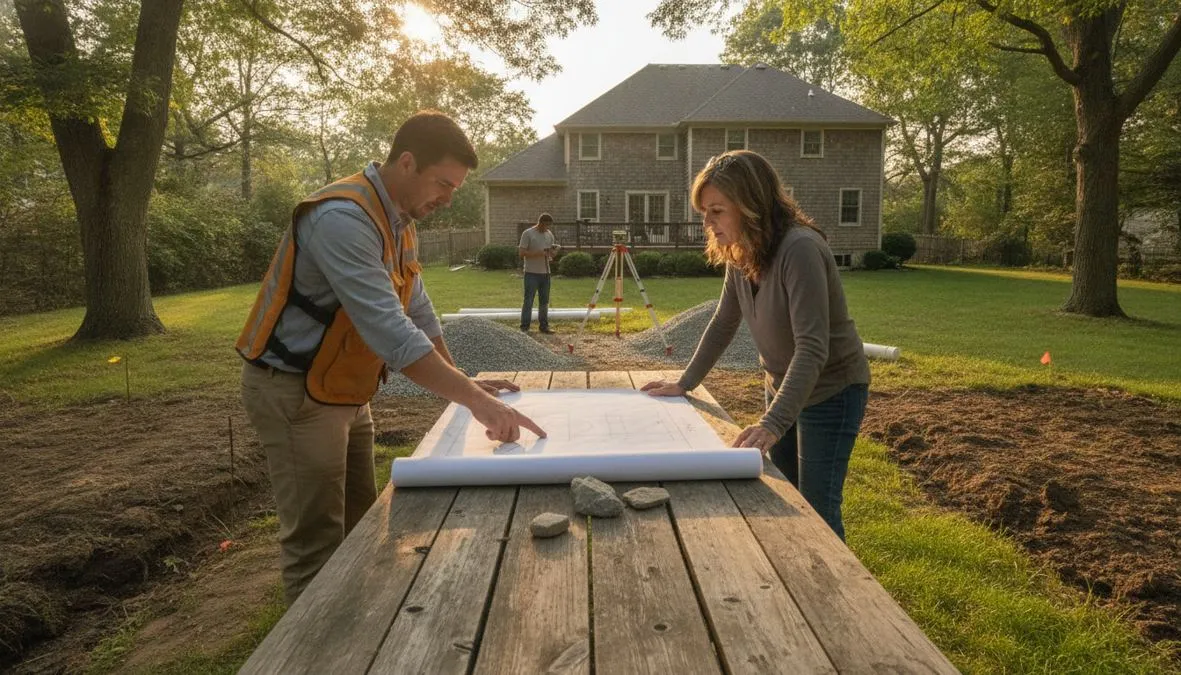
Before any ground is broken, a lot of important work happens behind the scenes. This first step is all about creating a solid plan. Your contractor will evaluate your property to determine the best location for the court, considering factors like sun exposure, drainage, and accessibility. Once the spot is chosen, the area is cleared and graded to create a level foundation. A full-service contractor like Gappsi also handles the administrative details, securing the necessary building permits and architectural drawings for your court. This ensures your project complies with all local Long Island regulations from the very beginning, saving you from potential headaches down the road.
Building the Base and Drainage System
One of the most critical factors for the life of any basketball court or pickleball court is something you will never see: the base underneath it. This substructure is the unsung hero of your court’s durability. Depending on your project, the base might be made of compacted aggregate or reinforced concrete. A properly constructed base prevents shifting, cracking, and settling over time, providing a stable foundation for the playing surface above. Equally important is the drainage system. Your contractor will ensure the site is graded correctly and may install drainage solutions to channel water away from the court, preventing puddles, water damage, and premature wear.
Installing and Finishing the Surface
This is the stage where your vision truly starts to take shape. After the base has cured, the team will install your chosen playing surface. Whether you’ve selected classic acrylic, modern modular tiles, or cushioned synthetic turf, this step is done with precision. For hard courts, the smoothness of an acrylic surface is ideal for maintaining an optimal ball bounce. This is also when the court gets its personality. The team will paint the lines for your chosen sports, add any custom logos or colors, and install equipment like basketball hoops or net posts. It’s a meticulous process that transforms a construction site into a professional-looking Sports Games Court.
The Final Walkthrough and Project Handoff
Once the final touches are complete, it’s time for the final walkthrough. This is your opportunity to inspect the finished court with your contractor and ensure every detail meets your expectations. Walk the perimeter, check the lines, and ask any questions you have about the finished product. This is also the time to discuss maintenance, care instructions, and warranty details. A reputable contractor will not consider the job done until you are completely satisfied. This final check-in ensures clear communication and confirms that the project has been executed to the highest standard, leaving you ready to enjoy your new court.
Are Warranties and Maintenance Plans a Good Idea?
When you invest in a backyard sports games court, you’re not just buying a product; you’re creating a space for family fun and memories. So, it only makes sense to protect that investment. This is where warranties and maintenance plans come in. Think of a good warranty as a contractor’s vote of confidence in their own work. It’s their promise that the materials and craftsmanship are built to last. A contractor who offers a comprehensive warranty is telling you they stand behind their projects.
Beyond the initial build, thinking about long-term care is just as important. A well-maintained court will not only look better but will also provide a safer and more enjoyable playing experience for years. While some maintenance is simple enough to handle yourself, knowing you have a plan or a trusted partner for bigger upkeep can provide significant peace of mind. Choosing a contractor who offers clear warranty terms and guidance on maintenance shows they are committed to your satisfaction long after the project is complete. This foresight ensures your court remains a centerpiece of your home, not a source of future headaches.
What a Strong Warranty Should Include
A solid warranty is your safety net. It should be straightforward and cover what matters most: the surface and the components. The warranty document should clearly explain the coverage period, the process for making a claim. And what the contractor will do to fix an issue, whether it’s a repair or replacement. It’s also wise to read the exclusions so you understand what isn’t covered, such as damage from improper use. Ask the contractor to provide warranty terms for the specific sports games court materials and installation methods in your proposal.
Simple Tips to Maintain Your Court and Extend Its Life
Keeping your sports games court in prime condition is simpler than you might think, and a little effort goes a long way. The most important task is regular cleaning. Simply sweeping the surface to remove leaves, dirt, and other debris prevents buildup that can wear down the court over time. For a deeper clean, you can gently wash the surface with a mild detergent and water. Periodically walk the court to inspect for any minor wear or damage, catching small problems before they grow. Also, ensure the area has good drainage to prevent standing water, which can damage the surface. Following these simple steps will help you enjoy your court for many years. For more intensive upkeep, professional cleaning and sealing services can restore its original look and protection.
The Gappsi Advantage: Why a Full-Service Contractor Matters
When you decide to add a sports game court to your home, the contractor you hire will shape the entire experience. Choosing a full-service company like Gappsi means you have one dedicated team handling every detail from start to finish. This is a huge advantage over trying to manage several different contractors on your own. Instead of you coordinating an excavator, a concrete company, and a fence installer, we manage the entire project. This approach creates a seamless process, giving you a single point of contact and clear communication from the initial design to the final walkthrough. We handle all the necessary permits, site preparation, and construction, ensuring your new sports game court is built correctly and efficiently.
A full-service contractor also helps ensure your new court fits perfectly into your overall backyard vision. Because our expertise covers everything from landscaping to masonry, we design your game court as part of a cohesive outdoor living space. We can make sure it complements your patio, pool area, and garden, rather than looking like an afterthought. This holistic approach allows us to integrate features like custom lighting, surrounding walkways, and even adjacent pavilions for a truly complete and functional area. The result is a beautiful, unified property where every element works together.
Finally, working with a single, comprehensive team guarantees a higher standard of quality. Since we use our own skilled crews for the entire process, we have direct control over the craftsmanship at every step. From building a durable base that ensures proper drainage to installing the perfect playing surface, we don’t cut corners. This commitment to in-house quality means your investment is built to last, providing your family with a safe and professional-grade court for years of enjoyment. With Gappsi, you get the peace of mind that comes from knowing your entire project is in capable hands.
Related Articles
- Horseshoe Sports Court Installation & Design on Long Island | Gappsi Inc
- Shuffleboard Court Installation Long Island NY | Gappsi Inc
- Volleyball Sport Game Courts – Gappsi Group
- Long Island Basketball Court Installation – Gappsi Group
- Basketball Game Courts Long Island – Custom Design by Gappsi Inc
Call (631) 831-3177 before you choose a contractor, and let Gappsi discuss your Long Island project.
Frequently Asked Questions
How long does it take to build a new sports games court?
The timeline really depends on the scope of your project. A straightforward resurfacing job on an existing court might only take a week or two. For a brand new installation, which involves excavation, building a base, and allowing for curing time, you should plan for several weeks. Factors like weather and the local permit process can also affect the schedule, but a professional contractor will manage the timeline and keep you updated.
My yard isn’t very big. Can I still get a game court?
Absolutely. You don’t need a huge property to add a fun and functional game court to your home. We specialize in creating custom layouts that make the most of your available space. A compact half-court for basketball, a dedicated pickleball court, or even a charming bocce court can fit beautifully into many Long Island backyards without overwhelming your landscape.
Do I need a permit to build a sports games court on Long Island?
Yes, in most cases you will need a permit. The specific requirements for things like size, location, and fencing can differ between towns in Nassau and Suffolk County. This is a key reason to work with an experienced local contractor who understands these rules. A full-service company will handle the entire permitting process for you, ensuring your court is fully compliant with all local codes from day one.
What’s the real difference between a hard court and synthetic turf for playability?
Think of it this way: a hard court offers that classic, fast-paced game with a true. Consistent ball bounce, which is what many people want for basketball or tennis. Synthetic turf provides a softer, more cushioned feel underfoot. This makes it easier on your joints and is a fantastic. Versatile choice for multi-use courts where you might also play soccer or just want a safer surface for kids to run around on.
Is resurfacing always a better option than building a new court if I already have one?
Not always. Resurfacing is a great, cost-effective choice if your court’s foundation is still solid and you just need to fix surface-level issues like minor cracks and fading. However, if the base has major structural problems like heaving or significant drainage issues, putting a new surface on top is just a temporary fix. In those cases, a new installation is the better long-term investment for a safe and durable court.
Ready to plan your Sports Games Court? Call Gappsi at (631) 831-3177.