


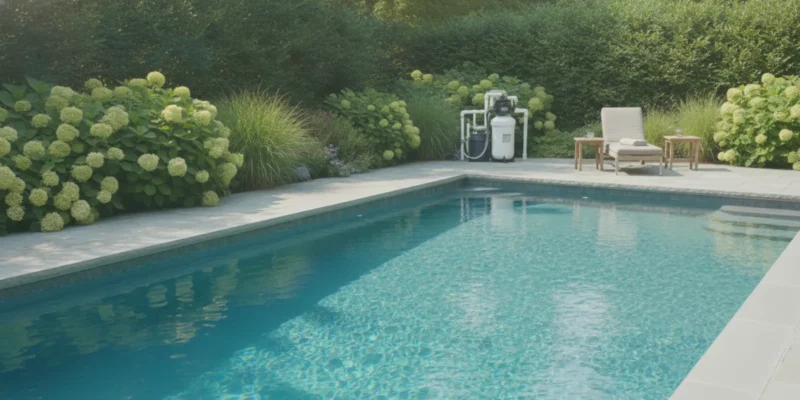
Planning a pool saltwater conversion means more than swapping one sanitizer for another. A saltwater pool still uses chlorine, produced by a salt chlorine generator, so the project involves checking existing equipment, water flow, electrical needs, materials, and the routine care the pool will need afterward.
Contact Gappsi through our contact page to discuss your pool project
What does pool saltwater conversion actually change?
A salt system adds a measured amount of salt to the pool water. Water circulates through a salt chlorine generator, where an electrolytic cell converts some salt into chlorine. That chlorine sanitizes the water, then returns to salt as it works. The generator repeats the cycle while the circulation system runs.
This is not a chlorine-free pool. The difference is primarily how chlorine is introduced and maintained. The water’s salt concentration is far below seawater, but it can still affect materials and equipment over time. Pool owners continue to test and balance water, clean the cell as directed, and monitor sanitizer levels.
Before pursuing conversion, identify the current sanitation method and equipment. A pool using traditional chlorine may be a candidate, but the generator must match the pool’s water volume, expected use, and operating schedule. Confirm the manufacturer’s specifications and compatibility with the existing circulation and control equipment.
It is also useful to separate the equipment decision from expectations about the water. A generator automates part of chlorine production, but it does not guarantee a particular feel, eliminate the chlorine odor under all conditions, or make water chemistry self-correcting. The pool’s condition depends on measured water balance, circulation, use, and care. Discuss the specific system and its operating range rather than relying on broad claims about every salt pool.
Is a salt chlorine generator right for your pool?
The best fit depends on how the pool is used and how the owner wants to manage routine care. A salt generator can automate chlorine production when circulation is operating, but it does not remove testing or upkeep. Compare practical tradeoffs before deciding.
| Consideration | Salt chlorine generator | Traditional chlorine dosing |
|---|---|---|
| How chlorine is added | Generator produces chlorine from dissolved salt as water passes through its cell. | Owner or service provider adds a chlorine product to the water. |
| Routine oversight | Test water, adjust settings as needed, and inspect or clean the cell according to its instructions. | Test water and adjust dosing based on readings and pool conditions. |
| Equipment needs | Requires a compatible generator, cell, plumbing placement, power, and adequate flow. | Uses the existing dosing and storage approach, subject to safe handling and storage. |
| Planning questions | Check sizing, controls, flow, materials, warranty, and replacement-cell requirements. | Check dosing method, storage, handling, and the care schedule. |
Neither approach makes water care optional. Your choice should account for the pool’s existing equipment, who will maintain it, and the manufacturer’s requirements. If you are also planning other pool work, review the broader swimming pool project resources and the relevant gunite pool information.
Think about your normal routine as well. If someone regularly checks the water and adjusts chemical levels, ask how generator readings and output settings will fit into that schedule. If pool use changes sharply through the season, confirm how the unit should be adjusted during busy periods and quieter stretches. A good comparison considers the full ownership routine, not only the equipment purchase.
For example, a pool used most afternoons may need a different output setting from a pool used mainly on weekends, even if their water volumes are similar. The generator should be sized and adjusted according to its manual and actual testing, rather than by assuming that the same capacity or output setting fits every household. Ask how the installer expects the owner to respond when usage or circulation time changes.
What should you inspect before a pool saltwater conversion?
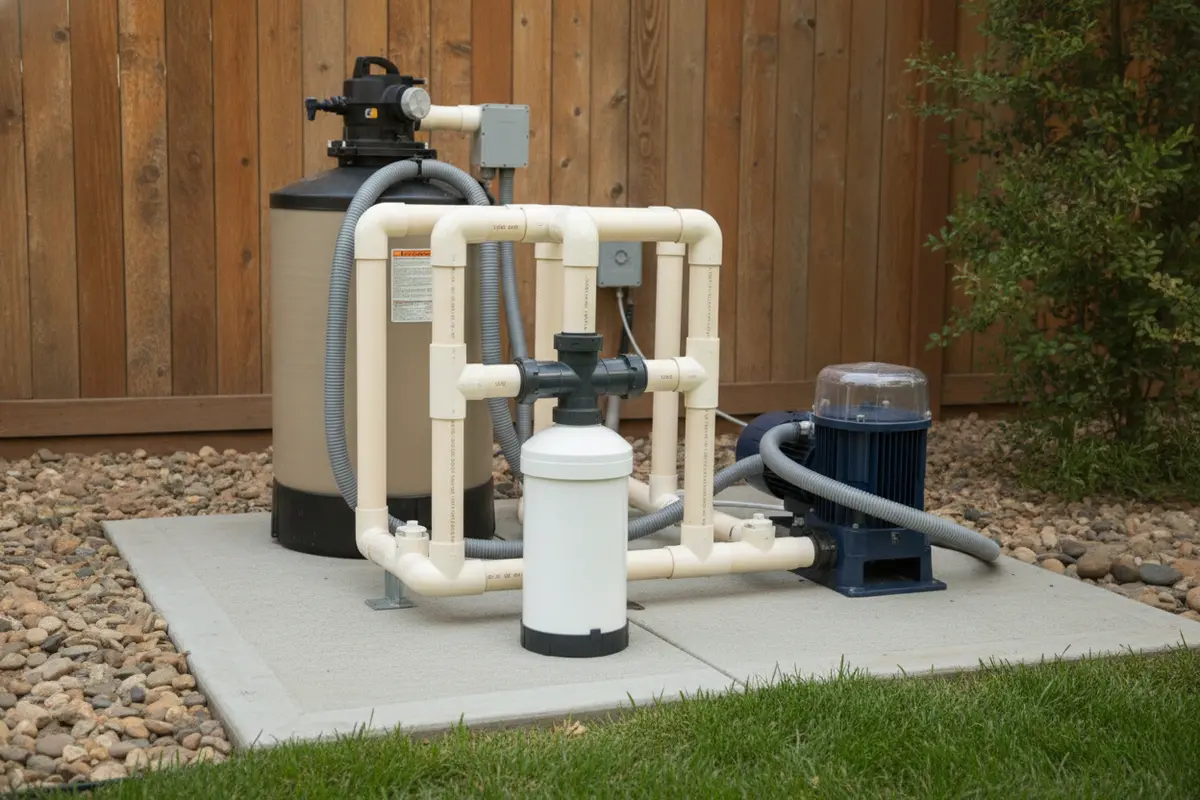
Start with the equipment pad and the pool’s operating details. A conversion plan should consider more than the pool’s capacity; it should establish whether the generator can be installed and operated as intended.
- Pool volume and use: Estimate the water volume and explain how often the pool is used. Ask how the proposed unit is sized for actual conditions, not just the stated pool volume.
- Circulation and flow: Confirm the pump, plumbing layout, and flow conditions meet the generator’s requirements. The cell needs water moving through it to operate properly.
- Electrical and controls: Determine what power supply and control connections are needed. Have any electrical work assessed and completed by an appropriately qualified professional.
- Existing materials: Review metal components, heaters, ladders, fixtures, and other pool materials with the equipment manufacturer or qualified pool professional. Follow installation and bonding guidance.
- Water balance: Record current test results and address existing water-balance issues before startup. Follow the generator and pool-equipment instructions for suitable water conditions.
- Cell access: Plan for inspection and eventual cell maintenance or replacement. The cell should be accessible without making routine care difficult.
Check the equipment pad in practical terms. Is there room to install and remove the cell for inspection? Can the display be read without reaching over hot or moving equipment? Will plumbing changes leave valves accessible? These details matter because a unit that is awkward to inspect can make ordinary maintenance harder. Ask the installer to explain the proposed cell location and how water will pass through the equipment sequence.
Useful background on the pool itself can be found in Gappsi’s custom swimming pool resources. If the project includes a liner pool, compare its specific equipment and care requirements with custom pool liner information rather than assuming all pool systems are identical.
A material review should be specific, not a general assumption that salt affects every pool component in the same way. Make a list of exposed metal parts, heater details, fasteners, and nearby deck materials. Ask which manufacturers’ installation and maintenance instructions apply. If a component has a separate warranty, check its terms before work begins and save the relevant documentation with the generator manual.
How do you plan the conversion step by step?
- Document the current setup. Note the pool type, approximate volume, pump and filter details, sanitizer method, heater, control system, and any recent equipment work. Photos of the equipment pad and model labels can help make a discussion more concrete.
- Discuss goals and upkeep. Decide whether the priority is changing the chlorine dosing routine, improving convenience, or coordinating the work with another pool project. Be clear that testing and maintenance remain necessary.
- Check system sizing and compatibility. Ask for the proposed generator model and sizing rationale. Confirm requirements for flow, electrical connection, installation location, and compatibility with other equipment.
- Review the installation scope. Clarify where the cell and controls will be installed, what plumbing or electrical changes are included, and whether startup water testing is part of the work. Ask who will handle any required electrical work.
- Plan startup and handoff. Get instructions for adding salt, setting the output, testing the water, and responding to low-flow or cell warnings. Keep the manufacturer’s guide accessible.
- Track performance after startup. Test the water as recommended and observe whether output settings suit pool use and weather. Recheck settings as conditions change rather than treating one setting as permanent.
Before work begins, agree on what a complete handoff means. The owner or pool-care provider should know how to read the unit’s status, which alerts require a manual check, and what steps should happen before salt is added. Write down the model, serial information, startup settings, test results, and maintenance instructions. This record is useful if settings change or service is needed later.
For a project that also involves equipment upgrades, consider how the generator will work alongside the pool’s automatic cover and other connected components. A coordinated plan can help clarify installation access, controls, and how each part of the system is used.
For instance, before installation, gather the pump and generator model numbers and take clear photos of the plumbing from more than one angle. During the scope discussion, mark where the proposed cell, control unit, and any new wiring would go. After startup, keep the first water readings and output setting together in one record. This simple sequence gives the owner something concrete to compare against later readings instead of trying to reconstruct the setup from memory.
Contact Gappsi through our contact page to review your pool equipment plans
What ongoing care does a salt pool need?
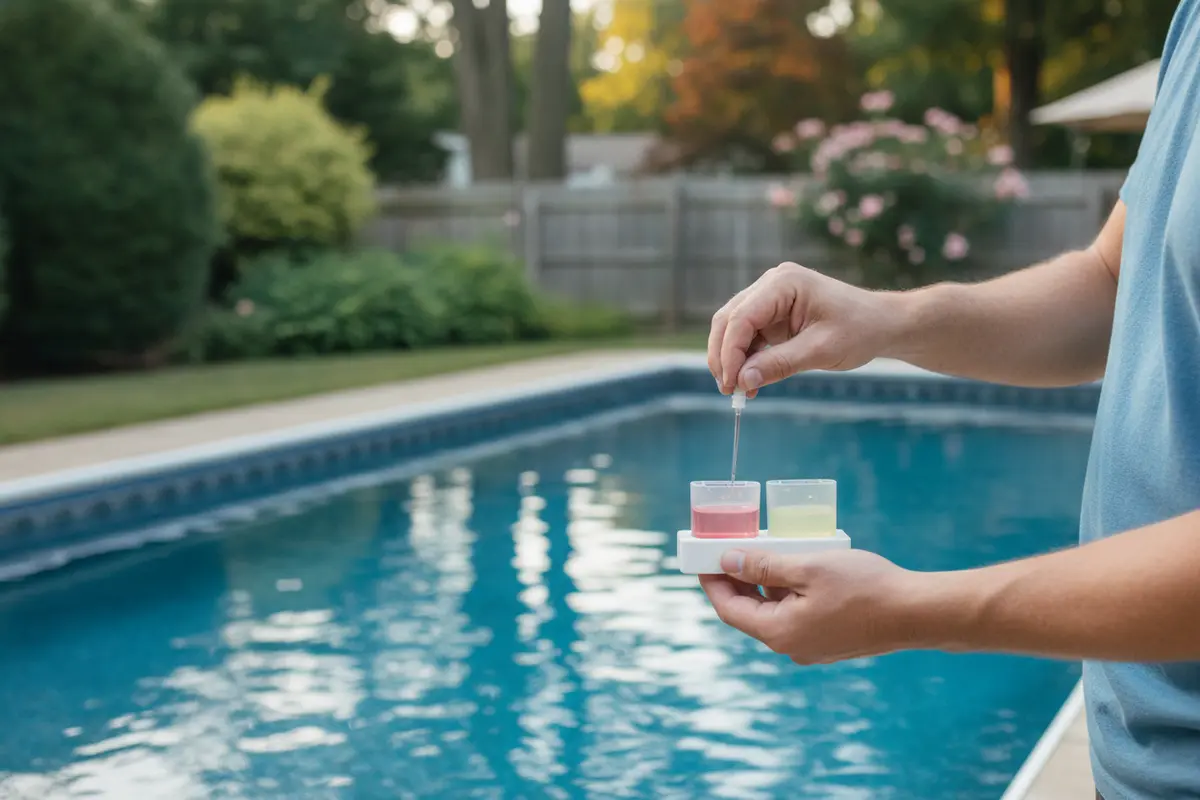
Saltwater operation still requires a regular care routine. Follow the generator manufacturer’s schedule, test the pool water, and make adjustments based on measured conditions. Keep records of readings, settings, and maintenance so patterns are easier to spot.
- Check sanitizer and water-balance readings on a schedule suitable for pool use and conditions.
- Inspect the generator display and confirm the unit is operating when the circulation system runs.
- Look for low-flow alerts, deposits, or visible damage, and follow the manual for cleaning or service.
- Maintain the recommended salt level. Avoid adding salt without first checking the measured level and the unit’s directions.
- Review the pool’s other equipment and materials periodically for signs of wear or corrosion, and consult the relevant manufacturer guidance if concerns appear.
A simple log can make changes easier to interpret. Record the date, water test readings, generator output setting, pool-use conditions, and any maintenance performed. If readings shift, the notes help show whether the change followed heavier use, a weather change, equipment work, or a recent adjustment. Do not use a setting copied from another pool as a substitute for the selected unit’s instructions and your own test results.
A generator is one part of pool care, not a replacement for it. When the cell reaches the end of its service life, it may need replacement; ask what replacement components are available and how maintenance requirements affect long-term ownership. For broader pool planning, browse Gappsi’s pool category and pool repair resources.
It helps to make the log useful rather than elaborate. A notebook or digital note can include a date, test results, whether the pool saw unusually heavy use, and the adjustment made. If the readings remain steady, the record confirms the routine that is working for that pool. If they change, the sequence of observations can guide a more focused question for the pool-care professional or the generator manufacturer. Do not make a large correction based only on a single alert or an unfamiliar reading; confirm the measurement and follow the equipment instructions.
What questions should you ask before choosing a system?
Use a project conversation to confirm the specifics rather than relying on a general description of saltwater pools. Ask:
- Which generator model is proposed, and how was its capacity selected for this pool?
- Does the existing pump and plumbing provide the flow the unit requires?
- What electrical work, controls, or plumbing changes are part of the installation?
- Are the current heater, fixtures, and pool materials compatible according to their manufacturers?
- What salt and water-balance targets does the manufacturer specify?
- What does routine cell inspection and cleaning involve, and how often should it be checked?
- What is covered by the equipment warranty, and what maintenance or installation conditions apply?
- How will startup be tested and explained to the person responsible for pool care?
Ask for a clear division of responsibilities, too. Confirm who supplies the generator and cell, who verifies electrical requirements, who performs startup checks, and who explains routine maintenance. If an existing component is outside the project scope, identify that before scheduling work. This avoids assuming that every connection, repair, or future service is included in a conversion discussion.
For Long Island properties, also consider the project calendar and how the conversion fits with opening, closing, or other planned pool work. If the pool is being renovated, coordinate equipment decisions with the broader scope rather than selecting components in isolation. Gappsi’s gunite pool renovation resources provide another route for reviewing related project considerations.
Pool owners can use the U.S. Centers for Disease Control and Prevention’s pool guidance for general water-safety information while following the specific generator and pool-equipment manuals for installation and care: CDC Healthy Swimming guidance.
Every project discussion should cover compatibility, routine care, and setup instructions for the selected generator. A useful plan should leave you with a specific equipment model, installation scope, startup process, and maintenance reference, not just a general recommendation to add salt.
One practical way to compare proposals is to place the answers side by side. Note the generator model and sizing explanation, where the cell will sit, which electrical and plumbing tasks are included, how startup is handled, and what the owner must do afterward. If a proposal leaves a point unclear, ask for a written clarification before comparing it with another plan. That makes the decision about scope and fit, rather than assumptions based on a short label such as “salt conversion.”
Contact Gappsi through our contact page to discuss your pool saltwater conversion
Frequently Asked Questions
Does a saltwater pool contain chlorine?
Yes. A salt chlorine generator produces chlorine from dissolved salt as water passes through its cell. Owners still need to test the water and maintain sanitizer levels.
Can any pool be converted to a salt system?
Compatibility depends on the pool equipment, materials, plumbing, flow, electrical setup, and the generator manufacturer’s specifications. Have the existing system assessed before selecting a unit.
Will a salt system eliminate pool maintenance?
No. You still need water testing, water-balance adjustments, cell inspection, and routine equipment care. The generator changes how chlorine is produced, not the need to maintain the pool.
What information should I have before requesting a conversion plan?
Gather the pool’s approximate volume, sanitizer method, pump and filter details, heater and control information, and any known issues with the existing equipment. These details help frame a more useful compatibility discussion.
A careful review of pool size, equipment compatibility, installation needs, and ongoing care can help you decide whether saltwater operation fits your pool and maintenance preferences.
Contact Gappsi through our contact page to discuss your pool saltwater conversion