


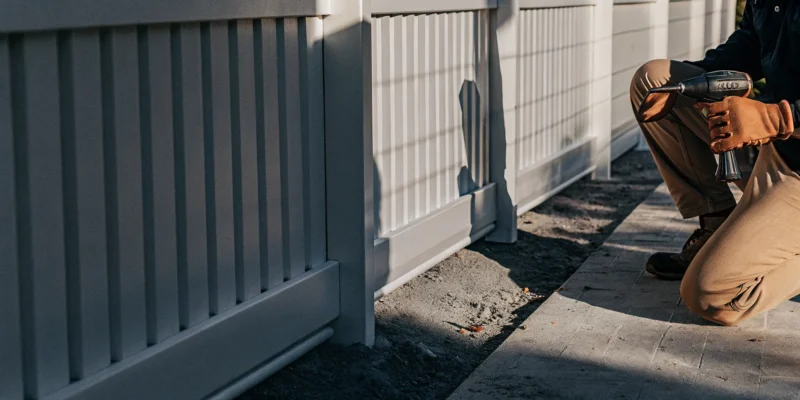
Before a single post is set, there are a few crucial details to sort out, especially here on Long Island. Every town, from Suffolk to Nassau County, has its own set of rules regarding fence height, materials, and permits. Then there’s the matter of confirming your exact property lines to avoid any future disputes with neighbors. A top-tier contractor knows these local regulations inside and out. They understand the permit process and the importance of a proper survey. This guide will help you understand these essential first steps and show you why the best backyard fence installer Long Island has to offer is one who manages these details for you, ensuring your project starts on a solid, legally sound foundation.
Key Takeaways
- Handle logistics before you build: Before choosing a style, confirm your exact property lines with a survey and research your local town’s rules on fence height and permits. This essential prep work prevents costly mistakes and future headaches.
- Hire for value, not just the lowest price: An unusually low bid can be a red flag for poor quality or lack of insurance. Instead, choose a professional who provides a detailed written contract, proof of licensing, and has a strong portfolio of past work.
- Match the material to your lifestyle: Consider the long-term commitment of each option, not just the initial cost. Weigh the classic look and regular upkeep of wood against the lasting durability and low maintenance of vinyl or aluminum to find the best fit for your home.
Exploring Fence Materials and Styles
Choosing the right fence is about more than just marking your property line. It’s a design decision that impacts your home’s curb appeal, privacy, and security. The material you select sets the tone for your entire outdoor space, so it’s worth exploring your options to find the perfect fit for your home and lifestyle. From the classic warmth of wood to the sleek look of aluminum, each material offers a unique combination of style, durability, and maintenance. Let’s walk through the most popular choices for Long Island homes.
Wood Fencing
There’s a reason wood remains a timeless favorite. It offers a natural, classic look that can be customized to feel either traditional or modern. Homeowners are leaning into natural cedar tones and rich stains that create a warm, inviting connection to their gardens and landscaping. A wood fence can provide excellent privacy and can be built in various styles, like the popular stockade or a modern horizontal plank design. While it requires regular maintenance like staining or sealing to protect it from the elements, the beauty and versatility of a wood fence are hard to match.
Vinyl Fencing
If you love the look of a classic fence but not the upkeep, vinyl is an excellent choice. Known for its durability and low maintenance, a vinyl fence won’t rot, warp, or need repainting. A simple cleaning with soap and water is usually all it takes to keep it looking fresh. While the crisp white picket fence is an iconic style that creates a neat, welcoming look, modern vinyl fencing is available in a wide range of colors and textures, including options that mimic the appearance of wood. It’s a practical and long-lasting solution for any backyard.
Aluminum Fencing
For a look that is both elegant and strong, consider aluminum fencing. With its clean lines and simple geometric patterns, aluminum offers a modern, sophisticated appearance that provides security without blocking your view. This makes it a perfect choice for enclosing swimming pools or defining a property line while maintaining an open feel. Aluminum is also lightweight, rustproof, and requires virtually no maintenance, so you can count on it to look great for years to come. Its strength and durability make it a secure and stylish addition to any home.
Chain Link Fencing
When practicality and affordability are top priorities, chain link fencing is a reliable solution. It’s one of the most cost-effective options for securing a large area, making it a great choice for keeping pets and children safe. While it has a reputation for being purely functional, modern chain link fences can be coated in black or green vinyl to help them blend more seamlessly into your landscape. It’s an ideal enclosure for everything from a backyard garden to a personal sports games court, providing security you can depend on without breaking the budget.
Modern and Mixed-Material Fences
You don’t have to stick to just one material. A growing trend is to combine different elements to create a unique, custom fence that is both beautiful and durable. Imagine wood panels set between sturdy metal posts or a fence with a stone or brick base. This approach allows you to get creative with your design while also adding to the fence’s longevity. For example, using a composite or masonry base can protect wood panels from ground-level moisture. Mixing materials lets you create a one-of-a-kind look that perfectly complements your home’s architecture.
What Will Your New Fence Cost?
Let’s talk about one of the biggest questions on every homeowner’s mind: what will this project actually cost? Budgeting for a new fence is a crucial first step, and the final price tag can vary quite a bit. The total investment depends on two main things: the materials you choose and the specific details of your property and project. A simple, straight fence on flat land will naturally have a different price point than a complex installation on a hilly yard with lots of corners and custom gates. It’s not just about the length of the fence, but also the labor and preparation involved.
At Gappsi, we believe in transparency, so we want to walk you through the numbers. We offer a wide selection of fencing options, from classic wood to modern composite and sleek aluminum, each with its own price point. Understanding these costs upfront helps you make a choice that fits your budget and your vision for your outdoor space. Below, we’ll break down the average costs by material and explore the other factors that can influence the final price of your installation. This will give you a solid foundation for planning your project and ensure there are no surprises along the way. Knowing what to expect empowers you to move forward with confidence.
Average Cost by Material
The material you select is the biggest driver of your fence’s cost. Here’s a general breakdown of what you can expect to pay per linear foot for some popular options. A classic wood fence often runs from $15 to $30, while low-maintenance vinyl typically costs between $20 and $40. For a more durable and elegant look, aluminum fencing is usually priced from $25 to $50 per linear foot. If you’re looking for a purely functional and budget-friendly solution, chain link is the most economical choice at around $10 to $20. These ranges are a great starting point for your initial budget planning.
Factors That Affect the Final Price
Beyond the material, several other factors will shape your final quote. The complexity of the installation plays a huge role; things like sloped terrain, clearing old vegetation, or working around existing structures will add to the labor costs. This is why getting a detailed written estimate is so important. A simple verbal quote can easily miss these details, leading to unexpected charges later. You should also confirm that any contractor you consider is fully licensed and insured. Hiring an uninsured team is a risk that can lead to major expenses if something goes wrong. Finally, think about long-term value. A slightly more expensive, durable material might save you money on maintenance and repairs down the road.
Understanding Permits, Property Lines, and Local Rules
Before the first post goes into the ground, there are a few logistical hurdles to clear. Taking the time to understand local rules and property boundaries is a non-negotiable step. It ensures your project goes smoothly, stays on budget, and avoids any stressful disputes with neighbors or town officials down the line. Think of it as the essential prep work for a beautiful and long-lasting fence. Getting these details right from the start is just as important as choosing the right material or style for your home. It’s the foundation for a successful project that adds value and security without any unexpected complications.
Local Zoning Laws and Height Restrictions
Every town and village on Long Island has its own set of rules for fences. Before you get too attached to a six-foot privacy fence, it’s important to check your local zoning laws. Many areas require a permit for installation, especially if the fence is over a certain height or close to a property line. Understanding these regulations from the start helps you avoid potential fines and the headache of having to modify or remove a non-compliant fence. A professional installer will know how to manage the permit process and ensure your new fence meets all local requirements.
Property Line and Survey Requirements
One of the most common mistakes homeowners make is assuming they know exactly where their property line is. Guessing can lead to serious trouble, including disputes with neighbors that can sour a relationship for years. To avoid this, you should get a professional survey to confirm your property’s exact boundaries before any work begins. This isn’t just about being a good neighbor; it’s about protecting your investment. A survey provides the legal proof you need to ensure your fence is built entirely on your land, giving you complete peace of mind.
Best Time of Year to Install a Fence
Timing your fence installation can make a big difference in the process. Spring and early summer are generally the best seasons for this kind of project. The weather is more predictable, and the ground is soft enough to dig easily, which makes for a quicker and more efficient installation. Trying to install a fence in the dead of winter can be difficult due to frozen ground, while the peak of summer can bring unexpected thunderstorms. By scheduling your installation during the milder months, you can better plan your entire backyard transformation without weather-related delays.
What to Look for in a Fence Installer
Choosing the right fence material is only half the battle; finding a skilled and reliable installer is just as important for a successful project. The right installation partner will not only build a beautiful, sturdy fence but also make the entire process feel seamless. A great contractor handles the complexities, from securing permits to ensuring your new fence is built to last. They bring the expertise needed to work with different materials and navigate the unique challenges of your property. When you find a team you can trust, you’re not just hiring labor, you’re investing in a smooth experience and a high-quality result that will protect and beautify your home for years. A professional fencing company ensures every detail is managed correctly from start to finish.
Licensing and Insurance
One of the biggest mistakes homeowners can make is not checking for proper licensing and insurance. It might feel like an awkward conversation, but it’s a crucial step that protects you. A licensed contractor is accountable to local regulations, ensuring your fence is built to code. More importantly, proper insurance, including general liability and worker’s compensation, shields you from financial responsibility if an accident happens on your property. A reputable installer will have this documentation ready and will be happy to provide it. Think of it as the first sign that you’re working with a true professional who takes their business, and your safety, seriously.
Experience and Portfolio
To ensure a satisfactory outcome, it’s essential to select a professional and reputable fence company with a proven track record. An experienced installer has seen it all: sloped yards, tricky soil conditions, and complex property lines. This expertise is invaluable for avoiding common pitfalls and ensuring a durable installation. Ask to see a portfolio of their previous work. This allows you to visually inspect the quality of their craftsmanship and see if they have experience with the style and material you want. Gappsi’s YouTube channel is a great place to see our team’s work and get inspiration for your own project.
Warranties and Guarantees
Making an informed decision can safeguard your financial investment and provide peace of mind. A quality fence is a significant addition to your home, and you want assurance that it will last. Always ask potential installers about the warranties they offer on both materials and their workmanship. A strong warranty shows that a company stands behind its products and services. Be sure to get the details in writing so you understand what is covered, for how long, and what the process is for addressing any issues. This guarantee protects your investment long after the installation crew has packed up.
Customer Reviews and References
While it can be tempting to go with the cheapest bid, feedback from past customers provides a much clearer picture of what you can expect. Check online reviews on several platforms to get a sense of a company’s reputation for communication, timeliness, and overall quality. Don’t stop there; ask the installer for a list of recent references you can speak with directly. Talking to a former client allows you to ask specific questions about their experience, from the initial consultation to the final cleanup. This step helps you confirm you’re choosing a reliable and customer-focused team.
Clear Written Estimates
Agreeing to fence work without a detailed written estimate is a common mistake that can lead to confusion and unexpected costs. A professional installer should provide a clear, itemized proposal that breaks down all the expenses. This document should outline the cost of materials, labor, permit fees, and any other charges. It should also specify the project timeline and payment schedule. This level of transparency ensures everyone is on the same page before any work begins and helps you stick to your budget. A detailed estimate is a hallmark of a trustworthy contractor who values clear communication.
Common Mistakes to Avoid When Hiring
You’ve picked your materials and have a vision for your new fence. Now comes the most important step: choosing the right team to build it. Hiring a fence installer can feel overwhelming, but knowing what to watch out for makes the process much smoother. A great contractor does more than just build a fence; they act as your partner, guiding you through the project and ensuring every detail is handled correctly. Avoiding a few common pitfalls can be the difference between a stressful experience and a seamless installation that you’ll be happy with for years to come. From falling for a price that’s too good to be true to skipping essential paperwork, these missteps can lead to delays, extra costs, and a final product that doesn’t meet your expectations. By understanding these key areas, you can confidently select a professional who will respect your home, your budget, and your vision. Let’s walk through the mistakes homeowners often make so you can hire with total confidence.
Choosing Based on Price Alone
It’s always tempting to go with the lowest bid, but when it comes to a long-term investment like a fence, price shouldn’t be the only factor. An unusually low quote can be a red flag for subpar materials, inexperienced labor, or a contractor who isn’t properly insured. Instead of focusing on the cheapest option, look for the best value. A quality installer provides a fair price for excellent work, durable materials, and a professional process from start to finish. A vague verbal quote can easily lead to surprise costs later on. A reputable company will always provide a detailed written estimate that clearly outlines all expenses, ensuring you know exactly what you’re paying for.
Skipping the Permit Process
Dealing with permits can seem like a hassle, but it’s a non-negotiable step for most fencing projects on Long Island. Local zoning laws in towns across Nassau and Suffolk counties have specific rules about fence height, materials, and placement, especially concerning property lines. Skipping this step could lead to fines or even an order to tear your new fence down. A professional fence installer should be well-versed in these local regulations and can often handle the entire permit process for you. Before you hire anyone, ask them about their experience with your town’s building department. This will save you major headaches and ensure your project is completed legally.
Not Verifying Credentials
Hiring a contractor without the right credentials is a significant risk. Before you sign anything, always verify that the company has both general liability insurance and workers’ compensation. Liability insurance protects your property from any accidental damage during the installation, while workers’ compensation covers the crew if someone gets injured on the job. Without this coverage, you could be held financially responsible. A trustworthy company will gladly provide proof of their licensing and insurance. This simple verification is one of the easiest ways to protect yourself and ensure you’re working with a legitimate, professional fencing and netting installer.
Failing to Get a Contract in Writing
A verbal agreement or a handshake is not enough to protect you on a home improvement project. A comprehensive, written contract is essential. This document is your roadmap for the entire project and protects both you and the contractor. Make sure the contract includes a detailed description of the work, the specific materials to be used, a clear payment schedule, and an estimated start and completion date. Vague timelines or costs are a sign of potential problems. A detailed contract ensures everyone is on the same page, prevents misunderstandings, and provides a clear plan for bringing your beautiful new backyard design to life without any unwelcome surprises.
Start Your Fencing Project with Confidence
Starting a new fencing project is an exciting step toward creating the backyard you’ve always wanted. A little preparation goes a long way in ensuring the process goes smoothly, so you can move forward with total peace of mind. The first step is to always get a detailed written estimate from your contractor. Moving forward with only a verbal quote is a common mistake that can lead to confusion and surprise costs down the road. A clear, written contract protects both you and your installer.
Next, get familiar with your local zoning laws. Many towns on Long Island have specific rules about fence height and placement, and you may need a permit before installation can begin. Taking the time to check these regulations first can prevent any potential issues. You will also want to confirm your exact property lines. Having a survey done or locating your property markers ensures your new fence is built in the right spot and helps you avoid any disputes with neighbors.
Finally, consider your materials. Choosing the right ones for our Long Island climate is key to a long-lasting fence. Gappsi offers a wide selection of durable and beautiful fencing options, from classic wood to low-maintenance vinyl and aluminum. Proper material selection and expert installation will save you time and money for years to come. With these details handled, you can feel confident and ready for a successful project.
Related Articles
Frequently Asked Questions
What’s the best fence material if I want something low-maintenance? If you want to spend your weekends enjoying your yard instead of working on it, vinyl and aluminum are your best friends. Vinyl gives you that classic painted-wood look without any of the scraping, staining, or rotting. A quick wash is all it needs. Aluminum is just as easy to care for and offers a more modern, elegant style that provides security without closing off your view. Both are fantastic, long-lasting choices that free you from regular upkeep.
Do I really need a property survey? My neighbor and I agree on the line. I completely understand the temptation to skip this step, especially when you have a good relationship with your neighbor. However, a professional survey is about protecting your investment for the long term. A friendly handshake agreement isn’t legally binding, and situations can change if a new neighbor moves in. Getting a survey is the only way to be certain your fence is built on your land, which prevents potential disputes, legal fees, and the costly headache of having to move a fence later.
How can I make sure my fence is safe for my pool? When it comes to pool safety, there are specific codes you need to follow, and aluminum fencing is often the go-to choice. It’s designed to be difficult to climb, is available in the required heights, and features self-closing gates to keep your pool area secure. Its open design also allows you to keep an eye on the pool from other areas of your yard. A professional installer will know the exact local requirements to ensure your pool fence is not only beautiful but also fully compliant and safe.
How long does the whole process take, from consultation to finished fence? The timeline can vary quite a bit depending on the project’s size and complexity. After your initial consultation, the next steps involve finalizing the design, ordering materials, and securing any necessary permits from your town, which can sometimes take a few weeks. Once everything is approved and the materials arrive, the actual on-site installation for an average-sized yard often takes just a few days. A good contractor will give you a clear, estimated timeline in your written contract.
What’s the biggest mistake people make when choosing a fence? One of the most common mistakes is focusing only on the initial price tag instead of the overall value. A cheaper fence might save you money upfront, but it could cost you more in the long run with repairs and maintenance. Another major misstep is not getting a detailed, written contract. This single document is your best protection, as it outlines everything from the specific materials being used to the project timeline and total cost, ensuring there are no surprises along the way.