


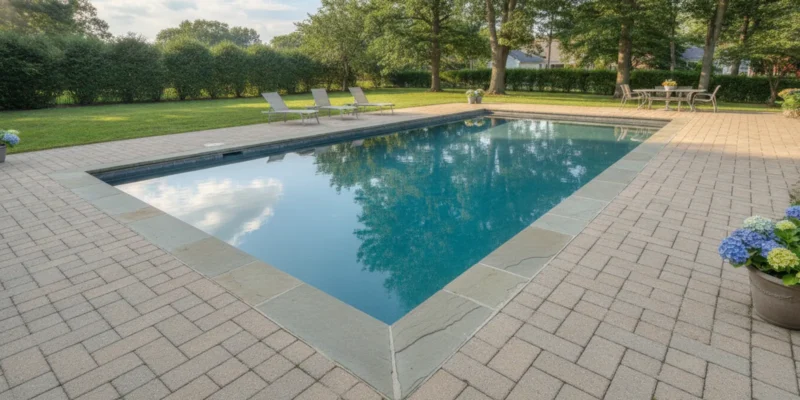
When you need to repair a swimming pool, begin by identifying what changed, when it started, and whether it affects the pool shell, water circulation, equipment, or surrounding deck. A clear record helps separate a visible symptom from its likely cause. It also helps you discuss a focused next step without assuming every crack, wet spot, or change in water level calls for the same repair.
Contact Gappsi through our contact page to discuss your pool repair
Pool problems can overlap. A damp area may relate to plumbing, drainage, or splash-out. A loose coping stone may be a localized setting issue or a sign that its base needs closer inspection. Document what you can observe first, then ask a qualified pool professional to assess the condition in context.
What should you check before planning swimming pool repair?
Start with a walk-around when the area is safe and the pool is in its usual operating condition. Do not dismantle equipment or enter a pool if there is an electrical concern. Note whether the issue is new, recurring, or getting worse, and use the same observations each time you check.
- Water level: Record it at the same time each day for several days. Note rain, backwashing, and heavy use. Evaporation and splash-out can resemble a leak, so a falling level alone does not identify the cause.
- Surface: Photograph cracks, discoloration, roughness, flaking, or detached material. Include a familiar object nearby for scale, but do not scrape or chip the surface.
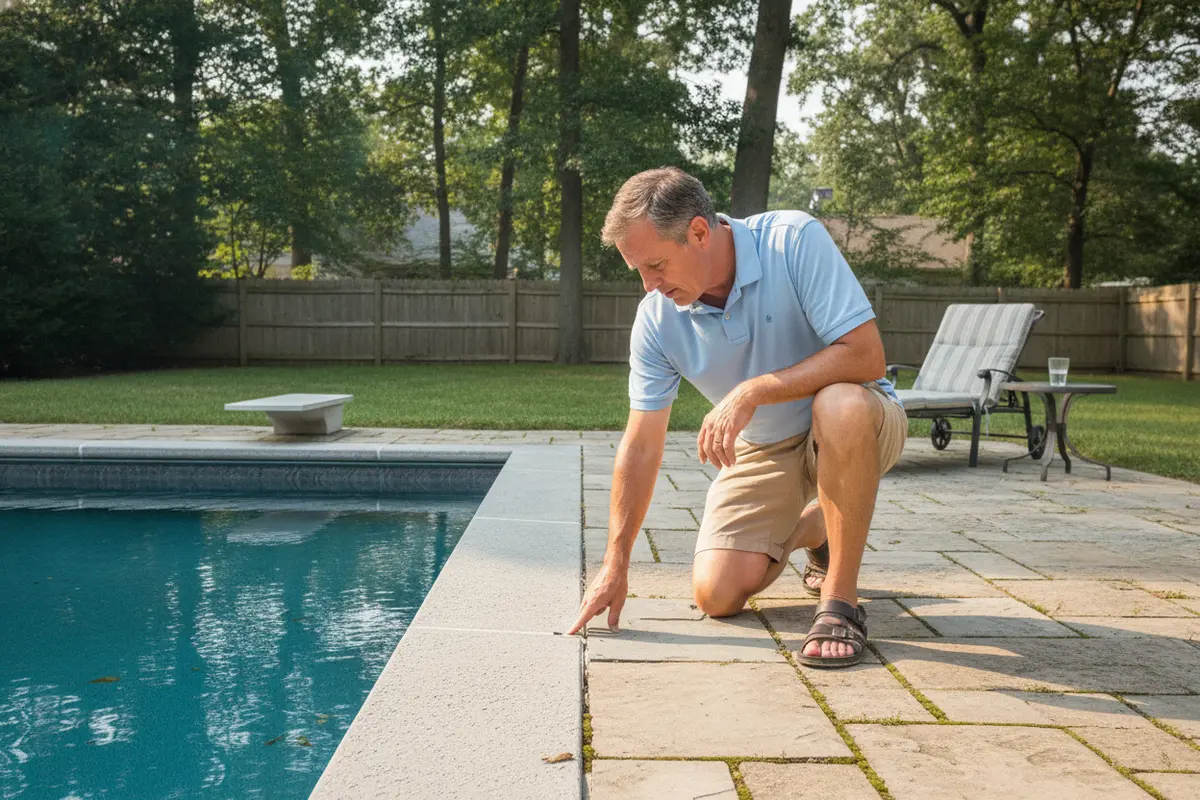
- Edges and deck: Look for loose coping, uneven transitions, open joints, standing water, and areas where paving has shifted.
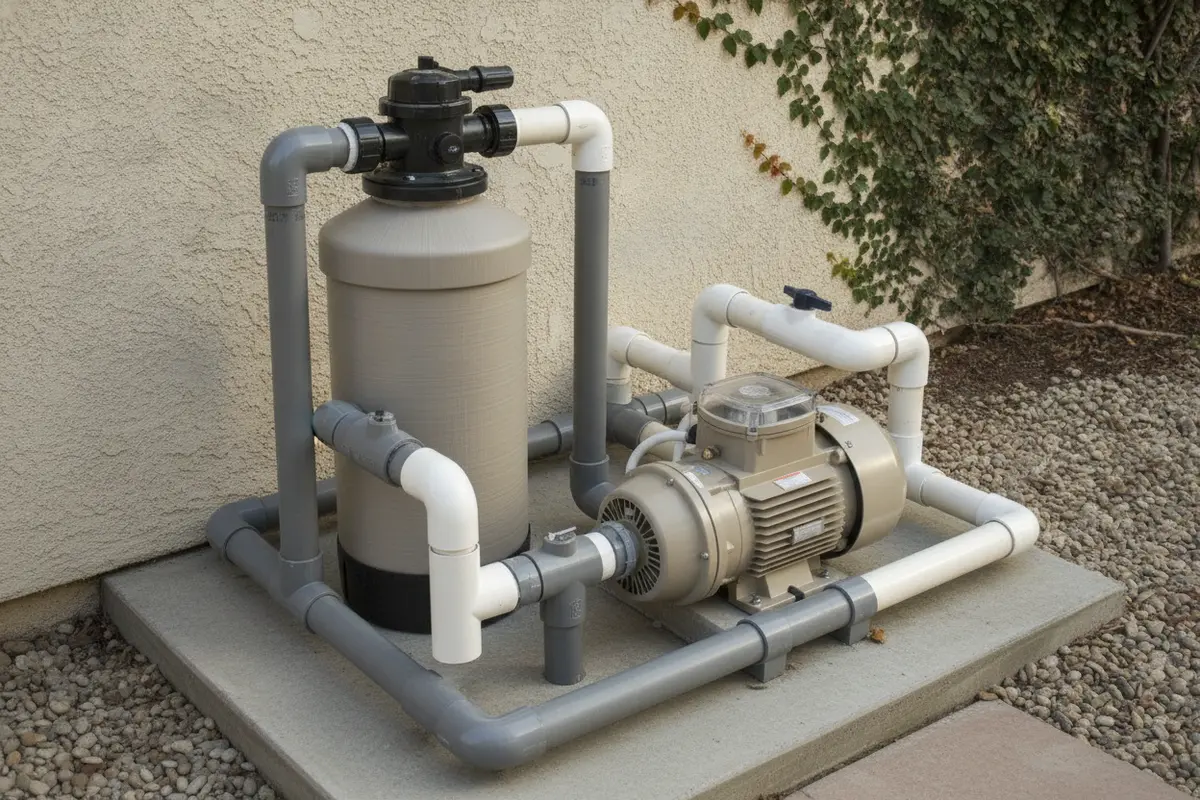
- Circulation: Note unusual pump sounds, weak returns, air bubbles, cloudy water, or filter pressure that differs from its normal range.
- Timing: Write down whether symptoms appear after the pump starts, after rain, or after the pool is used.
- Location: Mark whether the sign is inside the pool, at a fitting, around the equipment pad, or in the surrounding patio. A simple sketch can make a photo easier to interpret.
Keep notes factual. “Water is down about an inch since yesterday” is more useful than “the pool is leaking” before a leak has been confirmed. If water is near electrical equipment, the ground is settling quickly, or a structural crack appears to be changing, keep people away from the affected area and seek prompt professional guidance.
How do you distinguish surface, plumbing, and equipment concerns?
Group the concern by location and function before arranging an inspection. These categories are not a diagnosis. They help describe what you see, explain the history, and ask useful questions. Pool systems connect, so a symptom in one place may need to be checked alongside another area.
| Observed concern | Possible area to inspect | Useful information to collect | Question to ask |
|---|---|---|---|
| Surface crack or flaking | Finish, substrate, movement, or water-chemistry history | Photos, location, approximate length, change over time | Is this limited to the finish, or does the underlying condition need review? |
| Water loss | Evaporation, plumbing, fittings, shell, or circulation system | Consistent level notes, pump status, recent use | What inspection can narrow down where water is going? |
| Weak return or noisy pump | Basket, filter, valves, pump, or plumbing | Equipment labels, pressure readings, when flow changes | Can the equipment be serviced, or does a component need replacement? |
| Loose coping or uneven deck | Setting bed, joints, base, drainage, or adjacent paving | Wide and close photos, drainage observations, affected area | Will the scope address the base and water management as well as the visible stone? |
A symptom comparison can guide a conversation, but it cannot establish the source. For example, a water-level change may have several explanations. Ask what inspection method is appropriate before authorizing work. Depending on the evidence, a professional may recommend separate evaluations of the pool vessel, plumbing, equipment, and patio.
Which swimming pool repair approach fits the condition?
The suitable approach depends on inspection findings and whether the problem is isolated or connected to a larger system. A localized repair may fit when the surrounding material is sound and the cause is understood. Broader work may be appropriate when damage repeats, affects multiple areas, or follows a system failure.
Localized repair
Examples include addressing a specific fitting, replacing a failed equipment component, or resetting a limited section of coping. Ask how the work area will be prepared, how adjacent materials will be matched, and how the contractor will check that the cause has been addressed. Confirm whether testing or a follow-up observation is included.
Surface restoration
Widespread wear or finish damage may call for a larger surface scope. The proposal should state what preparation is included, what material or finish is proposed, and how existing conditions may affect the result. A new surface should not be assumed to resolve plumbing or structural concerns. Ask whether those areas were evaluated separately.
System or area renovation
If the pool, coping, deck, or circulation equipment has several related issues, compare a repair plan with a more comprehensive renovation plan. Ask the contractor to separate necessary work from optional improvements and explain dependencies. If a patio is involved, Gappsi’s pool patio projects can help you consider how adjacent surfaces fit into a broader plan.
Do not choose by the visible patch alone. A useful scope explains both the repair and why it is expected to address the observed condition. Ask whether an adjacent surface must be opened or reset to reach the affected component, and whether restoring it is included.
Explore pool remodeling resources to consider when a larger project may fit better than several disconnected repairs.
What should a pool repair estimate explain?
Ask for a written scope that describes the problem being addressed, work sequence, materials, exclusions, and conditions that could change the plan. A useful estimate lets you compare approaches, not just totals. When a diagnosis is uncertain, the proposal should say what is known, what remains unknown, and what additional testing may be proposed.
- Inspection findings: What was observed, and what remains uncertain?
- Work area: Which pool, equipment, coping, or deck sections are included?
- Preparation: Does the work require draining, access, removal, or protection of nearby surfaces?
- Materials: What replacement material or component is proposed, and how will it relate to existing finishes?
- Sequence: What happens first, and what must be complete before the pool returns to service?
- Assumptions: What concealed conditions could affect the scope, and how will changes be reviewed?
- Care: What operating or maintenance instructions apply after the repair?
- Completion: What checks or observations will confirm the agreed work is complete?
Compare proposals on scope and assumptions. If one includes equipment testing and another addresses only a visible surface, they are not equivalent. Request clarification in writing before deciding. Gappsi provides information about financing options; review the details directly and ask whether they apply to your project. For a project conversation, use the Gappsi contact page.
How can you prepare the site and reduce avoidable delays?
Before work is scheduled, gather the pool’s age if known, previous repair records, equipment model information, and photographs from before symptoms appeared. Keep access routes clear and identify gates, pets, or landscaping that may affect entry. Tell the contractor about recent chemical treatments, unusual water-level changes, and prior work near the pool.
Ask who is responsible for draining or refilling if needed. Do not drain a pool on your own without professional advice; site and groundwater conditions may matter. Confirm how the work area will be protected, where removed materials will go, and whether the pool can be used during each phase. If work involves water and electrical systems, ask how safe shutdown and restart will be handled by the appropriate professional.
When the repair touches adjoining paving, review examples of hardscaping and porcelain patio work to help describe surrounding materials and layout. If the area has an existing finish or surface-care concern, see Gappsi’s sealing topics and restoration resources. These pages are background, not a substitute for an assessment of your pool.
How should Long Island homeowners plan timing?
Plan around the repair scope, material availability, weather exposure, and time needed for any required curing or equipment checks. Ask for a sequence and approximate schedule rather than assuming the project will take a fixed number of days. If you use the pool seasonally, raising the issue early may give you more time to compare options and coordinate related patio work.
Build the schedule around decision points, not just a start and finish date. For example, ask when inspection findings will be shared, when you must approve any material choice, and how concealed conditions will be communicated. Confirm who will tell you when the pool is ready to use, and what operating instructions apply after work is complete.
Keep a copy of the written scope and care instructions. When work is complete, compare the finished area with the agreed scope and report unresolved symptoms promptly. If the original issue was intermittent, continue the same simple observations for a period recommended by the professional, rather than relying only on how the area looks on completion day.
How can you compare repair plans in practical situations?
Consider a homeowner who notices a damp patch near one side of the patio and a water level that seems lower than usual. The first step is not to assume that the patio is the leak source. Record the water level consistently, note pump operation and pool use, and photograph the damp area in relation to fittings, equipment, and drainage. Then ask the inspector what evidence supports each possible cause and whether more than one area needs evaluation.
In a different case, a coping stone may move while the pool level appears stable. Photograph the stone and nearby joints, note whether several stones are affected, and check whether water collects nearby after rain. Ask whether the setting material, adjacent base, drainage, or a broader patio condition is part of the review. Replacing only the visible stone may not be the right scope if the supporting area also needs attention.
A third example is a pump that becomes noisy while return flow weakens. Record when the sound starts, whether it changes with the system cycle, and any pressure reading you can safely see without opening equipment. Do not take apart electrical or pressurized components. Share equipment labels and observations with a qualified professional, then compare estimates that clearly state which component is being inspected, serviced, or replaced.
Across all three situations, the useful comparison is between evidence, diagnosis, and scope. A repair plan should connect the observed symptom to the proposed work, state what remains uncertain, and make clear how completion will be checked. If two proposals recommend different work, ask each provider to explain the difference in findings rather than trying to resolve it from price alone.
What information should you bring to a project conversation?
A concise packet can make an initial discussion more productive. Include dated photos from wide and close viewpoints, your symptom log, approximate pool age if known, prior repair records, and equipment information. List what has changed and what has not. For example, note whether the water level changes while the pump is off or whether a sound occurs only during operation, but avoid presenting an unconfirmed cause as fact.
Gather practical questions in advance. Ask what the professional will inspect, what access is needed, whether testing is separate from repair, which surfaces may be disturbed, and how any unexpected findings will be approved. If the project could touch the deck or coping, note the material and areas you want preserved. Gappsi’s patio project examples and project resources may help you describe the setting.
When ready, provide the observations and questions through the contact page. A focused inquiry can explain the location of the issue, how long it has been present, whether it is changing, and which parts of the pool or patio appear involved.
Contact Gappsi through our contact page to discuss a pool repair scope
Frequently Asked Questions
How can I tell whether a pool is leaking?
A changing water level may justify further investigation, but evaporation, splash-out, and routine maintenance can also lower it. Record conditions consistently and ask a pool professional whether testing is appropriate before assuming the cause.
Should I repair a crack as soon as I see it?
Photograph it and note whether it changes. A qualified professional can assess its location, size, and surrounding conditions. Seek prompt guidance if it appears to be growing or is associated with shifting, water loss, or other changes.
Can a pool deck problem be separate from a pool problem?
Yes. The deck, coping, drainage, pool shell, and plumbing are distinct elements, although one condition can affect another. Ask the inspector to identify which parts were reviewed and which repairs are included.
What should I send before discussing a repair?
Share clear wide and close-up photographs, dates and notes about symptoms, equipment details if available, and previous repair records. Do not make destructive tests or alter equipment to investigate the issue yourself.
What should I ask before swimming after a repair?
Ask the professional responsible for the work what must be checked before the pool returns to service, including any operating instructions or waiting period that applies to the materials or equipment involved.
For safety guidance around residential pools, the U.S. Consumer Product Safety Commission offers Swimming Pool Safety information. Its guidance supports keeping access and safety considerations in view while planning work; follow the instructions specific to your pool and the professionals completing the repair.
Plan your next step
A practical repair plan starts with a careful record, a focused inspection, and a written scope that explains what will be repaired and why. Bring dated photos, a symptom log, and specific questions to your conversation with Gappsi, then confirm which conditions need attention before work begins.
Contact Gappsi through our contact page to discuss your pool repair.
Posted by Gappsi Group. A careful record and a clear scope are practical foundations for the next repair decision.