


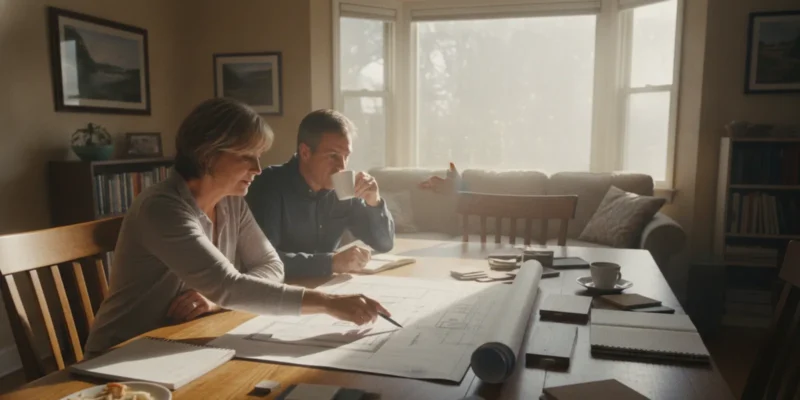
Home remodeling change orders Long Island homeowners receive can affect more than one selection. A request to move a wall, change a finish, or address an unexpected condition may alter the work, price, and schedule. The practical response is to pause, compare the proposal with the original scope, ask what else changes, and approve only when the revision is understandable and documented.
Contact Gappsi through our contact page
Posted by Gappsi Group
This article offers general project-planning information, not legal advice. Your signed agreement and local requirements determine the process that applies to your project. If a proposal raises a contract or dispute question, consider getting independent professional advice before you decide.
What is a remodeling change order?
A change order is a written record of a revision to the agreed project scope. It may add work, remove work, or replace an earlier specification. Examples include switching a tile selection, changing cabinetry, relocating a fixture, adding a built-in, or revising work after concealed conditions become visible.
The document should connect the proposed revision to the agreement, plans, or selection it changes. A conversation, text, or updated drawing can help explain the request, but on its own may not describe every effect. Check the contract for its change-approval procedure, required signatures, and any instructions for urgent site conditions.
It also helps to distinguish a request from an approved change. A homeowner may ask about an alternate finish without authorizing the work. Likewise, a contractor may explain a possible response to an unforeseen condition without the owner yet accepting the proposed scope or price. Keep those stages clear in messages and project records.
How should homeowners handle home remodeling change orders on Long Island?
Use a repeatable review process instead of making a rushed decision during a site conversation. The details will vary by project, but these steps create a useful basis for discussion:
- Pause and define the change. Write down what is different and what stays as originally planned. Name the room, feature, drawing, or selection involved. If the change responds to a site condition, ask what was found and why the current plan needs to be revised.
- Ask for a written proposal. Request a description of the revised work, materials or selections, price adjustment, and expected timing effect. Ask whether it supplements or replaces a specific part of the original agreement.
- Identify related work and exclusions. Check whether demolition, disposal, patching, painting, permits, protection, cleanup, or follow-up work is included, excluded, or unchanged. A connected task is not automatically part of the proposed change.
- Compare the proposal with the original scope. Locate the affected specification, drawing, allowance, or selection. If the revision was initiated by someone else, ask why it is proposed and whether there are alternatives.
- Resolve open questions before approval. Ask for clearer wording if the proposal leaves the quantity, finish, price basis, or schedule impact uncertain. Keep the question and answer with the proposal.
- Approve using the contract’s process. Follow the written procedure and retain the dated approval with the final version of the change. Avoid relying on an informal assurance that the missing details will be settled later.
For broad consumer information, the Federal Trade Commission website is a government resource. It is not a guide to the terms of your particular construction agreement, so use your contract and qualified advice for questions about your rights or obligations.
For projects that include connected indoor and outdoor work, it can be useful to make a clear list of affected spaces and decisions. Gappsi’s pages on pool remodeling and pool-house projects illustrate examples of project areas where one design choice may sit alongside other work. The relevant scope still needs to be stated in your own agreement.
Talk with Gappsi about your remodeling project
What should a change order include?
A useful change record lets someone who was not part of the conversation understand what was proposed and what was approved. Look for enough detail to identify the revision, its price effect, and its timing consequences. The following checklist can help you review the document before responding.
| Review item | What to verify | Question to ask |
|---|---|---|
| Scope | Work added, removed, or revised, with its location | Which original item or drawing does this change? |
| Materials | Product or agreed description, finish, size, and quantity when known | Does this match the selection we discussed? |
| Price | Added amount or credit, and what it covers | Are related tasks and allowances included? |
| Schedule | Expected effect on ordering, sequence, and milestones | Which dates or stages may move? |
| Responsibilities | Items assigned to the contractor, owner, or another party | Who is responsible for each open task? |
| Approval | Required written confirmation or signatures | What method does our agreement require? |
A bare total may not answer whether the amount includes the related work needed to complete the revision. If the proposal combines several tasks, ask whether it can identify the major components or explain the basis in plain language. The goal is not to demand one universal estimating format; it is to understand what you are accepting and how it relates to the agreed work.

How can you evaluate cost and schedule effects?
Review the proposed work and its knock-on effects separately. A different finish may have a material cost, but it could also change ordering, preparation, installation, or coordination with the next trade. Ask the contractor to explain the added work and any credit for work no longer needed, then compare the full revised scope with the original.
- Separate additions from credits. Ask what new work is being added, what original work is removed, and whether any allowance or deposit is being adjusted. Confirm whether the quoted figure is an increase, a replacement total, or another kind of adjustment.
- Ask what the price covers. Clarify labor, materials, delivery, removal, protection, finishing, and any other items that matter to the particular change. Do not assume that related work is included because it seems necessary to you.
- Trace the timing effect. Find out whether the revision affects ordering, demolition, installation, inspection, access, or later work. Ask which milestones might move and whether the schedule effect depends on a selection or delivery date.
- Consider alternatives fairly. If the proposal is more disruptive than expected, ask whether another material or approach could meet the same goal. Compare scope, appearance, maintenance needs, coordination, and timing, not just the initial price.
- Check dependencies. A revision in one area may affect an adjacent surface, trim, fixture, or finish. Ask what must also change so the finished result is complete, and whether those related items are in this proposal.
For example, imagine a homeowner wants to replace a specified floor tile after the installation date has been planned. Before approving, compare the original selection with the alternate, confirm the area and finish, ask whether the new material is available when needed, and clarify whether preparation or installation steps change. Then ask which following work depends on the floor being complete. This example does not predict a particular cost or delay; it shows the questions that make the proposal easier to evaluate.
When a revision crosses between indoor remodeling and exterior spaces, list the interfaces rather than assuming the scopes are interchangeable. Related Gappsi pages on patio projects and pool patios can provide context for outdoor project areas, while the proposal for your home should identify the exact work being changed.
What happens after a change is approved?
Approval is not the end of the recordkeeping. Compare the final signed version with the proposal you reviewed and make sure the approved scope, amount, and timing language are the same. If the parties revised the proposal during discussion, save the final copy and mark earlier drafts so nobody mistakes them for the current decision.
As work proceeds, use the approved change as a reference point. When the revised work begins, confirm that the room, material, or task matches the document. If the actual site condition or selected item differs from what the proposal describes, stop and ask whether another written revision is needed. Do not assume that a new difference is already covered by the earlier approval.
At closeout, check that completed changed work is reflected in the project records and that any remaining questions are resolved. This does not replace the contract’s payment or inspection procedures. It gives you a clear trail from the original scope to the approved revision and then to the work completed. A dated photo, marked drawing, or written completion note can help identify the result later, especially when the area will be covered by another finish.
When should you question or delay approval?
Ask for clarification before approving if the proposal does not identify the affected work, offers a total you cannot relate to the change, or leaves timing and dependencies unresolved. The same applies if the document conflicts with an earlier drawing, selection, or written commitment. A corrected proposal is a better decision record than a verbal promise to fill in details later.
Take particular care when the change is presented as urgent. Ask what needs attention immediately, what can wait for a written decision, and what evidence or explanation is available. If there is a condition behind a wall or beneath a finish, request a description and, where practical, photographs or a site review. Keep the discussion factual and distinguish observed conditions from proposed solutions.
If you believe a proposal conflicts with the contract, if responsibility is disputed, or if the financial effect is significant and unclear, consider pausing approval and seeking independent advice. A concise written question can keep the conversation focused: “Please identify the affected contract item and explain the revised work, price, and timing.” Avoid signing a document with blank fields or wording you do not understand.
How do selections and allowances affect changes?
A change may begin with a selection that differs from an allowance or earlier choice. First confirm what the contract says the allowance covers and which selection was included. Then ask how the replacement affects both the material and the work to install or finish it. The proposal should make clear whether the allowance is being adjusted and how the new amount is treated.
Keep selections specific enough to identify later. “Different tile” is not a complete record. Note the agreed product or description, size, finish, quantity if known, and the location where it will be used. If you are still comparing options, ask whether a decision date matters to ordering or the work sequence. Save the selection record with the related change order rather than in a separate place that is hard to find.
For a material change on a project that also includes exterior improvements, use the same discipline: identify the surface and location, record what is being replaced, and clarify the edge conditions or adjacent work. Pages about hardscaping and masonry offer examples of distinct work categories, but your change document should define your specific project rather than rely on a general category label.
How can you keep a reliable change-order record?
Use one project folder, digital or physical, for the signed agreement, drawings, selections, proposals, approvals, and related messages. Give each proposed change a date or simple reference number. Keep the approved version beside the original proposal so you can trace what was requested, what questions were answered, and what the parties accepted.
- Record who raised the change and the reason given.
- Save supporting photos, revised drawings, or selection details when relevant.
- Keep the written price and schedule explanation with the proposal.
- Mark unanswered questions and record when they are resolved.
- Store the approval in the same folder as the final change document.
- Compare later progress notes or invoices with the approved revision and raise differences promptly.
A short log can make a long project easier to follow. Use columns for date, change description, status, price effect, schedule effect, and file location. Mark an item as “requested,” “under review,” “approved,” or “not proceeding,” so a draft does not get confused with an authorization. For multiple decisions in one meeting, give each one a separate entry and attach the relevant drawing or selection.

Keep communication easy to search. Use a subject line or message heading that names the room and change, and refer to the same wording used in the proposal. After a meeting, send a brief recap of the decisions and open questions. If several people are involved in approvals, confirm who is authorized to make the decision under the agreement before treating a message as final.
Gappsi’s project archive and backyard project category show broader project contexts; use your own dated drawings and signed change records as the authority for your home’s agreed scope. For a remodeling conversation, the Gappsi contact page is the appropriate place to start.
What communication habits reduce confusion?
Choose a clear channel for project decisions and confirm important conversations in writing. Keep each message focused on one change where possible. Use the same names for rooms, selections, and plan details that appear in the contract or drawings. If terminology differs between a conversation and a proposal, ask the other person to confirm that both refer to the same item.
Before a meeting, prepare five questions: What is changing? Why is it proposed? What work is included or excluded? What is the price effect? What happens to timing? Add a sixth question when relevant: what decision is needed by what date? Afterward, send a short factual recap and invite corrections. This practice is especially helpful when you are comparing several options or when a change affects later work.
For example, a homeowner choosing between two cabinet finishes can record each option, the date a choice is needed, and any stated effect on ordering. That does not mean every choice changes the contract or schedule. It simply makes clear which issue is open and what information is needed to close it. If the choice changes the agreed scope, ask for the formal written record required by the contract.
Discuss your home remodeling project with Gappsi
Frequently Asked Questions
Can a homeowner request a change after work begins?
A homeowner can ask whether a revision is possible, but whether it can be accommodated and how it affects the agreement depend on the contract, project conditions, and timing. Ask for the revised scope and its cost and schedule effects before authorizing changed work.
Should I approve a change order verbally?
Follow the approval method stated in your contract and keep the decision in the required written form. A conversation can clarify the request, but it may not capture the full scope, price, schedule, and authorization in a record that can be checked later.
What if the change is needed because of a concealed condition?
Ask what was discovered, how it affects the planned work, and what response is proposed. Request available supporting information, such as photos, and review the revised scope, price, and timing. If the issue involves a disagreement about responsibility, consider independent advice before approving.
Can a change order affect the completion date?
Yes. A revision may affect ordering, work sequence, or coordination with later tasks. Ask which milestones may move and whether the stated timing depends on a selection, delivery, or other decision. Keep the explanation with the approved change record.
What should I do if a proposal is unclear?
Do not guess at missing scope or terms. Ask for a revised version that identifies the affected work, price effect, exclusions, schedule implications, and approval process. If the issue remains significant or disputed, consult an appropriate independent professional.
Plan the next step
Review each proposed revision against the agreement, ask direct questions about scope, cost, and timing, and keep the approved version with the project documents. A consistent written record helps everyone track what the project includes as work moves forward.
Contact Gappsi through our contact page to discuss your remodeling project
When every approved change is specific and easy to find, it is simpler to follow the agreed work through completion.