


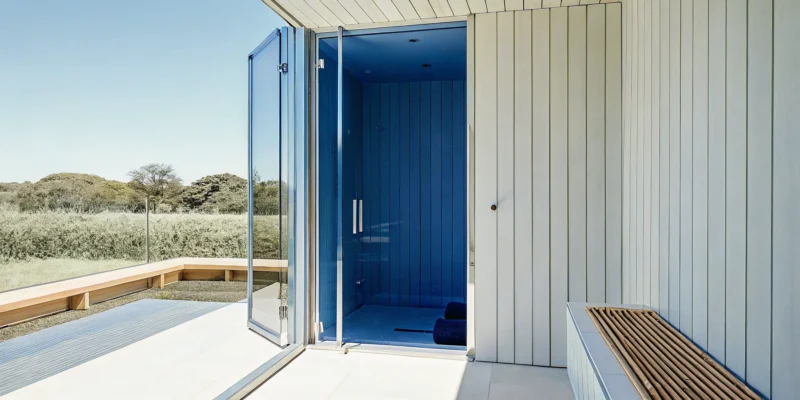
Many homeowners love the idea of a sauna but quickly dismiss it, thinking they don’t have enough space. The great news is that you don’t need a massive, custom-built room to enjoy the benefits of a home sauna. Modern units are designed to be surprisingly compact and can be installed in a variety of places, including basements, home gyms, or even spacious master bathrooms. The key is choosing the right model for your layout. A successful indoor sauna installation Long Island homes can accommodate starts with smart planning. This article will demystify the process, showing you how to find the perfect spot, prepare the area correctly, and select a sauna that fits your home and your wellness goals.
Key Takeaways
- Choose your sauna based on the experience you want: Decide if you prefer the intense, dry heat and steam of a traditional Finnish sauna, the gentle, direct warmth of an infrared model, or the high humidity of a steam room to match your wellness goals.
- Prioritize a professional installation for safety: A successful sauna project depends on correct electrical work, ventilation, and moisture protection, so hiring an expert is the best way to protect your home and ensure your sauna works perfectly.
- View your sauna as a wellness and home investment: Beyond the significant health benefits like stress relief, an indoor sauna provides year-round enjoyment and adds a unique, valuable feature to your home.
What Types of Indoor Saunas Can You Install?
Choosing to install a sauna in your home is an exciting step toward creating a personal wellness retreat. But with a few different types available, it’s helpful to understand what makes each one unique. The right sauna for you depends on the experience you’re looking for, the space you have available, and your wellness goals. Whether you dream of a classic steamy escape or a modern, gentle heat, there’s an indoor sauna that fits your lifestyle.
The main options you’ll come across are traditional Finnish saunas, infrared saunas, and steam rooms. Each one offers a distinct environment and set of benefits. Thinking about how you plan to use your sauna, from unwinding after a long day to recovering after a workout, will help guide you to the perfect choice. Gappsi offers a range of saunas and can help you find the ideal fit for your Long Island home. Let’s look at what defines each type so you can make a confident decision.
Traditional Finnish Saunas
If you picture a classic sauna experience, you’re likely thinking of a traditional Finnish sauna. These saunas use an electric or wood-burning stove to heat a pile of rocks, raising the room’s temperature to as high as 195°F. The defining feature is the ability to pour water over these hot rocks, which creates a burst of steam called “löyly.” This process adds a bit of humidity to the dry heat, allowing you to customize your session. Because of the high temperatures and specific heating elements, these saunas require careful planning for ventilation and insulation, making professional installation a must.
Infrared Saunas
Infrared saunas offer a more modern approach to heat therapy. Instead of heating the air around you, they use infrared heaters to warm your body directly. This results in a much lower ambient temperature, typically between 120°F and 140°F, which many people find more comfortable for longer sessions. Infrared saunas warm up quickly, use less energy, and often have simpler installation requirements. Some models can even plug into a standard household outlet. They are an excellent choice for anyone new to saunas or sensitive to high heat, and they can be seamlessly integrated into a larger home remodeling project.
Steam Rooms
Often grouped with saunas, steam rooms provide a completely different experience. While saunas produce dry heat, a steam room, or steam shower, is all about high humidity. A steam generator boils water and pumps the resulting vapor into the sealed, airtight room, creating a 100% humidity environment. The temperatures are lower than in a traditional sauna, usually around 110°F to 120°F, but the intense moisture makes you feel the heat profoundly. Steam rooms must be constructed with waterproof materials like tile and require a floor drain, so they are a more involved installation best handled by experts.
Which Type Is Right for You?
Deciding between these options comes down to personal preference. Do you crave the intense, dry heat and rustic ritual of a traditional sauna? Or does the idea of a gentler, deep-penetrating warmth from an infrared sauna sound more appealing? If you love a humid, tropical feeling that’s great for your skin and sinuses, a steam room might be your perfect match. Consider your available space, your budget, and what you hope to gain from your wellness routine. Each type offers a unique path to relaxation and health, and you can explore different models and materials at the Gappsi Store to see what inspires you.
Why Install an Indoor Sauna?
Thinking about adding a sauna to your Long Island home? It’s one of the best decisions you can make, not just for your property’s value but for your personal well-being. An indoor sauna is more than a simple luxury; it’s a dedicated space for relaxation, health, and year-round comfort. It transforms an underused part of your home, like a basement or spare room, into a personal retreat. Let’s look at the two biggest reasons why homeowners are choosing to install indoor saunas.
Health and Wellness Benefits
The health benefits of a sauna are a major reason people decide to install one. Regular sauna sessions can feel like hitting a reset button for your body and mind. The heat helps you sweat out toxins and improves blood flow, which is great for your heart and skin. If you deal with sore muscles or stiff joints after a workout or a long day, the warmth can provide incredible relief. Beyond the physical perks, a sauna offers a quiet escape to clear your head, reduce stress, and even promote better sleep. It’s your personal wellness sanctuary, available whenever you need it.
Increased Home Value and Year-Round Comfort
An indoor sauna is also a smart investment in your property. It’s a unique feature that adds significant appeal and can increase your home’s resale value. Unlike a pool, you can enjoy your sauna all year long, offering a warm escape during chilly Long Island winters. Modern saunas are designed to be energy-efficient, compact, and surprisingly easy to maintain. They can be installed in various indoor locations, such as a large bathroom, basement, or converted garage, making them a convenient and accessible upgrade for almost any home. This addition provides a touch of everyday luxury that both you and future buyers will appreciate.
How Much Does an Indoor Sauna Cost in Long Island?
Figuring out the budget for your dream sauna is a key step in bringing that vision to life. The total price tag is more than just the cost of the unit itself; it’s a combination of the sauna, professional installation, and any necessary preparations to your home, like electrical work. Think of it as an investment in your daily wellness and your property’s overall value. While the numbers can vary based on the type of sauna and the complexity of the project, understanding the breakdown can help you plan effectively and avoid any surprises along the way. Many homeowners find that the long-term health benefits and the simple luxury of having a personal retreat make it a worthwhile addition to their home.
At Gappsi, we believe in transparency from the start. We provide a full range of high-quality saunas and work with you to create a clear budget that aligns with your goals. To give you a clear picture, let’s walk through the main costs you can expect when installing an indoor sauna in your Long Island home. From the unit itself to the final electrical hookup, knowing what to budget for makes the entire process smoother and more enjoyable. We’ll help you account for every detail so you can focus on the exciting part: enjoying your new wellness space.
Sauna Unit Costs by Type
The first major component of your budget is the sauna unit. The price largely depends on whether you choose an infrared or a traditional model. Infrared saunas, which use light to create heat, typically range from $3,200 to $6,500. Traditional Finnish saunas, which heat the air with a stove and rocks, often cost between $4,000 and $10,000 or more. This price difference comes down to the materials, size, and technology involved. A larger, custom-built traditional sauna will naturally be at the higher end of the spectrum compared to a compact, pre-fabricated infrared unit.
Installation Fees and Labor
Once you’ve selected your sauna, the next cost to consider is professional installation. On Long Island, installation fees generally run from $400 to $1,500. This cost can fluctuate based on the sauna type and the complexity of the setup. A simple plug-in infrared sauna will be less expensive to install than a custom-built traditional sauna that requires assembly and specialized wiring. While a DIY approach might seem tempting, professional installation ensures your sauna operates safely and efficiently, protecting your investment. Our expert teams handle everything, making the process seamless as part of a larger home remodeling project or as a standalone installation.
Other Costs to Budget For
Beyond the unit and labor, a few other potential costs are important to factor into your budget. The most common is electrical work. A licensed electrician will need to ensure your home can safely power the sauna. For a basic infrared model, this might cost between $300 and $800. A traditional sauna often requires a dedicated 240V circuit, which could increase the cost. You may also need to budget for ventilation improvements, flooring upgrades to handle moisture, or minor framing if you’re creating a dedicated sauna room. Discussing these details upfront ensures your final quote is comprehensive and accurate.
How to Prepare Your Home for a Sauna
Bringing a sauna into your home is an exciting step toward daily relaxation and wellness. Before you start picking out the perfect model, it’s important to make sure your house is ready for it. A successful installation goes beyond just finding an open corner. It involves thinking about the right location, your flooring, ventilation, and the electrical setup. Getting these details right from the start ensures your sauna will be a safe, long-lasting retreat you can enjoy for years.
Finding the Right Space
The first step is deciding where your new sauna will live. You’ll need a spot that is both convenient and structurally sound. Many homeowners choose to install saunas in basements, home gyms, or even spacious master bathrooms. Think about how you plan to use it. Do you want it close to a shower for a post-sauna rinse? Or perhaps in a more secluded area for quiet relaxation? The ideal location will have enough clearance around the unit for proper airflow and maintenance access. If you’re considering a larger project, a home remodeling expert can help you integrate a sauna seamlessly into your existing floor plan.
Checking Your Flooring and Ceiling
Once you have a location in mind, take a look at the floor and ceiling. Indoor saunas should only be installed on a flat, level, and waterproof surface. Concrete, tile, or vinyl flooring are all excellent choices. You should never place a sauna on carpet, as it can trap moisture, lead to mold and odors, and even become a fire hazard. As for the ceiling, a height of about seven feet is ideal. This allows the sauna to heat up efficiently and maintain a consistent temperature. If your ceilings are higher, we may need to do some additional planning to ensure optimal performance.
Planning for Electrical and Ventilation
Proper electrical and ventilation planning is non-negotiable for a safe and functional sauna. Most saunas require a dedicated 220v or 240v circuit, which must be installed by a licensed electrician to meet safety standards. This isn’t a DIY project. Ventilation is equally important. A good ventilation system ensures a fresh supply of air, helps regulate the temperature, and prevents moisture buildup in your home. We always make sure to allow for proper clearance at the ceiling for airflow, creating a comfortable and safe environment for your sauna sessions.
Installing Moisture Barriers and Insulation
To protect your home from the heat and humidity a sauna produces, installing the right barriers is key. A vapor barrier is installed on the “warm” side of the insulation (inside the sauna) to prevent moisture from seeping into your walls and causing damage. This is a critical step for any indoor sauna. Proper insulation is also essential for efficiency. It helps the sauna heat up quickly, retain its temperature, and operate without using excess energy. High-quality insulation and moisture barriers are fundamental to a well-built sauna that stands the test of time.
Understanding Local Building Codes
Finally, any significant home improvement project needs to comply with local building codes, and sauna installations are no exception. These regulations exist to ensure your safety and the structural integrity of your home. The requirements can vary depending on your location in Long Island, covering everything from electrical wiring to ventilation standards. Working with an experienced team like Gappsi takes the guesswork out of this process. We handle all the necessary permits and inspections, ensuring your new sauna is not only beautiful and relaxing but also completely compliant and safe for your family to enjoy.
Top Indoor Sauna Brands We Recommend
Choosing a sauna brand can feel overwhelming, but after years of installations, we’ve learned which companies consistently deliver on quality and performance. When you invest in a home sauna, ensuring it integrates perfectly into your home. Here are a few of the top-tier brands we trust and recommend to our clients on Long Island.
Finnleo
When it comes to authenticity and performance, Finnleo is a leader in the industry. What we appreciate most about them is their commitment to quality that you can verify. They stand behind their products with independent, hands-on testing, which means reviewers have actually assembled, used, and measured the performance of their saunas. This transparency gives you peace of mind, knowing you’re getting a product that lives up to its promises. Finnleo offers a wide range of traditional Finnish and infrared saunas, all built with exceptional materials and an attention to detail that ensures a superior and lasting experience.
Sun & Soul
If you love the idea of a sauna but find the intense heat of traditional models a bit much, Sun & Soul is an excellent choice. This brand specializes in infrared saunas that offer a different kind of warmth. Instead of heating the air around you, their saunas use far infrared heat to warm your body directly. This results in a gentler, more comfortable session without sacrificing the wellness benefits. Their designs are sleek and modern, making them a stylish addition to any home. Sun & Soul provides a great way to enjoy deep, penetrating heat at a lower, more tolerable air temperature.
ThermoSpas
While many homeowners know ThermoSpas for their high-quality hot tubs and swim spas, their dedication to wellness and relaxation extends to their saunas as well. This brand has built a strong reputation on creating durable, user-friendly products designed for long-term enjoyment. Their saunas are crafted with the same commitment to quality materials and reliable performance that defines their entire product line. Choosing a ThermoSpas sauna means you are investing in a brand known for its engineering and customer support. They offer a solid option for anyone looking for a dependable and effective addition to their home wellness routine.
Common Sauna Installation Mistakes to Avoid
Installing an indoor sauna is an exciting home improvement project, but a few common missteps can turn your dream retreat into a source of stress. Getting the installation right from the start is the key to ensuring your sauna is safe, efficient, and lasts for years to come. A poorly planned project can lead to everything from moisture damage in your walls to electrical hazards. By understanding the most frequent mistakes homeowners make, you can avoid costly repairs and enjoy the full benefits of your new wellness space without any worries.
Hiring a professional team ensures every detail is handled correctly, from the foundation to the final wiring. An expert can help you select the right unit, prepare the space properly, and manage all the technical requirements. This not only guarantees a flawless final product but also gives you peace of mind. Let’s walk through the most common installation mistakes and how you can avoid them to protect your investment and your home.
Choosing the Wrong Sauna for Your Space
A common worry is that an indoor sauna requires a massive amount of space, but that’s not always the case. Many modern saunas are designed to be compact and efficient. The mistake isn’t a lack of space, but rather choosing a unit that doesn’t fit the space you have. Squeezing a large sauna into a small room can block ventilation and create a fire hazard, while a sauna that’s too small for its intended use won’t be comfortable. Before you buy, measure your chosen area carefully, paying close attention to ceiling height. An expert consultation can help you find the perfect model that fits your room and your wellness goals seamlessly.
Skipping Proper Ventilation and Moisture Barriers
This is one of the most critical mistakes to avoid. An indoor sauna produces significant heat and steam, and without a way to manage it, you’re inviting moisture-related problems like mold, mildew, and even structural rot. Indoor saunas require robust moisture and vapor barriers along with a powerful exhaust system to protect your home. Unlike an outdoor unit with natural air exchange, an indoor installation needs to be meticulously sealed and ventilated. Skipping this step to save a little money upfront will almost certainly lead to expensive home remodeling and repairs down the road. Proper preparation is essential for your sauna’s longevity and your home’s integrity.
Underestimating Electrical Requirements
A sauna is not a plug-and-play appliance. Most traditional and infrared saunas require a dedicated 220V or 240V circuit, which must be installed by a licensed electrician. Attempting to run a sauna on a standard household circuit is a serious fire risk and will constantly trip your breaker. It’s also important to place your sauna on a suitable, non-carpeted surface like tile, concrete, or vinyl. You must also allow for proper ventilation clearance at the ceiling to prevent overheating. Prioritizing the correct electrical setup is non-negotiable for a safe and functional sauna experience.
Attempting a Full DIY Installation
While the DIY spirit is admirable, a sauna installation is a complex project that’s best left to the professionals. A poorly planned installation can cause a host of problems. For example, improper insulation can allow heat to seep into surrounding walls, causing materials to warp or crack over time. A successful installation requires a combination of skills, including carpentry, electrical work, and an understanding of ventilation systems. Hiring an experienced team like Gappsi isn’t just an extra cost; it’s an investment in safety, quality, and peace of mind, ensuring your sauna is a lasting source of relaxation, not regret.
Start Your Sauna Project with Gappsi
Thinking about adding a sauna to your home is exciting. It’s more than just a luxury item; it’s an investment in your daily wellness routine. If you’re worried about where it might fit or what the process involves, you’re not alone. These are common questions, and we are here to guide you through every step. We believe creating your personal retreat should be a smooth and rewarding experience, turning your vision into a reality without the stress.
One of the best things about modern indoor saunas is their flexibility. You don’t need a dedicated, custom-built room to enjoy one. Many homeowners find the perfect spot in a basement, a spare guest room, or even a section of their garage. These areas often have the necessary electrical access and protection from the weather, which simplifies the installation. We can help you assess your space and find the ideal location for your new sauna.
Your sauna should fit your lifestyle, not the other way around. That’s why we focus on creating tailored designs that work for your specific needs and available space. A compact 4’ x 6’ unit is great for personal use or cozy seating for two. A 6’ x 8’ sauna works well for small groups or families, while an 8’ x 10’ model can become the centerpiece of a larger wellness room. We’ll work with you to choose the perfect size and features.
To ensure your sauna remains a beautiful and functional sanctuary for years, a little care goes a long way. We always recommend wiping down the interior surfaces after you use it. This simple habit prevents residue from building up and keeps the wood looking fresh. When you partner with Gappsi, you’re not just getting a high-quality product; you’re getting a team dedicated to your long-term satisfaction and well-being.
Related Articles
- Long Island Sauna Installation: A Complete Guide
- The Ultimate Long Island Sauna Installation Guide
- Find the Best Infrared Sauna Installer Long Island
- SaunaLife Saunas Long Island: A Buyer’s Guide
- Custom Cedar Sauna Long Island: The Ultimate Guide
Frequently Asked Questions
What kind of maintenance does an indoor sauna require? You’ll be happy to know that maintaining an indoor sauna is surprisingly simple. The most important habit is to wipe down the benches and backrests with a damp cloth after you use them to keep the wood fresh. For a deeper clean, you can use a mild soap and water solution every few months. It’s also a good idea to periodically check that the heater and stones (in a traditional sauna) are in good working order, but overall, it’s a low-maintenance addition to your home.
Are the health benefits of an infrared sauna different from a traditional one? While both types of saunas promote relaxation and wellness, they work in slightly different ways. A traditional Finnish sauna uses high air temperature to create an intense sweat, which is excellent for flushing toxins and relieving muscle soreness. An infrared sauna uses light to heat your body directly, allowing for a deep, penetrating warmth at a lower temperature. Many people find this gentler heat is ideal for soothing joint pain and enjoying longer, more meditative sessions.
How much will a sauna affect my monthly electricity bill? This is a great question, and the answer is often less than people think. Modern saunas are designed to be quite energy-efficient. The exact cost will depend on your sauna’s size, type, and how often you use it, but think of it as similar to running another major appliance, like a clothes dryer. Infrared saunas are particularly efficient as they heat up quickly and use less power than traditional models.
Can I really put a sauna anywhere, like in my master bathroom or basement? Yes, those are two of the most popular spots. The main requirements for a safe installation are a solid, level, and waterproof floor (like concrete or tile), adequate ventilation, and proper electrical access. A basement, home gym, or even a spacious bathroom can be a perfect location. During a consultation, we can assess your preferred spot to make sure it meets all the safety and performance needs for your new sauna.
I’m interested, but the process seems complicated. What is the first step? The best first step is simply to have a conversation about what you’re looking for. A professional consultation can help demystify the process. We can talk about your wellness goals, look at the space you have in mind, and walk you through the different sauna types and costs. This initial chat helps you understand what’s possible for your home and budget, making the whole project feel much more manageable.