


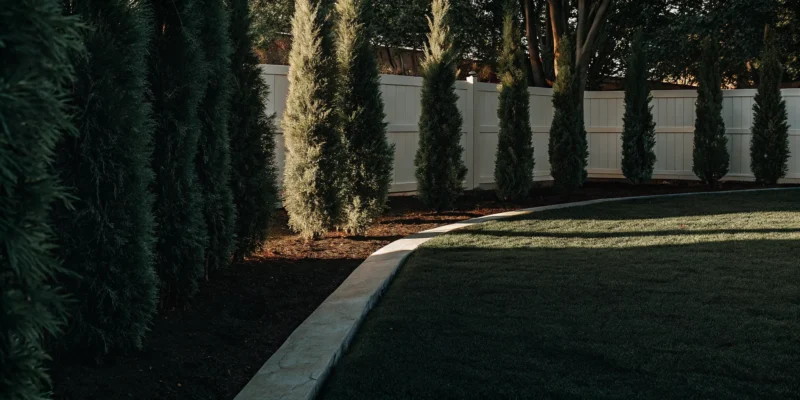
Creating a thriving privacy hedge on Long Island means working with our specific environment, not against it. From sandy soil near the coast to varying sun exposure, our local conditions demand careful tree selection. Choosing an evergreen that isn’t suited for your yard can lead to a sparse, unhealthy screen. This guide is packed with local expertise to help you pick the perfect fast-growing evergreens that will flourish right here. We’ll share which species stand up to our seasons and explain the importance of proper planting techniques. A successful privacy evergreen installation Long Island depends on this local knowledge, ensuring your new living fence becomes a beautiful, lasting asset for your home.
Key Takeaways
- Match the tree to your yard: Before you buy, assess your property’s sunlight, soil, and available space. Choosing an evergreen that naturally thrives in your specific conditions is the most important step for a healthy privacy screen.
- Give your trees the right start: How you plant is just as important as what you plant. Avoid common mistakes like planting too deep or too close together, and be sure to water thoroughly to help the roots establish.
- Consider professional help to protect your investment: Hiring an expert team ensures your trees are planted correctly from day one, preventing costly issues down the road. It’s the best way to guarantee your living fence flourishes for years.
Choosing the Best Fast-Growing Evergreen Trees for Privacy on Long Island
Creating a private backyard retreat on Long Island starts with the right foundation. While fences are a great option, a living wall of evergreen trees offers a beautiful, natural alternative that grows with you. The key is choosing trees that not only grow quickly but also thrive in our specific climate and soil conditions. A well-planned privacy screen can do more than just block a neighbor’s view; it can reduce noise, define your property lines, and add significant value and curb appeal to your home. With the right selection, you can create a lush, green sanctuary that feels like your own private escape.
Our team can help you with a complete landscape design that incorporates the perfect trees for your yard. We consider your property’s unique layout, sun exposure, and soil type to recommend the best options. Below are five of the best fast-growing evergreens that we often recommend for creating privacy on Long Island properties. Each one has unique characteristics, from growth speed to foliage texture, so you can find the perfect match for your home’s style and your family’s needs.
Arborvitae (Green Giant)
The Green Giant Arborvitae is a true champion of privacy screens, and for good reason. It’s one of the fastest-growing evergreens you can plant, often shooting up three to four feet per year once it’s established. This rapid growth means you won’t have to wait long for a dense, living wall. Its foliage is a rich green that stays vibrant all year, forming a thick barrier that effectively blocks sightlines and muffles sound. The tree’s natural conical shape creates a neat, uniform hedge with minimal pruning, making it a low-maintenance choice for a polished look.
Leyland Cypress
If you need a tall, dense screen in a hurry, the Leyland Cypress is another fantastic option. Like the Green Giant, it can grow up to four feet a year, quickly forming a formidable privacy barrier. Its foliage has a soft, feathery texture that creates a full, lush appearance. Leyland Cypress trees are also quite adaptable and can handle a variety of soil conditions found across Long Island. They are an excellent natural alternative or complement to traditional fences and netting, providing a green backdrop that enhances the sense of seclusion in your backyard.
Eastern Red Cedar
For a hardy and resilient choice that brings a touch of rustic beauty, consider the Eastern Red Cedar. This native tree is incredibly tough and well-suited to Long Island’s environment, tolerating everything from sandy soil to windy conditions. Its dense foliage provides excellent year-round screening, and its attractive blue-green needles add unique color and texture to your landscape. As a native species, it’s also a wonderful choice for supporting local wildlife. The Eastern Red Cedar is perfect for creating a more natural, less formal privacy screen that blends seamlessly with its surroundings.
Skip Laurel
Skip Laurel offers a different look from the typical tall, conical evergreens, making it a versatile choice for privacy. This evergreen shrub features beautiful, glossy dark green leaves that create a lush, dense hedge. It’s an excellent option for smaller yards or for creating a lower screen, as it can be easily pruned and shaped to your desired height and form. The Skip Laurel’s polished appearance provides an elegant backdrop for patios, pools, and garden beds. Its ability to thrive in both sun and partial shade makes it a flexible and reliable addition to any landscape design.
American Holly
American Holly is a classic choice that delivers both privacy and timeless beauty. Its dense, spiny leaves create an effective year-round screen that is difficult to penetrate. But the real showstopper is the vibrant display of bright red berries that appear on female plants in the fall and winter, providing a stunning contrast against the deep green foliage and a food source for birds. This tree offers a traditional, elegant look that enhances your property’s curb appeal while serving a practical purpose. It’s a wonderful way to add seasonal interest to your privacy screen.
What Are the Benefits of Privacy Evergreens?
Planting a row of evergreen trees does more than just create a green wall around your yard. It’s a strategic investment that offers a surprising number of perks, transforming your outdoor area from an open space into a personal retreat. Unlike a fence that can feel stark or a deciduous hedge that loses its leaves in the fall, evergreens provide a lush, living barrier that works for you all year long. They soften the edges of your property, add texture and color to your landscape, and solve some of the most common frustrations for homeowners on Long Island.
From creating a peaceful atmosphere to improving your home’s overall look, the benefits are well worth considering. A thoughtful landscape design incorporating these trees can completely change how you experience your outdoor space. Think of them as the foundation of your backyard oasis. They can screen an unsightly view, provide a beautiful backdrop for a flower garden, or create a cozy enclosure for a patio or seating area. This natural solution integrates seamlessly into your yard, adding value and function without the harsh lines of man-made structures. It’s about creating a space that feels both private and connected to nature.
Enjoy Year-Round Privacy and Less Noise
One of the biggest advantages of privacy evergreens is right in the name: privacy. A dense row of evergreens creates a natural screen that shields your yard from the view of neighbors and passersby. This allows you to fully enjoy your backyard, whether you’re relaxing by your swimming pool or hosting a family barbecue. Beyond visual privacy, these trees are excellent at absorbing sound. Their thick foliage helps muffle the noise from busy roads, nearby schools, or barking dogs, making your outdoor space a more serene and peaceful sanctuary. Because they keep their needles year-round, you get to enjoy this quiet seclusion through every season.
Define Your Property and Add Curb Appeal
Evergreen trees are a beautiful and effective way to mark your property lines. They establish a clear, natural boundary that feels much softer and more inviting than a traditional fence. This living border adds structure and dimension to your yard, creating a polished and well-maintained appearance. The right trees can significantly improve your home’s curb appeal, framing your property with lush greenery that looks great from the street. A well-placed evergreen hedge can also create distinct “rooms” within your yard, separating a play area from a quiet garden or screening a utility space from view.
Create a Habitat for Local Wildlife
When you plant privacy evergreens, you’re not just improving your own space; you’re also giving back to the local ecosystem. These trees provide vital shelter and food for a variety of birds and small animals, especially during the harsh winter months. Their dense branches offer protection from predators and the elements, while their cones or berries can be a food source. Welcoming wildlife adds another layer of life and interest to your garden. Watching birds flit between the branches brings a dynamic and natural beauty to your backyard, connecting your personal landscape to the wider environment around you.
How to Choose the Right Privacy Evergreen
Picking the right evergreen for your privacy screen is about more than just finding a tree that looks nice at the nursery. To create a lush, living wall that lasts for decades, you need to play matchmaker between the tree and your property. The perfect evergreen for your neighbor’s yard might not be the right one for yours. Thinking about this now saves you from the future frustration of a struggling, sparse hedge that doesn’t offer much privacy at all.
The key is to consider a few essential factors before you start digging. You’ll want to look at your yard’s specific conditions, like how much sun it gets and what the soil is like. You also need to think about the future, picturing how big these trees will get and how much space they’ll need to grow healthy and strong. Finally, a quick check of local rules can prevent any surprises down the road. Taking the time to walk through these steps ensures you invest in trees that will not only survive but thrive, giving you the beautiful, natural privacy you’re looking for. A well-planned evergreen screen can perfectly complement your entire outdoor design, from a new swimming pool to a cozy patio.
Check Your Soil, Drainage, and Sunlight
Before you fall in love with a specific type of tree, take a good look at your yard’s environment. Most evergreens need at least six hours of direct sunlight per day to flourish, so spend a day tracking the sun’s path across the area you want to plant. Some trees, like American Holly, can tolerate partial shade, but sun-lovers like Leyland Cypress will struggle without enough light. Good drainage is just as important, as very few trees can survive in soggy soil where their roots can’t breathe. You can get a feel for your soil’s drainage after a heavy rain. If you see standing water for hours, you may need to amend the soil. Our landscape design team can help you assess your property’s unique conditions to find the perfect match.
Consider the Tree’s Mature Size and Spacing Needs
It’s easy to underestimate how large a small sapling will become. That cute little tree can quickly grow to tower over your yard, and planting it too close to your house, a fence, or other trees can cause major issues later. For example, a Green Giant Arborvitae can grow up to 40 feet tall and 15 feet wide. When you’re planning your privacy screen, always use the tree’s mature size to guide your spacing. Planting them too close together prevents air from circulating, which can lead to disease, and forces them to compete for sunlight and water. Proper spacing is also vital when integrating trees with hardscape elements like pavilions and pergolas, ensuring roots don’t disrupt the foundation.
Review Local Zoning and HOA Rules
A final but critical step is to check for any local regulations that might affect your planting plans. Some towns and villages on Long Island have ordinances that dictate how tall a hedge can be or how far it must be set back from property lines. If you live in a community with a homeowner’s association (HOA), they might have even more specific rules about which tree species are allowed. A quick call to your local town hall or a review of your HOA documents can clear up any questions. Taking a few minutes to do this homework protects your investment and ensures your beautiful new privacy screen complies with all local guidelines. As a company experienced in home remodeling, we know how important it is to follow local codes from the start.
What Does Privacy Evergreen Installation Cost on Long Island?
Understanding the budget for your privacy screen is a key first step. While every project is unique, you can generally expect the total investment for a complete backyard privacy screen on Long Island to fall between $2,500 and $5,000. This range covers the trees, professional installation, and initial soil preparation needed to create an effective natural barrier. The final price depends on the length of the area you want to screen, the type of trees you select, and their initial size. A longer fence line or taller, more mature trees will naturally place your project at the higher end of that spectrum.
Think of this as an investment not just in privacy, but in the overall value and enjoyment of your home. A well-designed evergreen screen adds year-round beauty, reduces noise, and creates a peaceful sanctuary in your backyard. It’s a living fence that grows with you. At Gappsi, our landscape design experts can work with you to create a detailed plan and provide a precise quote tailored to your property and goals. We help you select the right trees and design a layout that provides the privacy you want within a budget that works for you. We’ll walk you through all the options so you can feel confident in your decision.
Cost per Tree
The price for individual privacy trees on Long Island typically ranges from $150 to $400 each. This variation comes down to two main factors: the tree’s species and its size at the time of planting. For example, a younger, smaller Arborvitae will be on the lower end of the price scale, while a taller, more mature Leyland Cypress will cost more. Opting for larger trees gives you more immediate privacy, while smaller trees are a great budget-friendly choice if you have some time to let them grow into a full screen. We source healthy, high-quality trees to ensure your new privacy screen gets the best possible start.
Professional Installation Fees
Hiring a professional team for your evergreen installation is about more than just digging holes. The installation fee covers the team’s expertise in site evaluation, soil amendment, and most importantly, proper planting techniques. Our Gappsi installers ensure each tree is planted at the correct depth and with the right spacing to grow into a dense, healthy screen without gaps or future crowding issues. Paying for professional landscape construction protects your investment by preventing common DIY mistakes that can harm the trees and ruin the final look. It’s the best way to guarantee your privacy screen thrives for years to come.
Long-Term Maintenance Costs
Once your beautiful evergreen screen is installed, you’ll want to plan for its long-term care. Ongoing maintenance costs are generally low but essential for keeping your trees healthy and lush. This includes regular watering, especially during the first year, as well as seasonal fertilizing and pruning to maintain the desired shape and size. A healthy tree is also better at resisting pests and diseases. Proper installation and initial care can significantly reduce future problems, making the upfront investment in professional services a smart financial decision. We can also provide guidance on how to best care for your specific trees after the project is complete.
How to Plant Privacy Evergreens Correctly
Choosing the right evergreen is a great first step, but how you plant it is what truly sets the stage for its future. Proper installation is crucial for helping your new trees establish strong roots, grow quickly, and build resilience against pests or drought. Think of it as giving your investment the best possible start. A little extra care during planting pays off with a lush, healthy privacy screen that will grace your property for years.
Following the correct procedure can be the difference between a row of struggling, sparse trees and a dense, vibrant green wall. It involves more than just digging a hole and dropping in a tree. You need to consider the timing, the soil conditions, and the specific needs of the evergreen you’ve chosen. Getting these details right ensures your trees don’t just survive their first year, they actively thrive. Our team at Gappsi has perfected this process through years of landscape design and installation across Long Island. We’ll walk you through the key steps to plant your privacy evergreens correctly, so you can enjoy a beautiful and functional addition to your yard.
Prepare Your Soil and Pick the Right Time
Timing your installation with Long Island’s seasons is critical for success. The best times to plant are in the spring, after the last frost, or in the early fall. This gives the roots time to establish before the stress of summer heat or winter cold sets in. Planting during these milder periods dramatically affects your tree’s long-term growth.
Before you dig, assess your soil. Most evergreens prefer well-draining, slightly acidic soil. You can amend heavy clay soil with compost to improve drainage and add nutrients. Dig a hole that is two to three times wider than the tree’s root ball but only as deep. This wide, shallow hole encourages the roots to spread out horizontally, creating a strong foundation for the tree.
Get the Planting Depth and Spacing Right
One of the most common planting mistakes is digging the hole too deep. When you place the tree, the top of the root ball should sit level with or even slightly above the surrounding ground. This prevents the trunk from being buried, which can lead to rot.
Once the tree is in place, backfill the hole with the soil you originally removed. Gently firm the soil around the root ball to eliminate large air pockets, but avoid packing it down too tightly. Proper spacing is just as important. Check the mature width of your specific evergreen variety and plant each tree far enough apart to allow for its future growth. This ensures good air circulation and prevents competition for sunlight and water.
How to Water and Mulch After Planting
After planting, your evergreens need consistent care to help them settle in. Water them thoroughly right away. For the first year, use a slow, deep watering technique, especially during dry periods. This means letting a hose trickle at the base of the tree for about 30 minutes. This method encourages deep root growth, making the tree more stable and drought-tolerant over time.
Applying a layer of mulch is another essential step. Spread a two to three-inch layer of organic mulch, like wood chips or pine bark, around the base of the tree. This helps the soil retain moisture, regulates its temperature, and keeps weeds at bay. Just be sure to leave a small gap between the mulch and the tree trunk to prevent moisture buildup and potential disease.
Common Planting Mistakes to Avoid
Planting a privacy screen is a significant investment of time and money, so you want to get it right from the start. While it’s exciting to see your new trees in the ground, a few simple missteps can unfortunately lead to a weak, unhealthy hedge. Knowing what not to do is just as important as following the correct steps. By avoiding these common planting mistakes, you give your evergreens the best possible chance to thrive and create the beautiful, living fence you envisioned for your Long Island home. Let’s walk through the most frequent errors we see and how you can easily sidestep them.
Planting Too Deep
This is one of the most common, and most damaging, mistakes you can make. When a tree is planted too deep, its root flare (the spot where the trunk widens to meet the roots) gets buried. This suffocates the roots, cutting them off from the oxygen they need to grow strong. The result is a stressed tree that’s more vulnerable to pests and disease. To avoid this, find the root flare before you place the tree in the hole. It should sit slightly above the surrounding ground level. After you backfill the soil, do so firmly but avoid compacting it, which can also restrict oxygen and water flow.
Not Leaving Enough Space
It’s tempting to plant young evergreens close together for instant privacy, but this strategy will backfire. Trees need room to grow, both above and below ground. When they’re crowded, they compete for sunlight, water, and nutrients, leading to stunted growth and sparse foliage. Poor air circulation between crammed branches also creates a perfect environment for fungal diseases. Always check the mature width of your chosen tree species and space them accordingly. A little patience now will reward you with a much healthier, fuller, and more effective privacy screen in the long run. Proper landscape design accounts for this future growth from day one.
Choosing the Wrong Tree for Your Yard
Not every evergreen is suited for every Long Island yard. A tree that needs full sun will struggle in a shady corner, while one that prefers dry soil will fail in a damp, poorly drained area. Selecting a tree that isn’t compatible with your specific conditions is a recipe for disappointment. Before you buy, take an honest look at your property. How much direct sunlight does the area get? Is the soil sandy, loamy, or clay-heavy? Choosing the right tree for your environment is the single most important decision you’ll make. This ensures your investment grows into a healthy, beautiful asset rather than a constant source of frustration.
Skipping Soil Prep
Healthy trees start with healthy soil. Long Island’s soil composition can vary greatly, from sandy stretches to dense clay, and simply digging a hole and dropping in a tree isn’t enough. Proper soil preparation is essential for establishing a strong root system. This might involve amending the soil with compost or other organic matter to improve its structure, drainage, and nutrient content. Taking the time to prepare the planting area gives your evergreens the foundation they need to access water and nutrients efficiently. This crucial step supports vigorous growth and long-term stability, making your privacy screen more resilient for years to come.
Long-Term Care for Your Privacy Evergreens
Planting your evergreen privacy screen is a huge step, but the journey doesn’t end there. To keep your trees healthy, lush, and beautiful for years to come, you’ll need a solid long-term care plan. Think of it as protecting your investment. Consistent care ensures your trees grow strong, provide excellent privacy, and continue to add value to your property. Proper maintenance helps them withstand Long Island’s seasonal changes, from hot, dry summers to windy winters. With a little attention, your living fence will thrive and become a seamless part of your outdoor oasis.
Your Watering and Fertilizing Schedule
Especially during their first couple of years, your evergreens will count on you for water. New plants need regular watering to establish strong roots. During dry spells, a slow, deep watering is much better than a quick sprinkle, as it ensures moisture reaches the entire root system. As for fertilizer, evergreens don’t need much. A light application in the spring can be helpful, but you should avoid fertilizing during the winter months. Our landscape design experts can always help create a custom care schedule that works for your specific trees and soil conditions.
Pruning and Shaping for Health and Appearance
Pruning is about more than just looks; it’s vital for the health of your trees. A light trim can be done in late fall, around November, to shape the trees and remove any unruly branches. It’s also a good idea to inspect your evergreens after big storms for any cracks or hanging limbs that could become a problem. When you add mulch, be sure to keep it a few inches away from the trunk. Piling mulch directly against the base, a common mistake known as a “mulch volcano,” can trap moisture and lead to rot.
How to Manage Pests and Diseases
The best way to handle pests and diseases is to prevent them from taking hold in the first place. Make a habit of regularly inspecting your trees for any signs of trouble, like discolored needles, unusual spots, or insect activity. Healthy, well-watered trees are naturally more resistant to problems. If you do spot something concerning, acting quickly can prevent it from spreading. For persistent issues, our commitment to maintaining every aspect of your property means we can recommend the best course of action to protect your beautiful green screen.
Why Hire a Professional for Your Evergreen Installation?
While tackling a weekend project yourself can be satisfying, planting a privacy hedge is one of those jobs where professional expertise really pays off. A professional landscape designer does more than just dig holes; they create a living wall that enhances your entire property. They can help you plan the perfect layout, ensuring your new hedge provides the privacy you need without feeling cramped or out of place. More importantly, they bring an expert eye for plant selection. They know which evergreens will thrive in your specific corner of Long Island, taking into account your soil type, sun exposure, and even salty air if you’re near the coast.
This professional guidance is the key to achieving a healthy, vibrant privacy screen that looks great from the moment it’s installed. They understand the nuances of root systems, how to avoid underground utilities, and how to space trees for optimal growth. A pro will also source high-quality, healthy trees from reputable nurseries, giving your hedge a head start. Plus, a seasoned expert can offer invaluable advice on ongoing care, helping you keep your investment looking its best. Think of it as getting a partner in your project, someone whose goal is to see your vision come to life and flourish for years.
What to Look for in a Local Landscaping Company
When you’re ready to find a partner for your project, look for a local company that values clear communication. A reliable team will be responsive to your questions and should offer a free, detailed estimate in a timely manner. You want a company with a skilled staff who can confidently guide you on the best planting and maintenance practices for your evergreens. Since you’re investing in your home, it’s also smart to choose a company that is officially approved and has a deep understanding of the plants that do well in the Long Island climate. Their local knowledge is what makes the difference between a hedge that survives and one that truly thrives.
Protect Your Investment with Professional Installation
Think of professional installation as an insurance policy for your new evergreens. You’re making a significant investment in the trees themselves, and proper planting is absolutely vital for their long-term health and survival. A common and costly mistake homeowners make is planting trees too deeply, which can suffocate the roots and doom the plant before it ever has a chance to establish itself. By hiring experts, you can sidestep these kinds of pitfalls. Professionals have the experience to ensure every tree is planted at the correct depth and with the right techniques, giving your privacy hedge the strongest possible start. This is how you make sure your beautiful new green screen flourishes for many years to come.
Beyond Privacy Trees: Transform Your Outdoor Space with Gappsi
A beautiful row of evergreens is a perfect start to creating a private backyard retreat. But why stop there? Your privacy screen can be the backdrop for a complete outdoor living area that feels like a true extension of your home. Instead of just blocking a view, you can create a destination. At Gappsi, we specialize in looking at the entire picture, helping you design a cohesive space where every element works together beautifully. It’s about transforming your yard from a simple patch of grass into your family’s favorite place to relax, entertain, and play.
Imagine stepping out onto a stunning patio made from elegant porcelain and natural stone pavers, with a custom-built outdoor kitchen nearby. We can design and build everything from serene swimming pools and water features to cozy fire pits that invite conversation on cool evenings. For shade and architectural interest, a stylish pavilion or pergola can define a seating or dining area. If you want to add more activity to your yard, we can even install professional-grade synthetic turf for a low-maintenance lawn or create custom sports games courts for endless family fun.
The best part is that you don’t have to coordinate a dozen different contractors to make it happen. Gappsi offers a complete design-to-build experience, managing your project from the initial concept to the final walkthrough. We start with a consultation to understand your vision and then create detailed 3D designs so you can see exactly how your new space will look. Our team of experts handles every detail of the construction, ensuring your project is completed smoothly and to the highest standards. Your backyard has incredible potential, and we’re here to help you realize it.
Related Articles
- Deciduous Trees Have Arrived on Long Island
- Names of the Plants and Trees I Would Like | Long Island
- Landscaped Sloped Entrances: Ground Covers, Shade Trees Long Island
- Deciduous Trees Nurseries Long Island
- Plants for Backyard Landscape Long Island
Frequently Asked Questions
How long until my evergreen trees actually provide privacy? This depends on the type of tree you choose and its size at planting. Fast-growing varieties like the Green Giant Arborvitae or Leyland Cypress can grow three to four feet per year, so you can expect a fairly dense screen within two to three years if you start with smaller trees. If you opt for larger, more mature trees at installation, you will have a significant amount of privacy from day one.
What if I have a small yard? Can I still create a privacy screen? Absolutely. You just need to be more strategic with your tree selection and placement. A great option for smaller spaces is the Skip Laurel, which has a lush, leafy appearance and responds very well to pruning to keep it at a manageable size. We can also design a layout using taller, more slender trees like the Green Giant Arborvitae in a way that maximizes screening without overwhelming your yard.
Will the tree roots cause problems for my patio, pool, or foundation later on? This is a valid concern, and it’s something we prevent with careful planning. The key is choosing the right tree and planting it a safe distance from any structures. A professional landscape designer considers the mature size of the tree’s root system and ensures there is plenty of space for it to grow without disrupting your hardscapes. Proper planning from the start eliminates this risk entirely.
Is it really worth paying for professional installation? Think of professional installation as a way to protect your investment. So much of a tree’s future health depends on how it’s planted. Our team ensures each tree is placed at the correct depth, which prevents root rot, and spaced properly to allow for healthy growth and air circulation. We also prepare the soil correctly, giving your trees the best possible foundation to thrive for years to come.
How much work is involved in caring for these trees once they’re established? After the first year, which requires consistent watering to help the roots establish, privacy evergreens are surprisingly low-maintenance. Your main tasks will be providing water during extended droughts and doing some light pruning once a year to maintain their shape and health. A healthy, well-planted tree is naturally resilient and won’t demand much of your time.