


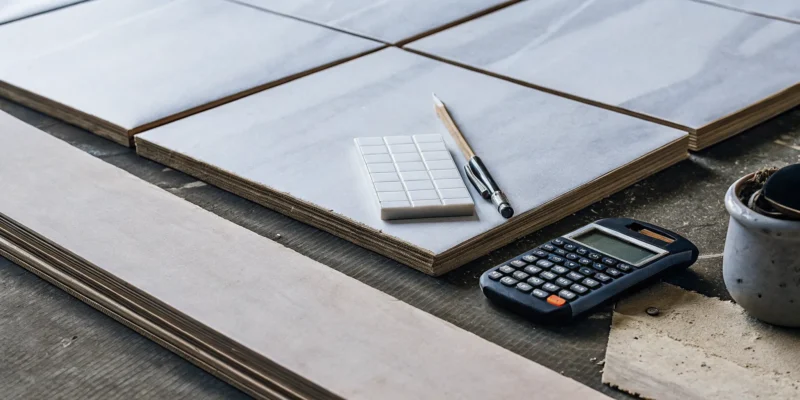
Long Island weather is tough on outdoor surfaces. Between the freezing winters and hot, humid summers, materials can crack, stain, and fade. Porcelain pavers offer a powerful solution, standing up to the elements with almost no maintenance. But durability and style come with a price, leaving many to wonder, how much does porcelain pavers cost in Long Island? This guide breaks down the complete investment, from the pavers themselves to the expert installation required for a flawless finish. We’ll explain why the upfront cost leads to a worry-free, beautiful outdoor space that truly lasts for years to come.
Key Takeaways
- Look beyond the initial price tag: While porcelain pavers have a higher upfront cost, they save you money over time. You can skip the recurring expense of sealing and heavy-duty cleaning, making them a smart financial choice for the long run.
- Create a comprehensive budget: Your total project cost goes beyond the pavers. Remember to factor in essential services like site preparation, removal of an old patio, and any complex design features to get a truly accurate quote and avoid surprises.
- Invest in a low-maintenance lifestyle: Porcelain pavers are built to handle Long Island’s weather, resisting cracks from freeze-thaw cycles and damage from salt. Their non-porous surface also repels stains, meaning you can spend more time enjoying your patio and less time maintaining it.
How Much Do Porcelain Pavers Cost in Long Island?
Thinking about upgrading your patio or walkway with porcelain pavers? It’s a fantastic choice for a modern, durable finish. One of the first questions that comes up is, of course, about the cost. Let’s break down what you can expect to invest in a porcelain paver project here on Long Island, looking at both the materials themselves and the complete installation. This will help you understand the full picture before you start planning your beautiful new outdoor space.
Breaking Down Material Costs
When you’re shopping for pavers, you’ll notice porcelain is a premium material. The pavers themselves typically run from $12 to $19 per square foot. To give you some perspective, that’s compared to concrete pavers, which usually fall between $4 and $8 per square foot. So yes, there’s a bigger upfront investment. For a standard 400-square-foot patio, choosing porcelain could mean an additional $4,000 to $8,000 for materials alone. But with that investment, you get incredible durability and a huge selection of beautiful porcelain and natural stone options to perfectly match your home’s style.
Factoring in Installation Costs
The price of the pavers is just one part of the equation. Professional installation is what brings your vision to life and ensures it lasts. On Long Island, the total installed cost for porcelain pavers generally ranges from $28 to $45 per square foot. This all-in price includes the pavers, labor, ground preparation, and basic leveling. For comparison, installing concrete pavers is usually between $18 and $35 per square foot. A quality masonry team handles all the prep work, which is crucial for preventing shifting and ensuring proper drainage for years to come.
What Factors Influence Porcelain Paver Pricing?
When you’re planning your budget, it’s helpful to know that the final cost of a porcelain paver project goes beyond the price of the pavers themselves. Several key factors related to your specific property and design choices will shape the total investment. Understanding these variables will help you have a clearer picture of your project’s scope and prepare you for a more accurate quote. From the size of your patio to the condition of your backyard, each element plays a role in the final price.
Project Size and Complexity
It makes sense that a larger patio requires more materials and labor, leading to a higher overall cost. However, the price per square foot can sometimes decrease on bigger projects due to efficiencies in installation. Beyond size, the complexity of your design is a major factor. A simple, rectangular patio is more straightforward to install than one with intricate curves, custom inlays, or multiple levels. These more complex designs require additional, precise cuts and more detailed labor, which adds to the project’s cost. A beautiful, custom masonry design is an investment in a unique outdoor space, and the price will reflect that craftsmanship.
Site Preparation and Access
Before a single paver can be laid, the ground beneath it must be perfectly prepared. This process often involves excavation, grading, and building a stable base to support the pavers for years to come. If your yard has a significant slope or poor drainage, more extensive site work will be needed, which will influence the cost. Another practical consideration is access to the work area. If our team can easily bring in machinery, the job is more efficient. However, if your backyard is difficult to reach, requiring more manual labor and specialized equipment, the time and effort involved will be reflected in the project price.
Removing Existing Surfaces
Are you replacing an old, cracked concrete slab or a worn-out wooden deck? If so, the cost of demolition and removal will be part of your project quote. Tearing out an existing structure, breaking it down, and hauling away the debris is an essential first step to creating a clean slate for your new patio. While it adds to the overall cost, properly removing an old surface ensures that the foundation for your new porcelain paver installation is solid and correctly prepared. Factoring in this step from the beginning helps create a realistic budget and avoids surprises down the road.
Installation Method and Tools
Porcelain pavers are not installed in the same way as traditional concrete pavers. Their dense, non-porous nature requires a higher level of expertise and specialized tools. The base must be perfectly level and compacted to prevent any movement that could lead to cracks. Furthermore, cutting these incredibly durable tiles requires specific diamond-tipped blades and equipment that not every contractor has. Choosing an installation team with proven experience in porcelain is critical. This specialized knowledge and the necessary tools are part of what you invest in when you hire a professional, ensuring your patio is not only beautiful but built to last.
What’s the Real Cost of Porcelain Paver Installation?
When you’re planning your budget, it’s helpful to see the full picture. The price of the pavers themselves is just one part of the equation. The total cost of your project will also include labor, site preparation, and other materials needed to ensure a beautiful, long-lasting result. Understanding these components will help you plan effectively and avoid any surprises along the way. Let’s break down what goes into the final price tag for a professional porcelain paver installation on Long Island.
Understanding Labor Costs
The skill and precision required to install porcelain pavers are reflected in the labor costs. Generally, you can expect to invest between $28 and $45 per square foot for installation. This is a bit higher than for concrete pavers, which often range from $18 to $35 per square foot. For a standard patio, that difference can mean an additional upfront investment. This higher cost accounts for the specialized techniques and tools needed to handle porcelain correctly, ensuring perfect lines, proper drainage, and a flawless finish. You are paying for expertise that guarantees your new outdoor space is built to last.
Identifying Additional Materials and Fees
Beyond the pavers and direct labor, several other factors contribute to the total project cost. A major one is site preparation. Your yard might need significant leveling, or there could be an old patio that needs to be torn out and hauled away. Removing existing surfaces and preparing the ground properly are critical first steps that will add to the final cost. Additionally, the price includes the necessary base materials, like gravel and sand, which create a stable foundation for your pavers. A detailed quote should always outline these costs, giving you a clear understanding of where your money is going.
Cost Comparison: Porcelain vs. Other Pavers
Choosing the right material for your patio or walkway involves balancing aesthetics, durability, and cost. While porcelain pavers have a higher initial price point, it’s important to look at the complete picture, including long-term expenses and maintenance. Let’s compare porcelain to other popular paver options so you can make an informed decision for your Long Island home.
Porcelain vs. Concrete Pavers
When you’re looking at paver options, one of the first comparisons you’ll likely make is between porcelain and concrete. Let’s be direct: concrete pavers have a lower upfront cost. The materials themselves typically run between $4 and $8 per square foot, while porcelain starts around $12 and can go up to $19 per square foot. When you add installation, a fully installed concrete patio might cost $18 to $35 per square foot, whereas a porcelain one could be $28 to $45. For a standard 400-square-foot patio, that can mean porcelain costs $4,000 to $8,000 more initially. However, the initial price tag doesn’t tell the whole story, especially when considering long-term value and upkeep for your masonry project.
Porcelain vs. Natural Stone
If you love a timeless, classic look, you might be drawn to natural stone pavers like bluestone or granite. Natural stone often comes with a higher initial price tag than even porcelain, but its organic beauty is undeniable. Each stone is unique, offering a rich character that has been a staple in high-end landscaping for generations. In contrast, porcelain provides a sleek, modern aesthetic with incredible consistency and durability. While both are premium choices for any outdoor project, your decision often comes down to the style you want to achieve and your budget. We have a beautiful selection of both porcelain and natural stone options you can explore to see which one speaks to you.
Comparing Long-Term Maintenance
Here is where porcelain pavers truly shine and where the upfront investment starts to make a lot of sense. Porcelain is non-porous, which means it requires almost no maintenance. You won’t need to seal it, and cleaning usually just involves a bit of soap and water. Concrete pavers, on the other hand, need more attention. To keep them from staining and fading, you should plan on sealing them every two to three years. Over the life of your patio, these recurring maintenance costs add up. If you’d rather spend your weekends enjoying your backyard instead of working on it, porcelain’s low-maintenance nature can be a game-changer. This makes it a more economical choice in the long run, saving you from future restoration and sealing services.
Are Porcelain Pavers a Good Investment for Your Home?
When you’re planning a home improvement project, the initial price tag is always a major consideration. But a smart investment goes beyond the upfront cost. It’s about choosing a material that will stand the test of time, require minimal effort to maintain, and add real, lasting value to your property. Porcelain pavers check all of these boxes, making them one of the most sensible and beautiful choices for any Long Island home. They offer a unique combination of durability and style that pays for itself through years of enjoyment and increased home value.
How They Handle Long Island’s Climate
We all know Long Island weather can be unpredictable, especially with our harsh winters. The constant freeze-thaw cycles, where water seeps into surfaces, freezes, expands, and then thaws, can wreak havoc on many paving materials. This is where porcelain truly shines. Because it absorbs almost no water (less than 0.5%), there’s virtually no risk of it cracking, chipping, or flaking from frost. While other materials might show wear and tear after just a few seasons, a patio made from high-quality porcelain and natural stone pavers will look just as good as the day it was installed, year after year.
Resisting Salt, Stains, and Wear
One of the best parts of having a beautiful outdoor space is actually using it, not constantly worrying about maintaining it. Porcelain’s non-porous surface is a game-changer. Spilled wine from a backyard get-together or grease from the grill won’t soak in and cause permanent stains. A simple cleaning with soap and water is usually all it takes to make them look new again. For those of us living near the coast, porcelain is also immune to salt damage, unlike concrete which can degrade over time from the salty air. This incredible durability means you can spend less time on upkeep and more time making memories. While other materials require regular work, Gappsi can restore and seal them, but with porcelain, you can avoid that chore altogether.
The Impact on Resale Value and Savings
A well-designed paver patio is a fantastic way to increase your home’s curb appeal and functionality, and it’s an investment that can really pay off. Studies show that a beautiful patio can add 50% to 80% of its cost back to your home’s value upon resale. Beyond the improvement in property value, you’ll also see savings over the long term. Concrete pavers, for example, need to be sealed every few years to protect them, which adds a recurring maintenance cost. Porcelain never needs sealing. When you factor in these savings, the lifetime cost of a porcelain patio becomes much more competitive. A professional masonry installation ensures your patio not only looks great but also becomes a lasting asset for your home.
Debunking Myths About Porcelain Paver Costs
When it comes to outdoor projects, the budget is always a top concern. Porcelain pavers have a reputation for being a high-end, expensive option, which can make some homeowners hesitate. But a lot of what you hear about their cost is based on myths or incomplete information. It’s important to look beyond the initial price tag and consider the full story, including long-term maintenance and home value. Let’s clear up a few common misconceptions so you can make a confident choice for your Long Island home.
Myth #1: “They’re too expensive upfront.”
It’s true that porcelain pavers often have a higher initial material cost than options like concrete. You might see porcelain priced from $12 to $19 per square foot, while concrete can be as low as $4 to $8. When you factor in installation, the total project cost for porcelain can range from $28 to $45 per square foot. While this is a premium, the difference isn’t always as dramatic as you might think. Think of it as an investment in superior quality, durability, and style. Exploring different porcelain and natural stone options can help you find a beautiful paver that fits within your project’s financial plan.
Myth #2: “All pavers have the same maintenance costs.”
This is one of the biggest misconceptions out there. The reality is that porcelain pavers are incredibly low maintenance. Because they are non-porous, they resist stains, mold, and mildew, and they never need to be sealed. In contrast, materials like concrete pavers require regular sealing every two to three years to protect them from the elements and prevent fading. Those recurring restoration and sealing services add up over the years. When you calculate the total cost of ownership, the money you save on upkeep can make porcelain a more economical choice in the long run.
Myth #3: “They don’t add to my home’s value.”
Any high-quality home improvement project should be an investment, and a beautiful patio is no exception. A professionally installed paver patio can significantly increase your home’s resale value, with many homeowners recouping between 50% and 80% of the installation cost. In a competitive market like Long Island, a stunning and durable outdoor space built with premium materials is a major selling point. The timeless look and resilience of porcelain create an inviting atmosphere that future buyers will value. Expert masonry work ensures your patio not only looks fantastic but also adds lasting worth to your property.
Where Can You Use Porcelain Pavers?
One of the best things about porcelain pavers is their incredible versatility. They aren’t just for one type of project. Because they are so durable, stylish, and low-maintenance, you can use them to create a cohesive and beautiful look across your entire property. From your front walkway to your backyard oasis, these pavers provide a high-end finish that stands the test of time. If you’re thinking about upgrading your outdoor space, it’s worth exploring all the places where porcelain and natural stone can make a significant impact. They offer a practical and elegant solution for nearly any hardscaping need, allowing you to design functional and inviting areas for relaxing, entertaining, and living.
Patios and Pool Decks
Porcelain pavers are a fantastic choice for patios and pool decks, especially here on Long Island. Their non-porous surface makes them highly resistant to stains from spilled drinks, food, or sunscreen, so cleanup is always a breeze. Around a pool, safety is key, and porcelain offers excellent slip resistance, even when wet. Plus, they don’t absorb much heat, which means they stay cooler underfoot on hot summer days. We often recommend them to complement our custom swimming pools because they resist fading from chlorine and sun exposure. This ensures your beautiful pool deck looks brand new for years with very little upkeep.
Walkways and Driveways
Your walkways and driveway are the first things guests see, and porcelain pavers make a stunning first impression. They are incredibly strong and dense, making them more than capable of handling foot traffic and the weight of vehicles when the proper thickness and installation methods are used. A huge benefit for our Long Island climate is their resistance to freeze-thaw cycles. Since they absorb very little water, they are far less likely to crack during the winter compared to other materials. This durability makes them a smart, long-term investment for any high-traffic area, blending sophisticated style with practical performance. Our masonry experts can design a layout that enhances your home’s curb appeal.
Outdoor Kitchens and Living Spaces
Porcelain pavers are the perfect foundation for creating a true outdoor room. In an outdoor kitchen, their non-porous surface is a lifesaver, as it won’t absorb grease, oil, or wine. They are also fire-resistant, adding a layer of safety around grills and fire pits. For a complete outdoor living area, you can use porcelain to create a seamless flow from your home’s interior to your patio. Imagine a beautiful, cohesive space sheltered by one of our custom pavilions or pergolas. With styles that mimic everything from natural wood to sleek stone, you can design an inviting outdoor sanctuary that reflects your personal taste while standing up to the elements.
How to Budget for Your Porcelain Paver Project
Creating a budget for your new patio or walkway is more than just looking at the price per paver. A realistic plan considers every step of the process, from preparing the ground to laying the final stone. Thinking through these details ahead of time helps you avoid unexpected costs and ensures your project runs smoothly. With a clear budget in hand, you can confidently move forward with creating the beautiful, durable outdoor space you’ve been dreaming of.
Account for Site Preparation
Before the first paver can be laid, your site needs to be perfectly prepared. This is a critical step that you should never overlook. If you have an old patio that needs to be removed, or if your yard needs significant leveling and clearing, these tasks will add to the total cost. Proper site preparation ensures your investment lasts for years. As experts often say, skimping on the base can lead to expensive repairs later. Good drainage is also a key factor and might affect the price, but it’s essential for preventing water damage and shifting pavers. A solid foundation is the key to a long-lasting and beautiful masonry project.
Get Clear Quotes and Ask the Right Questions
When you start collecting quotes, aim for clarity and detail. On Long Island, a paver patio project typically costs between $20 and $35 or more per square foot, a price that usually includes materials, labor, and basic ground preparation. However, every project is unique. Ask contractors for an itemized quote that breaks down each expense, so you know exactly what you’re paying for. Don’t hesitate to ask questions like, “Is the removal of my old walkway included?” or “What does your ground preparation process involve?” Understanding the full scope of your home remodeling project from the start helps ensure there are no surprises down the road and that you’re getting the quality you expect.
Find the Best Porcelain Pavers in Long Island
Choosing the right materials and the right team is the most important step in creating a beautiful, long-lasting outdoor space. When you’re searching for porcelain pavers on Long Island, you’ll want a supplier who not only offers high-quality products but also provides the expertise to bring your project to life. It’s about finding a partner who understands your vision and has the resources to execute it perfectly. From stunning pool decks to elegant patios, the right pavers and the right installer make all the difference.
Why Choose Gappsi
When you’re ready to start your project, you want a team you can trust. Gappsi has built a strong reputation across Long Island for dependable service and beautiful, professional results. We handle everything from design to installation, which means you have one dedicated partner guiding you through the entire process. This approach saves you the headache of coordinating with multiple contractors. We not only help you select the perfect porcelain and natural stone from our extensive collection but also ensure it’s installed with expert care. Our goal is to make your experience seamless and deliver an outdoor space you’ll love for years to come.
What to Look for in a Paver Supplier
Choosing the right supplier is just as important as picking the right paver. Start by looking at their range of products. A great supplier will offer a wide variety of colors, textures, and designs, giving you plenty of options to bring your vision to life. Next, check out their customer reviews to get a feel for their reliability and the quality of their service. Finally, consider if they offer installation. A company that supplies and installs can provide a more cohesive and accountable process. Visiting a showroom, like the Gappsi Store, is also a fantastic way to see the materials in person and get expert advice.
Related Articles
- Porcelain Driveway & Walkway Pavers in Long Island | Gappsi Inc
- 5 Largest Porcelain Pavers Suppliers on Long Island NY
- Stones & Porcelain Archives – Gappsi Group
Frequently Asked Questions
Why is there such a big price difference between porcelain and concrete pavers? The higher upfront cost of porcelain really comes down to its superior density and manufacturing process. This makes it incredibly durable and non-porous, so it resists stains, frost damage, and fading without ever needing to be sealed. While concrete pavers have a lower initial price, you have to factor in the recurring cost and effort of sealing them every few years. When you look at the total cost over the life of your patio, porcelain’s low-maintenance nature makes it a very competitive and sensible investment.
Are porcelain pavers slippery when they get wet? This is a great question, especially for families or anyone planning a pool deck. High-quality outdoor porcelain pavers are specifically designed with a textured, slip-resistant surface. They meet safety standards to provide good traction, even when wet. This makes them an excellent and safe choice for areas around swimming pools, hot tubs, and any patio space where you might have splashes or rainfall.
Can I save money by installing porcelain pavers myself? While a DIY project can be tempting, installing porcelain pavers is a job best left to professionals. They are extremely hard and require special diamond-tipped blades for precise cutting. More importantly, the base preparation has to be perfect. Unlike more forgiving materials, any imperfection in the base can cause porcelain to crack under pressure. Hiring an experienced masonry team ensures the foundation is flawless and the installation will last a lifetime, protecting your investment.
How long does a porcelain paver patio actually last? With professional installation, a porcelain paver patio is designed to last for decades. Because the material is so dense, it doesn’t absorb water, which prevents the cracking and chipping that can happen to other materials during Long Island’s freeze-thaw cycles. It’s also resistant to fading from the sun and won’t get damaged by salt or chlorine. You can expect your patio to look just as beautiful in 20 years as it did the day it was installed.
What’s the first step to getting an accurate price for my project? The best first step is to schedule a consultation for a detailed quote. An accurate price depends on more than just the square footage. A professional will need to see your property to assess site access, determine how much ground preparation is needed, and discuss if any old surfaces need to be removed. This allows them to provide an itemized quote that covers every aspect of the job, so you have a clear and complete budget with no surprises.