


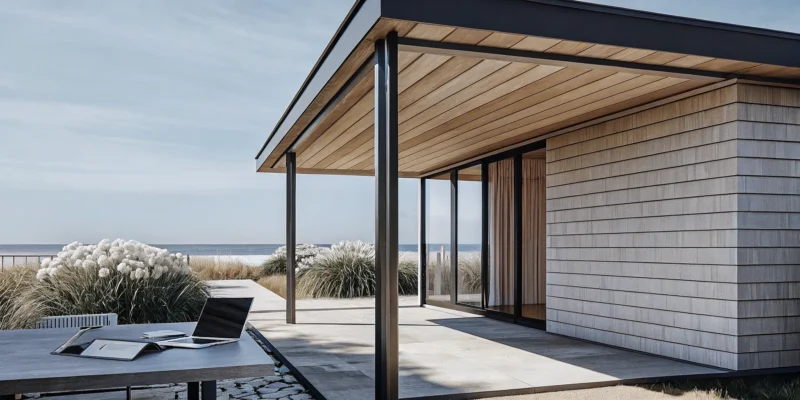
A pavilion transforms your backyard from an open space into a true outdoor destination. It’s the key to enjoying more meals outside, hosting parties without worrying about a passing shower, and having a comfortable retreat just steps from your door. This lifestyle upgrade is a fantastic goal, but achieving it requires a solid plan, especially when it comes to the financial side. You don’t need to put your dream on hold while you save. The big question for many is, can I finance pavilions in Long Island to make this happen sooner? We’ll walk you through the options that make it possible.
Key Takeaways
- Choose Renting for an Event, Owning for a Lifestyle: Renting a park pavilion is a simple solution for a one-day party. Owning a custom pavilion creates a permanent outdoor living space that adds lasting value and daily enjoyment to your home.
- Understand the Full Project Cost and Your Payment Options: A pavilion’s price includes materials, size, and site preparation. Consider financing as a strategic tool to get the project you want now by breaking the cost into manageable payments.
- Partner with an Expert to Handle the Details: The right builder does more than just construct your pavilion; they provide design expertise, ensure quality materials, and manage the entire local permit process for a stress-free experience.
Renting vs. Owning a Pavilion on Long Island
When you picture a pavilion in your life, is it for a single, special day or for countless moments to come? The answer to that question is the key to deciding between renting and owning. Renting a structure is a great short-term solution for a specific event, while owning a pavilion is a long-term investment in your home and lifestyle. Each path has its own considerations, from cost and convenience to permanence and personalization. Thinking through what you truly need will help you make the right choice for your family and your property.
Why This Difference Matters
Renting a pavilion is the perfect choice if you’re hosting a one-time gathering, like a large family reunion or a milestone birthday party. Many beautiful Long Island parks offer event rentals, giving you a scenic backdrop for your celebration without any long-term responsibility. You simply book your date, host your party, and go home. It’s a simple and effective solution for a single day’s needs.
Owning a pavilion, on the other hand, is about permanently enhancing your daily life. It’s about creating an outdoor room you can use whenever you want, whether for quiet morning coffees, weeknight family dinners, or relaxing with friends on the weekend. A custom-built pavilion from a company like Gappsi becomes a true extension of your home, designed to match your style and fit perfectly into your landscape. It’s an investment that adds lasting value and enjoyment for years.
Clearing Up the Term “Financing”
When you start exploring ownership, the topic of payment comes up. For many, the word “financing” can feel like a last resort, but it’s helpful to reframe that thinking. Many savvy homeowners use financing as a strategic tool to get their dream project done without draining their savings. It allows you to protect your cash reserves for other investments or unexpected expenses while still moving forward with your home improvement plans.
Think of it this way: financing can expand your buying power. It might be the difference between settling for a smaller, basic pavilion and building the high-quality, custom structure you truly want. By breaking down the cost into manageable monthly payments, you can make a significant upgrade to your home without the stress of a single large expenditure. Understanding your home improvement financing options is simply a smart step in the planning process.
What Does It Cost to Build a Pavilion?
Figuring out the budget for a new pavilion is one of the first, and most important, steps in the process. The total cost can vary quite a bit because it depends on your specific vision. Think of it like building a custom home, just on a smaller scale. The final price tag is a mix of size, materials, design complexity, and site conditions. On average, you can expect installation costs to fall somewhere between $35 and $60 per square foot. This means a simple, standard-sized pavilion might start around $4,000, while a large, elaborate structure with high-end finishes could reach $20,000 or more.
The key is to remember that you are creating a permanent addition to your home, an outdoor room that will host countless memories. The materials you choose, from the wood that frames the structure to the stone for the foundation, play a huge role in both the look and the price. For example, a classic timber frame pavilion will naturally cost more than a standard pressure-treated wood design because of the material quality and specialized craftsmanship involved. Working with an experienced builder helps you understand these trade-offs, ensuring you get a beautiful structure that fits your budget and lasts for years. A great team can walk you through all the pavilions and pergolas options to find the perfect fit for your backyard.
Factoring in Materials and Size
The two biggest factors that determine your pavilion’s cost are its size and the materials you use to build it. A larger pavilion requires more materials and labor, which directly increases the price. When you start exploring material options, you’ll find a wide range of choices. For instance, a timber frame pavilion often costs 30% to 50% more than one built with pressure-treated pine. While the upfront cost is higher, materials like timber or vinyl offer different benefits in terms of appearance and long-term durability. The flooring you choose for underneath your pavilion, such as beautiful porcelain and natural stone pavers, will also be a significant part of your overall project budget.
Installation and Site Prep Costs
Beyond the pavilion itself, you need to account for getting your yard ready and the cost of professional installation. Labor can make up 10% to 35% of your total project cost. Before any building can begin, the site needs to be perfectly level and stable. This preparation work can add between $0.40 and $2.00 per square foot. Most pavilions also require concrete footings for a solid foundation, which can cost around $125 to $300 for each one. This is where a full-service team shines, as they can handle everything from the initial site grading to the final masonry work, giving you a seamless experience and a single point of contact.
Planning for Maintenance
When you’re planning your budget, it’s smart to think about the future, too. The materials you select for your pavilion will determine how much time and money you’ll spend on upkeep down the road. A wood pavilion, for example, is beautiful but will need to be stained or sealed every few years to protect it from sun and rain. On the other hand, vinyl or metal pavilions are very low-maintenance options that require little more than an occasional cleaning. Factoring in these long-term needs helps you make a choice you’ll be happy with for years. You can also plan for professional restoration and sealing services to keep your entire patio and pavilion area looking brand new.
How to Finance a New Pavilion
A new pavilion is a fantastic investment in your home and lifestyle, but you don’t have to pay for it all at once. Financing can make your dream backyard accessible sooner, spreading the cost over time. The best path forward really depends on your personal budget, timeline, and financial goals. Whether you prefer a straightforward loan or want to use your home’s value, there are several solid options to explore. Let’s walk through the most common ways homeowners fund their new outdoor structures.
Using a Personal Loan
A personal loan is one of the most direct ways to finance a pavilion. You can get these loans from banks, credit unions, or online lenders, and they are typically “unsecured,” meaning you don’t have to put up your home as collateral. The interest rate you receive will depend on your credit score and financial history. This option is great if you want a fixed monthly payment and a clear end date for your loan. It keeps the financing separate from your mortgage, which some homeowners prefer for its simplicity.
Tapping into Home Equity
If you’ve built up equity in your home, you might consider a home equity loan or a home equity line of credit (HELOC). Because these are secured by your property, they often come with lower interest rates than personal loans. A home equity loan gives you a lump sum of cash, while a HELOC works more like a credit card you can draw from as needed. This is a popular choice for larger home remodeling projects, as it allows you to fund multiple improvements at once. Lenders will have specific requirements, so it’s a good idea to check how much equity you can borrow against.
Exploring Contractor Payment Plans
Many builders offer financing options through partnerships with specialized lenders. These payment plans are designed specifically for home improvement projects and can be a very convenient way to fund your new pavilion. At Gappsi, we work with financing providers to offer flexible monthly payments that can make your project more accessible. This approach often simplifies the process, allowing you to manage the design, construction, and financing all in one place. It helps you build the backyard you want without a long wait, so you can start enjoying your new pavilion or pergola right away.
Should You Finance or Pay in Full?
Deciding how to pay for your new pavilion is a big step, and there’s no single right answer. A custom-built pavilion isn’t just an addition to your backyard; it’s an investment in your home and your lifestyle. Whether you finance the project or pay for it all at once depends entirely on your personal budget, your timeline for the project, and your long-term financial goals. It’s about finding the path that feels most comfortable and makes the most sense for you and your family. For some, the idea of a single payment and being done with it is appealing. For others, breaking the cost into smaller pieces makes a large project feel much more manageable.
Some homeowners prefer the simplicity of paying upfront, while others find that financing allows them to build their dream outdoor space sooner without draining their savings. Both approaches have clear benefits, and the best choice is the one that aligns with your financial comfort zone. Understanding the pros and cons of each can help you make a confident decision. We’ll walk through the key considerations for financing versus paying in full, so you can choose the best route for bringing your beautiful new pavilion or pergola to life. Thinking through these options ahead of time will make the entire construction process smoother and more enjoyable.
When to Consider Financing
Financing can be a smart move, especially for a large-scale project. The most obvious reason to finance is that it allows you to build your ideal pavilion now, rather than waiting months or years to save up the full amount. It breaks down a large cost into predictable monthly payments that fit into your budget. This approach also lets you keep your cash reserves liquid for other investments, unexpected expenses, or even other home projects you have in mind. Spreading out the cost can make it possible to get the high-quality materials and features you really want without compromise.
The Benefits of Paying Upfront
If you have the funds available, paying for your pavilion in full offers its own set of powerful advantages. The biggest benefit is saving money. By paying upfront, you avoid interest charges and any potential financing fees, meaning the total cost of your project will be lower. It also simplifies the entire process. You won’t have to fill out applications, wait for approvals, or manage another monthly bill. For many homeowners, there’s also a great sense of satisfaction in knowing their beautiful new outdoor structure is completely paid for from the moment it’s finished.
Common Myths About Financing a Pavilion
Many people hesitate to explore financing because of a few persistent myths. One common misconception is that you need a perfect credit score to qualify. While a strong credit history certainly helps, many flexible financing programs are available for a wide range of credit profiles, so it’s always worth looking into your options. Another myth is that financing is only for those who can’t afford to pay cash. In reality, even homeowners who can pay in full often choose to finance as a strategic financial decision to maintain liquidity. Don’t let these myths stop you from having a conversation about what’s possible for your project.
How to Rent a Pavilion in a Long Island Park
While building a custom pavilion in your backyard offers a permanent retreat, sometimes you just need a great space for a single event. For a large family reunion, a company picnic, or a milestone birthday, renting a pavilion at one of Long Island’s beautiful state parks is a practical solution. It allows you to host a large group in a scenic outdoor setting without the commitment of a construction project. The process is straightforward, but it requires some advance planning to make sure you get the spot you want for your special day. Understanding the fees, reservation windows, and permit rules ahead of time will ensure your event goes off without a hitch.
What to Expect for Rental Fees
The cost to rent a park pavilion on Long Island varies. You can expect the rental fee to change based on the size of the structure and the amenities it includes. A smaller, more basic shelter will naturally cost less than a large pavilion equipped with electricity, grills, and access to nearby restrooms. When you explore your options, you’ll find that each park has its own pricing structure. Before you book, it’s a good idea to review the specific park’s fee schedule to find a pavilion that fits both your guest list and your budget. You can find detailed information on the event rentals page for New York State Parks.
How to Make a Reservation
Securing a pavilion for a popular date requires planning well in advance. You can typically book a spot by calling the reservation line or by using an online portal like Reserve America. Be aware that competition for these spaces is high, especially for summer weekends. For example, it’s common for reservations to open more than a year in advance for a future season. To get your preferred date, you should mark your calendar for the day reservations open and be ready to book right away. This proactive approach is the best way to book your pavilion before all the prime spots are taken.
Getting Permits for Your Event
A standard pavilion rental doesn’t always cover everything you might want for your party. If your plans include things like amplified music, a bounce house for the kids, a food truck, or serving alcohol, you will likely need to apply for a special “add-on” permit. Each park has its own rules, so it’s essential to check with the park administration about your specific plans. Applying for these permits involves extra paperwork and sometimes an additional fee, so be sure to handle this process well before your event date. This ensures you have all the necessary permissions for a fun and compliant gathering.
Understanding Cancellation Policies
Life happens, and sometimes plans change. If you need to cancel your pavilion reservation, it’s important to understand the park’s cancellation policy to know what to expect. Generally, the amount of your refund depends on how far in advance you cancel. If you cancel more than 30 days before your event, you can expect to get most of your rental fee back, though the park will likely keep the reservation and cancellation fees. However, if you cancel closer to the date, for instance, within 10 to 29 days, you may only receive half of your rental fee back. Always read the fine print before you book.
Understanding Long Island’s Pavilion Permit Rules
Building a permanent outdoor structure like a pavilion is an exciting project, but it comes with some homework. On Long Island, most towns and villages require building permits for accessory structures, and the rules can feel a bit complicated. The specific requirements often depend on the size of your planned pavilion, its height, and how far it’s set back from your property lines. Things like adding electricity for lights and outlets or plumbing for an outdoor kitchen can also add layers to the permitting process.
This is where working with an experienced local builder makes a world of difference. A team that knows the local codes in both Nassau and Suffolk counties can manage the entire permitting process for you. They’ll ensure your design for new pavilions and pergolas meets all requirements from the start, saving you from potential headaches and delays. Instead of spending your weekends at the town building department, you can focus on the fun parts, like choosing materials and planning your first backyard gathering. An expert partner will handle the paperwork so your project moves forward smoothly and is fully compliant.
Nassau County Permit Rules
In Nassau County, the permit process for a new pavilion is handled at the town or village level. Each municipality has its own specific zoning code that dictates what you can build. Generally, any accessory structure over a certain square footage, which can be as little as 100 square feet in some areas, will require a building permit. Your builder will need to submit detailed plans showing the pavilion’s dimensions, foundation, and location on your property. Inspectors will also check that the structure is a safe distance from property lines, a requirement known as a setback. Gappsi’s deep experience with masonry and construction across Nassau County means we know exactly what each town requires.
Suffolk County Permit Rules
Similar to Nassau, Suffolk County’s pavilion permit rules are determined by local towns and villages, from Huntington to the Hamptons. Whether you need a permit often depends on the structure’s size and if it’s considered permanent. For example, a simple canopy might not need a permit, but a pavilion with a concrete foundation and a solid roof almost certainly will. Local zoning laws also regulate the maximum height of accessory structures and how much of your lot can be covered by buildings. A knowledgeable landscape designer can create a plan that respects these regulations while still achieving your vision for the perfect outdoor retreat.
Permits for Events and Amplified Sound
When you build a pavilion on your property, the permits are typically for the structure itself. However, if your design includes features that go beyond the basic frame and roof, you may need additional permits. For instance, installing permanent wiring for lighting, ceiling fans, or a sound system requires an electrical permit and an inspection to ensure everything is safely installed. The same goes for adding plumbing for an outdoor sink or gas lines for a built-in grill as part of a larger home remodeling project. While you don’t need a permit to host a party, it’s always a good idea to be mindful of local noise ordinances.
Pavilion, Pergola, or Gazebo: Which Is Right for You?
Deciding on the perfect structure for your backyard is an exciting step, but it can also feel a little overwhelming. With options like pavilions, pergolas, and gazebos, how do you know which one is the right fit for your home and lifestyle? Each one offers a unique way to enjoy your outdoor space. Let’s break down the differences to help you find the perfect match for your Long Island backyard.
Understanding the Key Differences
The main difference comes down to the roof. A pavilion has a solid, fully covered roof, making it an all-weather extension of your home. Because they are typically larger, they provide excellent protection from sun and rain. This makes them ideal for creating a true outdoor room for dining or relaxing with one of our custom pavilions or pergolas. A pergola, on the other hand, has a slatted or latticed roof that offers partial shade, perfect for defining a walkway or patio space without completely blocking the sun. Finally, a gazebo is usually a smaller, freestanding structure with a solid roof, often in a round or octagonal shape. It acts as a charming focal point in a garden or a cozy retreat.
How to Choose for Your Space and Budget
Your choice really depends on how you plan to use the space. If you dream of hosting dinner parties outdoors, rain or shine, a pavilion is your best bet. If you want to create an airy, sun-dappled spot for your morning coffee or support climbing roses, a pergola is a beautiful choice. For your budget, pavilions are a larger investment, while pergolas and gazebos can be more cost-effective options. We can help you explore designs that fit your financial goals and seamlessly complement your home’s style. The right structure should feel like a natural part of your overall landscape design, enhancing both its beauty and function.
How to Choose a Pavilion Builder on Long Island
Choosing the right builder for your pavilion is just as important as picking the perfect design. This is the team that will turn your vision for an outdoor retreat into a physical structure in your backyard, so you want to find a partner you can trust. A great builder brings more than just construction skills to the table; they offer design expertise, a commitment to quality materials, and a deep understanding of local Long Island regulations. Think of them as your guide through the entire process, from the first sketch to the final inspection.
Finding a company that can manage the whole project is a huge advantage. When your builder also handles the surrounding landscaping and patio work, you get a cohesive design and a much smoother project timeline. Instead of juggling multiple contractors, you have one point of contact dedicated to creating your ideal outdoor living space. This integrated approach ensures every element, from the pavilion’s foundation to the garden beds around it, works together beautifully. The right builder will help you create a lasting addition to your home that you and your family will enjoy for years.
Design and Customization
A pavilion should feel like a natural extension of your home, not a generic structure dropped into your yard. That’s why working with a builder who prioritizes custom design is so important. They should take the time to understand your style, how you plan to use the space, and the architectural details of your home. A custom-built pavilion is a significant investment, and its design should reflect that by seamlessly complementing your property. Your builder should be a creative partner, helping you select everything from the overall shape to the smallest decorative finishes. A company with a strong design and construction portfolio can show you what’s possible and tailor a solution that is uniquely yours.
Quality of Materials and Work
Your pavilion will be exposed to Long Island’s sun, wind, and snow, so it needs to be built to last. A reputable builder will use high-quality materials, whether it’s durable wood, low-maintenance vinyl, or sturdy stone for the foundation. Ask potential builders about the materials they use and why they recommend them. Their answers will tell you a lot about their commitment to quality and durability. Expert craftsmanship is just as critical. Look for a team with proven experience building pavilions and pergolas, as they will have the skills to ensure your structure is not only beautiful but also safe and sound for decades.
Help with Local Rules and Permits
Dealing with local building codes and permit requirements can be one of the most stressful parts of any home improvement project. The rules can differ quite a bit between Nassau and Suffolk County, and even from town to town. A top-tier pavilion builder will be an expert in these local regulations. They should be able to tell you exactly what permits are needed for your project and manage the entire application process on your behalf. This service is invaluable, as it saves you time and prevents potential headaches or delays. A builder’s confidence in handling permits is a strong signal that they are an experienced and professional Long Island company you can rely on.
How a Pavilion Adds Value to Your Home
Adding a pavilion to your backyard is more than just creating shade; it’s a significant investment in your home and lifestyle. Think of it as a permanent upgrade that expands your living space and makes your property more attractive and functional. A well-designed pavilion becomes a focal point for your outdoor life, offering a versatile area for everything from quiet morning coffees to lively family gatherings. It seamlessly connects different parts of your yard, like the pool and patio, creating a cohesive and inviting environment. By choosing the right design and materials, you can build a structure that not only complements your home’s architecture but also adds lasting value for years to come.
More Space for Outdoor Living
A pavilion essentially gives you a new room, without the walls. It creates a defined, sheltered space that extends your home’s footprint into the outdoors. This “outdoor living room” is perfect for dining, entertaining, or simply relaxing with a book, protected from the harsh sun or a passing shower. Imagine hosting dinner parties or holiday celebrations in a beautiful, open-air setting. Gappsi can help you design custom pavilions and pergolas that fit your lifestyle, whether you need a poolside retreat, a cover for your outdoor kitchen, or a central gathering spot for your family and friends. It transforms your yard from just a space into a destination.
Improving Curb Appeal and Property Value
A beautiful pavilion does wonders for your home’s curb appeal, or in this case, “backyard appeal.” It adds an element of architectural elegance and sophistication that can make your entire property look more polished and complete. This visual enhancement is a major plus, but the value it adds is also financial. Home improvement projects that increase functional living space are highly sought after by buyers. A permanent, high-quality outdoor structure is a feature that can make your home stand out on the market, potentially increasing its resale value. It’s a strategic home remodeling choice that pays you back with both an improved lifestyle and a stronger investment.
Ready to Build Your Long Island Pavilion?
If you’ve made it this far, you’re likely picturing what a beautiful new pavilion could look like in your own backyard. A custom-built pavilion is more than just an addition to your property; it’s an investment in your home and your lifestyle. It creates a perfect, sheltered spot for family dinners, relaxing with a book, or hosting friends, extending the way you use and enjoy your outdoor space throughout the seasons. Taking this idea from a dream to a finished structure is an exciting process, and it starts with finding the right partner to help guide you.
At Gappsi, we specialize in turning those backyard dreams into reality. Our team handles every step, from creating a design that perfectly complements your home’s style to sourcing high-quality materials and managing the entire construction process. We believe that building a new outdoor feature should be a smooth and collaborative experience. We’ll work with you to design the ideal structure for your needs, whether you’re looking for a simple, elegant shelter or a grand centerpiece for your landscape. You can see the variety of pavilions and pergolas we’ve built for homeowners across Long Island to get some inspiration. When you’re ready to discuss your project, our team is here to answer your questions and help you take the next step.
Related Articles
- Custom Pavilions, Pergolas & Gazebos in Long Island, NY
- pavilions Archives – Gappsi Group
- Modern Amish Backyard Pavilion & Porcelain Tile | Islip NY | Gappsi Inc
- Amish Pavilion Designs & Ideas for Backyards | Gappsi Inc
- Pavilion Installation East Hills: A Gappsi Guide
Frequently Asked Questions
What’s the real difference between a pavilion and a pergola? The easiest way to tell them apart is to look at the roof. A pavilion has a solid, continuous roof that provides full protection from sun and rain, creating a true outdoor room. A pergola, in contrast, has a slatted or open-lattice roof that offers partial shade. A pergola is great for defining a space and supporting climbing plants, while a pavilion is the best choice if you want a reliable, all-weather shelter for dining or lounging.
Do I always need a permit to build a pavilion on Long Island? It is very likely that you will. Most towns and villages in both Nassau and Suffolk counties require a building permit for permanent accessory structures, especially once they are over a certain size (which can be as small as 100 square feet). The specific rules depend on your local municipality, but a professional builder will know exactly what’s required and can manage the entire permitting process for you.
Why would I finance a pavilion if I can afford to pay in cash? This is a great question, and it highlights a smart financial strategy. Many homeowners who can pay in full still choose to finance their projects. Doing so allows you to keep your savings available for other investments, opportunities, or unexpected expenses. Financing can also help you build the high-quality pavilion you truly want right now, with all the desired features, by breaking the cost into manageable payments instead of requiring one large cash outlay.
How long does the process of building a custom pavilion usually take? The timeline can vary depending on the complexity of your design, the permitting process in your town, and even the weather. Generally, you can expect the entire project to take several weeks from start to finish. This includes the initial design and material selection phase, the time it takes to secure permits, and the actual construction. A good builder will give you a clear and realistic schedule once your design is finalized.
Besides the structure itself, what other costs should I plan for? When budgeting for your pavilion, it’s important to think beyond the price of the structure. You should also account for site preparation, which involves leveling the ground where the pavilion will stand. Additionally, most pavilions require concrete footings to create a stable foundation. If your design includes features like lighting, ceiling fans, or outlets, you will also need to factor in the cost of a licensed electrician.