


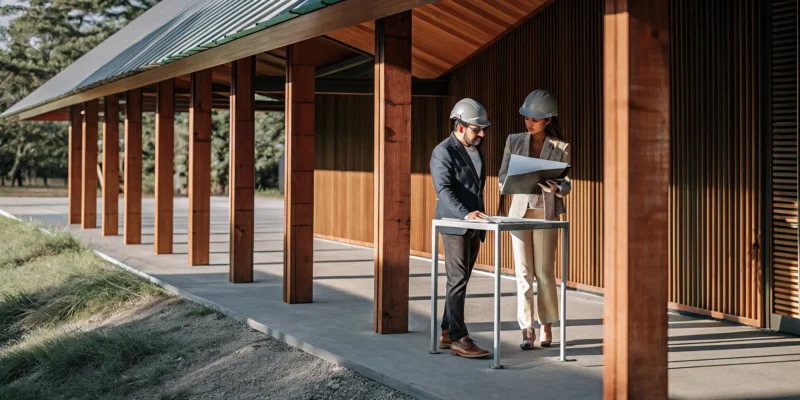
Let’s get straight to the point. You’re asking, “do I need a permit for pavilions in Long Island?” and you deserve a clear answer. For a permanent, high-quality pavilion, the answer is yes. Unlike a temporary canopy or an open-rafter pergola, a pavilion is a significant structure with a solid roof and a proper masonry foundation. Local building departments in Nassau and Suffolk County have strict codes to ensure these structures are safe and properly placed. This isn’t meant to be a roadblock; it’s a process that protects your investment. Understanding the triggers for a permit, from exceeding a certain square footage to adding electrical wiring, is the first step. We’ll break down exactly what you need to know before you begin your project.
Key Takeaways
- Know what requires a permit: Your pavilion project will almost certainly need a permit if it has a solid roof, is larger than about 100 square feet, or includes utilities like electricity or plumbing. These elements define it as a permanent structure, which requires official review.
- Always check with your local town first: Permit rules are not the same everywhere; they change significantly between towns in Nassau and Suffolk County. Contacting your local building department directly is the best way to avoid serious risks like fines or being forced to tear down your project.
- Distinguish between building and renting: Building a pavilion is a permanent investment in your home that requires a construction permit. Renting a park pavilion is a temporary solution for a single event, which involves a completely different reservation and permit process.
Building at Home vs. Renting at a Park: What to Know
Deciding between building a permanent pavilion in your backyard and renting one at a local park comes down to your long-term goals. A custom-built structure offers a lasting extension of your home, creating a dedicated space for relaxation and entertainment whenever you want it. Imagine stepping outside to a beautiful, shaded retreat that perfectly matches your home’s style. This is an investment in your property and lifestyle, giving you a private oasis for family dinners, quiet mornings, or hosting friends. Gappsi specializes in creating stunning pavilions and pergolas that transform your outdoor space.
On the other hand, renting a pavilion is a practical solution for a single event, like a large birthday party or a family reunion. It saves you the cost and commitment of construction while still providing a sheltered spot for your gathering. Many Long Island parks offer pavilion rentals, giving you access to scenic locations without the responsibilities of ownership. Both paths have their own set of rules and requirements. Building at home often involves securing a permit from your town, while renting requires a reservation and sometimes a special use permit from the park authorities. Understanding what each option entails will help you make the right choice for your needs.
Building a Pavilion in Your Backyard
Adding a pavilion to your backyard is a wonderful way to create a permanent outdoor living area. Before you start, it’s important to know that most towns in Long Island require a building permit for these structures. Generally, you will need a permit if your pavilion is over a certain size, typically around 100 to 150 square feet, or stands taller than 10 feet. A permit is also necessary if you plan to add utilities like electrical wiring for lights and outlets or plumbing for an outdoor kitchen. Since regulations can vary between towns in Nassau and Suffolk counties, your first step should always be to check with your local building department to understand the specific requirements for your project.
Renting a Pavilion at a Local Park
If you only need a pavilion for a day, renting one at a park is a simple and effective option. Many beautiful parks across Long Island offer pavilion rentals for private events. To secure a spot, you’ll likely need a permit, and you should plan ahead. Most park systems require you to make a reservation online or by phone at least two weeks in advance, as in-person bookings are usually not accepted. After you reserve your pavilion, you may also be able to apply for additional permits if you want to have things like amplified music or serve alcohol, allowing you to tailor the space for your specific event.
When Does Your Pavilion Project Need a Permit?
Figuring out permits can feel like a chore, but it’s a crucial step to make sure your new pavilion is safe, legal, and built to last. While the specific rules change from one Long Island town to another, some project features almost always signal that a permit is necessary. Think of it this way: the more permanent and complex your pavilion is, the more likely you’ll need to get official approval before breaking ground.
Understanding these triggers ahead of time saves you from headaches later. Generally, permits are required for structures that are a certain size, have a solid roof, or include utilities like electricity. The good news is you don’t have to figure it all out alone. A full-service team can manage the design, construction, and permitting for your pavilions and pergolas, ensuring everything is handled correctly from the start. Knowing what to expect helps you plan your project timeline and budget without any surprises.
Permanent Structures with Solid Roofs
One of the main reasons pavilions require permits is their solid roof. Unlike a pergola with its open-air rafters, a pavilion’s roof makes it a permanent, enclosed structure in the eyes of your local building department. This design adds significant weight and has a bigger impact on your property, so officials want to ensure it’s built on a stable foundation and can withstand wind and snow.
Because they are considered more permanent, pavilions often fall under stricter regulations. The construction process may involve pouring a concrete slab or installing footings, which are tasks that require professional oversight. Building a solid masonry foundation is key to the structure’s longevity and safety, and your town will want to inspect this work to confirm it meets local codes.
Size and Height Limits
Most towns in Nassau and Suffolk County allow you to build small accessory structures without a permit, but there are strict limits on size. Once your pavilion design exceeds a certain footprint, usually around 100 to 150 square feet, a permit is almost always required. The same goes for height. If your structure is planned to be taller than about 10 feet, you will likely need to submit your plans for review.
These rules exist for a few important reasons. They ensure the structure is safe and doesn’t overwhelm your property or your neighbors’ yards. Proper landscape design can help you plan a pavilion that fits beautifully within your space while respecting these local regulations. By checking the size limits in your specific village or town first, you can avoid costly changes to your plans down the road.
Adding Utilities like Power and Water
If you’re dreaming of a pavilion with ceiling fans, overhead lighting, or an outdoor kitchen with a sink, you will absolutely need a permit. Adding electricity or plumbing to any outdoor structure automatically triggers this requirement, with no exceptions. This is purely a matter of safety. Building codes for electrical and plumbing work are extremely strict to prevent risks like fires, electrical shorts, and leaks.
The permit process ensures that all utility installations are performed by licensed professionals and inspected for compliance. This isn’t a step you can skip, even for something as simple as running a single electrical outlet. Integrating these features is part of creating a truly functional outdoor living space, and a professional home remodeling team can handle the entire process, from design to final inspection.
Zoning Rules and Property Line Setbacks
Beyond the structure itself, your town has zoning rules that dictate where on your property you can build. These regulations include setbacks, which are minimum distances you must maintain between your pavilion and your property lines, your house, and the street. For example, many towns require structures to be at least three to five feet away from a side or rear property line.
These rules prevent crowding, ensure neighbors maintain their privacy, and keep access routes clear for emergency services. Height is also often restricted, with many areas capping accessory structures at around 15 feet. Violating setback rules can lead to major problems, so it’s essential to get a copy of your property survey and review your local zoning code before finalizing your pavilion’s location. An experienced contractor will verify these details for you, ensuring your project is compliant from day one.
Can You Build a Pavilion Without a Permit?
It’s the big question on every homeowner’s mind: can you add a beautiful pavilion to your yard without getting tangled in paperwork? The short answer is maybe, but it really depends on a few key factors. In Long Island, whether you need a permit often comes down to the pavilion’s size, its permanence, and your specific local rules. A simple, temporary structure you put up for a party is very different from a permanent one with a solid foundation.
Generally, if your planned pavilion is a large, permanent addition to your property, you can expect to need a permit. This is especially true for structures with solid roofs or those anchored into a concrete base, which are considered permanent fixtures. The size is another major consideration. Many towns have a square footage limit, and anything over that size automatically requires a permit. Before you start any work, it’s always best to understand these distinctions. This helps ensure your project goes smoothly and you avoid any potential headaches with your local building department down the road.
Temporary or Movable Pavilions
The difference between a temporary and a permanent pavilion is a crucial one when it comes to permits. If you’re thinking of a pop-up canopy or a lightweight kit that isn’t anchored to the ground, you typically won’t need a permit. These are considered movable and not a permanent part of your property. However, the moment a structure is intended to be permanent, the rules change. For example, if your pavilion design involves a concrete foundation or footings that are embedded in the ground, it’s almost always considered a permanent structure. This type of expert masonry work will require a permit from your town or village.
Smaller Structures (Usually Under 100 sq. ft.)
Size is one of the most common factors that determines if a permit is needed. Across Long Island, a frequent rule of thumb is that accessory structures under a certain size, often 100 square feet, may not require a building permit. This can make small, simple pavilions an attractive option. However, there’s a catch: this exemption often doesn’t apply if the structure has a solid roof. Because pavilions are defined by their roofs, many will need a permit regardless of their footprint. It’s a gray area that can be confusing, so never assume your small pavilion is exempt. Always confirm the specific size and roof regulations with your local building department first.
A Note on HOA and Neighborhood Rules
Even if your town’s rules seem straightforward, they aren’t the only ones you need to follow. Regulations can vary quite a bit between different cities, towns, and villages across Nassau and Suffolk counties. What’s acceptable in one area might not be in another. On top of that, if you live in a community with a homeowners association (HOA), you’ll have an extra set of rules to consider. HOAs often have their own specific guidelines about the size, style, and placement of outdoor structures. Before you finalize any home remodeling plans, be sure to check both your local municipal code and your HOA’s covenants to ensure your project is fully compliant.
The Risks of Building Without a Permit
I know it can be tempting to skip the permit process. It feels like a shortcut that could save you time and money, but taking that route often leads to major headaches and expenses down the road. Think of a building permit as a form of protection for your investment. It ensures your new pavilion is safe, meets local codes, and won’t cause problems for you later. Ignoring this step can turn your dream backyard project into a costly nightmare.
When you build without a permit, you open yourself up to a few significant risks that can affect your finances, your property, and your peace of mind. Local building departments are serious about enforcing these rules to ensure community safety and proper land use. Before you even think about breaking ground, it’s important to understand what’s at stake. From sudden fines that halt your progress to serious issues when you try to sell your home, the consequences are very real. Working with a professional team that handles the entire design and construction process, including permits, is the best way to avoid these pitfalls.
Fines and Stop-Work Orders
Imagine your pavilion is halfway built when a town official shows up with a “stop-work order.” This notice legally requires you to halt all construction immediately. Work can’t resume until you sort out the permit situation, which can take weeks or even months. In the meantime, your project is left exposed to the elements, and your backyard is a construction zone. On top of that, the town will likely issue hefty fines for the unauthorized work. These penalties can quickly add up, often costing much more than the original permit fee would have.
Having to Tear It Down
This is the worst-case scenario for any homeowner. If your unpermitted pavilion violates local zoning laws, property line setbacks, or building codes, the town can order you to take it down entirely. All the time, effort, and money you invested would be lost. This can happen if the structure is too large, too close to a neighbor’s property, or not built to safety standards. Having to dismantle a beautiful new structure is not only financially devastating but also incredibly frustrating. It’s a heartbreaking outcome that is completely avoidable by getting the right approvals from the start.
Problems with Insurance or Selling Your Home
The trouble with unpermitted work can follow you for years. If a storm damages your pavilion, your homeowner’s insurance provider may refuse to cover the repairs because the structure was never officially approved. Even worse, an unpermitted addition can create major hurdles when you decide to sell your home. Potential buyers will see it as a liability, and their mortgage lenders may refuse to finance the sale. This can lower your property’s value and make it much harder to find a buyer, forcing you to either tear the structure down or go through the difficult process of getting it permitted retroactively.
Your 4-Step Guide to Getting a Pavilion Permit
Navigating the permit process can feel like a big hurdle, but it doesn’t have to be. Think of it as a roadmap to ensure your beautiful new pavilion is safe, compliant, and built to last. Breaking it down into a few key steps makes the entire process much more manageable. When you work with an experienced team, they handle these details for you, but it’s always helpful to understand what’s involved. Here’s a straightforward guide to getting your pavilion permit in Long Island.
Step 1: Talk to Your Local Building Department
Your first move should always be to connect with your local town or village building department. Every municipality in Nassau and Suffolk County has its own specific rules, so what applies in one town might not apply in the next. A quick call or visit to their office will give you the exact requirements for your project. Ask them for a checklist of what you’ll need for a pavilion permit. This simple conversation clears up any confusion from the start and gives you a clear path forward, saving you time and potential headaches later.
Step 2: Prepare Your Plans and Documents
Once you know what your town requires, it’s time to gather your documents. You will almost certainly need a site plan, which is a map of your property showing where the pavilion will be located. This plan must include property lines and the required distances (or setbacks) from your home and fences. You’ll also need detailed construction drawings of the pavilion itself. Our expert team provides complete design and construction services, creating professional plans that meet all local codes and ensure your vision comes to life perfectly.
Step 3: Submit Your Application and Fees
With your paperwork in order, you can now officially submit your permit application. This involves filling out the necessary forms from your building department and including your site plan and construction drawings. You’ll also need to pay a fee, which can range from around $50 to over $200, depending on your town. Before you submit, double-check that you’ve filled out everything completely and accurately to avoid any processing delays. This is the step where your project officially gets in the queue for approval.
Step 4: Schedule Inspections for Final Approval
Receiving your permit is the green light to start building, but the process isn’t quite over. Your town will need to conduct inspections during and after construction to verify the work is done correctly and safely. Typically, this includes a foundation inspection before the concrete is poured and a final inspection once the pavilion is complete. These checks protect you and your investment. When you partner with Gappsi, we handle all the scheduling and communication with inspectors, ensuring your project proceeds smoothly from the first masonry pour to the final walkthrough.
How to Reserve a Pavilion at a Long Island Park
While building a custom pavilion in your backyard offers endless enjoyment, sometimes you need a space for a one-off event like a large family reunion or a company picnic. Renting a pavilion at a Long Island park can be a great solution. It does, however, come with its own set of rules and paperwork. Here’s what you need to know to make your park reservation go smoothly.
Know the Deadlines and Fees
Planning ahead is everything when it comes to reserving a park pavilion. Popular spots get booked quickly, so you need to be on top of the deadlines. For many Long Island state parks, reservations for the next season open as early as February. After securing a reservation, you’ll pay a permit fee. Keep in mind that this initial fee usually just covers the space itself. If you want to bring in extras like a DJ, a food truck, or even pony rides for the kids, you will likely need to apply for and pay for additional permits.
Check Group Size and Capacity Limits
Before you book, get a firm headcount for your event. Every pavilion has a maximum capacity, and parks have specific rules for large gatherings. For instance, New York State Parks often require you to fill out special Group Use Permit applications for parties of 50 or more people, even if you’re just using a general picnic area. Always check the capacity of the specific pavilion you want to rent to make sure it fits your group comfortably and legally. Exceeding the limit can lead to fines or being asked to leave, so it’s best to be accurate from the start.
When You Might Need a Special Event Permit
Is your gathering more than just a simple picnic with friends? If your event involves fundraising, is open to the public, charges an admission fee, or includes selling anything (like food or merchandise), it will likely be classified as a Special Event. This classification requires a different type of permit with more stringent requirements and potentially higher fees. These rules are in place to manage public safety, liability, and the park’s resources. It’s a key reason why many people who host regular events or gatherings eventually choose to build their own private outdoor space.
Getting Permits for Music, Alcohol, or Big Crowds
If you envision your party with music, alcoholic beverages, or fun extras like a bounce house, you’ll need to get specific add-on permits. Applications for add-on permits cover things like amplified sound systems, DJs, inflatables, and alcohol consumption. Don’t wait until the last minute to handle this. These applications often need to be submitted at least 14 days before your event date to allow for processing. Each permit has its own rules, for example, an alcohol permit will come with strict guidelines you must follow, so read all the fine print carefully.
Helpful Links for Nassau and Suffolk County Parks
Ready to book? The easiest way to reserve a spot at a New York State Park in Nassau or Suffolk County is to do it online or over the phone. Reservations can typically be made up to 11 months in advance. You can call the toll-free line at 1-800-456-2267 or try visiting Reserve America online. Once you are on the website, look for an option to select “Pavilions/Day Use” to filter your search and find the perfect location for your gathering. This central system makes it simple to see availability across multiple parks.
Common Permit Mistakes and How to Avoid Them
Getting a permit can feel like a maze of paperwork, and it’s easy to make a wrong turn. But a few common slip-ups account for most of the headaches homeowners face. Knowing what these mistakes are ahead of time is the best way to keep your project running smoothly, on budget, and without any unwelcome surprises from your local building department. Let’s walk through the most frequent missteps so you can sidestep them completely.
Assuming a Small Pavilion is Always Exempt
It’s a popular myth that any small backyard structure is automatically exempt from permits. While some tiny sheds might fly under the radar, pavilions are a different story. In New York, a permit is often required for any structure over 100 to 150 square feet. Many homeowners are surprised to find their planned “small” pavilion easily exceeds this limit. Building without checking first can lead to fines and orders to halt construction. The safest first step is always to assume you need a permit and verify the exact size threshold with your local town or village office before you buy materials or break ground.
Confusing Pavilion and Pergola Rules
People often use the terms “pavilion” and “pergola” interchangeably, but your local building department does not. The key difference is the roof. A pavilion has a solid, weatherproof roof, making it a more permanent structure in the eyes of regulators. A pergola has a slatted or open-lattice roof designed for partial shade. Because of this, pavilions generally face stricter permit requirements. Understanding the distinction between pavilions and pergolas is crucial for finding the correct forms and following the right set of rules, ensuring your application doesn’t get rejected on a technicality.
Starting Work Before Your Permit is Approved
Once you have a vision for your backyard, the urge to get started is strong. However, beginning construction before you have the approved permit in hand is one of the riskiest mistakes you can make. If a building inspector discovers the unpermitted work, they can issue a stop-work order, freezing your project indefinitely. You’ll likely face fines and may even be required to tear down what you’ve already built. Unpermitted work can also create major problems when you try to sell your home or file an insurance claim. It’s always worth waiting for that official approval before the first post goes in the ground.
Forgetting That Each Town Has Different Rules
Long Island is a patchwork of cities, towns, and villages, and each one has its own set of rules. The permit requirements in one Suffolk County town can be completely different from those in a neighboring Nassau County village. Everything from property line setbacks to height restrictions and required documentation can vary. Relying on advice from a friend in another town or a generic online guide can lead you astray. That’s why it’s essential to go directly to the source: your local building department. Working with a team that has extensive design and construction expertise across Long Island also ensures your project complies with the specific codes for your exact location.
Where to Find Official Permit Information
Knowing where to get accurate permit information is the first step to a smooth project. With so many different rules across Long Island, it’s easy to feel a bit lost. The good news is that there are clear, official sources you can turn to for answers. Let’s walk through the best places to find exactly what you need for your pavilion project, whether you’re building at home or planning an event at a park.
Your Town or Village’s Building Department
Your local building department is the most important resource for any home construction project. Pavilion permit rules can change dramatically from one town to the next, so you can’t assume your neighbor’s experience will be the same as yours. This office holds the definitive answers for your specific property, including zoning laws, setback requirements, and size limitations. Before you do anything else, we always recommend you contact your local officials. You can find a directory of municipalities on the Nassau and Suffolk County government websites to locate the correct office for your home. Getting information directly from the source will save you headaches later.
New York State Parks Website
If you’re planning to host an event at a public park instead of building in your backyard, the New York State Parks website is your go-to guide. This is where you can find information on reserving picnic pavilions for a specific date. Keep in mind that reservations, especially for popular seasons, can fill up fast. After you secure a reservation, you may also need to apply for separate permits for things like amplified music, bounce houses, or food trucks. The official NY Parks website provides detailed permit information for Long Island locations, so you can see exactly what’s needed for your gathering to go off without a hitch.
When to Ask a Professional for Help
Let’s be honest, figuring out the patchwork of local regulations across Long Island can be the most stressful part of any project. If reading through codes and filling out applications feels overwhelming, it’s a good idea to ask for help. An experienced home improvement professional handles these processes all the time. They know who to talk to, what paperwork is needed, and how to prepare plans that meet local requirements. Bringing in an expert not only saves you time but also provides peace of mind that your project is compliant from start to finish. A team of pros can manage the entire permit process for your new pavilion, letting you focus on the fun parts of the design.
Let’s Build Your Perfect Long Island Pavilion
Picturing a beautiful pavilion in your backyard is the fun part. Thinking about the paperwork that comes with it? Not so much. Before we can break ground on your new outdoor retreat, we need to talk about permits. It’s a question we get all the time, and the short answer is yes, you will most likely need one for a pavilion project in Long Island.
Because pavilions have solid roofs and are considered permanent structures, local towns have specific rules for them. These pavilion regulations can vary from one village to the next, covering everything from size to how close the structure can be to your property line. This might sound complicated, but please don’t let it discourage you. This is where we come in. Part of our job is to handle the entire permit process for you. We know the specific requirements for towns in both Nassau and Suffolk County, so you don’t have to become a zoning expert overnight.
We manage the paperwork so you can focus on the exciting decisions, like choosing the style, materials, and features for your custom Gappsi pavilion. Our goal is to make the journey from concept to completion smooth and stress-free, ensuring your new outdoor space is built correctly and to code from the very beginning.
Related Articles
- Custom Pavilions, Pergolas & Gazebos in Long Island, NY
- pavilions Archives – Gappsi Group
- Modern Amish Backyard Pavilion & Porcelain Tile | Islip NY | Gappsi Inc
- Pavilion Installation East Hills: A Gappsi Guide
- Amish Pavilion Designs & Ideas for Backyards | Gappsi Inc
Frequently Asked Questions
How long does the permit process usually take? The timeline for getting a permit can vary quite a bit from one Long Island town to another. Generally, you should plan for it to take anywhere from a few weeks to a couple of months. The timing often depends on how busy your local building department is and how complex your project is. This is why it’s so important to start the process early, well before you plan to begin construction.
What’s the main difference between a pavilion and a pergola when it comes to permits? The key difference really comes down to the roof. A pavilion has a solid, continuous roof that provides full protection from sun and rain. Because of this, building departments consider it a permanent structure that must meet stricter codes. A pergola, with its open, slatted roof, is often seen as a less permanent garden feature and may have more lenient requirements, though a permit might still be needed depending on its size and height.
Do I still need a permit if I buy a pavilion kit instead of getting a custom build? Yes, you most likely will. Your town’s permit requirements are based on the final structure’s size, height, and permanence, not on whether it was custom-built or came from a kit. If the assembled pavilion kit is larger than the town’s size limit or is anchored to a permanent foundation like a concrete slab, it will be subject to the same permit rules as any other construction project.
What happens if my permit application gets rejected? A rejection isn’t the end of the road, but it does mean your project is on hold. Usually, an application is denied because the plans don’t meet local zoning or building codes, or the paperwork is incomplete. You will receive a notice explaining the reasons for the denial, and you’ll have to submit revised plans that address those issues. This is a key reason why working with a professional who prepares compliant plans from the start can save you a lot of time and frustration.
Can I just get the permit myself to save money? You can certainly try to manage the permit process on your own, but it can be a very time-consuming and confusing task. You’ll need to create detailed site plans and construction drawings that meet specific local codes, which can be challenging without professional design experience. Hiring an expert to handle the permitting ensures all paperwork is filed correctly and that the plans are compliant from day one, which often prevents costly delays and makes the entire project run more smoothly.