


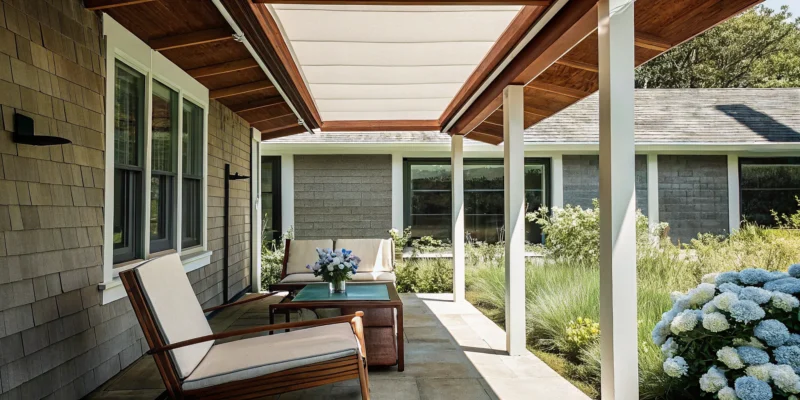
Often, the vision for a perfect backyard doesn’t stop with just one feature. You might be dreaming of a beautiful pergola, but you also picture it sitting on a new stone patio, surrounded by landscape lighting, and maybe even near a cozy fire pit. Tackling these projects one at a time can be a slow and disjointed process. This is where financing can be a game-changer, allowing you to create a complete, cohesive outdoor living space all at once. The question of “Can I finance pergolas in Long Island?” expands to financing your entire dream project. This article will explore how you can bundle multiple upgrades into a single, manageable loan, making it possible to bring your full vision to life with a streamlined and efficient plan.
Key Takeaways
- Account for All Costs, Not Just Materials: Your pergola’s final price tag is shaped by its size, your choice of material (like wood or vinyl), and professional labor. It’s also crucial to budget for necessary local permits to ensure your project is safe, compliant, and a true asset to your home.
- Know Your Financing Options: You don’t have to pay for your pergola all at once. Consider a personal loan for a predictable payment schedule, a home equity loan for potentially lower rates, or the convenience of financing directly through your contractor to simplify the entire process.
- Make a Smart Financial Plan: Before committing, compare loan offers to find the lowest total borrowing cost, not just the lowest monthly payment. Plan a small buffer in your budget for unexpected costs or fun add-ons, and remember that a well-built pergola is an investment that improves your home and your daily life.
How Much Does a Pergola Cost in Long Island?
Figuring out the cost of a new pergola for your Long Island home can feel a bit like asking, “How much does a car cost?” The answer is always, “It depends!” The final price tag is influenced by a few key factors, including the size of the structure, the materials you choose, and the complexity of the installation. A pergola is more than just an outdoor accessory; it’s an architectural feature that defines your patio, poolside, or garden, creating a beautiful and functional outdoor room for you and your family to enjoy.
While it’s an investment, adding a pergola doesn’t have to break the bank. There are options available for various budgets, from straightforward kits to elaborate custom designs. The best way to get a clear picture of the cost for your specific vision is to work with a design and construction expert. A company that handles the entire process can help you explore different materials and styles to find a solution that fits your budget and perfectly complements your home’s aesthetic. Gappsi’s team can walk you through all the options for pavilions and pergolas to create the backyard retreat you’ve been dreaming of.
Breaking Down Material and Size Costs
The two biggest factors that will shape your pergola’s cost are its material and its size. Traditional wood pergolas offer a classic, natural look, while vinyl and aluminum options provide a modern aesthetic with the added benefit of being very low-maintenance. Each material comes at a different price point, so your choice will have a direct impact on the budget.
Of course, the larger the pergola, the more it will cost in both materials and labor. A small, simple structure designed to accent a garden path will be far more affordable than a sprawling pergola built to cover an entire outdoor kitchen and dining area. This is where working with a flexible builder helps. We can create fully custom pavilions and pergolas tailored to your exact specifications or help you select a standard model that fits your space and budget perfectly.
Factoring in Labor and Installation
Unless you’re an expert builder, installing a pergola is a job best left to the professionals. The cost of labor and installation is a critical part of your overall budget. While it might be tempting to cut corners here, professional installation ensures your pergola is structurally sound, safe, and built to withstand Long Island weather for years to come. A poorly installed pergola can be a safety hazard and a costly mistake to fix down the line.
The good news is that a standard pergola installation can often be completed in a day or two, which helps keep labor costs manageable. When you partner with a full-service company like Gappsi, the entire process is streamlined. We handle everything from the initial design and material selection to the final construction, making your home remodeling project smooth and stress-free.
Don’t Forget Permits and Local Rules
Before you break ground, it’s essential to understand the local rules for your area. Most towns and villages in Nassau and Suffolk counties require a permit for a permanent structure like a pergola. While navigating the permit process can feel intimidating, it’s a non-negotiable step. These regulations are in place to ensure your project is safe and meets all local building codes.
Skipping the permit can lead to fines and may even require you to tear the structure down. If your design includes features like electrical wiring for lights and fans or plumbing for an outdoor kitchen, a permit is absolutely mandatory. A reputable contractor will manage the entire permit application for you, ensuring all paperwork is filed correctly so your project proceeds without any unwelcome surprises or delays.
How Can You Finance a Pergola in Long Island?
A beautiful pergola can completely transform your backyard into a functional and inviting retreat. While it’s a valuable addition to your home, you don’t have to pay for it all at once. Financing your project makes it possible to build the outdoor space you’ve been dreaming of without draining your savings. The key is finding the right financing path that fits your budget and financial situation.
Fortunately, Long Island homeowners have several great options to explore. From traditional bank loans to specialized financing offered directly by your contractor, there are flexible ways to fund your new pergola. We’ll walk through the most common choices, so you can feel confident moving forward with your project. Think of it as breaking a big goal down into smaller, more manageable steps. Let’s look at the top ways you can finance your new favorite outdoor spot.
Personal Loans
A personal loan is one of the most straightforward ways to finance a pergola. These are typically unsecured loans, which means you don’t have to use your home as collateral. You simply borrow a lump sum of money from a bank, credit union, or online lender and pay it back in fixed monthly installments over a set period. This option is great if you want a clear repayment schedule and prefer to keep your home equity separate. Some lenders even offer personal loans specifically for home improvement projects, which can streamline the approval process and get you the funds you need quickly.
Home Equity Loans and HELOCs
If you’ve built up equity in your home, you can use it to your advantage. A home equity loan gives you a lump sum of cash with a fixed interest rate, making it easy to budget for. Alternatively, a Home Equity Line of Credit (HELOC) works more like a credit card, allowing you to draw funds as needed up to a certain limit. Both options often come with lower interest rates than personal loans because your home secures the loan. Some financing options even let you borrow a bit more than your initial project estimate, giving you a cushion for any unexpected costs or upgrades along the way.
Contractor Financing
Many home improvement companies offer their own financing options to make the process as smooth as possible for their clients. When you finance through your contractor, you can often get quick approvals and manage your entire project, from design to payment, all in one place. At Gappsi, we partner with lenders to provide flexible financing solutions for our customers. This allows you to bundle your new pergola with other outdoor upgrades, like a new patio or landscaping, into one simple monthly payment. It’s a convenient way to bring your complete vision for your backyard to life without the hassle of coordinating with a separate bank.
Credit Cards
Using a credit card can be a practical choice for financing your pergola, especially if you can take advantage of a promotional offer. Many credit cards come with an introductory 0% APR period, which gives you time to pay off the balance without accruing interest. For larger purchases, some services let you break up your payment into smaller, more manageable installments over several months. While this is a flexible option, it’s best suited for those who are confident they can pay off the balance quickly to avoid the typically higher interest rates that kick in after the promotional period ends.
Understanding Interest Rates and Loan Terms
Choosing Between Fixed and Variable Rates
When you start looking at loans, you’ll see two main types of interest rates: fixed and variable. A fixed rate is exactly what it sounds like, it stays the same for the entire life of the loan. This means your monthly payment will always be predictable, which makes budgeting much easier. A variable rate, on the other hand, can change over time based on market conditions. It might start lower than a fixed rate, which is tempting, but it could also increase later, leading to higher payments.
Choosing between them really comes down to your comfort level with risk. If you prefer stability and knowing exactly what you’ll owe each month, a fixed rate is a solid choice. Many financing programs offer competitive fixed rates, so you can lock in a payment that works for you and focus on enjoying your beautiful new pavilion or pergola.
Deciding on a Repayment Timeline
Another key part of your loan is the repayment timeline, or term. This is how long you have to pay back the loan. You’ll find options ranging from just a couple of years to as long as 20 years. A shorter term means higher monthly payments, but you’ll pay less interest overall and be debt-free sooner. A longer term will give you lower, more manageable monthly payments, but you will pay more in total interest over the years.
There’s no single right answer here. The best timeline depends on your monthly budget and financial goals. Think about what payment amount feels comfortable for you right now. A longer term can make a larger project, like a full home remodeling that includes a pergola, more accessible.
Watch Out for Hidden Fees
Finally, always keep an eye out for hidden fees that can add to the total cost of your loan. Some lenders charge origination fees for processing the loan, application fees just to apply, or prepayment penalties if you decide to pay off your loan early. These costs can add up, so it’s important to ask about them upfront. For example, a loan might seem to have a low interest rate, but high fees could make it more expensive than other options.
Look for lenders who are transparent and advertise no hidden fees or no prepayment penalties. This gives you the flexibility to pay off your project faster if you can. When you work with a trusted local expert, they can often guide you toward reputable financing partners. You can also find high-quality materials and design inspiration at the Gappsi Store to ensure your investment is built to last.
How Does Your Credit Affect Financing?
When you apply for financing, lenders look at your financial history to decide if they can offer you a loan. Your credit is a big part of that picture. It helps them understand how you’ve managed debt in the past and gives them an idea of how you’ll handle a new loan for your pergola project. A strong credit history can open the door to better interest rates and more favorable terms. A less-than-perfect score doesn’t necessarily close the door, but it might change the options available to you. Let’s break down what lenders are looking for.
What Credit Score Do You Need?
Most lenders have a minimum credit score you’ll need to qualify for financing. While this number can vary, many lenders look for a score of at least 660. A higher score generally shows lenders you’re a lower-risk borrower, which can help you secure lower fixed interest rates. This makes financing a great alternative to a home equity line of credit (HELOC) for your project. Having a good credit score makes it much simpler to get the funds you need for your dream pergola or pavilion without unexpected hurdles.
Proving Your Income and Debt-to-Income Ratio
Beyond your credit score, lenders will want to see proof of your income and your debt-to-income (DTI) ratio. Your DTI is the percentage of your monthly income that goes toward paying off debt. Lenders use this to make sure you can comfortably afford a new monthly payment. Some personal loans offer flexible terms without requiring home equity, which is great for funding your project quickly. This financial check-in ensures that you can not only build a beautiful outdoor space but also manage the payments without stretching your budget too thin.
Options for Less-Than-Perfect Credit
If your credit score isn’t perfect, don’t worry, you still have options. Many people are in the same boat, and there are lenders who specialize in working with homeowners who have less-than-ideal credit. While the interest rates might be a bit higher, personal loans can still be accessible, with some rates starting around 7.99%. Some lenders even offer unique loan structures that let you bundle other improvements, like a new patio or landscaping, with your pergola. This can be a great way to tackle a larger home remodeling project all at once.
Do You Need a Permit for a Long Island Pergola?
Adding a pergola to your backyard is a wonderful way to create a beautiful and functional outdoor living space. But before you start building, it’s important to address a common question: do you need a permit? The short answer is, it depends. On Long Island, permit requirements for structures like pergolas are not uniform. They vary widely based on your specific location in Nassau or Suffolk County, the size of the proposed structure, and whether it will be attached to your house or freestanding. Figuring out these rules can feel a bit overwhelming, but getting it right from the start will save you from major headaches down the road.
Understanding Nassau vs. Suffolk County Rules
The first thing to know is that Long Island is a patchwork of different towns and villages, each with its own set of building codes. A rule in the Town of Oyster Bay might be completely different from one in the Town of Islip. For example, some municipalities allow small, detached structures under a certain square footage (like 100 or 144 square feet) to be built without a permit. The best first step is always to contact your local building department directly. A quick phone call or visit to their website can clarify exactly what you need for your specific project, ensuring you’re on the right track before any work begins.
The Risks of Skipping the Permit Process
It can be tempting to bypass the permit process to save time and money, but the risks far outweigh the benefits. If a neighbor complains or a town inspector spots your unpermitted structure, you could face hefty fines and be ordered to take it down. More importantly, permits ensure your pergola is built safely and to code, protecting it from wind and weather. An unpermitted addition can also create serious problems when you decide to sell your home. It can delay or even derail a closing, forcing you to either legalize the structure retroactively or remove it entirely. Working with an experienced team ensures you get one of the many beautiful and compliant pavilions and pergolas that adds value, not problems.
How Pergola Choices Impact Your Budget
The final price of your pergola depends on a few key decisions you’ll make during the design process. From the materials you choose to the special features you add, each choice plays a role in your total budget. Thinking through these options ahead of time helps you create a beautiful outdoor space that aligns with your financial plans. Let’s walk through the main factors that will shape the cost of your Long Island pergola project.
Comparing Material Costs: Wood, Aluminum, and Vinyl
The material you select is one of the biggest factors in your pergola’s cost. Wood offers a timeless, classic look that many homeowners love, but it requires regular maintenance like staining or sealing to protect it from the elements. Vinyl is a fantastic alternative that gives you a similar look to wood but with much less upkeep, making it a durable and cost-effective choice over the long run. For a more modern and resilient option, aluminum pavilions and pergolas are incredibly strong and can include louvered roofs for adjustable shade. Each material has a different price point, so it’s important to weigh the initial cost against the long-term maintenance and durability you want.
Freestanding vs. Attached: What’s the Cost Difference?
You’ll also need to decide if your pergola will be attached to your house or stand on its own. An attached pergola uses your home as one side of its support, which can sometimes reduce material and labor costs since it requires fewer posts. This is a great option for creating a seamless transition from your indoor space to an outdoor patio. A freestanding pergola, on the other hand, can be placed anywhere in your yard, like next to a swimming pool or in a garden. It requires a full foundation with four or more posts, which can increase the cost, but it gives you complete flexibility with placement and design.
Budgeting for Custom Add-Ons
Custom features are what transform a simple pergola into a true outdoor living room. While these add-ons will increase your budget, they also add immense value and enjoyment to your space. You can integrate features like built-in lighting for evening gatherings, ceiling fans for hot summer days, or even a complete sound system. Many homeowners also choose to incorporate an outdoor kitchen or a cozy fire pit under their pergola. When you plan your project, think about how you want to use the space and budget for the add-ons that will make it perfect for your family’s lifestyle. These additions make your investment more functional and enjoyable for years to come.
Find Local Incentives for Your Project
Beyond traditional financing, you might be able to lower the cost of your home improvement project with local incentives. Many New York programs are designed to help homeowners invest in their properties, particularly when it comes to energy efficiency. While a pergola itself may not qualify for an energy rebate, you can often bundle it with other upgrades that do. For example, if your backyard renovation includes new energy-efficient lighting or you’re updating your home’s heating and cooling system at the same time, you could tap into these programs to reduce your total project cost. It’s a smart way to make your budget stretch further and get more out of your investment. Exploring these options is a great step before you commit to a loan, as they can significantly change your financial picture for the better.
NYSERDA Residential Financing Programs
The New York State Energy Research and Development Authority (NYSERDA) offers a suite of loans to help residents finance energy-efficient home improvements. These residential financing programs are designed to make upgrades like heat pumps, solar panels, and better insulation more accessible. The idea is that these improvements pay for themselves over time through lower energy bills. If you’re planning a larger project that includes a new pergola, consider what other energy upgrades you could make. By using a NYSERDA loan for qualifying parts of your renovation, you can free up funds in your budget for the beautiful outdoor structure you’ve been dreaming of.
PSEG Long Island Energy Efficiency Incentives
As a Long Island resident, you have access to specific local programs. PSEG Long Island provides incentives and rebates for high-efficiency systems that can make a real difference in your project’s bottom line. These are often available for upgrades to your heating and cooling equipment. Think about your project holistically. Are you planning to install fans or heating elements in your new pavilion or pergola? It’s worth checking with PSEG Long Island to see if any components of your outdoor living project qualify for a rebate. Every dollar you save on necessary upgrades is a dollar you can put toward custom features and finishes.
Home Performance with ENERGY STAR
The Home Performance with ENERGY STAR program is another fantastic resource for New York homeowners. This program helps you make smart investments in your home’s energy efficiency, leading to lower bills and a more comfortable living space year-round. It all starts with a comprehensive home energy audit from a trained local contractor. The audit identifies exactly where your home is losing energy and what improvements will have the biggest impact. The savings you gain from these upgrades can help offset the cost of other projects, making it easier to afford the backyard oasis you’ve always wanted.
What to Know Before You Finance Your Pergola
Financing your pergola is a big step, but it doesn’t have to be a complicated one. Before you sign on the dotted line, taking a moment to think through a few key details will ensure you make a smart choice for your home and your wallet. It’s all about finding a path that gets you the beautiful outdoor space you want without adding financial stress. By understanding your budget, planning for the unexpected, and seeing the project as a long-term investment, you can move forward with confidence.
Match Your Loan to Your Budget
Before you fall in love with a specific pergola design, it’s essential to know what you can comfortably afford each month. A great first step is to use a loan calculator to play with different loan amounts, interest rates, and term lengths. A longer repayment period might give you a lower monthly payment, but you’ll likely pay more in interest over time. The goal is to find that sweet spot where the payment fits neatly into your budget without forcing you to cut back elsewhere. Be realistic about your finances to ensure your new backyard retreat remains a source of joy, not stress.
Plan for Unexpected Costs
Even with the most detailed plan, home improvement projects can sometimes come with surprises. You might run into an issue during installation or decide on a last-minute upgrade you can’t live without. That’s why it’s smart to build a cushion into your budget. Some financing options allow you to borrow a little more than the initial quote, giving you a safety net for these “just in case” moments. Having this buffer means you can handle unforeseen expenses without derailing your project. A thorough design and construction plan from the start can also help minimize surprises.
Compare the Total Cost of Borrowing
When you’re looking at loan offers, it’s easy to focus only on the monthly payment. However, it’s crucial to compare the total cost of each option. Pay close attention to the Annual Percentage Rate, or APR, which includes the interest rate plus any lender fees. A lower APR means you’ll pay less to borrow the money. Take the time to get quotes from different sources, like your bank, a credit union, and through contractor financing. Understanding the full cost of borrowing helps you choose the most affordable loan in the long run, not just the one that looks cheapest month to month.
Consider Your Home’s Long-Term Value
A pergola is more than just a beautiful addition to your backyard; it’s an investment in your home’s value and your quality of life. A well-designed outdoor living area is a highly desirable feature that can make your property more attractive to future buyers. Think of financing as a tool to create a space that you’ll enjoy for years and that will pay you back when it’s time to sell. Gappsi specializes in creating stunning pavilions and pergolas that not only enhance your lifestyle but also add lasting value to your Long Island home.
Should You Finance Through Your Contractor?
After exploring traditional bank loans and credit cards, you might find that one of the most straightforward options is right in front of you: financing directly through your contractor. Many reputable home improvement companies, including Gappsi, offer financing solutions to help you get your project started sooner. This path can simplify the entire process, rolling the design, construction, and payment plans into one seamless experience.
Working with your contractor for financing means you have a partner who understands the full scope and cost of your project from the very beginning. They can help you secure funding that accurately reflects your vision, whether you’re dreaming of a simple pergola or a complete backyard transformation. Instead of juggling communications between a bank and your build team, you have a single point of contact dedicated to bringing your project to life. It’s an attractive option for homeowners who value convenience and want to move forward with their plans without unnecessary delays or complications.
The Advantage of Quick Approvals
One of the biggest hurdles with any home improvement project can be the waiting game, especially when it comes to financing. Traditional loans can involve a lot of paperwork and a lengthy approval process. Contractor financing often cuts through that red tape. For instance, Gappsi can help you get approved for 100% financing on your project, sometimes in as little as 24 hours. This kind of speed means you can say “yes” to your dream backyard and get the project on the schedule almost immediately. A quick approval process allows you to lock in your contractor and material costs, helping you avoid potential price increases and start enjoying your new space sooner.
Bundle Your Pergola with Other Outdoor Projects
Have you been dreaming of more than just a pergola? Maybe you envision a new stone patio to go underneath it, some landscape lighting, or even a cozy fire pit. Financing through your contractor makes it much easier to bundle multiple projects into a single loan. This is a smart way to create a cohesive outdoor living area all at once, rather than tackling it in phases over several years. You can combine your pergola installation with other home remodeling goals, from a new gravel driveway to a complete landscape overhaul, streamlining the entire renovation and financing process into one manageable plan.
Explore Gappsi’s Pergola and Pavilion Options
Financing opens up a world of possibilities, allowing you to get the high-quality features you really want without paying the entire cost upfront. When you work with Gappsi, you can explore a wide range of beautiful pavilions and pergolas, knowing that a flexible payment plan is within reach. This means you don’t have to settle for a lesser design or lower-quality materials because of budget constraints. Instead, you can focus on choosing the perfect structure to complement your home and lifestyle. By pairing expert design and construction with accessible financing, you can create the stunning and functional outdoor retreat you’ve always wanted.
Related Articles
- What You Should Know About Pergolas on Long Island
- Custom Pavilions, Pergolas & Gazebos in Long Island, NY
- PVC Pergolas and railings | Long Island, NY
Frequently Asked Questions
What’s a realistic budget for a pergola on Long Island? The cost really depends on your vision. A simple, standard-sized vinyl or wood pergola might fall into one price range, while a large, custom aluminum structure with a louvered roof and integrated lighting will be a more significant investment. The best way to get an accurate price is to have a consultation. A designer can help you balance material choices, size, and custom features to create a project that fits your budget and gives you the exact outdoor space you want.
Is it better to get a loan from my bank or finance through my contractor? Both are great options, but they serve different needs. A personal loan from your bank gives you cash in hand, which offers flexibility. However, financing through your contractor, like the partnerships Gappsi offers, is often much more convenient. The process is streamlined because your build team already knows the project’s exact costs, which can lead to faster approvals. It also means you have one point of contact for your entire project, from the initial design to the final payment.
Can I finance more than just the pergola structure? Yes, and this is one of the biggest advantages of financing through your contractor. You can bundle the cost of your new pergola with other backyard upgrades, like a new stone patio, landscape lighting, or even an outdoor kitchen. This allows you to create a complete, cohesive outdoor living space all at once with a single loan and one manageable monthly payment, rather than tackling projects piece by piece over several years.
What happens if I build a pergola without a permit? Skipping the permit process can lead to serious headaches. Your town could hit you with fines and even issue a stop-work order or require you to tear the structure down. An unpermitted addition can also cause major problems when you try to sell your home. The permit ensures your pergola is built to code and is safe for your family. A professional contractor will manage the entire permit process for you, so you can be confident your project is done right.
How much does my credit score really matter for getting a loan? Your credit score is an important factor, as a higher score typically helps you qualify for lower interest rates. However, it isn’t the only thing lenders consider. They also look at your income and your overall debt-to-income ratio to make sure a new payment is manageable for you. Even if your credit isn’t perfect, don’t assume you won’t qualify. Many lenders offer financing solutions for a wide range of credit profiles, so it’s always worth exploring your options.