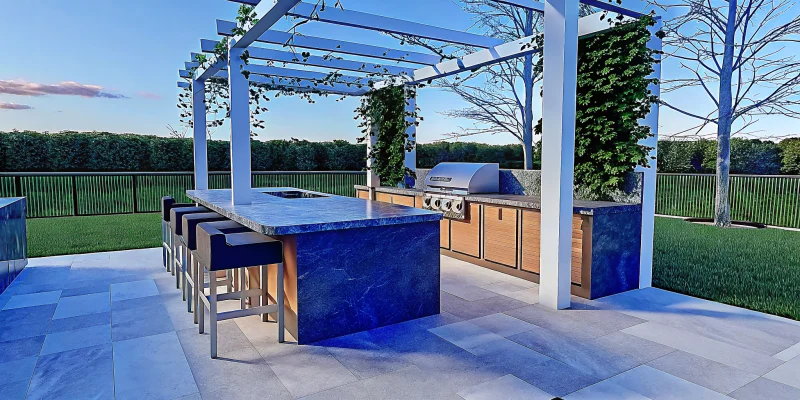
Modern Challenger outdoor kitchen with all-aluminum cabinets, an integrated grill, and bar seating.

Challenger Outdoor Kitchens: The Buyer’s Guide

When you start planning an outdoor kitchen for your Long Island home, you quickly realize our weather is the biggest challenge. Wood rots, and some metals rust in our salty, humid air. You need something built to last without constant maintenance. This is exactly where Challenger Outdoor kitchens come in. They are engineered from powder-coated aluminum, making them completely weatherproof. Forget about warping, rotting, or rust; these cabinets are designed to look beautiful season after season. This guide will walk you through what makes Challenger the premier choice for a durable, low-maintenance, and stylish outdoor kitchen that truly stands up to the elements.

Key Takeaways

  • Built for the Coast, Not for Upkeep: Challenger kitchens use powder-coated aluminum that won’t rust, rot, or warp, giving you a beautiful, long-lasting outdoor space without the constant maintenance required by wood or other metals.
  • Your Kitchen, Your Layout: Don’t settle for a one-size-fits-all solution. Challenger’s modular system offers total flexibility to design a kitchen layout that fits your exact space and integrates seamlessly with your appliances.
  • Rely on a Pro for a Perfect Finish: An authorized dealer ensures you get a genuine Challenger product and expert design advice, while professional installation is key for safety, proper appliance function, and a kitchen that’s built correctly from the ground up.

What Are Challenger Outdoor Kitchens?

If you’ve started planning an outdoor kitchen, you’ve likely come across the name Challenger Designs. They’re a leader in the industry, known for creating high-quality outdoor kitchens, cabinets, and grill carts that are as durable as they are beautiful. Unlike traditional masonry or wood-framed kitchens, Challenger builds its products entirely from aluminum, offering a lightweight yet incredibly strong solution for your backyard. This makes them a fantastic choice for Long Island homeowners who want a stylish, low-maintenance setup that can handle our coastal weather without warping, rotting, or rusting.

Think of a Challenger kitchen as a complete, modular system designed to make outdoor entertaining effortless. It’s not just a standalone grill cart; it’s a fully customizable collection of cabinets and countertops that can be configured to fit your space and cooking style perfectly. Whether you’re dreaming of a simple grilling station or a full-service outdoor kitchen with a sink, refrigerator, and plenty of storage, Challenger provides the foundation. Their innovative approach combines sophisticated design with practical, weatherproof construction, giving you a functional and elegant outdoor cooking area that will be the centerpiece of your backyard gatherings for years to come.

Sleek, All-Aluminum Design

The first thing you’ll notice about a Challenger kitchen is its clean, modern aesthetic. Every cabinet and cart is built from lightweight, powder-coated aluminum, which gives it a sleek, contemporary look that complements any patio design. But the choice of aluminum goes far beyond style. It’s a weatherproof material that won’t rust, rot, or degrade when exposed to rain, sun, and salty air. This means you get a beautiful kitchen without the constant upkeep required by wood or other materials. Challenger Designs offers a range of finishes, allowing you to create a custom look that feels like a true extension of your home.

Seamless Appliance Integration

A great outdoor kitchen is built around its appliances, and Challenger kitchens are engineered for flawless integration. The cabinets are designed to house everything from grills and smokers to side burners, outdoor refrigerators, and sinks from virtually any brand. One of their standout features is the use of sealed storage solutions, which keep your expensive cooking tools and electronics safe and dry. This thoughtful design ensures that your appliances are not only secure but also perfectly fitted, creating a cohesive and professional look. Whether you have a large ceramic smoker or a built-in gas grill, a Challenger system provides a safe, custom-fit home for all your outdoor cooking essentials.

Why Invest in a Challenger Outdoor Kitchen?

An outdoor kitchen is more than just a place to grill; it’s the heart of your backyard, extending your living space and creating a hub for entertaining. When you decide to add one to your home, you’re making a significant investment in your lifestyle and property value. That’s why choosing the right materials is so important. You want something that not only looks fantastic but can also handle everything Long Island weather throws at it, from humid summer days to icy winters.

This is where Challenger Outdoor Kitchens truly shine. Their all-aluminum cabinets are engineered for performance, offering a combination of durability, low maintenance, and sophisticated style that’s hard to beat. Unlike wood, which can rot and warp, or other metals that can be difficult to maintain, Challenger provides a worry-free solution that protects your investment for years to come. It’s about getting a beautiful, functional kitchen that’s always ready for your next gathering, without the constant upkeep.

Built to Withstand the Elements

One of the biggest concerns for any outdoor structure is its ability to last. Challenger’s all-aluminum construction directly addresses this. Aluminum is a remarkably durable material that won’t warp, rot, or rust, even when exposed to direct sun, heavy rain, or freezing temperatures. This means your cabinets will maintain their structural integrity and clean lines season after season. For homeowners on Long Island, this resilience is a game-changer. You can design a stunning outdoor living space without worrying that your kitchen will degrade over time. It’s a true set-it-and-forget-it solution that delivers lasting value and peace of mind.

Keeping Your Cabinets Dry and Clean

A great outdoor kitchen should protect your valuable cooking equipment. Challenger cabinets are designed with this in mind, featuring integrated weather-tight seals and dry-storage construction. This thoughtful engineering ensures that the interior of your cabinets remains safe from moisture, dust, and pests. You can store your grilling tools, serving dishes, and even dry goods with confidence, knowing they’ll be clean and ready to use whenever you are. This feature is especially crucial for protecting sophisticated appliances like built-in grills and side burners, safeguarding them from the elements and extending their lifespan. It’s a small detail that makes a huge difference in the daily use and long-term care of your kitchen.

A Kitchen Designed Just for You

Your outdoor kitchen should be a perfect reflection of your space and how you love to entertain. Challenger’s modular system offers incredible flexibility, allowing you to create a layout tailored to your exact needs. Whether you have a compact patio or an expansive backyard, you can configure cabinets, drawers, and appliance housings to build your ideal setup. At Gappsi, our designers work with you to bring that vision to life, ensuring your Challenger kitchen fits seamlessly into your property. We can help you select the right components and even integrate them into a larger project, like placing them on a beautiful natural stone patio or under a custom-built pergola.

Challenger vs. The Competition

When you’re planning an outdoor kitchen, you’ll find a lot of options out there. So, what makes Challenger stand out from the crowd? It really comes down to a few key areas: the quality of the materials, the balance of cost and long-term value, and the sheer flexibility you get in the design process. While other brands might offer modular solutions, Challenger’s commitment to all-aluminum construction and custom-fit designs provides a unique advantage, especially for homeowners who want a kitchen that’s truly built to last and tailored to their lifestyle.

Let’s break down how Challenger stacks up against other popular outdoor kitchen brands and materials.

A Look at Materials and Craftsmanship

The biggest difference you’ll notice with Challenger is its all-aluminum construction. Many outdoor kitchens use a mix of materials, like stainless steel doors on a galvanized steel or even a wood frame. The problem is that these materials react differently to the weather we get here on Long Island. Wood can rot and warp, and certain metals can rust over time. Challenger uses lightweight, powder-coated aluminum for everything—from the frames to the doors and drawers. This means your cabinets won’t warp, rot, or rust, even after years of hot sun and freezing winters. The welded frames add another layer of strength, ensuring your kitchen remains solid and functional for the long haul, pairing beautifully with durable porcelain and natural stone countertops.

Comparing Price and Long-Term Value

Challenger kitchens are an investment, and it’s helpful to think about the cost in terms of long-term value. While some brands might have a lower initial price point, you have to consider what you’re getting. With Challenger, you’re paying for all-weather durability and minimal maintenance. You won’t be spending money in five or ten years replacing rusted components or warped doors. This kitchen is designed to be a permanent part of your home, adding significant value to your property. When you factor in the longevity and peace of mind, the initial investment often makes more sense than choosing a less durable option that will require repairs and replacement down the road as part of a larger home remodeling project.

Flexibility in Design and Installation

This is where working with a design-build team really pays off. Challenger offers incredible flexibility, allowing you to create a kitchen that fits your space and cooking style perfectly. You aren’t locked into a few standard layouts. Instead, you can customize everything, from the cabinet configuration to the placement of your grill, sink, and refrigerator. This modular approach means we can design a kitchen that integrates seamlessly with your existing patio, swimming pool, or pergola. Whether you need a compact island or a sprawling L-shaped kitchen with bar seating, Challenger’s system makes it possible to build a truly custom outdoor cooking space that works for you and your family.

How Can You Customize Your Challenger Kitchen?

This is where the fun really begins. A Challenger Outdoor Kitchen isn’t an off-the-shelf product; it’s a canvas for your ideal outdoor entertaining space. From the functional flow to the final color, you have a say in every detail. This level of personalization ensures your new kitchen not only fits your space perfectly but also matches your unique style and how you love to cook and entertain. Working with a design team helps you see all the possibilities and create a kitchen that’s truly your own.

Choosing Your Cabinet Layout

The foundation of your kitchen design starts with the cabinet layout. Think about how you want to move and work in the space. Do you envision a straight run against a wall, an L-shape to define a corner, or a U-shape that creates a complete outdoor cooking station? Challenger offers a variety of well-made cabinet types designed to make outdoor life easier. You can select from grill cabinets, sink bases, drawer units for tools, and even specialized cabinets for trash pull-outs or refrigerators. The goal is to create a functional workflow that makes grilling and prepping feel effortless. We can help you map out a masonry patio base that perfectly accommodates your chosen layout.

Picking Your Colors and Finishes

Once you have a functional layout, you can focus on the aesthetics. Challenger kitchens are known for their durable, powder-coated finishes that come in a range of beautiful colors. You can choose a classic grey or black for a sleek, modern look, or opt for a bolder color to make a statement. You can even select different colors for the cabinet doors and frames for a two-toned effect. Beyond color, consider the countertops and hardware that will complete the look. Pairing your cabinets with gorgeous porcelain or natural stone countertops can create a stunning focal point for your entire backyard.

Visualizing Your Dream Kitchen

It can be hard to imagine how all your choices will look when they come together. That’s why one of the most valuable steps in the design process is visualization. Challenger offers a service to create a “Kitchen Rendering,” which is a detailed 3D model of your future outdoor kitchen. This allows you to see your layout, color choices, and appliance selections in a realistic preview. When you partner with Gappsi for your home remodeling projects, our designers use these tools to help you fine-tune every detail, ensuring the final result is exactly what you envisioned before construction ever begins.

Understanding Challenger’s Core Materials

When you’re creating an outdoor living space, the materials you choose are everything. They have to stand up to salty air, summer sun, and winter snow, all while looking fantastic. Challenger Designs gets this, and their entire philosophy is built on using materials that are engineered to last. The combination of a rigid aluminum frame, sturdy stainless steel hardware, and a tough powder-coated finish means your outdoor kitchen isn’t just a fair-weather luxury—it’s a permanent, all-season feature of your home. Let’s look at what makes each of these components the right choice for a lifetime of outdoor entertaining.

The Power of an Aluminum Frame

The foundation of every Challenger cabinet is a lightweight, incredibly strong aluminum frame. Unlike wood or wood composites, aluminum will never rot, warp, or absorb moisture, which is a huge advantage in the Long Island climate. This corrosion-resistant material ensures your investment is protected from rust and decay, season after season. Because aluminum is so durable, your cabinets will maintain their structural integrity, and the doors and drawers will continue to open smoothly for years. This focus on a resilient frame is central to creating outdoor masonry and kitchen spaces that require minimal maintenance, giving you more time to simply enjoy your backyard with family and friends.

Durable Stainless Steel Hardware

A cabinet is only as good as its hardware, and Challenger doesn’t cut corners here. All handles, hinges, and fasteners are made from high-quality stainless steel. This is crucial because these are the high-contact points of your kitchen that you’ll use every single day. Stainless steel offers the same rust-proof, weather-resistant qualities as the aluminum frame, ensuring every part of your kitchen is built for the outdoors. Challenger’s thoughtful engineering extends to features like sealed storage spaces that keep your grilling tools and supplies dry and protected. This meticulous attention to detail is what defines high-end home remodeling, guaranteeing that both function and form endure over time.

Finishes That Last

Challenger kitchens are known for their beautiful, vibrant colors, and that beauty is more than skin deep. Instead of traditional paint, Challenger uses a powder-coating process. This special finish is applied as a dry powder and then baked onto the aluminum, creating a hard, durable layer that’s much tougher than conventional paint. This process ensures the finish resists chipping, scratching, and fading from harsh UV rays, so your kitchen will look just as good in ten years as it does on day one. With a wide selection of colors, you can design a kitchen that perfectly complements your home’s aesthetic and your choice of porcelain and natural stone patios, achieving a look that is both luxurious and practical.

How to Design the Right Kitchen for Your Space

Designing your outdoor kitchen is where the fun really begins. This is your chance to create a space that fits your cooking style, entertainment needs, and your backyard’s unique footprint. A great design is more than just picking out a grill; it’s about creating a seamless flow that makes cooking outside feel effortless. By thinking through the layout and workflow, you can build a kitchen that becomes the true heart of your outdoor living area, perfect for everything from quiet family dinners to lively weekend get-togethers.

Planning Your Layout

First, let’s map out your space. Think about how you move when you cook. The classic “kitchen triangle” applies outdoors, too—you want easy access between your grill, sink, and refrigerator. Consider adding practical features like a sink, ice maker, or a pull-out trash bin to make your outdoor kitchen as functional as possible. You’ll also want plenty of counter space for prep work and serving. A well-planned layout ensures everything you need is within arm’s reach, so you can spend less time running back to the house and more time enjoying the party. Our masonry experts can help build the perfect foundation for any layout you envision.

The Advantage of a Modular System

One of the best things about Challenger Designs is its modular system. This means you aren’t locked into a one-size-fits-all design. Instead, you can choose from various cabinet types and sizes to create a configuration that fits your space perfectly. Because they can fit into any outdoor kitchen setup, you have the freedom to design an L-shaped kitchen, a straight run, or a galley-style layout. This flexibility makes it easy to work around existing features like columns and allows you to integrate your kitchen seamlessly with your patio. It’s a custom-fit feel without the completely custom process, giving you total control over the final look and function of your space.

Creating an Efficient Workflow

A great outdoor kitchen is more than just a place to cook—it’s a space for entertaining, relaxing, and creating memories with family and friends. When designing your kitchen, think about the overall workflow. Where will guests sit while you cook? Is there a clear path from the grill to the dining table? Consider adding a bar-height counter for casual seating or placing your kitchen near the pool area to keep the conversation flowing. Planning for details like task lighting for evening cookouts and sufficient storage for your grilling tools will make the entire experience smoother and more enjoyable for everyone involved.

What to Expect on Installation Day

The day your new Challenger Outdoor Kitchen arrives is exciting, and knowing what to expect can make the process smooth and stress-free. While Challenger kitchens are designed for straightforward assembly, the final placement, leveling, and appliance hookups are best left to the pros. At Gappsi, our team handles every detail, ensuring your kitchen is installed perfectly and ready for its first cookout. We coordinate everything from the initial site check to the final walkthrough, so all you have to do is get your grilling tools ready.

Our process begins long before the truck arrives. We’ll have already worked with you to finalize the design and prepare the site, whether that involves building a new patio or running utility lines. On installation day, our crew will arrive with your custom-made cabinets and all the necessary equipment. We work efficiently and cleanly, treating your property with respect. We’ll assemble the kitchen, install your appliances, and make sure every component is secure and functions exactly as it should.

Why Professional Installation Matters

An outdoor kitchen is a significant investment that involves gas lines, electrical wiring, and heavy appliances. Professional installation is about more than just convenience—it’s about safety and performance. Our team ensures that every element, from the ceramic grill to the side burners, is set up correctly. Challenger’s designs include features like sealed dry pans to keep your appliances protected, and proper installation is key to making sure these features work effectively. With our expert craftsmanship, you can be confident that your kitchen is not only beautiful but also safe for your family and built to last.

Prepping Your Space and Project Timeline

Because every Challenger kitchen is custom-made in the USA, precision is everything. Before installation day, our team at Gappsi handles all the necessary prep work to ensure a perfect fit. This includes creating a perfectly level foundation, which is crucial for the stability of the cabinets and the proper functioning of your appliances. We’ll also manage the project timeline, coordinating with you every step of the way so you know what to expect. We understand that you’re eager to start enjoying your new outdoor living space, and we work diligently to complete the installation efficiently without cutting any corners.

Ongoing Support from Your Dealer

Our relationship doesn’t end once the installation is complete. As an authorized Challenger dealer, Gappsi is your long-term partner for your outdoor kitchen. Should you have any questions about using your new appliances, need advice on maintenance, or want to add more components down the road, we’re here to help. This ongoing support is one of the biggest advantages of working with a local dealer. You have a direct line to a team you trust, ensuring you can enjoy your Challenger kitchen for years to come. You can always find accessories and expert advice at the Gappsi Store.

How Much Do Challenger Outdoor Kitchens Cost?

Let’s talk numbers. When you’re planning a project like this, the budget is always a top consideration. Challenger Outdoor Kitchens are a premium product, and their pricing reflects the quality of their all-aluminum construction and American-made craftsmanship. For their popular Coastal Series cabinets, you can generally expect a price range between $2,800 and $8,000. Think of this as the starting point for your kitchen’s foundation. This cost covers the cabinetry itself, which is the core of your setup, but doesn’t include appliances, countertops, or installation.

The final investment will depend entirely on the scale and complexity of your vision. Are you dreaming of a simple grill station or a full-service culinary hub with a sink, refrigerator, and extensive storage? Each choice shapes the final price tag. A complete outdoor kitchen project can range from $5,000 to over $20,000 once you factor in high-end appliances and custom finishes. At Gappsi, we help you understand how these components come together to create a cohesive plan. We believe in transparency, ensuring you know exactly what you’re investing in—a durable, beautiful outdoor kitchen that will host memories for years to come. Our team can walk you through the options to design a space that fits both your lifestyle and your budget.

What Influences the Final Cost?

Several key factors will shape the final cost of your Challenger kitchen. The overall size is the biggest driver—more cabinets mean a higher price. Your choice of materials and finishes also plays a significant role. While Challenger’s powder-coated aluminum is standard, you’ll also need to budget for countertops. Options like porcelain and natural stone offer incredible durability and style but vary in price. Finally, the appliances you select will be a major part of your budget. A high-performance grill, outdoor refrigerator, and side burners all contribute to the total investment, allowing you to create a kitchen that truly meets your cooking needs.

Exploring Financing and Promotions

Investing in a high-quality outdoor kitchen is a significant decision, but it doesn’t have to be a financial strain. As an authorized dealer, we can guide you through available financing options to make your dream kitchen more accessible. It’s always a good idea to ask us about any current promotions or package deals, especially if you’re bundling your kitchen with other outdoor projects like a new patio or swimming pool. Planning your project during certain times of the year might also open up seasonal offers. We’re here to help you find the best path forward so you can start enjoying your new outdoor living space sooner rather than later.

Where Can You Buy a Challenger Outdoor Kitchen?

Once you’ve decided that a Challenger Outdoor Kitchen is the right fit for your home, the next step is figuring out where to buy it and who will install it. This part of the process is just as important as choosing your cabinet colors and layout. Purchasing from the right source ensures you get an authentic product backed by a proper warranty, and hiring a skilled installer guarantees your kitchen will be beautiful, functional, and safe for years to come.

Think of it this way: you’re not just buying cabinets; you’re investing in a complete outdoor living experience. The right partner will guide you through the entire journey, from initial design to the final walkthrough. They’ll help you avoid common pitfalls and make sure your new kitchen integrates perfectly with your existing patio and landscape. For homeowners in Long Island, finding a local expert who understands both the product and the specific needs of our area is key to a successful project. This is where the distinction between a dealer and an installer becomes crucial.

Finding an Authorized Dealer

Your first move should always be to find an authorized dealer for Challenger Designs. Challenger itself directs customers to its dealer network, and for good reason. Authorized dealers have a direct relationship with the manufacturer, which means they have the most up-to-date product knowledge and training. This is your best guarantee that you’re purchasing a genuine Challenger kitchen, not a knock-off. It also protects your investment by ensuring your warranty is valid. As a premier Long Island home improvement company, we provide direct access to Challenger’s full line of products, helping you select the perfect components for your space with confidence.

Choosing a Qualified Installer

An outdoor kitchen is much more than a set of cabinets. It’s a complex system involving countertops, grills, sinks, and refrigeration, all of which need to be installed correctly. A qualified installer does more than just assemble the pieces; they create a cohesive and functional outdoor room. You need a team that understands how to build a proper foundation, manage plumbing and electrical lines, and ensure proper ventilation for cooking appliances. Look for an installer with a proven track record in comprehensive outdoor projects, from custom masonry to landscape integration. This ensures your Challenger kitchen becomes a seamless, durable, and stunning part of your home.

Related Articles

Frequently Asked Questions

Why is an all-aluminum kitchen a better choice for Long Island than other materials? The main advantage of all-aluminum construction is its incredible resistance to our coastal weather. Unlike wood, it will never rot, warp, or swell from humidity and rain. And unlike some other metals, the powder-coated aluminum used by Challenger won’t rust, even with the salty air we get on the island. This means your kitchen will maintain its structural integrity and clean look for years with very little upkeep.

You mention the kitchens are low-maintenance, but what does that actually involve? Low-maintenance really means you can spend more time enjoying your kitchen and less time working on it. For routine cleaning, a simple wipe-down with mild soap and water is all you need to keep the powder-coated surfaces looking great. The weather-tight seals on the cabinets help keep the interiors clean and dry, so you won’t have to constantly clear out leaves or dust. It’s a durable setup that doesn’t require the annual sealing, staining, or repairs that other outdoor materials often need.

Can I use my existing grill or choose my own appliances for a Challenger kitchen? Absolutely. One of the best features of a Challenger kitchen is its flexibility. The cabinets are designed to house appliances from virtually any brand, whether you have a beloved ceramic smoker or want to install a new built-in gas grill. Our design team will take the exact specifications of your chosen appliances to ensure the cabinets provide a perfect, custom-fit home for them, creating a seamless and professional look.

What is the real benefit of working with a dealer like Gappsi for this project? Working with an authorized dealer ensures you get the complete experience, from expert design to flawless installation. We help you go beyond just picking cabinets by creating a functional layout that fits your space and cooking style. Our team handles all the site preparation, manages the installation, and ensures that any necessary plumbing or electrical work is done safely and correctly. This integrated approach guarantees your kitchen is not only beautiful but also a lasting and safe addition to your home.

How long does the process typically take from the initial design to a finished kitchen? Because every Challenger kitchen is custom-made to your specifications, the timeline can vary. The design phase can take a few weeks as we work with you to finalize the layout, colors, and appliance choices. Once the order is placed, manufacturing takes several weeks. After your cabinets arrive, the on-site installation is usually completed within a few days. We manage the entire schedule and keep you informed so you know exactly what to expect at each stage.

Share this page:
Stone veneered outdoor kitchen with a built-in grill and large island with bar seating.

Your Guide to Stone Veneered Outdoor Kitchens

Your backyard should be a true extension of your home, reflecting your personal style and serving as a backdrop for your best memories. The outdoor kitchen is the heart of this space, and its design sets the tone for everything else. With its incredible variety of colors, textures, and patterns, stone veneer provides the perfect canvas to bring your vision to life. Whether you’re dreaming of a sleek, modern entertainment area or a cozy, rustic retreat, Stone Veneered Outdoor kitchens offer the versatility to create a look that is uniquely you. Let’s get into some inspiring design ideas and explore the different types of stone that can make your outdoor space truly special.

Key Takeaways

  • Choose stone veneer for high-end style without the high-end cost: It gives you the beautiful, timeless appearance of solid stone but is lighter on your budget and easier to install, making it a smart and durable choice for Long Island’s climate.
  • Create a cohesive outdoor space by matching the stone to your home: Select a veneer style—like sleek quartzite or rustic slate—that complements your home’s architecture, and apply it to your grill island, bar fronts, and backsplashes for a polished, professionally designed look.
  • Ensure lasting beauty with simple, routine maintenance: A professional installation is the best start, but the real key to longevity is easy care. Regular cleaning and sealing your stone every few years will protect it from stains and weather, keeping it ready for every cookout.

What is a Stone Veneer Outdoor Kitchen?

An outdoor kitchen is more than just a grill on a patio; it’s a dedicated space that brings the heart of your home outside, blending the joy of cooking with the fun of entertaining. When you build this space with stone veneer, you’re wrapping your outdoor kitchen’s structure—like cabinets, islands, and backsplashes—in a thin layer of stone. This gives you the beautiful, timeless look of a solid stone structure without the immense weight and cost. It’s the perfect way to create a durable, high-end focal point for your backyard gatherings, turning a simple cookout area into a stunning culinary retreat.

Natural vs. Manufactured Stone Veneer

When choosing your stone, you’ll find two main options: natural and manufactured. Natural stone veneer is exactly what it sounds like—real stone that has been quarried and cut into thin profiles. It offers one-of-a-kind patterns and textures that only nature can create. On the other hand, manufactured stone veneer is a high-quality composite made from a mixture of cement, aggregates, and pigments. While it’s not quarried from the earth, it’s crafted to closely resemble the look and feel of real stone. Gappsi offers a wide selection of beautiful porcelain and natural stone options, allowing you to find the perfect material that fits both your vision and your budget.

Essential Components for Your Design

Stone veneer is incredibly versatile, allowing you to create a cohesive and polished look throughout your outdoor kitchen. You can use it to cover bar fronts, create striking backsplashes, and build surrounds for your grill and other appliances. The key is to think about all the components that will make your space functional and beautiful. Consider a central island for prep space, a dedicated grill station, or even a pizza oven as a standout feature. Expert masonry design can also incorporate stone seating areas and flooring to tie the entire space together. For a simpler installation, mortarless stone veneer options are also available, designed for easy application without compromising on style.

Why Stone Veneer is a Smart Choice for Your Outdoor Kitchen

When you’re designing an outdoor kitchen, you want materials that are not only beautiful but also practical. Stone veneer checks both boxes, offering the timeless appeal of natural stone with modern durability and versatility. It’s a fantastic way to create a high-end outdoor cooking space that feels like a natural extension of your home and is built to be enjoyed for years to come. Let’s get into why it’s such a popular and intelligent choice for homeowners.

Built to Last Through Long Island Weather

Here on Long Island, our outdoor spaces have to endure a lot—from humid, salty summer air to freezing winter temperatures. You need materials that won’t crack under pressure. High-quality stone veneer is specifically designed to withstand these elements and will not deteriorate over time. Unlike some other materials that can fade, warp, or chip, stone veneer maintains its integrity and color through every season. This means your outdoor kitchen will look just as stunning years from now as it did on day one, with proper care and professional restoration and sealing to keep it protected.

Get a High-End Look Without the High-End Price

Dreaming of a luxurious stone outdoor kitchen but worried about the cost? This is where stone veneer really shines. Manufactured stone veneer, in particular, closely resembles the look and feel of natural stone, providing an affordable alternative without sacrificing style. Because it’s lighter and easier to install than full-bed stone, you save on both material and labor costs. This frees up your budget for other important elements, like that pizza oven you’ve been eyeing or a comfortable new seating area. You can explore a wide range of beautiful and cost-effective porcelain and natural stone options to find the perfect fit for your project.

Endless Styles to Match Your Home

Your outdoor kitchen should complement your home’s existing architecture, and stone veneer makes that easy. It comes in a massive variety of styles, from sleek, modern stacked stone to rustic, traditional fieldstone. Whether your home is a classic colonial or a contemporary new build, there’s a veneer to match. Natural stone veneer is a great choice for outdoor kitchen walls because it looks beautiful and lasts a very long time. Our masonry design experts can help you select the perfect color, texture, and pattern to create a cohesive and personalized outdoor living space that truly reflects your taste.

Spend More Time Enjoying, Less Time Cleaning

An outdoor kitchen is meant for relaxing and entertaining, not for endless upkeep. Stone veneer is a wonderfully low-maintenance material. Most of the time, a simple rinse with a hose or a wipe-down with a mild cleaner is all it takes to handle spills and keep it looking fresh. To keep your stone veneer looking good and lasting long, you just need to clean it regularly and seal it every few years. This simple routine protects it from stains and weather, ensuring you spend more of your precious free time grilling and making memories with family and friends instead of scrubbing surfaces.

Find the Perfect Stone Veneer for Your Style

Choosing the right stone veneer is where the personality of your outdoor kitchen really comes to life. Are you aiming for a sleek, modern vibe or something more rustic and cozy? The stone you select sets the tone for the entire space. Think of it as the foundation of your design—it needs to be both beautiful and functional. With so many options available, it’s all about finding the one that reflects your personal style and can stand up to the demands of outdoor living. At Gappsi, we work with a huge variety of porcelain and natural stones, so you’re sure to find the perfect material to build your dream kitchen around. Let’s look at a few popular choices to get you started.

Quartzite: The Durable Powerhouse

If you’re looking for a material that’s as tough as it is beautiful, quartzite is your answer. This natural stone is incredibly hard and dense, which means it’s highly resistant to scratches and chips—a huge plus in a busy cooking area. Because it doesn’t absorb much liquid, it holds up exceptionally well against Long Island’s weather, from summer sun to winter frost. You won’t have to worry as much about stains from spills, either. Quartzite offers a clean, elegant look similar to marble but with the durability you need for an outdoor setting, making it a practical and stunning choice for countertops and veneers.

Slate: For a Touch of Rustic Charm

Slate is wonderfully versatile and can adapt to almost any design vision. Its rich, earthy tones and naturally layered texture can create a warm, rustic feel that’s perfect for a cozy backyard retreat. At the same time, when cut into clean, uniform tiles, it can look incredibly sleek and modern. This flexibility makes it a favorite among designers. Whether you’re picturing a charming, cottage-style kitchen or a minimalist outdoor entertaining space, slate provides a beautiful and durable backdrop. Our masonry experts can help you design a look that perfectly captures your style.

Granite: The Definition of Luxury

There’s a reason granite has been a top choice for kitchens for decades—it’s the definition of timeless luxury. As a natural stone, every single slab of granite is completely unique, with its own distinct patterns, flecks, and color variations. This means your outdoor kitchen will have a one-of-a-kind character that can’t be replicated. Granite is also known for its natural strength and durability, easily handling the heat from grills and the chill of cold nights. It’s a classic material that adds undeniable value and a touch of sophistication to any outdoor project.

Travertine & Limestone: Classic and Elegant

For a look that feels both classic and effortlessly elegant, consider travertine or limestone. Travertine veneer brings a warm, Mediterranean feel to your backyard with its soft, earthy colors and unique porous texture. It’s a fantastic way to create an inviting and comfortable atmosphere for your guests. Similarly, limestone pavers and veneers offer a timeless aesthetic that feels both refined and natural. Both stones are durable choices for outdoor applications and can help you create a sophisticated, resort-like oasis right in your own backyard.

Budgeting for Your Stone Veneer Outdoor Kitchen

Creating a budget is one of the most important first steps in planning your dream outdoor kitchen. While it’s a significant investment in your home, the good news is that stone veneer makes a luxurious look more attainable. The final cost will come down to a few key factors: the specific materials you choose, the complexity of the installation, and the overall size and scope of your project. Thinking through these elements ahead of time will help you set a realistic budget and ensure there are no surprises along the way. By understanding where your money is going, you can make informed decisions that balance your vision with your financial plan, creating a beautiful and functional space you’ll enjoy for years.

Breaking Down Material Costs

One of the biggest advantages of stone veneer is its price point. Generally, stone veneer can range from $6 to $9 per square foot, while full-bed natural stone can cost anywhere from $15 to $30 per square foot. This difference can lead to significant savings, especially on larger projects, allowing you to allocate more of your budget toward high-end appliances or other features. At Gappsi, we can walk you through our extensive collection of porcelain and natural stone veneers to find an option that delivers the aesthetic you want without stretching your budget. Choosing veneer means you don’t have to compromise on style to be cost-effective.

Understanding Labor and Installation Fees

While some stone veneer products are marketed toward experienced DIYers, professional installation is the best way to guarantee a flawless and durable finish. Proper installation is more than just placing stones; it involves preparing the surface, ensuring a strong bond, and expertly handling corners and edges for a seamless look. Factoring labor costs into your budget is an investment in the longevity of your outdoor kitchen. A professional masonry team has the tools and expertise to get the job done efficiently and correctly, preventing future issues like cracking or moisture damage that can result from an improper installation.

What Influences the Final Price?

Beyond the stone itself, several factors will shape your final project cost. The overall size and complexity of your design are the biggest drivers; a simple grill island will naturally cost less than a sprawling L-shaped kitchen with a sink, refrigerator, and bar seating. Bigger projects require more materials, more intricate cuts, and more installation time. The features you include, like built-in lighting, premium appliances, and custom countertops, will also influence the price. Finally, consider site preparation. If your backyard needs grading or requires new electrical or plumbing lines, these will be additional costs to factor into your overall budget.

Inspiring Design Ideas for Your Outdoor Kitchen

This is where the fun begins. Your outdoor kitchen is more than just a place to cook; it’s the heart of your backyard, a spot where memories are made over shared meals and laughter. Stone veneer gives you a beautiful canvas to work with, allowing you to craft a space that’s both functional and a true reflection of your style. Let’s look at a few ideas to get your creativity flowing.

Create a Cohesive Look with Integrated Stone

The secret to a high-end, professionally designed outdoor kitchen is creating a unified look. Using the same stone veneer across different elements ties the entire space together seamlessly. Think beyond just the base of your grill island. You can apply stone veneer on bar fronts, as a backsplash behind your sink, and around appliances for a polished, connected feel. This continuity makes the kitchen feel like an intentional, integral part of your landscape. For an even more integrated design, consider extending the stone to nearby features like seating walls or the columns for a pergola.

Design Your Dream Grill Station or Island

Your grill station is the command center of your outdoor kitchen. Wrapping the island in stone veneer instantly gives it a sense of permanence and style, creating a popular way to combine cooking and entertaining. A well-designed island can house your grill, provide ample counter space for prep, and include built-in storage. You can also incorporate other features like a side burner, a sink, or even a pizza oven. By using stone to frame these elements, you create a functional and stunning centerpiece that draws everyone together. The right masonry work ensures your grill station is not only beautiful but also built to last.

Make a Statement with Bar Fronts and Accent Walls

Want to create a true “wow” factor? Use stone veneer to build a standout feature. A stone-clad bar front is a perfect way to define your entertainment zone, creating an inviting spot for guests to gather while you cook. It adds texture and visual weight, turning a simple counter into a sophisticated focal point. You can also design an accent wall behind your main cooking area. This not only protects the wall of your home but also adds depth and character to the space. It’s the perfect backdrop for open shelving, stylish lighting, or a mounted television for game days.

Choose Colors and Textures that Complement Your Space

The stone you choose should feel like a natural extension of your home and yard. Pick colors, styles, and patterns of stone veneer that match your overall outdoor look, whether it’s rustic, modern, or classic. For example, a light gray slate with charcoal highlights looks fantastic with sleek stainless steel appliances for a contemporary vibe. If your home has warmer tones, a travertine or limestone veneer might be a better fit. The stone should enhance your space, not overpower it. Take a look at your home’s exterior and patio material to find a style from our porcelain and natural stone collection that ties everything together beautifully.

Planning Your Stone Veneer Installation

Once you’ve picked out the perfect stone veneer, it’s time to get down to the details of the installation. A little bit of planning at this stage makes all the difference, ensuring your outdoor kitchen not only looks incredible but is also built to last. From preparing the ground to making the final decision on who will do the work, thinking through these steps will save you headaches later on. A successful project is all about a solid plan and a clear understanding of the process.

Think of this as building the roadmap to your dream outdoor kitchen. We’ll walk through the essential steps, from creating a stable base to protecting your investment from the elements. We’ll also touch on some common myths that can trip people up. Getting these details right is what separates a good outdoor kitchen from a truly great one that you and your family will enjoy for years to come.

Prepare Your Site for a Solid Foundation

Before any stone can be laid, you need to prepare the ground where your kitchen will stand. A solid, level foundation is non-negotiable; it prevents shifting and cracking down the line. This process involves digging out the area, clearing away all the grass and roots, and compacting the soil to create a firm base. Depending on your design, this might also involve pouring a concrete slab, which is the gold standard for supporting the weight of a full outdoor kitchen structure. Proper site preparation is the first and most critical step in any quality masonry project, ensuring the longevity of your beautiful new space.

Decide Between Professional Install and DIY

If you’re an experienced DIYer who loves a good home project, you might be tempted to install the stone veneer yourself. While some mortarless panel systems are designed to be more user-friendly, installing stone veneer correctly requires precision and skill. For a project as central as an outdoor kitchen, hiring a professional is almost always the best way to guarantee a flawless finish. An expert team handles the complexities of cutting stones, creating seamless corners, and ensuring the entire structure is sound. This not only saves you time but also gives you peace of mind that the job is done right, resulting in a beautiful and durable outdoor feature.

Seal and Weatherproof for Longevity

To keep your stone veneer looking as stunning as the day it was installed, regular cleaning and sealing are key. A quality sealer is your first line of defense, creating a protective barrier that helps the stone resist moisture, stains from spills, and damage from Long Island’s freeze-thaw cycles. Think of it as sunscreen for your stone. Sealing makes cleaning easier and prevents things like grease splatters or spilled wine from becoming permanent marks. Gappsi offers expert restoration and sealing services to protect your investment and ensure your outdoor kitchen remains the centerpiece of your backyard for years to come.

Avoid These Common Planning Mistakes

Let’s clear up a couple of common myths about stone veneer. First, many people assume it’s prohibitively expensive. While it’s a premium material, it’s significantly more affordable than full-bed natural stone, giving you that luxurious look for less. Another misconception is that veneer won’t hold up to the elements. This couldn’t be further from the truth! High-quality porcelain and natural stone veneers are specifically engineered for outdoor use. When installed and sealed correctly, they are incredibly durable and designed to withstand sun, rain, and snow, making them a smart and lasting choice for your outdoor kitchen.

Top Stone Veneer Brands to Explore

Once you have a vision for your outdoor kitchen, the next step is finding the right materials to bring it to life. The stone veneer market is full of great options, but a few brands consistently stand out for their quality, style, and innovation. Choosing the right one often comes down to your specific needs—whether you prioritize a DIY-friendly installation, a specific aesthetic, or a curated selection from a trusted local expert. Let’s look at some top contenders that can help you create a stunning and durable outdoor kitchen that you’ll love for years to come.

Discover Gappsi’s Curated Stone Collection

When you work with a team that’s been designing outdoor spaces for decades, you get the benefit of their experience. At Gappsi, we’ve done the research for you by curating a collection of stone veneers that meet our high standards for beauty and durability. We focus on materials that not only look incredible but also perform exceptionally well in Long Island’s climate. Our stone veneer cooking islands are designed to be both a stunning focal point and a practical, hardworking feature for your backyard gatherings. We can help you find the perfect stone to match your vision.

Consider GenStone for Mortarless Systems

If you’re a hands-on homeowner who loves a good DIY project, GenStone might be the perfect fit. This brand is known for its innovative mortarless panel systems, which make installation much simpler and faster than traditional methods. You can achieve the authentic look and texture of real stone without the need for a mason. Their Northern Slate veneer, for example, gives you that classic, rugged appearance but is lightweight and easy to handle. It’s a smart, cost-effective way to build your own outdoor kitchen without compromising on style.

Explore Design Options with Eldorado Stone

For those who want endless creative possibilities, Eldorado Stone is a fantastic brand to explore. They offer an incredible range of stone veneer profiles and colors, from rustic and weathered to sleek and modern. This variety makes it easy to find the perfect complement to your home’s existing architecture and your personal style. Whether you’re dreaming of a Mediterranean-inspired space with warm, earthy tones or a contemporary setup with clean lines, Eldorado Stone provides the design flexibility to create a truly custom look. Their commitment to authentic textures and detailed coloring ensures a believable, high-end finish for any project.

How to Choose a Quality Supplier

Choosing the right brand is only half the battle; you also need a reliable supplier. When vetting your options, look for a company with a strong local reputation and a deep understanding of the products they sell. A quality supplier will be happy to show you samples so you can see and feel the materials firsthand. They should also be transparent about their process and stand behind their products. At Gappsi, our team of masonry experts is here to guide you through the selection process, ensuring you make a choice you’ll be happy with for years to come.

Keep Your Stone Veneer Kitchen Looking New

Your stone veneer outdoor kitchen is built for making memories, not for constant upkeep. The good news is, it doesn’t take much to keep it looking fantastic. High-quality stone veneer is incredibly durable and designed to handle everything Long Island weather throws at it. With just a little routine care, you can ensure your outdoor kitchen remains the beautiful centerpiece of your backyard for years of cookouts and gatherings. Think of it less as a chore and more as protecting a valuable part of your home.

Simple Daily and Weekly Cleaning Tips

Keeping your stone veneer clean is simpler than you might think. After you’re done grilling, give the surfaces near the cooktop a quick wipe-down with a damp cloth to catch any grease splatters before they set. For a more thorough weekly clean, just use a soft-bristled brush and a bucket of warm water with a little mild dish soap. Gently scrub the stone to remove any accumulated dust or grime, then rinse it thoroughly with clean water from your garden hose. Avoid using harsh chemicals or acid-based cleaners, as they can damage the stone’s surface and sealant. Regular, gentle cleaning is the key to preventing buildup and maintaining that fresh, just-installed look.

Your Seasonal Maintenance Checklist

A little seasonal attention goes a long way in protecting your investment. The most important task on your checklist is sealing. A quality sealant acts as a shield, protecting the stone from moisture, stains, and the freeze-thaw cycles we see in New York. We recommend inspecting the sealant once a year—a good time is in the spring as you’re opening up your patio. To check it, just splash a little water on the surface. If it beads up, your sealant is in great shape. If it soaks in, it’s time to reapply. Proper sealing is the best way to ensure your stone’s longevity and vibrant color. If you’d rather leave it to the pros, our team offers expert restoration and sealing services.

How to Handle Common Issues

Even with the best care, life happens. If you notice a tough stain from spilled wine or greasy food, try to address it quickly. A poultice paste made from baking soda and water can often lift organic stains out of the stone. For minor chips or cracks, a stone repair kit can sometimes do the trick. However, if you see a stone that has come loose or a crack that seems to be growing, it’s best to call for a professional opinion. Addressing small repairs promptly prevents them from turning into bigger issues. Our masonry experts can handle any repair, ensuring it blends seamlessly with your existing stonework.

Long-Term Care for Lasting Beauty

Consistent care is what transforms a beautiful new installation into a lasting feature of your home. By combining regular cleaning with seasonal sealing and prompt repairs, you protect both the structural integrity and the aesthetic appeal of your outdoor kitchen. This simple maintenance routine ensures your backyard continues to be that special place for relaxing with family and entertaining friends. Your outdoor kitchen adds so much value to your home and your quality of life, and a little upkeep is all it takes to preserve that. Remember that the foundation of lasting beauty starts with quality materials, like the beautiful porcelain and natural stones we use in our projects.

Related Articles

Frequently Asked Questions

How well does stone veneer actually hold up to Long Island’s weather? This is a great question because our weather is no joke. High-quality stone veneer is specifically made to handle the freeze-thaw cycles, humidity, and salty air we get here. When it’s installed and sealed correctly by a professional team, it resists moisture and won’t crack or fade over time. It’s a durable choice that will keep your outdoor kitchen looking beautiful through every season for many years.

Is stone veneer a good choice for outdoor kitchen countertops? While stone veneer is perfect for the vertical surfaces of your kitchen like the base, island walls, and backsplashes, it’s not the right material for countertops. For the actual work surface, you need a solid, non-porous slab material. We typically recommend durable options like granite or quartzite for countertops because they can handle direct contact with food, heat from hot pans, and frequent cleaning without any issues.

What’s the real difference in cost between stone veneer and full-bed natural stone? The savings are quite significant. Stone veneer is much lighter than full-bed stone, which means it’s less expensive to ship and requires less labor and structural support to install. This can cut the material and installation costs by a large margin, often making a high-end look much more attainable. You get the same beautiful, timeless appearance of solid stone without the hefty price tag.

How long does a typical stone veneer outdoor kitchen installation take? The timeline really depends on the size and complexity of your project. A straightforward grill island might only take a few days, while a larger, more intricate kitchen with a sink, bar, and other features could take a couple of weeks. This includes site preparation, building the structure, and then applying the veneer. We can give you a much more precise timeline once we understand the specifics of your design.

Can I add a stone veneer kitchen to my existing patio? Absolutely! As long as your existing patio is structurally sound and can support the weight of the new kitchen, we can build right on top of it. The first step is always to assess the condition of the current foundation to make sure it’s a solid base. This is a popular way to upgrade a backyard and create a beautiful, functional cooking space without having to start from scratch.

Share this page:
A professionally installed porcelain tile floor by a top-rated tile pro.

How to Find Top-Rated Porcelain Tile Installers

After more than three decades of transforming homes across Long Island, we know that a project’s success hinges on the details. A stunning swimming pool or a custom outdoor kitchen can be let down by a poorly executed tile patio. That’s why we’ve perfected our process for installing porcelain and natural stone. We understand that a flawless, durable finish requires more than just laying tile—it demands meticulous preparation, specialized tools, and deep expertise. We’re sharing our insider knowledge to help you find the right partner for your project. This guide outlines our own standards for what makes the best Porcelain Tile Installers – Top Rated Tile Pros, giving you the confidence to hire a team that will get the job done right the first time.

Key Takeaways

  • Hire a Porcelain Specialist, Not Just a Tile Setter: Porcelain’s unique density requires specific expertise. Confirm your installer has a proven track record with this material by reviewing their portfolio and asking about their preparation process to avoid common installation mistakes.
  • Insist on a Detailed Contract: A vague quote is a warning sign. Your contract should be a clear roadmap that itemizes all costs, defines the project timeline, and specifies the materials being used to ensure there are no hidden fees or miscommunications.
  • Confirm the Labor Guarantee: Your installer’s warranty is your long-term protection. Before signing, make sure it explicitly covers installation defects, not just the tile itself, as this is a key indicator of quality craftsmanship and provides lasting peace of mind.

What to Look For in a Porcelain Tile Installer

Finding the right person to install your porcelain tile is just as important as picking the perfect design. The quality of the installation determines how your new patio, walkway, or floor will look and how long it will last. A sloppy job can lead to cracked tiles and costly repairs down the road. To make sure you hire a true professional for your Long Island home, focus on their qualifications, specific experience with porcelain, and local reputation.

Key Qualifications and Certifications

A great installer will be an open book about their credentials. Before you get too far into the conversation, ask about their license, insurance, and any warranties they offer on their work. A reputable contractor will have this information ready and won’t hesitate to share it. If you sense any reluctance, consider it a sign to keep looking. You want someone who stands behind their craftsmanship and is transparent from the start. This is a hallmark of a professional who is confident in their ability to deliver high-quality porcelain and natural stone installations.

Proven Experience with Porcelain

Not all tile is created equal, and porcelain requires specific expertise. It’s denser and less porous than other materials, so it needs special tools and techniques for a flawless installation. Don’t be shy about asking potential installers about their direct experience with it. Ask questions like, “How many years have you been working with porcelain?” and “Can you walk me through your preparation process?” Their answers will reveal their comfort level and expertise. An experienced installer can clearly explain their masonry and construction process, giving you confidence in their skills.

A Strong Reputation and Positive Reviews

A contractor’s reputation tells you what it’s like to work with them day-to-day. Look for installers with a history of positive feedback from past clients in your area. You can often find reviews online, but also ask for references you can speak with directly. Pay attention to comments about their professionalism—were they on time, did they keep the job site clean, and was communication clear? A great installer is easy to get in touch with and happy to answer your questions. You can often get a feel for a company’s work by checking out videos of their completed projects.

Where to Find the Best Local Tile Installers

Once you’ve chosen the perfect porcelain tile, finding the right person to install it is the next crucial step. The best installer will not only have the technical skills but will also be a reliable partner who communicates clearly and respects your home. When you’re investing in beautiful porcelain and natural stone, the quality of the installation is just as important as the quality of the tile itself. A flawless installation ensures your new surface looks stunning and lasts for years, protecting your investment and bringing your vision to life. So, where do you begin your search? Finding a qualified professional on Long Island doesn’t have to be overwhelming. The good news is that there are several reliable methods for finding top-tier installers. By combining online research with personal recommendations and a thorough vetting process, you can build a solid list of candidates and confidently choose the best one for your project. Let’s walk through the most effective ways to find a contractor you can trust to handle your tile with the care it deserves.

Using Online Directories

A great place to start your search is with online directories designed to connect homeowners with local contractors. Websites like Thumbtack and Angi allow you to enter your zip code and project details to get matched with rated professionals right here on Long Island. These platforms are incredibly helpful because they gather a lot of information in one place. You can read reviews from previous clients in your community, browse photos of a contractor’s past work, and get a general sense of their experience and specialty. It’s an efficient way to create a shortlist of potential installers without having to spend hours searching the web. Use these sites to gather a few names to research further.

Asking for Referrals

Never underestimate the power of a good old-fashioned referral. Word-of-mouth recommendations from people you trust are often the most reliable way to find an excellent contractor. Start by asking friends, family, neighbors, or coworkers who have recently had tile work done. They can give you an honest, firsthand account of their experience—not just the quality of the work, but also the contractor’s professionalism, timeliness, and communication. If you’re working with other tradespeople on a larger home remodeling project, ask them for recommendations, too. They often have a network of trusted professionals they’ve worked with and can point you in the right direction.

Comparing Multiple Quotes

Once you have a shortlist of three to five installers, it’s time to request quotes. Getting multiple estimates is essential, and not just for comparing prices. A detailed quote gives you insight into a contractor’s process and professionalism. Avoid anyone who gives you a vague, one-line price. A thorough quote should break down the costs for labor, materials, prep work, and any other potential charges. This allows you to compare apples to apples and understand exactly what you’re paying for. It’s also your chance to gauge each contractor’s responsiveness and communication style. The one who provides a clear, comprehensive quote is often the one who will be the most organized and professional on the job.

Key Questions to Ask a Potential Installer

Once you have a shortlist of potential installers, it’s time to start the interview process. Think of it less like an interrogation and more like a conversation to find the right partner for your project. Asking the right questions upfront can save you from major headaches down the road. A true professional will welcome your questions and have clear, confident answers. This is your chance to gauge their experience, process, and how they handle their business, ensuring you find someone who will treat your home with the care it deserves.

Can I See Your Portfolio and Past Work?

Before you talk about anything else, ask to see examples of their work. A picture is worth a thousand words, especially when it comes to tile installation. A strong portfolio will showcase their craftsmanship and give you a feel for their style. Pay close attention to projects that are similar to yours. Are the grout lines clean and consistent? Do the patterns line up perfectly? Don’t just rely on photos—ask if they have any current projects you could visit. Seeing their workmanship in person is the best way to know if their quality meets your standards.

What Is Your Installation Process and Timeline?

Understanding how an installer works is just as important as the final result. Ask them to walk you through their entire process, from preparing the surface to the final cleanup. A key question to ask is how they prepare the substrate to prevent cracks and ensure the tiles lay perfectly flat. A detailed answer shows they know their craft. You should also get a clear and realistic timeline for the project. While unexpected delays can happen, a professional installer should be able to provide a solid estimate and explain what factors might affect the schedule.

Are You Licensed, Insured, and Do You Offer a Warranty?

This question is non-negotiable. A licensed and insured contractor protects you from liability if an accident happens on your property. Ask for proof of both and don’t hesitate to verify them. It’s a standard business practice, and any hesitation is a major red flag. You should also ask about their warranty. What happens if a tile comes loose or the grout cracks a few months after the job is done? A reputable installer will stand behind their work with a clear, written guarantee, giving you peace of mind that your investment is protected.

Red Flags to Watch Out For When Hiring

Knowing what you want in a tile installer is one thing, but spotting the warning signs of a bad one is just as important. Trusting your instincts is key. If something feels off during the hiring process, it probably is. Paying attention to a few common red flags can save you from a project that goes over budget, falls behind schedule, or results in a poor-quality finish. Here’s what to keep an eye out for.

Signs of an Unprofessional Contractor

Think of a contractor’s worksite and general organization as a preview of their work ethic. If their current job site is messy and disorganized, it’s a sign that they may not be meticulous with their tile work. A true professional takes pride in their craft and their process. They should also be completely open to discussing your project in detail and providing references. If a contractor seems reluctant to answer your questions or won’t show you examples of their past porcelain tile projects, consider it a major red flag. A reputable installer will be eager to prove their expertise and show you what they can do.

High-Pressure Tactics and Poor Communication

Your porcelain tile installation should be a collaborative process, not a high-stakes negotiation. Be cautious of any contractor who uses high-pressure sales tactics to rush you into signing a contract. A great installer will give you the time and space to make an informed decision. Similarly, pay close attention to how they communicate. Are they easy to reach? Do they answer your questions directly? Effective communication is essential for a smooth project. If you’re already struggling to get a clear response before the work has even started, it’s a strong indicator of frustrating delays and misunderstandings down the road.

Vague Contracts or a Hesitation to Provide References

A handshake is nice, but a detailed contract is non-negotiable. One of the biggest red flags is a vague proposal or a contractor who is hesitant to put everything in writing. A professional contract should clearly outline the full scope of work, a payment schedule, a projected timeline, and the specific materials being used. This document protects both you and the contractor. If an installer is unwilling to provide a detailed contract or hesitates to share references from previous clients, it might mean they lack experience or have something to hide. A confident, experienced installer will have nothing but happy customers in their past.

How Much Should Porcelain Tile Installation Cost?

Budgeting is one of the first steps in any home improvement project, and it helps to know what to expect before you start picking out tile. While the final cost will depend on your specific project, understanding the averages and the factors that influence the price will help you plan effectively. From the tile itself to the skilled labor required for a flawless finish, several elements contribute to the total investment. Let’s break down what goes into the cost of a professional porcelain tile installation.

Breaking Down the Average Cost

Let’s talk numbers. While every project is unique, it helps to have a ballpark figure in mind. On average, homeowners can expect to pay around $1,930 for porcelain tile installation, with most projects falling somewhere between $880 and $3,000. When you look at it by square footage, you’re typically in the range of $9 to $50 per square foot, which covers both the tiles and the labor. For a smaller space, like a 60-square-foot bathroom, this could mean a total cost anywhere from $540 to $3,000, depending on the complexity of the job and the materials you choose.

What Factors Affect the Final Price?

So, why such a wide price range? Several key factors influence your final bill. The size of the area is the most obvious, but the type and size of the tile also play a big role. Intricate patterns or large-format tiles often require more skill and time to install. Beyond the materials, labor costs, which can range from $30 to $120 per hour, are a major component. The location matters, too—a straightforward floor is different from a complex shower surround. Finally, any necessary prep work, like leveling the subfloor, will add to the cost. Choosing the right porcelain and natural stone is the first step in defining your budget.

How to Read a Quote and Avoid Hidden Fees

A detailed quote is your best friend when planning a tile project. It’s always best to hire a professional who has the right tools and expertise to prevent cracks, ensure even grout lines, and protect against water damage. Your quote should clearly itemize costs for materials and labor. Don’t be afraid to ask questions. Discuss the tile’s durability rating and confirm what’s included. Ask specifically about potential extra charges, like removing the old flooring or repairing the subfloor. A trustworthy masonry contractor will be transparent about these possibilities upfront, so you can avoid surprises and stick to your budget.

What to Expect on Installation Day

The day your new porcelain tile gets installed is exciting—it’s when your vision finally starts taking shape. A professional installation team will handle the technical work, but knowing the general flow of the day can help everything go smoothly. From preparing the space to the final inspection, a clear process ensures your project stays on track and meets your expectations. The goal is to make the day as seamless as possible, leaving you with a beautiful, durable surface that you’ll love for years.

Prepping the Area for Tile

Before our team arrives, you’ll want to have your final tile selections confirmed. This includes the size, design, and type of porcelain and natural stone you’ve chosen. On installation day, our first step is to prep the area. This involves clearing the room of any furniture or obstacles and protecting adjacent surfaces with drop cloths and tape. We’ll then inspect the subfloor or wall surface, making any necessary repairs to ensure it’s perfectly level and clean. A properly prepared foundation is crucial for a flawless tile installation that lasts, preventing cracks and unevenness down the road.

The Step-by-Step Installation Process

Once the area is prepped, our skilled installation team gets to work. We begin by carefully measuring the space and planning the tile layout to ensure a balanced, symmetrical look with minimal cuts. Then, we apply the adhesive and begin setting each tile with precision, using spacers to maintain consistent grout lines. After the tiles are set and the adhesive has cured, we apply the grout, filling the joints to secure the tiles and protect them from moisture. The final step is a thorough cleaning to remove any grout haze, revealing the beautiful finished surface.

The Final Walk-Through and Inspection

After the installation is complete and the area is cleaned, we’ll do a final walk-through with you. This is your opportunity to inspect the work up close, check for level tiles and consistent grout lines, and ask any questions you might have. We want to make sure you are completely happy with the result. During this review, we will also discuss proper care and maintenance for your new tile. A reputable home remodeling partner will always stand by their work, so we’ll also confirm the details of your warranty, giving you peace of mind in your investment.

Understanding Installer Warranties and Guarantees

A beautiful porcelain tile installation is a significant investment in your home, and a warranty is your safety net. It’s a formal promise from the installer that they stand behind their work and the materials they use. Before you sign any contract, it’s essential to understand exactly what kind of protection you’re getting. A clear and comprehensive warranty not only covers potential issues but also reflects a contractor’s confidence in their craftsmanship. Think of it as the final, crucial piece of the puzzle that ensures your peace of mind for years to come, long after the installation is complete.

Common Types of Warranties

When you start looking at warranties, you’ll generally find two types. First is the manufacturer’s warranty, which covers defects in the tile itself. More importantly, you need to focus on the installer’s warranty, which covers the actual labor and installation system. Some of the best contractors offer system limited warranties that cover everything from the underlayment to the grout. A great sign of a quality installer is a specific waterproofing warranty, often for 10 years or even a lifetime. This guarantees the area will remain protected from moisture damage and shows a deep commitment to a durable, long-lasting installation.

What a Good Guarantee Should Cover

A solid guarantee goes beyond just fixing a cracked tile—it should be comprehensive. Look for a tile wear warranty, which protects the printed pattern and finish of your porcelain from wearing away over time. Most importantly, the guarantee must cover any installation defects. This means if tiles become loose or grout cracks due to improper technique, the installer will come back and fix the problem at no cost to you. Top-tier professionals often offer warranties of 25 years or even a lifetime, especially when using premium materials like epoxy grout. This level of assurance is a clear indicator that you’re working with a true expert.

After-Care and Maintenance Support

A contractor’s responsibility shouldn’t end the moment they pack up their tools. Excellent after-care support is a key part of a quality guarantee and a sign of a true partner in your home improvement project. A reputable installer will provide you with clear instructions on how to care for your new porcelain tile, including which cleaning products to use and how to perform routine maintenance. Some companies even offer ongoing support or follow-up visits to ensure everything is holding up as it should. This guidance is invaluable for preserving the beauty of your tile and ensuring it lasts a lifetime.

Why Partner with Gappsi for Your Tile Project?

Choosing the right installer for your porcelain tile project is just as important as selecting the perfect tile. You need a team that not only understands the material but also sees the bigger picture of your home improvement goals. A flawless tile installation requires precision, specialized tools, and a deep understanding of how to prepare surfaces to prevent cracks and water damage down the line. When you work with a seasoned professional, you’re not just paying for labor; you’re investing in peace of mind and a beautiful, long-lasting result.

At Gappsi, we combine decades of hands-on experience with a commitment to exceptional craftsmanship. We know that a new patio, kitchen floor, or pool deck is a significant addition to your home, and we treat every project with the care it deserves. Our approach is built on a foundation of expertise, convenience, and an unwavering dedication to your satisfaction. We handle everything from design to the final sealing, ensuring a seamless process and a finished product that you’ll love for years to come.

Our Expertise in Porcelain and Natural Stone

Working with premium materials like porcelain and natural stone requires a specific skill set. These materials are incredibly durable and beautiful, but they demand expert handling. Our team specializes in installing porcelain and natural stone for a wide range of applications, from elegant indoor flooring to stunning outdoor patios and pool surrounds. We have the right equipment and techniques to make precise cuts, ensure perfectly level surfaces, and use the correct setting materials to guarantee your tile stays put. This expertise prevents common issues like cracking, lippage, and water damage, protecting your investment and ensuring your new surface is as resilient as it is beautiful.

All Your Long Island Home Improvement Needs in One Place

One of the biggest challenges of a home renovation can be juggling multiple contractors. When your tile project is part of a larger vision—like a new backyard oasis or a complete kitchen remodel—coordination is key. Gappsi simplifies the entire process by offering comprehensive home improvement services under one roof. Whether you’re pairing your new porcelain patio with a custom swimming pool, a cozy pavilion, or intricate masonry work, our team manages every detail. This integrated approach ensures all elements of your project work together harmoniously, saving you time, stress, and the headache of managing different timelines and teams.

Our Commitment to Quality and Your Satisfaction

Your home is your sanctuary, and we believe every detail of our work should reflect that. Our commitment to quality starts with using the best materials and ends with your complete satisfaction. We pride ourselves on clear communication, keeping you informed and involved from the initial design consultation to the final walk-through. We stand behind our work because we know it’s built to last. You can see the quality of our craftsmanship in the hundreds of projects we’ve completed across Long Island. Our goal is to deliver a finished space that not only meets your expectations but truly enhances your home and lifestyle.

Related Articles

Frequently Asked Questions

What makes porcelain tile installation different from other types of tile? Porcelain is much denser and less porous than materials like ceramic. This makes it incredibly durable, but it also means it requires special handling. An experienced installer uses a diamond-tipped wet saw for clean cuts and a specific type of thin-set mortar that can properly bond to the non-porous surface. Without the right tools and expertise, you risk getting chipped tiles and a weak bond that can lead to loose tiles later on.

How long does a typical installation project take? The timeline really depends on the size and complexity of your project. A straightforward bathroom floor might take two to three days, which includes prep work, setting the tile, and allowing for proper curing time for the grout. A larger, more intricate project like an outdoor patio could take a week or more. A professional installer will give you a clear, realistic timeline upfront that accounts for every step of the process.

Should I buy the tile myself, or does the installer provide it? This often depends on the contractor you choose. While you can certainly source your own tile, working with a full-service company that provides the materials can simplify the process. An experienced team knows exactly how much tile to order—including the crucial overage for cuts and waste—and can ensure you’re getting high-quality materials. This saves you from the logistical headache of ordering and delivery.

What should I do if I notice a problem, like a loose tile, after the job is finished? The first thing you should do is call your installer right away. This is precisely what a workmanship warranty is for. A reputable professional will stand behind their work and will schedule a time to come out, assess the problem, and fix it. This is why it’s so important to confirm the details of the warranty before the project even begins.

How much prep work do I need to do before the installers arrive? Your main responsibility is to clear the space of all furniture, rugs, and personal items. Your installation team will handle the rest of the heavy-duty preparation. This includes protecting surrounding areas from dust, making sure the subfloor is clean and perfectly level, and doing any necessary repairs to the surface before the first tile is laid.

Share this page:
Coloring and sealing indoor tile grout by hand for a professional finish.

How to Color and Seal Indoor Tile Grout Like a Pro

When you think about updating a room, your mind probably goes to paint colors, new fixtures, or maybe even a full remodel. But one of the most impactful changes you can make is often overlooked: the grout between your tiles. This small detail holds major design power. A professional indoor tiles grout coloring and sealing service does more than just clean up old stains; it gives you the chance to completely redefine your space. You can refresh the original color for a crisp, clean look or choose a new shade to create a bold contrast that makes your tile pop. It’s a smart, cost-effective update that protects your investment while delivering a dramatic visual upgrade, making your entire room feel fresh and modern.

Key Takeaways

  • It’s a Shield, Not Just a Color Change: Grout coloring and sealing is a protective measure that creates a non-porous barrier. This shield makes daily cleaning easier by preventing stains, mold, and mildew from setting into your grout lines.
  • Quality Products and Clean Grout are Non-Negotiable: The success of your project depends entirely on starting with impeccably clean grout and using a true color sealer, not a paint. Sealing over dirt will trap stains and cause peeling, so proper prep is essential.
  • Maintain Your Seal with Gentle Care: Extend the life of your treatment by using pH-neutral cleaners and avoiding harsh chemicals like bleach or vinegar. Once a year, test the seal with a few drops of water—if they soak in, it’s time to reapply.

What is Grout Coloring and Sealing?

If you have tile in your home, you know that dingy, stained grout can make an entire room feel dated and dirty. Grout coloring and sealing is a straightforward process that completely revitalizes your tiled surfaces. Think of it as a two-in-one solution: it gives your grout a fresh, uniform color while adding a durable layer of protection. This treatment is one of the most effective ways to refresh the look of your kitchen, bathroom, or entryway floors without the cost and hassle of a full renovation.

The process involves applying a specialized colorant that bonds with the existing grout, followed by a sealant that locks in the color and shields the porous surface from future damage. At Gappsi, our restoration and sealing services are designed to bring your tile back to life, making it look brand new and ensuring it stays that way for years. It’s a simple update that makes a huge visual impact, protecting your investment and making daily maintenance much easier.

The Benefits of Coloring and Sealing Your Grout

Deciding to color and seal your grout goes far beyond just aesthetics. It’s a practical choice that offers some pretty great long-term advantages for your home. First, it creates a barrier that prevents stains from spills like coffee, wine, or juice from soaking into the porous grout lines. It also contains ingredients that inhibit the growth of mold, mildew, and bacteria, which contributes to a cleaner, healthier environment for your family. On top of that, sealed grout is significantly easier to clean—no more intense scrubbing required. And if you’re planning a home remodeling project, you can even change your grout color completely to match your new design.

Grout Coloring vs. Sealing: Which is Right for You?

So, what’s the difference between just sealing your grout and using a color seal? A clear sealer is a great protective measure for new grout or grout that’s still in perfect condition. It creates an invisible shield against moisture and stains. However, if your grout is already discolored, stained, or uneven in tone, a clear sealer will just lock in those imperfections. That’s where a color seal comes in. This is a comprehensive solution that restores your grout to a uniform color and seals it in one step. It’s the perfect choice for older tile floors or for anyone looking to give their porcelain and natural stone a complete refresh.

Clearing Up Common Grout Treatment Myths

There are a few common misconceptions about grout treatments that are worth clearing up. First, some people think grout coloring is just “painting” the grout lines. While some low-quality services might use products that act like paint, a professional color seal is very different. It’s a specialized sealant that penetrates the grout to form a durable, long-lasting bond that won’t peel or chip. Another myth is that you can seal new grout immediately after it’s installed. Grout actually needs time to cure—at least 48 hours—before any sealant can be applied. Sealing it too soon traps moisture and prevents it from hardening properly, which can lead to major issues down the road.

Finding the Best Grout Coloring and Sealing Products

Once you’ve decided to give your grout a makeover, the next step is choosing the right products. Walking down the aisle of a home improvement store can be overwhelming, with dozens of options all promising the best results. The truth is, the quality of the product you choose will directly impact how good your grout looks and how long the finish lasts. A premium colorant or sealer will not only transform your tile but also provide a durable barrier against future stains and grime.

Investing in a high-quality product from the start saves you time and money by preventing the need for frequent touch-ups or complete re-dos. Whether you’re tackling this as a DIY project or just want to be informed when hiring a professional, knowing what separates the best products from the rest is key. We’ll walk through our top picks and what to look for, so you can feel confident in your choice and get a finish that looks professionally done.

Our Favorite Grout Coloring Products

When you want to change your grout’s color and seal it at the same time, a grout color sealer is your best friend. These all-in-one products are designed to simplify the process. A great option is ColorSealPro, which is formulated to restore, color, and seal grout lines in one easy application. It’s a fantastic solution for fixing stained, dirty, or discolored grout, giving your tile a fresh, uniform look. These products create a durable, non-porous surface that makes future cleaning much easier, as dirt and spills wipe away without settling into the grout. This is a game-changer for busy kitchens and bathrooms.

Top Professional-Grade Sealers

If you’re happy with your current grout color but want to protect it, a high-quality sealer is essential. Grout is naturally porous, meaning it can easily absorb moisture, dirt, and spills, leading to stains and mildew. A professional-grade sealer acts as a shield, repelling moisture and preventing stains from setting in. This proactive step is one of the best ways to maintain a fresh, clean look over time. When we perform our restoration and sealing services, we use impregnating sealers that penetrate the grout to provide long-lasting protection without changing its appearance or making the floor slippery.

What to Look for When Comparing Products

Not all grout products are created equal, and it’s important to know what you’re buying. The biggest thing to watch out for is products that are essentially just paint. While they might look good initially, cheap paint-like products will quickly peel, chip, and flake, especially in high-traffic or high-moisture areas like bathrooms and kitchens. A true, high-quality color sealer is designed to bond with the grout and create a durable, protective layer. When you’re shopping, look for products that are specifically labeled as a “color sealer” and check that they offer protection against stains and mildew.

Popular Grout Colors for Long Island Homes

Choosing a grout color is a great opportunity to define the style of your space. While classic choices like white, gray, and black are always popular for their timeless appeal, don’t be afraid to think outside the box. For many Long Island homes, a crisp white or light gray grout can create a clean, coastal feel in a bathroom or kitchen. In contrast, a darker grout creates a dramatic, modern look and is excellent for hiding dirt in high-traffic areas. Using a brighter or contrasting color can completely change the look of your porcelain and natural stone tile, turning a simple surface into a real design feature.

DIY vs. Hiring a Pro: What’s the Best Choice?

Deciding whether to tackle grout coloring and sealing yourself or to call in a professional is a common crossroads for homeowners. On one hand, a DIY project can feel empowering and save you some money upfront. On the other hand, grout work is detailed, requires a steady hand, and can have a major impact on the look of your entire room. The right choice really comes down to your budget, your timeline, and the quality of finish you’re aiming for. A DIY approach might be a good fit for a small, low-traffic area like a powder room or a laundry room backsplash where a few imperfections won’t be as noticeable.

However, for larger spaces like a kitchen floor, a primary bathroom, or an entryway, the stakes are higher. An uneven application or a color that doesn’t look quite right can be a constant eyesore you’ll notice every day. Hiring a professional team ensures you get a flawless, durable finish that not only looks fantastic but also properly protects your grout from stains and moisture for years to come. It’s about weighing the satisfaction of doing it yourself against the peace of mind that comes with a guaranteed, expert result from a team that does this work day in and day out.

A Simple DIY Guide to Grout Treatment

If you’re feeling adventurous and want to try coloring your grout yourself, the process is fairly straightforward but requires patience. Your first and most important step is to deep clean your existing grout lines until they are completely free of dirt, soap scum, and mildew. Once clean, you must let the grout dry thoroughly—usually for at least 24 hours. From there, you can use a small brush or applicator to carefully apply a grout colorant to the grout lines, wiping away any excess from the tile surface with a damp cloth as you go. It’s a project that demands precision, but it can definitely refresh the look of your tile on a budget.

The Advantages of a Professional Application

While DIY is an option, there’s a significant difference in the quality and longevity you get from a professional application. Experts do more than just “paint” your grout; they use a meticulous process with commercial-grade products that clean, color, and seal in one step. Professionals have the right training, specialized tools, and access to superior sealants that offer better stain resistance and durability than most store-bought options. Gappsi’s expert restoration and sealing services ensure an even, perfect application that penetrates the grout, creating a protective barrier that lasts for years and makes daily cleaning much easier.

Comparing Costs and Warranties

It’s no secret that the initial cost of a DIY grout treatment is lower than hiring a professional. You’re only paying for the materials, which can seem like a great deal. However, it’s important to think about the long-term value. A professionally applied color seal is designed to last for many years, while a DIY job might need to be redone sooner, costing you more time and money down the road. Furthermore, a reputable company will stand behind their work with a warranty, giving you confidence and protecting your investment. That peace of mind, knowing that any issues will be handled without extra cost, is something a DIY project simply can’t offer.

Common DIY Mistakes to Avoid

The biggest mistake homeowners make is failing to clean the grout properly before applying a colorant or sealer. Grout is porous, meaning it easily absorbs moisture and grime. If you seal over dirty grout, you’re just trapping the stains and bacteria underneath, which can cause the sealer to peel and fail quickly. Other common errors include applying the product unevenly, leaving a streaky finish, or accidentally staining the edges of your tiles. Choosing the wrong type of product for your specific tile—like using a sealer meant for ceramic on delicate natural stone—can also lead to disappointing results and potential damage to your beautiful tile.

How to Choose the Right Grout Service

Finding the right professional to handle your grout coloring and sealing can feel like a big task, but it’s the single most important step in getting a beautiful, long-lasting finish. The right team doesn’t just apply a product; they bring expertise that protects your tile and saves you from costly redos down the line. A professional application ensures the job is done correctly from prep to finish, giving you peace of mind and a floor or wall that looks brand new. When you invest in a professional service, you’re paying for their training, high-quality materials, and the skill to get it right the first time.

At Gappsi, our restoration and sealing services are built on decades of experience, ensuring every detail is handled with care. We understand that your home is your biggest investment, and we treat it that way. Choosing a qualified contractor means you can relax and know that your tile will be protected and look fantastic for years to come.

What to Look for in a Contractor

When you start your search, look for a contractor who has proven experience, the right tools for the job, and access to professional-grade sealing products. A true expert will have a portfolio of work they can show you and won’t hesitate to explain their process. They should be knowledgeable about different types of tile and grout and be able to recommend the best products for your specific situation. Experience in related fields, like masonry and tile installation, is a huge plus, as it shows a deep understanding of how these materials work together. A contractor who invests in quality tools and materials is one who is committed to delivering quality results.

Questions to Ask Before You Hire

Before you commit, it’s smart to have a few questions ready. Don’t be shy about asking potential contractors about the specific products they use and their step-by-step process. A key question is whether they use a high-quality color sealer or just a paint. Grout paint is a superficial fix that can easily chip and peel, while a color sealer is a durable, penetrating product designed to bond with the grout. A reputable pro will be happy to explain the difference and tell you why they’ve chosen their products. Also, ask about their preparation process—proper cleaning is essential for the sealer to adhere correctly and last.

Contractor Red Flags to Watch For

Be on the lookout for a few warning signs that might indicate a contractor isn’t the right fit. A price that seems too good to be true is often a major red flag. This can mean they’re cutting corners by using cheap, paint-like products that won’t offer real protection and will likely start peeling within months. Another red flag is a lack of specific experience. Grout color sealing is a specialized skill that requires training and practice to master. If a contractor seems vague about their process or can’t show you examples of past work, it’s best to keep looking for someone with more focused expertise.

Making Sense of Guarantees and Warranties

A good contractor will stand behind their work with a clear guarantee or warranty. Ask them what it covers and for how long. High-quality color seal products are incredibly durable and often come with their own manufacturer guarantees against things like stains and chemical damage, which a professional service should extend to you. Generally, a professional sealing job on new grout can last up to two years or more before needing reapplication, depending on foot traffic and cleaning habits. A solid warranty isn’t just a piece of paper; it’s a sign that the company is confident in its work and committed to your satisfaction.

How to Maintain Your Colored and Sealed Grout

You’ve put in the work to get your grout looking perfect, and now the goal is to keep it that way. Proper maintenance is less about intense scrubbing and more about consistent, gentle care. With the right routine, you can protect your investment and keep your tile looking fresh for years. Think of your sealer as a shield; it’s there to do the heavy lifting, but it still needs a little support from you. A few simple habits can make all the difference, preventing stains and grime from ever getting a foothold and ensuring your grout color stays true and vibrant.

Your Daily Cleaning Routine

The best way to manage grout is with a simple daily routine. For floors, a quick sweep or vacuum removes dirt and debris that can get ground into the grout lines. For walls in kitchens or bathrooms, wipe away splashes as they happen. When it’s time for a more thorough clean, stick to a pH-neutral cleaner and warm water. Gappsi’s restoration and sealing services are designed to make this step easier, as properly sealed grout resists stains and repels moisture, which simplifies your cleaning process significantly. Just a gentle wipe-down is often all you need to maintain that clean, fresh look.

Cleaning Products You Should Never Use

Steer clear of harsh chemicals, as they can do more harm than good. Cleaners containing bleach, ammonia, or acids (like vinegar) will strip away the sealer, leaving your grout vulnerable to stains and discoloration. Abrasive powders or heavy-duty scrub brushes can also wear down the sealer and even scratch your tile. The key is to clean your grout without compromising the protective layer you’ve applied. Always opt for gentle, pH-neutral formulas specifically designed for tile and grout. When in doubt, a simple solution of warm water and a drop of mild dish soap is a safe and effective choice for regular upkeep.

Signs It’s Time to Call a Pro

Even with diligent care, grout can show signs of wear over time. If you notice the color is fading unevenly, or if stains are starting to set in despite your cleaning efforts, your sealer may be wearing thin. Other red flags include grout that is chipping, cracking, or crumbling. Persistent mold or mildew that returns quickly after cleaning is another clear sign that moisture is penetrating the grout, meaning the seal has been compromised. When you spot these issues, it’s best to call in a professional for a home remodeling consultation to assess the damage and recommend the best course of action, which often involves a deep clean and reseal.

A Simple Annual Maintenance Checklist

Set aside a little time once a year to give your grout some focused attention. First, perform a water test: sprinkle a few drops of water onto the grout lines. If the water beads up, your sealer is still working. If it soaks in and darkens the grout, it’s time to reseal. Before you do, give the grout a deep but gentle cleaning to remove any surface grime. This annual check-up is the perfect way to stay ahead of potential problems. Sealing your grout once a year after a deep cleaning ensures it remains protected, vibrant, and easy to maintain for the long haul.

How Long Does Grout Coloring and Sealing Last?

When you invest time and money into refreshing your grout, you want the results to last. While there’s no single expiration date for grout color and sealer, a professional application can last for years. The exact lifespan depends on a few key factors, including the type of product used and where the tile is located in your home. A high-traffic entryway or a steamy bathroom will naturally face more wear and tear than a formal dining room. With the right approach and a little maintenance, you can keep your grout lines looking clean and vibrant for a long time.

What Affects the Lifespan of Your Grout?

Think of grout sealer as a shield. Its job is to protect the porous grout from moisture, dirt, and stains. The effectiveness of this shield depends on a few things. High foot traffic, frequent exposure to water, and the use of harsh cleaning chemicals can wear down the sealer more quickly. The quality of the initial application also plays a huge role. A professionally applied, high-quality sealer will always outlast a hastily done DIY job. Taking the proactive step to have your grout sealed properly is the best way to ensure it resists stains and repels moisture, keeping your floors and walls looking fresh.

How to Make Your Grout Treatment Last Longer

Consistent care is the secret to extending the life of your colored and sealed grout. You don’t need to do anything complicated, just be mindful of your cleaning routine. Stick to pH-neutral, non-abrasive cleaners and avoid acidic products like vinegar or harsh chemicals like bleach, which can break down the sealer. For an extra layer of defense in high-moisture areas like bathrooms, you can apply a fresh layer of sealer every six months to a year. Wiping up spills promptly and sweeping or vacuuming regularly also prevents dirt from getting ground into the grout lines, which helps the sealer do its job.

When to Reapply Your Grout Color or Sealer

How do you know it’s time for a touch-up? Your grout will give you a few clear signs. The easiest way to check is with a few drops of water. If the water beads up on the surface, your sealer is still working. If it soaks in and darkens the grout, the seal has worn away, and it’s time to reapply. You should also look for visible cues, like new stains that are difficult to remove or a dull, faded appearance in the grout color. As a general rule, it’s a good idea to plan on resealing your grout once a year or after any deep cleaning, which is where professional restoration and sealing services can be a huge help.

Is It a Cost-Effective Investment?

Absolutely. Grout coloring and sealing is one of the most cost-effective ways to protect your tile and maintain your home’s appearance. Think of it as preventative maintenance. By shielding your grout from moisture and grime, you prevent cracking, crumbling, and mold growth that can lead to much more expensive repairs or even a full re-grouting project. Unlike a basic clear coat that wears off quickly, professional grout color sealing often uses a durable, epoxy-based formula that penetrates the grout for long-lasting protection. It’s a small investment that preserves the integrity of your entire tiled surface and keeps your rooms looking pristine.

Related Articles

Frequently Asked Questions

Can I really change my grout from a dark color to a light one? Yes, you absolutely can. A high-quality color sealer is completely opaque, meaning it’s designed to fully cover the existing grout color. This gives you total design freedom to go from a dark, dated grout to a crisp, clean white, or the other way around. It’s one of the most effective ways to completely change the look and feel of your tiled space without the expense of a full renovation.

How long does the grout coloring and sealing process usually take? The exact timeline depends on the size and condition of the area, but most standard projects, like a kitchen floor or a bathroom, can typically be finished within a single day. The most critical part of the process is the thorough cleaning and preparation of the existing grout, which ensures the new color seal bonds properly and lasts for years.

Is this a better option than just re-grouting the whole floor? For grout that is still intact and structurally sound but is just stained or discolored, color sealing is a far more practical choice. Re-grouting is a major, dusty project that involves grinding out all the old grout and installing new material. Color sealing is a much cleaner, faster, and more affordable way to achieve a fresh, uniform look while also adding a durable, protective layer to your existing grout.

Will the color sealer make my tile floors slippery? Not at all. A professional color sealer is formulated to penetrate and bond with the porous grout lines themselves. It is not a topcoat that sits on the surface of your tile. During a professional application, the product is carefully applied only to the grout, and any excess is immediately wiped away from the tile surface, so the natural texture and slip resistance of your tile are not affected.

My grout is brand new. Should I still have it sealed? Sealing new grout is one of the best preventative steps you can take. Grout is naturally porous, so it begins absorbing moisture, spills, and dirt right away. Applying a clear sealer after the grout has had a few days to fully cure creates an invisible shield that stops stains before they can set in. This simple step is key to keeping your new tile and grout looking pristine from the very beginning.

Share this page:
A modern backyard featuring large porcelain pavers from one of the largest suppliers on Long Island NY.

Top 5 Largest Porcelain Pavers Suppliers on Long Island NY

Your home is more than just a house; it’s a reflection of your style and a space for making memories. When you decide to enhance your outdoor living area with a new porcelain paver patio or walkway, you’re making a significant investment. The supplier you choose is key to protecting that investment. You need a company that not only offers a great selection but also provides the support and expertise to ensure a flawless result. To help you get started, we’ve compiled a list of the largest porcelain pavers suppliers on Long Island NY. We’ll compare their offerings, from design services to installation support, so you can confidently select a team that will help you create a stunning and durable outdoor space you’ll love for years.

Key Takeaways

  • Prioritize both style and performance: Porcelain pavers give you the best of both worlds, offering the sophisticated look of natural materials like wood or stone while providing superior durability against Long Island’s weather without the need for constant upkeep.
  • A full-service supplier simplifies the process: Your project will run more smoothly when you partner with a company that provides everything from design guidance and premium materials to professional installation, ensuring a single point of contact and a cohesive final result.
  • Understand the total investment for long-term value: The final cost includes the pavers, essential site preparation, and expert labor. This comprehensive approach is a smart investment that saves you future expenses on the sealing and repairs often required by other paving materials.

Who Are the Top Porcelain Paver Suppliers on Long Island?

Choosing the right supplier is one of the most important steps in planning your new patio, walkway, or driveway. You need a partner who not only offers high-quality products but also provides the expertise to guide you through the selection process. Luckily, Long Island has several excellent suppliers, each with its own unique strengths. Whether you’re looking for a full-service design-and-install team or a specialized materials provider, you’ll find a great fit right here in our community. Let’s explore some of the top names you should know.

Gappsi: Your Premier Supplier and Installer

When you want a seamless experience from concept to completion, Gappsi is your all-in-one solution. With a legacy of transforming Long Island homes since 1987, we don’t just supply premium porcelain and natural stone pavers; we are expert installers. We are known for high-quality porcelain driveway paver installations and provide exceptional service across Long Island. Choosing Gappsi means you get a cohesive team that manages every detail, ensuring your vision is executed perfectly. This integrated approach eliminates the hassle of coordinating with multiple contractors, making your home improvement project smooth and stress-free.

Powerhouse Mason Supply

Powerhouse Mason Supply has earned a strong reputation for bringing innovative and durable materials to Long Island homeowners. They are focused on revolutionizing outdoor living spaces with porcelain pavers that beautifully mimic natural stone while offering superior strength. If you’re looking for a supplier that combines modern aesthetics with practical performance, Powerhouse is an excellent choice. Their commitment to quality materials ensures your outdoor project will not only look stunning but will also stand the test of time, making them a reliable local mason supply for any homeowner.

Outdoor Living Long Island

Based in Mineola, Outdoor Living Long Island specializes in providing top-tier porcelain tiles designed for longevity. Their core focus is on customer satisfaction, which they achieve by offering a wide selection of products suitable for projects of any scale. Whether you’re planning a small patio refresh or a complete backyard overhaul, their team is dedicated to helping you find the perfect materials. They are a go-to source for homeowners who value a supplier that provides both a diverse product range and a commitment to ensuring a successful outcome for every outdoor living project.

NT Pavers

NT Pavers operates as a leading national supplier, bringing high-end natural stone, porcelain, and travertine to the market. What sets them apart is their close collaboration with mason yards, architects, and designers to maintain the highest standards of quality and design. For homeowners with a specific aesthetic in mind or those working with a design professional, this is a significant advantage. Knowing that NT Pavers is a trusted name among industry experts provides confidence that you are selecting from a curated collection of premium, design-forward products for your home.

Regional Distribution Centers

Working with a supplier that has a strong local presence can make a world of difference for your project’s timeline and budget. Regional distributors like Powerhouse Mason Supply have a long-standing reputation in the community because they offer a vast selection, competitive pricing, and robust customer support. A local distribution center means better product availability, quicker delivery times, and access to a knowledgeable team that understands the specific needs of Long Island homeowners. This local expertise and support system are invaluable for keeping your project running smoothly from start to finish.

What Styles of Porcelain Pavers Are Available?

One of the best things about choosing porcelain pavers is the sheer variety of styles available. Long gone are the days of limited, uninspired options. Today’s porcelain can convincingly replicate the look of high-end natural materials while giving you superior durability and low maintenance. Whether your home has a classic, rustic, or ultra-modern vibe, there’s a porcelain paver that will fit right in and complete your vision for the perfect outdoor space. Let’s walk through some of the most popular styles you’ll find.

Realistic Wood-Look Pavers

If you love the warm, inviting look of a wooden deck but dread the thought of splinters, staining, and rot, wood-look porcelain pavers are the perfect solution. This style captures the intricate grain and rich tones of natural wood without any of the demanding upkeep. Imagine a beautiful poolside patio that looks like reclaimed barn wood but won’t warp or fade from sun and water exposure. These pavers are ideal for creating a cozy, rustic atmosphere for your outdoor living areas, giving you the aesthetic of wood with the resilience of stone. You get all the beauty with none of the headaches.

Elegant Natural Stone Finishes

For a timeless and sophisticated look, many homeowners turn to natural stone. Porcelain pavers offer an incredible alternative, mimicking the appearance of materials like slate, travertine, and bluestone with stunning accuracy. These pavers combine the classic beauty of natural stone with the enhanced durability of porcelain, making them a fantastic choice for patios, walkways, and outdoor kitchens. Because porcelain is non-porous, it resists stains from spills and prevents moss or algae growth, which can be a common issue with some natural stones. You can achieve that luxurious, high-end feel for your masonry projects without the associated maintenance.

Modern Concrete-Look Designs

If your style leans more contemporary, concrete-look porcelain pavers deliver a sleek, minimalist aesthetic. This design offers a clean and uniform appearance that is perfect for modern homes, providing an industrial-chic vibe that is both understated and impactful. These pavers are great for creating expansive, seamless patios or sharp, defined walkways that complement modern architecture and landscaping. The neutral color palette of concrete-look porcelain also serves as a perfect backdrop for vibrant outdoor furniture and lush greenery, allowing your other design elements to truly stand out. It’s a simple way to create a sophisticated and polished outdoor environment.

Large Format and Textured Tiles

The size and texture of your pavers can dramatically change the look and feel of your space. Large format tiles are increasingly popular because they create a sense of openness and reduce the number of grout lines, resulting in a cleaner, more continuous surface. Fewer grout lines also mean less to clean and maintain over time. Many porcelain and natural stone pavers also come with textured surfaces. This isn’t just a design choice; it’s a crucial safety feature that provides slip resistance, making them an excellent option for pool surrounds and other areas that get wet.

A Variety of Sizes and Thicknesses

Porcelain pavers are not a one-size-fits-all product. They come in a wide range of sizes and thicknesses, which gives you incredible design flexibility. You can mix and match different sizes to create unique patterns like herringbone, basketweave, or a classic running bond. The ability to play with patterns allows you to add a custom touch to your patio or walkway. The thickness of the paver is also a key consideration. Standard thickness is great for patios and walkways, while thicker options are available to handle the weight of vehicles, making them suitable for driveways.

Slip-Resistant and Weather-Proof Features

Beyond their good looks, porcelain pavers are engineered for performance. Their inherent slip resistance provides peace of mind, especially for families with children or for spaces around a swimming pool. They are also incredibly tough, resisting chips, scratches, and stains from everyday life. Here on Long Island, one of the biggest benefits is their ability to withstand our harsh weather. Porcelain pavers are frost-resistant and won’t crack during freeze-thaw cycles. Plus, their color is baked in, so they won’t fade after years of sun exposure, ensuring your outdoor space looks great for years to come.

How Much Do Porcelain Pavers Cost on Long Island?

Let’s talk about one of the biggest questions for any home project: the budget. When you’re planning a new patio or walkway, you want to know what to expect. For porcelain pavers, the cost is best seen as an investment in your home’s long-term beauty and function. The final price tag is a combination of the materials you select and the professional installation required to ensure it lasts for years to come. Here’s a clear breakdown of what you can expect to pay for a porcelain paver project on Long Island.

Breaking Down the Price Per Square Foot

First up are the pavers themselves. On Long Island, high-quality porcelain pavers generally range from $7 to $9 per square foot. This price reflects the premium nature of the material—it’s incredibly dense, resistant to stains and moisture, and comes in a stunning variety of styles that can mimic wood, stone, or concrete. While this might be higher upfront than some other options, you’re paying for a product that won’t fade from the sun, crack during a frost, or require constant sealing. Think of this as the foundational cost for materials that will truly transform your outdoor space and stand up to the elements.

Factoring in Professional Installation Costs

The cost of the pavers is only one part of the equation. Professional installation is crucial for ensuring your patio or pool deck looks perfect and stands the test of time. Installation costs typically add another $5 to $10 per square foot. This price covers the skilled labor, extensive site preparation like grading and base material, and the specialized equipment needed for a flawless finish. The final installation price can vary based on the complexity of your design, the current condition of the site, and the specific installation method used. Investing in expert masonry services ensures the job is done right from the very beginning.

Comparing Costs to Other Paving Materials

It’s always smart to compare your options. While materials like concrete pavers might have a lower initial cost, they often come with long-term maintenance expenses. Many other materials require regular power washing and sealing to prevent staining, moss growth, and weather damage. Porcelain, on the other hand, is non-porous and incredibly low-maintenance. Over the years, you’ll save both time and money on the upkeep that other surfaces demand. This means you won’t have to worry about frequent restoration and sealing to keep your space looking brand new, making porcelain a very cost-effective choice in the long run.

What Affects Your Total Project Cost?

Several key factors will influence your final project cost. The specific style and size of the porcelain paver you select, the total square footage of the area, and the amount of site preparation needed all play a role. A simple, flat patio will naturally cost less than a multi-level space with intricate cuts and custom patterns. It can be tempting to choose a cheaper paver to lower the initial price, but this can sometimes lead to higher costs for repairs and cleaning down the road. For a clear and accurate picture of your investment, it’s always best to get a detailed quote from a trusted home improvement company that considers your unique space and vision.

Common Myths About Porcelain Pavers

When you’re planning a new patio or walkway, you’ll hear a lot of opinions about different materials. Porcelain pavers are a fantastic choice for Long Island homes, but they’re often misunderstood. Let’s clear up some of the most common myths so you can make a confident decision for your outdoor space. From durability to design, the truth about porcelain might just surprise you.

Myth: They’re Fragile and Not Durable

It’s easy to associate “porcelain” with delicate teacups, but when it comes to pavers, this couldn’t be further from the truth. Porcelain pavers are incredibly strong. They’re created through a process called vitrification, where materials are fired at extremely high temperatures. This makes them exceptionally dense, hard, and non-porous. As a result, they can handle heavy foot traffic, patio furniture, and the freeze-thaw cycles of a Long Island winter without cracking. Their resistance to water and frost makes them a reliable choice for everything from pool decks to driveways.

Myth: They Require Constant Maintenance

If you’d rather spend your weekends enjoying your patio than cleaning it, you’ll love porcelain pavers. Because their surface is non-porous, spills like oil or wine don’t easily soak in and cause stains. They’re also resistant to mold and mildew growth, which is a huge plus in our humid climate. Unlike natural stone, porcelain pavers don’t require regular sealing to protect them from the elements. A simple sweep and occasional wash with soap and water are all you need to keep them looking brand new, saving you time and money on upkeep.

Myth: Your Design Options Are Limited

This is one of the biggest misconceptions out there. The reality is that porcelain and natural stone pavers offer an incredible range of design possibilities. Modern manufacturing technology allows them to mimic the appearance of other materials with stunning accuracy. You can get the warm, rustic look of wood without the warping, the elegant veining of marble without the high maintenance, or the sleek, industrial feel of concrete. With so many colors, textures, and sizes available, you can achieve virtually any aesthetic, from traditional to contemporary.

Myth: You Can Easily DIY the Installation

While tackling a home improvement project yourself can be rewarding, installing porcelain pavers is a job best left to the pros. Proper installation is complex and requires a perfectly level base, precise spacing, and specialized tools to cut the dense material. Mistakes can lead to uneven surfaces, poor drainage, or cracked pavers down the line, undoing all the benefits of this premium material. Investing in a professional installation ensures your patio or walkway is built to last, giving you a beautiful, functional space for years to come.

What Other Services Do Suppliers Offer?

Choosing a porcelain paver supplier is about more than just finding the right color and style. The best suppliers on Long Island act as partners in your project, offering a suite of services that simplify the process from start to finish. Think of them as your project support system. They provide the expertise and resources that ensure your new patio, walkway, or pool deck not only looks fantastic but is also built to last.

From initial design brainstorming to long-term maintenance advice, these additional services are what separate a simple materials provider from a true home improvement expert. A great supplier doesn’t just sell you pavers; they invest in the success of your project. They can help you avoid common pitfalls, make smarter design choices, and connect you with the right professionals to get the job done correctly. By taking advantage of these offerings, you can save time, reduce stress, and feel much more confident in your investment. At Gappsi, we handle every detail, from supplying premium porcelain and natural stone to executing the final installation.

Design Consultations and Project Planning

Feeling overwhelmed by all the choices? A top-tier supplier can help. Many offer design consultations where an expert will sit down with you to discuss your vision, lifestyle, and budget. They’ll help you select the perfect pavers that match your home’s aesthetic and meet your functional needs. This planning phase is crucial for visualizing the final outcome and ensuring every detail is considered before construction begins. A good design consultation helps you move forward with a clear, actionable plan, turning your ideas into a beautiful and practical outdoor space.

Access to Professional Installation Teams

Porcelain pavers require a specific installation technique to ensure they remain level, stable, and durable for years. Because the process is so precise, it’s best left to experienced professionals. The leading suppliers often have their own in-house masonry and construction teams or can connect you with a network of trusted, vetted installers who specialize in porcelain. This saves you the headache of searching for a qualified contractor and gives you peace of mind knowing the job will be done right the first time.

Delivery and Logistics Coordination

One of the less glamorous but incredibly important parts of any project is getting the materials to your home safely and on time. A reliable supplier manages all the logistics for you. They coordinate delivery schedules that work for you and your contractor, ensuring the pavers arrive without damage and when you need them. Local suppliers can often provide faster and more flexible delivery options, helping your project stay on track without any costly delays. This seamless coordination is a huge relief for any homeowner.

Guidance on Maintenance and Cleaning

Your beautiful new patio is installed—now what? A great supplier will provide you with clear, simple instructions on how to care for your porcelain pavers. They can recommend the right cleaning products and techniques to keep them looking brand new. Porcelain is known for being low-maintenance, but proper care prevents stains and preserves its finish. Some companies even offer professional restoration and sealing services to protect your investment for the long haul, ensuring you can enjoy your outdoor space for many years.

Help with Tools and Equipment

While we always recommend professional installation for porcelain pavers, a good supplier supports their clients in every way possible. For contractors or highly experienced DIYers, some suppliers can provide information on the specialized tools and equipment needed for a successful installation. They can guide you on everything from the right diamond blade for cutting tiles to the proper base preparation materials. This level of support shows a supplier’s commitment to quality and their deep understanding of the products they sell, making them a valuable resource for any home remodeling project.

How to Choose the Right Porcelain Paver Supplier

Choosing the right porcelain paver supplier is just as important as picking the perfect style for your patio or walkway. Think of your supplier as a partner in your home improvement project. The right one can make the entire process feel seamless, from browsing samples in a showroom to coordinating the final installation. A great supplier doesn’t just sell you materials; they provide expertise, reliable service, and the peace of mind that comes with knowing you’re investing in a high-quality product that will last for years. For homeowners on Long Island, finding a local company with a solid reputation is key, as they’ll understand the specific needs of our climate and building codes.

To make sure you find the best fit, it helps to focus on a few key areas beyond just the price tag. Consider their experience, the breadth and quality of their product selection, and the level of service they provide. Do they offer design help? Do they have their own installation crews? These factors can dramatically impact your project’s success and your overall satisfaction. By asking the right questions and knowing what to look for, you can confidently select a supplier who will not only provide beautiful pavers but also help bring your entire outdoor vision to life without the usual renovation headaches.

Evaluate Their Credentials and Experience

When you’re investing in a project like a new patio, you want to work with a team that knows their stuff. Look for a supplier with a long history and a strong reputation in the Long Island community. An established company has a proven track record and has likely handled projects similar to yours many times over. Check their website for a portfolio of past work and read online reviews to see what other homeowners have to say. A supplier with deep experience can also be an incredible resource, offering valuable advice on design and material choices that you might not have considered.

Assess Product Quality and Selection

The beauty of porcelain pavers is the incredible variety available. You can find styles that mimic natural wood, sleek modern concrete, or classic stone. A top-tier supplier will have a wide selection of high-quality porcelain and natural stone pavers for you to see and touch. It’s one thing to look at pictures online, but holding a sample in your hand gives you a true sense of its color, texture, and durability. A great showroom with diverse options ensures you can find the perfect match for your home’s aesthetic, whether you’re creating a rustic backyard retreat or a chic, contemporary outdoor living area.

Compare Pricing and Service Packages

While budget is always a factor, the cheapest price isn’t always the best value. When comparing suppliers, look at the entire package they offer. Does the price include delivery? Do they offer design and planning services? Some suppliers, like Gappsi, provide comprehensive masonry design and construction, which means you get a cohesive plan from a single, accountable team. Ask for a detailed quote that breaks down all the costs so you can avoid surprises. A slightly higher price from a full-service supplier often translates to a smoother project and a better long-term result.

Check Product Availability and Delivery Times

There’s nothing more frustrating than having your project stall because the materials are on backorder. Before you commit, ask about product availability and delivery timelines. A reliable supplier will be transparent about their stock levels and provide a clear schedule for when you can expect your pavers to arrive. Local suppliers with a physical storefront often have an advantage here, as they may have products in stock and can offer more flexible delivery options. This simple step can save you from weeks of delays and help keep your entire home improvement project on track.

Understand Their Warranty and Installation Support

A solid product warranty is a sign that the supplier stands behind the quality of their materials. Make sure you understand what the warranty covers and for how long. Equally important is the support they offer for installation. Does the supplier have their own expert installation team, or can they recommend trusted local contractors? Proper installation is critical for the performance and longevity of your porcelain pavers. Working with a supplier who offers both the materials and the installation creates a seamless experience and ensures that if any issues arise, you have one point of contact to resolve them.

Related Articles

Frequently Asked Questions

Are porcelain pavers strong enough for a driveway? Absolutely, but it’s important to use the right type. For driveways, you’ll need thicker porcelain pavers, typically around 3 centimeters, which are specifically engineered to handle the weight of vehicles. Their incredible density means they resist cracking under pressure, and because they are non-porous, you won’t have to worry about oil leaks or other fluids causing permanent stains.

How do porcelain pavers hold up to Long Island winters? They perform exceptionally well, which is one of the main reasons they are so popular here. Since porcelain pavers absorb almost no water, there’s no risk of moisture getting trapped inside, freezing, and causing cracks during our harsh freeze-thaw cycles. This makes them far more durable than many other materials that can degrade over the winter.

Are porcelain pavers slippery when they get wet, especially around a pool? This is a common concern, but you can rest easy. Porcelain pavers intended for outdoor use are manufactured with a textured, slip-resistant surface. This makes them one of the safest options available for pool decks, patios, and walkways. You get a secure footing without sacrificing that beautiful, high-end look for your poolside area.

Why is professional installation so important for porcelain pavers? Proper installation is the key to making sure your investment lasts a lifetime. The process requires creating a perfectly compacted and level base to prevent the pavers from shifting or cracking over time. Because porcelain is so dense, it also requires specialized diamond-blade saws for clean, precise cuts. A professional team has the right equipment and expertise to ensure the job is done correctly from the ground up.

What’s the real advantage of using a full-service company over just buying materials from a supplier? The biggest advantage is having a single, accountable team manage your entire project. When you work with a full-service company, you don’t have to juggle communication between a designer, a materials supplier, and an installation crew. It creates a seamless and stress-free process where one point of contact ensures your vision is perfectly executed from the initial design to the final paver being set.

Share this page: