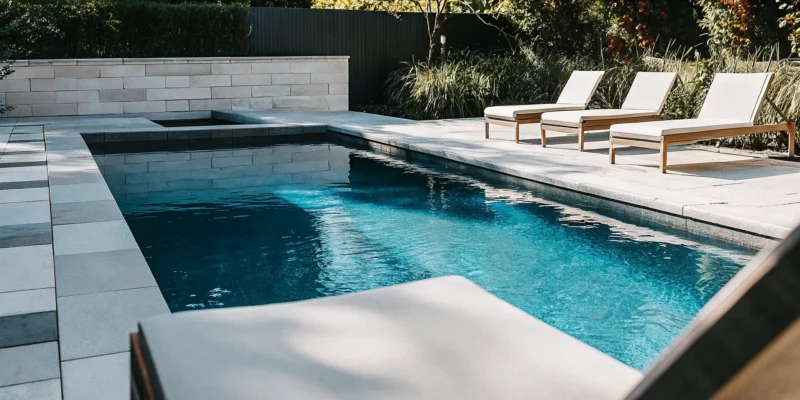
Installer laying the largest porcelain pavers for a pool deck on Long Island, NY.

A Guide to Largest Porcelain Pavers Installers on Long Island

You may have heard a few things about porcelain pavers, and not all of it is accurate. Some people worry they’re slippery when wet or too fragile for a high-traffic area like a driveway. It’s time to set the record straight. Modern, outdoor-rated porcelain pavers are specifically designed with a slip-resistant texture and are incredibly strong, making them a safe and durable choice for any application. As one of the largest porcelain pavers installers on Long Island NY, we want to clear up the myths and show you why this material is a game-changer for local homeowners seeking both elegance and performance.

Key Takeaways

  • Porcelain is built for Long Island’s climate: Its non-porous surface resists cracking during winter freezes and staining from summer spills, giving you a beautiful outdoor space without the constant upkeep.
  • Your installer is as important as the material: Look for a licensed and insured local professional with a strong portfolio and positive reviews to ensure your investment is installed correctly and built to last.
  • Think about long-term value, not just the initial price: Porcelain’s durability and low maintenance needs save you money over time, as you avoid the recurring costs of sealing and repairs common with other materials.

Why Choose Porcelain Pavers for Your Long Island Home?

When you’re planning a new patio, pool deck, or walkway, the material you choose makes all the difference. You want something that not only looks incredible but can also stand up to our unique Long Island climate. That’s where porcelain pavers come in. They offer a perfect combination of sophisticated style, rugged durability, and surprisingly low maintenance, making them an ideal choice for any outdoor project. Let’s walk through exactly why so many homeowners are making the switch to porcelain.

Built to Last Through Long Island Weather

Here on Long Island, our outdoor surfaces go through a lot, from humid summer days to freezing winter nights. Porcelain pavers are specifically engineered to handle these extremes. Because they are non-porous, they absorb very little water. This is a huge advantage during the winter, as it prevents the cracking that can happen when water seeps into other materials, freezes, and expands.

This incredible density also makes them resistant to fading from the sun and damage from salt used for de-icing. When you invest in a beautiful outdoor space, you want it to last for years without constant worry. With a wide selection of high-quality porcelain and natural stone pavers, you can create a space that stays beautiful season after season.

Enjoy More Time Outside, Less Time on Upkeep

Your backyard should be a place for relaxation, not a source of endless chores. Porcelain pavers make that possible. Their non-porous surface is a game-changer for maintenance because it resists stains from common culprits like spilled drinks, grill grease, and fallen leaves. A simple sweep and occasional wash with soap and water are usually all it takes to keep them looking brand new.

Unlike natural stone or concrete pavers, porcelain doesn’t need to be sealed every few years to protect it from the elements. This saves you both time and money over the long run. While other materials may require professional cleaning and sealing services to stay in top shape, porcelain’s built-in resilience lets you spend more time enjoying your home and less time working on it.

A Style for Every Home

One of the best things about porcelain is its incredible design versatility. Thanks to modern manufacturing, porcelain pavers can replicate the look of high-end materials like natural stone, rich hardwoods, or sleek concrete, but without their associated maintenance issues. Whether your home’s style is classic, coastal, or contemporary, there’s a porcelain paver to match.

You can choose from a huge range of colors, patterns, and textures to create a truly custom look. This flexibility allows our masonry design experts to craft a cohesive design that flows perfectly from your home to your outdoor living area. You get the exact aesthetic you want with the unmatched performance of porcelain.

Clearing Up Common Myths About Porcelain

A few misconceptions about porcelain pavers still float around, so let’s clear them up. First is the idea that they’re slippery when wet. In reality, outdoor-rated porcelain pavers are manufactured with a textured, slip-resistant surface, making them a safe and popular choice for swimming pool decks and walkways. You can feel confident knowing your family has a secure surface to walk on, even after a summer rainstorm.

Another myth is that porcelain is fragile. While indoor porcelain tile can be delicate, porcelain pavers are much thicker and are fired at extremely high temperatures, making them incredibly strong and durable. They can easily handle heavy patio furniture and high foot traffic without chipping or breaking. They truly offer the best of both worlds: elegant looks and powerful performance.

Finding a Premier Porcelain Paver Installer on Long Island

Choosing the right installer for your porcelain pavers is just as important as selecting the pavers themselves. The right team will ensure your patio, walkway, or pool deck is not only beautiful but also built to withstand Long Island’s diverse weather for years to come. A premier installer brings a level of expertise and care that protects your investment and brings your vision to life without a hitch. So, how do you spot a true professional in a sea of options? It comes down to a few key qualities that separate the best from the rest.

What Sets a Premier Installer Apart?

A premier porcelain paver installer is defined by their exceptional craftsmanship, deep experience, and a stellar reputation within the community. It’s about more than just laying stones; it’s about understanding the art and science behind a lasting installation. This includes meticulous site preparation, precise cuts, and a flawless finish. An experienced team knows the specific challenges of Long Island soil and climate, ensuring your project has the proper foundation to prevent shifting and cracking. Their quality craftsmanship is evident in their portfolio and in the glowing reviews from homeowners they’ve worked with. They are professionals who take pride in their work and stand behind it.

Gappsi: Your Local Porcelain Experts

When it comes to finding a trusted local expert, Gappsi is a leading choice for homeowners. We specialize in expert porcelain paver installation, combining technical skill with a keen eye for design to create stunning outdoor spaces. Our commitment to quality means we handle every aspect of the project, from the initial design consultation to the final sweep-up, ensuring a seamless and stress-free experience for you. We believe in building relationships with our clients based on trust and satisfaction. Choosing Gappsi means partnering with a team that is dedicated to transforming your property with durable, beautiful, and expertly installed porcelain pavers.

Serving Homeowners Across Nassau and Suffolk Counties

As a dedicated Long Island company, we have a deep understanding of the local landscape. We proudly serve homeowners throughout both Nassau and Suffolk County, tailoring our services to meet the unique style and functional needs of each community. Being local means we’re familiar with regional building codes and environmental factors, ensuring your project is compliant and built to last. We are more than just contractors; we are your neighbors. As a reliable home improvement company, our reputation is built on years of successful projects and happy clients right here on Long Island. We are committed to enhancing our local communities one beautiful home at a time.

How to Choose the Right Porcelain Paver Installer

You’ve decided on porcelain pavers, a fantastic choice for creating a durable and beautiful outdoor space. But the quality of your new patio, walkway, or pool deck depends just as much on the installer as it does on the materials. The right team will not only ensure a flawless finish but also make the entire process smooth and stress-free. A premier installer brings more than just tools to the job; they bring years of local experience, a deep understanding of materials, and a commitment to quality that shows in every detail.

Choosing an installer can feel overwhelming, but it doesn’t have to be. By focusing on a few key areas, you can find a professional partner who will bring your vision to life with expert craftsmanship. It’s about finding a company that not only has the technical skills but also understands the unique landscape and building codes here on Long Island. Think of it as hiring a guide for your home improvement project, someone who can anticipate challenges and deliver a stunning result. Here’s a straightforward guide to help you vet potential installers and make a choice you’ll be happy with for years to come.

Look for Proven Experience

When you’re investing in your home, you want an installer with a proven track record. Look for a company that has been serving Long Island for years and has a positive reputation for delivering quality service. An experienced team knows how to handle the specific challenges of our local soil and weather conditions, ensuring your pavers are installed to last. They’ve seen it all and can provide valuable advice on design and materials. A long-standing presence in the community is a strong indicator of reliability and expertise, so ask how long they’ve been in business and about their experience with porcelain and natural stone.

Verify Licenses and Insurance

This step is non-negotiable. Before hiring anyone, confirm they are a fully licensed and insured home improvement contractor. Proper licensing shows that the company meets state and local requirements, while insurance protects you from liability in case of an accident on your property. A professional company will have no problem providing you with proof of their credentials. For example, Gappsi is a licensed company that has been serving homeowners across Nassau and Suffolk County for decades. This simple check gives you peace of mind and ensures your project is in professional hands from start to finish. Don’t be afraid to ask for documentation; it’s a standard part of the vetting process.

Review Their Past Projects

The best way to gauge an installer’s quality of work is to see it for yourself. Ask to see a portfolio of their completed porcelain paver projects. Pay close attention to the details: Are the lines clean and straight? Is the spacing between pavers consistent? Does the overall finish look professional? Look for installers who proudly showcase their work with high-quality photos and project descriptions. Seeing real examples of their masonry work will give you a clear idea of their style and craftsmanship, helping you decide if they’re the right fit for your vision. A strong portfolio is a sign of a confident and capable team.

Read What Other Homeowners Are Saying

Customer reviews and testimonials are an invaluable resource. See what other Long Island homeowners have to say about their experience with the installer. Check online reviews on sites like Google and Yelp, and look for testimonials on the company’s website. Pay attention to comments about their professionalism, communication, and attention to detail. While a single negative review isn’t necessarily a deal-breaker, a pattern of complaints is a major red flag. Positive feedback that highlights excellent workmanship and a smooth process can help you feel much more confident in your decision. You can even ask the company for a list of references you can speak with directly.

What’s the Investment for Porcelain Pavers on Long Island?

When you’re planning a new patio, pool deck, or walkway, one of the first questions you’ll have is about the cost. Understanding the investment is a key part of the process, and with porcelain pavers, the final price tag depends on a few important factors. While porcelain is a premium material, its incredible durability and low maintenance can offer fantastic long-term value for your home.

Think of it this way: you’re not just buying pavers, you’re investing in a beautiful, functional outdoor space that will last for decades. The total cost includes the materials themselves, the professional installation required to ensure a perfect finish, and site-specific preparations. To give you a clear picture of what to expect, let’s break down the costs associated with installing porcelain pavers on Long Island. This will help you budget effectively and make an informed decision for your home improvement project.

Breaking Down Material Costs

The price of porcelain pavers themselves can vary quite a bit. On average, you can expect the material to cost between $3 and $35 per square foot. This wide range reflects the incredible variety available in today’s market. Factors like the paver’s size, thickness, color, and finish all play a role in the final price. For example, a standard-sized paver in a common color will be on the lower end of the scale, while a large-format tile with a specialized, wood-grain texture will be at the higher end. At Gappsi, we offer a curated selection of high-quality porcelain and natural stone pavers to match any design aesthetic and budget.

Understanding Installation Costs

Professional installation is just as important as the quality of the pavers you choose. For a paver patio project on Long Island, homeowners typically spend between $30 and $45 per square foot for installation. This cost covers much more than just laying the stones. It includes the skilled labor of an experienced team, essential site preparation like excavation and grading, and the creation of a solid base with materials like gravel and sand. This foundation is critical for preventing shifting and ensuring your patio remains level and beautiful for years. Investing in expert masonry services guarantees the job is done right the first time.

What Influences the Final Price?

Several local factors can influence the total cost of your porcelain paver project. The size and complexity of the design are major drivers; a large, curved patio with intricate patterns will require more labor and materials than a simple, rectangular walkway. The existing condition of your property also matters. If your yard has significant slopes or poor soil, more extensive site preparation will be needed to create a stable base. Finally, access to the installation area can affect the price. If the site is difficult for machinery and crews to reach, it may add to the labor hours required to complete the job.

How Porcelain Compares to Other Materials

When comparing materials, it’s helpful to look beyond the initial price per square foot. While porcelain pavers, at $3 to $35 per square foot, can have a higher upfront material cost than options like flagstone ($2 to $6 per square foot), they often provide better long-term value. Porcelain is non-porous, meaning it resists stains, mold, and mildew without needing to be sealed. It’s also incredibly strong and won’t fade from sun exposure. In contrast, other materials may require regular sealing, cleaning, and even replacement over time. This makes porcelain a smart, low-maintenance choice that keeps your outdoor space looking pristine with minimal effort.

Key Questions to Ask Your Installer

Once you’ve narrowed down your list of potential installers, it’s time to have a real conversation. Think of this as an interview where you’re hiring a partner for a major home project. Asking the right questions upfront ensures you and your installer are on the same page, which helps prevent surprises down the road. A premier installer will welcome your questions and provide clear, confident answers. This initial discussion sets the tone for the entire project, so don’t be shy about getting the details you need to feel comfortable and excited about moving forward.

What’s the installation process and timeline?

Understanding the step-by-step plan is essential for managing your expectations. Ask for a breakdown of the entire process, from site preparation to the final cleanup. Porcelain pavers require a solid, well-prepared base to ensure they last, and the installation can vary depending on your specific project. A clear timeline helps you plan your life around the work and know what to expect each day. Your installer should be able to give you a realistic start date and an estimated completion date, while also explaining how factors like weather could impact the schedule.

What warranties or guarantees do you offer?

A beautiful new patio or pool deck is a significant investment, and you want to know it’s protected. When you’re talking to an installer, be sure to ask about the warranties or guarantees they provide for their work. A reputable company will stand behind their craftsmanship and the materials they use. This should cover both the porcelain pavers themselves and the quality of the installation. Having a solid warranty gives you peace of mind, knowing that if any issues arise, your installer will be there to make it right.

Can we discuss design and material options?

This is where your vision starts to take shape. Your installer should be a creative partner, ready to explore different designs and material choices with you. Gappsi offers a wide selection of porcelain and natural stone pavers that can be customized to fit your home’s style and your family’s needs. Discuss the colors, textures, sizes, and patterns you’re interested in. A great installer will listen to your ideas, offer professional suggestions, and help you select the perfect materials to create a beautiful and functional outdoor space you’ll love for years.

What site preparation is needed?

Proper site preparation is the foundation of a long-lasting paver installation. This step is crucial, so you’ll want to understand exactly what it involves for your property. Ask your installer what kind of work is needed before the first paver is laid. This often includes grading the land for proper drainage, laying a specific base of materials, and ensuring the entire area is stable. A thorough masonry expert will explain why these steps are important for preventing shifting, cracking, and water issues in the future.

Transform Your Space: Ideal Projects for Porcelain Pavers

Porcelain pavers are incredibly versatile, making them a fantastic choice for almost any outdoor project you can dream up. Because they combine strength with sophisticated style, you can use them to create cohesive, beautiful spaces that flow from your front yard to your back. If you’re looking for inspiration, here are a few of the best ways to use porcelain pavers to completely change the look and feel of your Long Island home.

Patios and Outdoor Living Spaces

Porcelain pavers are a wonderfully adaptable and resilient option for improving your outdoor area. Their versatility allows you to create stunning patios that serve as a true extension of your indoor living space. Imagine a seamless transition from your kitchen to an outdoor dining area perfect for summer barbecues. With a huge range of colors and textures, you can find the perfect porcelain and natural stone to match your home’s architecture and your personal style. Best of all, their non-porous surface resists stains from spilled wine or food, so you can spend more time relaxing and less time cleaning.

Stunning and Safe Pool Decks

When it comes to your pool area, safety and style are equally important. Porcelain pavers are designed with slip-resistant properties, making them a perfect choice for surrounding pools and spas. This feature gives you peace of mind, especially if you have kids or frequently host guests. Beyond safety, porcelain adds a touch of elegance to your poolside environment, creating a high-end, resort-like feel. They also stand up beautifully to pool chemicals and salt water without fading or deteriorating. A porcelain paver deck is a key element in designing beautiful and functional swimming pools that become the centerpiece of your backyard.

Elegant Driveways and Walkways

Your driveway and walkways are the first things people see, and porcelain pavers can make a lasting first impression. They are incredibly durable and built to last, easily resisting harsh weather, fading, and stains from cars. This makes them a great choice for high-traffic areas. Using thicker pavers ensures your driveway can handle the weight of vehicles while maintaining its flawless appearance. This upgrade in masonry not only looks fantastic but also adds significant curb appeal and value to your property for years to come.

What to Expect During Your Paver Installation

Knowing what happens during a paver installation can make the entire process feel much more manageable. When you partner with an experienced team, you can expect a clear, streamlined process from the first design sketch to the final walkthrough. A professional installation is more than just laying down stones; it’s a carefully orchestrated project designed to bring your vision to life with precision and care. We handle the heavy lifting and technical details so you can focus on how you’ll enjoy your beautiful new space. Here’s a look at the key stages of a typical porcelain paver project.

Step 1: Design and Planning

This is where the fun begins. The design and planning phase is all about turning your ideas into a workable blueprint. We’ll sit down with you to discuss your goals, from the overall aesthetic to how you plan to use the space. Porcelain pavers open up a world of design possibilities, allowing you to create special patterns and distinct zones for dining, lounging, or playing. Whether you envision a sleek, modern patio or a classic walkway, we’ll help you select the perfect size, color, and texture from our extensive collection of porcelain and natural stone. We’ll also map out the project area, ensuring the final layout complements your home and landscape perfectly.

Step 2: The Expert Installation

Once the design is finalized, our skilled crew gets to work. Installing porcelain pavers requires a great deal of care and precision, as any mistakes can be easy to see. That’s why it’s so important to work with experienced professionals who understand the nuances of the material. The process starts with preparing the site, which involves excavation and creating a stable, compacted base for the pavers. Our masonry experts then carefully lay each paver according to the design, ensuring level surfaces, consistent spacing, and proper drainage to handle Long Island’s weather. This foundational work is critical for a beautiful, long-lasting result.

Step 3: Final Touches and Project Completion

The final stage is all about the details that elevate a project from good to great. After the pavers are laid, we fill the joints with a specialized sand or grout to lock them in place and prevent weed growth. Our team works hard and cleans up the site daily, respecting your property throughout the entire process. We believe that excellent workmanship and attention to detail are what make a project truly stand out. Before we consider the job done, we’ll do a final walkthrough with you to ensure every detail meets your expectations. We also offer restoration and sealing services to keep your new pavers looking pristine for years to come.

Why Go with a Local Long Island Installer?

When you’re planning a significant home upgrade like a new porcelain paver patio or pool deck, the installer you choose is just as important as the materials. While national companies might seem appealing, there’s a distinct advantage to working with a team that lives and breathes Long Island. A local installer isn’t just working in your town; they’re part of your community. They understand the specific challenges and opportunities that come with building here, from navigating local permits and zoning laws to selecting materials that can handle our unique coastal weather. This deep-seated local knowledge is something you simply can’t get from a company based hundreds of miles away.

Choosing a local expert means you get more than just a contractor. You get a partner who is invested in your project’s success because their reputation is built right here on the Island, one beautiful project at a time. They’re familiar with the local architecture and landscape design trends, ensuring your new space feels like a natural extension of your home. This local insight, combined with personalized attention and a commitment to the community, makes a world of difference in both the final product and your overall experience. It’s about building a relationship with a team you can count on long after the project is complete, knowing they are just around the corner if you need them.

Expertise in Long Island’s Unique Climate

Long Island’s weather is beautiful but demanding. We have hot, humid summers, salty air along the coasts, and winters with freeze-thaw cycles that can wreak havoc on outdoor surfaces. A local installer understands this firsthand. They know which porcelain and natural stone pavers have the durability to withstand these conditions without cracking, fading, or becoming dangerously slippery. This expertise also extends to the installation process itself, from creating a proper base that allows for drainage to using jointing compounds that can handle temperature swings. This knowledge is key to creating a beautiful outdoor space that lasts for decades, not just a few seasons.

Personalized Service and Ongoing Support

Working with a local Long Island company means you’re a neighbor, not a number. You can expect direct communication with the people actually working on your home, making it easier to ask questions and share your vision. Local teams pride themselves on building relationships and earning trust through clear, consistent service. Because their business depends on local referrals, they are deeply committed to your satisfaction. This personal touch continues even after the job is done. If you have a question or need support down the road, your trusted local team is just a phone call away, ready to help maintain your beautiful investment.

Invest in Your Community

Choosing a local installer is an investment in your own community. When you hire a company like Gappsi, you’re supporting local jobs and contributing to the Long Island economy. These are the businesses that sponsor local sports teams and participate in community events. They have a vested interest in maintaining a stellar reputation among their neighbors, which translates to higher standards of quality and accountability for your project. By hiring locally, you’re not just getting a beautiful new patio or swimming pool deck; you’re strengthening the community you call home.

Keeping Your New Porcelain Pavers Looking Their Best

One of the best parts of choosing porcelain pavers is how simple they are to maintain. You get to spend more time enjoying your beautiful new patio, pool deck, or driveway and less time working on it. While porcelain is incredibly durable and stain-resistant, a little routine care will ensure it looks brand new for years to come. Following a few straightforward steps for cleaning and seasonal prep will protect your investment and keep your outdoor space looking pristine.

Simple Cleaning Tips

Keeping your porcelain pavers clean is refreshingly easy. For day-to-day upkeep, a quick sweep with a broom to clear away leaves, dirt, and other debris is all you need. When it’s time for a more thorough cleaning, a simple mixture of mild soap and warm water applied with a mop or soft-bristle brush will do the trick. It’s best to avoid harsh, acidic chemicals, as they can damage the paver’s surface over time. If you encounter a tougher stain, you can use a pressure washer on a low setting. For more significant cleaning jobs, Gappsi offers professional restoration and sealing services to bring back that original sparkle.

Prepping Your Pavers for Every Season

Long Island weather can be unpredictable, but porcelain pavers are built to handle it all. Their dense, non-porous structure makes them resistant to the freeze-thaw cycles of winter, preventing cracking and damage. In the summer, they stand up to strong sunlight without fading. This durability makes them a fantastic choice for any outdoor application, from patios to walkways. Because they are non-slip, they are especially ideal for pool areas, providing a safe surface around the water. They can even endure de-icing salts in the winter, so you don’t have to worry about keeping your driveway and walkways clear.

When to Call for Professional Care

While daily maintenance is a breeze, there are times when calling in a professional is the best move. If a paver happens to get chipped or cracked from a heavy impact, replacing it requires precision to ensure it matches the rest of the installation seamlessly. You might also consider professional help for a very deep cleaning after a harsh winter or if you have stubborn stains you can’t seem to remove on your own. Our expert team has the right tools and experience to handle repairs and intensive cleaning, ensuring your porcelain pavers continue to look flawless without any risk of damage.

Related Articles

Frequently Asked Questions

Are porcelain pavers slippery, especially around a pool? This is a great question and a common concern. While indoor porcelain tile can be slick, outdoor-rated porcelain pavers are specifically made with a textured, slip-resistant finish. This makes them one of the safest and most popular choices for pool decks and walkways where surfaces are likely to get wet. You can feel confident that you’re choosing a material that provides a secure footing for your family and guests.

How do porcelain pavers hold up during Long Island’s freeze-thaw cycles? They perform exceptionally well, which is a major reason they’re so well-suited for our climate. Porcelain is non-porous, meaning it absorbs almost no water. During the winter, this prevents water from seeping in, freezing, expanding, and causing the cracks you often see in other materials. This incredible density makes them a durable, worry-free option that can handle our toughest winters without damage.

What makes porcelain a better long-term value than cheaper options like concrete pavers? While the initial material cost for porcelain can be higher, it often saves you money over time. Think about the upkeep. Concrete and many natural stones need to be professionally cleaned and sealed every few years to prevent staining and weather damage. Porcelain’s non-porous surface naturally resists stains, mold, and fading from the sun, so you never have to seal it. That lack of long-term maintenance costs adds up to significant savings and less work for you.

Do porcelain pavers get too hot for bare feet in the summer? Like any surface exposed to direct sunlight, porcelain pavers will absorb some heat. However, they generally stay cooler than materials like bluestone or dark concrete. If heat is a major concern for a poolside area or a patio where you’ll be barefoot often, choosing a lighter color paver can make a big difference. Lighter shades reflect more sunlight and will stay much more comfortable to the touch on hot days.

How long does a typical installation take from start to finish? The timeline for a project really depends on its size and complexity. A straightforward rectangular patio might take a week or two, while a more intricate project with multiple levels, curves, or a large pool deck could take longer. The process includes essential site preparation, building a proper base, and carefully laying the pavers. A professional installer can give you a much more precise timeline after seeing your space and discussing your specific design.

Share this page:

A Masterpiece in Upper Brookville: The Ultimate Backyard Bocce Court

View Gappsi’s YouTube Channel to view A Masterpiece in Upper Brookville: The Ultimate Backyard Bocce Court

There is something timeless about the game of bocce. Whether it’s the gentle clink of the balls meeting on the court or the spirited conversation that flows between frames, bocce is more than just a sport; it’s a lifestyle. At Gappsi, we take pride in bringing these lifestyle dreams to fruition. Our latest project in the prestigious neighborhood of Upper Brookville, NY, is a testament to how traditional craftsmanship and modern materials can create a backyard oasis that is both functional and breathtaking.

If you’ve been considering adding a professional-grade bocce court to your Long Island home, this recent installation showcases exactly what is possible when you prioritize quality and design.

Designing for Durability: The Foundation

When planning a bocce court, the first decision is often the most critical: what will hold it all together? For this Upper Brookville residence, the client had a specific vision. They wanted the warmth and organic feel of wood to define the space.

To satisfy this aesthetic while ensuring the court survives the changing New York seasons, we built the court walls using high-quality, pressure-treated lumber.

Why choose pressure-treated lumber?

  • Longevity: It is chemically treated to resist rot, fungal decay, and wood-boring insects.
  • Structural Integrity: It provides a rigid, straight perimeter that can withstand the impact of bocce balls over years of play.
  • Natural Aesthetics: The lumber walls blend seamlessly into the lush, wooded landscapes typical of Upper Brookville, offering a rustic yet polished look that stone sometimes lacks.

The Surface: Pro-Grade Synthetic Turf

While the walls provide the frame, the playing surface is the heart of the court. In the past, bocce courts were often made of clay, crushed stone, or oyster shells. While authentic, these materials require constant raking, leveling, and moisture control.

For this project, we installed a specialized synthetic turf specifically engineered for bocce courts. This isn’t your average backyard grass; it is a short-pile, high-density turf designed to provide a consistent “roll” and the perfect amount of friction.

The Benefits of Gappsi’s Bocce Turf:

  1. Low Maintenance: No more weeding or leveling. A quick brush-off is all it takes to prepare for a game.

  2. All-Weather Play: Our turf systems are designed for superior drainage. Even after a heavy Long Island summer rain, the court is ready for action in minutes.

  3. Consistency: Every inch of the court offers the same speed and trajectory, allowing players to truly hone their skills.

a-masterpiece-in-upper-brookville-the-ultimate-backyard-bocce-court

Integrating the Landscape

A bocce court shouldn’t just be “dropped” into a yard; it should feel like it has always been there. To achieve this, we focused heavily on the surrounding environment. We landscaped one entire side of the court, creating a soft, living border that anchors the structure into the existing backyard topography.

By integrating professional landscaping, we transformed a “sports installation” into a “garden feature.” The contrast between the clean lines of the pressure-treated lumber and the organic textures of the plantings creates a stunning visual balance.

Accessibility and Comfort: The Walkway and Seating

A great game of bocce is as much about the time spent between turns as it is about the game itself. We wanted to ensure that the transition from the home to the court was elegant and safe.

We constructed a custom walkway using G040 natural stone pavers. This choice was intentional; the G040 series offers a sophisticated color palette and a non-slip texture that complements the wood of the court and the greenery of the yard.

To complete the “clubhouse” feel, we installed two custom benches. Positioned strategically, these benches allow players and spectators to relax, enjoy a drink, and engage in the friendly “trash talk” that makes bocce so much fun. It turns the court into a social hub rather than just a place to play.

Why Upper Brookville Chooses Gappsi

Upper Brookville is known for its sprawling estates and high standards for home improvement. This project is a perfect example of why Gappsi remains the leading choice for luxury outdoor amenities on Long Island. We don’t just “install”; we design, we engineer, and we craft.

“The client wanted a space that felt authentic to the game but was easy to maintain. By combining the classic look of lumber walls with the modern performance of synthetic turf, we delivered a court that looks like a heritage piece but performs like a professional venue.”

Your Turn to Play

The beauty of a custom bocce court is that it encourages us to put down our phones, step outside, and connect with friends and family. Whether you are an expert player or just looking for a new way to entertain guests, a Gappsi-built court is an investment in your home’s value and your quality of life.

Key Features of this Upper Brookville Build:

  • Walls: Pressure-treated lumber for a classic, durable frame.
  • Surface: Specialized synthetic bocce turf for a perfect roll.
  • Hardscape: G040 stone walkway for elegant access.
  • Amenities: Two integrated benches for spectator comfort.
  • Design: One-sided landscaping to blend with the natural environment.

Ready to Transform Your Backyard?

At Gappsi, we specialize in everything from bocce courts and putting greens to full-scale masonry and pool designs. If this Upper Brookville project has inspired you, we would love to help you plan your own backyard retreat.

Contact Gappsi Today

📍 Serving all of Long Island, NY — Nassau & Suffolk Counties
🌐 www.gappsi.com
📞 Call now for a free consultation and estimate!

SCHEDULE A MEETING TODAY WITH GAPPSI

Share this page:
Choosing the best gunite or vinyl swimming pool for the weather on Long Island, NY.

Gunite vs. Vinyl Pools for Long Island Weather

Living on Long Island means embracing all four seasons, from hot, humid summers to freezing winters with unpredictable nor’easters. When you invest in a swimming pool, you need to be sure it’s tough enough to handle everything our climate throws at it. The freeze-thaw cycle alone can put immense pressure on outdoor structures, making durability a top concern. This is where the debate between gunite and vinyl liner pools becomes so important. One is known for its fortress-like strength, while the other offers flexibility at a different price point. For a gunite or vinyl swimming pool what’s the best for Long Island ny weather? Let’s explore how each material stands up to the elements so you can make a confident choice.

Key Takeaways

  • Prioritize long-term durability with gunite: A gunite pool’s concrete shell is built to last over 50 years and withstands harsh Long Island winters. In contrast, a vinyl pool requires a full liner replacement every 7 to 10 years, making it a recurring maintenance project.
  • Look beyond the initial price tag: A vinyl pool’s lower upfront cost is offset by the need for expensive liner replacements every decade. While gunite costs more initially, its long-term expenses are more predictable, often making it a more stable financial investment over the life of the pool.
  • Choose gunite for customization, vinyl for speed: Gunite offers nearly unlimited design freedom for custom shapes and features, perfect for a unique backyard oasis. Vinyl pools offer a faster installation with standard shapes and a wide selection of liner patterns, getting you swimming sooner.

Gunite vs. Vinyl Pools: What’s the Difference?

When you start planning for a new pool, you’ll quickly find two popular options: gunite and vinyl liner. On the surface, they both promise a backyard oasis, but how they’re built and how they last are worlds apart. Understanding these core differences is the first step to choosing the right pool for your Long Island home, one that fits your family’s lifestyle and stands up to our unique weather. Let’s break down what each type of pool is and how they come to life.

What is a Gunite Pool?

Think of a gunite pool as the gold standard in backyard swimming. These are custom-built, permanent structures made from a mixture of sand, cement, and water that’s sprayed over a steel-reinforced frame. This process creates a solid, incredibly durable concrete shell that can last for more than 50 years with the right care. Because they are so robust, gunite swimming pools are known for their longevity and strength. You get a pool that’s not just beautiful but is truly built to last, becoming a permanent feature of your home and a worthwhile investment for decades of enjoyment.

What is a Vinyl Liner Pool?

A vinyl liner pool is constructed differently. First, a frame made of steel or polymer panels is assembled in the excavated hole. Then, a custom-fitted sheet of vinyl is stretched over the frame and attached to a track along the top edge, forming the pool’s surface. This liner is what holds the water. While they are a popular option, the liners themselves are not as durable as a concrete surface. They typically need to be replaced every 7 to 10 years and can be more susceptible to punctures or tears from sharp objects, which can lead to repairs.

How Are They Built?

The construction process really highlights the main distinction between these two pool types. A gunite pool is built entirely on-site. We dig the hole, create a custom web of steel rebar, and then apply the gunite mixture to form a single, monolithic shell. This expert masonry work allows for complete design freedom and results in a structure that’s exceptionally strong against ground movement. In contrast, a vinyl liner pool involves assembling pre-made wall panels. The process is generally faster, but the structure relies on the liner to be waterproof, and the design is limited by the shapes of the available panels.

Which Pool Best Handles Long Island Weather?

Choosing a pool on Long Island means thinking about more than just sunny summer days. Our weather brings a bit of everything: hot, humid summers, freezing winters, and the occasional powerful storm rolling in off the Atlantic. Your pool needs to be tough enough to handle it all, year after year. The materials and construction of your pool will determine how well it holds up to the freeze-thaw cycles, intense UV rays, and everything in between. Let’s look at how gunite and vinyl pools perform through the seasons, so you can feel confident in your investment.

Surviving Winter Freezes and Ice

Winter on Long Island can be tough on any outdoor structure. When the ground freezes and thaws, it expands and contracts, putting immense pressure on a pool’s shell. This is where gunite truly shines. Built on-site with a web of steel rebar covered in concrete, a gunite pool is a monolithic structure that flexes with the ground, resisting cracks and damage from frost heave. Vinyl liner pools, on the other hand, rely on separate wall panels for their structure. These panels can be more vulnerable to shifting and pressure from frozen soil. While proper winterization is key for any pool, the inherent strength of gunite provides an extra layer of security against the harshest winter conditions.

Resisting Summer Heat and Sun Damage

Just as our winters are cold, our summers can be intensely hot and sunny. Constant exposure to UV rays can take a toll on pool surfaces. A gunite pool’s plaster finish is incredibly durable and resistant to sun damage. It won’t fade or become brittle like other materials can. Over many years, it may need to be refinished, but its core integrity remains. Vinyl liners are more susceptible to the sun’s effects. UV exposure can cause the liner’s color to fade and the material to break down, making it more prone to rips and tears from pool toys, pets, or even routine cleaning. This means you might face a full liner replacement sooner than you’d expect.

Standing Up to Storms

From summer thunderstorms to powerful nor’easters, Long Island weather demands durability. Gunite pools are often called the “gold standard” for a reason. Their solid, steel-reinforced concrete construction makes them exceptionally strong and heavy, anchoring them firmly in the ground. They can withstand shifting soil and are highly resistant to damage from falling branches or wind-blown debris. A vinyl liner is much more delicate. A sharp object hitting the surface during a storm could easily cause a puncture, leading to leaks and the need for an immediate patch or a full replacement. For homeowners seeking peace of mind, the robust nature of a gunite pool is a significant advantage.

Comparing the Costs: Upfront vs. Long-Term

When you’re planning your dream pool, the price tag is obviously a huge factor. But the number you see on the initial quote doesn’t tell the whole story. To make the best financial decision for your family, you need to look at both the upfront installation price and the long-term costs of maintenance, repairs, and replacements. A pool is a long-term addition to your home, so thinking about the total cost of ownership over 10, 15, or even 20 years will give you a much clearer picture of your investment. Let’s break down what you can expect to spend on both gunite and vinyl liner pools.

Gunite Pool Installation Costs

Gunite pools come with a higher initial price, typically ranging from $50,000 to $120,000 on Long Island. This cost reflects the custom nature of the construction, the quality of the materials, and the sheer durability of the finished product. The final price depends on factors like the pool’s size, depth, and any special features you want to add, such as waterfalls, built-in seating, or an attached spa. While it’s a larger upfront investment, think of it as paying for a permanent, structural improvement to your property. You’re getting a completely customized swimming pool that is built to last for decades with proper care.

Vinyl Liner Pool Installation Costs

One of the biggest draws of a vinyl liner pool is the lower upfront cost, which usually falls between $25,000 and $65,000. This makes them a more accessible option if you’re working with a tighter initial budget. The installation process is also faster, which can contribute to the lower price point. For many families, the initial savings make vinyl liner pools an attractive way to start enjoying a backyard pool without the larger financial commitment of a gunite build. However, it’s important to remember that this initial price is just the starting point for the pool’s lifetime cost.

Ongoing Maintenance and Replacement Costs

This is where the financial paths of gunite and vinyl pools really start to diverge. The biggest long-term expense for a vinyl pool is replacing the liner, which you’ll need to do every 7 to 10 years. This is a significant, recurring cost that you must factor into your budget. Gunite pools, on the other hand, don’t have a liner to replace. Their ongoing costs are related to regular chemical maintenance and electricity, plus the eventual need to be resurfaced every 10 to 15 years. Keeping the surrounding patio in good shape is also key, and professional restoration and sealing services can protect your entire pool area.

The 20-Year Cost Breakdown

When you look at the numbers over a 20-year span, the financial picture becomes much clearer. A vinyl liner pool might require two, or even three, expensive liner replacements during that time. When you add those costs to the initial installation price, the total investment can easily meet or exceed that of a gunite pool. While the gunite pool started with a higher price tag, its costs are more predictable over the long term without the major expense of liner replacements. For many Long Island homeowners, this makes a gunite pool a more cost-effective and stable investment in their property over time.

Let’s Talk Maintenance: Gunite vs. Vinyl

A pool is a long-term relationship, and like any good relationship, it requires consistent care. When it comes to maintenance, gunite and vinyl pools have different needs. Understanding these differences is key to choosing a pool that fits your lifestyle, not one that runs it. It’s not just about the weekly skimming and chemical checks; it’s about seasonal routines, potential repairs, and the major upkeep you’ll need to plan for down the road. For Long Island homeowners, this also means preparing your pool for the freeze-thaw cycles of winter and the sunny days of summer. Let’s break down what you can expect with each type.

Seasonal Upkeep for Each Pool

Both gunite and vinyl pools need regular attention to keep the water sparkling clean. For a gunite pool, this includes weekly brushing of the plaster surface to prevent algae from taking hold. You’ll also test the water chemistry and clean the filters regularly. When spring arrives, a reliable pool maintenance checklist is your best friend. It involves removing the cover, cleaning out debris, reconnecting equipment, and balancing the water. A vinyl liner’s smooth surface is less prone to algae, but you still need to be diligent with water chemistry to protect the liner from fading or becoming brittle. It’s also important to use soft-bristled brushes to avoid any accidental tears.

Closing for Winter and Opening for Spring

On Long Island, we know how to prepare for winter. Your pool is no different. The closing process is similar for both gunite and vinyl pools and should happen when water temperatures stay consistently below 65°F, usually from late September through October. This involves lowering the water level below the skimmers, winterizing the plumbing lines to prevent freezing, adding winterizing chemicals, and putting on a secure safety cover. While a gunite pool’s structure is incredibly tough against the cold, ensuring your vinyl pool’s cover is properly secured is vital to prevent debris from causing punctures during winter storms. Gappsi offers professional swimming pool services to handle seasonal opening and closing for you.

How Often Do They Need Repairs?

Accidents happen, but some pools are more forgiving than others. Vinyl liners are susceptible to punctures and tears. A fallen branch, a pet’s claws, or even a sharp pool toy can cause a leak. While small holes can be patched, finding them can be a hassle, and frequent repairs can become frustrating. Gunite pools, on the other hand, are exceptionally durable. The concrete shell is tough enough to withstand most daily activities without a scratch. While surface cracks can occasionally form over many years due to ground shifting, they are far less common than liner tears and can be professionally repaired to restore the pool’s integrity.

Replacing a Liner vs. Refinishing a Surface

This is where the long-term maintenance costs really diverge. A vinyl liner typically needs to be completely replaced every 7 to 10 years. This is a significant expense that you’ll need to budget for as a recurring cost of ownership. Gunite pools don’t have a liner. Instead, their interior is a plaster finish that is incredibly long-lasting. This surface will eventually need to be refinished, but usually only every 10 to 15 years, sometimes even longer depending on the water chemistry and care. While refinishing is a major project, it happens about half as often as replacing a liner, giving gunite a clear advantage in long-term durability.

Durability and Lifespan: Which Pool Lasts Longer?

When you’re investing in a swimming pool, you’re not just thinking about this summer; you’re thinking about all the summers to come. You want a pool that will host family barbecues, kids’ birthday parties, and quiet evening swims for decades. That’s why durability is one of the most important factors to consider. A pool is a permanent addition to your home, and its lifespan directly impacts its long-term value and your enjoyment.

Gunite and vinyl liner pools are built very differently, which means they also age differently. One is known for its incredible longevity, becoming a true part of your landscape, while the other requires more frequent updates to keep it in top shape. Understanding these differences in durability and what they mean for maintenance and replacement costs is key to choosing the right pool for your family and your home. Let’s look at how many years you can expect from each type and which one is better suited to stand the test of time.

How Long Gunite Pools Last

If you’re looking for a pool that can last a lifetime, gunite is the answer. These pools are the gold standard for durability. Because they are built with a steel-reinforced frame and a concrete shell, they are incredibly strong and resilient. With proper maintenance, a gunite pool can easily last 50 years or more, often outliving the original homeowners. The structure itself is built to last for generations. While the interior finish will need to be replastered every 10 to 15 years to keep it looking fresh and feeling smooth, the underlying shell remains solid. This makes gunite swimming pools a permanent, valuable addition to your property.

Vinyl Liner Lifespan and Replacement

Vinyl liner pools have a different story when it comes to lifespan. While the pool’s wall structure (typically made of steel or polymer) can last for over 20 years, the vinyl liner itself is much less durable. The liner is the soft, pliable surface you see and feel, and it typically needs to be replaced every 7 to 10 years. Exposure to UV rays, pool chemicals, and sharp objects can cause it to fade, stretch, or tear over time. This means that while the initial cost might be lower, you’ll need to budget for a full liner replacement multiple times over the life of the pool, which is a significant recurring expense.

Handling Long Island’s Temperature Swings

Here on Long Island, we get the full range of seasons, from hot, sunny summers to cold, icy winters. This freeze-thaw cycle can be tough on outdoor structures, and pools are no exception. Gunite pools have a distinct advantage in this climate. Their thick, monolithic concrete shell is incredibly strong and can withstand the pressure from freezing ground and shifting soil without cracking. Vinyl liners, on the other hand, can become brittle in cold temperatures, making them more susceptible to tearing or damage during the winter months. A durable gunite structure provides peace of mind, knowing your investment is built to handle whatever our local weather throws at it, season after season.

Get Creative: Design and Customization

Your swimming pool is more than just a place to cool off; it’s the centerpiece of your backyard. The material you choose plays a huge role in what your final oasis will look like. If you have a specific vision, from a free-form lagoon to a sleek, modern rectangle, the choice between gunite and vinyl is one of the first and most important decisions you’ll make. Gunite offers nearly limitless freedom, while vinyl provides a more structured approach with its own set of aesthetic choices. Let’s look at how your creativity can take shape with each option.

Custom Shapes and Features with Gunite

If you can dream it, you can probably build it with gunite. This is where gunite truly shines. Because it’s sprayed onto a rebar framework, it can be molded into any shape you can imagine. This flexibility allows for a high degree of customization to perfectly match your yard and home’s style. Gunite pools are ideal for creating unique designs with special features like gentle beach-style entries, shallow sun ledges for lounging, or stunning infinity edges that blend with the horizon. These custom touches transform a standard swimming pool into a personal resort.

Design Options for Vinyl Liners

While vinyl liner pools don’t offer the same free-form design possibilities as gunite, they still provide plenty of ways to create a beautiful backyard. Vinyl pools are typically built from pre-manufactured panels, which means they come in a variety of standard shapes like rectangles, ovals, and kidneys. The real customization comes from the liner itself. You can choose from a huge selection of colors, patterns, and textures to define your pool’s look, from a deep blue that mimics the ocean to a light, sandy tone for a tropical feel. You can also add features like built-in stairs and benches for a more custom touch.

Matching Your Home’s Aesthetic

Ultimately, your pool should feel like a natural extension of your home. A gunite pool can be designed to flow with the curves of your landscape or the sharp angles of modern architecture. You can integrate it seamlessly with surrounding patios and stonework, creating a cohesive outdoor living space. A vinyl pool, with its clean lines, often complements more traditional homes and landscapes. The key is to work with a designer who understands how to blend your new pool into your existing environment, ensuring the final result enhances your entire property.

How Long Does Installation Take?

You’ve decided on the perfect pool, and now you’re probably wondering how long it will be until you can actually take a dip. The installation timeline is a major factor in any home improvement project, and with pools, the difference between gunite and vinyl is significant. Planning your project means understanding the construction process for each type. A gunite pool is a long-term investment in craftsmanship, and its timeline reflects that. A vinyl liner pool, on the other hand, offers a much faster path to your first pool party.

The time of year you start also plays a huge role, especially here on Long Island. Beating the spring rush can make a world of difference in getting your project scheduled and completed without delays. Thinking about your installation timeline now will help you set realistic expectations and ensure your backyard is ready for summer fun right on schedule. Let’s break down what you can expect for each pool type.

The Gunite Construction Timeline

Patience is key when it comes to gunite pools, but the result is a completely custom and durable masterpiece. Because a gunite pool is built from the ground up right in your backyard, the process is more involved. After excavation, our team builds a rebar framework, sprays the gunite shell, and then lets it cure. This curing process alone can take several weeks. After that, we move on to tile work, plaster finishing, and installing the surrounding patio. All told, a typical gunite swimming pool installation ranges from twelve to eighteen weeks, depending on the complexity of the design and weather conditions.

How Quickly Vinyl Pools Are Installed

If you’re looking for a faster turnaround, a vinyl liner pool is an excellent choice. The construction process is much quicker because the pool’s structural walls are assembled on-site from pre-fabricated panels. Once the excavation is complete and the walls are in place, the custom-fitted vinyl liner is installed, and the pool is filled. This streamlined process means vinyl liner pools can often be installed in just a few weeks. While site conditions and weather can always influence the schedule, you’ll generally be swimming much sooner than you would with a gunite pool.

When Is the Best Time to Install?

While it might seem logical to start a pool project in the spring, the best time to begin construction on Long Island is often in the late summer or fall. Starting your project after the peak season helps you avoid the spring rush and potential scheduling delays. An autumn installation also means your pool will be completely finished and ready to go for the first warm day of the next year. Plus, it gives your new landscaping and lawn time to recover and establish themselves before you start hosting backyard gatherings.

Energy Use and Running Costs

Once your beautiful new pool is installed, the next big consideration is what it will cost to run it season after season. Here on Long Island, where we enjoy hot summers but also have to account for cooler spring and fall days, heating is a significant part of that budget. The material your pool is made of plays a direct role in how much energy you’ll use to keep the water at that perfect, inviting temperature.

While some materials are known for their inherent insulating properties, both gunite and vinyl pools can be built with efficiency in mind. The key is understanding how each material interacts with the water and the surrounding ground, and then choosing the right equipment to minimize your energy bills. Let’s break down how gunite and vinyl compare when it comes to keeping your pool warm without breaking the bank.

Which Pool Stays Warmer?

When it comes to heat retention, vinyl liner pools tend to have a slight natural advantage. The vinyl material itself is non-porous and doesn’t have the massive thermal-absorbing quality of concrete. This means more of your heater’s energy goes directly into warming the water, rather than being pulled into the pool’s structure first. Think of it like this: the liner acts as a barrier, helping the water hold onto its warmth a bit more effectively.

Gunite, on the other hand, is essentially a concrete shell. Concrete is dense and can draw heat out of the water, especially during cooler weather or when the surrounding ground is cold. It takes more initial energy to heat the entire mass of a gunite pool, as you’re warming both the water and the concrete structure itself.

Comparing Heating Bills

While the pool material matters, it’s not the only thing that determines your monthly heating bill. The good news is that modern swimming pools can be equipped with technology that dramatically cuts down on energy use, regardless of whether you choose gunite or vinyl. You can design either pool type to be highly efficient.

Investing in features like a variable-speed pump, a high-efficiency heater, or an automatic pool cover will make a huge difference. A pool cover, in particular, is the single most effective way to prevent heat loss overnight. By adding these energy-saving components from the start, you can manage your running costs and enjoy a comfortable swimming temperature for a longer season.

Insulation and Energy Savings

Diving a little deeper, the structural differences between gunite and vinyl directly impact their insulation potential. As mentioned, gunite pools require more energy to heat because their concrete structure absorbs warmth. While that thermal mass can help the pool maintain its temperature once heated, it takes a significant amount of energy to get there.

Vinyl liner pools offer a unique opportunity for added insulation. During construction, a layer of wall foam can be installed behind the liner. This creates an extra thermal break between the pool water and the cooler ground, further improving heat retention and reducing your overall energy consumption. For any pool owner on Long Island, this is a smart, simple upgrade that pays for itself in lower heating costs over time.

Gunite vs. Vinyl: Myths vs. Facts

When you start researching pools, you’ll come across a lot of strong opinions and conflicting information. It can be tough to figure out what’s true and what’s just noise. Let’s clear up some of the most common myths about gunite and vinyl pools so you can feel confident in your decision.

The Truth About Costs

One of the first things people point to is the price tag. It’s true that a vinyl liner pool typically has a lower upfront installation cost. But that initial number doesn’t paint the full picture of your long-term investment. The vinyl liner itself will need to be completely replaced every 7 to 10 years, which is a significant recurring expense.

A gunite pool requires a larger investment from the start, with costs often ranging from $50,000 to over $100,000 depending on the design. However, this is a one-time cost for a permanent structure that adds lasting value to your property. When you look at the total cost over 20 years, the expenses for both pool types often start to even out. The Gappsi team can provide a detailed quote for your specific swimming pool project.

Common Maintenance Myths

You might hear that gunite pools are a nightmare to maintain, but that’s a huge exaggeration. The truth is, every pool requires consistent care to stay clean and safe. Gunite pools thrive with a simple, structured routine of daily skimming, weekly chemical balancing, and monthly equipment checks.

On the flip side, vinyl liners are not as carefree as they seem. Their surface is delicate and can be easily punctured or torn by pool toys, a dog’s claws, or even sharp debris. These small tears can lead to leaks and costly repairs that you simply don’t have to worry about with a durable gunite surface. Proper pool maintenance is key, regardless of the type you choose.

How Durable Are They, Really?

When it comes to durability, there is no comparison. A properly built and maintained gunite pool can last for more than 50 years. It’s a fortress of rebar and concrete that can handle decades of family fun and harsh Long Island weather without showing signs of wear. Its sturdy structure is highly resistant to scratches, stains, and damage.

A vinyl liner’s lifespan is much shorter, typically lasting between 7 and 10 years before it needs a full replacement. For homeowners who want a permanent, worry-free feature in their backyard, the incredible durability of a gunite pool makes it the clear winner. It’s an investment in strength and longevity.

So, Which Pool Is Right for You?

Choosing between a gunite and a vinyl liner pool is a big decision, but it doesn’t have to be overwhelming. By thinking through a few key areas, you can find the perfect fit for your Long Island home, your family’s lifestyle, and your budget. It’s all about weighing what matters most to you, from the initial design to long-term enjoyment. Let’s break down the final considerations to help you make a choice you’ll be happy with for years to come.

Factors for Long Island Homeowners

Here on Long Island, gunite and vinyl liner pools are the two most popular choices for a reason, but they serve different needs. Gunite pools, built with a sturdy steel rebar frame and sprayed concrete, are known for their incredible strength and longevity. They are built to last. Vinyl liner pools, on the other hand, use a custom-fitted vinyl sheet. While this makes them more affordable upfront, the liner is more susceptible to damage from sharp objects or even pets’ claws, which can lead to repairs. Think about your backyard activities and who will be using the pool when you consider durability.

Matching Your Budget and Lifestyle

Your budget and lifestyle are the biggest guides in this decision. If you’re dreaming of a one-of-a-kind backyard oasis with custom features like built-in benches, unique shapes, or attached spas, a gunite pool is your best bet. It comes with a higher initial price tag and a longer installation time, but the design possibilities are nearly endless. If a lower upfront cost is your priority, a vinyl liner pool is a great option. Just remember to factor in the expense and effort of replacing the liner every 8 to 15 years, which is a significant long-term consideration.

How to Make Your Final Decision

The final step is to look at the big picture. A well-maintained gunite pool can last for 50 years or more, making it a true long-term investment in your property. A vinyl liner pool’s lifespan is tied to its liner, which typically needs replacement every 10 to 15 years. Proper maintenance is key for both types, but the tasks differ. Ultimately, the right choice comes down to balancing upfront cost with long-term value and design freedom with future maintenance. Talking with a professional can help clarify which option best suits your vision for the perfect backyard swimming pool.

Related Articles

Frequently Asked Questions

Is a gunite pool really worth the higher initial cost? Think of it this way: the upfront cost of a gunite pool is for a permanent structural addition to your home. While the initial price is higher, you are investing in a pool that can last for 50 years or more. With a vinyl pool, you pay less at the start, but you’re also signing up for a major recurring expense, which is replacing the liner every 7 to 10 years. When you look at the total cost over a couple of decades, the gunite pool often proves to be the more stable and predictable financial investment.

How difficult is it to repair a tear in a vinyl liner? Small punctures in a vinyl liner can often be patched, sometimes even underwater, using a simple patch kit. While this sounds convenient, finding the source of a small leak can be frustrating. These patches are also temporary solutions and can be noticeable. A larger tear or damage from a storm often requires a professional repair, and if the liner is older, it might make more sense to do a full replacement. It’s a level of upkeep you simply don’t have with a durable gunite surface.

Can I use a saltwater system with both gunite and vinyl pools? Yes, you can use a saltwater system with either type of pool, and many people love the softer feel of the water. Vinyl liners are very compatible with salt systems. With a gunite pool, it’s also possible, but it requires you to be diligent about maintaining proper water chemistry. If the salt and pH levels are not managed correctly, the salt can be corrosive to the plaster finish and some metal components over time.

Which pool adds more value to my home? Both pools add enjoyment, but when it comes to property value, a gunite pool is typically seen as a more significant, permanent upgrade. Because of its longevity and high-end construction, potential buyers often view it as a premium feature. A vinyl liner pool is a wonderful amenity, but its value can be affected by the age of the liner. A buyer might see an older liner as an upcoming expense they will have to handle.

Besides the shape, what other custom features can I add to a pool? Customization is where you can really make a pool your own. With gunite, the options are almost limitless. You can integrate features like shallow sun ledges for lounging, built-in benches and seating, dramatic waterfalls, or an attached spa that flows right into the pool. While vinyl pools are more limited in shape, you can still add features like built-in stairs or benches and choose from a huge variety of liner colors and patterns to create a unique look.

Share this page:
Sweeping polymeric sand into paver joints for a stable, weed-free patio surface.

Polymeric Sand for Pavers: A Complete DIY Guide

For many homeowners, the battle against weeds sprouting between patio pavers is a constant chore. Just when you think you’ve pulled them all, new ones appear. This frustrating cycle is often a sign that the joint filler isn’t doing its job. If you’re tired of the endless maintenance, it’s time to learn about polymeric sand for pavers. This innovative product creates a hardened barrier that makes it nearly impossible for weed seeds to take root. It also prevents insects from burrowing underneath and stops erosion from washing out the joints during heavy rain. It’s a simple upgrade that delivers powerful, long-term results, letting you spend less time on upkeep and more time enjoying your beautiful outdoor living area.

Key Takeaways

  • Choose performance over price: Polymeric sand is a smart upgrade from regular sand because its polymer additives harden when wet. This process locks pavers in place, creating a durable barrier that effectively stops weeds and resists erosion.
  • Master the application details: A flawless finish depends on careful preparation. Start with a completely dry surface, fill joints to the correct depth, and use a leaf blower to remove all sand residue from paver tops before activating with a gentle mist of water.
  • Recognize when to reapply or call a pro: Expect to refresh your sand every few years, especially if you see weeds or wobbly pavers. If your patio has deeper issues like an uneven base, hiring a professional ensures a lasting fix and a perfect result.

What Is Polymeric Sand and How Does It Work?

If you’ve ever admired a perfectly smooth paver patio and wondered how the stones stay so neatly in place, the secret is likely polymeric sand. Think of it as the high-performance glue that holds your outdoor masterpiece together. It’s a special type of sand used to fill the joints, or gaps, between pavers, natural stones, and bricks. Unlike the loose sand you’d find at the beach,

This process not only locks your pavers in place but also adds a clean, finished look to your patio, walkway, or driveway. It’s a crucial final step in any professional masonry project that ensures your investment looks great and lasts for years. Understanding how it works is the first step to achieving a flawless, long-lasting finish for your outdoor space.

Breaking Down the Ingredients

So, what exactly is in this special sand? At its core, polymeric sand is a simple mixture of fine sand and polymer additives. These polymers are the key ingredient. They act as a powerful binding agent that remains dormant until it comes into contact with water. When you wet the sand according to the product’s instructions, the polymers activate and begin to harden.

This chemical reaction creates a firm yet flexible bond that locks the pavers together, transforming individual stones into a single, interconnected surface. It’s this unique formula that gives your patio or walkway its stability and resilience against the elements, preventing shifting and maintaining that crisp, professional appearance.

Polymeric Sand vs. Regular Sand: What’s the Difference?

You might be wondering if you can just use regular sand from the hardware store. While regular sand can fill the gaps, it simply can’t compete with the performance of polymeric sand. The biggest difference is durability. Polymeric sand’s binding agents help stop weeds from growing through the cracks and keep pesky insects from burrowing underneath your pavers.

Unlike regular sand, which can easily wash out during a heavy rainstorm, properly installed polymeric sand stays put. This hardened joint is specifically designed to withstand foot traffic, weather, and erosion, keeping your stone pavers secure for years to come. It’s a small upgrade that makes a huge difference in the longevity and maintenance of your outdoor living area.

Why Use Polymeric Sand for Your Pavers?

If you’ve invested in a beautiful paver patio or walkway, the last thing you want is for it to be overrun with weeds or become uneven. The secret to a long-lasting, pristine paver surface lies in the joints, and that’s where polymeric sand comes in. This isn’t just ordinary sand; it’s a high-tech mix of fine sand and polymer binders that hardens when activated with water. Using it to fill the gaps between your pavers offers some major advantages over traditional joint sand, transforming your outdoor space from high-maintenance to hassle-free.

Say Goodbye to Weeds and Pests

One of the biggest headaches for paver owners is the constant battle against weeds sprouting up in the joints. Polymeric sand creates a solid, durable barrier that stops weed seeds from taking root. When the sand hardens, it forms a firm bond that’s almost impossible for weeds to penetrate. This also means you can say goodbye to pesky ants and other insects that love to build their homes in the soft sand between pavers. You’ll spend less time on your knees pulling weeds and more time actually enjoying your beautiful masonry work. It’s a simple step that provides a powerful, long-term defense for your patio or driveway.

Keep Your Pavers Stable and Strong

Have you ever walked across a paver patio and felt a few stones wobble under your feet? That’s often a sign that the joint sand has washed away, leaving the pavers loose. Polymeric sand solves this problem by acting like a flexible yet firm grout, locking each paver securely in place. This interlocking bond distributes weight more evenly and prevents the pavers from shifting over time. It’s also highly resistant to erosion from heavy rain or power washing. While regular sand can easily wash out, polymeric sand stays put, ensuring your paver surfaces remain stable, safe, and level for years to come.

Enjoy a Flawless Finish and Easy Maintenance

Beyond its structural benefits, polymeric sand gives your paver project a clean, polished look. It fills the joints completely, creating a smooth and uniform surface that highlights the beauty of the stones themselves. With various colors available, you can even choose a sand that complements your pavers perfectly. This flawless finish also makes maintenance a breeze. Since the joints are sealed, dirt and debris tend to sit on the surface instead of getting lodged in the cracks, making cleanup as simple as a quick sweep or rinse. For a perfect application without any leftover haze, professional restoration and sealing can ensure your patio looks its best from day one.

Choosing the Right Type of Polymeric Sand

Walking into a home improvement store and seeing a wall of different polymeric sand options can feel a bit overwhelming. They aren’t all created equal, and picking the right one is key to getting that durable, beautiful finish you’re looking for. The best choice for your project depends on a few things: the type of traffic your paver surface will get, the look you want to achieve, and the specific size of the joints between your pavers. Thinking through these factors beforehand will help you select the perfect sand for a long-lasting, professional-looking result.

Standard vs. Premium: Which Is for You?

Think of polymeric sand as a special blend of sand mixed with a glue-like polymer. When you add water, it activates and hardens, locking your pavers tightly in place. While any polymeric sand is a big step up from regular sand, you’ll usually find two main grades: standard and premium. Standard-grade sand is great for projects with less foot traffic, like a garden walkway or a small patio. Premium options contain stronger polymers, offering more flexibility and durability. This makes them ideal for high-traffic areas like driveways or pool decks, wider paver joints, and places exposed to harsh weather. If you want maximum protection against weeds and erosion, investing in a premium product is often worth it.

Finding the Perfect Color Match

The color of your polymeric sand plays a huge role in the final look of your project. It can either blend in seamlessly with your pavers or create a striking contrast that makes the pattern pop. Most brands offer a range of neutral colors like gray, beige, and black to complement different paver styles. To find the perfect match, take a sample of your paver with you when you shop, or bring a few sand color samples home. Seeing the colors together in the natural light of your outdoor space is the best way to decide. A well-chosen color will tie the whole look together, giving your patio or walkway a polished, cohesive finish.

Making Sure It Fits Your Paver Joints

Polymeric sand is designed to work within a specific range of joint widths, typically between 1/8 of an inch and up to 4 inches, depending on the product. Before you buy, measure the gaps between your pavers. If the joints are too narrow, the sand won’t be able to fill them properly, leading to a weak bond. If they’re too wide for the product you chose, it may wash out or crack over time. Always check the manufacturer’s instructions on the bag to see the recommended joint width and depth. Getting the right fit ensures the sand can compact properly and create a strong, flexible bond that will last for years. If you’re unsure, our masonry experts can always help.

How to Apply Polymeric Sand: A Step-by-Step Guide

With the right polymeric sand in hand, you’re ready for the most important part: the application. Getting this right is key to achieving that durable, professional-looking finish for your paver patio, walkway, or driveway. The process isn’t complicated, but it does require attention to detail. By following these steps carefully, you can ensure your pavers stay locked in place and free from weeds for years to come. Let’s walk through exactly how to get it done.

Prep and Clean Your Paver Surface

A successful application starts with a clean slate. Before you even open the bag of sand, your paver surface and joints must be completely clean and, most importantly, bone dry. Any moisture can activate the polymers prematurely, leaving a hazy film on your pavers that’s tough to remove. Start by clearing out any old sand, dirt, or weeds from the joints. A pressure washer on a gentle setting or a sturdy utility knife can work well for this. Once the joints are clear, sweep the entire surface thoroughly. If you’re dealing with stubborn stains or an older patio, professional restoration and sealing services can get your pavers back to their original condition.

The Right Way to Install Polymeric Sand

Once your surface is perfectly dry, pour the polymeric sand directly onto the pavers. Using a push broom with stiff bristles, sweep the sand across the surface, guiding it into the joints from multiple angles. Your goal is to fill each joint to the very bottom. After the initial fill, you need to compact the sand to eliminate any air pockets. You can do this by gently tapping the pavers with a rubber mallet or by using a plate compactor for larger areas. This vibration helps the sand settle deep into the joints. Add more sand and repeat the process until the joints are filled to about 1/8 inch below the paver’s edge. Finally, use a leaf blower on a low setting to remove every last grain of sand from the paver surfaces.

Activating and Curing for a Perfect Set

Now it’s time to activate the polymers with water. Set your garden hose nozzle to a gentle “shower” or “mist” setting. A strong jet of water will wash the sand right out of the joints. Start at the highest point of your paved area and work your way down, watering in small sections. Lightly spray each section for about 20-30 seconds, let the water soak in, and then repeat two or three more times until the joints are saturated. You’ll know they’re done when the water starts to pool slightly on top. Once you’ve watered the entire area, the curing process begins. Check the manufacturer’s instructions, but most products need 24-48 hours to fully harden. During this time, it’s crucial to keep all foot and vehicle traffic off the pavers.

Common Polymeric Sand Mistakes to Avoid

Applying polymeric sand can give your patio or walkway a professional, long-lasting finish. But a few simple mistakes can turn your dream project into a frustrating mess. Getting the details right is key to avoiding issues like a hazy film on your pavers or joints that wash out in the first rainstorm. Let’s walk through the most common slip-ups so you can get a flawless result the first time. By paying close attention to the weather, your application technique, and how you water, you’ll ensure your hard work pays off with a beautiful, durable surface that stands the test of time.

Don’t Ignore the Weather Forecast

Think of yourself as a fair-weather friend to your polymeric sand project. The polymers in the sand need a specific set of conditions to cure properly, and moisture is the main variable you need to control. Before you even open the bag, check the forecast. You need a solid 24-48 hours of dry weather after you finish the job. Rain can wash the sand out of the joints before it has a chance to harden, creating a mess and weakening the bond. It’s also important that your pavers and the joint base are completely dry before you start. Any existing moisture can cause the sand to clump and cure unevenly. If your patio has low spots that tend to collect water, you’ll want to address those drainage issues first. Proper masonry installation is foundational to good drainage and a long-lasting paver surface.

Avoid Overfilling and Hazy Surfaces

One of the most common frustrations with polymeric sand is “poly-haze,” a white, cloudy film that can linger on your paver surfaces. This happens when sand residue is left on top of the pavers when you add water. To avoid this, be meticulous about cleaning. After sweeping the sand into the joints, use a leaf blower on a low setting to blow all the excess dust and grains off the surface. Make sure the joints are filled correctly, leaving the sand about 1/8 inch below the paver’s edge. This small gap prevents the sand from smearing onto the surface during activation. Overfilling is a primary cause of hazing. If you do end up with a hazy finish, don’t panic. There are cleaners available, but prevention is always easier. For stubborn haze or older stains, professional restoration and sealing services can bring your pavers back to life.

Using the Right Amount of Water

Activating the sand with water is the final, and arguably most critical, step. This is where the magic happens, as the water causes the polymers to bind and harden. However, using the wrong amount of water can ruin the entire application. Too little water will only harden the top layer, leaving the sand below loose and unstable. Too much water can wash the binding polymers right out of the joints, resulting in a weak bond that won’t stand up to weeds or weather. The best method is to use a hose with a spray nozzle set to a gentle “shower” setting. Mist the pavers in a sweeping motion, allowing the water to soak in slowly. Repeat this two or three times until the joints are saturated but not flooded. You want the water to penetrate to the bottom of the joint without dislodging the sand. This careful approach ensures a strong, consistent bond from top to bottom.

How Long Does Polymeric Sand Last?

When you put your time and energy into a paver project, you want the results to last. So, how long can you expect your polymeric sand to hold up? Generally, a good application of polymeric sand will last between three to five years. However, with the right conditions and a top-notch installation, it’s not uncommon for it to last up to 10 years.

The biggest factor influencing its lifespan is the quality of the initial application. A job done right from the start will always perform better. Other elements also play a part, like the amount of foot traffic the area receives and the local weather. Here on Long Island, our patios and walkways face freeze-thaw cycles, which can be tough on any jointing material. Proper drainage is also crucial; if water constantly pools on your patio, it can shorten the sand’s life.

Ensuring your pavers are installed on a solid base with good drainage is the first step toward a long-lasting finish. When every step is handled correctly, from the base preparation to the final curing of the sand, you give your project the best possible chance to reach that 10-year mark. For complex projects, working with a professional masonry team can make all the difference in maximizing durability.

What Makes Polymeric Sand Last Longer?

The secret to polymeric sand’s durability is right in its name: polymers. These are binding agents mixed in with the fine sand particles. Think of it as a special sand blended with a powerful, water-activated adhesive. When you introduce water, these polymers create a glue-like reaction, causing the sand to harden into a firm yet flexible joint.

This hardened material locks your porcelain and natural stone pavers in place, preventing them from shifting over time. Unlike regular sand, which can easily wash away with heavy rain or get displaced by foot traffic, polymeric sand stays put. This solid barrier is what gives it its staying power, resisting erosion and effectively blocking weeds and insects from making a home between your pavers.

Signs It’s Time for a Reapplication

Your patio will give you a few clear signals when it’s ready for a refresh. Catching these signs early can prevent small issues from turning into bigger problems. Here’s what to look for:

  • Empty or Low Joints: If you notice the sand between your pavers looks sunken or washed out, it’s a sign of erosion.
  • Weeds and Moss: Are little green sprouts popping up? This is a clear indication that the sand’s protective barrier has weakened, allowing seeds to take root.
  • Loose Pavers: If a few pavers have started to wobble underfoot, the sand is no longer doing its job of locking them securely in place.
  • Ant Hills: Tiny mounds of sand are a telltale sign that insects have found a way to tunnel through the joints.

If you’re seeing any of these issues, it might be time to consider Gappsi’s restoration and sealing services to bring your patio back to life.

Tips to Extend Its Lifespan

A little care goes a long way in getting the most out of your polymeric sand. To help it last as long as possible, follow these simple tips.

First, preparation is everything. If you’re reapplying, make sure you remove all the old, failed sand and any debris from the joints. Clean the paver surfaces thoroughly and let them dry completely before you begin.

Next, pay close attention to the curing process. After activating the sand with water, keep all foot traffic off the area for at least 24 hours and vehicles off for 72 hours. If heavy rain is in the forecast, protect the surface with a tarp to allow the sand to set properly without being disturbed.

Polymeric Sand vs. Other Joint Fillers

When you’re finishing a paver project, you have a few options for filling the joints. The most common alternative to polymeric sand is regular jointing sand, sometimes called paver sand. While it’s less expensive, it doesn’t offer the same long-term benefits. Think of regular sand as a simple filler, while polymeric sand is an active bonding agent that works to protect and stabilize your entire patio or walkway.

So, how do they really stack up against each other? Let’s compare their performance and look at whether the extra cost for polymeric sand is a smart investment for your home.

Comparing Durability and Performance

The biggest difference between polymeric sand and regular sand comes down to its composition. Polymeric sand is a special mix of fine sands and polymer additives. When you add water, these polymers activate and harden, creating a firm, durable joint. According to the experts at Sakrete, this hardened material is much better than regular sand because it helps stop weeds from growing, resists washing out during heavy rain, and keeps insects from burrowing between your pavers.

Regular sand, on the other hand, stays loose. It can easily be washed away by rain or a hose, creating a mess and leaving your paver joints empty. This means you’ll have to reapply it often. More importantly, polymeric sand locks the pavers together, adding stability to the entire surface. This is a crucial part of any quality masonry project and ensures your investment looks great for years.

Is It Worth the Investment?

It’s true that polymeric sand costs more upfront than regular sand, which might make you pause. However, it’s a worthwhile investment that pays for itself over time. Because it creates a durable, semi-solid joint, you won’t have to spend your weekends pulling weeds or sweeping away anthills. It provides long-lasting stability and a much cleaner, more polished look for your pavers.

Think of it this way: the higher initial cost saves you money and time on maintenance down the road. You won’t need to buy bags of replacement sand every year or spend hours on upkeep. The demand for polymeric sand is rising in both residential and commercial construction for this very reason. It delivers a professional-grade finish that protects your patio, driveway, or walkway, making it a smart choice for any homeowner who values durability and a pristine appearance.

When to Call in the Pros for Your Project

Tackling a home improvement project yourself can be incredibly satisfying. But sometimes, what looks like a simple weekend task can reveal deeper issues that need an expert eye. Applying polymeric sand is often straightforward, but knowing when to step back and call a professional can save you time, money, and a lot of frustration. It’s the key to ensuring your patio or walkway not only looks great but is also structurally sound for years to come.

Deciding between DIY and hiring a pro often comes down to the complexity of the job and the quality of the finish you’re after. If your pavers are in rough shape or you simply want the peace of mind that comes with a flawless, long-lasting result, bringing in an experienced team is a smart move. Let’s walk through a few signs that indicate your project might be bigger than it seems.

Assessing Your Project’s Complexity

Take a good look at your paver surface. Is it mostly level with just a few weeds, or are you seeing more significant problems? If your pavers are very broken, tilted, or uneven, this usually points to an issue with the foundation beneath them. Simply sweeping in a new layer of polymeric sand won’t fix the root cause. A professional will need to lift the pavers, re-level the base, and replace any damaged stones before application. Ignoring these underlying problems means you’ll likely face the same issues again in a year or two. A professional restoration and sealing service can properly diagnose and fix these foundational issues for a lasting repair.

The Advantages of a Professional Touch

Even if your pavers are in good condition, there are still great reasons to hire a professional. Reapplying polymeric sand might seem like a minor maintenance task, but it plays a big role in extending the life and look of your hardscape. Professionals have the right equipment, like commercial-grade plate compactors, to ensure the sand settles deep into the joints for maximum stability. They also have the experience to avoid common DIY mistakes, such as leaving a hazy residue on the paver surface or using the wrong amount of water during activation. Hiring an expert masonry team guarantees the job is done efficiently and correctly the first time, giving you a perfect finish without the guesswork.

Related Articles

Frequently Asked Questions

Can I just add new polymeric sand on top of the old stuff? It’s tempting to take a shortcut, but for the best results, you really need to remove the old, failed sand first. The new sand needs to fill the entire joint from bottom to top to create a strong, stable bond. If you just top it off, the new layer will be too thin to harden properly and will likely crack or wash away, leaving you back where you started. Taking the time to clean out the joints completely ensures a durable, long-lasting finish.

What should I do if it unexpectedly rains after I’ve applied the sand? An unexpected rain shower is a common worry. If you can, cover the area with a plastic tarp as soon as you see rain coming. If the area does get wet before the sand has had a chance to cure, the best thing to do is wait. Let it dry out completely for a day or two and then check the joints. Sometimes, a light shower won’t cause major issues, but a heavy downpour can wash the polymers out. If the sand is loose or washed out after drying, you will likely need to re-do the application.

Is polymeric sand a good choice for around a swimming pool? Absolutely. In fact, it’s an excellent choice for pool decks. The area around a pool sees a lot of water and foot traffic. Polymeric sand creates a solid joint that won’t wash out from splashes or rain. It also helps keep the paver surface stable and prevents weeds from growing, which keeps your pool area looking clean and well-maintained with less effort.

Why did my polymeric sand crack or wash out so quickly? If your polymeric sand failed soon after application, it usually points to an issue with the installation process. The most common reasons are applying it when the pavers were not completely dry, not compacting the sand enough to fill all the air pockets, or using too much or too little water during the final activation step. Poor drainage under the pavers can also cause problems, as constant moisture can weaken the bond over time.

How do I clean my paver patio without damaging the polymeric sand? Regular, gentle cleaning is the best way to maintain your patio. You can sweep it with a broom or use a leaf blower on a low setting to clear away debris. For dirt or stains, use a paver-safe cleaner and a brush with soft bristles. It’s best to avoid using a high-pressure washer, as the intense spray can blast the sand right out of the joints. If you must use one, use a wide-angle nozzle and keep a safe distance from the surface.

Share this page:
A dog's paws on the best artificial grass for pets.

Best Artificial Grass for Pets: A Pet Owner’s Guide

If you’re a pet owner, you know the constant struggle of maintaining a beautiful lawn. Between muddy paws tracked through the house, patchy yellow spots, and the endless worry about your dog digging up your hard work, a natural grass yard can feel like a losing battle. You deserve an outdoor space that’s both pristine and practical, a place where your pet can play freely without creating a mess. This is where artificial turf comes in. It offers a clean, durable, and consistently green solution. But not all turf is created equal. This guide will walk you through everything you need to know to choose the best artificial grass for pets, focusing on the key features that ensure a safe, hygienic, and beautiful lawn for your entire family.

Key Takeaways

  • Prioritize pet-specific turf features: When choosing artificial grass, look for excellent drainage to manage waste, non-toxic materials to ensure safety, and a durable, shorter pile height that simplifies cleaning.
  • Create a cleaner, safer environment: Artificial turf eliminates muddy paws tracked indoors, removes the need for potentially harmful lawn chemicals, and reduces common pests like fleas and ticks, making your yard healthier for your pet.
  • Rely on professional installation for lasting results: The long-term success of your pet-friendly lawn depends on expert installation. Proper ground preparation is essential for guaranteeing the superior drainage and durability needed to withstand daily play.

What to Look for in Pet-Friendly Artificial Grass

When you’re choosing artificial grass for your home, adding a pet to the mix changes the game. You’re not just looking for something green and neat; you need a surface that can handle everything from potty breaks to playful pounces. The right turf will make your life easier and give your pet a safe, comfortable space to enjoy. To find the perfect match, focus on a few key features that separate standard turf from a true pet-friendly solution. Let’s walk through exactly what you should look for.

Superior drainage for easy cleanup

First things first: drainage. This is probably the most important factor for any pet owner. When your dog does their business, you need assurance that liquids won’t pool on the surface. High-quality pet turf is designed with a permeable backing that allows urine and water to drain through quickly, preventing smelly puddles and making cleanup a breeze. Look for turf with a high drainage rate, ideally over 100 inches per hour. This ensures that a quick rinse with the hose is all you need to wash away messes, keeping your yard fresh and hygienic for everyone to enjoy.

Non-toxic materials for your peace of mind

Your pet’s safety is non-negotiable. Since they’ll be rolling, playing, and maybe even chewing on the grass, you need to be sure it’s made from non-toxic materials. The best synthetic turf for pets is free from harmful chemicals like lead, heavy metals, and PFAs. Always check that the product you’re considering has been tested and proven safe for animals. Choosing a hypoallergenic and lead-safe option gives you complete peace of mind, knowing your furry family member has a secure place to play without being exposed to any hazardous substances.

Durability that withstands zoomies and play

Pets can be tough on lawns. From energetic zoomies to determined digging, their daily activities can turn a natural lawn into a muddy mess. That’s why durability is a must-have. Pet-friendly artificial grass is engineered to withstand rough-and-tumble play. Its strong backing and resilient fibers resist digging, chewing, and heavy foot traffic, so your yard stays looking pristine. This resilience means you can say goodbye to patchy spots and muddy paws tracked through the house. It’s a clean, low-maintenance solution built to last through years of fun.

Odor-control to keep your yard fresh

No one wants a backyard that smells like a litter box. While superior drainage is the first line of defense against odors, some turf systems offer extra protection. Many modern options feature antimicrobial technology built into the blades or infill, which helps to break down bacteria from pet waste and prevent unpleasant smells from developing. For extra assurance, you can use specialized deodorizing products designed for turf. These solutions, like the ones we use for a custom dog run, sanitize the surface without harsh chemicals, keeping your yard smelling fresh and clean.

Why Long Island Pet Owners Choose Gappsi Turf

Choosing the right artificial grass for your pet involves more than just picking a product; it’s about trusting the team that installs it. For years, Long Island homeowners have turned to Gappsi for our deep understanding of local needs and our commitment to creating beautiful, functional, and pet-safe outdoor spaces. We combine high-quality materials with decades of hands-on experience to deliver a lawn that both you and your furry family members will love. Our approach is built on providing personalized service and flawless execution, ensuring your new turf is a perfect fit for your home and lifestyle.

We know that for parents and pet owners, safety is the top priority. Synthetic turf provides peace of mind by creating a controlled, clean, and safe outdoor environment. From the initial design consultation to the final installation, our team works with you every step of the way. We listen to your concerns, answer your questions, and make sure the final result exceeds your expectations. It’s this dedication to quality and customer satisfaction that has made us a trusted name in home improvement across Suffolk and Nassau counties.

Customized solutions for your yard and pet

Your yard is unique, and so is your pet. That’s why we don’t believe in one-size-fits-all solutions. We take the time to understand how you and your pet use your outdoor space. Whether you have a tiny terrier who loves to sunbathe or a high-energy retriever who needs room to run, we design a turf solution that works for everyone. Gappsi also designs custom dog runs with American-made synthetic grass and safe chain-link fencing, providing a secure, comfortable space for pets to play and exercise outdoors. We consider every detail, from the layout of your yard to your pet’s specific habits.

Expert installation for flawless results

The best artificial turf in the world won’t perform well if it’s not installed correctly. Our experienced team handles every aspect of the installation process with precision and care, ensuring proper ground preparation, seamless connections, and optimal drainage. We know that a flawless installation is key to a long-lasting, beautiful lawn. As one of our clients shared, “Gappsi designed our inground pool, laid artificial turf, as well as laid natural stone in our yard. We absolutely love the work they did in our yard.” This level of satisfaction comes from our team’s dedication to getting every detail right, from start to finish.

High-quality, pet-safe materials

Your pet’s safety is our top priority. We exclusively use high-quality, non-toxic turf materials that are completely safe for animals and children. You’ll never have to worry about your pet being exposed to harmful chemicals, lead, or heavy metals. This commitment to safety means you can let your pet play freely with complete peace of mind. We also ensure our turf is paired with effective cleaning solutions that are just as safe. As our product guides state, our sanitizers are “specially designed to sanitize and deodorize synthetic turf without the use of harsh chemicals. It’s safe for both humans and pets.”

Local expertise you can trust

As a Long Island-based company, we have a unique understanding of the local environment. We know the soil, the weather patterns, and what it takes to create a durable, beautiful lawn that can withstand our region’s specific challenges. Since 1987, Gappsi has been helping homeowners across Suffolk and Nassau counties transform their properties. Our long history in the community is a testament to our reliability and commitment to quality. When you work with us, you’re not just hiring a contractor; you’re partnering with a local expert who is invested in making your home the best it can be.

How to Choose the Right Turf Features for Your Pet

When you’re creating a backyard oasis for your family, your furry members are a top priority. Choosing the right artificial grass involves more than just picking a shade of green; it’s about selecting features that ensure a safe, clean, and durable space for your pets to enjoy. The right turf makes cleanup a breeze, keeps your yard looking pristine, and gives your pet a comfortable surface for everything from sunbathing to spirited games of fetch. A beautiful, low-maintenance lawn that your dog loves is the ultimate win-win for any Long Island homeowner.

Thinking about the technical details might seem overwhelming, but it’s actually quite simple when you know what to look for. Key features like drainage capacity, blade height, and heat resistance can make all the difference in the long-term success of your lawn. A quality pet turf system is designed from the ground up, considering everything from the sub-base preparation to the type of infill used between the blades. This holistic approach ensures that your investment not only looks great on day one but also stands up to years of play, weather, and pet-related messes. Let’s walk through the most important factors to consider so you can feel confident you’re making the best choice for your home and your four-legged friend.

Get the right drainage rate

Proper drainage is non-negotiable when it comes to pet-friendly turf. Without it, pet urine can pool on the surface or get trapped in the backing, leading to unpleasant odors and a soggy, unhygienic mess. Look for turf with a high drainage rate, ideally over 100 inches per hour. This allows liquids to pass through quickly, washing away waste and keeping the surface fresh. A fully permeable backing is essential for this process. When you install synthetic turf, a proper sub-base is also prepared to ensure water drains away from the surface efficiently, preventing any lingering moisture or smells.

Choose the perfect pile height and density

Pile height, or the length of the grass blades, plays a big role in maintenance and comfort. For pets, a shorter pile height of around 1.6 inches or less is usually best. Shorter blades make it much easier to spot and clean up solid waste, and they are less likely to trap odors over time. This height also provides a soft yet sturdy surface that feels great under paws. Density refers to how many fibers are stitched into the backing. A denser turf is more durable and can better withstand the wear and tear of active pets, ensuring your lawn stays lush and full for years.

Select the best backing and infill

The backing and infill are the unsung heroes of a great pet turf system. The backing holds the turf blades in place, while the infill weighs the turf down, helps the blades stand upright, and provides cushioning. For pet areas, it’s crucial to choose a turf with a 100% permeable backing to maximize drainage. For the infill, opt for a non-toxic, antimicrobial material. Many modern infills are specifically designed to neutralize ammonia in pet urine, which is the primary source of odor. This combination creates a clean, safe, and fresh-smelling environment for everyone to enjoy.

Protect paws with UV and heat resistance

We all know how hot surfaces can get on a sunny Long Island day, and artificial turf is no exception. To keep your pet’s paws safe and comfortable, look for turf with built-in UV and heat resistance. Advanced technologies in modern turf and game courts can reflect sunlight, keeping the surface temperature significantly cooler than older turf products. UV protection also prevents the grass from fading or becoming brittle over time, preserving its vibrant color and soft texture. This ensures your lawn remains a safe and inviting place for your pet to play, even during the warmest months.

Artificial Turf vs. Natural Grass: What’s Best for Pets?

Choosing the right surface for your yard is a big decision, especially when you have a four-legged family member to consider. While a natural lawn has its classic appeal, many Long Island pet owners are finding that artificial turf offers a more practical, clean, and durable solution that stands up to zoomies and digging. The constant battle with mud, pests, and patchiness can make a natural lawn feel like more work than it’s worth. On the other hand, artificial turf promises a consistently green, low-maintenance space for everyone to enjoy. But is it the right fit for your home and your pet? The best choice comes down to a few key factors: maintenance, health and safety, long-term cost, and year-round usability. We’ll break down how natural grass and artificial turf stack up in each of these areas so you can feel confident in your decision and create a backyard that both you and your pet will love for years to come.

Maintenance: Say goodbye to mud and mowing

If you’re tired of muddy paw prints trailing through your house after every rainy day, you’re not alone. For many homeowners, muddy paws and a torn-up yard are top complaints. Artificial turf eliminates this problem entirely. Because it has a built-in drainage system and no soil, your yard stays clean and mud-free, no matter the weather. This also means you can say goodbye to the endless cycle of mowing, watering, and fertilizing. With high-quality synthetic turf and sports game courts, you get a perfectly green lawn with minimal effort, giving you more time for fetch and less time on chores.

Health & Safety: Avoid pesticides and pests

A pet’s health is a top priority, and your yard plays a big role in their well-being. Natural lawns often require chemical fertilizers, pesticides, and weed killers to stay lush, which can expose your pet to harmful toxins. Artificial turf provides peace of mind by creating a controlled and safe environment. It doesn’t need chemical treatments to look great, so your pet can roll around and play without you having to worry. Plus, turf is less hospitable to pests like fleas and ticks, which prefer the soil and moisture of a natural lawn. A professional landscape designer can help you integrate pet-safe turf seamlessly into your overall yard design.

Cost: Understand the long-term investment

There’s no getting around it: the initial installation cost for artificial turf is higher than laying down sod or seed. However, it’s important to look at the bigger picture. Think of it as a long-term investment in your property. With a natural lawn, you’re constantly paying for upkeep, whether it’s a higher water bill, bags of fertilizer, lawnmower fuel, or hiring a landscaping service. Over the years, these recurring costs add up significantly. Artificial turf, on the other hand, eliminates most of these expenses. It’s a one-time home remodeling project that pays for itself in savings and convenience.

Usability: Enjoy a perfect lawn year-round

A natural lawn can be temperamental. It gets muddy in the spring, can develop brown patches in the summer heat, and becomes a frozen, brittle surface in the winter. This often means there are long stretches when the yard is off-limits for play. Artificial turf is ready for action 365 days a year. Its durable surface stands up to energetic pets and drains quickly after rain, so there’s no downtime. For pet owners, we can even design custom dog runs with synthetic grass and secure fences and netting, giving your pet a secure and comfortable space to play and exercise outdoors, no matter the season.

Addressing Common Health and Safety Questions

When you’re thinking about a new lawn, your pet’s well-being is naturally at the top of your list. You want a space that’s not only beautiful and low-maintenance but also a safe playground for your furry family members. It’s smart to ask questions about what goes into your yard. Let’s walk through some of the most common health and safety concerns pet owners have about artificial turf, so you can feel confident in your decision.

Is it free of harmful chemicals?

Absolutely, your pet’s safety comes first. High-quality, modern artificial grass is specifically designed to be non-toxic and safe for both pets and children. Reputable manufacturers ensure their products are free from harmful chemicals like lead, PFAs, and other heavy metals. When we help you select your turf, we prioritize materials that are hypoallergenic and completely safe for your pets to roll around and play on. You can rest easy knowing that the synthetic turf we install is made with your family’s health in mind, giving you a beautiful yard without the worry.

Will it get too hot for my pet’s paws?

This is a great question, especially when you think about those sunny Long Island summer days. While older generations of turf could get warm in direct sunlight, today’s products are much more advanced. Many types of pet-friendly turf now include cooling technology, with fibers that are shaped to reflect sunlight and dissipate heat. This innovation helps keep the surface temperature comfortable and safe for sensitive paws. When choosing your turf, we can show you options with the best heat-resistance properties, ensuring your pet has a cool, comfortable place to play year-round.

How do I keep it clean and hygienic?

Keeping your artificial lawn fresh and clean is surprisingly simple. For solid waste, you just scoop it up as you would on any surface. For liquid waste, the turf’s built-in drainage system does most of the work. A quick rinse with a hose will wash away any residue and prevent odors from setting in. For a deeper clean, you can use specialized, pet-safe cleaners. We even offer products designed to sanitize and deodorize synthetic turf without harsh chemicals, ensuring your yard stays a pleasant and hygienic environment for everyone to enjoy.

Your Simple Guide to Maintaining Pet-Friendly Turf

One of the best things about artificial turf is how little maintenance it requires compared to a natural lawn. But a little regular care goes a long way, especially with pets. Keeping your turf clean and fresh is simple with a few easy habits. These steps will help you protect your investment and ensure your yard remains a beautiful, hygienic space for your whole family, paws included.

Quick daily clean-up

This is the easiest but most important step. Remove any solid waste as soon as you spot it, then give the area a quick rinse with a hose. This simple action prevents odors from setting in and keeps the surface clean and ready for your pet’s next play session. Think of it like wiping a kitchen counter right after you cook; doing it immediately makes deep cleans much easier and less frequent. It’s a small habit that makes a huge difference in maintaining a fresh, inviting, and hygienic yard for everyone.

Your weekly refresh routine

To keep your lawn looking and smelling its best, set aside a few minutes each week. A couple of times a week, give the areas where your dog frequently urinates a good rinse with the hose. For a deeper clean, a mixture of equal parts water and white vinegar can neutralize any lingering smells. Once a month, give the entire lawn a thorough rinse and gently brush the fibers with a stiff, non-metal brush. This helps the blades stand up and keeps your synthetic turf looking lush and new.

Simple strategies to prevent odors

The best way to deal with odors is to stop them before they start. During installation, choosing a safe, antibacterial infill is key, as it helps control smells and supports the grass blades. For ongoing maintenance, use a specialized turf deodorizer. Gappsi recommends products designed to sanitize and deodorize synthetic turf without harsh chemicals, making them completely safe for your pets. You can find effective and pet-friendly cleaning solutions at the Gappsi Store to keep your lawn fresh.

Know when it’s time for a replacement

High-quality synthetic turf is incredibly durable, but it won’t last forever, especially in a yard with active pets. Over time, you might notice signs of wear. Look for matted areas that won’t fluff up, persistent odors that cleaning can’t resolve, or visible damage like tears or separating seams. When your turf no longer provides that clean and safe environment for your pet, it might be time for an update. A fresh turf installation restores your yard’s beauty and function, ensuring your pet has a safe place to play for years to come.

How to Choose the Perfect Artificial Grass for Your Pet

Picking the right artificial grass for your pet goes beyond aesthetics. You’re creating a space for them to play, relax, and live, so it needs to be safe, durable, and easy to clean. Thinking through a few key factors will help you find the perfect match for your yard and your four-legged friend. Let’s walk through how to make the best choice for your home.

Assess your yard and drainage

Before you fall in love with a turf sample, take a good look at your yard. The success of your pet-friendly lawn depends heavily on what’s underneath it. Proper drainage is the most critical factor. Without it, pet urine and rainwater can pool, creating unpleasant odors and a soggy mess. A quality pet turf will have a permeable backing with plenty of drainage holes. We also ensure the ground is properly prepared with a base of crushed stone to help whisk moisture away, keeping the surface dry and fresh. A professional assessment of your yard’s grading and soil is the best first step to guarantee your synthetic turf performs perfectly for years to come.

Match the turf to your pet’s lifestyle

Think about your pet’s daily routine. Do you have a high-energy dog who loves to sprint and dig, or a calm cat who prefers to sunbathe? An active pet requires a highly durable turf with a strong, resilient backing that can withstand rough play. A shorter pile height (the length of the grass blades) is often easier to clean and more durable for energetic dogs. If you have multiple pets, prioritizing superior drainage and odor control is even more important. The goal is to create a clean, safe, and comfortable space. Gappsi can even design custom dog runs that give your pet a dedicated area to play without compromising the rest of your beautiful lawn.

Plan your budget and installation

Artificial turf is a significant investment in your home, but it pays off in the long run with minimal maintenance and water savings. Your total project cost will include the turf itself, the materials for the sub-base, and professional installation. While a DIY approach might seem tempting, we always recommend professional installation for pet turf. An expert team ensures the ground is perfectly graded, the base is compacted correctly for optimal drainage, and the seams are invisible and secure. This prevents future issues like lifting edges or poor drainage, giving you a flawless, long-lasting lawn where your pet can safely play.

Related Articles

Frequently Asked Questions

Will my yard smell bad, especially during hot Long Island summers? This is a top concern for pet owners, and a valid one. The key to preventing odors is a proper turf system, not just the grass itself. It starts with a permeable backing that allows liquids to drain through quickly, combined with a properly prepared base underneath that wicks moisture away. Using a specialized antimicrobial infill also works to neutralize ammonia from pet urine. With the right installation and a simple routine of rinsing the area regularly, your yard will stay fresh, even on the hottest days.

My dog is a big digger. Can they tear through the turf? High-quality pet turf is designed specifically to stand up to this kind of behavior. The material has a very strong, reinforced backing that is incredibly difficult for a dog to tear or dig through. Unlike natural grass, there’s no satisfying soil to get to underneath. This resilience means you can finally stop worrying about your dog creating muddy holes and tracking dirt into the house.

What’s the real difference between professional installation and doing it myself? While a DIY project can be tempting, professional installation is critical for a pet-friendly lawn. An expert team ensures the ground is graded correctly for perfect drainage, which is the most important factor in preventing odors and sogginess. They also prepare a solid sub-base, secure the turf properly, and make sure the seams are invisible and durable. A flawless installation is what guarantees your turf will perform well and last for years, even with active pets.

Does the type of infill really matter for a pet-friendly lawn? Yes, it absolutely does. The infill is the material that goes between the grass blades, and it plays a huge role in a pet turf system. It helps the blades stand up, provides cushioning for paws, and, most importantly, can help control odors. We recommend using a non-toxic, antimicrobial infill specifically designed to neutralize the ammonia in pet urine, which is the main source of bad smells. It’s a small detail that makes a massive difference in keeping your yard clean and fresh.

Can I still have real plants and garden beds with an artificial lawn? Of course. Artificial turf integrates beautifully with all kinds of landscaping features. You can absolutely design a yard that includes natural flower beds, shrubs, trees, and stone pathways alongside your turf. A professional designer can help you create a cohesive look that gives you the best of both worlds: a lush, green, low-maintenance area for your pet to play and beautiful, natural elements that complete your outdoor space.

Share this page: