Fully Screened Vinyl Country Lane Gazebo Installation in Huntington, NY

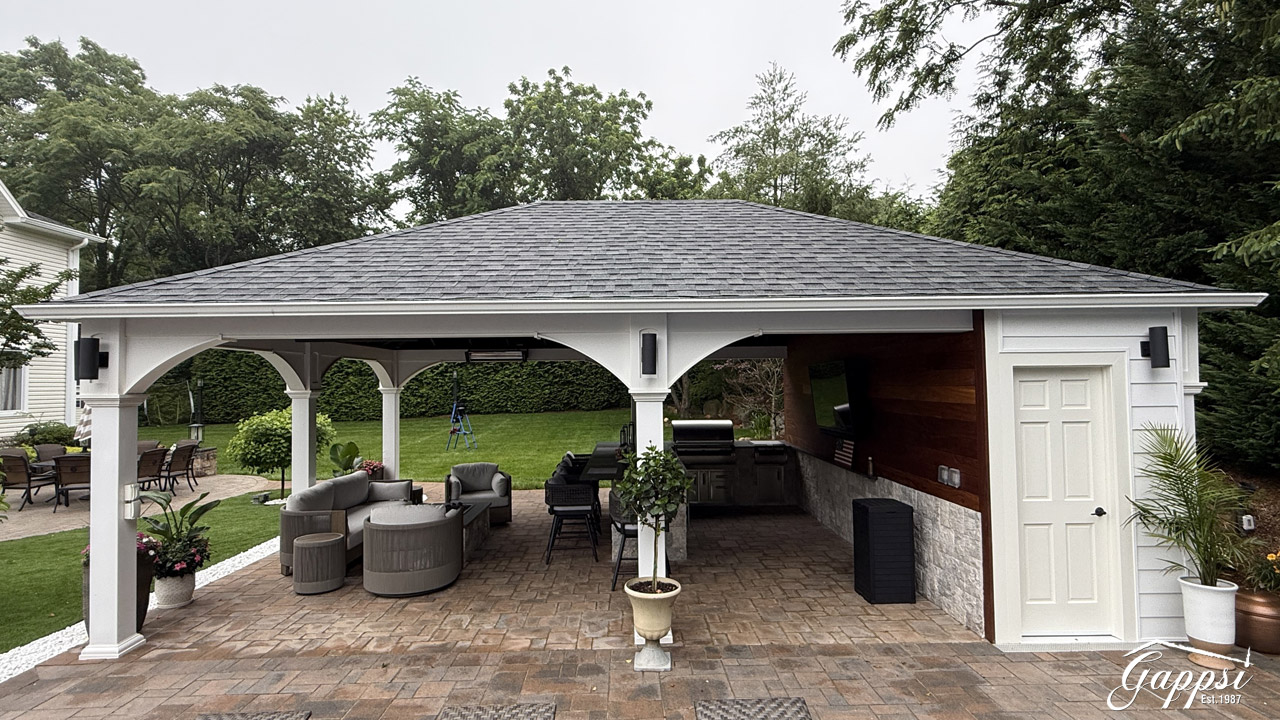
Outdoor living spaces are becoming more popular on Long Island as homeowners seek ways to enjoy their backyards comfortably while staying protected from the elements. A screened gazebo is a great solution. Gappsi recently completed a 12′ x 14′ fully screened vinyl Country Lane Gazebo for a homeowner in Huntington.  This gazebo combines classic craftsmanship with modern materials, creating an elegant and practical space that keeps insects out and has become the highlight of the backyard.

A Custom Country Lane Gazebo Built for Comfort

The new gazebo is 12 feet by 14 feet, giving plenty of room for seating, relaxing, and entertaining. The homeowners wanted a spot to place outdoor furniture and enjoy time outside without worrying about mosquitoes or other insects common in Long Island’s warmer months.
To solve this, the gazebo has full screening that allows fresh air in while keeping insects out, making it comfortable to use from spring through fall.  Inside, a sitting area with outdoor furniture invites homeowners to relax, read, enjoy coffee, or host guests in a peaceful, bug-free setting.

Durable Vinyl Exterior for Long-Term Protection

A key feature of this gazebo is its vinyl-wrapped exterior. The whole structure is covered in high-quality vinyl, which has several advantages over traditional wood.  Vinyl-wrapped gazebos are durable and need little maintenance. Unlike wood, vinyl does not need regular staining, painting, or sealing. It also resists moisture, rot, and insect damage, making it a great choice for Long Island’s changing weather.
The clean white vinyl finish gives the gazebo a timeless look that fits many home styles in Huntington and nearby areas.  Thanks to its weather-resistant vinyl, homeowners can enjoy long-term use with minimal maintenance.

Natural Wood Ceiling with Rich Mahogany Finish

While the gazebo’s exterior features modern vinyl protection, its interior highlights the warmth and character of natural wood. The structure’s ceiling was intentionally left exposed, creating a classic gazebo aesthetic.  The wood ceiling has a mahogany finish, adding depth and richness to the inside. The darker color looks great next to the bright vinyl exterior, making the space even more attractive. charm, blending wood craftsmanship with modern durability, an approach many homeowners value.  The mahogany finish enhances the ceiling’s appearance and protects the wood, preserving its natural texture and grain.

Classic Roof Design with Decorative Cupola

Another eye-catching element of this gazebo installation is the cupola at the roof peak. Cupolas are a traditional architectural feature often found on gazebos, barns, and other classic structures.  Cupolas look attractive and can also help with ventilation, keeping the inside comfortable.
The cupola adds an extra layer of elegance to the overall design, making the structure a true focal point in the backyard. From a distance, the roofline and cupola lend the gazebo a refined, polished appearance that enhances the entire outdoor space.

A Mosquito-Free Outdoor Retreat

Screened gazebos are great for keeping out mosquitoes, which can make it hard to use outdoor spaces in the evening.  The screened design lets the homeowners relax insect-free, while enjoying fresh air and natural light.
This makes the gazebo ideal for:
  • Outdoor dining
  • Relaxing with family
  • Reading or working outside
  • Hosting friends and guests
  • Enjoying warm summer evenings
This gazebo creates a comfortable outdoor room that combines nature with protection.

Enhancing Outdoor Living in Huntington, NY

Backyard structures, such as gazebos, can significantly enhance a property’s value and usability. In communities like Huntington, where outdoor living is highly valued, a professionally installed gazebo becomes both a lifestyle upgrade and an attractive design feature.
This Country Lane gazebo by Gappsi shows how good design and craftsmanship can change a backyard. It provides a useful place to gather and adds beauty to the property.  More homeowners now see their backyards as extensions of their homes. By adding things like screened gazebos, patios, and outdoor kitchens, they can create great spaces for entertaining, relaxing, and enjoying nature.

Professional Gazebo Installation by Gappsi

Every gazebo installation requires careful planning, proper site preparation, and expert construction to last a long time. The Gappsi team specializes in designing and installing custom outdoor structures for each homeowner’s needs. From the first design to the final installation, the team pays close attention to every detail. The result is a gazebo that looks great and stands up to changing weather.
This 12′ x 14′ fully screened vinyl Country Lane gazebo in Huntington, NY, is another example of the quality outdoor projects Gappsi has completed across Long Island.

Creating the Perfect Backyard screened gazebo can transform a backyard by adding comfort, protection, and style for outdoor enjoyment.

The new Country Lane screened gazebo in Huntington, NY, offers just that: a peaceful, stylish, and practical space where the homeowners can enjoy the outdoors while staying safe from mosquitoes.  With its vinyl-wrapped exterior, mahogany wood ceiling, and classic roof cupola, this gazebo blends traditional craftsmanship with modern durability. It is a beautiful addition to the property and will provide relaxation and outdoor enjoyment for years to come.

Contact Gappsi Today

📍 Serving all of Long Island, NY — Nassau & Suffolk Counties
🌐 www.gappsi.com
📞 Call now for a free consultation and estimate!
SCHEDULE A MEETING TODAY WITH GAPPSI

Share this page:

Country Lane Pavilion and Outdoor Kitchen Built in Dix Hills, NY

Outdoor living is now one of the most popular home upgrades on Long Island. More homeowners are choosing to entertain outside, creating comfortable, beautiful spaces they can use year-round.
Our latest project in Dix Hills, NY, demonstrates how good design and high-quality materials can transform a backyard into a luxury retreat. This custom Country Lane pavilion and outdoor kitchen combine classic craftsmanship with modern features, making it a great place to relax, entertain, and dine outdoors.

A Traditional Pavilion with Custom Design Features

The main feature of this backyard is a 20×28 pavilion with six strong columns. Its size provides ample space for cooking, dining, and relaxing while remaining open and welcoming.
We added a storage area at the back of the pavilion, hidden but easy to reach. There are also two side entrances, making it easy to move between the patio, pool, and yard. This layout keeps the pavilion practical and balanced.  The ceiling is bare wood, stained a deep mahogany, adding warmth and a rustic feel. Two ceiling fans help keep the space cool and comfortable on warm days.

Statement Wall with Premium Stone Veneers

One of the most striking features of this pavilion is the custom back wall. We used Cameroon wood-stain panels and silver travertine stone veneers in various sizes. This mix adds depth and texture, making the wall a dramatic focal point. Throughout the pavilion, to maintain design continuity. The random sizing gives the stone a natural, organic feel, while the soft silver tones keep the space light and elegant.
This wall not only enhances the pavilion’s aesthetic but also provides a great backdrop for gatherings, photos, and evening events. The pavilion features a fully custom kitchen island equipped with all FireMagic appliances. FireMagic is known for its premium performance, durability, and sleek design, making it the perfect choice for a high-end outdoor kitchen.
The island was veneered in silver travertine to match the pavilion walls, ensuring a cohesive look. For the countertops, we selected a leather-finish Block Tiger Marble, which adds a bold visual statement while remaining highly durable for outdoor use.
This outdoor kitchen is built for serious cooking and entertaining, with lots of prep space, storage, and top-quality grilling options.
country-lane-pavilion-and-outdoor-kitchen-built-in-dix-hills-ny

Coordinated Gas Firepit for Year-Round Enjoyment

To make the pavilion usable even on cooler evenings, we installed a custom gas fire pit. This connects the cooking and seating areas, adding warmth and atmosphere.o extend the outdoor season well into fall and winter. Whether hosting friends or enjoying a quiet evening outdoors, this pavilion is comfortable in almost any weather.

A gas firepit is more than a design feature, it’s a practical investment that turns your outdoor space into a four-season retreat. Unlike traditional wood-burning fire pits, gas fire pits offer instant warmth, clean operation, and effortless control, making them the ideal choice for modern outdoor living.

1. Instant On, Instant Ambiance – With the push of a button, a gas firepit ignites immediately, no chopping wood, no smoke, and no waiting. This makes it perfect for spontaneous gatherings or relaxing evenings after a long day.

2. Clean and Low Maintenance – Gas firepits produce no ash, soot, or embers, so there’s nothing to sweep or dispose of. This means less mess, less maintenance, and a consistently clean outdoor space.

3. Safe and Easy to Control – You can adjust the flame height and heat output with a simple control valve or switch. There are no flying sparks or burning logs, making gas firepits a safer option, especially in family-friendly backyards.

4. Use Your Pavilion in Every Season – Paired with outdoor heaters, a gas firepit extends your pavilion’s usability well into fall and winter. You can entertain, relax, and dine outdoors even when temperatures drop.

5. Sleek, Modern Design – Gas fire pits integrate seamlessly with custom stone islands, seating walls, and pavilions. Their clean flame and contemporary look elevate the overall design of any outdoor living space.

6. Reliable in Any Weather – Unlike wood, gas won’t get damp or hard to light. Rain, wind, or cold temperatures won’t stop you from enjoying a warm fire whenever you want.

A gas firepit adds warmth, style, convenience, and year-round functionality, making your outdoor living space feel like a true extension of your home.

Custom Lighting for Evening Ambiance

Lighting plays a major role in how an outdoor space feels at night. For this project, we added custom downlights along the pavilion columns to softly illuminate the structure and highlight its details, creating a glow that enhances safety and ambiance without overpowering the space. At night, the pavilion becomes a glowing focal point in the yard—perfect for entertaining or relaxing under the stars.

The Country Lane Pavilion

This project is a great example of a Country Lane pavilion, blending rustic charm with modern luxury. The wood ceiling, classic stone, and rich colors give it a timeless look that feels both elegant and welcoming. Traditional craftsmanship, combined with high-end materials and technology, makes this pavilion feel like a natural extension of the home rather than a separate structure.

Designed for Entertaining and Everyday Living

From weekend barbecues to family dinners to evening get-togethers, this Dix Hills pavilion was designed to be versatile. The layout supports cooking, dining, relaxing, and conversation in one connected space, while the open design keeps everyone connected. Whether hosting a large party or enjoying a quiet night by the fire, this pavilion adapts to every occasion.

A Standout Pavilion Installation in Dix Hills, NY

This Country Lane Pavilion and Outdoor Kitchen is one of our best installations so far. Every detail, from the stone veneers and marble countertops to the lighting, heating, and FireMagic appliances, was chosen for beauty, durability, and function.  If you’re considering upgrading your backyard, this project demonstrates what can happen when design, skill, and high-quality materials are combined.

Contact Gappsi Today

📍 Serving all of Long Island, NY — Nassau & Suffolk Counties
🌐 www.gappsi.com
📞 Call now for a free consultation and estimate!
SCHEDULE A MEETING TODAY WITH GAPPSI

Share this page:

A Complete Backyard Transformation in Massapequa, NY

A Complete Backyard Transformation in Massapequa, NY, designed and installed by Gappsi.  When a new home is built, the outdoor space should be just as carefully designed as the inside. For this Massapequa, NY residence, Gappsi was trusted to create a custom backyard that maximizes every inch for comfort, style, and function. The finished space combines luxury materials, a smart layout, and features you can enjoy year-round.  Although the property footprint is modest, every element of this backyard was carefully planned to serve a purpose. From a low-maintenance synthetic turf play area to a resort-style swimming pool, a limestone patio, and a fully equipped outdoor kitchen pavilion, this space now functions as a true extension of the home.

Designing With Purpose: Making the Most of Every Inch

Because this was a newly built house, Gappsi had the opportunity to start from scratch. The design goal was clear: use all available space efficiently while maintaining an unbroken flow between zones. Rather than crowding the yard, each area was positioned to complement the others, creating a layout that feels open, balanced, and practical.
The side of the house was transformed into a playground with high-quality synthetic turf sourced from the Gappsi showroom. This turf offers the look of natural grass without the maintenance, watering, or mud. It also dries quickly after rain, making it a dependable space for children to play year-round.  Using the side area for play means the main backyard can focus on entertaining, relaxing, and enjoying the pool. This holds the whole layout neat and organized.

Pavilion Living: Outdoor Kitchen, Fire Pit & Lounge

At the heart of the backyard is a 16×16 traditional pavilion with a classic metal roof supported by four columns. This structure grounds the space and creates a comfortable, shaded environment for cooking, dining, and gathering.  Under the pavilion, there is a full outdoor kitchen finished with silver travertine in a mixed-size pattern for extra depth and texture. The kitchen features Fire Magic appliances and cabinets, a top brand recognized for its durability, high performance, and style.
The large island features a black leather-finish granite countertop, supplying a striking contrast to the lighter stone finishes while providing a durable, weather-resistant surface. One side of the pavilion features bar seating for casual dining, while the other side transitions into a snug lounge area.
A gas fire pit surrounded by plush couches creates a warm, pleasant space that extends usability into cooler evenings. When hosting friends, enjoying family dinners, or relaxing after a long day, this pavilion serves as the backyard’s social hub.

Resort-Style Swimming Pool With Safety Features

The backyard also features a 16×36 concrete wall vinyl swimming pool, perfectly proportioned to the yard’s size. The pool serves as a visual centerpiece and a refreshing escape during the summer months.
Facing the house is a sheer descent water wall, capped with G045 24×24 limestone, which adds a modern water-feature element while enhancing sound and movement. This wall becomes a focal point both day and night, especially when the pool is illuminated.
a-complete-backyard-transformation-in-massapequa-ny
The pool is equipped with an outcover automatic safety cover, a valuable solution for properties where customary fencing is not an option. The cover provides:
  • Safety for children and pets
  • Heat retention supports maintaining water temperature
  • Energy efficiency, reducing the heater workload
  • Resale value, as buyers increasingly look for embedded safety features
This feature alone significantly extends the swimming season and adds peace of mind.

G045 Limestone Patio and Coping: Natural Beauty & Comfort

The entire patio area surrounding the pool and pavilion is paved with G045 limestone from the Gappsi natural stone collection. This stone was chosen for both its rustic appearance and soft, comfortable texture underfoot. The pool coping is also made of G045 limestone, which keeps the look consistent throughout the space. Its gentle color changes and natural finish give the area a classic, elegant style that suits the home.
The stoop leading to the sliding door was also constructed with G045 coping limestone and a silver travertine veneer, tying the home’s entry point directly into the patio and pavilion materials for an integrated design.

Privacy and Greenery: Evergreen Screening

To finish the backyard, Gappsi planted 10-foot-tall evergreen trees along the property’s edge. These trees offer:
  • Natural privacy
  • Wind protection
  • Year-round greenery
  • A softer visual boundary than fencing
This living border transforms the yard into a private retreat, making it feel like a hidden oasis even in a suburban neighborhood.

A Small Yard That Lives Large

This Massapequa backyard shows that even a small space can have a big impact. With prudent planning, top-quality materials, and skilled installation, Gappsi transformed a modest yard into a complete luxury retreat.
Every part of the yard has a purpose, and all materials were chosen for both strength and beauty. The layout moves seamlessly from one area to the next, making the backyard not just beautiful but also useful, safe, and enjoyable year-round.
This project is Gappsi’s latest backyard design and installation. It shows how skill, creativity, and careful attention to detail can completely change a home’s outdoor living space.

Contact Gappsi Today

📍 Serving all of Long Island, NY — Nassau & Suffolk Counties
🌐 www.gappsi.com
📞 Call now for a free consultation and estimate!
SCHEDULE A MEETING TODAY WITH GAPPSI

Share this page:
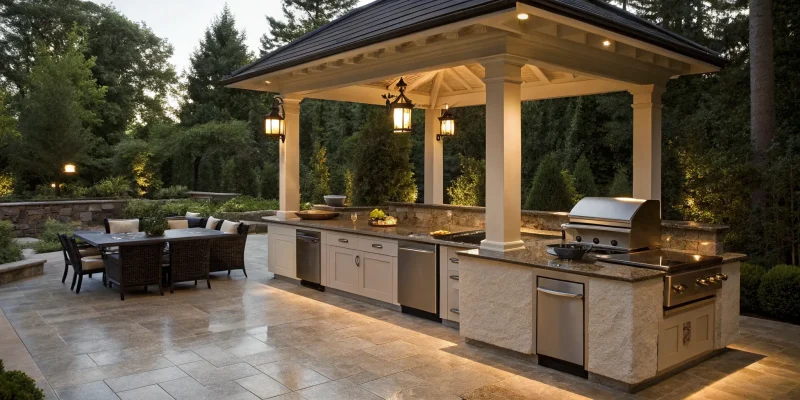
Luxury outdoor kitchen under a custom pavilion with granite countertops and stainless steel appliances.

Luxury Outdoor Kitchen with Pavilion: A Design Guide

Hosting a backyard barbecue often means constantly running back and forth to your indoor kitchen, juggling platters and supplies. Then there’s the weather—a sudden rain shower or the intense afternoon sun can quickly send guests running inside. A luxury outdoor kitchen with pavilion solves all of these problems. It creates a self-sufficient, comfortable, and sheltered environment where everything you need is within arm’s reach. This permanent setup makes outdoor entertaining feel effortless and reliable, allowing you to be a relaxed host who can enjoy the party. It’s the ultimate upgrade for anyone who loves to entertain outdoors without the usual stress.

Key Takeaways

  • Plan for Flow, Not Just Footprint: A truly functional outdoor kitchen depends on an intuitive layout. Consider how you’ll move between cooking, prepping, and socializing zones to create an effortless space that makes hosting a joy.
  • Choose Materials for Longevity, Not Just Looks: Your outdoor kitchen must withstand Long Island’s weather. Investing in durable, weather-proof materials like natural stone, porcelain, and stainless steel from the start means less maintenance and a beautiful space that lasts for years.
  • Hire an Outdoor Living Specialist: This is a complex project requiring expertise in masonry, utilities, and outdoor construction. Partnering with a licensed and insured contractor who specializes in outdoor kitchens is the best way to protect your investment and ensure a high-quality result.

What Makes an Outdoor Kitchen and Pavilion a Luxury?

An outdoor kitchen is more than just a grill on a patio. It’s a complete extension of your home, a place where you can cook, dine, and entertain without sacrificing comfort or style. When you pair a high-end kitchen with a beautifully designed pavilion, you create a true luxury outdoor living experience. This combination transforms your backyard into a destination, blending sophisticated design with practical function. It’s about crafting a space that feels both elegant and effortlessly usable, allowing you to host a dinner party or enjoy a quiet family meal outdoors with all the conveniences of your indoor kitchen. The difference is in the details: premium materials, thoughtful layout, and seamless integration with your home and landscape.

Defining the Modern Luxury Outdoor Kitchen

A modern luxury outdoor kitchen is a fully equipped culinary workspace designed to withstand the elements while looking incredible. Forget rolling a charcoal grill out from the garage. We’re talking about a permanent, custom-built setup featuring high-performance appliances, from built-in gas grills and smokers to pizza ovens and outdoor refrigerators. The foundation of this luxury lies in the materials. Think durable, gorgeous countertops made from porcelain or natural stone that can handle Long Island weather, paired with custom cabinetry that offers ample storage. A well-designed layout also includes a functional sink, plenty of prep space, and task lighting, ensuring you can cook a gourmet meal as easily outside as you can inside. It’s this level of detail and quality that makes it a worthwhile investment in your home and lifestyle.

The Pavilion: Your All-Weather Entertainment Hub

The pavilion is what truly elevates an outdoor kitchen into an all-season entertainment hub. This isn’t just any roof; it’s a permanent architectural feature that provides essential protection from the sun and rain, instantly extending the usefulness of your outdoor space. Modern pavilions and pergolas can be customized with features like adjustable louvered roofs that let you control the amount of sun or shade with the touch of a button. You can also integrate amenities like ceiling fans for hot summer days, infrared heaters for cool autumn nights, and built-in lighting and sound systems to set the perfect mood. By creating a sheltered, comfortable environment, the pavilion ensures your gatherings are never cut short by unpredictable weather, making it the ultimate centerpiece for outdoor living.

Must-Have Features for Your Outdoor Kitchen Pavilion

A luxury outdoor kitchen pavilion is more than just a grill under a roof—it’s a fully functional and inviting space designed for cooking, dining, and entertaining. To create a truly exceptional experience, you’ll want to incorporate features that blend high-end performance with comfort and style. Think about how you plan to use the space. Will it be for intimate family dinners, large parties, or quiet morning coffees? Your answer will guide which features are essential for your backyard oasis. From state-of-the-art cooking equipment to materials that can handle Long Island weather, every detail contributes to the final result.

Gourmet Appliances for Alfresco Cooking

The heart of any kitchen is its appliances, and an outdoor kitchen is no different. Go beyond a standard grill and consider a complete cooking setup that rivals your indoor kitchen. This means incorporating high-performance, built-in appliances for convenience and versatility. Think about a professional-grade grill, a dedicated smoker, or a wood-fired pizza oven. Don’t forget essentials like an outdoor-rated refrigerator, a sink for easy cleanup, and stainless steel storage. The beauty of a custom pavilion is that you can design the layout to perfectly house these features.

Premium, Weather-Proof Materials and Finishes

Your outdoor kitchen needs to look great and stand up to the elements, from summer sun to winter snow. Choosing premium, weather-proof materials is non-negotiable for a lasting investment. For countertops, select durable surfaces like granite, quartzite, or high-quality porcelain pavers that resist stains, heat, and fading. The pavilion structure should be built from robust materials like powder-coated aluminum, cedar, or stone to handle heavy snow and high winds. For cabinetry, marine-grade stainless steel is a popular choice because it won’t rust or warp.

Essential Comforts: From Seating to Sound Systems

What truly makes an outdoor kitchen a destination is comfort. You need a space where guests want to linger long after the meal is over. Start with ample, comfortable seating, like bar stools at the counter and a separate lounge area with cushioned chairs. To extend your enjoyment into the evening, incorporate layered lighting, including task lighting over the grill, ambient string lights, and thoughtful landscape lighting. For the final touch, consider entertainment options like a built-in sound system or an outdoor-rated television to create a complete entertainment hub.

The Benefits of an Outdoor Kitchen Pavilion

An outdoor kitchen pavilion is more than just a structure; it’s a complete transformation of your backyard. It turns a simple patio or deck into a destination—a place where family dinners feel like a vacation and weekend get-togethers become unforgettable. If you’re thinking about adding this feature to your home, you’re not just considering a beautiful addition. You’re investing in a lifestyle upgrade that offers practical benefits for years to come.

Entertain Comfortably, All Year Long

Imagine hosting a barbecue without worrying about a sudden summer shower or the intense afternoon sun. That’s the freedom a pavilion offers. Modern pavilions and pergolas can be designed with adjustable louvered roofs, giving you complete control over your environment. With the touch of a button, you can let the sunshine in or create a fully sheltered space to protect you and your guests from the elements. This means your outdoor kitchen isn’t just for perfect weather days. It becomes a reliable, comfortable entertainment hub you can enjoy through spring, summer, and fall, making every moment outdoors a pleasure.

Increase Your Home’s Value

An outdoor kitchen pavilion is one of the smartest investments you can make in your property. It’s a high-impact feature that significantly boosts curb appeal and functionality, which is exactly what today’s homebuyers are looking for. In fact, adding a well-designed outdoor kitchen can increase your home’s value by up to 30%. It sets your home apart in a competitive market, showcasing a commitment to quality and a luxury lifestyle. Think of it not as an expense, but as a direct investment in your home’s equity and a feature that will pay dividends if you ever decide to sell.

Create a More Functional Outdoor Space

This addition fundamentally changes how you use your backyard. It creates a central, functional zone that seamlessly blends cooking, dining, and relaxing. No more running back and forth to the indoor kitchen. Everything you need is right where you need it, making outdoor living effortless and more enjoyable. An outdoor kitchen pavilion extends your living space, effectively adding another room to your home. It’s a way to improve your daily life by creating a beautiful, comfortable, and stylish area where you can make lasting memories, whether you’re enjoying a quiet morning coffee or hosting a lively party.

Find Your Style: Popular Designs for Outdoor Kitchen Pavilions

Choosing a style for your outdoor kitchen pavilion is one of the most exciting parts of the design process. This is where you get to infuse your personality into the space, creating an atmosphere that’s perfect for how you want to relax and entertain. Whether you’re drawn to clean, contemporary lines or the warmth of traditional materials, there’s a design that will feel like a natural extension of your home. The right style will not only look beautiful but will also complement your home’s architecture and surrounding landscape, creating a truly cohesive outdoor retreat.

Sleek and Modern Designs

If you love clean lines, minimalist aesthetics, and smart functionality, a modern design is a perfect choice. These pavilions often feature materials like metal, smooth-finished wood, and polished stone for a sophisticated look. One of the most popular features in modern pavilions and pergolas is an adjustable louvered roof. With the touch of a button, you can open the slats to let the sun in or close them for protection from rain, giving you total control over your environment. This blend of high-tech convenience and sharp design makes a modern pavilion a stunning centerpiece for any contemporary backyard.

Classic Charm and Traditional Looks

For a timeless and inviting feel, you can’t go wrong with a classic design. Traditional pavilions draw inspiration from rustic structures, using natural materials to create a warm atmosphere. Think sturdy timber frames with beautiful joinery that showcase expert craftsmanship. These structures are not only incredibly strong and built to last, but their natural beauty also blends seamlessly into a garden setting. Paired with classic masonry like a stone fireplace or brick accents, a traditional pavilion creates a cozy and elegant space that feels both grand and intimate.

Mediterranean and Transitional Styles

If your taste falls between modern and traditional, a transitional style offers the best of both worlds. The key is creating harmony between your new pavilion and your existing home and yard. This style often uses natural materials like stone and wood to bridge the gap between the built environment and the natural landscape. A transitional design might pair the clean structure of a modern pavilion with the warmth of wood beams or stone columns. This flexibility allows you to create a personalized look that feels both current and timeless, ensuring your entire landscape design feels connected and thoughtfully planned.

How to Plan the Perfect Layout

A beautiful outdoor kitchen is wonderful, but a beautiful and functional outdoor kitchen is a game-changer. The layout is the foundation of your entire project, determining how easily you can move, cook, and entertain. A thoughtful plan ensures your new space isn’t just a showpiece but the true heart of your backyard. It’s about creating an intuitive flow that makes hosting a summer barbecue feel effortless and relaxing.

Before you fall in love with specific appliances or finishes, take a step back and focus on the blueprint. Think about how you’ll carry dishes from your indoor kitchen, where guests will sit and mingle, and how you’ll move between the grill, sink, and prep areas. Getting this right from the start will save you headaches later and make every moment you spend in your new kitchen a joy.

Map Out Your Space and Dimensions

One of the most common missteps in outdoor kitchen design is underestimating the amount of space you actually need. It’s easy to focus on the footprint of the grill and cabinets, but you also have to account for walking paths, open appliance doors, and elbow room for the chef. Start by measuring your intended area and marking it out with stakes and string or even spray paint. This helps you visualize the scale in your actual backyard.

Think through your workstations. You’ll want dedicated zones for hot tasks (grilling), cold tasks (refrigeration), wet tasks (sink), and dry tasks (prep). A frequent mistake is not giving these functional areas enough counter space. Ensure there’s plenty of room on either side of the grill for platters and tools. Proper space planning is a core part of our masonry design and construction, ensuring your kitchen is as practical as it is beautiful.

Design for Easy Flow and Function

Your outdoor kitchen should feel like a natural extension of your home, not a distant outpost. A poor layout can make cooking and entertaining feel disjointed. One of the biggest mistakes is placing the kitchen too far from the house. Think about all the trips you’ll make back and forth for ingredients, dishes, and forgotten utensils. Keeping it close to a back door makes everything much simpler.

We often apply the classic “work triangle” principle, creating an efficient path between the grill, sink, and refrigerator. This minimizes your steps and keeps everything within easy reach. The layout should also consider guest traffic, creating clear paths so people can move around without getting in the cook’s way. A well-designed space allows the host to socialize while cooking, making the experience more inclusive and fun for everyone.

Blend Seamlessly with Your Landscape

Your new outdoor kitchen and pavilion shouldn’t look like an afterthought. The best designs feel completely integrated with the surrounding environment. We achieve this by using materials and architectural styles that complement your home and existing landscape. Using porcelain and natural stone that echoes the materials on your patio or home exterior creates a cohesive and high-end look.

Think of the kitchen and pavilion as the anchor of a larger outdoor living area. How can it connect with other features? Perhaps it overlooks the swimming pool or opens onto a lush garden. Thoughtful landscape design can frame the space with beautiful plantings, while ambient lighting adds atmosphere and extends its usability into the evening. The goal is to create a complete, harmonious environment for relaxing and entertaining.

Choose the Best Materials for Your Outdoor Kitchen Pavilion

Selecting the right materials is one of the most critical steps in designing an outdoor kitchen and pavilion that lasts. Your outdoor space will be exposed to everything Long Island weather can throw at it—from hot, sunny days to freezing, snowy winters. The materials you choose need to stand up to the elements without fading, cracking, or warping, ensuring your investment looks beautiful for years to come.

Think of it this way: high-quality materials are the foundation of a low-maintenance lifestyle. Choosing durable, weather-resistant options from the start means you’ll spend more time enjoying your space and less time on upkeep. It’s about finding the perfect balance between stunning aesthetics and practical, long-term performance. From the countertops where you’ll prep meals to the flooring underfoot and the roof overhead, every choice contributes to the overall quality and longevity of your outdoor oasis. This isn’t just about picking what looks good on day one; it’s about choosing materials that will maintain their integrity and beauty through countless family barbecues, holiday gatherings, and quiet morning coffees.

Durable Countertops Built to Last

Your countertops are the primary work surface in your outdoor kitchen, so they need to be tough. They’ll face everything from food spills and hot pans to direct sun and rain. For a combination of elegance and resilience, natural stone is a fantastic choice. Granite and quartzite are incredibly durable and can handle temperature fluctuations with ease. Another excellent option is porcelain, which offers a sleek, modern look and is non-porous, making it highly resistant to staining and easy to clean. Gappsi offers a wide selection of beautiful porcelain and natural stone options perfect for creating a functional and stylish outdoor cooking space.

Weather-Resistant Flooring and Structural Materials

The flooring in your outdoor kitchen pavilion needs to be safe, durable, and forgiving. Spills are bound to happen, so you’ll want a surface that doesn’t stain easily and is simple to wipe clean. Porcelain pavers and natural stone are top contenders because they are incredibly dense, resistant to moisture, and hold their color even with constant sun exposure. For the structure of the pavilion itself, materials like powder-coated aluminum, vinyl, or resilient woods like cedar provide the strength needed to support the roof while resisting rot and pests. Our expert masonry team can help you integrate these structural elements seamlessly with stone features for a cohesive, high-end look.

Select the Right Roofing and Finishes

The roof of your pavilion is your first line of defense against the elements, providing essential shade and protection from rain. You can opt for a solid roof for complete coverage or choose a more flexible design. Modern louvered roofs are a popular luxury feature, allowing you to adjust the slats with the push of a button to let sunlight in or create a water-tight seal when it rains. This versatility extends the usability of your outdoor kitchen through different seasons and weather conditions. At Gappsi, we design custom pavilions with various roofing systems to match your home’s style and your entertainment needs, ensuring your outdoor space is always ready for guests.

How Much Does a Luxury Outdoor Kitchen Pavilion Cost?

One of the first questions on everyone’s mind is, “What’s the budget for a project like this?” The truth is, there’s no one-size-fits-all answer. Because every outdoor kitchen pavilion is a custom creation, the cost can vary significantly. Think of it like designing an indoor kitchen—your choices in size, materials, and appliances will shape the final price. Generally, you can expect a project to range from $6,000 to over $30,000, with high-end, fully custom builds reaching well beyond that.

The final cost is a reflection of your vision. A simple, elegant pavilion with a high-quality grill and prep space will be on the lower end of the spectrum. A sprawling structure with a full suite of gourmet appliances, premium stone countertops, a fireplace, and integrated lighting and sound systems will naturally require a larger investment. The key is to remember that you’re not just buying appliances and materials; you’re investing in a lifestyle upgrade and a significant asset for your home. A well-planned outdoor kitchen pavilion becomes the heart of your backyard, a place for making memories for years to come. It’s about creating a space that perfectly fits how you want to live and entertain outdoors.

Understand the Key Cost Factors

The final price tag for your outdoor kitchen pavilion is influenced by several key elements. The size and complexity of the design are the biggest drivers—a larger footprint with more intricate details will require more materials and labor. The materials you select also play a huge role. For instance, choosing luxurious natural stone countertops and custom masonry will be a different investment than more standard options. Finally, your choice of appliances is a major factor. You can opt for a fantastic built-in grill or create a complete chef’s setup with a smoker, side burners, an outdoor refrigerator, and a pizza oven. Each choice contributes to the overall cost and functionality of your space.

Plan for Utilities and Permits

Beyond the structure and appliances, you’ll need to account for the practical necessities. Your outdoor kitchen will need utilities like electricity for lighting and appliances, plumbing for a sink, and potentially a natural gas line for the grill. The cost to run these lines from your house to the pavilion depends on the distance and complexity of the job. Additionally, depending on the scale of your project and local Long Island regulations, you may need building permits. A permanent structure often requires official approval. Working with an experienced contractor is the best way to ensure all the necessary permits and plans are handled correctly, so you can avoid any headaches down the road.

Get the Most from Your Investment

An outdoor kitchen pavilion is more than just a beautiful addition to your home; it’s a smart investment. Studies have shown that a well-designed outdoor kitchen can significantly increase your home’s value, with some homeowners seeing a return of up to 30%. In a competitive market, a stunning and functional outdoor living area makes your property stand out to potential buyers. But the value isn’t just financial. You’re investing in your family’s quality of life by creating a dedicated space for gathering, celebrating, and relaxing. This enhancement to your home provides a return in enjoyment and memories that you can’t put a price on.

Common Mistakes to Avoid

Creating your dream outdoor kitchen and pavilion is an exciting process, but it’s easy to get tripped up by a few common missteps. A successful project isn’t just about picking out a great grill; it’s about thoughtful planning that considers how you’ll use the space for years to come. Taking the time to think through the details now will save you from headaches and costly changes down the road.

From the initial layout to the final finishes, every decision impacts the final result. The biggest mistakes often happen when homeowners rush the design, choose materials that aren’t suited for the outdoors, or forget to plan for weather and upkeep. By being aware of these potential pitfalls, you can ensure your new outdoor living area is as functional and durable as it is beautiful. Let’s walk through the key things to watch out for so you can get it right the first time.

Rushing the Planning and Design Phase

One of the most frequent mistakes is underestimating the amount of space you actually need. It’s crucial to think beyond just the footprint of your appliances. Consider the flow of traffic: how will you and your guests move around the grill, prep counters, and seating areas? A cramped layout can make cooking and entertaining feel chaotic. Before you finalize anything, map out distinct zones for cooking, preparation, and socializing. A well-thought-out masonry design ensures every part of your kitchen is functional and easy to use, preventing logistical issues before they ever start.

Choosing the Wrong Materials or Builder

Your outdoor kitchen is an investment, and skimping on materials is a mistake that will cost you more in the long run. Materials that work well indoors often can’t withstand the temperature fluctuations, moisture, and sun exposure of Long Island’s climate. Opt for durable, weather-resistant options like stainless steel for appliances and high-quality porcelain or natural stone for countertops and flooring. Just as important is your choice of builder. An experienced contractor who specializes in outdoor construction will understand the unique challenges, from proper ventilation for grills to ensuring your structure is safe and built to last.

Forgetting About Weather and Future Maintenance

While a pavilion provides excellent shelter, your outdoor kitchen is still exposed to the elements. It’s essential to plan for weather from the very beginning. This means ensuring proper drainage, selecting materials that won’t fade or warp in the sun, and considering how wind might affect your cooking area. Think about future upkeep, too. Spills are inevitable, so choose non-porous surfaces that are easy to clean and resist staining. Planning for long-term care, like periodic cleaning and sealing for your stonework, will keep your outdoor kitchen looking pristine season after season with minimal effort.

How to Choose the Right Contractor for Your Project

Bringing a luxury outdoor kitchen and pavilion to life is a significant investment, and the single most important decision you’ll make is choosing the right team to build it. This isn’t just about hiring someone to lay pavers; it’s about finding a partner who understands your vision, has the technical expertise for complex outdoor projects, and communicates clearly from start to finish. A great contractor will guide you through every step, from initial design to final inspection, ensuring the result is not only beautiful but also functional and built to last.

Your goal is to find a company with a proven track record of creating stunning, high-end outdoor living spaces. Look for a team that handles everything in-house, from masonry and landscaping to installing utilities and structures. This integrated approach prevents miscommunication and delays, leading to a smoother process and a more cohesive final product. Taking the time to vet your options thoroughly will save you from headaches down the road and ensure your new outdoor oasis is everything you dreamed it would be.

Look for Essential Qualifications and Experience

When you start your search, focus on contractors who specialize in outdoor kitchens and pavilions. This isn’t a job for a general handyman. Outdoor construction comes with unique challenges, like dealing with Long Island’s weather, selecting durable materials, and properly running utility lines for gas, water, and electricity. A seasoned expert will know which materials stand up to salt air and freezing winters and how to design a space that functions flawlessly.

Always confirm that any potential contractor is fully licensed and insured. This is a non-negotiable that protects you and your home from liability during the project. Don’t be shy about asking for proof. A reputable company will have this information readily available. You’re looking for a team whose portfolio showcases a history of building beautiful and durable pavilions and pergolas, demonstrating they have the specific skills your project requires.

Key Questions to Ask Potential Contractors

Once you have a shortlist, it’s time to start asking questions. The way a contractor responds will tell you a lot about their process, expertise, and professionalism. Come to the conversation prepared with a list to ensure you cover all your bases. This is your chance to gauge their experience and see if they’re a good fit for your project and personality.

Here are a few essential questions to ask:

  • Can you show me a portfolio of outdoor kitchens you’ve built in my area?
  • How do you handle the permitting process with local towns in Nassau or Suffolk County?
  • What is your process for communicating updates or potential issues during construction?
  • Who will be the main point of contact for my project?
  • Can you provide references from a few recent clients?

A confident and experienced contractor will welcome these questions. You can also get a great sense of a company’s work by checking out their project videos, which often show the construction process and finished results in detail. Seeing their work on YouTube can give you a better feel for their quality and style.

Clarify the Project Timeline and Plan

A reliable contractor will provide a clear and detailed project plan before any work begins. This document should be more than just a start and end date; it should outline the entire construction sequence, from excavation and foundation work to appliance installation and final touches. Understanding the timeline helps you manage your expectations and plan accordingly.

Ask for a breakdown of project milestones and the corresponding payment schedule. This transparency ensures you know exactly what to expect and when. It’s also important to discuss how potential delays, such as bad weather or material backorders, are handled. A professional team will have contingency plans in place and will communicate proactively. A well-defined plan is the foundation of a successful project and a stress-free experience for you as the homeowner.

Related Articles

Frequently Asked Questions

How long does it typically take to build an outdoor kitchen pavilion? The timeline for a project like this can vary quite a bit depending on the complexity of your design, the permitting process in your town, and of course, the weather. A more straightforward setup might take a few weeks, while a highly custom project with extensive masonry and utility work could take a couple of months from start to finish. A detailed project plan from your contractor will give you the clearest picture of the schedule.

What’s the real difference between a pavilion and a pergola? That’s a great question, as the terms are often used together. The simplest way to think about it is the roof. A pavilion has a solid, fixed roof that offers complete protection from sun and rain. A traditional pergola has a slatted or open-beam roof designed to provide partial shade and support climbing plants. Modern designs, like louvered roofs, can blur the lines by giving you the option to switch between open slats and a solid covering.

Can I really use my outdoor kitchen in the colder months on Long Island? While you probably won’t be grilling in a snowstorm, a well-designed pavilion can absolutely extend your outdoor season. The solid roof provides a crucial barrier against the elements. When you add features like built-in infrared heaters and a stone fireplace, you can create a cozy and comfortable space that’s perfect for crisp autumn evenings and even mild winter days.

How much maintenance does an outdoor kitchen require? The goal is to build a space you can enjoy, not one you have to constantly work on. By choosing high-quality, weather-resistant materials from the start, you minimize future upkeep. Your main tasks will be simple things like covering your grill and appliances when not in use and wiping down countertops. For natural stone, a periodic professional cleaning and sealing will keep it protected and looking its best for years.

Can you build a pavilion and kitchen on my existing patio? In many cases, yes. However, it depends on the condition and construction of your current patio. We would need to assess the foundation to ensure it can safely support the weight of the new pavilion structure and kitchen components. It also needs to be suitable for running any necessary utility lines for water, gas, and electricity. A professional evaluation is the first step to see if your existing space is ready for the upgrade.

Share this page:
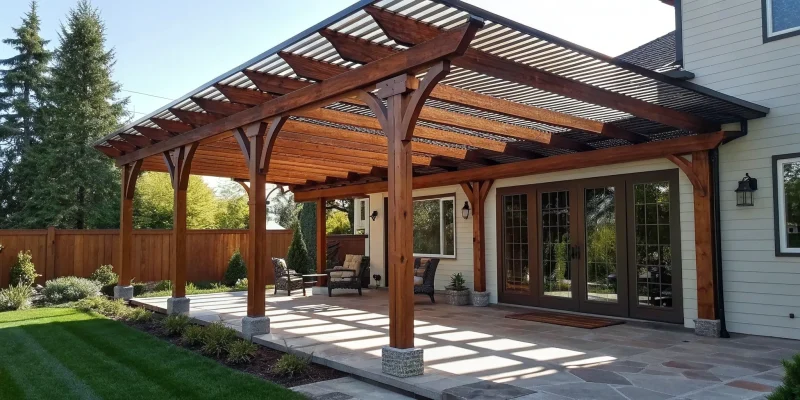
Custom wood pergola with a roof attached to a house over a furnished patio.

Your Guide to a Custom Pergola Attached to House with Roof

There’s a certain magic to a home that flows effortlessly from the inside out. Creating that seamless connection between your living room and your garden is a key goal for many homeowners, but it can be hard to achieve with just a sliding door and a simple patio. You need an architectural element that bridges the two worlds. An attached pergola acts as that perfect transition, creating a sheltered space that is both part of the house and part of the yard. A custom pergola attached to house with roof blurs the lines, offering a comfortable, defined area that encourages you to step outside. It makes your backyard feel like a true extension of your home, turning an undefined space into your new favorite room.

Key Takeaways

  • Create a True Outdoor Room: An attached pergola with a roof does more than add shade; it creates a functional, weather-protected extension of your home. This makes your patio usable for dining or relaxing, rain or shine, effectively increasing your home’s living space and value.
  • Choose Materials That Fit Your Life: The right material is about balancing aesthetics with maintenance. While wood offers classic charm, it requires regular upkeep. Modern options like aluminum and vinyl provide a sleek look with minimal effort, ensuring you spend more time enjoying your pergola than working on it.
  • Prioritize a Professional Installation: Attaching a structure to your home is a complex job that requires expertise in building codes, foundations, and structural integrity. Hiring a professional ensures your pergola is built safely and correctly, protecting your home from damage and guaranteeing a beautiful, long-lasting result.

What is an Attached Pergola with a Roof?

Think of an attached pergola as a beautiful and functional extension of your home that blends your indoor and outdoor spaces. This structure connects directly to an exterior wall, creating a covered area over your patio or deck. Unlike a traditional open-rafter pergola, adding a roof transforms the space into a true outdoor room. It provides reliable shade from the summer sun and shelter from unexpected Long Island showers, making your backyard far more usable throughout the year.

An attached pergola with a roof does more than just provide cover; it defines a space. It can frame your outdoor dining area, create a cozy lounge next to the pool, or serve as a graceful transition from your back door to the garden. These structures are custom-designed to complement your home’s architecture, adding both functional living square footage and significant visual appeal. Gappsi designs and builds custom pavilions and pergolas that are tailored to your home’s specific style and your family’s needs, turning an underused patio into your new favorite spot.

Exploring Attached Pergola Styles

One of the best parts of adding a pergola is that you can tailor it perfectly to your home’s character. Whether your house is a classic colonial, a modern masterpiece, or a rustic cottage, there’s a pergola style to match. You can choose from clean, minimalist lines for a contemporary look or opt for more traditional designs with decorative posts and ends. The material you select plays a huge role in the final aesthetic. Natural wood offers timeless warmth, while sleek aluminum provides a modern, low-maintenance alternative. Vinyl is another durable option that comes in various colors to seamlessly match your home’s trim and siding.

Roofed vs. Open-Top: Which is Right for You?

Deciding between a roofed and an open-top pergola comes down to how you want to use the space. An open-top design with rafters is classic and beautiful, allowing for plenty of sunlight and air circulation—ideal if you want to grow climbing plants. However, for most homeowners, a roofed pergola offers far more practical benefits. A solid or louvered roof provides consistent shade and protects you and your outdoor furniture from the elements. This means you can enjoy your masonry patio for a morning coffee or an evening dinner without worrying about the weather forecast. A roof makes your outdoor space a reliable extension of your home, not just a fair-weather feature.

Why Add a Custom Attached Pergola to Your Home?

If you’re looking for a way to get more out of your backyard, an attached pergola is a brilliant solution. It’s more than just a structure; it’s a seamless transition from your indoor comfort to your outdoor oasis. By connecting directly to your house, it creates a functional and stylish space that feels like a true extension of your home. A custom-designed pergola doesn’t just add shade—it adds character, purpose, and value. Let’s look at some of the key reasons why adding one is one of the best upgrades you can make for your Long Island home.

Extend Your Living Space Outdoors

An attached pergola instantly creates a defined outdoor room, effectively expanding your home’s square footage. This new area becomes the perfect spot for dining al fresco, hosting summer barbecues, or simply relaxing with a book. It provides a comfortable, sheltered zone that encourages you to spend more time outside. Instead of a simple, undefined patio, you get a purposeful space that bridges the gap between your house and your yard. With the right design, you can craft a beautiful and functional outdoor living area that your family will enjoy for years. Gappsi offers a range of custom pavilions and pergolas to perfectly match your home and lifestyle.

Enjoy Your Patio, Rain or Shine

One of the biggest advantages of a roofed pergola is its ability to make your patio usable in almost any weather. A solid or louvered roof offers reliable protection from the intense summer sun and unexpected rain showers, so you never have to cancel plans. This means more family dinners outside and more quiet mornings with coffee on the patio. Modern materials like powder-coated aluminum are incredibly durable and require very little maintenance, standing up to Long Island’s coastal climate without warping or rusting. When you pair your pergola with beautiful, weather-resistant porcelain and natural stone pavers, you create a complete outdoor space that’s ready whenever you are.

Add Value and Curb Appeal

A well-designed attached pergola is a smart investment that adds significant value to your home. It’s a highly desirable feature for potential buyers, who see it as additional, usable living space. Beyond the financial return, a pergola dramatically enhances your home’s curb appeal. It adds architectural interest and dimension to your home’s exterior, breaking up flat walls and creating an elegant, welcoming focal point. A custom design ensures the pergola complements your home’s style, looking like it was always meant to be there. This kind of thoughtful home remodeling not only improves your daily life but also strengthens your property’s long-term value.

Improve Your Home’s Energy Efficiency

An often-overlooked benefit of an attached pergola is its positive impact on your home’s energy consumption. By shading the windows and exterior walls of your house, a pergola can block a significant amount of direct sunlight from entering your home during the hottest parts of the day. This natural cooling effect reduces the workload on your air conditioning system, which can lead to lower energy bills during the summer. According to the U.S. Department of Energy, strategic landscaping and shading can make a real difference in home energy use. It’s a practical advantage that makes your home more comfortable on the inside while you enjoy your beautiful new space on the outside.

Choosing the Best Material for Your Pergola

The material you choose for your attached pergola does more than just define its look—it determines how much time you’ll spend maintaining it and how well it will stand up to Long Island’s four-season climate. Think of it as the foundation of your new outdoor oasis. Each option has its own personality and practical benefits, so it’s all about finding the right fit for your home’s style, your budget, and your lifestyle. Whether you’re drawn to the classic warmth of wood or the sleek, modern appeal of metal, we’ll walk through the most popular choices to help you make a decision you’ll love for years to come.

Wood: Natural Beauty and Charm

There’s something undeniably classic and inviting about a wooden pergola. Materials like cedar and redwood bring a natural warmth and texture to your backyard that blends beautifully with landscaping. These woods are popular for a reason; they have a natural resistance to rot and insects, making them sturdy choices for outdoor structures. A pressure-treated pine is another excellent, budget-friendly option. While wood offers timeless charm, it does require a bit more TLC than other materials. You’ll need to plan on regular staining or sealing to protect it from the elements and keep it looking its best, but for many homeowners, that upkeep is a small price to pay for the authentic beauty that only real wood can provide.

Aluminum: Modern, Durable, and Low-Maintenance

If your style leans more modern and you’d rather spend your weekends relaxing than doing maintenance, an aluminum pergola is a fantastic choice. Aluminum is incredibly strong yet lightweight, and it won’t rust, warp, or rot, which is a huge plus in our coastal climate. It’s the ultimate “set it and forget it” material. You can get a sleek, clean look that complements contemporary home designs, and it comes in a variety of powder-coated finishes that last for decades without needing a touch-up. For homeowners who want a durable structure that looks sharp and requires virtually no upkeep, aluminum is one of the best long-term investments for custom-built pavilions and pergolas.

Vinyl: Weather-Resistant and Versatile

Vinyl offers a wonderful middle ground, giving you a traditional look without the maintenance of wood. It’s a highly durable and weather-resistant material that stands up to sun, salt, and moisture without fading, cracking, or peeling. You’ll never have to worry about termites or rot, and cleaning is as simple as a quick rinse with a hose. Vinyl pergolas come in a range of colors—with crisp white being a classic favorite—and can be designed to mimic the look of painted wood. This versatility makes it easy to match your home’s trim and other exterior features, creating a cohesive and polished look for your outdoor space.

Composite: The Ultimate in Performance

For those who want the rich look of wood without any of the maintenance, composite materials are the perfect solution. Made from a blend of wood fibers and recycled plastics, composite decking and structural pieces offer the best of both worlds. This material is engineered to resist staining, scratching, and fading, and it’s completely immune to rot, decay, and insect damage. It’s an incredibly tough material that delivers high-end performance and longevity. While it can be a larger initial investment, a composite pergola pays for itself over time with its durability and minimal upkeep, making it a smart choice for creating truly premium outdoor living spaces.

How to Customize Your Pergola’s Design

A custom pergola isn’t just a structure; it’s a reflection of your personal style and how you want to live outdoors. This is where the fun begins, as you get to make decisions that transform a standard design into something that feels like it was always meant to be part of your home. From the overall architecture to the smallest finishing touches, every choice helps create an outdoor space that is uniquely yours. By focusing on a few key areas of customization, you can design a pergola that perfectly suits your home’s aesthetic and your family’s needs.

Match Your Home’s Architectural Style

The most successful attached pergolas look like they were built right along with the house. The goal is to create a seamless transition from your indoor to your outdoor space. Take cues from your home’s existing design—whether it’s a classic Colonial, a modern farmhouse, or a coastal cottage. You can match the column style to your front porch posts or align the pergola’s trim with your home’s eaves. This ensures your new addition complements your home’s character instead of competing with it. A well-designed structure helps define your outdoor area, creating a distinct “room” for dining, lounging, or entertaining.

Select Your Ideal Roof: Solid, Louvered, or Retractable

Your pergola’s roof does more than just provide cover; it dictates how you can use the space. A solid roof offers complete protection from sun and rain, essentially creating a year-round outdoor room. For more flexibility, a louvered roof is a fantastic option. Its adjustable slats can be angled to let in the perfect amount of sunlight or closed completely during a surprise shower. If you love the idea of an open-air feel, a retractable canopy gives you the best of both worlds—sun when you want it and shade when you need it. Your choice depends on how much you want to control the elements.

Personalize the Color, Finish, and Size

The details are what make your pergola truly custom. When selecting a color, look to your home’s exterior trim, window frames, and siding for inspiration to create a cohesive look. The finish—from smooth powder-coated aluminum to rustic stained wood—also plays a huge role in the final feel. Size is another critical element. Think about how you’ll use the space. Will it be an intimate seating area for two or a large dining space for family gatherings? Planning for furniture and comfortable traffic flow will help you determine the ideal dimensions for your custom pavilions and pergolas.

Incorporate Privacy Screens and Custom Features

Beyond the basic structure, you can add features that enhance both comfort and functionality. Privacy screens, whether they are fixed panels, lattices, or retractable shades, can create a more intimate and secluded atmosphere while shielding you from neighbors or a setting sun. You can also integrate elements like ceiling fans for a cooling breeze on hot days, built-in heaters for chilly evenings, and integrated lighting to set the perfect mood after dark. These thoughtful additions are what will make your pergola the go-to spot for relaxing and entertaining.

Upgrading Your Pergola with Must-Have Features

A custom pergola is a fantastic starting point, but the real magic happens when you personalize it with features that fit your lifestyle. Think of the structure as the foundation and these upgrades as the finishing touches that transform it into a true outdoor room. Modern pavilions and pergolas are designed to be fully customized, allowing you to create a space that’s as comfortable and functional as any room inside your house. From extending your evenings with beautiful lighting to staying comfortable no matter the season, the right additions make all the difference, turning a simple structure into the heart of your outdoor living area.

These features aren’t just about aesthetics; they’re about maximizing the time you can spend enjoying your backyard. By incorporating elements like climate control, smart technology, and weather protection, you can host dinner parties on cool autumn nights, read a book without worrying about bugs, or simply relax in the shade on a hot summer day. It’s about creating a flexible space that adapts to your needs, whether you’re seeking solitude or entertaining a crowd. We’ll walk through some of the most popular and impactful upgrades that can turn your pergola into your favorite spot at home, ensuring you get the most out of your investment.

Set the Mood with Integrated Lighting

The right lighting can completely change the atmosphere of your pergola, turning it from a daytime shade structure into a captivating evening retreat. Integrated lighting, which is built directly into the beams and posts, offers a clean, seamless look that you can’t get from stringing up lights after the fact. You can layer different types of lighting to create the perfect ambiance for any occasion. Consider soft, recessed LEDs for general illumination, task lighting over a grilling or dining area, and subtle uplighting on the columns to add a touch of drama. With a well-designed lighting plan, your pergola will be a warm and inviting space long after the sun goes down.

Stay Comfortable with Heaters and Fans

One of the best ways to get more use out of your pergola is by adding climate control features. An integrated ceiling fan is a must-have for making those warm, humid Long Island summer days more enjoyable, creating a gentle breeze that keeps the space comfortable. When the weather turns cooler, you don’t have to head back inside. Built-in heaters, such as discreet infrared models, can provide gentle warmth that takes the chill out of the air. This allows you to extend your outdoor season, enjoying crisp spring mornings and cozy fall evenings in your favorite spot. These additions ensure your investment is one you can enjoy for most of the year.

Add Convenience with Smart Controls

Imagine adjusting your pergola’s roof, screens, and lighting with a simple tap on your phone. That’s the convenience of smart controls. Modern pergolas can be equipped with technology that lets you manage every feature effortlessly. If the sun gets too intense, you can close the louvered roof without leaving your chair. If a surprise shower rolls in, you can deploy the retractable screens in seconds. This level of control makes your outdoor space incredibly responsive to your needs and the changing weather. Integrating these smart features is a key part of any modern home remodeling project, blending your indoor and outdoor living spaces seamlessly.

Get All-Weather Use with Curtains and Screens

To make your pergola a truly versatile outdoor room, consider adding curtains or retractable screens. Motorized screens are a game-changer, allowing you to keep pesky insects out while still enjoying the breeze and the view. They can also offer a degree of shade and protection from light wind and rain. For a softer touch and added privacy, outdoor curtains are a beautiful option. They can be drawn to create a more intimate, enclosed setting or tied back to open up the space. Both of these features help you manage sun exposure and create a comfortable, protected environment, making your pergola usable in a wider range of weather conditions.

What to Expect During the Installation Process

Once you’ve designed the perfect attached pergola, you’re probably eager to see it come to life. The installation process is where your vision becomes a reality, and knowing what to expect can make the entire experience smooth and stress-free. A successful installation is all about careful planning and expert execution, ensuring your new outdoor structure is not only beautiful but also safe and built to last.

The journey from design to completion involves several key stages. It starts with a thorough assessment of your home and property to ensure a seamless integration. Next comes the necessary paperwork, like securing building permits, which protects your investment and ensures everything is up to code. Then, the site is prepared by creating a solid foundation for the structure. Finally, the pergola is expertly constructed and attached to your home. While it might sound like a lot, working with an experienced team means you can relax while the professionals handle every detail. At Gappsi, we manage the entire process for our clients, turning a complex project into an exciting home transformation. Our pavilions and pergolas are built with precision and care from start to finish, so you can simply look forward to enjoying your new space.

Assessing Your Space and Structure

Before any work begins, a professional will conduct a detailed site assessment. This isn’t just about measuring the patio; it’s about understanding how the pergola will connect with your home’s existing structure. We’ll examine the attachment wall to confirm it can support the load and determine the best way to work around features like windows, doors, and existing gutters. A common question homeowners ask is, “Can I attach a pergola if I have gutters?” The answer is yes, but it requires a professional approach to ensure proper drainage and a secure fit. This initial evaluation is critical for planning a safe and structurally sound installation that looks like a natural extension of your home.

Understanding Permits and Building Codes

Navigating local regulations is a crucial step in any construction project. Before installation, it’s essential to check with your local Long Island municipality about building permits, zoning rules, and other building codes. This process ensures your new pergola meets all safety and structural requirements, preventing potential issues or fines down the road. While it can seem like a hassle, it’s a non-negotiable part of a professional build. A seasoned contractor will handle the entire permitting process for you, from submitting the plans to scheduling inspections. This way, you can have peace of mind knowing your project is fully compliant from day one.

Preparing the Foundation and Attachment Points

A pergola is only as strong as its foundation. Proper preparation involves two key areas: the ground supports and the house attachment. For the posts that stand on your patio, we create solid concrete footings below the frost line to prevent shifting and ensure stability for years to come. For the side attached to your house, a ledger board is securely bolted to your home’s framing. Attaching a pergola needs careful planning, and this step is best left to professionals. It guarantees the structure is installed safely and correctly, ready to withstand the elements and provide a secure framework for your new outdoor living space.

Professional vs. DIY Installation: What to Consider

While a DIY project can be tempting, installing an attached pergola is a complex job with little room for error. A professional installation is about more than just convenience; it’s about safety and quality. While installing a pergola yourself may seem cost-effective, this often comes with risks like improper installation, which can lead to serious structural issues or damage to your home. Professionals have the right tools, experience, and understanding of structural engineering to ensure your pergola is secure and built to code. Investing in a professional installation gives you a flawless finish, a valid warranty, and the confidence that your beautiful new space is safe for your family to enjoy.

How to Budget for Your Custom Pergola

Planning your budget is one of the most important steps in bringing your dream pergola to life. While it’s easy to get swept up in design ideas, having a clear financial picture from the start ensures a smooth process without any surprises. The final cost of a custom pergola can vary quite a bit, as it depends entirely on your vision, your home’s specific needs, and the materials you choose.

Think of your budget as a roadmap. It helps you and your contractor make key decisions about size, features, and finishes. A well-planned budget allows you to prioritize what matters most to you, whether that’s a high-end wood finish, a state-of-the-art louvered roof, or integrated lighting for evening get-togethers. By understanding the key cost factors, you can create a realistic budget that aligns with your goals and sets you up for a successful project that you’ll love for years to come.

Key Factors That Influence Cost

The single biggest factor influencing your pergola’s cost is the material you choose. Different materials come with different price points, maintenance needs, and aesthetics. For example, custom wood pergolas offer a classic, natural look but are often the most expensive option, ranging from $35 to $60 per square foot. Other popular choices like low-maintenance aluminum or vinyl offer a more modern feel and can fit into different budget tiers. The pavilions and pergolas you select will set the foundation for your project’s overall expense, so it’s a great place to start your planning.

How Size, Complexity, and Features Affect Price

It makes sense that a larger, more complex pergola will cost more than a simple, smaller one. Size directly impacts material and labor costs—the bigger the footprint, the more of each you’ll need. Labor for a standard installation can range from $500 to $3,000, making up a significant portion of the total budget. Adding custom features like intricate post designs, built-in privacy screens, or the need for complex masonry work for the foundation will also increase the price. When you’re budgeting, think about how you plan to use the space to decide which features are must-haves.

Understanding Your Return on Investment

It’s helpful to view your new pergola not just as a cost, but as an investment in your home and lifestyle. An attached pergola literally extends your home’s living space, giving you a comfortable, sheltered area to relax and entertain. This addition can significantly increase your property’s curb appeal and overall value. Potential buyers often see a well-built outdoor structure as a major plus. More importantly, it’s an investment in your own enjoyment, creating a beautiful outdoor retreat you can use for years. It’s a valuable part of any home remodeling project.

Exploring Financing Options

While a DIY pergola project might seem like a way to save money, it comes with serious risks. Improper installation can lead to structural problems, safety hazards, and costly mistakes that you’ll have to pay to fix later. Hiring a professional ensures your pergola is built correctly, meets all local building codes, and is securely attached to your home. This protects your investment and gives you peace of mind. Many contractors can discuss payment schedules or point you toward financing resources to help make your project more manageable, allowing you to get the quality build you want without compromising on safety.

How to Choose the Right Pergola Contractor

Choosing the right design and materials for your pergola is exciting, but finding the right contractor to build it is just as important. This is the team that will turn your vision into a beautiful, functional part of your home. A great contractor ensures the process is smooth and the final result is structurally sound and built to last. Taking the time to vet your options carefully will save you from potential headaches and costly mistakes down the road.

Verify Licenses, Insurance, and Experience

Before you even start talking about design, make sure any contractor you consider has their credentials in order. This is your first line of defense. A valid license proves they meet state and local requirements, while proper insurance protects you from liability in case of accidents on your property. While a DIY approach might seem like a way to save money, it often leads to “improper installation, structural issues, and costly mistakes.” A professional team has the experience to get it right the first time. Look for a company with a strong portfolio of completed pavilions and pergolas, especially projects similar to what you have in mind.

Assess Their Design Skills and Local Knowledge

A great pergola contractor is more than just a builder; they’re a design partner. They should be able to look at your home’s architecture and your backyard layout to help you create a pergola that looks like it was always meant to be there. Beyond aesthetics, they need deep knowledge of Long Island’s local building codes and permit processes. This expertise is critical for handling the technical details. For example, a common challenge “involves existing gutters,” and an experienced contractor will know exactly how to work around them without compromising your home’s integrity. This combination of design sense and local know-how is what separates a good project from a great one.

Essential Questions to Ask Before You Hire

Once you’ve narrowed down your list to a few qualified candidates, it’s time to ask some specific questions to find the perfect fit. This is your chance to understand their process and confirm their expertise. To avoid “common pergola installation mistakes like poor site prep, weak foundations, [and] wrong materials,” you need to know they have a solid plan.

Come to the conversation prepared with questions like:

  • Can you show me a portfolio of attached pergolas you’ve built in my area?
  • How will you prepare the site and foundation to ensure stability?
  • What is your process for obtaining the necessary permits?
  • What is the estimated timeline for my project, from start to finish?
  • Who will be my main point of contact throughout the construction?

Keeping Your Attached Pergola in Top Shape

Your attached pergola is more than just a structure; it’s the backdrop for family barbecues, quiet morning coffees, and relaxing evenings. To keep it looking its best and functioning perfectly for years to come, a little routine care goes a long way. Proper maintenance not only preserves its beauty but also protects your investment and ensures it remains a safe, sturdy extension of your home. When you invest in a beautiful outdoor feature that enhances your daily life, you want it to last. Consistent upkeep is the best way to guarantee that your pergola continues to add value and enjoyment to your property.

The good news is that maintaining your pergola doesn’t have to be a huge chore. The level of upkeep depends largely on the material you choose and the features you’ve included. Whether you have a classic wooden design or a modern aluminum one, a simple maintenance schedule can prevent minor issues from turning into costly repairs. By staying on top of a few key tasks, you can ensure your outdoor oasis remains a favorite spot for relaxation and entertainment season after season. Gappsi offers expert restoration and sealing services that can help keep your entire patio area, including your pergola’s foundation, in pristine condition.

Simple Care Tips Based on Material

The material of your pergola is the biggest factor in its maintenance routine. For classic wood pergolas made from materials like cedar, which is naturally resistant to rot and insects, you’ll still want to inspect them annually. Look for any signs of wear or damage. Applying a fresh coat of stain or sealant every few years will protect the wood from moisture and sun damage, keeping its natural color vibrant and preventing warping or cracking over time.

On the other hand, materials like aluminum, vinyl, and fiberglass are celebrated for being low-maintenance. These modern options are resistant to rust, rot, and pests, so you won’t have to worry about seasonal staining or sealing. For these, a simple cleaning with mild soap and water once or twice a year is usually all that’s needed to wash away dirt, pollen, and other buildup, keeping your structure looking brand new.

Your Seasonal Maintenance Checklist

A great way to stay on top of pergola care is to create a simple seasonal checklist. In the spring, give your pergola a thorough cleaning to wash away winter grime. This is also the perfect time to inspect the structure for any loose bolts or screws, ensuring everything is secure after any harsh weather. Check the attachment points where the pergola meets your house, as well as the foundation, to make sure everything is stable.

In the fall, focus on clearing away leaves and debris from the roof and any integrated gutters. Proper drainage is crucial, especially for an attached structure, to prevent water from pooling against your home’s siding or foundation. A quick check-up before and after the harshest seasons will help you catch any potential issues early.

Long-Term Strategies for Preservation

Thinking long-term starts with the initial design and installation. Choosing durable, high-quality materials like powder-coated aluminum for your pavilions and pergolas can significantly reduce future maintenance. These materials are built to withstand the elements without requiring the regular sealing or staining that wood does, giving you more time to simply enjoy your space.

Ensuring your pergola is installed correctly on a solid foundation is another key strategy for its longevity. A professional installation avoids common mistakes that can lead to instability and premature wear. Regular inspections, even quick visual ones, will help you ensure your pergola remains a strong, beautiful, and lasting feature of your home for many years to come.

Related Articles

Frequently Asked Questions

How long does the entire process take, from design to installation? The timeline can vary quite a bit depending on the complexity of your design and the permitting process in your town. Generally, you can expect the design and material selection phase to take a couple of weeks. After that, securing permits can take anywhere from a few weeks to a couple of months. Once everything is approved, the actual on-site construction is surprisingly quick, often taking just one to two weeks for a professional team to complete.

Do I really need a permit for an attached pergola on Long Island? Yes, almost certainly. Because an attached pergola connects directly to your home’s structure, it’s considered a permanent addition and requires a building permit in most Long Island municipalities. This isn’t just red tape; it’s a process that ensures the structure is built safely and to code, protecting both your home and your family. A reputable contractor will handle the entire permitting process for you, so you won’t have to worry about the paperwork.

Can an attached pergola be built on an existing patio or deck? This is a great question and the answer depends on the condition of your existing surface. If you have a concrete patio that is in good shape, we can often anchor the pergola posts directly to it. For a wood or composite deck, we’ll need to assess its structural integrity to ensure it can support the added weight. In many cases, we will add extra reinforcement or new footings beneath the deck to provide a solid foundation for the pergola.

What’s the most popular pergola material for Long Island’s climate? For homeowners here on Long Island, low-maintenance materials like aluminum and vinyl are incredibly popular, and for good reason. Our coastal climate with its salty air and four distinct seasons can be tough on exterior structures. Aluminum and vinyl won’t rust, rot, or warp, and they require little more than an occasional cleaning. While classic wood is always beautiful, these modern materials offer fantastic durability and let you spend more time enjoying your pergola rather than maintaining it.

How much maintenance should I realistically expect? The amount of upkeep really comes down to the material you choose. If you opt for a wood pergola, you should plan on inspecting it annually and re-staining or sealing it every two to three years to protect it from the elements. If you go with aluminum, vinyl, or composite, your maintenance is minimal. A simple wash with soap and water once a year is typically all that’s needed to keep it looking fresh and clean.

Share this page: