


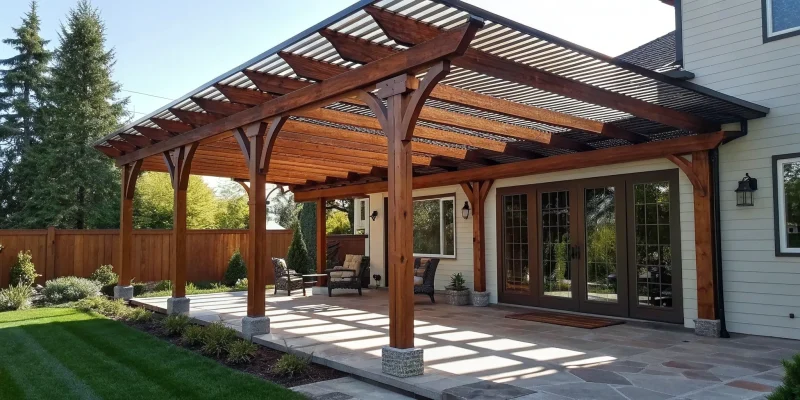
There’s a certain magic to a home that flows effortlessly from the inside out. Creating that seamless connection between your living room and your garden is a key goal for many homeowners, but it can be hard to achieve with just a sliding door and a simple patio. You need an architectural element that bridges the two worlds. An attached pergola acts as that perfect transition, creating a sheltered space that is both part of the house and part of the yard. A custom pergola attached to house with roof blurs the lines, offering a comfortable, defined area that encourages you to step outside. It makes your backyard feel like a true extension of your home, turning an undefined space into your new favorite room.
Key Takeaways
- Create a True Outdoor Room: An attached pergola with a roof does more than add shade; it creates a functional, weather-protected extension of your home. This makes your patio usable for dining or relaxing, rain or shine, effectively increasing your home’s living space and value.
- Choose Materials That Fit Your Life: The right material is about balancing aesthetics with maintenance. While wood offers classic charm, it requires regular upkeep. Modern options like aluminum and vinyl provide a sleek look with minimal effort, ensuring you spend more time enjoying your pergola than working on it.
- Prioritize a Professional Installation: Attaching a structure to your home is a complex job that requires expertise in building codes, foundations, and structural integrity. Hiring a professional ensures your pergola is built safely and correctly, protecting your home from damage and guaranteeing a beautiful, long-lasting result.
What is an Attached Pergola with a Roof?
Think of an attached pergola as a beautiful and functional extension of your home that blends your indoor and outdoor spaces. This structure connects directly to an exterior wall, creating a covered area over your patio or deck. Unlike a traditional open-rafter pergola, adding a roof transforms the space into a true outdoor room. It provides reliable shade from the summer sun and shelter from unexpected Long Island showers, making your backyard far more usable throughout the year.
An attached pergola with a roof does more than just provide cover; it defines a space. It can frame your outdoor dining area, create a cozy lounge next to the pool, or serve as a graceful transition from your back door to the garden. These structures are custom-designed to complement your home’s architecture, adding both functional living square footage and significant visual appeal. Gappsi designs and builds custom pavilions and pergolas that are tailored to your home’s specific style and your family’s needs, turning an underused patio into your new favorite spot.
Exploring Attached Pergola Styles
One of the best parts of adding a pergola is that you can tailor it perfectly to your home’s character. Whether your house is a classic colonial, a modern masterpiece, or a rustic cottage, there’s a pergola style to match. You can choose from clean, minimalist lines for a contemporary look or opt for more traditional designs with decorative posts and ends. The material you select plays a huge role in the final aesthetic. Natural wood offers timeless warmth, while sleek aluminum provides a modern, low-maintenance alternative. Vinyl is another durable option that comes in various colors to seamlessly match your home’s trim and siding.
Roofed vs. Open-Top: Which is Right for You?
Deciding between a roofed and an open-top pergola comes down to how you want to use the space. An open-top design with rafters is classic and beautiful, allowing for plenty of sunlight and air circulation—ideal if you want to grow climbing plants. However, for most homeowners, a roofed pergola offers far more practical benefits. A solid or louvered roof provides consistent shade and protects you and your outdoor furniture from the elements. This means you can enjoy your masonry patio for a morning coffee or an evening dinner without worrying about the weather forecast. A roof makes your outdoor space a reliable extension of your home, not just a fair-weather feature.
Why Add a Custom Attached Pergola to Your Home?
If you’re looking for a way to get more out of your backyard, an attached pergola is a brilliant solution. It’s more than just a structure; it’s a seamless transition from your indoor comfort to your outdoor oasis. By connecting directly to your house, it creates a functional and stylish space that feels like a true extension of your home. A custom-designed pergola doesn’t just add shade—it adds character, purpose, and value. Let’s look at some of the key reasons why adding one is one of the best upgrades you can make for your Long Island home.
Extend Your Living Space Outdoors
An attached pergola instantly creates a defined outdoor room, effectively expanding your home’s square footage. This new area becomes the perfect spot for dining al fresco, hosting summer barbecues, or simply relaxing with a book. It provides a comfortable, sheltered zone that encourages you to spend more time outside. Instead of a simple, undefined patio, you get a purposeful space that bridges the gap between your house and your yard. With the right design, you can craft a beautiful and functional outdoor living area that your family will enjoy for years. Gappsi offers a range of custom pavilions and pergolas to perfectly match your home and lifestyle.
Enjoy Your Patio, Rain or Shine
One of the biggest advantages of a roofed pergola is its ability to make your patio usable in almost any weather. A solid or louvered roof offers reliable protection from the intense summer sun and unexpected rain showers, so you never have to cancel plans. This means more family dinners outside and more quiet mornings with coffee on the patio. Modern materials like powder-coated aluminum are incredibly durable and require very little maintenance, standing up to Long Island’s coastal climate without warping or rusting. When you pair your pergola with beautiful, weather-resistant porcelain and natural stone pavers, you create a complete outdoor space that’s ready whenever you are.
Add Value and Curb Appeal
A well-designed attached pergola is a smart investment that adds significant value to your home. It’s a highly desirable feature for potential buyers, who see it as additional, usable living space. Beyond the financial return, a pergola dramatically enhances your home’s curb appeal. It adds architectural interest and dimension to your home’s exterior, breaking up flat walls and creating an elegant, welcoming focal point. A custom design ensures the pergola complements your home’s style, looking like it was always meant to be there. This kind of thoughtful home remodeling not only improves your daily life but also strengthens your property’s long-term value.
Improve Your Home’s Energy Efficiency
An often-overlooked benefit of an attached pergola is its positive impact on your home’s energy consumption. By shading the windows and exterior walls of your house, a pergola can block a significant amount of direct sunlight from entering your home during the hottest parts of the day. This natural cooling effect reduces the workload on your air conditioning system, which can lead to lower energy bills during the summer. According to the U.S. Department of Energy, strategic landscaping and shading can make a real difference in home energy use. It’s a practical advantage that makes your home more comfortable on the inside while you enjoy your beautiful new space on the outside.
Choosing the Best Material for Your Pergola
The material you choose for your attached pergola does more than just define its look—it determines how much time you’ll spend maintaining it and how well it will stand up to Long Island’s four-season climate. Think of it as the foundation of your new outdoor oasis. Each option has its own personality and practical benefits, so it’s all about finding the right fit for your home’s style, your budget, and your lifestyle. Whether you’re drawn to the classic warmth of wood or the sleek, modern appeal of metal, we’ll walk through the most popular choices to help you make a decision you’ll love for years to come.
Wood: Natural Beauty and Charm
There’s something undeniably classic and inviting about a wooden pergola. Materials like cedar and redwood bring a natural warmth and texture to your backyard that blends beautifully with landscaping. These woods are popular for a reason; they have a natural resistance to rot and insects, making them sturdy choices for outdoor structures. A pressure-treated pine is another excellent, budget-friendly option. While wood offers timeless charm, it does require a bit more TLC than other materials. You’ll need to plan on regular staining or sealing to protect it from the elements and keep it looking its best, but for many homeowners, that upkeep is a small price to pay for the authentic beauty that only real wood can provide.
Aluminum: Modern, Durable, and Low-Maintenance
If your style leans more modern and you’d rather spend your weekends relaxing than doing maintenance, an aluminum pergola is a fantastic choice. Aluminum is incredibly strong yet lightweight, and it won’t rust, warp, or rot, which is a huge plus in our coastal climate. It’s the ultimate “set it and forget it” material. You can get a sleek, clean look that complements contemporary home designs, and it comes in a variety of powder-coated finishes that last for decades without needing a touch-up. For homeowners who want a durable structure that looks sharp and requires virtually no upkeep, aluminum is one of the best long-term investments for custom-built pavilions and pergolas.
Vinyl: Weather-Resistant and Versatile
Vinyl offers a wonderful middle ground, giving you a traditional look without the maintenance of wood. It’s a highly durable and weather-resistant material that stands up to sun, salt, and moisture without fading, cracking, or peeling. You’ll never have to worry about termites or rot, and cleaning is as simple as a quick rinse with a hose. Vinyl pergolas come in a range of colors—with crisp white being a classic favorite—and can be designed to mimic the look of painted wood. This versatility makes it easy to match your home’s trim and other exterior features, creating a cohesive and polished look for your outdoor space.
Composite: The Ultimate in Performance
For those who want the rich look of wood without any of the maintenance, composite materials are the perfect solution. Made from a blend of wood fibers and recycled plastics, composite decking and structural pieces offer the best of both worlds. This material is engineered to resist staining, scratching, and fading, and it’s completely immune to rot, decay, and insect damage. It’s an incredibly tough material that delivers high-end performance and longevity. While it can be a larger initial investment, a composite pergola pays for itself over time with its durability and minimal upkeep, making it a smart choice for creating truly premium outdoor living spaces.
How to Customize Your Pergola’s Design
A custom pergola isn’t just a structure; it’s a reflection of your personal style and how you want to live outdoors. This is where the fun begins, as you get to make decisions that transform a standard design into something that feels like it was always meant to be part of your home. From the overall architecture to the smallest finishing touches, every choice helps create an outdoor space that is uniquely yours. By focusing on a few key areas of customization, you can design a pergola that perfectly suits your home’s aesthetic and your family’s needs.
Match Your Home’s Architectural Style
The most successful attached pergolas look like they were built right along with the house. The goal is to create a seamless transition from your indoor to your outdoor space. Take cues from your home’s existing design—whether it’s a classic Colonial, a modern farmhouse, or a coastal cottage. You can match the column style to your front porch posts or align the pergola’s trim with your home’s eaves. This ensures your new addition complements your home’s character instead of competing with it. A well-designed structure helps define your outdoor area, creating a distinct “room” for dining, lounging, or entertaining.
Select Your Ideal Roof: Solid, Louvered, or Retractable
Your pergola’s roof does more than just provide cover; it dictates how you can use the space. A solid roof offers complete protection from sun and rain, essentially creating a year-round outdoor room. For more flexibility, a louvered roof is a fantastic option. Its adjustable slats can be angled to let in the perfect amount of sunlight or closed completely during a surprise shower. If you love the idea of an open-air feel, a retractable canopy gives you the best of both worlds—sun when you want it and shade when you need it. Your choice depends on how much you want to control the elements.
Personalize the Color, Finish, and Size
The details are what make your pergola truly custom. When selecting a color, look to your home’s exterior trim, window frames, and siding for inspiration to create a cohesive look. The finish—from smooth powder-coated aluminum to rustic stained wood—also plays a huge role in the final feel. Size is another critical element. Think about how you’ll use the space. Will it be an intimate seating area for two or a large dining space for family gatherings? Planning for furniture and comfortable traffic flow will help you determine the ideal dimensions for your custom pavilions and pergolas.
Incorporate Privacy Screens and Custom Features
Beyond the basic structure, you can add features that enhance both comfort and functionality. Privacy screens, whether they are fixed panels, lattices, or retractable shades, can create a more intimate and secluded atmosphere while shielding you from neighbors or a setting sun. You can also integrate elements like ceiling fans for a cooling breeze on hot days, built-in heaters for chilly evenings, and integrated lighting to set the perfect mood after dark. These thoughtful additions are what will make your pergola the go-to spot for relaxing and entertaining.
Upgrading Your Pergola with Must-Have Features
A custom pergola is a fantastic starting point, but the real magic happens when you personalize it with features that fit your lifestyle. Think of the structure as the foundation and these upgrades as the finishing touches that transform it into a true outdoor room. Modern pavilions and pergolas are designed to be fully customized, allowing you to create a space that’s as comfortable and functional as any room inside your house. From extending your evenings with beautiful lighting to staying comfortable no matter the season, the right additions make all the difference, turning a simple structure into the heart of your outdoor living area.
These features aren’t just about aesthetics; they’re about maximizing the time you can spend enjoying your backyard. By incorporating elements like climate control, smart technology, and weather protection, you can host dinner parties on cool autumn nights, read a book without worrying about bugs, or simply relax in the shade on a hot summer day. It’s about creating a flexible space that adapts to your needs, whether you’re seeking solitude or entertaining a crowd. We’ll walk through some of the most popular and impactful upgrades that can turn your pergola into your favorite spot at home, ensuring you get the most out of your investment.
Set the Mood with Integrated Lighting
The right lighting can completely change the atmosphere of your pergola, turning it from a daytime shade structure into a captivating evening retreat. Integrated lighting, which is built directly into the beams and posts, offers a clean, seamless look that you can’t get from stringing up lights after the fact. You can layer different types of lighting to create the perfect ambiance for any occasion. Consider soft, recessed LEDs for general illumination, task lighting over a grilling or dining area, and subtle uplighting on the columns to add a touch of drama. With a well-designed lighting plan, your pergola will be a warm and inviting space long after the sun goes down.
Stay Comfortable with Heaters and Fans
One of the best ways to get more use out of your pergola is by adding climate control features. An integrated ceiling fan is a must-have for making those warm, humid Long Island summer days more enjoyable, creating a gentle breeze that keeps the space comfortable. When the weather turns cooler, you don’t have to head back inside. Built-in heaters, such as discreet infrared models, can provide gentle warmth that takes the chill out of the air. This allows you to extend your outdoor season, enjoying crisp spring mornings and cozy fall evenings in your favorite spot. These additions ensure your investment is one you can enjoy for most of the year.
Add Convenience with Smart Controls
Imagine adjusting your pergola’s roof, screens, and lighting with a simple tap on your phone. That’s the convenience of smart controls. Modern pergolas can be equipped with technology that lets you manage every feature effortlessly. If the sun gets too intense, you can close the louvered roof without leaving your chair. If a surprise shower rolls in, you can deploy the retractable screens in seconds. This level of control makes your outdoor space incredibly responsive to your needs and the changing weather. Integrating these smart features is a key part of any modern home remodeling project, blending your indoor and outdoor living spaces seamlessly.
Get All-Weather Use with Curtains and Screens
To make your pergola a truly versatile outdoor room, consider adding curtains or retractable screens. Motorized screens are a game-changer, allowing you to keep pesky insects out while still enjoying the breeze and the view. They can also offer a degree of shade and protection from light wind and rain. For a softer touch and added privacy, outdoor curtains are a beautiful option. They can be drawn to create a more intimate, enclosed setting or tied back to open up the space. Both of these features help you manage sun exposure and create a comfortable, protected environment, making your pergola usable in a wider range of weather conditions.
What to Expect During the Installation Process
Once you’ve designed the perfect attached pergola, you’re probably eager to see it come to life. The installation process is where your vision becomes a reality, and knowing what to expect can make the entire experience smooth and stress-free. A successful installation is all about careful planning and expert execution, ensuring your new outdoor structure is not only beautiful but also safe and built to last.
The journey from design to completion involves several key stages. It starts with a thorough assessment of your home and property to ensure a seamless integration. Next comes the necessary paperwork, like securing building permits, which protects your investment and ensures everything is up to code. Then, the site is prepared by creating a solid foundation for the structure. Finally, the pergola is expertly constructed and attached to your home. While it might sound like a lot, working with an experienced team means you can relax while the professionals handle every detail. At Gappsi, we manage the entire process for our clients, turning a complex project into an exciting home transformation. Our pavilions and pergolas are built with precision and care from start to finish, so you can simply look forward to enjoying your new space.
Assessing Your Space and Structure
Before any work begins, a professional will conduct a detailed site assessment. This isn’t just about measuring the patio; it’s about understanding how the pergola will connect with your home’s existing structure. We’ll examine the attachment wall to confirm it can support the load and determine the best way to work around features like windows, doors, and existing gutters. A common question homeowners ask is, “Can I attach a pergola if I have gutters?” The answer is yes, but it requires a professional approach to ensure proper drainage and a secure fit. This initial evaluation is critical for planning a safe and structurally sound installation that looks like a natural extension of your home.
Understanding Permits and Building Codes
Navigating local regulations is a crucial step in any construction project. Before installation, it’s essential to check with your local Long Island municipality about building permits, zoning rules, and other building codes. This process ensures your new pergola meets all safety and structural requirements, preventing potential issues or fines down the road. While it can seem like a hassle, it’s a non-negotiable part of a professional build. A seasoned contractor will handle the entire permitting process for you, from submitting the plans to scheduling inspections. This way, you can have peace of mind knowing your project is fully compliant from day one.
Preparing the Foundation and Attachment Points
A pergola is only as strong as its foundation. Proper preparation involves two key areas: the ground supports and the house attachment. For the posts that stand on your patio, we create solid concrete footings below the frost line to prevent shifting and ensure stability for years to come. For the side attached to your house, a ledger board is securely bolted to your home’s framing. Attaching a pergola needs careful planning, and this step is best left to professionals. It guarantees the structure is installed safely and correctly, ready to withstand the elements and provide a secure framework for your new outdoor living space.
Professional vs. DIY Installation: What to Consider
While a DIY project can be tempting, installing an attached pergola is a complex job with little room for error. A professional installation is about more than just convenience; it’s about safety and quality. While installing a pergola yourself may seem cost-effective, this often comes with risks like improper installation, which can lead to serious structural issues or damage to your home. Professionals have the right tools, experience, and understanding of structural engineering to ensure your pergola is secure and built to code. Investing in a professional installation gives you a flawless finish, a valid warranty, and the confidence that your beautiful new space is safe for your family to enjoy.
How to Budget for Your Custom Pergola
Planning your budget is one of the most important steps in bringing your dream pergola to life. While it’s easy to get swept up in design ideas, having a clear financial picture from the start ensures a smooth process without any surprises. The final cost of a custom pergola can vary quite a bit, as it depends entirely on your vision, your home’s specific needs, and the materials you choose.
Think of your budget as a roadmap. It helps you and your contractor make key decisions about size, features, and finishes. A well-planned budget allows you to prioritize what matters most to you, whether that’s a high-end wood finish, a state-of-the-art louvered roof, or integrated lighting for evening get-togethers. By understanding the key cost factors, you can create a realistic budget that aligns with your goals and sets you up for a successful project that you’ll love for years to come.
Key Factors That Influence Cost
The single biggest factor influencing your pergola’s cost is the material you choose. Different materials come with different price points, maintenance needs, and aesthetics. For example, custom wood pergolas offer a classic, natural look but are often the most expensive option, ranging from $35 to $60 per square foot. Other popular choices like low-maintenance aluminum or vinyl offer a more modern feel and can fit into different budget tiers. The pavilions and pergolas you select will set the foundation for your project’s overall expense, so it’s a great place to start your planning.
How Size, Complexity, and Features Affect Price
It makes sense that a larger, more complex pergola will cost more than a simple, smaller one. Size directly impacts material and labor costs—the bigger the footprint, the more of each you’ll need. Labor for a standard installation can range from $500 to $3,000, making up a significant portion of the total budget. Adding custom features like intricate post designs, built-in privacy screens, or the need for complex masonry work for the foundation will also increase the price. When you’re budgeting, think about how you plan to use the space to decide which features are must-haves.
Understanding Your Return on Investment
It’s helpful to view your new pergola not just as a cost, but as an investment in your home and lifestyle. An attached pergola literally extends your home’s living space, giving you a comfortable, sheltered area to relax and entertain. This addition can significantly increase your property’s curb appeal and overall value. Potential buyers often see a well-built outdoor structure as a major plus. More importantly, it’s an investment in your own enjoyment, creating a beautiful outdoor retreat you can use for years. It’s a valuable part of any home remodeling project.
Exploring Financing Options
While a DIY pergola project might seem like a way to save money, it comes with serious risks. Improper installation can lead to structural problems, safety hazards, and costly mistakes that you’ll have to pay to fix later. Hiring a professional ensures your pergola is built correctly, meets all local building codes, and is securely attached to your home. This protects your investment and gives you peace of mind. Many contractors can discuss payment schedules or point you toward financing resources to help make your project more manageable, allowing you to get the quality build you want without compromising on safety.
How to Choose the Right Pergola Contractor
Choosing the right design and materials for your pergola is exciting, but finding the right contractor to build it is just as important. This is the team that will turn your vision into a beautiful, functional part of your home. A great contractor ensures the process is smooth and the final result is structurally sound and built to last. Taking the time to vet your options carefully will save you from potential headaches and costly mistakes down the road.
Verify Licenses, Insurance, and Experience
Before you even start talking about design, make sure any contractor you consider has their credentials in order. This is your first line of defense. A valid license proves they meet state and local requirements, while proper insurance protects you from liability in case of accidents on your property. While a DIY approach might seem like a way to save money, it often leads to “improper installation, structural issues, and costly mistakes.” A professional team has the experience to get it right the first time. Look for a company with a strong portfolio of completed pavilions and pergolas, especially projects similar to what you have in mind.
Assess Their Design Skills and Local Knowledge
A great pergola contractor is more than just a builder; they’re a design partner. They should be able to look at your home’s architecture and your backyard layout to help you create a pergola that looks like it was always meant to be there. Beyond aesthetics, they need deep knowledge of Long Island’s local building codes and permit processes. This expertise is critical for handling the technical details. For example, a common challenge “involves existing gutters,” and an experienced contractor will know exactly how to work around them without compromising your home’s integrity. This combination of design sense and local know-how is what separates a good project from a great one.
Essential Questions to Ask Before You Hire
Once you’ve narrowed down your list to a few qualified candidates, it’s time to ask some specific questions to find the perfect fit. This is your chance to understand their process and confirm their expertise. To avoid “common pergola installation mistakes like poor site prep, weak foundations, [and] wrong materials,” you need to know they have a solid plan.
Come to the conversation prepared with questions like:
- Can you show me a portfolio of attached pergolas you’ve built in my area?
- How will you prepare the site and foundation to ensure stability?
- What is your process for obtaining the necessary permits?
- What is the estimated timeline for my project, from start to finish?
- Who will be my main point of contact throughout the construction?
Keeping Your Attached Pergola in Top Shape
Your attached pergola is more than just a structure; it’s the backdrop for family barbecues, quiet morning coffees, and relaxing evenings. To keep it looking its best and functioning perfectly for years to come, a little routine care goes a long way. Proper maintenance not only preserves its beauty but also protects your investment and ensures it remains a safe, sturdy extension of your home. When you invest in a beautiful outdoor feature that enhances your daily life, you want it to last. Consistent upkeep is the best way to guarantee that your pergola continues to add value and enjoyment to your property.
The good news is that maintaining your pergola doesn’t have to be a huge chore. The level of upkeep depends largely on the material you choose and the features you’ve included. Whether you have a classic wooden design or a modern aluminum one, a simple maintenance schedule can prevent minor issues from turning into costly repairs. By staying on top of a few key tasks, you can ensure your outdoor oasis remains a favorite spot for relaxation and entertainment season after season. Gappsi offers expert restoration and sealing services that can help keep your entire patio area, including your pergola’s foundation, in pristine condition.
Simple Care Tips Based on Material
The material of your pergola is the biggest factor in its maintenance routine. For classic wood pergolas made from materials like cedar, which is naturally resistant to rot and insects, you’ll still want to inspect them annually. Look for any signs of wear or damage. Applying a fresh coat of stain or sealant every few years will protect the wood from moisture and sun damage, keeping its natural color vibrant and preventing warping or cracking over time.
On the other hand, materials like aluminum, vinyl, and fiberglass are celebrated for being low-maintenance. These modern options are resistant to rust, rot, and pests, so you won’t have to worry about seasonal staining or sealing. For these, a simple cleaning with mild soap and water once or twice a year is usually all that’s needed to wash away dirt, pollen, and other buildup, keeping your structure looking brand new.
Your Seasonal Maintenance Checklist
A great way to stay on top of pergola care is to create a simple seasonal checklist. In the spring, give your pergola a thorough cleaning to wash away winter grime. This is also the perfect time to inspect the structure for any loose bolts or screws, ensuring everything is secure after any harsh weather. Check the attachment points where the pergola meets your house, as well as the foundation, to make sure everything is stable.
In the fall, focus on clearing away leaves and debris from the roof and any integrated gutters. Proper drainage is crucial, especially for an attached structure, to prevent water from pooling against your home’s siding or foundation. A quick check-up before and after the harshest seasons will help you catch any potential issues early.
Long-Term Strategies for Preservation
Thinking long-term starts with the initial design and installation. Choosing durable, high-quality materials like powder-coated aluminum for your pavilions and pergolas can significantly reduce future maintenance. These materials are built to withstand the elements without requiring the regular sealing or staining that wood does, giving you more time to simply enjoy your space.
Ensuring your pergola is installed correctly on a solid foundation is another key strategy for its longevity. A professional installation avoids common mistakes that can lead to instability and premature wear. Regular inspections, even quick visual ones, will help you ensure your pergola remains a strong, beautiful, and lasting feature of your home for many years to come.
Related Articles
- What You Should Know About Pergolas on Long Island – Gappsi Group
- PVC Pergolas and railings | Long Island, NY – Gappsi Group
- Pavilions Pergolas and Gazebos Long Island NY – Gappsi Group
- Backyard Renovations Complete With A Pergola In East Northport NY – Gappsi Group
- Patio Designs-designers installers on long island – Gappsi Group
Frequently Asked Questions
How long does the entire process take, from design to installation? The timeline can vary quite a bit depending on the complexity of your design and the permitting process in your town. Generally, you can expect the design and material selection phase to take a couple of weeks. After that, securing permits can take anywhere from a few weeks to a couple of months. Once everything is approved, the actual on-site construction is surprisingly quick, often taking just one to two weeks for a professional team to complete.
Do I really need a permit for an attached pergola on Long Island? Yes, almost certainly. Because an attached pergola connects directly to your home’s structure, it’s considered a permanent addition and requires a building permit in most Long Island municipalities. This isn’t just red tape; it’s a process that ensures the structure is built safely and to code, protecting both your home and your family. A reputable contractor will handle the entire permitting process for you, so you won’t have to worry about the paperwork.
Can an attached pergola be built on an existing patio or deck? This is a great question and the answer depends on the condition of your existing surface. If you have a concrete patio that is in good shape, we can often anchor the pergola posts directly to it. For a wood or composite deck, we’ll need to assess its structural integrity to ensure it can support the added weight. In many cases, we will add extra reinforcement or new footings beneath the deck to provide a solid foundation for the pergola.
What’s the most popular pergola material for Long Island’s climate? For homeowners here on Long Island, low-maintenance materials like aluminum and vinyl are incredibly popular, and for good reason. Our coastal climate with its salty air and four distinct seasons can be tough on exterior structures. Aluminum and vinyl won’t rust, rot, or warp, and they require little more than an occasional cleaning. While classic wood is always beautiful, these modern materials offer fantastic durability and let you spend more time enjoying your pergola rather than maintaining it.
How much maintenance should I realistically expect? The amount of upkeep really comes down to the material you choose. If you opt for a wood pergola, you should plan on inspecting it annually and re-staining or sealing it every two to three years to protect it from the elements. If you go with aluminum, vinyl, or composite, your maintenance is minimal. A simple wash with soap and water once a year is typically all that’s needed to keep it looking fresh and clean.