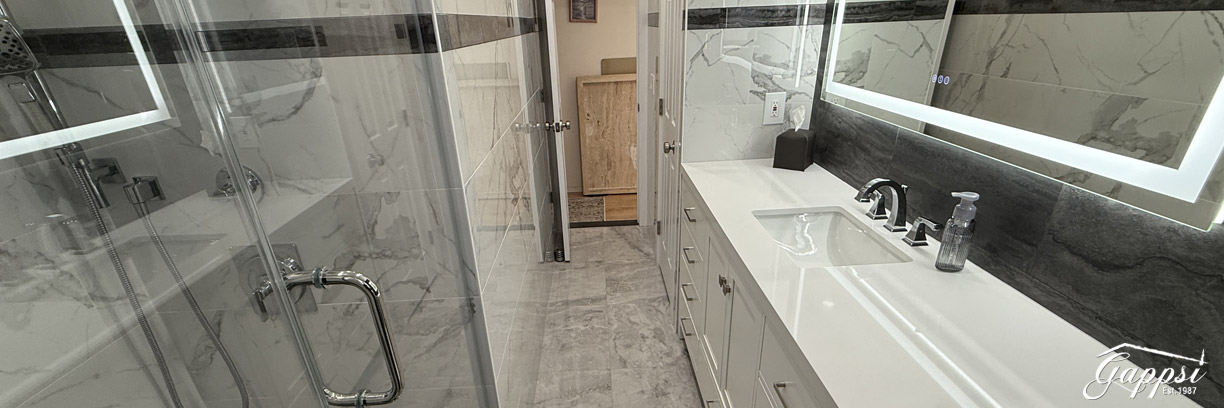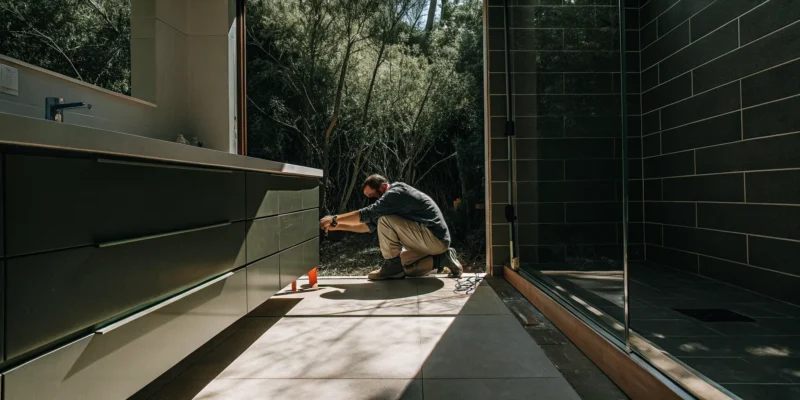
A modern bathroom renovation with a freestanding tub, the result of hiring local services.

Find the Best Local Bathroom Renovation Services

You’ve spent hours scrolling through inspiration photos, pinning images of serene, spa-like bathrooms and sleek, modern designs. Now it’s time to turn that vision into a reality. The bridge between your dream bathroom and the finished product is a skilled, trustworthy contractor. But finding the right fit among the many local bathroom renovation services is a project in itself. This guide is your practical roadmap to navigating the hiring process. We’ll break down how to check credentials, compare quotes without just focusing on price, and communicate your expectations clearly to ensure the final result is just as beautiful as you envisioned.

Key Takeaways

  • Your Project’s Success Hinges on Your Contractor: Do your homework before hiring. A great contractor will have a verifiable license, proof of insurance, a strong portfolio of similar bathroom projects, and a consistent pattern of positive, recent reviews.
  • Plan Your Budget Beyond the Big-Ticket Items: The final cost is a mix of materials, labor, and location. Always factor in a contingency fund of 10-20% to handle unexpected issues like hidden water damage, which can prevent project delays and stress.
  • Protect Your Project with Clear Communication: A detailed written contract is your best tool for avoiding misunderstandings. It should outline the full scope, timeline, and costs, ensuring your vision is executed correctly from start to finish.

What Services Do Bathroom Remodelers Offer?

When you decide to update your bathroom, you’ll find that remodeling contractors offer a wide spectrum of services. Whether you’re dreaming of a complete spa-like overhaul or just want to refresh a few key features, a professional team can handle the job. A great contractor manages every detail, from the initial design concepts to the final installation, ensuring a smooth process and a beautiful result.

Understanding the different services available helps you clarify your own vision and budget. Some projects involve moving walls and reconfiguring the entire layout, while others focus on cosmetic updates like new tile or fixtures. A full-service company like Gappsi provides comprehensive home remodeling solutions, which means we can coordinate every aspect of your project. This includes bringing in licensed plumbers and electricians, sourcing high-quality materials, and managing the construction timeline so you don’t have to juggle multiple contractors. From a simple powder room refresh to a luxurious master bath transformation, the right team has the skills to bring your ideas to life.

Full-Scale Bathroom Remodels

A full-scale bathroom remodel is a complete transformation from the ground up. This is the best option when you want to change the room’s layout, move plumbing fixtures like the toilet or shower, or take everything down to the studs and start fresh. This type of project involves a comprehensive plan that covers everything from demolition to the final touches. A full-service remodeler handles the entire process, including initial design, material selection, and all construction phases. It’s an intensive process, but the result is a brand-new bathroom tailored exactly to your needs and style, which can significantly improve your home’s value and your daily routine.

Partial Renovations

If you’re generally happy with your bathroom’s layout but feel it needs a modern touch, a partial renovation is a fantastic choice. This approach focuses on updating specific elements without the cost and time commitment of a full gut job. You might choose to replace an old bathtub with a sleek walk-in shower, install a new vanity and countertop, or update the lighting. Partial renovations allow you to address the most dated or inefficient parts of your bathroom, making a big impact on a smaller budget. It’s a flexible option that lets you refresh the space in stages or all at once, depending on your priorities and financial plan.

Upgrading Fixtures and Hardware

Sometimes, the smallest changes make the biggest difference. Upgrading your bathroom’s fixtures and hardware is a simple yet effective way to give the space an instant facelift. This can include installing a new faucet with a modern finish, replacing the toilet with a more efficient model, or swapping out old cabinet pulls and towel racks. New lighting can completely change the room’s ambiance, while a new mirror can make the space feel larger and brighter. These updates don’t require major construction but can dramatically alter the look and feel of your bathroom, making it feel more current and personalized.

Installing New Tile and Flooring

New tile and flooring can completely redefine your bathroom’s style. Whether you’re drawn to classic subway tile, intricate mosaics, or large-format porcelain, the right choice can set the tone for the entire room. Professional remodelers handle the installation for floors, shower walls, and backsplashes, ensuring everything is perfectly placed and properly waterproofed to prevent future issues. With so many durable and beautiful materials available, including a wide range of porcelain and natural stone, you can create a look that’s both timeless and easy to maintain. A professional installation guarantees a flawless finish that will last for years to come.

Essential Plumbing and Electrical Work

Any bathroom remodel that involves moving fixtures or adding new lighting requires skilled plumbing and electrical work. This is not a place to cut corners. Licensed professionals are essential for tasks like rerouting water lines for a new shower, installing a new vanity with a sink, or adding outlets and recessed lighting. A qualified remodeling contractor will manage these critical services, ensuring all work is done safely and up to code. This protects your home from potential hazards like leaks or electrical faults and gives you peace of mind that the job was done right. Proper plumbing and electrical work is the hidden foundation of a functional and safe bathroom.

How to Choose the Right Bathroom Contractor

Finding the right contractor is the single most important step in your bathroom renovation journey. This is the person or team you’re trusting to come into your home, tear things apart, and put them back together beautifully and functionally. The right partner makes the process smooth and exciting, while the wrong one can turn your dream project into a stressful, costly nightmare. So, how do you sort through the options and find a true professional you can rely on? It comes down to doing a bit of homework upfront.

Think of it like hiring for an important job—because you are. You’re looking for someone with the right skills, a proven track record, and a professional approach. This means checking their credentials, seeing what past clients have to say, and making sure their work aligns with your vision. It also means ensuring they have the proper protections in place, like insurance, to safeguard your home and your investment. Taking these steps will give you the confidence that you’re working with a reputable company that values quality and customer satisfaction. A great home remodeling expert will be happy to provide all this information, making the decision process that much easier.

Verify Their Credentials and License

First things first: make sure any contractor you consider is properly licensed to work in your area. A license isn’t just a piece of paper; it’s proof that they’ve met local and state requirements and are accountable for their work. Hiring an unlicensed contractor can leave you with little recourse if something goes wrong. You can typically verify a license through your local consumer affairs or licensing board’s website. It’s a quick check that provides a fundamental layer of protection and peace of mind before you even start talking about tile choices or bathtub styles.

Read Recent Reviews and Testimonials

Reviews from past clients are your window into what it’s actually like to work with a contractor. Don’t just look at the star rating; read the comments to understand the specifics. Were they on time? Did they communicate well? How did they handle unexpected issues? Pay close attention to recent reviews, as they reflect the company’s current performance. A consistent pattern of positive feedback about professionalism, quality, and communication is a great sign. This feedback gives you a much clearer picture than a sales pitch ever could.

Review Their Portfolio and Experience

You wouldn’t hire a portrait artist who only paints landscapes, right? The same logic applies here. Make sure the contractor has specific, proven experience with bathroom remodels. Ask to see a portfolio of their completed projects. As you look through their work, check for quality craftsmanship and attention to detail. Does their style match the vision you have for your own space? Gappsi’s YouTube channel is a great example of how you can see a contractor’s work in action, giving you a feel for their capabilities and the scope of their projects before you even pick up the phone.

Compare Quotes from a Few Professionals

It’s wise to get detailed, written quotes from at least three different contractors. This isn’t just about finding the cheapest price. Comparing quotes helps you understand the market rate and see what each contractor includes in their proposal. A quote should clearly break down the costs for labor, materials, and any permits. Be wary of a bid that’s significantly lower than the others—it could be a red flag for subpar materials or hidden costs down the line. Your goal is to find the best value, which is the ideal balance of cost, quality, and service.

Confirm They Have Insurance Coverage

This is a non-negotiable. Your contractor must have both general liability insurance and worker’s compensation coverage. General liability protects your property from any accidental damage that might occur during the renovation. Worker’s compensation covers the contractor’s employees if they get injured on the job, so you aren’t held liable. Don’t just take their word for it; ask to see a certificate of insurance. A professional contractor will expect this question and will have their documentation ready to share. This simple step protects you from major financial and legal risks.

What Factors Influence Your Renovation Cost?

Setting a budget for your bathroom renovation is one of the first steps, but it’s important to know what goes into that final number. The total cost isn’t just about the new tub or tiles; it’s a combination of several key factors. Understanding these variables will help you create a realistic budget, make informed decisions, and avoid surprises along the way. From your specific Long Island location to the complexity of the work, here’s a breakdown of what shapes your project’s price tag.

Your Location and Local Market Rates

Where you live plays a significant role in your renovation costs. Just as home prices vary by neighborhood, so do the rates for labor and materials. Here on Long Island, costs can differ between Nassau and Suffolk counties due to local market demand and operational expenses for contractors. The company you hire also matters, as different builders have different pricing structures based on their experience, crew size, and overhead. A well-established firm with a strong local reputation may have a different rate than a smaller, newer operation, reflecting their level of service and quality guarantees.

The Quality of Materials You Choose

Your taste in materials and fixtures is one of the biggest drivers of your budget. Every choice, from the floor tiles to the sink faucet, comes with a price range. For example, a standard bathtub might cost a few hundred dollars, while a high-end freestanding soaking tub can easily run into the thousands. The same goes for vanities, lighting, and countertops. Opting for luxury materials like custom cabinetry or premium porcelain and natural stone will naturally increase the overall cost compared to more standard, budget-friendly options. It’s all about balancing your aesthetic vision with your financial plan.

Project Scope and Labor Complexity

What are you planning to change? A simple cosmetic update is much less expensive than a full gut renovation. Labor is often the largest single expense in a remodel, typically accounting for 30% to 50% of the total budget. If your project involves moving walls, reconfiguring the plumbing, or updating electrical wiring, the labor costs will be higher due to the increased complexity and need for specialized trades. A straightforward fixture-for-fixture swap requires less time and expertise, keeping labor costs down. The more ambitious your home remodeling plans, the more you should allocate for skilled labor.

Planning for Unexpected Issues

Even with the most careful planning, renovations can uncover surprises. Once the walls and floors are opened up, you might find hidden problems like water damage, mold, outdated wiring, or pest issues that need to be addressed before the new work can begin. These unexpected repairs can quickly add to your costs. That’s why it’s smart to build a contingency fund into your budget—typically 10% to 20% of the total project cost. This financial cushion ensures that unforeseen issues don’t derail your project or force you to compromise on your design choices later on.

Local Building Permits and Requirements

Depending on the scope of your renovation, you may need to secure permits from your local municipality. Projects that involve altering the structure of your home, moving plumbing, or changing electrical systems almost always require a permit to ensure the work meets safety and building codes. The cost of permits and any required inspections will add to your total expenses. A professional contractor will know exactly which permits are needed for your project and can manage the application process for you, ensuring everything is done correctly and legally. This is a crucial step that protects your home’s value and safety.

How Much Does a Bathroom Renovation Cost?

Let’s talk numbers. Setting a realistic budget is one of the most important first steps in any renovation, and it’s often the hardest. Bathroom remodeling costs can vary widely based on the size of your space, the materials you select, and how much you change the existing layout. To give you a clearer picture of what to expect here on Long Island, we can break down the costs into a few common tiers.

Think of these numbers as a starting point. A small powder room refresh will naturally cost less than a full-scale primary bathroom overhaul that involves moving plumbing and electrical lines. The key is to align your vision with your budget. Whether you’re planning a simple cosmetic update or a complete spa-like transformation, understanding these price ranges will help you plan your project with confidence. At Gappsi, our home remodeling team works with you to design a bathroom that fits your financial comfort zone without compromising on quality or style.

Budget-Friendly Updates ($5,000-$10,000)

Yes, you can absolutely give your bathroom a significant facelift for under $10,000. The secret to staying in this range is to work with your bathroom’s existing footprint—meaning no moving toilets or showers. This budget is perfect for cosmetic changes that make a huge impact. Think a fresh coat of paint, a new vanity and sink, updated light fixtures, a modern toilet, and a reglazed tub. By making smart, high-impact choices, you can create a space that feels brand new and adds real value to your home without breaking the bank.

Mid-Range Remodels ($10,000-$20,000)

This is the sweet spot for many homeowners. In this range, you have more flexibility to upgrade materials and make more substantial changes. You could invest in a beautiful new tiled shower, install a semi-custom vanity with a stone countertop, or upgrade your flooring with high-quality porcelain and natural stone. You might even have enough room in the budget to move a fixture or two. A mid-range remodel allows for a more personalized design and better-quality materials that not only look great but also stand the test of time, often recouping a good portion of the cost when you sell your home.

High-End Transformations ($20,000+)

If you’re dreaming of a true luxury retreat, this is the budget for you. A high-end renovation opens the door to a complete transformation. We’re talking about custom cabinetry, premium materials like marble, heated floors, a steam shower, or a freestanding soaking tub. This budget allows for significant layout changes, like expanding the room’s footprint or moving all the plumbing to create a more functional and spacious design. This is where you can incorporate high-end technology and designer fixtures to build the custom, spa-like bathroom you’ve always wanted.

A Quick Cost Breakdown by Feature

Wondering where all that money goes? A bathroom renovation quote is a sum of many parts. Labor is a major component, covering the skilled work of plumbers, electricians, tilers, and installers. Materials are the next big piece of the puzzle. This includes everything from the bathtub and toilet to the vanity, faucets, and tile. For example, a standard tub might cost a few hundred dollars, while a high-end freestanding model can be several thousand. Tiling costs also vary based on the material you choose and the complexity of the design. Understanding these individual costs helps you see exactly how your budget is being allocated.

Key Questions to Ask a Potential Contractor

Choosing the right contractor is the most important decision you’ll make for your bathroom renovation. A great partnership leads to a smooth process and a beautiful result, while the wrong one can cause major headaches. Before you sign any contracts, it’s essential to have a detailed conversation with any potential hire. A professional and experienced contractor will welcome your questions and provide clear, confident answers. Think of this as an interview—you’re hiring them for a critical job. Use these questions to guide your conversation and find a team you can trust to bring your vision to life.

Project Timelines and Scheduling

One of the first things you’ll want to know is how long the project will take. Ask for a detailed project timeline, including start and estimated completion dates. A professional contractor should be able to provide a schedule that outlines each phase, from demolition to final inspection. Also, ask how they handle potential delays, which can happen due to material backorders or unexpected issues. Understanding their process for managing the schedule and communicating updates will help you set realistic expectations. This conversation will show you how organized they are and how they value your time, ensuring everyone is on the same page before the work begins.

Material Sourcing and Warranties

Discussing materials and warranties upfront can save you from costly surprises later. Ask your contractor where they source their materials and whether you’ll be selecting them together. Some contractors have preferred suppliers, which can sometimes lead to better pricing. At Gappsi, we guide homeowners through selecting high-quality materials like durable porcelain and natural stone to ensure a lasting finish. It’s also crucial to ask about warranties. You should clarify what is covered under their workmanship warranty and what manufacturer warranties apply to the products being installed. A reputable contractor will stand by their work and be transparent about all guarantees.

Policies for Changes and Communication

Even with the best planning, you might want to make a change mid-project, or an unexpected issue might require a pivot. Ask potential contractors how they handle these situations. They should have a formal process for “change orders,” which are written documents that detail the changes in scope, cost, and timeline. This protects both you and the contractor. You should also establish a communication plan. Will you have a dedicated point of contact? How often can you expect updates? Clear communication is the foundation of a successful home remodeling project, so make sure their style aligns with your expectations.

Proof of Insurance and Licensing

This is a non-negotiable step. Always ask a contractor for proof of their license and insurance before hiring them. They should be able to provide a copy of their state or local license, as well as certificates for general liability insurance and workers’ compensation. General liability protects your property from damage, while workers’ compensation covers any injuries that might happen on the job site, protecting you from liability. Verifying these credentials ensures the contractor operates legally and professionally. Any hesitation to provide this information is a major red flag, and you should move on to the next candidate.

Specific Experience with Bathroom Projects

Not all renovations are the same, and bathrooms come with unique challenges like intricate plumbing, waterproofing, and ventilation. Ask contractors to share their portfolio of recent bathroom projects. Look for examples that are similar in style and scope to what you have in mind. This is your chance to see the quality of their work firsthand. Ask them about a particularly challenging bathroom project they completed and how they handled it. Their answer will give you insight into their problem-solving skills and expertise. A contractor with a proven track record in bathroom remodels will be better equipped to handle the specific demands of your project.

Their Process for Handling Surprises

In any renovation, there’s always a chance of uncovering something unexpected, like hidden water damage, mold, or outdated electrical wiring behind the walls. A seasoned contractor knows this and has a plan. Ask them how they approach these discoveries. A good contractor will stop work, inform you immediately, and clearly explain the problem and your options for addressing it. They should provide a detailed change order outlining the additional work and costs required. This question helps you gauge their transparency, honesty, and ability to manage unforeseen challenges without causing unnecessary stress or blowing your budget without your approval.

How to Avoid Common Renovation Mistakes

A bathroom renovation is an exciting project, but it also comes with its fair share of potential headaches. The good news is that most common mistakes are entirely avoidable with a bit of planning. Taking the time to prepare before the first tile is laid will save you from budget overruns, timeline delays, and a finished product that doesn’t quite match your vision. The key is to find a partner you can trust and to stay involved in the process from start to finish.

When you work with an experienced team, they guide you through every step, from initial design to final installation. A professional home remodeling company will anticipate challenges and communicate clearly, ensuring your project runs smoothly. By following a few simple guidelines, you can protect your investment and make sure your renovation experience is a positive one.

Do Your Research Before You Hire

One of the biggest missteps you can make is hiring the wrong contractor. A team that is hard to reach, goes over budget, or delivers subpar work can turn your dream project into a nightmare. Before you sign any contracts, do your homework. Look for a company with a strong presence in Long Island and a long history of satisfied clients. Check their online portfolio, read reviews on multiple platforms, and ask for references you can actually speak with. A trustworthy contractor will be proud to show off their previous work and connect you with happy homeowners.

Get a Detailed Contract in Writing

A handshake and a verbal agreement aren’t enough when it comes to your home. Always ask for a detailed contract that outlines the complete scope of work. This document should be your project’s roadmap, clearly defining everything from the specific materials being used to the project timeline and payment schedule. A thorough contract protects both you and the contractor by setting clear expectations and preventing misunderstandings down the road. It ensures everyone is on the same page about deliverables and costs. If a contractor is hesitant to put everything in writing, consider it a major red flag and walk away.

Don’t Choose Based on Price Alone

It’s always tempting to go with the lowest bid, but this can be a costly mistake. An unusually low price often signals inexperience, low-quality materials, or a contractor who plans to cut corners. Instead of focusing only on the final number, evaluate the overall value. Consider the contractor’s experience, the quality of the porcelain and stones they use, and their reputation for craftsmanship. Investing a little more in a reputable company often means a better-finished product and fewer expensive repairs in the future. A quality job is an investment that pays off for years to come.

Know the Red Flags of Unprofessionalism

Learning to spot the warning signs of an unreliable contractor can save you a lot of trouble. Be wary of anyone who asks for a large cash deposit upfront, lacks proper licensing and insurance, or can’t provide you with references. Poor communication is another major red flag; if they are difficult to get in touch with before the project even starts, imagine what it will be like once they’ve begun demolition. A professional team will be transparent, responsive, and eager to answer all of your questions, making you feel confident and informed every step of the way.

Communicate Your Expectations Clearly

Your contractor can’t bring your vision to life if they don’t know what it is. Clear communication is essential for a successful renovation. Before the project begins, gather inspiration photos, make a list of your must-haves, and discuss your goals in detail with your contractor. The more specific you can be about what you want, the better. A great contractor will listen to your ideas and use their expertise to make recommendations, ensuring the final result not only looks beautiful but is also functional for your family’s needs. Don’t be afraid to speak up and ask questions throughout the process.

How to Read Customer Reviews Like a Pro

Reading customer reviews is one of the most important steps in finding the right contractor, but it’s about more than just scanning star ratings. To get a true feel for a company, you need to know how to read between the lines. A glowing five-star review and a frustrated one-star complaint are both just pieces of a larger puzzle. By looking for specific details, patterns, and even how a business handles criticism, you can get a much clearer picture of what it would actually be like to work with them on your bathroom renovation.

Check the Volume and Date of Reviews

When you start looking at reviews, the first things to check are how many there are and how old they are. A contractor with hundreds of reviews has a long track record, which gives you a lot more information to work with than a company with only a handful. But volume alone isn’t enough. You want to see a steady stream of recent feedback. A glowing review from five years ago doesn’t tell you much about the quality of their work today. Look for reviews from the last few months to get an accurate sense of their current performance, crew, and project management. Consistent, recent praise is a great sign you’re looking at a reliable company.

Look for Specific, Detailed Feedback

Vague comments like “great job” or “highly recommend” are nice, but they don’t give you much to go on. The most helpful reviews are the ones that get specific. Look for feedback that details the experience, mentioning things like the team’s communication style, their punctuality, how they kept the workspace clean, and how they handled unexpected issues. Did they stick to the timeline? Was the final cost in line with the initial quote? These details paint a vivid picture of the customer experience. When you’re planning a major project like a home remodel, this kind of specific insight is incredibly valuable for setting your own expectations.

See How the Business Responds to Concerns

No company is perfect, and even the best contractors might get a negative review from time to time. What really matters is how they respond. A professional and thoughtful reply to a complaint shows that the company values customer feedback and is committed to making things right. It’s a sign of accountability. On the other hand, a defensive or dismissive response—or worse, no response at all—is a major red flag. How a business handles criticism tells you a lot about their character and how they’ll likely communicate with you if a problem comes up during your project. Look for a contractor who listens and takes ownership.

Identify Overall Patterns and Sentiment

Instead of getting hung up on a single amazing review or one really bad one, take a step back and look for patterns. Are multiple customers praising the same project manager? Do several reviews mention how respectful the crew was of their home? These are strong positive indicators. Conversely, if you see recurring complaints about the same issue—like poor communication, messy job sites, or scheduling delays—take them seriously. One person’s bad experience could be an outlier, but the same complaint from three or four different people points to a real problem. Identifying these trends will give you a much more reliable understanding of a company’s strengths and weaknesses.

Watch Out for Red Flags in Comments

As you read, keep an eye out for specific red flags that could signal future headaches. Comments about poor communication, missed deadlines without any explanation, or unprofessional behavior from the crew are serious warnings. Another major red flag is any mention of surprise costs or feeling pressured to agree to extra work that wasn’t in the original contract. Your home renovation should be an exciting process, not a stressful one. Paying attention to these warning signs in reviews can help you avoid a contractor who might create problems down the road, ensuring your swimming pool or patio project goes smoothly from start to finish.

Where to Find a Great Local Contractor

Finding the right contractor can feel like a huge task, but it doesn’t have to be. With the right approach, you can connect with skilled professionals in your area who can bring your vision to life. These reliable methods will help you narrow down your options and find a partner you can trust for your bathroom renovation.

Online Directories and Review Sites

Online platforms are a great starting point. Websites like Houzz, Angi, and Google Maps gather local contractors in one place, letting you sort through them based on customer reviews and project photos. Pay close attention to recent reviews to get a current picture of their performance and how they interact with clients. These sites help you find reputable services, as contractors know a strong online presence and positive feedback are key to connecting with homeowners like you. A well-managed profile is often a good sign of a professional operation.

Referrals from Friends and Neighbors

Don’t underestimate the power of a good recommendation. Asking friends, family, and neighbors for referrals is one of the most trusted ways to find a great contractor. They can give you an honest, firsthand account of their experience—from communication and cleanliness to sticking to the budget and timeline. A personal recommendation means you’re finding a professional who has already earned trust in your community, giving you peace of mind as you move forward.

Local Trade Shows and Associations

If you prefer to meet professionals face-to-face, local home and garden shows are fantastic opportunities. These events allow you to see a contractor’s work up close and have a direct conversation about your project. You can get a feel for their personality and professionalism right away. Also, check if a contractor belongs to a professional organization like the National Association of the Remodeling Industry (NARI). Membership often indicates a commitment to high standards and ethical business practices.

Social Media and Professional Portfolios

A contractor’s social media profile or website portfolio is their digital showroom. Platforms like Instagram and Pinterest are perfect for browsing high-quality photos and getting inspiration. Look for detailed project galleries with before-and-after shots that show the transformations they can achieve. This is your chance to see if their style aligns with yours and to get a clear idea of the quality of their home remodeling work before you pick up the phone. A strong portfolio showcases everything from custom tile work to complete outdoor living spaces.

Related Articles

Frequently Asked Questions

How long will my bathroom renovation actually take? The timeline for a bathroom remodel really depends on the scope of the project. A simple cosmetic update, like replacing a vanity and fixtures, might only take a few days. A more involved, mid-range renovation could take two to three weeks. For a full-scale gut renovation that involves moving walls or plumbing, you should plan for the project to last anywhere from four to six weeks or more, factoring in inspections and any custom orders.

Can I stay in my home during the remodel? Absolutely. For most bathroom projects, you can comfortably live in your home while the work is being done. If you only have one bathroom, we can work with you to set up temporary solutions or plan the work in phases to minimize disruption. A professional crew will always make sure to clean up the work area at the end of each day and seal it off to contain dust and debris as much as possible.

What happens if you find a surprise problem like mold or a leak? It’s not uncommon to uncover hidden issues like old water damage or outdated wiring once we open up the walls. A professional contractor has a clear process for this. We immediately stop work in that area, show you exactly what we’ve found, and explain your options. We then provide a written change order that details the necessary repairs and any associated costs, so you can approve everything before we move forward.

What’s the best way to save money on my project without cutting corners? The smartest way to manage your budget is to keep your bathroom’s existing layout. Moving plumbing and electrical lines is one of the most significant labor costs in a renovation. You can also make a big impact by investing in a few high-quality focal points, like a beautiful vanity or custom tile in the shower, while choosing more standard, budget-friendly options for other elements.

Do I need to hire my own plumber or electrician? When you work with a full-service remodeling company, you don’t have to worry about coordinating different tradespeople. We manage the entire project for you, which includes bringing in our trusted and licensed plumbers, electricians, and other specialists as needed. This ensures every part of the job is done correctly, up to code, and on schedule, simplifying the entire process for you.

Share this page:
The cost of a modern finished basement by a professional finishing company.

Basement Finishing Company: Cost & Hiring Guide

If you’re a homeowner on Long Island, you know that national averages for home renovation costs don’t always apply here. The price of skilled labor, local permit requirements, and material sourcing in Nassau and Suffolk counties create a unique financial picture. This guide is specifically for you. We break down the real costs of finishing a basement in our area, so you can set a realistic budget from the start. We’ll cover everything from waterproofing a coastal home to understanding local building codes, helping you make informed decisions and choose a local basement finishing company that understands the market and can deliver lasting value.

That unfinished basement downstairs is more than just a storage area; it’s a blank canvas waiting to become your home’s next favorite room. Whether you’re dreaming of a cozy family media room, a quiet home office, or a personal gym, you’re essentially adding a whole new floor of living space. But turning that vision into reality requires a solid plan and a clear budget. Understanding the basement finishing company cost is the crucial first step. In this guide, we’ll explore all the variables, from framing and electrical work to flooring and waterproofing, so you can confidently plan your project and transform that underused space into a valuable asset.

Key Takeaways

  • Understand Your Core Cost Drivers: The final price of your basement remodel depends on more than just its size. Your chosen layout, the quality of materials, and essential prep work like waterproofing are the key factors that will shape your total investment.
  • Budget for the Unexpected: A smart budget includes a safety net. Plan to set aside a contingency fund of 10-15% of your project’s total cost to cover any surprises, like hidden structural issues or necessary electrical upgrades, without causing stress.
  • Hire a Pro to Avoid Costly Mistakes: Investing in a qualified contractor saves you money in the long run. They handle complex permits, ensure the project meets all safety codes, and prevent critical errors like improper moisture control that can lead to expensive damage later.

What’s the Real Cost to Finish a Basement?

Finishing your basement is an exciting prospect—it’s like discovering a whole new floor in your home. But before you start planning, the big question is always about the budget. The final price for a basement remodel varies widely, depending on your vision, the current state of your space, and the materials you choose. To give you a clear picture, let’s break down the numbers, from national averages to the specific details that will shape your project’s cost. This will help you set a realistic budget for a transformation that adds both value and enjoyment to your home.

Understanding the National Average

On average, homeowners spend around $32,000 to finish a basement, but that number comes with a very wide range—from as low as $2,800 to over $100,000. Why the huge difference? It all comes down to scope. A simple, open-concept family room will cost significantly less than a multi-room layout with a full bathroom and wet bar. Think of the average cost as a helpful starting point, but remember that your specific plans for a home remodeling project will determine where you land in that range.

Calculating Your Cost Per Square Foot

A more practical way to estimate your budget is to look at the cost per square foot, which typically falls between $7 and $23. This helps you tailor the estimate to your home’s dimensions. For example, finishing a 1,000-square-foot space could cost anywhere from $7,000 to $23,000 for the basics like framing, drywall, and simple electrical work. The final cost per square foot will depend on the complexity of the layout and the quality of the materials you select. An open-plan design is more cost-effective, while adding walls for separate rooms will increase the price.

Basic vs. Luxury: How Finishes Affect Price

The finishes you choose have one of the biggest impacts on your budget. A basic finish might include durable vinyl flooring and standard lighting—perfect for a playroom or home gym. A luxury finish, on the other hand, could feature a home theater, a custom wet bar with natural stone countertops, and a full bathroom with high-end tile. The most significant expenses in a luxury remodel often come from specialized labor for plumbing and electrical work. While a finished basement is a fantastic investment, you can create a beautiful, functional space without needing top-of-the-line everything.

Understanding Tiered Pricing Models

Essential, Premium, and Luxury Packages

To make planning your basement remodel easier, it helps to think about the project in terms of pricing tiers. Most contractors group finishes into Essential, Premium, and Luxury packages, which helps you match your vision to your budget right from the start. An Essential package focuses on creating a functional, finished space at a friendly price point. The Premium tier offers a great balance of upgraded materials and design, while the Luxury tier is where you can build a truly custom space with high-end features. Knowing which category your dream basement falls into will give you a much clearer idea of the potential investment.

If your main goal is to create a simple, usable space, the Essential tier is a fantastic starting point. This package covers all the necessities, like framing, drywall, basic electrical wiring, and simple flooring. It’s perfect for a kids’ playroom, a home gym, or a clean, open-concept family room where function is the priority. According to a NerdWallet analysis, a basic basement project can start for as little as $2,800, making it an accessible way to add valuable living space to your home without a massive financial commitment.

The Premium tier is the sweet spot for many homeowners, offering a balance between quality and cost. This is where you can start adding more personality and comfort to the space with better materials and more thoughtful design elements. You can expect to invest between $7 and $23 per square foot for a more refined finish. This could include upgrades like recessed lighting, more durable and stylish flooring options, or a more complex layout with separate rooms. This tier allows you to create a polished, inviting area that feels like a natural extension of your upstairs living space.

For those who envision a high-end retreat, the Luxury tier is where your ideas can truly come to life. This level includes custom features tailored to your lifestyle, such as a home theater with surround sound, a wet bar with gorgeous natural stone countertops, or a full bathroom with spa-like fixtures. The sky’s the limit, but these custom additions come with a higher price tag, often pushing the total cost over $100,000. The main drivers are the high-end materials and the specialized labor required for complex plumbing, electrical, and custom cabinetry work.

What Factors Determine Your Final Cost?

When you start budgeting for a basement remodel, you’ll quickly find there’s no single price tag. The final cost is a blend of several key factors, each playing a significant role in the total investment. Think of it less like buying a product off the shelf and more like commissioning a custom piece of art—the price depends on the canvas, the complexity, and the materials you choose. From the sheer size of your space to the condition it’s in now, every detail matters. Understanding these variables is the first step to creating a realistic budget and a clear plan for your project. It helps you know where you can save and where it’s worth splurging to get the basement you’ve always wanted.

How Size and Layout Impact the Budget

The most straightforward factor influencing your cost is the size of your basement. A larger square footage naturally requires more materials—more framing, drywall, flooring, and paint—and more labor hours to put it all together. But it’s not just about the total area. The layout you envision also plays a huge part. An open-concept media room or playroom will generally cost less than a layout with multiple rooms, like a guest suite with a bedroom, bathroom, and closet. Creating separate rooms requires more walls, doors, electrical wiring, and HVAC ducting, all of which add to the final bill. A professional home remodeling team can help you design a layout that makes the most of your space while keeping your budget in mind.

The Condition of Your Existing Space

Is your basement a completely blank slate with concrete floors and exposed pipes, or is it partially finished? The starting point of your project heavily influences the cost. A raw, unfinished basement will require more extensive prep work before the finishing touches can even begin. This includes framing all the walls, running new electrical and plumbing lines, installing insulation, and potentially leveling the concrete floor. If your space already has some of these basics in place, you’ll save on those initial steps. A thorough inspection is crucial to assess the current condition and identify any necessary prep work, ensuring a solid foundation for your new living area.

How Your Material Choices Add Up

This is where you have the most control over your budget. The materials you select for your basement finish can cause the total cost to swing dramatically. Standard options like vinyl plank flooring, basic drywall, and simple lighting fixtures can keep costs down. However, if you’re dreaming of a more luxurious space, high-end materials will increase the investment. Think about features like custom-built cabinetry for a wet bar, elegant porcelain tile for a bathroom, or recessed smart lighting throughout the space. Every choice, from the type of insulation behind the walls to the hardware on your doors, contributes to the final price. We can walk you through the options at the Gappsi Store to find materials that match your style and budget.

Factoring in Local Labor and Permit Fees

Beyond materials, labor makes up a significant portion of your basement finishing cost. The price of skilled labor varies, and a complex project requiring specialized tradespeople—like electricians and plumbers—will naturally cost more. It’s also essential to factor in the cost of building permits. Most towns on Long Island require permits for a basement remodel to ensure all work meets safety and building codes. While it might seem like an extra expense, a permit is your assurance that the job is done right. A reputable contractor will handle the entire permitting process for you, making sure your project is compliant from start to finish and avoiding any legal headaches down the road.

Why Your Location Matters (Especially on Long Island)

Just like in real estate, location plays a huge role in renovation costs. If you live on Long Island, you can expect to invest more in your basement project compared to the national average. Here, finishing a basement typically ranges from $50 to $150 per square foot. This means a basic renovation might start around $35,000, while a more high-end transformation can easily exceed $60,000. Why the higher price tag? It comes down to a combination of factors unique to our area, including higher costs for skilled labor, specific town permit requirements, and the overall strong demand for quality home improvements. Understanding these local market dynamics from the start helps you set a realistic budget for a project in Nassau or Suffolk County.

Dealing with Moisture or Structural Issues

A dry basement is a healthy basement, and addressing any water issues is non-negotiable before finishing the space. The most common mistake homeowners make is covering up moisture problems instead of solving them. Before any drywall goes up, a thorough inspection for leaks, cracks in the foundation, or high humidity is critical. Proper waterproofing, which might include sealing walls or installing a sump pump, is a vital upfront investment. Ignoring water intrusion will only lead to bigger, more expensive problems later, like mold, mildew, and ruined finishes. Taking care of these issues first ensures your beautiful new basement will last for years to come. Our restoration and sealing services can ensure your foundation is perfectly prepped.

A Step-by-Step Look at Project Costs

Thinking about the total cost of a basement remodel can feel overwhelming. It helps to break the project down into smaller, more digestible pieces. Each stage, from building the walls to laying the floor, comes with its own price tag. Understanding these individual costs gives you a clearer picture of where your money is going and helps you create a realistic budget. It also makes it easier to talk with contractors about your priorities. Below is a look at the typical costs for each major task involved in transforming your basement, giving you the information you need to plan effectively.

The Cost of Framing and Structural Support

Before any walls go up, you need a solid skeleton. Framing creates the essential structure for your new rooms, defining the layout of your finished basement. This is a foundational step that everything else is built upon, so it’s crucial to get it right. The cost to finish a basement for this stage typically falls between $7 and $16 per square foot. This investment covers both the materials and the labor needed to build the framework for your new living space, setting the stage for drywall, electrical work, and all the finishes that follow. A professional job here ensures your walls are straight, secure, and ready for the next phase of construction.

Breaking Down Framing Costs by Linear Foot

For a more granular look at your budget, it helps to think about framing costs by the linear foot. On average, you can expect to pay between $18 and $24 per linear foot for basement framing. This means that for a typical 1,000-square-foot basement, the framing alone could cost anywhere from $2,300 to $6,000. It’s important to remember that labor is a significant part of this expense, often making up 40% to 50% of the total, according to industry data. The final price will shift based on the complexity of your layout—more walls, doors, and windows will increase the cost. Investing in professional framing ensures your walls are perfectly straight and secure, creating a solid foundation for the drywall, electrical, and finishing stages of your home remodeling project.

Budgeting for Electrical and Plumbing

To make your basement a truly livable space, you’ll need power and, potentially, plumbing. Electrical work is essential for lighting, outlets, and any special features like a home entertainment system. The average cost to finish a basement for electrical installation is around $5,300, though this can climb with more complex needs. If you’re adding a bathroom or a wet bar, plumbing is another major consideration. Costs can range anywhere from $2,500 to $15,000, depending on how much new pipe needs to be run. These systems are complex and require licensed professionals to ensure everything is safe and up to code.

Typical Plumbing Rates

If your basement plans include a bathroom, a laundry room, or even a simple wet bar, you’ll need to budget for plumbing. This is one of the areas where costs can really vary. On average, homeowners can expect to spend between $2,500 and $15,000 on plumbing for a basement remodel. The final price tag depends heavily on the project’s complexity. For instance, installing a simple sink for a wet bar will be on the lower end, while adding a full bathroom with a shower and toilet requires extensive new piping and will push you toward the higher end of that range. It’s absolutely essential to hire licensed professionals for this work. Not only does it ensure the installation is safe and meets local building codes here on Long Island, but it also protects your investment by preventing costly leaks and water damage down the road. When you work with a full-service team like Gappsi for your home remodeling project, we coordinate all the licensed tradespeople needed to get the job done right.

Pricing Out Drywall, Insulation, and Ceilings

Once the framing and rough-ins are done, it’s time to make the space feel like a real room. This is where drywall, insulation, and ceilings come in. Insulation is key for temperature control and energy efficiency, with an average project cost of about $1,650. Hanging and finishing drywall typically costs around $1,750, though it can range from $800 to $3,000. Finally, finishing the ceiling can cost between $1,600 and $3,600, depending on whether you opt for a simple drywall ceiling or a more complex drop ceiling. These elements work together to create a comfortable, polished, and quiet environment for your new space.

What to Expect for Flooring Costs

The flooring you choose has a huge impact on both the look and feel of your basement. From cozy carpet in a family room to durable luxury vinyl plank in a home gym, your options are wide-ranging. This is one area where your budget can be very flexible. Depending on the material you select, flooring installation can cost anywhere from $3 to $30 per square foot. Carpet tends to be on the lower end of that scale, while high-end tile or engineered hardwood will be at the top. When making your choice, consider not just the style but also the durability and moisture resistance needed for a below-grade space.

The Price of a Dry Basement: Waterproofing

Before you spend a dollar on finishes, you have to ensure your basement is dry. This is the single most important step in protecting your investment. Proper waterproofing prevents moisture from seeping in, which can lead to mold, mildew, and costly structural damage down the road. The average cost for a comprehensive waterproofing solution is about $4,400, or $5 to $10 per square foot. Most homeowners should plan to budget between $1,900 and $6,500 for effective moisture control. Skipping this step is a gamble that rarely pays off, so it’s wise to address any water issues with a professional before construction begins.

How Long Will My Basement Project Take?

Once you have a handle on the budget, the next big question is always, “How long will this take?” You’re excited to start using your new space, and it’s completely normal to want a clear timeline. Just like the cost, the duration of a basement remodel isn’t set in stone. It depends on the scope of your project, from the initial prep work to the final coat of paint. A straightforward family room will be ready much faster than a custom guest suite with a full bathroom. Understanding the different phases of the project and the factors that can influence the schedule will help you set realistic expectations and plan for a smooth, efficient transformation.

Typical Project Timelines

For a standard, professionally managed basement finishing project, you can generally expect a timeline of about four to eight weeks. This timeframe typically covers a project of average size and complexity, like creating an open-concept living area or home gym. This schedule accounts for all the major steps: framing, running electrical and plumbing, installing drywall, painting, and laying the flooring. However, this is an estimate. The actual duration can be affected by factors outside of the construction itself, such as waiting for municipal permits to be approved or delays in material shipments. A well-organized contractor will manage this schedule closely to keep things moving forward as efficiently as possible.

From Basic to Luxury Finishes

The complexity of your design is the biggest factor in your project’s timeline. A simple, open-plan finish with standard materials will land on the shorter end of the scale, closer to that four-to-six-week mark. But if your vision includes more intricate features, the schedule will naturally extend. A luxury remodel with multiple rooms, a full bathroom, a wet bar with custom cabinetry, and high-end finishes could take anywhere from eight to sixteen weeks or more. These projects involve more detailed plumbing and electrical work, specialized labor, and custom orders that require longer lead times. This is where hiring a professional home remodeling team makes a huge difference; they can coordinate all the moving parts to prevent unnecessary delays and ensure your project stays on track.

How Does a Contractor Calculate Your Quote?

Understanding how a contractor calculates the cost of your project is the first step to managing your budget effectively. It’s not as simple as adding up the cost of materials and calling it a day. A professional quote accounts for everything from labor and materials to permits and overhead. When you partner with an experienced home remodeling company, you’re paying for their expertise, project management, and the peace of mind that comes with knowing the job will be done right.

Most contractors use one of two main pricing models: a fixed-price contract or a time and materials contract. Each has its own benefits, and the right one often depends on the scope and predictability of your project. A detailed, professional quote is non-negotiable; it should clearly outline every aspect of the job, ensuring there are no surprises down the line. This transparency helps you see exactly where your money is going, from the specific type of flooring being installed to the hourly rate for skilled labor. Knowing this breakdown helps you make informed decisions and feel confident in your investment.

Fixed-Price vs. Time & Materials: Which is Better?

When you receive a quote, it will likely be structured as either a fixed-price or a time and materials contract. A fixed-price contract is exactly what it sounds like: one set price for the entire project. This is great for budgeting because you know the total cost upfront. It’s best for projects with a clearly defined scope and predictable steps.

A time and materials (T&M) contract, on the other hand, bills you for the actual hours worked and the cost of materials purchased. This model offers more flexibility if you anticipate making changes along the way or if the project has unknown variables. While the final cost isn’t set in stone, it ensures you only pay for the work that’s actually done.

What to Look For in a Professional Quote

A professional quote is much more than a single number at the bottom of a page. It’s a detailed document that protects both you and the contractor. A thorough estimate should always include a complete scope of work, specifying exactly what will be done. It should also list the specific materials to be used, so you know the quality you’re paying for.

Look for a clear breakdown of labor costs, any additional fees for permits or inspections, and a projected timeline for completion. This level of detail ensures everyone is on the same page before any masonry work or construction begins. A vague quote is a red flag, so don’t hesitate to ask for more specifics.

Understanding the Materials vs. Labor Split

It’s helpful to understand how your total project cost is divided. Typically, materials make up the largest portion of the budget—often 70% or more. This means your choices, from framing lumber to flooring, have a significant impact on the final price. Opting for high-end porcelain and natural stone will cost more than standard options, so this is where you have the most control over the budget.

Labor usually accounts for 20% or more of the total cost. While it’s a smaller piece of the pie, this is where the quality of the final product comes from. Investing in skilled, experienced craftsmanship ensures your finished basement is not only beautiful but also safe, durable, and built to code.

Are There Hidden Costs to Watch For?

Sticking to a budget is a top priority for any home project, but basement finishing can sometimes feel like it has a mind of its own. Just when you think you have every expense accounted for, a surprise cost can pop up. The key isn’t to fear these potential expenses, but to anticipate them. Knowing what to look for ahead of time helps you create a more realistic budget and a solid contingency plan, ensuring your project moves forward without a hitch.

Most hidden costs fall into a few common categories: administrative fees like permits, structural issues that only reveal themselves after work begins, and necessary system upgrades to support your new living space. An experienced team can often spot many of these potential issues during the initial consultation, but it’s always smart to be prepared. Think of it as building a financial safety net. A good rule of thumb is to set aside an extra 10% of your total estimated budget for these “just in case” moments. This way, you’re ready for anything and can make decisions from a place of confidence, not stress.

The Truth About Permit and Inspection Fees

Before a single wall goes up, you’ll need to handle the paperwork. Most basement remodels, especially those involving changes to plumbing, electrical, or HVAC systems, require building permits from your local town or village here on Long Island. These permits ensure the work is done safely and to code. The fees for these can range from $1,200 to $2,000, depending on the scope of your project. While your contractor will typically manage the entire application and inspection process, the cost of the permits themselves is a direct project expense you’ll need to factor into your budget.

Preparing for Unexpected Structural Repairs

Sometimes, the biggest surprises are hiding right behind the walls. Once demolition begins, you might uncover issues you had no idea existed, like a crack in the foundation, signs of past water damage, or the need for additional support beams. It’s impossible to predict these with 100% certainty, which is why having a contingency fund is so important. Setting aside at least 10% more than your estimated budget gives you a cushion to address these structural repairs properly without derailing your project. A thorough initial inspection from a home remodeling professional can help identify many potential red flags early on.

Will You Need Utility and HVAC Upgrades?

Your new basement will place new demands on your home’s existing utility systems. For instance, your current electrical panel might not have enough capacity to handle the new lights, outlets, and appliances you plan to add. Similarly, your HVAC system needs to be able to efficiently heat and cool the additional square footage. This could mean extending ductwork or, in some cases, adding a separate zone or unit. These upgrades are crucial for comfort and safety, and a general contractor will often include the management of these tasks in their overall fee, which can add 10% to 20% to the labor cost.

The Cost of Meeting Building Codes

Beyond securing permits, all the work done in your basement must comply with local building codes. These rules are in place for your safety and cover everything from minimum ceiling height and proper insulation to the size and type of windows required for bedrooms (known as egress windows). If you have an older home, bringing your basement up to current standards can sometimes add unexpected costs. For example, you might need to enlarge a window or add a new one to meet safety requirements. Following these local building rules is non-negotiable, and a qualified contractor will ensure every aspect of your project is fully compliant.

What’s the ROI on a Finished Basement?

Thinking about finishing your basement is exciting, but it’s also a big investment. It’s natural to wonder if you’ll see that money again. The great news is that a basement remodel is one of the smartest home improvement projects you can take on, offering returns that go beyond just dollars and cents. It’s not just about a line item on a future sales listing; it’s about creating a space your family can use and love right now.

Whether you’re dreaming of a cozy family room, a quiet home office, a personal gym, or an extra bedroom for guests, a finished basement expands your home’s functional footprint. This project transforms a space that’s often underused into one of the most versatile areas in your house. When it comes to return on investment, a professionally finished basement consistently ranks high, adding both financial value and quality of life. It’s a project that pays you back in enjoyment today and in resale value tomorrow.

How a Finished Basement Adds to Your Home’s Value

The most direct financial benefit of a finished basement is the boost it gives to your home’s value. As This Old House points out, “Finishing a basement adds valuable living space to your home and can significantly increase its resale value. It can also help your home sell faster.” By converting your basement into a finished area, you’re increasing the official livable square footage of your property. This is a huge draw for potential buyers who are often comparing homes based on size and functionality. A well-executed home remodeling project in the basement can be the feature that makes your home stand out and command a higher price.

How Much of the Cost Will You Get Back?

When you invest in your home, you want to know what kind of financial return you can expect. For a basement remodel, the numbers are encouraging. According to NerdWallet, “You can expect to get back about 70% of what you spent if you sell your home.” This is a strong return compared to many other home improvement projects. While 70% is a national average, the final figure depends on the quality of the work and the features you include. Investing in durable materials, smart design, and professional craftsmanship is the best way to maximize your return and ensure the space is both beautiful and built to last.

Beyond Resale Value: Other Lifestyle Benefits

While a strong return on investment is a huge plus, the true value of a finished basement is how it enhances your day-to-day life. It’s about creating a space that serves your family’s unique needs, whether that’s a quiet corner for work, a place for the kids to play, or a hub for entertaining friends. This new level of your home can solve so many common household challenges, from finding a spot for noisy hobbies to generating extra income. The financial return is the cherry on top, but the immediate lifestyle improvements are what you’ll appreciate every single day. Let’s look at some of the practical, life-enhancing benefits that come with this smart home addition.

Potential for Rental Income

One of the most strategic ways to use your new space is to create a source of passive income. Transforming your basement into a rental unit can provide a steady monthly cash flow that helps pay your mortgage or even covers the cost of the remodel over time. According to Realty Times, finishing a basement for rental purposes is a savvy way to increase both cash flow and property value. With a separate entrance, a small kitchen, and a bathroom, you can create an attractive apartment for a long-term tenant. This turns an underused part of your property into a hardworking asset that contributes to your financial goals.

A Dedicated Space for Noise

Let’s be honest—some activities are just loud. Whether it’s a teenager learning the drums, a high-intensity workout, or a movie night with surround sound, that noise can disrupt the whole house. A finished basement is the perfect solution. Because it’s underground, it acts as a natural sound buffer, absorbing sound and reducing noise transmission between floors. This makes it the ideal spot for a home theater, a music studio, a playroom, or a personal gym. You can create a dedicated zone for fun and fitness without worrying about disturbing anyone trying to work or relax upstairs, making for a more peaceful home for everyone.

A Safe Shelter from Storms

On Long Island, we’re no strangers to intense weather. A properly finished basement can offer invaluable peace of mind by serving as a secure shelter during severe storms. The key is ensuring the space is completely protected from the elements before any finishing work begins. As we’ve mentioned, proper waterproofing is a vital upfront investment that protects your family and your property. By sealing foundation walls and installing a reliable sump pump, you create a dry, safe haven that is far less vulnerable to flooding or high winds. This transforms your basement from a simple storage area into a fortified space where your family can safely wait out any storm.

Why Your Local Market Matters

The value a finished basement adds is heavily influenced by your local housing market, and that’s fantastic news for Long Island homeowners. In areas where homes are expensive and space is at a premium, extra finished square footage is highly valued. Here in Suffolk and Nassau counties, a finished basement isn’t just a bonus—it’s a major selling point that buyers actively look for. It provides the extra room families need without the expense and hassle of a full-scale addition. A professionally finished basement by a trusted local company is a smart, strategic investment that truly pays off in our competitive market.

Pro vs. DIY: Why Hiring an Expert Can Save You Money

The temptation to tackle a basement remodel yourself is understandable. Weekend warrior projects can be rewarding, but finishing a basement is a different league. It’s a complex construction project masquerading as a home improvement task. While you might save on upfront labor costs, the potential for expensive mistakes, code violations, and endless delays is high. Thinking of a professional as an investment rather than an expense is the first step. An expert team not only delivers a beautiful, functional space but also protects your home’s value and your peace of mind.

Save Your Time and Avoid Project Headaches

Finishing a basement is a massive undertaking that requires specialized skills, tools, and a deep understanding of the construction process. It’s far more than just putting up some drywall and laying down carpet. A professional contractor manages every detail, from creating a viable floor plan to scheduling electricians, plumbers, and inspectors. What could take you months of sacrificed evenings and weekends, a dedicated crew can complete efficiently and correctly. By hiring a company like Gappsi for your home remodeling, you’re not just paying for labor; you’re buying back your time and avoiding the stress of managing a complex project.

Gain Access to Pro-Grade Materials and Tools

Professionals have access to a wider range of high-quality materials and the commercial-grade equipment needed to install them properly. While materials are often the biggest part of the budget, contractors can source them from trusted suppliers, sometimes at trade prices that aren’t available to the public. This ensures you get durable, long-lasting finishes that stand the test of time. More importantly, an experienced designer can guide you toward the best material choices for a below-grade space, like durable porcelain flooring that resists moisture, helping you make smart decisions that add real value to your home.

Guaranteeing Safety and Code Compliance

This is one area where you absolutely can’t afford to cut corners. Basement finishing involves strict building codes that govern everything from ceiling height and egress window requirements to electrical wiring and insulation. Failing to follow these rules can result in fines, being forced to tear out completed work, and major safety hazards. Professionals are experts in local Long Island building codes and will handle the entire permitting process, which can cost between $1,200 and $2,000 on its own. This ensures your new living space is not only beautiful but also safe, legal, and won’t cause problems when you eventually sell your home.

How to Avoid Expensive Long-Term Mistakes

A small DIY mistake in a basement can lead to a catastrophic long-term problem. The most common and damaging error is failing to properly manage moisture. As one expert on Quora notes, “If water/moisture comes into the basement, it will soak into wood and drywall,” leading to mold, rot, and structural damage. A professional will assess your foundation and install a robust waterproofing system before a single wall goes up. This proactive approach, backed by Gappsi’s extensive masonry and construction experience, prevents issues that could cost tens of thousands to fix down the road, making the initial investment in professional work a very wise decision.

How to Choose the Right Basement Finishing Company

Choosing the right company for your basement remodel is one of the most important decisions you’ll make. This isn’t just about finding someone to hang drywall and lay flooring; it’s about finding a partner you can trust to transform a part of your home. The right team will not only deliver high-quality results but also make the entire process smooth and transparent. A great contractor communicates clearly, respects your budget, and has the expertise to handle any surprises that pop up along the way.

Your goal is to find a company with a proven track record of successful home remodeling projects. This means doing a bit of homework before you sign any contracts. By focusing on a few key areas—credentials, experience, insurance, and references—you can feel confident that you’re placing your home in capable hands. Taking the time to vet your options thoroughly will pay off in the long run, ensuring your finished basement is a space your family will love for years to come.

Verify Their Credentials and Qualifications

Before you even start talking about design ideas, make sure any contractor you consider is properly licensed and insured. This is a non-negotiable first step. A valid license proves they meet state and local requirements to perform the work legally. One of the biggest mistakes homeowners make is failing to ask for this proof. A professional company will have no problem providing you with their license number, which you can often verify online through your local consumer affairs department. This simple check protects you from unqualified or fraudulent operators and ensures your project will be up to code.

Look for a Portfolio of Proven Experience

You wouldn’t hire a chef who has never cooked the type of food you want, and the same logic applies to contractors. Look for a company with a strong portfolio of finished basements. Ask to see photos of their past work, paying close attention to projects that are similar in style and scope to what you envision. Don’t just rely on pictures, though. Ask for references from previous clients and follow up with them. A great question to ask is, “Would you hire them again?” The answer can be one of the most telling indicators of their quality and professionalism.

Always Confirm Insurance and Warranties

Proper insurance is crucial for protecting you and your home. The contractor should carry both general liability insurance and workers’ compensation. General liability covers any accidental damage to your property, while workers’ compensation protects you from being held liable if a worker gets injured on the job. Ask for a certificate of insurance directly from their provider to ensure their policies are current. Additionally, a reputable company will offer a warranty on their workmanship. This shows they stand behind their work and gives you peace of mind that they’ll address any issues that may arise after the project is complete.

Don’t Skip Checking Their References

A confident contractor will gladly provide a list of recent clients you can speak with. Talking to references gives you a real-world look at what it’s like to work with the company. Ask about their experience with communication, timeliness, and budgeting. Did the project finish on schedule? How did the team handle unexpected challenges? Were they happy with the final result? It’s also smart to get estimates from several different contractors. This isn’t just about finding the lowest price; it’s about comparing the detailed scope of work, material quality, and project timeline to find the best overall value for your investment.

Common (and Costly) Basement Finishing Mistakes

A finished basement is a fantastic investment, but the path to getting there is filled with potential pitfalls that can turn your dream project into a costly headache. Being aware of the most common mistakes homeowners make is the first step toward a smooth, successful renovation. From budgeting blunders to hiring the wrong team, a little foresight can save you thousands of dollars and ensure your new living space is safe, comfortable, and built to last. Let’s walk through the key missteps to sidestep.

Underestimating the Real Budget

One of the biggest financial traps is assuming a DIY project will cost the same as hiring a professional. While you save on labor, you often miss out on a contractor’s trade discounts for materials and the efficiency that comes with experience. A professional quote accounts for everything, including the small details you might overlook. It’s crucial to create a detailed budget that includes a 10-15% contingency fund for unexpected issues, like discovering old wiring that needs updating. Working with a firm that handles comprehensive home remodeling projects ensures you get a realistic, all-inclusive estimate from the start, preventing sticker shock later on.

Skipping Essential Waterproofing

Basements are naturally prone to moisture, and failing to address this is perhaps the most critical error you can make. As one expert notes, “If water/moisture comes into the basement, it will soak into wood and drywall,” leading to mold, mildew, and rot. Before a single frame is built, your basement must be thoroughly inspected for any signs of water intrusion. Proper waterproofing might involve sealing foundation cracks, installing a sump pump, or improving exterior drainage. Investing in these preventative measures protects your new floors, walls, and furniture from expensive water damage. Professional restoration and sealing services can identify and fix underlying issues, giving you a dry foundation for your renovation.

### Forgetting Pre-Project Safety Checks

Before you get lost in the fun of picking out paint colors and flooring, there are a few critical safety checks that need to happen first. These aren’t the most glamorous parts of a remodel, but they are absolutely essential for protecting your family and your home. Think of this as building the foundation for a healthy living space. One of the most important pre-project steps is testing for invisible hazards that could be present in your basement. Taking care of these safety measures upfront ensures that your beautiful new space is not only stylish and functional but also completely safe for everyone who enjoys it.

Why You Should Test for Radon

It’s a good idea to test your basement for radon gas before starting any work. Radon is a naturally occurring radioactive gas that is colorless, odorless, and tasteless, but it can pose serious health risks with long-term exposure. Since basements are below ground, they are more susceptible to radon seeping in through cracks in the foundation. The good news is that testing is simple and inexpensive. If high levels are found, a radon mitigation system can be installed to vent the gas safely outside. Addressing this before you finish the space is far easier and more cost-effective than trying to fix it after the walls and floors are in place. You can learn more about protecting your family from this hazard from the Environmental Protection Agency.

Overlooking Common Basement Problems

Every basement comes with its own set of quirks and challenges, from low-hanging ductwork to a lack of natural light. It’s easy to see these as obstacles, but an experienced design and build team sees them as opportunities for creative solutions. Overlooking these common issues can lead to a finished space that feels awkward or uncomfortable. The key is to identify and plan for these problems from the very beginning. A thoughtful design can turn a low ceiling into a cozy nook or strategically place lighting to make the entire space feel bright and welcoming. Addressing these inherent basement characteristics head-on is what separates a basic renovation from a truly transformative one.

Dealing with Low Ceilings and Poor Lighting

Low ceilings and minimal natural light are classic basement challenges. If you have an older home, bringing your basement up to current standards might mean enlarging a window to meet safety requirements, which has the added benefit of letting in more light. Smart lighting design is your best friend here. Recessed can lights can make a ceiling feel higher, while wall sconces and track lighting can highlight specific areas and eliminate dark corners. A professional home remodeling team can help you create a layered lighting plan that makes the space feel open, airy, and inviting, no matter how many windows you have.

Planning for Utility Access

Your new basement will place new demands on your home’s existing utility systems. Your current electrical panel might not have enough capacity to handle the new lights, outlets, and appliances you plan to add. The same goes for your HVAC system, which will now need to heat and cool an entirely new floor of living space. It’s crucial to have a licensed electrician and HVAC technician assess your current systems to see if upgrades are needed. Planning for this from the start prevents issues like tripped breakers or a chilly family room, ensuring your new space is as comfortable and functional as the rest of your house.

Ignoring Critical Construction Details

The long-term success of your basement remodel depends on getting the construction details right. These aren’t just minor points; they are fundamental to creating a durable, safe, and moisture-free environment. Using the wrong materials or construction techniques in a below-grade space can lead to major problems like mold, rot, and structural damage. This is where professional expertise becomes invaluable. An experienced contractor understands the unique science of basement construction and knows which materials and methods will stand the test of time. Paying attention to these critical details ensures your investment is protected and your new space remains healthy and beautiful for years to come.

Vapor Barriers and Pressure-Treated Wood

Here’s a pro tip that might surprise you: do not put a plastic vapor barrier on the inside walls of a finished basement. While it seems logical, it can actually trap moisture between the barrier and the foundation wall, creating a perfect environment for mold. The correct approach is to waterproof the foundation from the outside when possible and use moisture-impermeable insulation on the interior walls. Additionally, any wood that comes into direct contact with the concrete floor, like the bottom plate of your wall frames, should be pressure-treated to resist rot and moisture damage. These small but crucial details make a huge difference in preventing future problems.

Choosing Mold-Resistant Drywall

Not all drywall is created equal, and in a basement, the type you choose matters immensely. Because basements can have higher humidity levels, it’s essential to use mold-resistant or moisture-resistant drywall. This type of drywall is made with a special paperless backing and core that are designed to prevent the growth of mold and mildew, even in damp conditions. While it may cost slightly more than standard drywall, it’s a small upfront investment that provides powerful protection against a potentially expensive and unhealthy problem. It’s a non-negotiable material for any below-grade living space.

Installing Egress Windows for Bedrooms

If your basement plan includes a bedroom, you are required by law to install an egress window. This isn’t just a suggestion; it’s a critical safety requirement in local building codes. An egress window is large enough to provide a safe exit in case of a fire or other emergency. It ensures that anyone sleeping in the basement has a direct way out. A professional contractor will know the exact size and placement requirements for your area and will handle the installation as part of the project. This guarantees your new bedroom is not only comfortable but, most importantly, fully compliant and safe for your family or guests.

Hiring an Unqualified Contractor

The temptation to hire the cheapest contractor can lead to disastrous results. An unqualified individual might cut corners, use subpar materials, or lack the necessary insurance, leaving you liable for accidents on your property. One of the most common mistakes homeowners make is “not asking for proof that they are licensed and insured.” Always verify a contractor’s credentials, look at their portfolio of completed basement projects, and ask for references from local clients. A reputable, licensed and insured team will gladly provide this information and will stand behind their work with a warranty, giving you peace of mind that the job is done right.

Rushing Through the Planning Phase

Excitement can make you want to jump straight to demolition, but a rushed plan almost always leads to regret. A solid plan goes beyond a simple floor layout; it details everything from the type of lighting and placement of electrical outlets to the specific flooring materials and paint colors. “It’s important to plan and set a budget early. This helps keep costs and time down.” Making these decisions on the fly often results in costly change orders and project delays. Taking the time to work with a professional on expert design and construction ensures every detail is considered, creating a clear roadmap that keeps your project on schedule and within budget.

How to Get and Compare Accurate Quotes

Finding the right contractor is about more than just finding the lowest price; it’s about finding a partner you can trust to bring your vision to life. The quoting process is your first real look into how a company operates. A clear, detailed quote is a sign of a professional who respects your investment and is transparent about their process. Getting several quotes helps you understand the market rate for your project and gives you the confidence that you’re making a well-informed decision for your home. This step is crucial for setting a realistic budget and avoiding surprises down the road.

When you start collecting estimates, your goal is to create an apples-to-apples comparison. This means ensuring every contractor is bidding on the exact same scope of work with comparable materials. A vague request will get you vague quotes that are impossible to compare fairly. Be specific about your plans, your material preferences, and your desired timeline. A reputable home remodeling company will appreciate your clarity and provide a more accurate and detailed proposal in return. Remember, this isn’t just a transaction; it’s the start of a professional relationship. You want to feel comfortable with their communication style and confident in their expertise before any work begins.

What to Ask Every Contractor You Meet

Think of this stage as an interview. You’re hiring a team for a significant project, and you deserve to have all your questions answered. Before you sign anything, make sure you ask every potential contractor the same set of questions so you can compare their responses fairly. Start with the basics: Are you licensed and insured in Long Island? Can you provide a detailed project timeline? Also, ask about their process for handling permits and what kind of warranty they offer on their work. A professional contractor will have clear, confident answers and be happy to provide references from past clients in your area.

Spotting Red Flags in an Estimate

A professional estimate should be a detailed, written document—not a number scribbled on a piece of paper. Be wary of any quote that seems significantly lower than the others. While it might seem tempting, an unusually low bid often points to subpar materials, inexperienced labor, or hidden costs that will appear later. Other red flags include vague descriptions of the work to be done, high-pressure sales tactics urging you to sign immediately, or a demand for a large cash deposit upfront. A trustworthy contractor will provide a comprehensive breakdown of all costs involved, ensuring you know exactly what you’re paying for.

How to Compare Contractor Quotes Fairly

When you have a few quotes in hand, it’s time to compare them line by line. Don’t just look at the final number. Are the contractors quoting for the same quality of materials? Is the scope of work identical? One quote might seem higher because it includes demolition and debris removal, while another omits it. It’s also smart to set aside a contingency fund of about 10-15% of your total budget. This buffer protects you from unexpected issues, like discovering a foundation problem once work begins, ensuring your project stays on track without financial stress.

Smart Tips for Managing Your Project Budget

If you’re looking for ways to make your budget work harder, a few strategic choices can make a big difference. Discuss material options with your contractor. For example, there are beautiful and durable porcelain and natural stone options available at various price points, allowing you to achieve a high-end look that fits your finances. For those who are handy, taking on smaller finishing tasks yourself, like painting, can also reduce labor costs. The key is to have an open conversation with your contractor about your budget from the start so they can help you find the best value without compromising on quality.

Agreeing on a Payment Schedule

It’s essential to have a clear conversation with your contractor about payment terms before any work begins. A professional payment schedule protects both you and the company, ensuring that payments align with progress. Typically, this involves an initial deposit to cover materials and get the project started, followed by several installment payments tied to specific project milestones. For example, you might make a payment after the framing is complete, another after the electrical and plumbing rough-ins are done, and so on. The final payment should only be made after a final walkthrough is complete and you are fully satisfied with the work. This structure, clearly outlined in your contract, is a hallmark of a trustworthy home remodeling partner and keeps the project on track financially.

Related Articles

Frequently Asked Questions

What’s a realistic starting budget for a simple basement remodel? For a straightforward, open-concept space with standard finishes, a good starting point is to budget around $25,000 to $35,000. This typically covers the essentials like framing, drywall, basic electrical work, and durable flooring. The final number will depend on the size of your space and its current condition, but this range gives you a solid foundation for planning a functional and inviting new room.

Does adding a bathroom or wet bar dramatically increase the cost? Yes, adding any feature that requires plumbing will significantly raise your project’s cost. The need to cut into the concrete slab, run new water and drain lines, and install fixtures requires specialized labor and materials. While a full bathroom or a wet bar adds incredible function and value, you should plan for this to be one of the largest single expenses in your budget.

Why is dealing with moisture so critical before any work begins? Ignoring even minor dampness is the most expensive mistake you can make. Sealing a basement with new walls and flooring without first addressing the root cause of moisture is like putting a bandage on a broken bone. It traps the water, leading to mold, mildew, and rot that will ruin your investment and can create an unhealthy environment. A professional assessment and proper waterproofing is a non-negotiable first step to protect your home and your project.

Can I really save money by doing some of the work myself? While you might save on labor costs by tackling tasks like painting or installing trim, it’s wise to leave the structural, electrical, and plumbing work to licensed professionals. Mistakes in these areas can be incredibly costly to fix and can create serious safety hazards. A professional contractor also ensures the entire project is up to code, which protects you from legal issues and problems when you eventually sell your home.

Besides the construction itself, what other costs should I plan for? It’s smart to set aside an extra 10-15% of your total project cost for a contingency fund. This covers any surprises that might pop up, like needing to update an old electrical panel or discovering a crack in the foundation once the walls are open. You should also budget for local building permits, which are required for most basement remodels on Long Island and ensure the work is done safely and correctly.

Share this page:

How to Hire a Home Renovation Company in Lindenhurst

That spark of an idea for your home—a more open living area, a modern bathroom, or a backyard built for entertaining—is a powerful thing. But the path from that initial concept to a finished project is filled with practical questions. How much will it really cost? What’s the difference between a simple update and a full remodel? And most importantly, who can you trust to bring your vision to life? This article breaks down the entire process. We’ll cover everything from creating a realistic budget and securing financing to what you should expect when you partner with a top-tier home renovation company lindenhurst homeowners rely on for quality craftsmanship and a seamless experience.

https://youtu.be/jXJITD81GfI## Understanding Home Renovations in Lindenhurst Thinking about making a change to your Lindenhurst home is exciting, but it’s easy to get tangled up in the terminology and options. Before you start picking out paint colors or new appliances, it helps to have a clear picture of what your project entails. Understanding the basics, from the difference between a simple update and a full-scale remodel to the most common types of projects, sets you up for a smoother process. This foundation helps you communicate your vision clearly to contractors, create a realistic budget, and ultimately, achieve the results you’re dreaming of for your Long Island home. ### Remodeling vs. Renovation: What’s the Difference? You’ve probably heard the terms “renovation” and “remodeling” used interchangeably, but they actually mean different things. A renovation is about restoring or improving something that’s already there. Think of it as a refresh: repainting walls, refinishing floors, or replacing old fixtures. You’re improving a structure that’s broken, damaged, or outdated without changing its fundamental purpose. Remodeling, on the other hand, involves changing the structure or form of a space. This is a more intensive process, like knocking down a wall to create an open-concept living area or reconfiguring a kitchen layout. Knowing which term applies to your project will help you better define its scope and find the right professionals for the job. ### The Four Main Types of Home Remodeling Most home remodeling projects fall into one of four categories, each offering unique benefits to your home’s function and value. Whether you’re looking to create a more efficient workspace, a relaxing retreat, or simply need more room to grow, there’s a remodeling project that fits your needs. These projects can range from single-room makeovers to expansive additions that completely transform your living experience. Let’s look at the most popular types of remodels homeowners in Lindenhurst undertake to improve their properties.

Kitchen Remodeling

The kitchen is often called the heart of the home, so it’s no surprise that kitchen remodeling is one of the most popular projects. A well-designed kitchen can dramatically improve your daily life, making meal prep more efficient and creating a welcoming hub for family and friends to gather. Beyond functionality, a modern kitchen with updated appliances and finishes can significantly increase your home’s market value. From custom cabinetry and countertops to energy-efficient lighting, a kitchen remodel is an investment in both your lifestyle and your property.

Bathroom Remodeling

A bathroom remodel can turn a purely functional space into a personal sanctuary. Many homeowners are looking to transform their outdated bathrooms into comfortable, spa-like retreats where they can unwind after a long day. This could involve installing a larger walk-in shower, a soaking tub, or adding elegant new tile and fixtures. Practicality is also a key driver; improving storage, updating plumbing, and enhancing ventilation can make the space more user-friendly and prevent future issues. A thoughtfully remodeled bathroom adds a touch of luxury and comfort to your home.

Home Additions

If you love your neighborhood but are running out of space, a home addition might be the perfect solution. Instead of going through the hassle of moving, you can add square footage to accommodate your family’s changing needs. Whether you need an extra bedroom for a growing family, a dedicated home office, or a spacious sunroom, an addition allows you to customize your home to fit your life. This type of project is a significant undertaking, but it also provides a substantial return by increasing your home’s overall size and value.

Outdoor Remodeling

Your home’s exterior is the first impression it makes, and outdoor remodeling can create stunning curb appeal while expanding your living space. This goes beyond simple landscaping to include creating functional and beautiful outdoor rooms. Imagine hosting summer barbecues on a new stone patio, relaxing by a custom-built swimming pool, or enjoying cool evenings under a stylish pergola. Companies like Gappsi specialize in transforming backyards into complete outdoor entertainment areas with features like kitchens, game courts, and elegant masonry, making your property the go-to destination for fun and relaxation. ## Budgeting for Your Home Renovation Once you have a vision for your project, the next crucial step is figuring out the budget. This can often feel like the most intimidating part of the process, but a well-planned budget is your roadmap to success. It helps you make informed decisions, prioritize your wants and needs, and avoid financial stress down the line. Understanding the typical costs for projects in our area, the factors that influence pricing, and how to plan for the unexpected will empower you to move forward with confidence and keep your project on track from start to finish. ### How Much Does a Home Remodel Cost? The cost of a home remodel is one of the first questions every homeowner asks, and the answer depends on many variables. The scope of your project, the quality of materials you choose, and the professionals you hire all play a significant role in the final price tag. While it’s impossible to give a one-size-fits-all number, we can look at averages and key cost drivers to help you build a realistic budget for your Lindenhurst home.

Average Project Costs in Long Island

On Long Island, the cost of a home remodel can vary widely, but a general guideline is to expect to pay between $15 and $60 per square foot. This range covers a broad spectrum of projects, from minor cosmetic updates to more significant structural changes. For example, a simple bathroom renovation might fall on the lower end of that scale, while a full kitchen overhaul with high-end appliances and custom cabinetry will be at the higher end. This estimate provides a starting point for your calculations as you begin to outline the specifics of your project.

Key Factors Influencing Your Budget

Several key factors will influence where your project falls within that cost range. Your location in Long Island can affect labor costs, and securing the necessary permits also adds to the budget. The biggest variable, however, is often the materials and finishes you select. Opting for builder-grade materials will keep costs down, while choosing premium natural stone, custom millwork, or luxury appliances will increase the total expense. Being mindful of these factors will help you balance your vision with your budget. ### Is $50,000 Enough to Renovate a House? A $50,000 budget can make a significant impact on your home, but it’s typically not enough for a complete, whole-home remodel. Instead, this amount is well-suited for tackling one or two key areas with high-quality updates. For example, you could complete a substantial kitchen or primary bathroom remodel, finish a basement to create a new living area, or invest in a significant outdoor upgrade. By focusing your funds on a specific project, you can achieve a high-end result in a targeted space rather than spreading the budget too thin across the entire house. ### Planning for the Unexpected: The 10-20% Contingency Fund No matter how carefully you plan, unexpected issues can arise during a remodel. You might discover hidden water damage when you open up a wall or find that your home’s electrical system needs an upgrade to support new appliances. That’s why it’s essential to build a contingency fund into your budget. Financial experts and experienced contractors recommend setting aside an extra 10% to 20% of your total project cost to cover these unforeseen expenses. This safety net ensures that a surprise issue won’t derail your project or force you to compromise on your vision. ## Financing Your Remodeling Project With a solid budget in place, the next step is to determine how you’ll pay for your renovation. For many homeowners, this means exploring financing options to cover the costs without depleting their savings. Fortunately, there are several common ways to fund a home improvement project, each with its own set of benefits and considerations. From leveraging your home’s equity to taking out a personal loan, understanding your choices will help you select the best financial path for your situation, ensuring you can comfortably afford the beautiful updates you’re planning for your home. ### Common Financing Options When it comes to financing your remodel, you have a few primary avenues to consider. The right choice depends on factors like how much equity you have in your home, your credit score, and how quickly you need the funds. The most popular methods include home equity loans, home equity lines of credit (HELOCs), and personal home improvement loans. Each of these options provides a way to access the cash you need to bring your renovation dreams to life.

Home Equity Loans and HELOCs

If you’ve built up equity in your home, you can use it to your advantage. A home equity loan provides you with a lump sum of cash at a fixed interest rate, which is great for projects with a clear, upfront cost. A Home Equity Line of Credit (HELOC) works more like a credit card, allowing you to draw funds as needed up to a certain limit. Both options often have lower interest rates than other types of loans, but it’s important to remember that your home serves as collateral, so making timely payments is crucial.

Home Improvement Loans

If you don’t have significant home equity or prefer an unsecured loan, a home improvement loan is another excellent option. These are personal loans that can often be approved quickly, providing you with a lump sum to pay for your project. While the interest rates may be slightly higher than with a home equity loan, they don’t require you to use your house as collateral. This can be a great choice for homeowners who need funds fast or want to keep their home equity separate from their renovation financing. ## Hiring a Home Renovation Company in Lindenhurst Choosing the right contractor is arguably the most critical decision you’ll make in your entire renovation journey. The right team will not only bring your vision to life with quality craftsmanship but also ensure the process is organized, transparent, and as stress-free as possible. A great contractor acts as your partner, guiding you through each phase, from initial design to the final walkthrough. Taking the time to thoroughly vet potential companies in the Lindenhurst area will pay off immensely, resulting in a finished project you’ll love for years to come. ### What to Look for in a Contractor When you start your search for a contractor, it’s important to know what qualities separate the great ones from the rest. You’re looking for a company that is not only skilled but also professional, reliable, and trustworthy. This means doing a bit of homework to check their credentials, review their past work, and ensure they are a good fit for your specific project. A little due diligence upfront can save you from major headaches later on.

Verify Licenses, Insurance, and Experience

First and foremost, any contractor you consider should be fully licensed and insured in New York. This protects you from liability in case of accidents on your property. Experience is also key. A company like Gappsi, which has been serving Long Island since 1987, brings decades of knowledge to the table. Also, be sure to ask for a clear payment schedule before signing any contracts. A professional contractor will outline the payment milestones, so you know exactly what to expect.

Read Reviews and Look at Past Work

Reviews and portfolios are your best window into a contractor’s work quality and customer service. Look for detailed testimonials from previous clients on various platforms. A strong portfolio with high-quality photos or videos of completed projects is also essential. It allows you to see their craftsmanship and style firsthand. Checking out a company’s YouTube channel or project gallery can give you confidence that they can deliver the results you’re looking for and might even provide some inspiration for your own project. ### Getting Multiple Quotes for Your Project Even if you have a contractor you’re leaning toward, it’s always a smart move to get at least three quotes for your project. This isn’t just about finding the lowest price; it’s about understanding the market rate and seeing how different companies approach your project. Each quote should be detailed, breaking down the costs for labor, materials, and permits. Comparing these itemized estimates will give you a clearer picture of what’s involved and help you identify any contractors who may be cutting corners or overcharging. ### How to Pay a Contractor Understanding how contractor payments work is crucial for protecting yourself and ensuring a fair arrangement. A reputable professional will have a clear and transparent payment structure that aligns with the progress of the project. Knowing the industry standards for fees and payment schedules will help you spot red flags and establish a healthy working relationship with your chosen contractor from the very beginning.

Understanding Contractor Fees and Payment Schedules

Contractors typically structure their fees in one of two ways: as a percentage of the total project cost (usually 10% to 20% for a general contractor) or at an hourly rate, which can range from $50 to $150. The payment schedule should be tied to specific project milestones. For example, you might pay an initial deposit, another payment after demolition is complete, another after plumbing and electrical are installed, and the final payment only after the project is fully completed to your satisfaction.

Why You Shouldn’t Pay the Full Amount Upfront

One of the biggest red flags when hiring a contractor is a demand for full payment before any work begins. You should never pay the entire cost of the project upfront. A reasonable down payment to cover initial materials is standard, but the bulk of the payments should be made as work is completed. This structure incentivizes the contractor to stay on schedule and complete the job to the agreed-upon standards, giving you leverage and peace of mind throughout the process. ## The Renovation Process: What to Expect Once you’ve chosen your contractor and finalized the budget, it’s time for the work to begin. Knowing what to expect during the renovation process can help reduce stress and make the experience more enjoyable. From the first meeting to the final touches, a typical project follows a structured path. Understanding these steps, including initial consultations, project timelines, and the importance of permits, will help you stay informed and feel in control as your home’s transformation unfolds. ### Initial Consultations and Free Estimates The renovation process almost always starts with an initial consultation. This is your opportunity to discuss your ideas, goals, and budget with potential contractors. A reputable company will offer a free consultation and estimate, where they will visit your home, assess the space, and provide a detailed proposal outlining the scope of work and associated costs. This is a crucial first step in ensuring you and your contractor are on the same page before any contracts are signed. ### Typical Project Timelines The timeline for your project will depend on its complexity and scope. A smaller project like a bathroom update might take a few weeks, while a major kitchen remodel can last six to eight weeks or more. A good contractor will provide you with a projected timeline that outlines each phase of the project, from demolition and construction to installation and finishing touches. While unforeseen delays can happen, having this schedule helps manage expectations and keeps everyone accountable. ### The Importance of Building Permits Most significant remodeling projects require building permits from your local municipality to ensure the work complies with safety codes and regulations. This can include structural changes, plumbing, and electrical work. Your contractor should be knowledgeable about Lindenhurst’s local requirements and handle the permit application process for you. It’s always a good idea to confirm that all necessary permits have been secured before work begins, as this protects you and ensures your project is completed legally and safely. ## Getting the Best Return on Your Investment (ROI) When you invest in a home renovation, you’re not just improving your living space—you’re also making a financial investment in your property. Thinking about the return on investment, or ROI, can help you prioritize projects that add the most value to your home. While personal enjoyment is the primary goal, choosing renovations that are attractive to future buyers is a smart strategy. Certain projects consistently offer a better financial return than others, making them wise choices for any homeowner looking to build equity. High-impact areas like kitchens and bathrooms consistently top the list for best ROI. These are the rooms that buyers often scrutinize the most, and modern, functional spaces can make your home stand out. Outdoor living spaces are another area where you can see a significant return. A beautifully designed patio, a functional outdoor kitchen, or a well-maintained landscape can greatly increase your home’s appeal and usable square footage. Using high-quality, durable materials in any project, from flooring to countertops, also contributes to a better long-term value, ensuring your investment looks great for years to come.

View Gappsi’s YouTube Channel to view Bathroom Renovation in Lindenhurst, NY | Modern Bathroom Remodel by Gappsi

Elegant Bathroom Renovation in Lindenhurst, NY by Gappsi

Transforming an outdated bathroom into a modern, luxurious retreat requires more than just new tiles and fixtures; it demands vision, craftsmanship, and meticulous attention to every detail. At Gappsi, we take pride in delivering home renovation projects that blend functionality, aesthetics, and long-lasting quality. Our latest bathroom renovation in Lindenhurst, NY, is a perfect example of what happens when expert design meets precise execution.

This renovation began as a complete gut remodel, stripping the space down to its bare structure and rebuilding it into a stunning, spa-like oasis that our clients can enjoy for years to come.

Starting from the Ground Up

Every successful renovation starts with a clean slate. Our team began by removing the existing walls and ceilings down to the studs. This step is crucial.  It enables us to evaluate the structure, identify potential issues, and establish a solid foundation for everything that follows.

bathroom-renovation-in-lindenhurst-ny3Once the demolition was complete, we addressed the home’s electrical system. The entire wiring was replaced with new electrical lines, ensuring safety and reliability. We installed modern high hats to provide balanced lighting throughout the room, along with GFCI outletsnew switches, and a ceiling fan to improve airflow and prevent moisture buildup, which is essential for a bathroom environment.
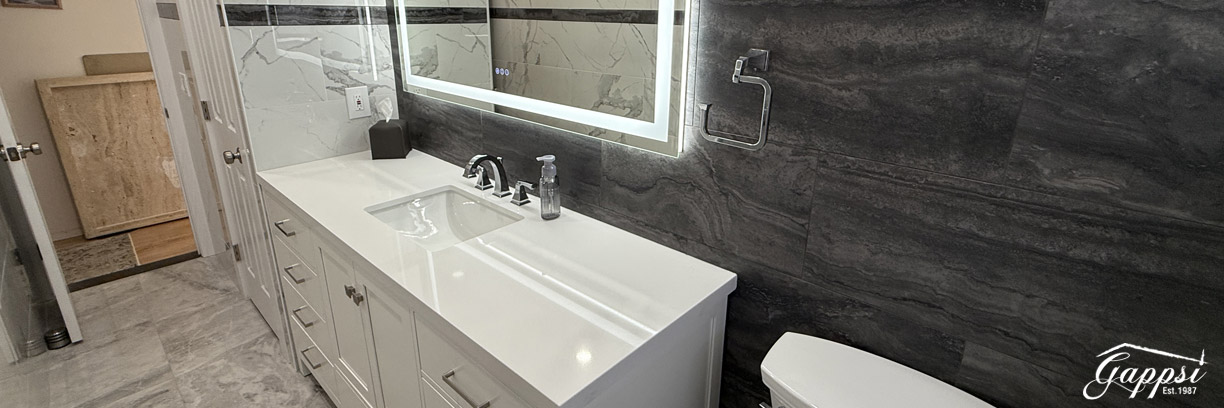
By upgrading every aspect of the electrical system, we ensured that the space not only looks beautiful but also meets modern safety standards and convenience needs.

New Plumbing and Fixtures for Superior Functionality

Plumbing plays a vital role in any bathroom renovation. For this project, our team replaced all plumbing lines and installed brand-new fixtures designed for performance and durability.

At the heart of the new shower system is a Moen shower body with all-new valves, chosen for its smooth operation, precise temperature control, and timeless design. Moen is known for its reliability and sleek aesthetics, making it an ideal choice for homeowners who value both quality and style.

By rebuilding the plumbing system from scratch, we ensured consistent water pressure and leak-free operation.  A long-term investment in comfort and peace of mind.

Firm Foundations: Cement and Green Boards

To create a moisture-resistant and durable structure, we installed new cement boards in the shower area. Cement board is ideal for wet environments because it prevents mold growth and provides a stable base for tile installation.

bathroom-renovation-in-lindenhurst-ny2For the rest of the bathroom’s walls and ceiling, we used green boards.  Water-resistant drywall designed explicitly for humid spaces. This combination ensures the entire bathroom is well-protected from moisture while maintaining structural integrity.
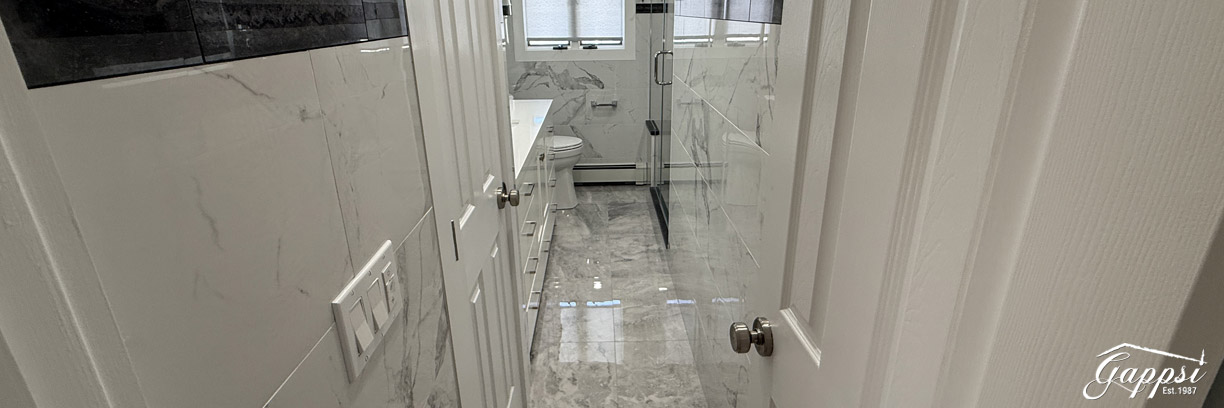
These unseen layers might not be glamorous, but they’re essential for ensuring that every tile, fixture, and finish stands the test of time.

Porcelain Perfection: A Modern Tile Design

The visual transformation of this Lindenhurst bathroom truly shines through its tile work. Every wall was covered in glossy white porcelain tiles featuring subtle gray veins. The result is a bright, elegant, and timeless look that reflects light beautifully, making the space feel larger and more open.

To create contrast and visual interest, we added a dark gray flat porcelain tile to accent the shower wall and the built-in nook. This feature adds depth and sophistication, highlighting the shower area as a statement piece within the room.

For the flooring, we selected flat, darker porcelain tiles with delicate vein patterns. These tiles complement the wall design while providing a slip-resistant surface that’s both functional and visually cohesive.

Porcelain is an ideal material for bathroom renovations due to its durability, low maintenance, and luxurious appearance. It’s resistant to moisture, scratches, and stains.  Perfect for a space that sees daily use.

Finishing Touches: Fixtures and Accessories

Every detail matters when it comes to creating a cohesive and stylish bathroom. To complete the transformation, we installed a new Kohler toilet, known for its sleek design and efficient performance.

darker porcelain tiles with delicate vein patternsThe vanity was upgraded to a modern style with a marble countertop, adding a touch of elegance and practicality. Marble is not only beautiful but also durable, making it a timeless choice for bathroom countertops.
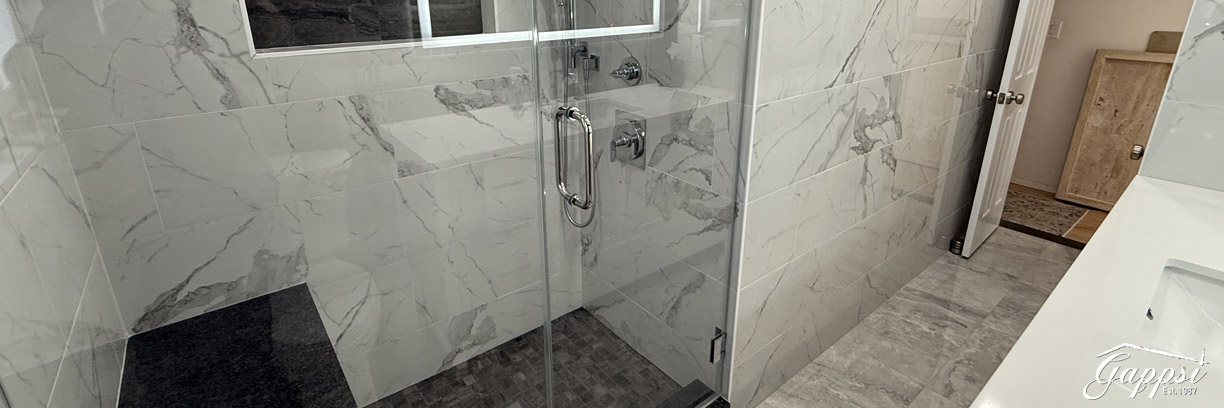
Above the vanity, we mounted a fogless mirror with integrated lighting.  A functional yet luxurious addition that eliminates the common frustration of steam-covered mirrors. This feature enhances everyday routines while contributing to the bathroom’s overall modern aesthetic.

Every accessory, from the towel bars to the light fixtures, was chosen to complement the design’s contemporary theme while maintaining functionality and balance.

A Modern Bathroom That Marries Form and Function

The finished bathroom is a showcase of clean lines, neutral tones, and thoughtful design. The combination of glossy porcelain, marble, and soft lighting creates a serene environment perfect for relaxation.

What was once a dated and confined space has now become a bright, modern, and inviting retreat.  A true reflection of Gappsi’s craftsmanship and commitment to excellence.

Each phase of this renovation, from demolition to final touches, was handled with precision and care. The result is a bathroom that not only meets the homeowner’s expectations but exceeds them in every way.

Why Homeowners in Lindenhurst Choose Gappsi

At Gappsi, we’ve built a reputation across Long Island for delivering superior home improvement and remodeling services. Whether it’s a kitchen, bathroom, backyard patio, or complete home renovation, our process is centered around quality materials, expert craftsmanship, and exceptional customer care.

modern home renovationOur team manages every aspect of the project, including design consultation, demolition, electrical and plumbing work, tile installation, and finishing details. We take pride in our ability to bring your vision to life, transforming ordinary spaces into extraordinary living environments.
For homeowners in Lindenhurst, NY, and throughout Suffolk County, Gappsi is the trusted choice for remodeling projects that combine beauty, functionality, and long-term value.

Transform Your Home with Gappsi

If you’re considering a bathroom renovation or any home remodeling project, Gappsi is here to help. Our experienced team will guide you from concept to completion, ensuring every detail aligns with your goals and lifestyle.

To view more examples of our work, including kitchens, patios, pools, and masonry projects, visit our showroom or explore our online project gallery.

Contact Gappsi today to schedule a consultation and bring your dream bathroom to life.  Your home deserves the craftsmanship, creativity, and quality that only Gappsi can deliver.

SCHEDULE A MEETING TODAY WITH GAPPSI

Why Homeowners in Lindenhurst Choose Gappsi

Over 35 Years of Home Improvement Experience

When you’re inviting a team into your home to make significant changes, trust is everything. With over 35 years of experience serving Long Island, Gappsi has built a solid reputation for delivering exceptional results. This isn’t just about knowing how to swing a hammer; it’s about understanding the unique character of Lindenhurst homes and having the expertise to manage every single detail of a project. From the initial design sketches to the final walkthrough, our seasoned team ensures your vision is brought to life exactly as you imagined. Our long history is a testament to the lasting relationships we’ve built with homeowners who count on us for reliable and beautiful home remodeling.

Our Commitment to Quality and Satisfaction

A successful renovation is measured not just by how it looks on day one, but how it holds up for years to come. That’s why our entire process is built around a commitment to quality. We source high-grade materials, many of which you can see at the Gappsi Store, and pair them with expert craftsmanship to ensure a durable and stunning finish. We believe that exceptional customer care is just as important as the physical work. Our goal is to do more than just complete a project; we aim to transform your space into an environment that truly enhances your life, turning an ordinary room into an extraordinary part of your home.

Comprehensive Services for Your Entire Home

One of the biggest headaches in home renovation can be juggling multiple contractors for different parts of a job. We simplify the entire experience by offering a complete range of services under one roof. Whether you’re dreaming of a new bathroom, a gourmet kitchen, a backyard patio, or even a brand-new swimming pool, our team has the skills to handle it all. This integrated approach means your project is seamless from start to finish, ensuring a cohesive design and a smoother timeline. For homeowners in Lindenhurst, Gappsi is the trusted choice for projects that beautifully blend function, style, and long-term value for your entire property.

Frequently Asked Questions

What’s the most important first step before starting a home renovation? Before you even think about picking out materials, the most crucial first step is to get crystal clear on your goals and your budget. Ask yourself what you truly want to achieve with the space—more function, a better layout, or a style update? Once you have a strong vision, you can create a realistic budget that aligns with it. This foundation will guide every decision you make and help you communicate effectively with any contractor you meet.

How can I prevent my renovation costs from spiraling out of control? The best way to keep your project on track financially is through careful planning and transparency. Start by insisting on a detailed, itemized quote from your contractor that breaks down all the costs. Just as important is building a contingency fund of 10-20% of the total project cost right into your budget from day one. This gives you a safety net for any unexpected issues that might pop up, ensuring a surprise doesn’t derail your entire project.

How long should I expect my home to be under construction for a major project like a kitchen or bathroom remodel? While every project is different, a general rule of thumb is to plan for a few weeks for a standard bathroom remodel and around six to eight weeks or more for a complete kitchen overhaul. A professional contractor should provide you with a detailed project timeline that outlines each phase, from demolition to the final touches. This schedule helps manage expectations and keeps everyone on the same page throughout the process.

Besides the cost, what are the most important things to look for when choosing a contractor? Beyond the quote, you should focus on three key areas: credentials, experience, and reputation. Always verify that a contractor is fully licensed and insured to protect yourself. Look for a company with a long history of successful projects in your area, as this demonstrates stability and expertise. Finally, review their portfolio and read testimonials from past clients to get a true sense of their work quality and customer service.

Which home improvements typically give you the best return on your investment? If you’re looking to add long-term value to your property, you can’t go wrong by focusing on kitchens and bathrooms. These are the spaces that buyers scrutinize the most, and modern updates consistently provide a strong financial return. Additionally, enhancing your outdoor living areas with features like a well-designed patio or an outdoor kitchen can significantly increase your home’s appeal and usable square footage.

Key Takeaways

  • Plan Your Budget Wisely: A successful renovation starts with a solid financial plan. Determine your budget based on the project’s scope and material choices, and always set aside an extra 10-20% as a contingency fund to handle unexpected costs without stress.
  • Choose Your Contractor with Confidence: The right professional makes all the difference. Do your homework by verifying licenses and insurance, reviewing their portfolio of past work, and comparing at least three itemized quotes to find the best fit for your project.
  • Invest in Projects That Add Value: Get the most out of your renovation by focusing on spaces that matter. Upgrading kitchens, bathrooms, and creating functional outdoor living areas are smart choices that improve your daily life and offer a strong return on investment.

Related Articles

Share this page:

East Islip NY Kitchen Remodelers: A Complete Guide

Your kitchen should be a reflection of your personal style, but often we inherit a space that doesn’t quite fit our vision. A full remodel gives you complete control to infuse your personality into every corner. This is your opportunity to select custom cabinets that meet your exact storage needs and choose stunning countertops that serve as a beautiful focal point. You can add energy-saving appliances, smart home technology, and a custom lighting plan that sets the perfect mood. The right team of East Islip, NY kitchen remodelers can guide you through selecting high-quality materials to build a kitchen that is both beautiful and deeply personal.

Greenwood Fence Home RemodelAs the premier provider of composite fence and home remodel work Gappsi presents our latest job in East Islip NY
Greenwood Fence offers unmatched quality, durability, and value. Their products are crafted from premium materials and engineered to exceed industry standards, ensuring years of reliable performance and aesthetic appeal. Composite fences can last between 30-50 years if looked after properly.

Composite Fences Are Built To Last

New fencing doesn’t just work to keep people out – it also keeps kids and pets on your property. Your backyard can be a private play area for your children, a safe haven for them to let out their energy. At the same time, a fence allows your dog to safely go outside without a leash.

A fence is not just a boundary marker also for your property; it’s an investment. When choosing the right fencing material, durability and longevity are two crucial factors to consider.  Fencing provides a sense of security and protection for your property. It serves as a physical barrier that prevents intruders from accessing your property. This is especially important for businesses that store valuable items or have sensitive information that needs to be protected.

Among the various types of fences available today, composite fences are gaining popularity due to their unique features and benefits.

The high-density core Wood Plastic Composite (WPC) material, combined with a co-extruded polymer surface shield, prevents water absorption unlike wood and other composite products.  Also unlike wood, there is no rotting or decaying with their  WPC fence boards.  A Greenwood Fence board is resistant to insect infestations, such as termites.  The use of aluminum parts, posts, and rails ensures it will not rust.

Aspen Brown Greenwood FenceComposite Fence Materials are Leading The Industry
Durability: Composite material, composed of wood fibers and plastic, offers unmatched durability. Unlike wood, it is resistant to rot, decay, and insect damage, ensuring your fence stands strong against the test of time. Say goodbye to the hassles of regular maintenance and repairs that often accompany wooden fences.

Weather Resistance: Composite fencing is engineered to withstand the harshest weather conditions. Unlike wood, it won’t warp, crack, or splinter when exposed to extreme temperatures or moisture. This makes it ideal for regions with diverse climates, ensuring your fence remains pristine yearly.

Strength and Versatility: Greenwood Fence’s composite material combines the strength of wood fibers with the flexibility of plastic, resulting in a fence that is not only robust but also versatile. It can be customized to fit various design preferences without compromising on structural integrity.

Environmental Sustainability: Choosing composite material is an eco-friendly decision. By utilizing recycled materials, Greenwood Fence contributes to reducing environmental impact. This makes their fences an excellent choice for environmentally conscious homeowners who seek sustainable alternatives.

Aluminum Components: Greenwood Fence understands the importance of longevity in fencing materials, which is why the metal components in the fences are made of aluminum. Aluminum boasts superior corrosion resistance, ensuring that your fence remains rust-free even in challenging weather conditions. This choice not only enhances the lifespan of the fence but also reduces maintenance requirements.

Greenwood Fence in Aspen Brown

In our recent home remodel project we installed the Aspen Brown Greenwood Fence with black aluminum posts.  On one side of the house, we installed a 10ft double gate.  A 10-foot gate can be a good choice for driveways, fields, pastures, or bush lanes because it can fit most vehicles, including cars, pickup trucks, and SUVs. It can also allow access to large equipment, such as riding mowers.  On the other side of the home, we installed a single 4ft gate.

## Benefits and Features of a Modern Kitchen Remodel

A kitchen remodel is about more than just new cabinets and countertops; it’s an opportunity to completely reshape the heart of your home. This project can improve your daily routines, make your home more inviting for guests, and add significant financial value. By focusing on a design that blends style with function, you can create a space that not only looks beautiful but also works perfectly for your family’s needs. A modern remodel allows you to incorporate the latest technologies, energy-efficient appliances, and personalized touches that make the kitchen uniquely yours, turning it into a space you’ll love for years to come.

Increase Your Home’s Value

Investing in a kitchen remodel is one of the smartest financial decisions you can make as a homeowner. A modern, updated kitchen is a major selling point for potential buyers and can directly increase your home’s market value. It’s not just about aesthetics; a new kitchen signals that the home is well-maintained and up-to-date with current standards. This single upgrade can make your property stand out in a competitive market like Long Island, helping you secure a better return on your investment when it’s time to sell.

Create a More Useful Space for Cooking and Entertaining

Many older kitchens suffer from awkward layouts that make cooking and hosting feel like a chore. A remodel gives you the chance to fix that. By rethinking the floor plan, you can create a better workflow, add a functional island for prep space and casual seating, or open up the kitchen to the dining or living area. This transformation turns the kitchen from a purely utilitarian room into a welcoming hub for daily life and entertaining, making it the true heart of your home where family and friends will love to gather.

Add Modern Features and Personal Style

This is where you get to bring your vision to life. A full remodel gives you complete control to infuse your personality into the space. You can select custom cabinets that meet your exact storage needs and choose stunning countertops that serve as a beautiful focal point. At Gappsi, we guide homeowners through selecting high-quality materials, including a vast collection of porcelain and natural stone, to build a kitchen that perfectly reflects their taste. It’s your opportunity to create a space that is both beautiful and deeply personal.

Energy-Saving Appliances and Smart Home Technology

Today’s kitchens are smarter and more efficient than ever before. Upgrading to new, energy-saving appliances can significantly lower your monthly utility bills while also reducing your environmental impact. You can also integrate smart home technology, such as smart refrigerators that help you track groceries, touchless faucets, and lighting systems you can control with your voice or phone. These modern conveniences add a layer of ease to your daily routine and bring your home up to speed with the latest innovations.

Custom Lighting and Storage Solutions

Thoughtful lighting and storage are game-changers in any kitchen. A well-designed lighting plan, incorporating everything from under-cabinet LEDs for task lighting to elegant pendant lights over an island, improves visibility and sets the perfect mood. At the same time, clever storage solutions are key to a clutter-free space. Custom features like pull-out pantry shelves, deep drawers for pots and pans, and specialized cabinet organizers ensure that everything has a place, making your kitchen feel more spacious, organized, and enjoyable to use.

The Kitchen Remodeling Process

Starting a kitchen remodel can feel like a huge undertaking, but it becomes much more manageable when you break it down into clear, sequential steps. A successful renovation follows a structured path from the initial idea to the final reveal. Understanding this process helps you know what to expect, how to prepare, and how to work effectively with your contractor. With a trusted partner like Gappsi guiding you, the journey to your dream kitchen can be a smooth and exciting experience, ensuring every detail is handled with care from start to finish.

Step 1: Design and Planning

Every great kitchen begins with a great plan. The first step in any successful home remodeling project is a thorough design and planning phase. This is where you’ll sit down with your design team to discuss your vision, lifestyle, and budget. A good contractor will take the time to understand how you use your current kitchen and what you hope to achieve with the new space. This collaborative process ensures the final layout and features are perfectly tailored to your needs, setting a solid foundation for the entire project.

Step 2: Material Selection

With a solid design in place, the next step is choosing the materials that will bring your new kitchen to life. This is a creative process where you’ll select everything from flooring and cabinets to countertops, backsplashes, hardware, and paint colors. It’s important to find a balance between aesthetics, durability, and your budget. An experienced team can introduce you to a wide range of options and provide samples, helping you make confident choices that will look beautiful and stand the test of time in a busy kitchen.

Step 3: Construction and Installation

Once all the materials have been ordered and delivered, the construction phase begins. This typically starts with the demolition of your old kitchen, followed by any necessary updates to plumbing, electrical, and structural components. After that, the new elements are carefully installed, from the cabinets and countertops to the appliances and light fixtures. While this is the most disruptive part of the process, a professional crew will work to minimize the impact on your home and manage the project efficiently, transforming the space with expert craftsmanship.

Kitchen Remodeling Costs on Long Island

One of the first questions on every homeowner’s mind is, “How much will this cost?” The budget for a kitchen remodel on Long Island can vary widely depending on the scope of the project, the quality of materials, and the complexity of the design. It’s important to have a realistic understanding of potential costs before you begin. This allows you to plan your finances accordingly and make informed decisions about where to invest your money. Being transparent about your budget with your contractor from the start is key to a successful partnership and a final result you’ll love.

Typical Cost for a Basic Kitchen Remodel

If you’re planning to refresh your kitchen’s appearance without making major structural changes, you can anticipate a more moderate investment. On Long Island, a basic kitchen remodel—which might include refacing cabinets, installing new countertops, updating appliances, and a fresh coat of paint—typically starts in the range of $20,000 to $40,000. This type of project can dramatically improve the look and feel of your space and provide an excellent return on investment without the time and expense of a complete overhaul.

Costs for a Full Custom Remodel

For those dreaming of a complete kitchen transformation, the budget will be more substantial. A full-gut remodel on Long Island, which could involve removing walls, reconfiguring the layout, and installing all-new custom cabinetry, high-end appliances, and premium finishes, can range from $80,000 to $120,000 or even more. This level of investment allows for total customization, creating a bespoke kitchen that is perfectly designed to fit your family’s lifestyle and aesthetic preferences down to the last detail.

Getting a Detailed Breakdown of Costs

Regardless of your project’s scale, understanding exactly where your money is going is essential. A trustworthy remodeler will provide a detailed, itemized quote that clearly breaks down all anticipated costs, including materials, labor, permits, and any subcontractor fees. This transparency is crucial for managing your budget effectively and helps prevent unexpected expenses from appearing down the line. A clear cost breakdown empowers you to make informed decisions and ensures a smooth process with no financial surprises.

Finding and Choosing a Remodeler in East Islip

The success of your kitchen remodel depends heavily on the team you hire to bring it to life. Choosing the right contractor is arguably the most critical decision you’ll make in the entire process. You need a partner who is experienced, reliable, and understands your vision for the space. Taking the time to research and vet potential remodelers in the East Islip area will pay off in the long run, ensuring a high-quality result and a positive experience from the initial consultation to the final walkthrough.

How to Find Local Kitchen Remodelers

Your search for the right contractor can start close to home. Ask friends, family, and neighbors in your community for recommendations—a personal referral is often the most reliable source. You can also use trusted online platforms like Angi to search for and compare top-rated kitchen remodelers in the East Islip area. These resources are a great way to build a shortlist of qualified professionals to contact for an initial consultation and to discuss your project in more detail.

Reading Customer Reviews and Checking Ratings

Once you have a few potential companies in mind, it’s time to do some digging. Spend time reading through online customer reviews and checking their ratings on various websites. Look for consistent themes in the feedback. Do clients praise their communication, professionalism, and quality of work? How did they handle any challenges that arose during a project? A strong portfolio of positive reviews is a good sign that you’re dealing with a reputable company that prioritizes client satisfaction.

Verifying Experience and Licensing

Before you sign a contract, make sure you verify the remodeler’s credentials. Confirm that they are fully licensed and insured to perform work in East Islip and Suffolk County. Experience is also a critical factor. A company that has been in business for decades, like Gappsi with our history dating back to 1987, brings a depth of knowledge and a proven track record to the table. This extensive experience ensures they have the expertise to manage your project effectively and deliver exceptional results.

General Remodeling Advice

Embarking on a kitchen remodel is an exciting process, but it helps to be prepared. A few practical tips can make the journey smoother and help you feel more in control from start to finish. Thinking ahead about your budget, the timing of your project, and how you’ll manage daily life during construction can reduce stress and lead to a better overall experience. With the right mindset and a solid plan, you can confidently move forward with creating the kitchen you’ve always wanted.

Staying Within Your Budget with a Professional

One of the biggest anxieties for homeowners is the fear of a project going over budget. The best way to avoid this is to partner with a professional contractor who provides a detailed and transparent quote from the very beginning. They can help you make smart decisions on materials and finishes that align with your budget without compromising on quality. An experienced project manager will also keep the renovation on schedule, preventing costly delays and ensuring an efficient process that respects your investment.

Remodeling When You Need It

Deciding on the perfect time for a remodel depends on your personal circumstances. While many people aim for spring or summer, you might find that contractors have more availability during their off-seasons. It’s also interesting to note that some experts suggest home renovations can occasionally be more affordable during an economic recession, as companies may offer more competitive pricing to secure work. Ultimately, the best time to start your project is when it aligns with your family’s schedule and financial readiness.

Home remodel with greenwood fenceComposite Fence and Home Remodel By Gappsi

Gappsi completely remodeled the house with a modern country-style look. We installed all the new English strips and field stones for the bottom half of the facade of the home. We also installed Cumaru Wood known as Brazilian Teak with blue vinyl siding. Cumaru wood is a dense, tough wood with a wavy, coarse texture and irregular grain. Cumaru is known for its durability, distinctive color, and resistance to rot, decay, and insects. It’s also weather-resistant and can withstand direct water exposure without treatment.  Cumaru can range from golden tan to reddish brown with dark grain accents.

Gappsi Natural Stone Collection Blue Limestone

We installed G045 Blue Limestone with G045 two-inch coping for the step treads selected from the Gappsi Natural Stone Collection.  Gappsi continued the limestone in the walkway and porch area of the home.  Limestone is a hard material that fairs well under exposure to the elements, making it an excellent candidate for outdoor patios, steps, and walkways. It is easy to cut and convenient to work with, minimizing costly complications during installation and contributing toward a flawless finished product.  Blue Limestone is used in a wide range of exterior and interior building applications from building facades to low-level garden walls or boundary walls.

This is the latest Composite Fence and Home Remodel along with all the masonry completed by Gappsi in East Islip NY.  A remodeled facade will increase the value of your home. When it comes time to sell your property, it is a good investment. Potential buyers will appreciate a house with a new facade, so choosing the right materials and contractor for your facade renovation is very important.  Give Gappsi a call today for a FREE consultation.

SCHEDULE A MEETING TODAY WITH GAPPSI

View Gappsi’s YouTube Channel for Videos of Composite Fence and Home Remodel | East Islip NY

https://youtu.be/lXinMfaSOAo

Frequently Asked Questions

How long does a typical kitchen remodel take from start to finish? The timeline for a kitchen remodel can vary quite a bit depending on the project’s complexity. A straightforward cosmetic update might take a few weeks, but a full custom renovation that involves moving walls or changing layouts will take longer. The process includes a design and planning phase, time for materials to be ordered and delivered, and the actual construction. A good contractor will give you a detailed schedule upfront so you know exactly what to expect.

What are the biggest factors that influence the cost of a kitchen remodel? The final cost really comes down to three main things: the scope of your project, the materials you choose, and the complexity of the labor. For example, keeping your existing layout is much more budget-friendly than reconfiguring plumbing and electrical lines. Likewise, custom cabinetry and high-end stone countertops will be a larger investment than stock options. Being clear about your budget from the start helps your remodeler guide you toward choices that fit your financial plan.

Why should I consider a composite fence over a traditional wood fence? While wood fences have a classic appeal, they require a lot of upkeep like regular staining and sealing to prevent rot and insect damage. Composite fencing is a fantastic alternative because it’s designed to withstand the elements without warping, cracking, or fading. It gives you the beautiful look of a fence without the yearly maintenance, making it a durable, long-term investment for your property.

Is it better to remodel my kitchen and exterior at the same time? Tackling multiple projects at once can be a very smart move. When you work with a single company for your kitchen, facade, and fencing, the entire process is more streamlined. You have one point of contact, the design feels more cohesive, and the work can be scheduled more efficiently. This often saves time and helps avoid the headache of coordinating different contractors for different jobs.

I’m worried about the disruption. How can I prepare my home for the construction phase? It’s true that construction can be disruptive, but a little preparation goes a long way. Before the work begins, set up a temporary kitchen station in another room with a microwave, coffee maker, and mini-fridge. It’s also a good idea to pack up any non-essential items in and around the kitchen to protect them from dust. Maintaining open communication with your project manager will help you know what to expect each day, making the process much smoother for your family.

Key Takeaways

  • Remodel for Both Lifestyle and Value: A thoughtful kitchen renovation is a dual-purpose investment that improves your home’s daily functionality for cooking and entertaining while also significantly increasing its market value.
  • Your Contractor is the Key to Success: The outcome of your project depends heavily on the professional you hire. Prioritize a licensed, experienced team that provides a transparent, itemized quote to keep your renovation on schedule and within budget.
  • Choose Materials for Long-Term Performance: Whether for an exterior fence or interior finishes, selecting durable, low-maintenance materials is crucial. Modern options like composite fencing and natural stone ensure your upgrades withstand the elements and daily use for years to come.

Related Articles

Share this page:

Natural Limestone Driveway Design and Installation in Laurel Hollow NY

limestoneLaurel-Hollow-Natural-Limestone-Driveway-design-and-installation2Don’t overlook the beauty of your driveway, we recently completed a natural limestone driveway design and installation in Laurel Hollow NY. A simple way to enhance your curb appeal is by using limestone pavers for your driveway. Rich creamy tans, weathered grays, deep burgundies – limestone’s natural palette provides options for any style. The stone’s hardy composition stands up to vehicles while adding elegance to the entrance.

Usually, the driveway is an entry point when your guests come with cars or a vehicle. They will examine your home based on driveway experiences. So, it is a good opportunity to improve the beauty of the driveway by selecting the right material for its construction and decorating the landscape surrounding it throughout the entire path.

Limestone is an eco-friendly paving material, as it’s a natural material that requires little to no treatment when installed for a driveway.  Natural limestone is the ideal choice if you want to bring natural beauty to your outside with its distinctive colors and subtle texture. Quarried straight from the earth, with no chemicals, pure in its habitat state guaranteeing you or no one else will have a paver the same!

Why Is Limestone Good For A Driveway?

The porous nature of limestone lets water drain through quickly, to prevent water logging or standing water. If you live in a region that gets lots of rain, this feature can be a game-changer that saves you from dealing with a water-logged driveway.

Limestone has become a popular construction material for driveways due to its durability and ease of installation.  It is a strong, durable, and heat-resistant material. When subjected to heavy loads and high temperatures, it does not crack or crumble easily.  This quality in a paver is attractive to homeowners especially because it is also highly resistant to weathering due to its high tannin content. They are perfect for areas that experience heavy downpours or snowfall.  The stone can withstand frost-freezing cycles without chipping off when properly installed with adequate support underneath it during installation.

Laurel-Hollow-Natural-Limestone-Driveway-design-and-installation3Why Choose Natural Stone?

  • Up to 10 times stronger than concrete
  • Pre-cut sizes and gauged thickness
  • Choice of installation methods, no new techniques
  • Unique and attractive with great color choices
  • Will not fade or expose aggregate over time
  • Frost resistant and long-lasting
  • Recyclable and eco-friendly

What Driveway Paver Size Are You Considering?

A shift to large-format natural stone for both residential and commercial driveway systems is gaining popularity. Natural stone in all formats–traditional (small 4”x4”, 6”x6” cubes or random length) or the larger formats (which are gaining traction with architects and designers–with its aesthetic and structural benefits), makes it a strong alternative to concrete pavers.

What Are the Different Types of Limestone Paving Textures & Colors?

When it comes to limestone paving, the options are incredibly diverse. We encourage you to explore the various types of limestone available. Each offers unique textures and colors to suit different aesthetic preferences. For example, you can opt for the elegance of beige or cream-toned limestone, or the warmth of golden or honey-colored limestone. Some types of limestone may showcase natural veining or fossils, adding further character and charm to your outdoor space. Choose from smooth and polished finishes to textured or antiqued surfaces; you can’t go wrong. The different types of limestone paving allow you to create a truly custom look that enhances the beauty of your surroundings.

Laurel-Hollow-Natural-Limestone-Driveway-design-and-installationCreate Interesting Patterns with Limestones in Your Driveway

We know natural stones come in various sizes and shapes. If we select square and rectangular shapes and the different sizes of slabs, we can end with an interesting design pattern. You can also leave some grouts wide and create thin belts in your design. Natural variations in stones give it a rustic look and different colors and hues add a decent charm to the driveway design patterns. Limestone and slates are the most befitting material for the creation of such stone designs and patterns.

Even though driveways are more about functionality rather than their looks, your cars deserve a beautiful parking spot! Pretty driveways are getting popular today as they add great value to your property and boost its curb appeal.

Laurel-Hollow-Natural-Limestone-Driveway-design-and-installation1Natural Limestone Driveway Design and Installation in Laurel Hollow NY

This large driveway was designed and installed by Gappsi in Laurel Hollow NY. The apron of the driveway was paved with granite 6×9 tumbled pavers. The driveway is all natural stones, a combination of granite and limestone. The main field of the driveway we used was a small set home paver G045 limestone leading to the courtyard front door. In the front courtyard, we used Gappsi G046 small set of limestone. It is a beautiful combination of all-natural colors, browns, grays, maroons, and blue. We also installed a Belgian block border. The all-driveway blue limestone was bordered with beige granite.

This is a very large driveway with over 15,000 square feet of natural stone pavers. There is also a courtyard in the back area of the house, leading to the garage doors. The backyard includes a raised patio where we used cultured stones along with Eldorado cultured stones, and veneered coping with travertine. Beautiful colors of the natural stones. The driveway was completed over 10 years ago.  Our Cleaning and Sealing team sealed the driveway and resanded the joints. We used high-quality sealers and the best quality polymeric sand; it looks better than it ever has. This is the latest job by Gappsi in Laurel Hollow NY. 

SCHEDULE A MEETING TODAY WITH GAPPSI

View Gappsi’s YouTube Channel For Videos Of Natural Limestone Driveway Design and Installation in Laurel Hollow NY

Share this page: