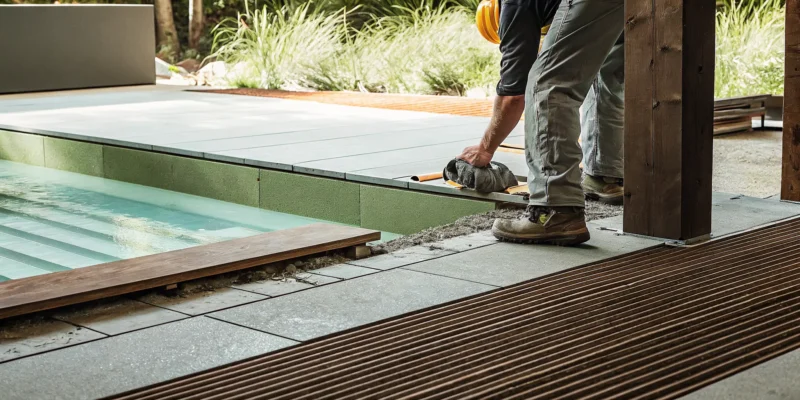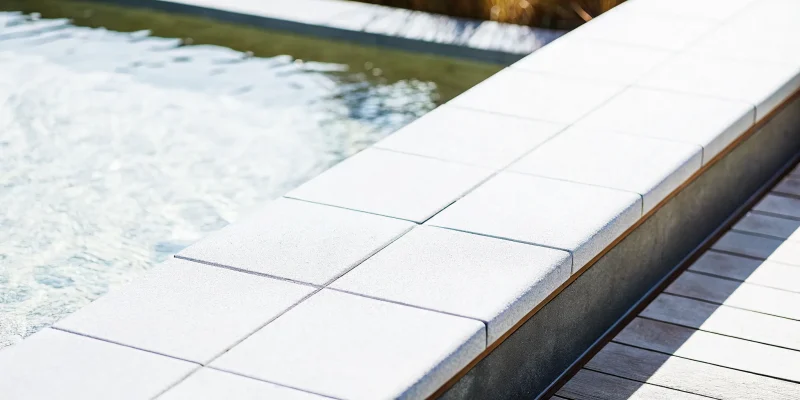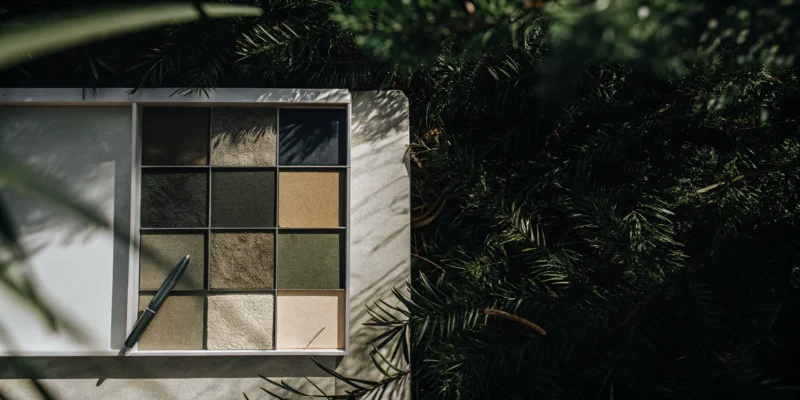
Calculating the average cost of a natural stone patio installation with various stone samples.

What’s the Average Cost of Natural Stone Patio Installation?

One of the biggest concerns for any homeowner starting a major project is the fear of hidden costs. A budget is only useful if it’s comprehensive. When it comes to building a natural stone patio, the price of the stone itself is just one part of the equation. You also have to consider site excavation, base preparation, delivery fees, and the skilled labor required for a flawless finish. Understanding the average cost of natural stone patio installation is essential, but it’s just as important to know what’s included in that number. We’ll break down every potential expense so you can plan your project without any unwelcome financial surprises along the way.

Key Takeaways

  • Your Total Cost Hinges on Four Main Factors: The final price for your patio is determined by the type of stone you choose, the size and complexity of your design, the amount of site preparation required, and the cost of skilled labor.
  • Look Beyond the Price of the Stone Itself: A complete and realistic budget accounts for the entire project, so remember to include necessary costs like local permits, excavation, delivery fees, and the final protective sealant.
  • Prioritize Professional Installation for a Lasting Investment: While getting multiple quotes is wise, hiring an experienced mason is the best way to ensure your patio is built correctly, looks beautiful, and avoids costly repairs down the road.

How Much Does a Natural Stone Patio Cost?

Planning your budget is one of the first, and most important, steps in any home improvement project. When it comes to creating a beautiful natural stone patio, the final price tag can vary quite a bit. The cost depends on the materials you select, the size of your space, and the complexity of the design you have in mind. Understanding these variables will help you set a realistic budget and make informed decisions. Let’s break down what you can expect to invest in your new outdoor oasis, from the price per square foot to the total project estimate. This will give you a clear picture of the costs involved in bringing your vision to life.

What to Expect Per Square Foot

When you start pricing out your project, you’ll find that costs are often discussed per square foot. Generally, you can expect to pay between $16 and $35 per square foot for a natural stone patio, a price that includes both the stone and professional installation. The specific type of natural stone you choose plays a huge role in this range. For example, popular options like bluestone or flagstone can cost anywhere from $5 to $35 per square foot for just the material. This wide range reflects differences in quality, color, and availability, so it’s worth exploring your options to find the perfect fit for your style and budget.

Estimating the Total Project Cost

For an average-sized patio of about 200 to 400 square feet, the total project cost typically falls between $3,200 and $14,000. It’s helpful to know that labor makes up a significant portion of this price, usually around 60% to 70% of the total. This highlights the value of expert masonry work, which ensures your patio is built to last. Think of it as an investment in your home’s future. A well-designed stone patio not only enhances your lifestyle but can also increase your property value by 8% to 12%, often returning a large portion of the installation cost when you decide to sell.

What Factors Drive Up Patio Installation Costs?

Budgeting for a new natural stone patio can feel like a puzzle, but it becomes much clearer when you understand the key pieces that make up the final price. While every project is unique, four main factors consistently influence the overall cost: the type of stone you select, the patio’s size and design complexity, the condition of the installation site, and the labor required to bring it all together. Getting a handle on these variables from the start helps you avoid surprises and ensures your project stays on track.

For example, falling in love with a premium stone is wonderful, but it’s important to know how that choice will ripple through the rest of your budget. Similarly, a simple, elegant design might allow you to allocate more funds toward high-end materials, while a complex, multi-level patio will require a larger portion of the budget for skilled labor. Thinking through each of these elements will help you create a realistic budget and make informed decisions that align with your vision for the perfect outdoor space. Let’s break down what you can expect from each of these cost drivers.

The Type of Stone You Choose

When you start dreaming up your perfect patio, the stone you pick is one of the biggest decisions you’ll make, both for the look and the budget. The world of porcelain and natural stone is vast, with options ranging from classic bluestone to elegant flagstone. Generally, more common stones are easier on the wallet, while rarer or more difficult-to-quarry options will have a higher price per square foot. It’s not just about the initial cost, though. Think about durability and maintenance, too. A slightly more expensive, harder stone might save you money on upkeep in the long run. We can walk you through the pros and cons of each to find the perfect fit for your style and budget.

Your Patio’s Size and Complexity

It makes sense that a larger patio will cost more than a smaller one, but the design’s complexity also plays a huge role. A simple square or rectangular patio is the most straightforward to install. Once you add curves, intricate patterns like herringbone, or multiple levels, the labor involved increases significantly. These custom designs require more precise cuts and careful placement, which adds to the installation time and overall cost. Our expert masonry team loves bringing creative visions to life, but it’s important to remember that these beautiful, detailed features will be reflected in the final project price. A more complex design simply requires more skill and time to execute perfectly.

Preparing the Installation Site

A beautiful patio needs a solid foundation, and preparing the ground is a critical step that can impact your budget. If your yard has a significant slope, is uneven, or has poor drainage, we’ll need to address that before any stones are laid. This can involve excavation, grading the land, and installing a proper base of gravel and sand. The installation method also matters. A ‘dry-laid’ patio set on a gravel and sand base is typically less expensive than a ‘wet-laid’ one set in mortar on a concrete slab. Proper site preparation is non-negotiable for a patio that will last for decades without shifting or cracking.

Labor and Location

Labor is one of the most significant parts of a patio installation budget, often making up more than half of the total cost. This is where expertise truly counts. Skilled masons ensure every stone is perfectly placed, the base is stable, and the final result is both beautiful and durable. Labor rates can also vary depending on your location. Here on Long Island, costs reflect the high level of craftsmanship homeowners expect. While it might be tempting to cut corners on labor, investing in an experienced team prevents costly repairs down the road. A professionally installed patio is an investment in your home’s value and your family’s enjoyment for years to come.

A Closer Look at Natural Stone Prices

Choosing the right material is one of the most exciting parts of planning your patio. The stone you select sets the tone for your entire outdoor space, but it also plays a big role in your budget. Let’s break down some of the most popular natural stone options so you can find the perfect fit for your home and wallet.

Bluestone and Limestone

Bluestone is a timeless choice for patios, known for its beautiful blue-gray hues and durable, non-slip surface. It’s a fantastic option for pool surrounds and walkways. You can expect bluestone to cost between $15 and $31 per square foot. With proper care, it can easily last for more than 35 years, though it does need a sealant to maintain its rich color. Limestone offers a softer, more earthen look, with costs ranging from $16 to $32 per square foot. It’s another long-lasting material, but like bluestone, it requires regular sealing every couple of years to protect it from weathering and stains.

Slate and Sandstone

If you want a patio with a lot of character, slate is an excellent material to consider. It comes in a wide range of colors, from dark grays to greens and purples, and has a naturally textured surface. Slate is incredibly durable, often lasting over 50 years, and it’s naturally resistant to stains. The price for slate typically falls between $18 and $42 per square foot. Sandstone provides a warm, rustic feel with its red, tan, and brown tones. It costs between $18 and $30 per square foot and offers a naturally non-slip finish, but it is more porous than other stones and needs a high-quality sealant for protection.

Granite and Flagstone

For a high-end, incredibly resilient patio, granite is tough to beat. It’s one of the hardest natural stones available, making it highly resistant to scratches and heat. Granite costs between $19 and $32 per square foot and can last for decades with minimal maintenance, making it a great long-term investment. Flagstone is a more general term for flat stones laid on a sand or mortar base, often including varieties like bluestone or slate. It’s known for its irregular shapes that create a charming, naturalistic look. The cost for a flagstone patio generally ranges from $15 to $32 per square foot, depending on the specific type of stone used by your masonry team.

Travertine and Cobblestone

Travertine brings a touch of old-world elegance to any outdoor space. It’s a type of limestone formed near hot springs, giving it a distinctive fibrous and porous appearance. Travertine stays cool to the touch, making it a popular choice for pool decks in sunny climates. It costs between $15 and $30 per square foot. Cobblestone offers a classic, historic look and is exceptionally strong, with a potential lifespan of over 100 years. Because the rounded stones require a skilled hand to set properly, installation can be more intensive. You can expect cobblestone to range from $20 to $50 per square foot.

Are There Hidden Costs to Installing a Stone Patio?

When you get a quote for a new stone patio, it’s easy to focus on the big numbers: the cost of the stone and the labor to install it. But a smart homeowner knows to ask, “What else?” Several additional costs can pop up during a project, and being aware of them from the start helps you create a realistic budget with no unwelcome surprises. Think of it less like “hidden” costs and more like a complete checklist for your project.

From local permits to the final protective sealant, these extra expenses are a normal part of the construction process. A great contractor will be transparent about these potential costs, but it’s always best to be informed. Understanding the full scope of the project, including site preparation, delivery logistics, and long-term care, ensures you’re not just budgeting for a patio, but for a beautiful and lasting outdoor space. At Gappsi, we manage every detail, from initial masonry design to the final cleanup, so you always know what to expect. Let’s walk through some of the common costs that might not be on that initial estimate.

Permits and Inspections

Depending on where you live in Long Island and the scale of your project, you may need a permit from your local town or village. This is especially true if your new patio involves changes to existing structures, grading, or electrical and plumbing lines. Permit fees are determined by your local municipality and are almost never included in a contractor’s initial installation quote. While your contractor will handle the process of filing for the permit, the fee itself is a separate cost you’ll need to cover. It’s a crucial step to ensure your project is up to code and avoids any legal headaches down the road.

Excavation and Site Prep

The condition of your backyard is one of the biggest variables in your total project cost. A perfectly flat, clear, and accessible area is the ideal scenario, but most yards need some work first. Site preparation can involve removing old concrete, leveling a sloped lawn, or digging down to create a stable base for the stones. If your yard has drainage issues or is difficult to access with equipment, the labor and time required for this prep work will increase. This is a critical part of any quality landscape construction project, as a poorly prepared base can lead to a patio that shifts and cracks over time.

Delivery and Equipment Fees

Getting several tons of natural stone from the supplier to your home has its own set of costs. Delivery fees are often a separate line item, so be sure to ask if they are included in your materials quote. Beyond delivery, the installation itself requires specialized tools. While basic supplies like mortar are usually part of the estimate, your project may require renting heavy equipment like a plate compactor to create a solid base or a wet saw for precise stone cutting. A professional team will have all the necessary equipment, but the cost of using and transporting it is factored into the overall project price.

Sealing and Protective Treatments

Once your beautiful new patio is installed, the final step is to protect it. Applying a quality sealant is essential for preserving the color and integrity of the natural stone, protecting it from stains, water damage, and the effects of weather. This is typically considered a finishing step and may be quoted separately from the installation. The cost can range from $2 to $10 per square foot, depending on the type of sealant used. Think of it as an investment in your patio’s future. Proper sealing and restoration will keep it looking its best for years to come and reduce long-term maintenance.

How Does Labor Affect Your Patio Budget?

When you’re planning your new natural stone patio, it’s easy to focus on the beautiful materials you’ll choose. But the cost of labor is just as important and can make up a huge portion of your final bill. The hands-on work of preparing the ground, laying the stones, and finishing the details is a skilled job, and the cost reflects that expertise. Several factors influence the price of labor, from the complexity of the installation to the type of professional you hire for the job.

Understanding these labor costs is key to creating a realistic budget. It’s not just about paying for someone’s time; it’s about investing in the craftsmanship that will make your patio last for decades. A well-built patio requires precision and experience, and the right team will ensure your project is built to withstand Long Island’s weather and years of family gatherings. At Gappsi, our masonry experts have the experience to bring your vision to life efficiently and beautifully.

Different Installation Methods

The way your stone patio is installed has a direct impact on labor costs. For example, setting natural stone pavers like flagstone or slate requires a meticulous process to create a stable, level surface, which naturally takes more time and skill. A dry-laid patio, set on a base of gravel and sand, is typically less labor-intensive than a wet-laid patio, which involves setting the stones in mortar on a concrete slab. The wet-laid method provides incredible durability but requires more materials, preparation, and expertise, increasing the overall project cost. The complexity of this work is why professional installation is so crucial for a lasting result.

Local Labor Rates

Where you live plays a big role in what you’ll pay for labor. Rates for skilled trades can vary significantly from one region to another, and Long Island is no exception. The cost of living, demand for contractors, and local regulations all influence pricing. For natural stone patios, installation costs can range from $15 to $35 per square foot, and a portion of that is determined by local market rates. Working with a local company like Gappsi means you’re getting an estimate that accurately reflects the costs in our area, with no surprises. Our team has a deep understanding of Long Island landscape construction and can provide a clear, comprehensive quote.

Hiring a Contractor vs. a Mason

For a natural stone patio, you’ll want to hire a professional with specific experience in stonework. While a general contractor can oversee a project, a specialized mason brings a level of artistry and technical skill that is essential for working with natural stone pavers. Masons are experts in cutting, fitting, and setting stones to create durable, beautiful patterns. Their specialized labor might come at a higher hourly rate, but their efficiency and expertise often mean the job is done right the first time. Investing in a skilled mason is an investment in the quality and longevity of your patio, preventing costly repairs down the road.

How Do Design Choices Impact the Final Price?

Beyond the stone itself, your design choices play one of the biggest roles in determining the final cost of your patio. The layout, features, and overall size all influence the amount of material needed and the hours of labor required for installation. A simple, straightforward design will naturally be more budget-friendly than a sprawling, multi-level oasis with custom features. This is where working with an experienced team makes a difference. Our masonry design experts can help you find the perfect balance between your dream patio and your budget, ensuring every dollar is well spent. We’ll walk you through how different elements affect the price so you can make informed decisions without sacrificing style. From the initial sketch to the final stone, we focus on creating a space that is both beautiful and practical for your home.

Simple vs. Complex Layouts

The shape of your patio has a direct impact on installation costs. A simple square or rectangular patio is the most cost-effective option because it requires fewer cuts and less intricate labor. When you introduce curves, circular patterns, or multiple levels, the complexity of the project increases significantly. Each curve means a stone must be custom-cut to fit perfectly, which takes more time and skill. This extra labor and the potential for more material waste from the cuts will be reflected in the final price. Think of it this way: a straightforward layout minimizes labor time, while a complex one is a custom art piece that demands more craftsmanship.

The Price of Popular Design Trends

Modern outdoor living is all about creating functional and beautiful extensions of your home. Popular trends often involve more than just a simple stone surface. Features like built-in seating walls, outdoor kitchens, fire pits, and intricate inlay patterns can transform a patio into a true backyard destination. While these additions create incredible spaces for entertaining and relaxing, they also add to the project’s cost. Each feature requires additional materials, specialized labor (like plumbing or gas lines for a kitchen), and more detailed construction. Incorporating these stylish outdoor elements is a fantastic investment in your home’s value and your lifestyle, but it’s important to account for them in your initial budget.

How Patio Size Affects Your Budget

It seems obvious that a larger patio will cost more than a smaller one, and that’s generally true. More square footage means more materials and more hours of labor. However, the relationship isn’t always linear. Sometimes, you can get a slightly better price per square foot on materials when buying in bulk for a very large project. On the other hand, a larger patio can introduce new challenges. A bigger footprint might require more extensive site preparation, such as significant grading or the installation of complex drainage systems to manage water runoff. Your landscape’s existing conditions play a huge role here, as a large patio on a sloped yard is a much bigger undertaking than one on a flat, clear surface.

Common Budgeting Mistakes to Avoid

Creating a budget for your new stone patio can feel like a big task, but getting it right from the start saves you from surprises down the road. It’s easy to focus only on the price of the stone itself, but a successful project budget accounts for every step of the process. Thinking through the entire scope of work, from the ground up, helps ensure your vision comes to life without unexpected costs. Let’s walk through a few common pitfalls homeowners encounter so you can plan with confidence. By understanding where costs can hide, you can create a realistic budget that covers everything your project needs for a beautiful, long-lasting result.

Underestimating Site Prep

One of the biggest budgeting oversights is underestimating the cost of site preparation. A beautiful patio is only as good as the foundation it’s built on. Proper site prep is essential for a durable, level surface that won’t shift or sink over time. This process involves more than just clearing the area; it includes excavating the ground, often digging down six to eight inches, and installing a solid base of compacted aggregate. This foundational work is labor-intensive and critical for drainage and stability. Factoring these masonry services into your initial budget is key to avoiding costly repairs later.

Ignoring Installation Complexity

The type of stone you choose and the intricacy of your design directly influence your total cost. While you might have a price per square foot for the material, the complexity of the installation can significantly affect labor expenses. A simple, rectangular patio will cost less to install than a curved one with an intricate pattern or multiple levels. Certain stones are also more challenging to cut and lay, requiring more time and skill from your installation team. When you’re exploring different porcelain and natural stone options, remember to discuss how your design choices will impact the overall labor budget with your contractor.

Forgetting About Long-Term Costs

Your budgeting shouldn’t stop once the last stone is laid. While natural stone is incredibly durable, it requires some maintenance to keep it looking its best for years to come. Think of it as protecting your investment. Depending on the type of stone and its exposure to the elements, you may need to factor in periodic cleaning and sealing. Sealing helps protect the stone from stains, water damage, and fading. These long-term restoration and sealing services are a minor expense compared to the initial installation cost, but including them in your long-term financial plan ensures your patio remains a stunning feature of your home.

How to Get an Accurate Project Estimate

Getting a clear and accurate project estimate is the key to a smooth process without financial surprises. A trustworthy estimate acts as a roadmap for your project, but to get a reliable quote, you need to know what to ask and how to compare offers. This isn’t just about finding the lowest price; it’s about finding the best value and building a relationship with a company you trust to bring your outdoor living space to life. Let’s walk through how to get an estimate you can feel confident about.

Key Questions to Ask Your Contractor

Before you commit, have a conversation with any potential contractor. Think of it as an interview. Start by asking about their experience: “How many natural stone patios have you installed, and can I see examples of your work?” You should also clarify logistics, like who is responsible for securing permits. A crucial question is, “Does your price include all materials, labor, site preparation, and cleanup?” This helps you avoid hidden fees. Finally, ask about their warranty and payment schedule to ensure you’re protected long after the project is complete.

The Importance of Multiple Quotes

It’s always a good idea to get at least three quotes from different installers. This isn’t just about finding the cheapest option; comparing estimates helps you get a realistic sense of the market rate for the quality you expect. Be cautious of a bid that is significantly lower than the others. An unusually low price can indicate lower-quality materials or less experienced labor. Your goal is to find a fair price from a reputable company that offers excellent value and craftsmanship, like the masonry design and construction Gappsi provides.

How to Read Your Estimate

An estimate should be more than a single number. A professional contractor provides a detailed, itemized document that breaks down all costs. Make sure you know exactly what is and isn’t included. Look for line items covering materials, labor, delivery fees, excavation, and any necessary permits. Don’t move forward without a written estimate, a formal contract, and a warranty in hand. This documentation protects both you and the contractor, creating clear expectations before the first stone is laid. This level of detail is a hallmark of a transparent process.

Smart Ways to Budget for Your Natural Stone Patio

A natural stone patio is a fantastic investment in your home, creating a beautiful space for relaxing and entertaining. While it’s a project that adds significant value, it’s also one you want to plan for financially. With a bit of smart planning, you can create the patio of your dreams without derailing your budget. The key is to understand where your money is going and identify areas where you can make strategic choices to save. From the materials you select to the timing of your project, a few key decisions can make a big difference in the final cost. Thinking through these elements ahead of time helps you set a realistic budget and approach your project with confidence, ensuring the process is as smooth as the beautiful stone you’ll soon be enjoying.

Choosing Cost-Saving Materials

The type of stone you choose is one of the biggest factors in your patio’s total cost. Natural stones like bluestone and flagstone can range from $5 to over $35 per square foot, so your material selection really matters. While premium stones offer a distinct look, you don’t have to pick the most expensive option to get a stunning result. There are many beautiful and durable stones at lower price points. The best approach is to explore a variety of porcelain and natural stone pavers to see what you like. Seeing and feeling the materials in person can help you find a stone that fits both your aesthetic and your budget.

Planning Your Project Timing

While timing doesn’t always guarantee a discount, planning your patio installation during a contractor’s off-season, like late fall or early spring, can sometimes offer more scheduling flexibility. A typical patio installation takes professionals about three to five days, but this timeline can be affected by weather and a contractor’s workload. The biggest benefit of planning ahead is that it gives you more time to save and finalize your design choices without pressure. Rushing the process can lead to last-minute changes or oversights that add unexpected costs. By planning your project well in advance, you give yourself the breathing room to make thoughtful, budget-friendly decisions.

DIY vs. Hiring a Pro: What to Consider

It can be tempting to tackle a patio project yourself to save on labor costs. However, installing a natural stone patio is physically demanding and requires a specific skill set. While a DIY approach saves money upfront, mistakes in excavation, base preparation, or stone laying can lead to costly repairs down the road. Natural stone patios are known for their durability, but their longevity depends on a skilled installation. Hiring a professional ensures the job is done correctly and efficiently, giving you a beautiful, long-lasting patio without the stress and potential pitfalls of doing it yourself.

Related Articles

Frequently Asked Questions

What is the most budget-friendly natural stone for a patio? While prices can fluctuate, options like bluestone, flagstone, and some types of limestone often fall on the more affordable end of the spectrum. The key is to remember that the final cost depends on the specific grade and thickness of the stone you choose. The best way to find a great value is to discuss your budget with our team; we can show you beautiful, durable options that won’t require you to compromise on quality or style.

Will a new stone patio really increase my home’s value? Yes, it’s a solid investment. A professionally installed natural stone patio enhances your home’s curb appeal and creates functional outdoor living space, which is a huge draw for potential buyers. It’s not just about adding a feature; it’s about expanding the usable square footage of your home. This kind of upgrade makes your property more attractive and can lead to a significant return on your investment when it’s time to sell.

How long does the installation process actually take from start to finish? For a standard-sized patio on a relatively flat surface, a professional crew can typically complete the installation in about three to five days. This timeline can extend if your project is larger, has a complex design, or if the site requires significant preparation like grading or excavation. Weather can also play a role, so it’s always good to build a little flexibility into your schedule.

Is a natural stone patio difficult to take care of? Natural stone is surprisingly low-maintenance, which is part of its appeal. The most important step is having it professionally sealed after installation and then resealed every few years. This protects the stone from stains and weathering. Beyond that, regular sweeping and occasional washing with a gentle cleaner are all it takes to keep your patio looking beautiful for decades.

Why is it so important to hire a specialized mason for this job? Working with natural stone is both a science and an art. A specialized mason understands the unique properties of each type of stone and has the skill to cut and fit them perfectly, ensuring a stable and beautiful result. They also have the expertise to prepare the ground correctly, which is critical for preventing shifting, cracking, and drainage problems. It’s an investment in craftsmanship that ensures your patio will last a lifetime.
Share this page:
Porcelain patio tiles from a Smithtown, NY supplier on a modern poolside patio.

Porcelain Patio Tiles Suppliers Smithtown NY: A Buyer’s Guide

Your patio should be more than just a slab of concrete; it should be a true extension of your home’s style. The challenge is finding a material that looks amazing but can also handle backyard life. This is where the design versatility of porcelain tiles truly shines. Do you love the warm, rustic look of a wood plank deck but not the splinters and sealing? There’s a porcelain tile for that. Do you want the elegant, clean lines of large-format stone for a modern feel? Porcelain has you covered. As premier porcelain patio tiles suppliers in Smithtown, NY, we help homeowners discover the perfect style to create a seamless flow from their indoor living space to their outdoor oasis, all without sacrificing durability.

Key Takeaways

  • Porcelain is tough enough for Long Island weather: Its dense, non-porous surface resists cracking from freeze-thaw cycles and repels stains, so you can skip the annual sealing and spend more time enjoying your patio.
  • Get the look you want with added safety: Porcelain offers endless design options, mimicking materials like wood and stone without the high maintenance. Look for outdoor-rated tiles with textured, anti-slip finishes to ensure your patio and pool area are safe for everyone.
  • Choose wisely and rely on professional installation: When selecting tiles, check for outdoor weather ratings and consistent sizing for a flawless finish. A professional installation is crucial because it guarantees a proper foundation and drainage, which protects your investment and ensures your patio lasts.

Why Choose Porcelain Tiles for Your Patio?

When you’re planning a new patio, the material you choose is one of the biggest decisions you’ll make. It sets the tone for your entire outdoor space and determines how much time you’ll spend enjoying it versus maintaining it. While options like natural stone and concrete have their place, porcelain tiles have become a favorite for Long Island homeowners, and for good reason. They offer a fantastic combination of strength, beauty, and practicality.

Porcelain is an incredibly dense and durable material, making it a smart choice that stands up to busy family life and social gatherings. It’s engineered to handle just about anything you can throw at it, from spilled drinks to heavy patio furniture. Plus, the design possibilities are nearly endless. Whether you want the rustic charm of wood or the elegant look of marble, you can find a porcelain tile that fits your vision. It’s a versatile foundation for creating the backyard oasis you’ve always wanted.

Withstands Long Island Weather

We all know Long Island weather can be unpredictable. From hot, sunny summers to freezing winters, your patio material needs to be tough. This is where porcelain truly shines. It is non-porous, meaning it absorbs very little water. As a result, it’s highly resistant to the freeze-thaw cycles that can cause other materials to crack and split. Your patio will look just as good after a harsh winter as it did in the fall.

This quality also makes porcelain an excellent choice for areas around swimming pools. Many porcelain tiles are manufactured with a slip-resistant texture, providing a safer surface for wet feet. You get peace of mind knowing your family can enjoy the pool area without the added worry of a slippery deck, all while maintaining a beautiful, cohesive look for your outdoor space.

Requires Minimal Maintenance

One of the best parts about choosing a porcelain tile patio is how little work it takes to keep it looking great. Because the tiles are non-porous, they resist stains from things like wine, oil, or fallen leaves. A simple sweep and occasional wash with soap and water are usually all you need. You can spend more time relaxing on your patio and less time scrubbing it.

Unlike natural stone, which often needs regular sealing to protect it from moisture and stains, porcelain’s dense surface does the work for you. This saves you time and money on upkeep over the years. While Gappsi offers expert restoration and sealing services for materials that need it, choosing porcelain means you can cross that task off your to-do list for good.

Offers Versatile Style Options

Your patio should be a reflection of your personal style, and porcelain tiles give you the freedom to create a truly custom look. The manufacturing process allows for an incredible range of colors, patterns, and finishes. You can achieve the warm, natural appearance of wood planks without worrying about rot or splinters, or get the sophisticated look of slate or travertine without the high maintenance.

Gappsi offers a wide selection of porcelain and natural stone options to match any design aesthetic, from modern and sleek to classic and rustic. You can find large format tiles for a seamless, contemporary feel or textured tiles that add depth and character. With so many choices available, you can design a unique outdoor living area that perfectly complements your home and landscape.

Your Local Source for Porcelain Tiles in Smithtown

When you’re ready to bring your patio vision to life, finding the right local partner is just as important as choosing the perfect tile. In Smithtown, Gappsi is the trusted name for transforming outdoor spaces with beautiful, durable porcelain. We’ve been serving the Long Island community since 1987, building a reputation for quality craftsmanship and exceptional service. We’re not just a supplier; we are a full-service design and construction company dedicated to handling every aspect of your project. This means you have one point of contact from the initial sketch to the final paver, which simplifies the entire process and ensures a consistent, high-quality result.

Our approach begins with understanding your unique needs and style preferences. From the initial design consultation to the final installation, our team works with you to create a patio that perfectly suits your home and lifestyle. We know a new patio is a significant investment, and our goal is to make the process smooth and rewarding. You can explore our wide range of materials firsthand at the Gappsi Store, where our experts are always available to answer your questions. We manage everything, including site preparation, expert masonry work, and even integrating features like outdoor kitchens or fire pits, ensuring a cohesive and professionally executed project.

Why Choose Gappsi for Your Porcelain Patio

Choosing Gappsi for your porcelain patio means you get access to an unmatched selection and deep expertise. We directly import a diverse collection of high-quality porcelain and natural stone pavers from Italy, offering a stunning variety of colors, styles, and finishes that you won’t find elsewhere. This direct relationship also allows us to provide competitive pricing on premium materials. Our team specializes in designing and installing outdoor living areas, ensuring your new patio is not only beautiful but also built to last. We consider everything from proper drainage to seamless integration with your landscape and pool surrounds, guaranteeing a flawless result that enhances your home’s value and your enjoyment of it.

What Types of Porcelain Tiles Can You Choose From?

One of the best things about porcelain is its incredible versatility. No matter your home’s aesthetic, there’s a porcelain tile that will complement it perfectly. From rustic and natural to sleek and modern, you have a wide array of options to create the patio of your dreams. Let’s look at a few of the most popular styles we see on Long Island.

Natural Finishes: Wood and Stone Looks

If you love the warm look of a wooden deck or the timeless elegance of a stone patio but dread the upkeep, you’re in luck. Porcelain tiles can beautifully replicate natural materials. Wood-look planks give you the grain and texture of hardwood without the risk of warping or splintering. Similarly, stone-look tiles capture the rich variations of slate or bluestone. This allows you to create a seamless transition from your indoor to outdoor living spaces. You get all the classic charm with the durability and low maintenance that porcelain pavers are known for, making it a smart choice.

Modern Appeal: Large Format Tiles

For a clean, contemporary feel, large format tiles are an excellent choice. These oversized tiles create a sense of spaciousness, making smaller patios feel much larger and more open. With fewer grout lines, the surface appears less busy and more unified, resulting in a sleek, sophisticated look. This minimalist style is perfect for modern homes and for creating a calm, uncluttered outdoor retreat. Large format tiles work beautifully for patios, walkways, and pool surrounds, providing a high-end finish that feels both luxurious and expansive. It’s a fantastic way to give your outdoor area a simple yet powerful design update.

Safety First: Textured and Anti-Slip Options

When designing an outdoor space, especially one with a pool or exposed to rain, safety is just as important as style. Fortunately, you don’t have to choose. Many porcelain tiles are designed with a textured, anti-slip finish to provide excellent traction, even when wet. This makes them an ideal material for pool decks and patios where kids might be running around. These slip-resistant properties give you peace of mind without compromising on aesthetics. You can find these safer finishes across all styles, ensuring your swimming pool area is both beautiful and secure for your family and guests.

How Much Do Porcelain Patio Tiles Cost?

Understanding the budget for your new patio is a crucial first step. The cost of porcelain tiles can vary quite a bit, so it helps to know what factors into the final price tag. While it’s an investment in your home, creating a beautiful and durable outdoor space doesn’t have to be a mystery. By breaking down the costs, you can find a high-quality option that aligns with your budget and design vision. The total project cost includes both the price of the tiles themselves and the professional installation, which ensures your patio will last for years to come.

Breaking Down the Price Per Square Foot

When you start looking at porcelain tiles, you’ll find that the material cost typically ranges from $3 to over $35 per square foot. This wide range reflects the variety of styles, qualities, and brands available. On the lower end, you might find simpler, standard-sized tiles that are perfect for a clean, classic look. As you move up in price, you’ll see tiles with more intricate designs, realistic wood or stone textures, and larger formats. Remember, this price is just for the tiles. The overall project cost will also include site preparation, materials for the base, and labor. Exploring a wide selection of porcelain and natural stone can help you see these differences firsthand.

What Influences the Final Cost?

Several key factors determine the price of your porcelain patio tiles. The quality of the porcelain, its design, and the size of the tiles all play a significant role. For instance, premium Italian porcelain with a detailed, high-definition finish will naturally cost more than a basic, solid-color tile. Large format tiles can also carry a higher price tag. The supplier you choose matters, too. Because Gappsi is a direct importer, we can offer more competitive pricing and a broader selection than many other contractors on Long Island. You can browse options directly at the Gappsi Store to get a feel for the different styles and their corresponding price points.

Common Porcelain Tile Myths, Busted

When you’re investing in a new patio, you want to be absolutely sure you’re making the right choice for your home and family. Porcelain tiles have become a go-to material for outdoor spaces, and for good reason. They offer a stunning combination of beauty, durability, and low maintenance. However, like any popular product, they’ve also become the subject of a few persistent myths that can cause homeowners to hesitate. It’s easy for misinformation to spread, especially when you’re comparing them to more traditional materials like concrete pavers or natural stone that have been around for decades.

Let’s clear the air and look at the facts behind these common concerns. My goal is to help you separate fact from fiction so you can make a decision with complete confidence. We’ll tackle the most frequent questions and worries I hear from clients, from safety concerns about slippery surfaces to questions about how they hold up during our tough Long Island winters. We’ll also touch on the installation process, which many people assume is more difficult than it actually is. Understanding the truth about porcelain’s performance will show you why it’s such a reliable and stylish choice for creating an outdoor living area you’ll love for years to come. Let’s bust some myths.

Myth: They’re Too Slippery for Outdoor Use

Safety is always a top priority, especially for a family patio or pool deck. One of the biggest worries I hear is that porcelain tiles are slick and dangerous when wet. While this might be true for the glossy, polished tiles you’d find in an indoor bathroom, outdoor porcelain pavers are a completely different product. Manufacturers specifically design them for outdoor use with textured, non-slip surfaces. These tiles have a high coefficient of friction, which provides excellent grip even in rainy conditions. This engineering focus is key to debunking myths about their safety, making them a secure and reliable choice for any outdoor space where people will be walking, playing, and relaxing.

Myth: They Crack in the Frost

Here on Long Island, our patios have to endure the full range of seasons, from hot summers to freezing winters. A common misconception is that porcelain tiles can’t handle the cold and will crack during a frost. In reality, the opposite is true. Porcelain is an incredibly dense material with an extremely low water absorption rate (less than 0.5%). This means water can’t penetrate the surface, freeze, expand, and cause cracks. Unlike more porous materials, porcelain pavers are completely frost-resistant and built to withstand the relentless freeze-thaw cycles of a New York winter. This durability ensures your patio will look just as beautiful after a snowstorm as it does on a sunny day.

Myth: Installation is Overly Complicated

The thought of a complicated, lengthy installation can be enough to deter anyone from a home improvement project. Some people believe that porcelain tiles are difficult and time-consuming to install, but this myth is largely outdated. While proper site preparation is crucial for any paver project, modern porcelain tiles are designed for efficient installation. They can be dry-laid over a gravel and sand base, just like traditional pavers, or installed on pedestal systems for rooftop decks. These methods often don’t require grout or mortar, which simplifies the process. These modern techniques help dispel installation myths and make for a much smoother project from start to finish.

What Does Professional Installation Involve?

Bringing your dream patio to life is about more than just picking out beautiful tiles. Professional installation ensures your new outdoor space is not only stunning but also built to last for years of enjoyment. The process involves careful planning and expert execution, from preparing the ground beneath your feet to placing the final tile. A professional team handles the technical details so you can focus on how you’ll enjoy your new space. It all starts with a solid foundation and a smart design, ensuring every element works together perfectly.

Preparing Your Site for Installation

A long-lasting patio starts with what’s underneath. The first step in any professional installation is a thorough site assessment. We check to make sure the ground is properly graded for drainage, so you won’t have to worry about puddles or water damage. The area is then leveled and prepared with a solid, compacted base. This foundational work is critical because it prevents the tiles from shifting, sinking, or cracking over time. Using high-quality materials and proven masonry techniques for this base preparation is the key to a patio that stands strong through every season.

Designing the Perfect Patio Layout

Once the groundwork is planned, it’s time for the fun part: designing the layout. This is where your vision truly starts to take shape. A great layout considers both beauty and function, thinking about how you’ll use the space. Where will you place your grill or dining table? How will foot traffic flow during a backyard party? Thinking through these details helps create a patio that feels intuitive and comfortable. Visiting a showroom to see different porcelain and natural stone pavers in person can help you visualize the final look and feel, ensuring the pattern and color are exactly what you want.

Integrating with Pools and Outdoor Spaces

Your patio doesn’t exist in a vacuum; it’s part of your entire backyard ecosystem. Professional installation focuses on creating a seamless flow between your patio and other outdoor features, especially swimming pools. Porcelain tiles are an excellent choice for pool surrounds because they are slip-resistant and don’t get scorching hot in the sun. A professional installer will ensure the patio integrates perfectly with your pool coping and other hardscaping, creating a cohesive and polished look. This thoughtful integration turns separate elements into one beautiful, functional outdoor living area for you and your family to enjoy.

How to Select the Best Porcelain Patio Tiles

Choosing the right porcelain tile for your patio goes beyond picking a color you love. You’re selecting the foundation for your entire outdoor living space, so it needs to be durable, safe, and beautiful for years to come. When you’re browsing options, it helps to know what to look for. The best porcelain tiles are designed to handle everything from summer barbecues to winter freezes while feeling great underfoot.

To make the right choice for your Smithtown home, focus on three key areas: weather and safety ratings, color and size consistency, and overall comfort. These factors will help you find a tile that not only matches your style but also meets the practical demands of a Long Island backyard. By paying attention to these details, you can create a patio that is as functional as it is stunning. Gappsi offers a wide selection of high-quality porcelain and natural stone to ensure you find the perfect fit.

Check for Weather and Safety Ratings

Living on Long Island means your patio needs to withstand a wide range of weather, from humid summers to icy winters. Always choose porcelain tiles specifically rated for outdoor, four-season use. These tiles are non-porous, which means they won’t absorb water and crack during a freeze-thaw cycle. Safety is just as important, especially if your patio is near a pool or a frequent spot for kids to play. Look for tiles with a textured, anti-slip finish. High-quality porcelain pavers are designed with slip resistance in mind, making them a reliable choice for outdoor spaces, including around swimming pools and spas. This feature gives you peace of mind, knowing your patio surface is safer for family and guests in wet conditions.

Look for Consistent Color and Sizing

One of the biggest advantages of porcelain is its manufacturing precision. Unlike natural stone, which can have significant variations from piece to piece, porcelain pavers are made with incredible accuracy. This process ensures consistent sizing and color, which is essential for achieving a uniform, high-end look in your outdoor space. When every tile is the same dimension, your installer can create clean, minimal grout lines for a seamless and modern appearance. This consistency also simplifies the design and installation process, leading to a flawless finish. When you select your tiles, you can be confident that the final result will look just as polished as the sample you fell in love with.

Consider Comfort for Bare Feet

Your patio should be a place of relaxation, and that means it needs to be comfortable. Porcelain pavers are designed to be pleasant underfoot, making them a great choice for patios and outdoor living areas where you’ll likely walk barefoot. The surface is smooth without being slick, so you won’t have to worry about splinters from a wood deck or the rough, uneven texture of some stone pavers. Lighter-colored porcelain tiles also tend to stay cooler in direct sunlight compared to darker materials, which is a huge plus during hot summer days. This comfort factor turns your patio into a true extension of your home, perfect for lounging, playing, and enjoying the outdoors.

How to Care for Your New Porcelain Patio

One of the best parts about choosing porcelain for your patio is how simple it is to maintain. You get to spend more time enjoying your beautiful outdoor space and less time working on it. Unlike other materials that require constant upkeep, porcelain is incredibly resilient and forgiving. With just a little routine care, your patio will look as stunning as the day it was installed for years to come. Here’s everything you need to know to keep it in top shape.

Simple Cleaning Tips

Keeping your porcelain patio clean is surprisingly easy. Regular surface cleaning goes a long way, so start by sweeping up any loose dirt, leaves, or twigs with a soft broom. This prevents debris from getting ground into the surface. For a more thorough clean, all you really need is hot water and a microfiber mop or cloth to wipe the tiles down. If you encounter a tougher spot, a pH-neutral cleaner mixed with warm water will usually do the trick. This simple routine is all it takes to maintain the beauty of your porcelain and natural stone pavers without any harsh chemicals or strenuous scrubbing.

Long-Term Care for Lasting Beauty

To ensure your patio’s lasting beauty, the key is to be gentle. Always avoid using abrasive, wax, or oil-based cleaners, as these can damage the tile’s surface and leave a dull film. Steel wool or hard-bristled brushes are also a no-go. If you have a spill, like wine or grease from the grill, try to clean it up promptly to prevent any potential staining. One of the biggest advantages of porcelain is its non-porous nature, which means you don’t have to worry about applying sealants like you would with natural stone. Your tiles are already protected from water and stains, saving you time and money on long-term maintenance.

Start Your Smithtown Patio Project

When you’re ready to begin your patio project in Smithtown, selecting the right materials is the most important first step. Porcelain pavers are an excellent choice for their unmatched durability and sophisticated look. At Gappsi, we are a leading supplier and installer of high-quality porcelain and natural stone, offering a wide variety of sizes, styles, and finishes to match your design vision. Our Italian-made porcelain is especially popular for its strength, making it a perfect material for patios, walkways, and pool surrounds that need to stand the test of time.

Thinking about design is the fun part. Many homeowners are choosing biophilic designs and natural looks, with wood-grain porcelain tiles being a popular option to create a seamless flow between indoor and outdoor spaces. This approach makes your backyard feel like a true extension of your home. Plus, one of the biggest benefits of porcelain is how easy it is to care for. These tiles are very low maintenance and don’t require sealing, so a simple cleaning is all you need to keep your patio looking beautiful for years to come.

Taking that first step is often the hardest part, but we’re here to make it simple. The best way to get started is to see the materials for yourself and discuss your ideas with an expert. Our team can help you plan the perfect layout and choose finishes that complement your home. When you’re ready to transform your backyard, contact the Gappsi team to schedule a consultation and start bringing your vision to life.

Related Articles

Frequently Asked Questions

How does porcelain compare to natural stone for a patio? That’s a great question. While natural stone like bluestone or travertine has a classic appeal, porcelain offers a few practical advantages. It’s non-porous, so it won’t stain from spills or get damaged by winter freezes, which means you can skip the annual sealing routine. Porcelain also provides incredible design consistency in color and size, giving you a very clean, uniform look that can be difficult to achieve with the natural variations of stone.

Will a porcelain patio get too hot to walk on during the summer? This is a common concern, especially for families who love to be barefoot outside. Porcelain pavers actually perform very well in the sun. Lighter-colored tiles, in particular, reflect more sunlight and stay significantly cooler to the touch than many types of natural stone or concrete pavers. This makes them a much more comfortable choice for pool surrounds and patios where you’ll be spending a lot of time during hot Long Island summers.

Can I install porcelain tiles over my old concrete patio? In many cases, yes, you can. If your existing concrete slab is in good condition without major cracks or settling issues, porcelain tiles can often be installed directly over it. This can save time and money on demolition and site preparation. A professional installer would first need to assess the condition of the concrete to ensure it provides a stable and suitable base for a long-lasting result.

How long does a typical porcelain patio project take from start to finish? The timeline for any project depends on its size and complexity, including site preparation needs. However, because porcelain tiles are so precisely manufactured and can be installed efficiently, the process is often quicker than you might think. Once the design is finalized and the site is prepared, the tile installation itself can move along quite smoothly. A straightforward patio project could be completed within a week or two.

Are porcelain tiles a good choice for a family with kids and pets? Absolutely. Porcelain is one of the most durable and family-friendly materials you can choose for a patio. It’s extremely resistant to scratches from patio furniture, toys, or pet claws. Since it’s non-porous and stain-resistant, spills from juice or muddy paw prints are very easy to clean up. Plus, with the wide availability of textured, anti-slip finishes, you can create a safer surface for everyone to enjoy.

Share this page:
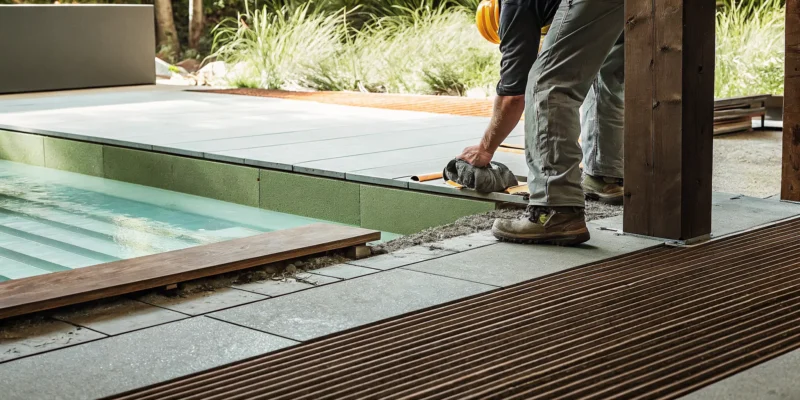
Installer laying the largest porcelain pavers for a pool deck on Long Island, NY.

A Guide to Largest Porcelain Pavers Installers on Long Island

You may have heard a few things about porcelain pavers, and not all of it is accurate. Some people worry they’re slippery when wet or too fragile for a high-traffic area like a driveway. It’s time to set the record straight. Modern, outdoor-rated porcelain pavers are specifically designed with a slip-resistant texture and are incredibly strong, making them a safe and durable choice for any application. As one of the largest porcelain pavers installers on Long Island NY, we want to clear up the myths and show you why this material is a game-changer for local homeowners seeking both elegance and performance.

Key Takeaways

  • Porcelain is built for Long Island’s climate: Its non-porous surface resists cracking during winter freezes and staining from summer spills, giving you a beautiful outdoor space without the constant upkeep.
  • Your installer is as important as the material: Look for a licensed and insured local professional with a strong portfolio and positive reviews to ensure your investment is installed correctly and built to last.
  • Think about long-term value, not just the initial price: Porcelain’s durability and low maintenance needs save you money over time, as you avoid the recurring costs of sealing and repairs common with other materials.

Why Choose Porcelain Pavers for Your Long Island Home?

When you’re planning a new patio, pool deck, or walkway, the material you choose makes all the difference. You want something that not only looks incredible but can also stand up to our unique Long Island climate. That’s where porcelain pavers come in. They offer a perfect combination of sophisticated style, rugged durability, and surprisingly low maintenance, making them an ideal choice for any outdoor project. Let’s walk through exactly why so many homeowners are making the switch to porcelain.

Built to Last Through Long Island Weather

Here on Long Island, our outdoor surfaces go through a lot, from humid summer days to freezing winter nights. Porcelain pavers are specifically engineered to handle these extremes. Because they are non-porous, they absorb very little water. This is a huge advantage during the winter, as it prevents the cracking that can happen when water seeps into other materials, freezes, and expands.

This incredible density also makes them resistant to fading from the sun and damage from salt used for de-icing. When you invest in a beautiful outdoor space, you want it to last for years without constant worry. With a wide selection of high-quality porcelain and natural stone pavers, you can create a space that stays beautiful season after season.

Enjoy More Time Outside, Less Time on Upkeep

Your backyard should be a place for relaxation, not a source of endless chores. Porcelain pavers make that possible. Their non-porous surface is a game-changer for maintenance because it resists stains from common culprits like spilled drinks, grill grease, and fallen leaves. A simple sweep and occasional wash with soap and water are usually all it takes to keep them looking brand new.

Unlike natural stone or concrete pavers, porcelain doesn’t need to be sealed every few years to protect it from the elements. This saves you both time and money over the long run. While other materials may require professional cleaning and sealing services to stay in top shape, porcelain’s built-in resilience lets you spend more time enjoying your home and less time working on it.

A Style for Every Home

One of the best things about porcelain is its incredible design versatility. Thanks to modern manufacturing, porcelain pavers can replicate the look of high-end materials like natural stone, rich hardwoods, or sleek concrete, but without their associated maintenance issues. Whether your home’s style is classic, coastal, or contemporary, there’s a porcelain paver to match.

You can choose from a huge range of colors, patterns, and textures to create a truly custom look. This flexibility allows our masonry design experts to craft a cohesive design that flows perfectly from your home to your outdoor living area. You get the exact aesthetic you want with the unmatched performance of porcelain.

Clearing Up Common Myths About Porcelain

A few misconceptions about porcelain pavers still float around, so let’s clear them up. First is the idea that they’re slippery when wet. In reality, outdoor-rated porcelain pavers are manufactured with a textured, slip-resistant surface, making them a safe and popular choice for swimming pool decks and walkways. You can feel confident knowing your family has a secure surface to walk on, even after a summer rainstorm.

Another myth is that porcelain is fragile. While indoor porcelain tile can be delicate, porcelain pavers are much thicker and are fired at extremely high temperatures, making them incredibly strong and durable. They can easily handle heavy patio furniture and high foot traffic without chipping or breaking. They truly offer the best of both worlds: elegant looks and powerful performance.

Finding a Premier Porcelain Paver Installer on Long Island

Choosing the right installer for your porcelain pavers is just as important as selecting the pavers themselves. The right team will ensure your patio, walkway, or pool deck is not only beautiful but also built to withstand Long Island’s diverse weather for years to come. A premier installer brings a level of expertise and care that protects your investment and brings your vision to life without a hitch. So, how do you spot a true professional in a sea of options? It comes down to a few key qualities that separate the best from the rest.

What Sets a Premier Installer Apart?

A premier porcelain paver installer is defined by their exceptional craftsmanship, deep experience, and a stellar reputation within the community. It’s about more than just laying stones; it’s about understanding the art and science behind a lasting installation. This includes meticulous site preparation, precise cuts, and a flawless finish. An experienced team knows the specific challenges of Long Island soil and climate, ensuring your project has the proper foundation to prevent shifting and cracking. Their quality craftsmanship is evident in their portfolio and in the glowing reviews from homeowners they’ve worked with. They are professionals who take pride in their work and stand behind it.

Gappsi: Your Local Porcelain Experts

When it comes to finding a trusted local expert, Gappsi is a leading choice for homeowners. We specialize in expert porcelain paver installation, combining technical skill with a keen eye for design to create stunning outdoor spaces. Our commitment to quality means we handle every aspect of the project, from the initial design consultation to the final sweep-up, ensuring a seamless and stress-free experience for you. We believe in building relationships with our clients based on trust and satisfaction. Choosing Gappsi means partnering with a team that is dedicated to transforming your property with durable, beautiful, and expertly installed porcelain pavers.

Serving Homeowners Across Nassau and Suffolk Counties

As a dedicated Long Island company, we have a deep understanding of the local landscape. We proudly serve homeowners throughout both Nassau and Suffolk County, tailoring our services to meet the unique style and functional needs of each community. Being local means we’re familiar with regional building codes and environmental factors, ensuring your project is compliant and built to last. We are more than just contractors; we are your neighbors. As a reliable home improvement company, our reputation is built on years of successful projects and happy clients right here on Long Island. We are committed to enhancing our local communities one beautiful home at a time.

How to Choose the Right Porcelain Paver Installer

You’ve decided on porcelain pavers, a fantastic choice for creating a durable and beautiful outdoor space. But the quality of your new patio, walkway, or pool deck depends just as much on the installer as it does on the materials. The right team will not only ensure a flawless finish but also make the entire process smooth and stress-free. A premier installer brings more than just tools to the job; they bring years of local experience, a deep understanding of materials, and a commitment to quality that shows in every detail.

Choosing an installer can feel overwhelming, but it doesn’t have to be. By focusing on a few key areas, you can find a professional partner who will bring your vision to life with expert craftsmanship. It’s about finding a company that not only has the technical skills but also understands the unique landscape and building codes here on Long Island. Think of it as hiring a guide for your home improvement project, someone who can anticipate challenges and deliver a stunning result. Here’s a straightforward guide to help you vet potential installers and make a choice you’ll be happy with for years to come.

Look for Proven Experience

When you’re investing in your home, you want an installer with a proven track record. Look for a company that has been serving Long Island for years and has a positive reputation for delivering quality service. An experienced team knows how to handle the specific challenges of our local soil and weather conditions, ensuring your pavers are installed to last. They’ve seen it all and can provide valuable advice on design and materials. A long-standing presence in the community is a strong indicator of reliability and expertise, so ask how long they’ve been in business and about their experience with porcelain and natural stone.

Verify Licenses and Insurance

This step is non-negotiable. Before hiring anyone, confirm they are a fully licensed and insured home improvement contractor. Proper licensing shows that the company meets state and local requirements, while insurance protects you from liability in case of an accident on your property. A professional company will have no problem providing you with proof of their credentials. For example, Gappsi is a licensed company that has been serving homeowners across Nassau and Suffolk County for decades. This simple check gives you peace of mind and ensures your project is in professional hands from start to finish. Don’t be afraid to ask for documentation; it’s a standard part of the vetting process.

Review Their Past Projects

The best way to gauge an installer’s quality of work is to see it for yourself. Ask to see a portfolio of their completed porcelain paver projects. Pay close attention to the details: Are the lines clean and straight? Is the spacing between pavers consistent? Does the overall finish look professional? Look for installers who proudly showcase their work with high-quality photos and project descriptions. Seeing real examples of their masonry work will give you a clear idea of their style and craftsmanship, helping you decide if they’re the right fit for your vision. A strong portfolio is a sign of a confident and capable team.

Read What Other Homeowners Are Saying

Customer reviews and testimonials are an invaluable resource. See what other Long Island homeowners have to say about their experience with the installer. Check online reviews on sites like Google and Yelp, and look for testimonials on the company’s website. Pay attention to comments about their professionalism, communication, and attention to detail. While a single negative review isn’t necessarily a deal-breaker, a pattern of complaints is a major red flag. Positive feedback that highlights excellent workmanship and a smooth process can help you feel much more confident in your decision. You can even ask the company for a list of references you can speak with directly.

What’s the Investment for Porcelain Pavers on Long Island?

When you’re planning a new patio, pool deck, or walkway, one of the first questions you’ll have is about the cost. Understanding the investment is a key part of the process, and with porcelain pavers, the final price tag depends on a few important factors. While porcelain is a premium material, its incredible durability and low maintenance can offer fantastic long-term value for your home.

Think of it this way: you’re not just buying pavers, you’re investing in a beautiful, functional outdoor space that will last for decades. The total cost includes the materials themselves, the professional installation required to ensure a perfect finish, and site-specific preparations. To give you a clear picture of what to expect, let’s break down the costs associated with installing porcelain pavers on Long Island. This will help you budget effectively and make an informed decision for your home improvement project.

Breaking Down Material Costs

The price of porcelain pavers themselves can vary quite a bit. On average, you can expect the material to cost between $3 and $35 per square foot. This wide range reflects the incredible variety available in today’s market. Factors like the paver’s size, thickness, color, and finish all play a role in the final price. For example, a standard-sized paver in a common color will be on the lower end of the scale, while a large-format tile with a specialized, wood-grain texture will be at the higher end. At Gappsi, we offer a curated selection of high-quality porcelain and natural stone pavers to match any design aesthetic and budget.

Understanding Installation Costs

Professional installation is just as important as the quality of the pavers you choose. For a paver patio project on Long Island, homeowners typically spend between $30 and $45 per square foot for installation. This cost covers much more than just laying the stones. It includes the skilled labor of an experienced team, essential site preparation like excavation and grading, and the creation of a solid base with materials like gravel and sand. This foundation is critical for preventing shifting and ensuring your patio remains level and beautiful for years. Investing in expert masonry services guarantees the job is done right the first time.

What Influences the Final Price?

Several local factors can influence the total cost of your porcelain paver project. The size and complexity of the design are major drivers; a large, curved patio with intricate patterns will require more labor and materials than a simple, rectangular walkway. The existing condition of your property also matters. If your yard has significant slopes or poor soil, more extensive site preparation will be needed to create a stable base. Finally, access to the installation area can affect the price. If the site is difficult for machinery and crews to reach, it may add to the labor hours required to complete the job.

How Porcelain Compares to Other Materials

When comparing materials, it’s helpful to look beyond the initial price per square foot. While porcelain pavers, at $3 to $35 per square foot, can have a higher upfront material cost than options like flagstone ($2 to $6 per square foot), they often provide better long-term value. Porcelain is non-porous, meaning it resists stains, mold, and mildew without needing to be sealed. It’s also incredibly strong and won’t fade from sun exposure. In contrast, other materials may require regular sealing, cleaning, and even replacement over time. This makes porcelain a smart, low-maintenance choice that keeps your outdoor space looking pristine with minimal effort.

Key Questions to Ask Your Installer

Once you’ve narrowed down your list of potential installers, it’s time to have a real conversation. Think of this as an interview where you’re hiring a partner for a major home project. Asking the right questions upfront ensures you and your installer are on the same page, which helps prevent surprises down the road. A premier installer will welcome your questions and provide clear, confident answers. This initial discussion sets the tone for the entire project, so don’t be shy about getting the details you need to feel comfortable and excited about moving forward.

What’s the installation process and timeline?

Understanding the step-by-step plan is essential for managing your expectations. Ask for a breakdown of the entire process, from site preparation to the final cleanup. Porcelain pavers require a solid, well-prepared base to ensure they last, and the installation can vary depending on your specific project. A clear timeline helps you plan your life around the work and know what to expect each day. Your installer should be able to give you a realistic start date and an estimated completion date, while also explaining how factors like weather could impact the schedule.

What warranties or guarantees do you offer?

A beautiful new patio or pool deck is a significant investment, and you want to know it’s protected. When you’re talking to an installer, be sure to ask about the warranties or guarantees they provide for their work. A reputable company will stand behind their craftsmanship and the materials they use. This should cover both the porcelain pavers themselves and the quality of the installation. Having a solid warranty gives you peace of mind, knowing that if any issues arise, your installer will be there to make it right.

Can we discuss design and material options?

This is where your vision starts to take shape. Your installer should be a creative partner, ready to explore different designs and material choices with you. Gappsi offers a wide selection of porcelain and natural stone pavers that can be customized to fit your home’s style and your family’s needs. Discuss the colors, textures, sizes, and patterns you’re interested in. A great installer will listen to your ideas, offer professional suggestions, and help you select the perfect materials to create a beautiful and functional outdoor space you’ll love for years.

What site preparation is needed?

Proper site preparation is the foundation of a long-lasting paver installation. This step is crucial, so you’ll want to understand exactly what it involves for your property. Ask your installer what kind of work is needed before the first paver is laid. This often includes grading the land for proper drainage, laying a specific base of materials, and ensuring the entire area is stable. A thorough masonry expert will explain why these steps are important for preventing shifting, cracking, and water issues in the future.

Transform Your Space: Ideal Projects for Porcelain Pavers

Porcelain pavers are incredibly versatile, making them a fantastic choice for almost any outdoor project you can dream up. Because they combine strength with sophisticated style, you can use them to create cohesive, beautiful spaces that flow from your front yard to your back. If you’re looking for inspiration, here are a few of the best ways to use porcelain pavers to completely change the look and feel of your Long Island home.

Patios and Outdoor Living Spaces

Porcelain pavers are a wonderfully adaptable and resilient option for improving your outdoor area. Their versatility allows you to create stunning patios that serve as a true extension of your indoor living space. Imagine a seamless transition from your kitchen to an outdoor dining area perfect for summer barbecues. With a huge range of colors and textures, you can find the perfect porcelain and natural stone to match your home’s architecture and your personal style. Best of all, their non-porous surface resists stains from spilled wine or food, so you can spend more time relaxing and less time cleaning.

Stunning and Safe Pool Decks

When it comes to your pool area, safety and style are equally important. Porcelain pavers are designed with slip-resistant properties, making them a perfect choice for surrounding pools and spas. This feature gives you peace of mind, especially if you have kids or frequently host guests. Beyond safety, porcelain adds a touch of elegance to your poolside environment, creating a high-end, resort-like feel. They also stand up beautifully to pool chemicals and salt water without fading or deteriorating. A porcelain paver deck is a key element in designing beautiful and functional swimming pools that become the centerpiece of your backyard.

Elegant Driveways and Walkways

Your driveway and walkways are the first things people see, and porcelain pavers can make a lasting first impression. They are incredibly durable and built to last, easily resisting harsh weather, fading, and stains from cars. This makes them a great choice for high-traffic areas. Using thicker pavers ensures your driveway can handle the weight of vehicles while maintaining its flawless appearance. This upgrade in masonry not only looks fantastic but also adds significant curb appeal and value to your property for years to come.

What to Expect During Your Paver Installation

Knowing what happens during a paver installation can make the entire process feel much more manageable. When you partner with an experienced team, you can expect a clear, streamlined process from the first design sketch to the final walkthrough. A professional installation is more than just laying down stones; it’s a carefully orchestrated project designed to bring your vision to life with precision and care. We handle the heavy lifting and technical details so you can focus on how you’ll enjoy your beautiful new space. Here’s a look at the key stages of a typical porcelain paver project.

Step 1: Design and Planning

This is where the fun begins. The design and planning phase is all about turning your ideas into a workable blueprint. We’ll sit down with you to discuss your goals, from the overall aesthetic to how you plan to use the space. Porcelain pavers open up a world of design possibilities, allowing you to create special patterns and distinct zones for dining, lounging, or playing. Whether you envision a sleek, modern patio or a classic walkway, we’ll help you select the perfect size, color, and texture from our extensive collection of porcelain and natural stone. We’ll also map out the project area, ensuring the final layout complements your home and landscape perfectly.

Step 2: The Expert Installation

Once the design is finalized, our skilled crew gets to work. Installing porcelain pavers requires a great deal of care and precision, as any mistakes can be easy to see. That’s why it’s so important to work with experienced professionals who understand the nuances of the material. The process starts with preparing the site, which involves excavation and creating a stable, compacted base for the pavers. Our masonry experts then carefully lay each paver according to the design, ensuring level surfaces, consistent spacing, and proper drainage to handle Long Island’s weather. This foundational work is critical for a beautiful, long-lasting result.

Step 3: Final Touches and Project Completion

The final stage is all about the details that elevate a project from good to great. After the pavers are laid, we fill the joints with a specialized sand or grout to lock them in place and prevent weed growth. Our team works hard and cleans up the site daily, respecting your property throughout the entire process. We believe that excellent workmanship and attention to detail are what make a project truly stand out. Before we consider the job done, we’ll do a final walkthrough with you to ensure every detail meets your expectations. We also offer restoration and sealing services to keep your new pavers looking pristine for years to come.

Why Go with a Local Long Island Installer?

When you’re planning a significant home upgrade like a new porcelain paver patio or pool deck, the installer you choose is just as important as the materials. While national companies might seem appealing, there’s a distinct advantage to working with a team that lives and breathes Long Island. A local installer isn’t just working in your town; they’re part of your community. They understand the specific challenges and opportunities that come with building here, from navigating local permits and zoning laws to selecting materials that can handle our unique coastal weather. This deep-seated local knowledge is something you simply can’t get from a company based hundreds of miles away.

Choosing a local expert means you get more than just a contractor. You get a partner who is invested in your project’s success because their reputation is built right here on the Island, one beautiful project at a time. They’re familiar with the local architecture and landscape design trends, ensuring your new space feels like a natural extension of your home. This local insight, combined with personalized attention and a commitment to the community, makes a world of difference in both the final product and your overall experience. It’s about building a relationship with a team you can count on long after the project is complete, knowing they are just around the corner if you need them.

Expertise in Long Island’s Unique Climate

Long Island’s weather is beautiful but demanding. We have hot, humid summers, salty air along the coasts, and winters with freeze-thaw cycles that can wreak havoc on outdoor surfaces. A local installer understands this firsthand. They know which porcelain and natural stone pavers have the durability to withstand these conditions without cracking, fading, or becoming dangerously slippery. This expertise also extends to the installation process itself, from creating a proper base that allows for drainage to using jointing compounds that can handle temperature swings. This knowledge is key to creating a beautiful outdoor space that lasts for decades, not just a few seasons.

Personalized Service and Ongoing Support

Working with a local Long Island company means you’re a neighbor, not a number. You can expect direct communication with the people actually working on your home, making it easier to ask questions and share your vision. Local teams pride themselves on building relationships and earning trust through clear, consistent service. Because their business depends on local referrals, they are deeply committed to your satisfaction. This personal touch continues even after the job is done. If you have a question or need support down the road, your trusted local team is just a phone call away, ready to help maintain your beautiful investment.

Invest in Your Community

Choosing a local installer is an investment in your own community. When you hire a company like Gappsi, you’re supporting local jobs and contributing to the Long Island economy. These are the businesses that sponsor local sports teams and participate in community events. They have a vested interest in maintaining a stellar reputation among their neighbors, which translates to higher standards of quality and accountability for your project. By hiring locally, you’re not just getting a beautiful new patio or swimming pool deck; you’re strengthening the community you call home.

Keeping Your New Porcelain Pavers Looking Their Best

One of the best parts of choosing porcelain pavers is how simple they are to maintain. You get to spend more time enjoying your beautiful new patio, pool deck, or driveway and less time working on it. While porcelain is incredibly durable and stain-resistant, a little routine care will ensure it looks brand new for years to come. Following a few straightforward steps for cleaning and seasonal prep will protect your investment and keep your outdoor space looking pristine.

Simple Cleaning Tips

Keeping your porcelain pavers clean is refreshingly easy. For day-to-day upkeep, a quick sweep with a broom to clear away leaves, dirt, and other debris is all you need. When it’s time for a more thorough cleaning, a simple mixture of mild soap and warm water applied with a mop or soft-bristle brush will do the trick. It’s best to avoid harsh, acidic chemicals, as they can damage the paver’s surface over time. If you encounter a tougher stain, you can use a pressure washer on a low setting. For more significant cleaning jobs, Gappsi offers professional restoration and sealing services to bring back that original sparkle.

Prepping Your Pavers for Every Season

Long Island weather can be unpredictable, but porcelain pavers are built to handle it all. Their dense, non-porous structure makes them resistant to the freeze-thaw cycles of winter, preventing cracking and damage. In the summer, they stand up to strong sunlight without fading. This durability makes them a fantastic choice for any outdoor application, from patios to walkways. Because they are non-slip, they are especially ideal for pool areas, providing a safe surface around the water. They can even endure de-icing salts in the winter, so you don’t have to worry about keeping your driveway and walkways clear.

When to Call for Professional Care

While daily maintenance is a breeze, there are times when calling in a professional is the best move. If a paver happens to get chipped or cracked from a heavy impact, replacing it requires precision to ensure it matches the rest of the installation seamlessly. You might also consider professional help for a very deep cleaning after a harsh winter or if you have stubborn stains you can’t seem to remove on your own. Our expert team has the right tools and experience to handle repairs and intensive cleaning, ensuring your porcelain pavers continue to look flawless without any risk of damage.

Related Articles

Frequently Asked Questions

Are porcelain pavers slippery, especially around a pool? This is a great question and a common concern. While indoor porcelain tile can be slick, outdoor-rated porcelain pavers are specifically made with a textured, slip-resistant finish. This makes them one of the safest and most popular choices for pool decks and walkways where surfaces are likely to get wet. You can feel confident that you’re choosing a material that provides a secure footing for your family and guests.

How do porcelain pavers hold up during Long Island’s freeze-thaw cycles? They perform exceptionally well, which is a major reason they’re so well-suited for our climate. Porcelain is non-porous, meaning it absorbs almost no water. During the winter, this prevents water from seeping in, freezing, expanding, and causing the cracks you often see in other materials. This incredible density makes them a durable, worry-free option that can handle our toughest winters without damage.

What makes porcelain a better long-term value than cheaper options like concrete pavers? While the initial material cost for porcelain can be higher, it often saves you money over time. Think about the upkeep. Concrete and many natural stones need to be professionally cleaned and sealed every few years to prevent staining and weather damage. Porcelain’s non-porous surface naturally resists stains, mold, and fading from the sun, so you never have to seal it. That lack of long-term maintenance costs adds up to significant savings and less work for you.

Do porcelain pavers get too hot for bare feet in the summer? Like any surface exposed to direct sunlight, porcelain pavers will absorb some heat. However, they generally stay cooler than materials like bluestone or dark concrete. If heat is a major concern for a poolside area or a patio where you’ll be barefoot often, choosing a lighter color paver can make a big difference. Lighter shades reflect more sunlight and will stay much more comfortable to the touch on hot days.

How long does a typical installation take from start to finish? The timeline for a project really depends on its size and complexity. A straightforward rectangular patio might take a week or two, while a more intricate project with multiple levels, curves, or a large pool deck could take longer. The process includes essential site preparation, building a proper base, and carefully laying the pavers. A professional installer can give you a much more precise timeline after seeing your space and discussing your specific design.

Share this page:
Installer laying the largest porcelain pavers for a pool deck on Long Island, NY.

A Guide to Largest Porcelain Pavers Installers on Long Island

You may have heard a few things about porcelain pavers, and not all of it is accurate. Some people worry they’re slippery when wet or too fragile for a high-traffic area like a driveway. It’s time to set the record straight. Modern, outdoor-rated porcelain pavers are specifically designed with a slip-resistant texture and are incredibly strong, making them a safe and durable choice for any application. As one of the largest porcelain pavers installers on Long Island NY, we want to clear up the myths and show you why this material is a game-changer for local homeowners seeking both elegance and performance.

Key Takeaways

  • Porcelain is built for Long Island’s climate: Its non-porous surface resists cracking during winter freezes and staining from summer spills, giving you a beautiful outdoor space without the constant upkeep.
  • Your installer is as important as the material: Look for a licensed and insured local professional with a strong portfolio and positive reviews to ensure your investment is installed correctly and built to last.
  • Think about long-term value, not just the initial price: Porcelain’s durability and low maintenance needs save you money over time, as you avoid the recurring costs of sealing and repairs common with other materials.

Why Choose Porcelain Pavers for Your Long Island Home?

When you’re planning a new patio, pool deck, or walkway, the material you choose makes all the difference. You want something that not only looks incredible but can also stand up to our unique Long Island climate. That’s where porcelain pavers come in. They offer a perfect combination of sophisticated style, rugged durability, and surprisingly low maintenance, making them an ideal choice for any outdoor project. Let’s walk through exactly why so many homeowners are making the switch to porcelain.

Built to Last Through Long Island Weather

Here on Long Island, our outdoor surfaces go through a lot, from humid summer days to freezing winter nights. Porcelain pavers are specifically engineered to handle these extremes. Because they are non-porous, they absorb very little water. This is a huge advantage during the winter, as it prevents the cracking that can happen when water seeps into other materials, freezes, and expands.

This incredible density also makes them resistant to fading from the sun and damage from salt used for de-icing. When you invest in a beautiful outdoor space, you want it to last for years without constant worry. With a wide selection of high-quality porcelain and natural stone pavers, you can create a space that stays beautiful season after season.

Enjoy More Time Outside, Less Time on Upkeep

Your backyard should be a place for relaxation, not a source of endless chores. Porcelain pavers make that possible. Their non-porous surface is a game-changer for maintenance because it resists stains from common culprits like spilled drinks, grill grease, and fallen leaves. A simple sweep and occasional wash with soap and water are usually all it takes to keep them looking brand new.

Unlike natural stone or concrete pavers, porcelain doesn’t need to be sealed every few years to protect it from the elements. This saves you both time and money over the long run. While other materials may require professional cleaning and sealing services to stay in top shape, porcelain’s built-in resilience lets you spend more time enjoying your home and less time working on it.

A Style for Every Home

One of the best things about porcelain is its incredible design versatility. Thanks to modern manufacturing, porcelain pavers can replicate the look of high-end materials like natural stone, rich hardwoods, or sleek concrete, but without their associated maintenance issues. Whether your home’s style is classic, coastal, or contemporary, there’s a porcelain paver to match.

You can choose from a huge range of colors, patterns, and textures to create a truly custom look. This flexibility allows our masonry design experts to craft a cohesive design that flows perfectly from your home to your outdoor living area. You get the exact aesthetic you want with the unmatched performance of porcelain.

Clearing Up Common Myths About Porcelain

A few misconceptions about porcelain pavers still float around, so let’s clear them up. First is the idea that they’re slippery when wet. In reality, outdoor-rated porcelain pavers are manufactured with a textured, slip-resistant surface, making them a safe and popular choice for swimming pool decks and walkways. You can feel confident knowing your family has a secure surface to walk on, even after a summer rainstorm.

Another myth is that porcelain is fragile. While indoor porcelain tile can be delicate, porcelain pavers are much thicker and are fired at extremely high temperatures, making them incredibly strong and durable. They can easily handle heavy patio furniture and high foot traffic without chipping or breaking. They truly offer the best of both worlds: elegant looks and powerful performance.

Finding a Premier Porcelain Paver Installer on Long Island

Choosing the right installer for your porcelain pavers is just as important as selecting the pavers themselves. The right team will ensure your patio, walkway, or pool deck is not only beautiful but also built to withstand Long Island’s diverse weather for years to come. A premier installer brings a level of expertise and care that protects your investment and brings your vision to life without a hitch. So, how do you spot a true professional in a sea of options? It comes down to a few key qualities that separate the best from the rest.

What Sets a Premier Installer Apart?

A premier porcelain paver installer is defined by their exceptional craftsmanship, deep experience, and a stellar reputation within the community. It’s about more than just laying stones; it’s about understanding the art and science behind a lasting installation. This includes meticulous site preparation, precise cuts, and a flawless finish. An experienced team knows the specific challenges of Long Island soil and climate, ensuring your project has the proper foundation to prevent shifting and cracking. Their quality craftsmanship is evident in their portfolio and in the glowing reviews from homeowners they’ve worked with. They are professionals who take pride in their work and stand behind it.

Gappsi: Your Local Porcelain Experts

When it comes to finding a trusted local expert, Gappsi is a leading choice for homeowners. We specialize in expert porcelain paver installation, combining technical skill with a keen eye for design to create stunning outdoor spaces. Our commitment to quality means we handle every aspect of the project, from the initial design consultation to the final sweep-up, ensuring a seamless and stress-free experience for you. We believe in building relationships with our clients based on trust and satisfaction. Choosing Gappsi means partnering with a team that is dedicated to transforming your property with durable, beautiful, and expertly installed porcelain pavers.

Serving Homeowners Across Nassau and Suffolk Counties

As a dedicated Long Island company, we have a deep understanding of the local landscape. We proudly serve homeowners throughout both Nassau and Suffolk County, tailoring our services to meet the unique style and functional needs of each community. Being local means we’re familiar with regional building codes and environmental factors, ensuring your project is compliant and built to last. We are more than just contractors; we are your neighbors. As a reliable home improvement company, our reputation is built on years of successful projects and happy clients right here on Long Island. We are committed to enhancing our local communities one beautiful home at a time.

How to Choose the Right Porcelain Paver Installer

You’ve decided on porcelain pavers, a fantastic choice for creating a durable and beautiful outdoor space. But the quality of your new patio, walkway, or pool deck depends just as much on the installer as it does on the materials. The right team will not only ensure a flawless finish but also make the entire process smooth and stress-free. A premier installer brings more than just tools to the job; they bring years of local experience, a deep understanding of materials, and a commitment to quality that shows in every detail.

Choosing an installer can feel overwhelming, but it doesn’t have to be. By focusing on a few key areas, you can find a professional partner who will bring your vision to life with expert craftsmanship. It’s about finding a company that not only has the technical skills but also understands the unique landscape and building codes here on Long Island. Think of it as hiring a guide for your home improvement project, someone who can anticipate challenges and deliver a stunning result. Here’s a straightforward guide to help you vet potential installers and make a choice you’ll be happy with for years to come.

Look for Proven Experience

When you’re investing in your home, you want an installer with a proven track record. Look for a company that has been serving Long Island for years and has a positive reputation for delivering quality service. An experienced team knows how to handle the specific challenges of our local soil and weather conditions, ensuring your pavers are installed to last. They’ve seen it all and can provide valuable advice on design and materials. A long-standing presence in the community is a strong indicator of reliability and expertise, so ask how long they’ve been in business and about their experience with porcelain and natural stone.

Verify Licenses and Insurance

This step is non-negotiable. Before hiring anyone, confirm they are a fully licensed and insured home improvement contractor. Proper licensing shows that the company meets state and local requirements, while insurance protects you from liability in case of an accident on your property. A professional company will have no problem providing you with proof of their credentials. For example, Gappsi is a licensed company that has been serving homeowners across Nassau and Suffolk County for decades. This simple check gives you peace of mind and ensures your project is in professional hands from start to finish. Don’t be afraid to ask for documentation; it’s a standard part of the vetting process.

Review Their Past Projects

The best way to gauge an installer’s quality of work is to see it for yourself. Ask to see a portfolio of their completed porcelain paver projects. Pay close attention to the details: Are the lines clean and straight? Is the spacing between pavers consistent? Does the overall finish look professional? Look for installers who proudly showcase their work with high-quality photos and project descriptions. Seeing real examples of their masonry work will give you a clear idea of their style and craftsmanship, helping you decide if they’re the right fit for your vision. A strong portfolio is a sign of a confident and capable team.

Read What Other Homeowners Are Saying

Customer reviews and testimonials are an invaluable resource. See what other Long Island homeowners have to say about their experience with the installer. Check online reviews on sites like Google and Yelp, and look for testimonials on the company’s website. Pay attention to comments about their professionalism, communication, and attention to detail. While a single negative review isn’t necessarily a deal-breaker, a pattern of complaints is a major red flag. Positive feedback that highlights excellent workmanship and a smooth process can help you feel much more confident in your decision. You can even ask the company for a list of references you can speak with directly.

What’s the Investment for Porcelain Pavers on Long Island?

When you’re planning a new patio, pool deck, or walkway, one of the first questions you’ll have is about the cost. Understanding the investment is a key part of the process, and with porcelain pavers, the final price tag depends on a few important factors. While porcelain is a premium material, its incredible durability and low maintenance can offer fantastic long-term value for your home.

Think of it this way: you’re not just buying pavers, you’re investing in a beautiful, functional outdoor space that will last for decades. The total cost includes the materials themselves, the professional installation required to ensure a perfect finish, and site-specific preparations. To give you a clear picture of what to expect, let’s break down the costs associated with installing porcelain pavers on Long Island. This will help you budget effectively and make an informed decision for your home improvement project.

Breaking Down Material Costs

The price of porcelain pavers themselves can vary quite a bit. On average, you can expect the material to cost between $3 and $35 per square foot. This wide range reflects the incredible variety available in today’s market. Factors like the paver’s size, thickness, color, and finish all play a role in the final price. For example, a standard-sized paver in a common color will be on the lower end of the scale, while a large-format tile with a specialized, wood-grain texture will be at the higher end. At Gappsi, we offer a curated selection of high-quality porcelain and natural stone pavers to match any design aesthetic and budget.

Understanding Installation Costs

Professional installation is just as important as the quality of the pavers you choose. For a paver patio project on Long Island, homeowners typically spend between $30 and $45 per square foot for installation. This cost covers much more than just laying the stones. It includes the skilled labor of an experienced team, essential site preparation like excavation and grading, and the creation of a solid base with materials like gravel and sand. This foundation is critical for preventing shifting and ensuring your patio remains level and beautiful for years. Investing in expert masonry services guarantees the job is done right the first time.

What Influences the Final Price?

Several local factors can influence the total cost of your porcelain paver project. The size and complexity of the design are major drivers; a large, curved patio with intricate patterns will require more labor and materials than a simple, rectangular walkway. The existing condition of your property also matters. If your yard has significant slopes or poor soil, more extensive site preparation will be needed to create a stable base. Finally, access to the installation area can affect the price. If the site is difficult for machinery and crews to reach, it may add to the labor hours required to complete the job.

How Porcelain Compares to Other Materials

When comparing materials, it’s helpful to look beyond the initial price per square foot. While porcelain pavers, at $3 to $35 per square foot, can have a higher upfront material cost than options like flagstone ($2 to $6 per square foot), they often provide better long-term value. Porcelain is non-porous, meaning it resists stains, mold, and mildew without needing to be sealed. It’s also incredibly strong and won’t fade from sun exposure. In contrast, other materials may require regular sealing, cleaning, and even replacement over time. This makes porcelain a smart, low-maintenance choice that keeps your outdoor space looking pristine with minimal effort.

Key Questions to Ask Your Installer

Once you’ve narrowed down your list of potential installers, it’s time to have a real conversation. Think of this as an interview where you’re hiring a partner for a major home project. Asking the right questions upfront ensures you and your installer are on the same page, which helps prevent surprises down the road. A premier installer will welcome your questions and provide clear, confident answers. This initial discussion sets the tone for the entire project, so don’t be shy about getting the details you need to feel comfortable and excited about moving forward.

What’s the installation process and timeline?

Understanding the step-by-step plan is essential for managing your expectations. Ask for a breakdown of the entire process, from site preparation to the final cleanup. Porcelain pavers require a solid, well-prepared base to ensure they last, and the installation can vary depending on your specific project. A clear timeline helps you plan your life around the work and know what to expect each day. Your installer should be able to give you a realistic start date and an estimated completion date, while also explaining how factors like weather could impact the schedule.

What warranties or guarantees do you offer?

A beautiful new patio or pool deck is a significant investment, and you want to know it’s protected. When you’re talking to an installer, be sure to ask about the warranties or guarantees they provide for their work. A reputable company will stand behind their craftsmanship and the materials they use. This should cover both the porcelain pavers themselves and the quality of the installation. Having a solid warranty gives you peace of mind, knowing that if any issues arise, your installer will be there to make it right.

Can we discuss design and material options?

This is where your vision starts to take shape. Your installer should be a creative partner, ready to explore different designs and material choices with you. Gappsi offers a wide selection of porcelain and natural stone pavers that can be customized to fit your home’s style and your family’s needs. Discuss the colors, textures, sizes, and patterns you’re interested in. A great installer will listen to your ideas, offer professional suggestions, and help you select the perfect materials to create a beautiful and functional outdoor space you’ll love for years.

What site preparation is needed?

Proper site preparation is the foundation of a long-lasting paver installation. This step is crucial, so you’ll want to understand exactly what it involves for your property. Ask your installer what kind of work is needed before the first paver is laid. This often includes grading the land for proper drainage, laying a specific base of materials, and ensuring the entire area is stable. A thorough masonry expert will explain why these steps are important for preventing shifting, cracking, and water issues in the future.

Transform Your Space: Ideal Projects for Porcelain Pavers

Porcelain pavers are incredibly versatile, making them a fantastic choice for almost any outdoor project you can dream up. Because they combine strength with sophisticated style, you can use them to create cohesive, beautiful spaces that flow from your front yard to your back. If you’re looking for inspiration, here are a few of the best ways to use porcelain pavers to completely change the look and feel of your Long Island home.

Patios and Outdoor Living Spaces

Porcelain pavers are a wonderfully adaptable and resilient option for improving your outdoor area. Their versatility allows you to create stunning patios that serve as a true extension of your indoor living space. Imagine a seamless transition from your kitchen to an outdoor dining area perfect for summer barbecues. With a huge range of colors and textures, you can find the perfect porcelain and natural stone to match your home’s architecture and your personal style. Best of all, their non-porous surface resists stains from spilled wine or food, so you can spend more time relaxing and less time cleaning.

Stunning and Safe Pool Decks

When it comes to your pool area, safety and style are equally important. Porcelain pavers are designed with slip-resistant properties, making them a perfect choice for surrounding pools and spas. This feature gives you peace of mind, especially if you have kids or frequently host guests. Beyond safety, porcelain adds a touch of elegance to your poolside environment, creating a high-end, resort-like feel. They also stand up beautifully to pool chemicals and salt water without fading or deteriorating. A porcelain paver deck is a key element in designing beautiful and functional swimming pools that become the centerpiece of your backyard.

Elegant Driveways and Walkways

Your driveway and walkways are the first things people see, and porcelain pavers can make a lasting first impression. They are incredibly durable and built to last, easily resisting harsh weather, fading, and stains from cars. This makes them a great choice for high-traffic areas. Using thicker pavers ensures your driveway can handle the weight of vehicles while maintaining its flawless appearance. This upgrade in masonry not only looks fantastic but also adds significant curb appeal and value to your property for years to come.

What to Expect During Your Paver Installation

Knowing what happens during a paver installation can make the entire process feel much more manageable. When you partner with an experienced team, you can expect a clear, streamlined process from the first design sketch to the final walkthrough. A professional installation is more than just laying down stones; it’s a carefully orchestrated project designed to bring your vision to life with precision and care. We handle the heavy lifting and technical details so you can focus on how you’ll enjoy your beautiful new space. Here’s a look at the key stages of a typical porcelain paver project.

Step 1: Design and Planning

This is where the fun begins. The design and planning phase is all about turning your ideas into a workable blueprint. We’ll sit down with you to discuss your goals, from the overall aesthetic to how you plan to use the space. Porcelain pavers open up a world of design possibilities, allowing you to create special patterns and distinct zones for dining, lounging, or playing. Whether you envision a sleek, modern patio or a classic walkway, we’ll help you select the perfect size, color, and texture from our extensive collection of porcelain and natural stone. We’ll also map out the project area, ensuring the final layout complements your home and landscape perfectly.

Step 2: The Expert Installation

Once the design is finalized, our skilled crew gets to work. Installing porcelain pavers requires a great deal of care and precision, as any mistakes can be easy to see. That’s why it’s so important to work with experienced professionals who understand the nuances of the material. The process starts with preparing the site, which involves excavation and creating a stable, compacted base for the pavers. Our masonry experts then carefully lay each paver according to the design, ensuring level surfaces, consistent spacing, and proper drainage to handle Long Island’s weather. This foundational work is critical for a beautiful, long-lasting result.

Step 3: Final Touches and Project Completion

The final stage is all about the details that elevate a project from good to great. After the pavers are laid, we fill the joints with a specialized sand or grout to lock them in place and prevent weed growth. Our team works hard and cleans up the site daily, respecting your property throughout the entire process. We believe that excellent workmanship and attention to detail are what make a project truly stand out. Before we consider the job done, we’ll do a final walkthrough with you to ensure every detail meets your expectations. We also offer restoration and sealing services to keep your new pavers looking pristine for years to come.

Why Go with a Local Long Island Installer?

When you’re planning a significant home upgrade like a new porcelain paver patio or pool deck, the installer you choose is just as important as the materials. While national companies might seem appealing, there’s a distinct advantage to working with a team that lives and breathes Long Island. A local installer isn’t just working in your town; they’re part of your community. They understand the specific challenges and opportunities that come with building here, from navigating local permits and zoning laws to selecting materials that can handle our unique coastal weather. This deep-seated local knowledge is something you simply can’t get from a company based hundreds of miles away.

Choosing a local expert means you get more than just a contractor. You get a partner who is invested in your project’s success because their reputation is built right here on the Island, one beautiful project at a time. They’re familiar with the local architecture and landscape design trends, ensuring your new space feels like a natural extension of your home. This local insight, combined with personalized attention and a commitment to the community, makes a world of difference in both the final product and your overall experience. It’s about building a relationship with a team you can count on long after the project is complete, knowing they are just around the corner if you need them.

Expertise in Long Island’s Unique Climate

Long Island’s weather is beautiful but demanding. We have hot, humid summers, salty air along the coasts, and winters with freeze-thaw cycles that can wreak havoc on outdoor surfaces. A local installer understands this firsthand. They know which porcelain and natural stone pavers have the durability to withstand these conditions without cracking, fading, or becoming dangerously slippery. This expertise also extends to the installation process itself, from creating a proper base that allows for drainage to using jointing compounds that can handle temperature swings. This knowledge is key to creating a beautiful outdoor space that lasts for decades, not just a few seasons.

Personalized Service and Ongoing Support

Working with a local Long Island company means you’re a neighbor, not a number. You can expect direct communication with the people actually working on your home, making it easier to ask questions and share your vision. Local teams pride themselves on building relationships and earning trust through clear, consistent service. Because their business depends on local referrals, they are deeply committed to your satisfaction. This personal touch continues even after the job is done. If you have a question or need support down the road, your trusted local team is just a phone call away, ready to help maintain your beautiful investment.

Invest in Your Community

Choosing a local installer is an investment in your own community. When you hire a company like Gappsi, you’re supporting local jobs and contributing to the Long Island economy. These are the businesses that sponsor local sports teams and participate in community events. They have a vested interest in maintaining a stellar reputation among their neighbors, which translates to higher standards of quality and accountability for your project. By hiring locally, you’re not just getting a beautiful new patio or swimming pool deck; you’re strengthening the community you call home.

Keeping Your New Porcelain Pavers Looking Their Best

One of the best parts of choosing porcelain pavers is how simple they are to maintain. You get to spend more time enjoying your beautiful new patio, pool deck, or driveway and less time working on it. While porcelain is incredibly durable and stain-resistant, a little routine care will ensure it looks brand new for years to come. Following a few straightforward steps for cleaning and seasonal prep will protect your investment and keep your outdoor space looking pristine.

Simple Cleaning Tips

Keeping your porcelain pavers clean is refreshingly easy. For day-to-day upkeep, a quick sweep with a broom to clear away leaves, dirt, and other debris is all you need. When it’s time for a more thorough cleaning, a simple mixture of mild soap and warm water applied with a mop or soft-bristle brush will do the trick. It’s best to avoid harsh, acidic chemicals, as they can damage the paver’s surface over time. If you encounter a tougher stain, you can use a pressure washer on a low setting. For more significant cleaning jobs, Gappsi offers professional restoration and sealing services to bring back that original sparkle.

Prepping Your Pavers for Every Season

Long Island weather can be unpredictable, but porcelain pavers are built to handle it all. Their dense, non-porous structure makes them resistant to the freeze-thaw cycles of winter, preventing cracking and damage. In the summer, they stand up to strong sunlight without fading. This durability makes them a fantastic choice for any outdoor application, from patios to walkways. Because they are non-slip, they are especially ideal for pool areas, providing a safe surface around the water. They can even endure de-icing salts in the winter, so you don’t have to worry about keeping your driveway and walkways clear.

When to Call for Professional Care

While daily maintenance is a breeze, there are times when calling in a professional is the best move. If a paver happens to get chipped or cracked from a heavy impact, replacing it requires precision to ensure it matches the rest of the installation seamlessly. You might also consider professional help for a very deep cleaning after a harsh winter or if you have stubborn stains you can’t seem to remove on your own. Our expert team has the right tools and experience to handle repairs and intensive cleaning, ensuring your porcelain pavers continue to look flawless without any risk of damage.

Related Articles

Frequently Asked Questions

Are porcelain pavers slippery, especially around a pool? This is a great question and a common concern. While indoor porcelain tile can be slick, outdoor-rated porcelain pavers are specifically made with a textured, slip-resistant finish. This makes them one of the safest and most popular choices for pool decks and walkways where surfaces are likely to get wet. You can feel confident that you’re choosing a material that provides a secure footing for your family and guests.

How do porcelain pavers hold up during Long Island’s freeze-thaw cycles? They perform exceptionally well, which is a major reason they’re so well-suited for our climate. Porcelain is non-porous, meaning it absorbs almost no water. During the winter, this prevents water from seeping in, freezing, expanding, and causing the cracks you often see in other materials. This incredible density makes them a durable, worry-free option that can handle our toughest winters without damage.

What makes porcelain a better long-term value than cheaper options like concrete pavers? While the initial material cost for porcelain can be higher, it often saves you money over time. Think about the upkeep. Concrete and many natural stones need to be professionally cleaned and sealed every few years to prevent staining and weather damage. Porcelain’s non-porous surface naturally resists stains, mold, and fading from the sun, so you never have to seal it. That lack of long-term maintenance costs adds up to significant savings and less work for you.

Do porcelain pavers get too hot for bare feet in the summer? Like any surface exposed to direct sunlight, porcelain pavers will absorb some heat. However, they generally stay cooler than materials like bluestone or dark concrete. If heat is a major concern for a poolside area or a patio where you’ll be barefoot often, choosing a lighter color paver can make a big difference. Lighter shades reflect more sunlight and will stay much more comfortable to the touch on hot days.

How long does a typical installation take from start to finish? The timeline for a project really depends on its size and complexity. A straightforward rectangular patio might take a week or two, while a more intricate project with multiple levels, curves, or a large pool deck could take longer. The process includes essential site preparation, building a proper base, and carefully laying the pavers. A professional installer can give you a much more precise timeline after seeing your space and discussing your specific design.

Share this page:
Modern porcelain pool copings with a slip-resistant tile surface beside the water.

Your Guide to Porcelain Tiles for Pool Copings

A swimming pool should be a source of relaxation, not a list of chores. Yet, many traditional coping materials demand constant attention. Natural stone needs regular sealing to prevent stains, while concrete can crack under the pressure of our harsh freeze-thaw cycles. These issues can turn your backyard oasis into a maintenance headache. This is exactly why so many homeowners are turning to a more resilient solution. Porcelain tiles for pool copings are engineered to resist stains, water damage, and fading, all without needing to be sealed. This guide will walk you through why this low-maintenance material is the perfect choice for a beautiful, worry-free pool.

Key Takeaways

  • Opt for porcelain for a low-maintenance finish: Its non-porous surface resists stains, weather damage, and fading, saving you time and money on upkeep compared to materials that require regular sealing.
  • Get your ideal look without compromising safety: Porcelain offers endless design options, from realistic wood grains to sleek stone, and comes in textured, slip-resistant finishes to keep your pool area safe for everyone.
  • Professional installation is non-negotiable: The long-term performance of porcelain coping depends on expert installation; using the correct adhesives and techniques is essential to prevent future issues and protect your investment.

What Are Porcelain Pool Copings?

If you’re planning a new pool or renovating an existing one, you’ve probably heard the term “coping.” Think of it as the frame for your masterpiece. It’s the material used to cap the edge of the pool shell, creating a finished look. While you have a few material options, porcelain has become a favorite for good reason. It’s a man-made product crafted from fine clay and fired at high temperatures, which makes it incredibly dense, strong, and beautiful.

What they are and why they matter

Porcelain pool copings are specially designed tiles that create a smooth, rounded border around your swimming pool. Unlike other materials, porcelain is non-porous, meaning it won’t absorb water. This prevents staining, frost damage, and the growth of mold or mildew, which is a huge deal for any outdoor surface, especially one that’s constantly exposed to chlorinated water and the elements here on Long Island. This durability matters because it translates directly to less work and fewer costs for you over time. You won’t have to worry about constant sealing or frequent repairs. Instead, you get a stunning, low-maintenance finish that lasts. Gappsi offers a curated collection of premium porcelain and natural stone that provides that perfect, lasting look for your backyard oasis.

The role of copings in pool safety and style

Coping isn’t just about looks; it serves a critical purpose for both safety and the structural health of your pool. The rounded edge, often called a bullnose, provides a secure and comfortable grip for swimmers as they enter or exit the water. Many porcelain tiles also feature a slightly textured, slip-resistant finish, adding an essential layer of safety for wet feet on the pool deck. Functionally, coping acts as a protective barrier. It directs water that splashes out of the pool away from the shell and into your deck drains. This prevents water from seeping behind the pool wall, which could cause serious damage over time. Aesthetically, the coping is what ties everything together, creating a seamless transition from your pool to your patio. The right choice can elevate your swimming pool from a simple backyard feature to a luxurious retreat.

Why Choose Porcelain for Your Pool Coping?

When you’re designing your dream pool, the details make all the difference. Pool coping, the material that caps the edge of your pool shell, is one of those crucial details. It’s not just about looks; it’s about safety, comfort, and longevity. While you have several options, porcelain has become a top choice for homeowners, and for good reason. It blends incredible strength with sophisticated style, giving you a beautiful finish that’s built to last.

Porcelain is an engineered material, which means it’s designed to overcome the common issues you see with other materials. It’s strong, non-porous, and incredibly versatile. Choosing porcelain for your pool coping means you’re investing in a material that will keep your pool area looking pristine with minimal effort. Let’s get into the specific benefits that make porcelain such a smart and stylish option for your Long Island home.

Unmatched durability and weather resistance

Here on Long Island, our pool materials have to withstand a lot, from scorching summer sun to freezing winter temperatures. Porcelain is exceptionally well-suited for this challenge. Because it’s fired at extremely high temperatures, it has a very low water absorption rate. This means it won’t soak up water that can freeze, expand, and cause cracks during the winter. Unlike some natural stones that can degrade over time, porcelain maintains its integrity year after year. This durability means fewer repairs and replacements down the road, making it a cost-effective choice for your swimming pool.

Low-maintenance for easy upkeep

Your pool should be a place for relaxation, not constant chores. Porcelain coping makes that possible. Its non-porous surface is highly resistant to stains from pool chemicals, spilled drinks, and even algae growth. A simple wipe-down is usually all it takes to keep it looking brand new. You won’t need to worry about annual sealing or special cleaners. This gives you an easy-maintenance, high-end finish that lets you spend more time enjoying your pool and less time working on it. You get a product that won’t fade, crack, stain, or be damaged by weather.

A safer, slip-resistant surface

Safety is always the top priority around a swimming pool, especially if you have kids or frequently host guests. Water and smooth surfaces can be a dangerous combination. Porcelain tiles are manufactured with safety in mind and are available in textured, matte finishes that provide excellent grip underfoot, even when wet. This slip-resistant quality offers peace of mind, allowing everyone to walk around the pool edge with confidence. When selecting your tiles, it’s important to choose a product specifically rated for pool decks and coping to ensure you get the right texture for maximum safety.

Versatile styles to match your aesthetic

Your pool coping should complement your home’s overall design, and porcelain offers endless possibilities to achieve your perfect look. Whether your style is modern, rustic, or classic, there’s a porcelain tile to match. These tiles are designed to “add an elegant and lasting look to your home.” You can find porcelain that beautifully mimics the appearance of natural stone, rich wood grains, or sleek concrete, all without the maintenance headaches of the real materials. You can explore a wide variety of these styles at the Gappsi Store to find the perfect finish for your outdoor oasis.

Porcelain vs. Other Coping Materials

When you’re deciding on the perfect finishing touch for your pool, it’s helpful to see how porcelain stacks up against other popular materials. Each option has its own unique profile when it comes to appearance, durability, and overall cost. The main contenders you’ll likely consider are natural stone, concrete, and brick. While all can create a functional pool edge, they differ quite a bit in maintenance needs and long-term performance. Understanding these differences will help you choose a material that not only fits your budget and style but also suits your lifestyle. Let’s break down how porcelain compares to the classics.

Porcelain vs. Natural Stone

Natural stone, like travertine or bluestone, offers a timeless, organic beauty that’s hard to deny. Each piece is unique, adding a touch of luxury that can attract future homebuyers. However, this beauty comes with responsibility. Natural stone is porous, meaning it needs to be sealed regularly to prevent stains and water damage. It can also be more expensive upfront. Porcelain, on the other hand, gives you the high-end look of stone without the demanding upkeep. Since it’s non-porous, you never have to seal it. It provides a consistent, durable surface that mimics the look of natural materials beautifully, making it a practical and cost-effective alternative. You can explore a wide variety of both porcelain and natural stone to see the difference for yourself.

Porcelain vs. Concrete and Brick

Concrete and brick are often seen as the most budget-friendly choices for pool coping. Poured or precast concrete can get the job done at a lower initial price point, but it comes with trade-offs. These materials can be rough on bare feet and swimsuits, and they are prone to cracking over time, especially with Long Island’s freeze-thaw cycles. They also require sealing to maintain their color and integrity. Porcelain offers a significant upgrade in both feel and function. Its smooth, dense surface is comfortable to walk on and incredibly resilient. It won’t fade in the sun or crack under pressure, giving your pool a polished, modern look that lasts for years. While Gappsi’s expert masonry team can install any material flawlessly, porcelain is the clear winner for durability.

A look at cost and long-term value

Thinking about the budget for your pool project involves more than just the initial price tag. While concrete may be the cheapest option upfront, porcelain often provides better long-term value. Its durability means you’ll spend far less on maintenance and repairs down the road. Unlike natural stone or concrete, porcelain doesn’t require costly annual treatments. You can skip the expense of professional cleaning and sealing services that other materials need to stay in good shape. By reducing these recurring costs, porcelain proves to be a smart investment that saves you money and time over the life of your pool.

Exploring Styles and Colors for Porcelain Copings

One of the best parts of designing your pool area is choosing the finishes that bring your vision to life. Porcelain coping is a fantastic choice because it offers an incredible range of styles, letting you create a space that feels uniquely you. Whether you’re dreaming of a sleek, modern oasis or a cozy, rustic retreat, there’s a porcelain tile that fits perfectly. Think of the coping as the frame for your masterpiece; it’s the finishing touch that ties your pool, patio, and landscaping together into one cohesive design.

Find your look: from modern to rustic

Because porcelain is a manufactured material, the design possibilities are nearly endless. You aren’t limited by what can be pulled from a quarry. This versatility means you can find a coping style to match any outdoor aesthetic. For a contemporary look, you might choose a large-format tile in a solid, neutral color with a clean, square edge. If you prefer something more traditional or rustic, you can find porcelain that mimics the look of classic stone. The key is to think about the overall vibe you want for your backyard and select a coping that complements it.

Popular color palettes

While you can find porcelain in many colors, the most popular choices tend to be timeless neutrals. Shades of gray, beige, cream, and white are always in style and create a sophisticated backdrop for your pool. These colors beautifully complement the sparkling blue water and any surrounding greenery in your landscape. Choosing a neutral palette for your coping also gives you more freedom to play with color in your outdoor furniture, planters, and decor, knowing that your pool’s border will work with any accents you choose season after season.

Realistic wood and stone finishes

Want the warm, inviting look of wood or the earthy texture of natural stone without the demanding upkeep? This is where porcelain truly shines. Modern manufacturing techniques make it possible to create porcelain pavers with incredibly realistic wood grain or stone vein patterns. You can achieve the aesthetic of a natural material while getting all the benefits of porcelain’s strength and low maintenance. It’s the perfect way to get a high-end, natural look that’s built to last through every Long Island season.

Textured surfaces for added safety

When it comes to your swimming pool, safety is just as important as style. The area around the water will inevitably get wet, so choosing a slip-resistant material is essential. For pool decks and copings, it’s best to select a porcelain tile with a textured or matte finish rather than a smooth, polished one. This texture provides better traction underfoot, helping to prevent slips and falls. It’s a simple choice that makes a big difference in creating a safer and more enjoyable environment for your family and guests.

Finding the Best Porcelain Tile Brands

Once you’ve decided on porcelain for your pool coping, the next step is choosing a brand. This might seem like a small detail, but the manufacturer you choose can make a big difference in the quality, durability, and overall look of your finished project. Different brands specialize in different finishes, thicknesses, and styles, so it’s worth doing a little research to find the one that aligns with your vision and performance needs.

The good news is that you don’t have to sort through countless options alone. A trusted partner can guide you to collections that are proven to perform well, especially in the unique climate of Long Island. At Gappsi, we’ve spent years curating a selection of top-tier porcelain tiles that we stand behind, ensuring you get a product that is as beautiful as it is resilient. Let’s explore what makes our collection special and what to look for in other quality manufacturers.

Discover Gappsi’s premium porcelain collection

We’ve carefully selected a premium collection of outdoor porcelain pavers specifically for projects like pool copings. Unlike standard indoor tiles, our porcelain is thicker and engineered for superior durability. This is crucial for a pool area, which has to endure everything from constant sun and water exposure to heavy foot traffic and changing seasons. Our pavers are designed to resist wear and tear, so you can be confident you’re investing in a solution that will look stunning for years to come. By focusing on high-performance materials, we help you create a safe, stylish, and long-lasting outdoor oasis.

A look at other top manufacturers

When you look at the broader market, you’ll notice that leading manufacturers focus on a few key qualities. Many brands emphasize the cost-effectiveness of their porcelain, highlighting how its incredible durability reduces long-term maintenance and replacement costs. Others specialize in creating specific trim and coping pieces that are engineered for both strength and a clean, finished aesthetic around the pool’s edge. Top designers often gravitate toward brands that offer a wide range of elegant styles and realistic textures, proving that porcelain can deliver both longevity and high-end appeal. These are the hallmarks of a quality brand and the exact standards we use to select products for our own clients.

How to Choose the Right Porcelain Pool Coping

Once you’ve explored the beautiful styles and colors of porcelain, it’s time to get practical. Choosing the right coping isn’t just about picking your favorite look; it’s about selecting the perfect fit for your pool’s structure, your backyard design, and our unique Long Island environment. Thinking through a few key details will ensure your pool edge is not only stunning but also safe, durable, and built to last. Let’s walk through the most important factors to consider so you can make a choice with confidence.

Selecting the perfect size, thickness, and edge

The dimensions of your coping play a huge role in your pool’s look and function. Most porcelain coping tiles are two centimeters thick, offering a sleek, modern profile that’s incredibly strong. For a bolder look, some options come in a five-centimeter thickness. The edge style is another key decision. A rounded “bullnose” edge is a classic that provides a soft, comfortable grip, while a straight edge offers a clean, contemporary aesthetic. When you explore different porcelain pavers, consider how these details will contribute to your pool’s overall character and safety.

Coordinating colors with your overall design

Your pool coping is the frame for your pool, so its color should connect with the rest of your outdoor space. With so many styles available, you can easily find a porcelain tile to match any outdoor area. Look at your home’s siding, your patio materials, and your landscaping. Do you want the coping to blend seamlessly or create a contrast that makes the pool pop? I always recommend getting samples to see how they look under the Long Island sun. The right color will tie your entire landscape design together beautifully.

Planning for proper drainage

Water management around a pool is non-negotiable. Proper drainage is crucial to prevent water from pooling on the surface, which can create slipping hazards and strain the pool structure over time. The coping should be installed with a slight slope away from the pool’s edge to direct splashes and rainwater toward deck drains. It’s a technical detail that makes a world of difference for safety and longevity. When discussing your swimming pool project, make sure you work with your installer to create an effective drainage plan from the start.

Considering Long Island’s climate

Here on Long Island, we get the full range of seasons, and your pool coping needs to handle it all. This is where porcelain truly shines. Because it absorbs very little water, it’s highly resistant to the freeze-thaw cycles that can crack more porous materials. Its durability means fewer repairs and lower maintenance costs over the years. Porcelain is also fade-resistant, so its color will stay true even after years of summer sun. Choosing a weather-resistant material is a smart investment that looks great season after season, without needing constant restoration and sealing.

Breaking Down the Cost of Porcelain Copings

When you’re planning your pool project, the budget is always a key consideration. Understanding the costs associated with porcelain copings can help you make an informed decision that balances beauty, durability, and your finances. The price isn’t just about the tiles themselves; it’s a combination of materials, installation, and long-term value. Let’s look at what goes into the total cost.

Price factors: style and brand

Porcelain pool copings come in a wide range of price points, largely depending on the style and brand you choose. While it’s generally more affordable than premium natural stone, the specific design impacts the cost. For example, tiles that expertly mimic the look of rare marble or rustic wood may have a higher price tag than simpler, solid-color options. At Gappsi, we offer a curated selection of high-quality porcelain and natural stone to fit various budgets and design visions. Think of it like any other design element for your home: premium brands and more intricate patterns will be a larger investment upfront, but they also bring a unique character to your poolside.

What to expect for installation costs

The cost of the tiles is only one part of the equation; professional installation is the other. While materials like precast concrete might seem cheaper initially, the skill required for a flawless porcelain installation is what ensures its longevity. Proper installation prevents issues like cracking or shifting down the road, which can be expensive to fix. The process involves careful surface preparation, using the right adhesives for a poolside environment, and ensuring perfect alignment. Investing in an expert team for your swimming pool construction guarantees your coping will not only look stunning but will also be safe and durable for years of enjoyment.

How porcelain saves you money over time

Here’s where porcelain truly shines as a smart investment. While the initial cost might be higher than some alternatives, it offers significant long-term savings. Porcelain is incredibly durable and non-porous, meaning it resists stains, fading, and water damage without needing regular sealing. This saves you money on the maintenance and restoration services that other materials like natural stone often require. Its strength also means it’s less likely to chip or crack, reducing the need for costly repairs or replacements. For Long Island homeowners, this resilience against weather and wear makes porcelain a cost-effective choice that keeps your pool looking pristine with minimal effort and expense.

A Guide to Porcelain Coping Installation

Porcelain coping is an incredible choice for its beauty and durability, but the secret to making it last is all in the installation. Getting the details right ensures your pool edge looks stunning and stands up to years of sun and splashes. Here’s a look at the key steps for a flawless finish.

Preparing the surface correctly

Think of this as the foundation of your project. Before a single tile is laid, the pool’s bond beam must be perfectly clean, dry, and level. Any lingering dust or debris will prevent the new coping from bonding properly, which can lead to shifting or cracking down the road. A strong, stable base is non-negotiable for a professional result that lasts. This meticulous prep work is a hallmark of quality masonry and is the first step toward a secure pool edge.

Using the right adhesive for pools

The adhesive you use is just as important as the porcelain itself. A standard tile adhesive won’t work in a pool environment with its constant exposure to water and chemicals. For porcelain coping, you need a high-performance, polymer-modified thin-set mortar specifically formulated for wet conditions. Using the right product ensures a powerful, waterproof bond that holds your coping securely in place for decades. This is a crucial detail that protects the integrity of your entire swimming pool structure.

Ensuring proper spacing and joints

Those small gaps between each piece of coping are more than just a design choice. Proper spacing is essential, as these joints allow the tiles to expand and contract with temperature changes without cracking or buckling. Using tile spacers ensures every gap is uniform for a clean, professional look. Once the tiles are set, these joints are filled with a flexible, durable grout that can withstand the pool environment. This small detail makes a huge difference in the longevity of your coping.

The value of professional installation

While it might be tempting to tackle this project yourself, installing pool coping has many nuances. From achieving the perfect slope for drainage to cutting intricate curves, experience makes a difference. A professional installer understands the common pitfalls and has the right tools and materials to get the job done efficiently. Investing in expert installation from a team that specializes in porcelain and natural stone means you can relax, knowing your pool coping will be safe, beautiful, and correctly installed from day one.

Where to Find Porcelain Pool Copings on Long Island

Once you’ve decided on porcelain, the next step is finding the perfect tiles for your Long Island home. You have a few great options, from visiting local showrooms to partnering with a full-service expert who can manage the entire process for you. The right path depends on how hands-on you want to be. For most homeowners, a combination of seeing materials in person and getting professional guidance ensures the best results for your poolside project.

Exploring local suppliers and showrooms

There’s a real advantage to seeing your options up close. Visiting a local showroom allows you to touch the different textures, compare colors in natural light, and get a true sense of the material’s quality. Photos online can be helpful, but they don’t always capture the subtle details and finishes of a porcelain tile. At a showroom, you can lay out different samples next to each other and visualize how they’ll look with your pool and patio design. The Gappsi Store is a great place to explore a curated selection of high-quality porcelain pavers and get expert advice tailored to Long Island’s unique environment.

Shopping online vs. in-person

Shopping online offers convenience and an almost endless variety of styles at your fingertips. You can browse options from multiple brands from the comfort of your home. However, the biggest drawback is not being able to see the product before you buy. Colors can vary significantly from screen to screen, and what looks like a perfect match online might clash with your existing hardscaping. Shopping in person removes that guesswork. It also gives you the opportunity to speak with a professional who can answer your questions immediately. We always recommend seeing a physical sample before making a final decision for your project.

Partnering with an expert contractor

The simplest and most effective way to source and install your pool coping is by working with an expert contractor. A team like Gappsi not only helps you select the perfect porcelain and natural stone but also handles the entire installation process. This integrated approach guarantees that the design is cohesive and the materials are installed correctly for lasting beauty and safety. An experienced contractor understands the specific requirements for poolside applications, from ensuring proper drainage to using the right adhesives. Partnering with an expert saves you time, prevents costly mistakes, and delivers a beautiful, professional finish for your swimming pool.

Are There Any Downsides to Porcelain Copings?

Porcelain is an incredible material for pool copings, but like any choice in a big home project, it’s smart to look at the full picture. While the benefits often outweigh the drawbacks, there are a few things to keep in mind before you commit. Thinking through these points ensures you’ll be completely happy with your decision for years to come. The main considerations boil down to the initial cost, the importance of a flawless installation, and what happens if a repair is ever needed.

Understanding the initial investment

Let’s talk about budget. Porcelain coping typically costs more upfront than basic options like precast concrete. However, it’s generally more affordable than high-end natural stone like travertine or bluestone. It’s best to view porcelain as a long-term investment in your pool area. Its incredible durability means you’ll spend far less on maintenance and replacements over the life of your pool. When you factor in the savings from not having to seal it annually or deal with stains and weathering, the value becomes clear. Gappsi offers a beautiful selection of porcelain and natural stone so you can directly compare the costs and benefits.

Why proper installation is critical

The success of your porcelain coping lies almost entirely in the quality of the installation. This is not a forgiving DIY project. Because porcelain is non-porous, it requires a specific type of mortar and a perfectly prepared, clean surface for the adhesive to bond correctly. Any mistakes, like improper spacing or an uneven base, can lead to shifting, cracking, or water issues down the line. A professional installation is essential to guarantee your coping is secure, level, and built to last. Entrusting your swimming pool project to experienced installers protects your investment and ensures you get all the performance benefits porcelain has to offer.

What to know about repairs

Porcelain is tough, but it’s not indestructible. A very heavy or sharp object dropped from a height could potentially chip or crack a tile. While repairs are rare, they can be tricky. The biggest challenge is finding an exact match for the damaged tile, as dye lots can vary and styles can be discontinued over time. To be safe, I always recommend buying a few extra tiles from the same batch during your initial installation. Storing them away gives you perfect replacements for any future repairs, making a potential fix seamless and stress-free.

Related Articles

Frequently Asked Questions

Does porcelain coping get hot in the summer sun? This is a great question, especially for Long Island summers. Porcelain’s heat retention really depends on the color you choose. Lighter shades of white, cream, or beige will reflect more sunlight and stay much cooler underfoot compared to dark grays or blacks. While no material is completely cool in direct sun, porcelain generally performs better than many types of dark natural stone or concrete.

Is porcelain coping slippery when it gets wet? Safety is a top priority, and porcelain is designed with that in mind. The key is to choose a tile specifically made for outdoor, poolside use. These products have a textured, matte finish that provides excellent traction for wet feet. You should avoid using smooth, polished porcelain tiles, which are meant for indoor applications and would be very slippery around a pool.

How do I clean and maintain my porcelain coping? This is one of the best parts about choosing porcelain: it’s incredibly easy to care for. Because the material is non-porous, it resists stains, mold, and mildew. For routine cleaning, a simple sweep to remove debris and an occasional wash with water and a mild soap is all you need. You can skip the annual sealing and special chemical treatments that other materials require.

Can porcelain be installed directly over my old pool coping? It’s almost always best to remove the old coping first. A successful porcelain installation depends on having a perfectly clean, stable, and level surface for the adhesive to bond to. Installing new tiles over an old, potentially uneven or deteriorating surface can lead to instability, cracking, and drainage problems down the road. Starting with a fresh base ensures your new coping will be secure for years.

Why is professional installation so important for porcelain? Porcelain’s durability is directly linked to how it’s installed. It requires a specific type of polymer-modified mortar to create a strong bond, since the tiles themselves don’t absorb water. A professional installer ensures the surface is perfectly prepared, uses the correct materials, and sets the tiles with the proper slope for drainage. This expert touch prevents future issues and protects your investment.

Share this page: